
The Caribbean Development Bank (CDB), headquartered in Barbados, has joined forces with RevUP Caribbean to unveil the RevUP Founders Growth and Community Support Network. This innovative digital ecosystem is poised to offer enduring support to entrepreneurs across the Caribbean, marking a significant milestone in regional economic development.
分类: business
-

Quarry operators meet ministry officials through third party
The Trinidad and Tobago Aggregate Producers Alliance (TTAPA) has announced the reopening of the quarrying industry following constructive discussions with the Ministry of Energy. Nigel Tenia, president of TTAPA, revealed that the alliance has reached a “level of comfort” after indirect communications facilitated by a third party. While Tenia refrained from disclosing specific details or the identities of ministry officials involved, he emphasized that the licensing process for sand and gravel extraction is now imminent. This development marks a significant step forward for the construction and quarrying sectors, which had faced severe disruptions due to the industry’s shutdown. Tenia highlighted that the decision to resume operations was made in good faith, based on recent assurances from the ministry. He acknowledged the challenges posed by the inconsistent licensing system, which often left operators navigating a bureaucratic maze. The reopening is expected to alleviate the economic strain on approximately 3,000 to 5,000 jobs and stabilize the rising costs of aggregate materials. TTAPA, representing 24 quarry operators, also plans to expand its membership to include other legitimate businesses seeking regularization. The alliance aims to collaborate with the government to streamline licensing processes and promote industry compliance. However, Tenia clarified that the current assurances apply only to existing TTAPA members. The announcement follows a peaceful demonstration by TTAPA on November 6, where the alliance demanded government action to address long-standing regulatory issues. Despite the progress, Tenia noted that formal approvals have yet to be issued, and the ministry was not notified of the announcement beforehand. The Ministry of Homeland Security has not commented on whether the police are involved in ongoing discussions with TTAPA.
-

Legal obstacles to revitalisation plan
The success of any revitalisation plan, particularly one aimed at attracting substantial domestic and foreign investment, hinges on a supportive legal and regulatory framework. In Trinidad and Tobago (TT), the Exchange Control Act, Foreign Investment Act, and the role of the Industrial Court are pivotal components of this framework. However, these legal instruments, while designed to protect national interests, may inadvertently create barriers for potential investors. This analysis delves into how each of these mechanisms can hinder investment flows and the broader revitalisation agenda.
The Exchange Control Act, established to regulate the flow of foreign currency, aims to protect reserves and maintain economic stability. Yet, stringent controls on profit repatriation, capital transfers, and currency conversion can lead to uncertainty and operational challenges for investors. Delays in profit repatriation, limited access to foreign exchange, and increased administrative burdens can deter both local and foreign investors, prompting them to seek more flexible environments.
The Foreign Investment Act, intended to regulate foreign participation in TT’s economy, particularly in sensitive sectors, introduces several obstacles. Ownership caps, approval requirements, and policy unpredictability can discourage large-scale investments and joint ventures. These limitations may lead foreign investors to perceive TT as a less open and predictable market, diverting capital to more liberalised jurisdictions.
The Industrial Court, crucial for maintaining industrial harmony and upholding workers’ rights, can also present challenges for investors. Rigid labour regulations, delays in dispute resolution, and increased operational costs can deter investors who prioritise labour flexibility and certainty. While the court’s mandate is to ensure fairness, the perception of a pro-worker bias and unpredictable outcomes may hinder investment.
In summary, while the Exchange Control Act, Foreign Investment Act, and the Industrial Court serve important national objectives, their cumulative effect can obstruct investment into revitalisation plans. Regulatory uncertainty, administrative burdens, and perceived inflexibility may drive potential investors to seek alternative destinations. To attract and retain investment, policymakers may need to reassess these instruments and consider reforms that balance national interests with the need for economic dynamism and growth.
-
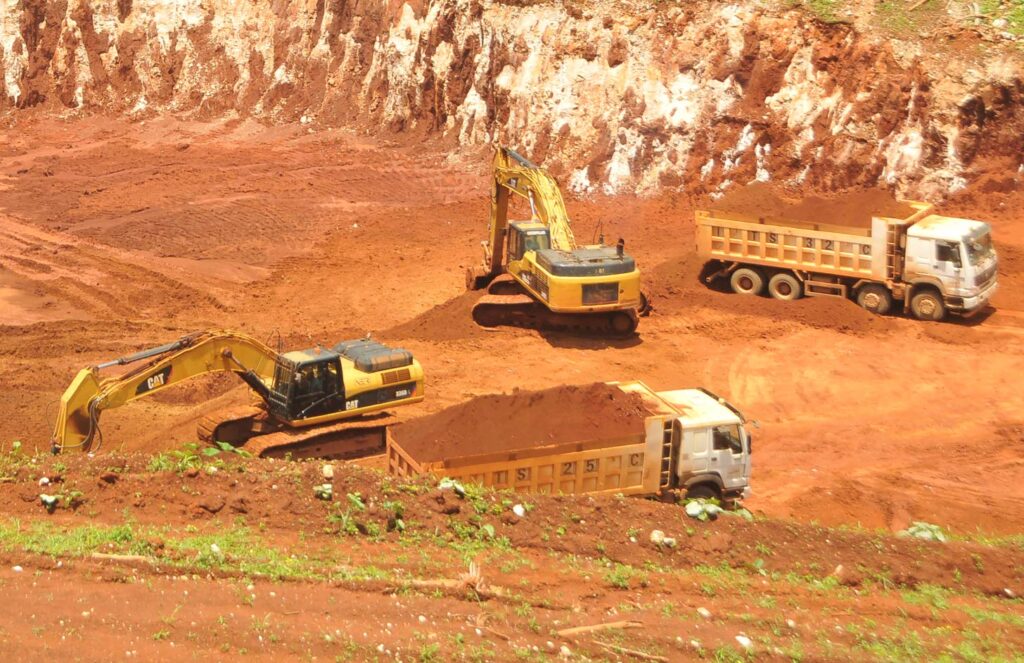
Hurricane Melissa deals $40-b blow to mining sector
KINGSTON, Jamaica – The Jamaican mining sector, a vital contributor to the nation’s foreign exchange earnings, has been severely impacted by Hurricane Melissa, with preliminary losses estimated at $40.25 billion. Agriculture and Mining Minister Floyd Green disclosed this staggering figure during a detailed address to the Houses of Parliament on Tuesday, highlighting the widespread devastation caused by the late-October Category 5 hurricane.
-
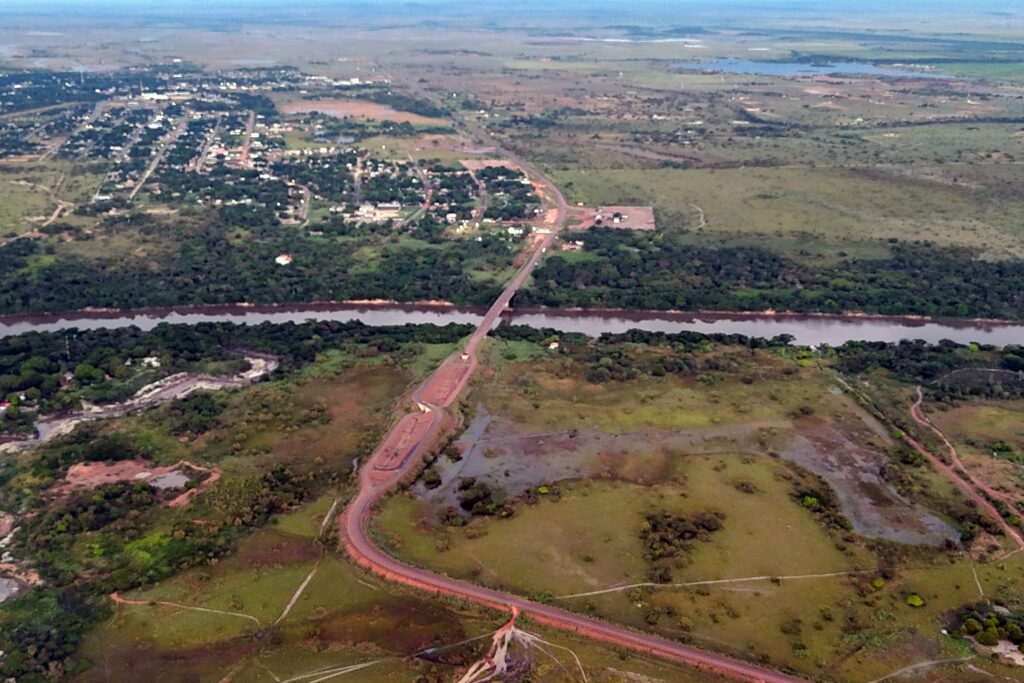
Guyana’s oil production hits 900,000 barrels per day
GEORGETOWN, Guyana — ExxonMobil Guyana Limited has announced a significant milestone in its operations, with daily oil production in the Stabroek Block now reaching 900,000 barrels. This achievement underscores the rapid development of Guyana’s energy sector, driven by strong collaboration between ExxonMobil, the Guyanese government, and its partners, Hess Guyana Exploration Limited and CNOOC Petroleum Guyana Limited.
-
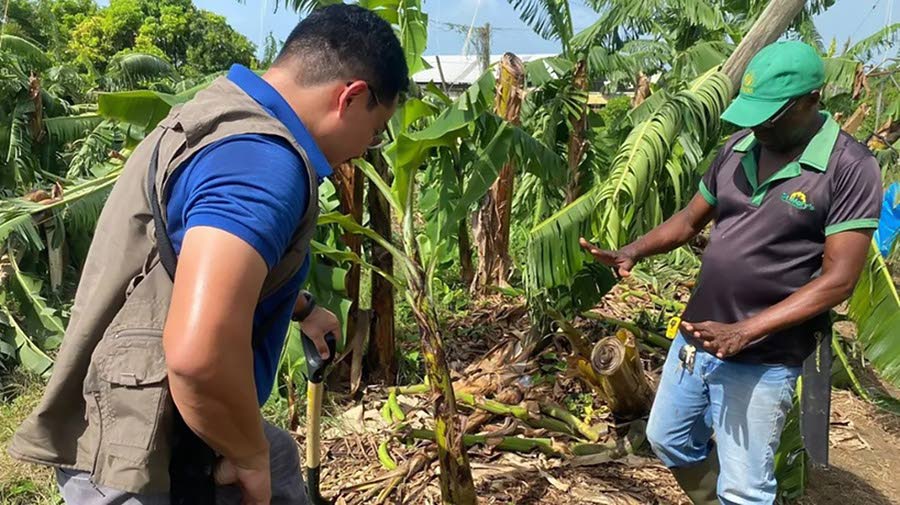
JP Farms reports wipeout of banana and plantain fields
JP Farms, a subsidiary of the Pan Jamaica Group, has reported extensive damage to its agricultural operations in St Mary, Jamaica, following the devastating winds of Hurricane Melissa. The Category 5 storm, with wind speeds reaching up to 185 mph, caused an estimated near-total loss of banana and plantain crops, marking the second consecutive year that the 90-year-old farming enterprise has been severely impacted by extreme weather. Although St Mary avoided a direct hit, the prolonged high winds from the hurricane’s outer bands flattened crops still recovering from the effects of Hurricane Beryl in 2024. In response, Pan Jamaica Group has pledged immediate financial support to aid the farm’s recovery, building on a $250 million investment made in 2024 to restore operations post-Beryl. Jeffrey Hall, Vice Chairman and CEO of Pan Jamaica Group, emphasized the company’s long-term commitment to Jamaica’s agricultural sector and the livelihoods of over 200 families in St Mary. Despite the challenges, JP Farms remains dedicated to retaining its workforce during the recovery period. A silver lining emerged from the disaster: an experimental plot of wind-resistant banana plants, developed in collaboration with the Bodles Agriculture Research Station, sustained significantly less damage, offering hope for future crop resilience.
-

NFM profits rise to $39.7m in Q3
National Flour Mills (NFM) has announced a robust profit after tax of $39 million for the third quarter ending September 30, marking a significant achievement in a challenging global economic landscape. The company’s revenue also saw a notable increase, rising to $401 million from $386 million during the same period last year. This growth comes despite ongoing trade uncertainties and heightened geopolitical risks that have disrupted supply chains worldwide.
-

CB Foods reports disruption in egg supply following Hurricane Melissa
KINGSTON, Jamaica — CB Foods, a leading food supplier, has revealed a significant disruption in its egg supply chain following extensive damage to its Bamboo, St Ann egg farm caused by Hurricane Melissa. The company issued a statement expressing solidarity with those affected by the storm, acknowledging the widespread challenges faced by the community and its own workforce.
-
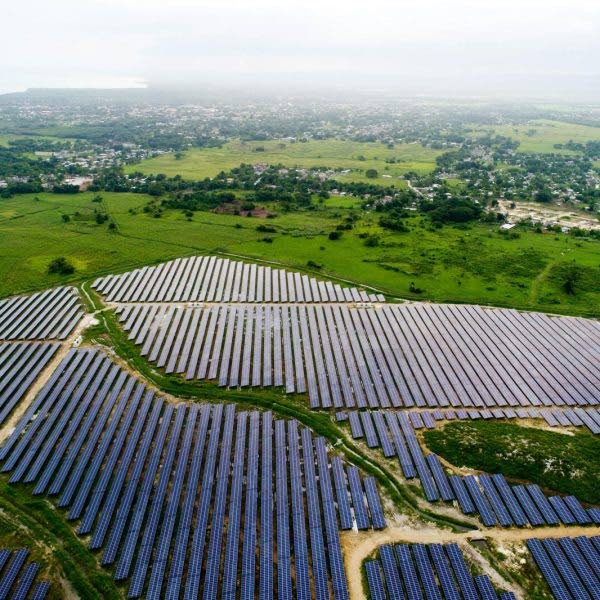
InterEnergy to rebuild solar park
KINGSTON, Jamaica — In the aftermath of the devastating Category Five Hurricane Melissa, InterEnergy Group has pledged to reconstruct the 52-megawatt (MW) Eight Rivers Solar Park in Westmoreland, which suffered extensive damage. The company has unveiled a detailed reconstruction strategy aimed at restoring the solar park’s energy generation capabilities, enhancing its resilience against future extreme weather events, and supporting Jamaica’s broader energy recovery efforts.
Rolando González Bunster, Chairman and CEO of InterEnergy Group, emphasized the company’s dedication to the people and communities it serves. ‘In Jamaica, we have seen remarkable resilience in the face of adversity. We are determined to support the nation’s recovery through tangible actions,’ he stated. ‘The reconstruction of the Eight Rivers Solar Park will prioritize strength, safety, and sustainability, reaffirming our commitment to Jamaica’s and the Caribbean’s energy future.’
Despite the hurricane’s destructive impact, InterEnergy’s thermal power plants—Doctor Bird I and II, West Kingston Power Partners (WKPP), and Jamaica Private Power Company (JPPC)—remain operational, supplying 250 MW of uninterrupted power to the national grid. Additionally, the company is assessing its wind farm in St Elizabeth, with plans to resume operations once safety conditions are met.
As part of its humanitarian response, InterEnergy has coordinated the arrival of the International Medical Relief (IMR) team to Jamaica. IMR, a nonprofit organization dedicated to providing medical care and support to vulnerable populations globally, will offer critical assistance. The company has also cleared vital access roads in Westmoreland to facilitate the delivery of relief supplies, initiated a nationwide donation campaign, and prepared 4,000 care packages for distribution to the most affected communities in western Jamaica.
Dr. Wayne McKenzie, Country Manager of InterEnergy Jamaica, highlighted the broader mission of the recovery efforts. ‘Hurricane Melissa has left profound devastation, particularly in western Jamaica. Recovery is not just about restoring power but also restoring hope. Our teams are working tirelessly to clear access routes, organize relief logistics, and provide essential care packages to families in need. We remain steadfast in our commitment to helping Jamaica rebuild stronger,’ he said.
-

‘It’s not a good picture’
Jamaican Teas Limited is grappling with a significant downturn in its US market sales, a critical revenue stream for the company. CEO John Mahfood identified a ‘triple threat’ of challenges impacting consumer spending among the Caribbean Diaspora: increased tariffs, heightened immigration enforcement, and the suspension of food stamp payments. These factors have collectively dampened sales in key states like New York and Florida.