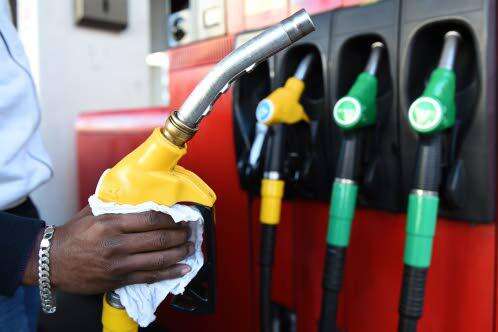
KINGSTON, Jamaica — Motorists across Jamaica are bracing for a significant increase in fuel prices starting Thursday, November 13, as announced by Petrojam, the nation’s sole oil refinery. The latest ex-refinery costs indicate a $1.00 rise in both grades of gasoline. Specifically, 90-octane gasoline will now cost $106.38 per litre, while 87-octane will be priced at $100.74 per litre. Additionally, automotive diesel fuel will be sold at $111.83 per litre, and ultra-low sulphur diesel will see a price of $117.95 per litre. Kerosene, a crucial fuel for many households, will be available at $119.14 per litre. Propane liquid petroleum and butane liquid petroleum will also experience price adjustments, with propane at $67.78 per litre and butane at $76.00 per litre. It is important to note that these prices are exclusive of mark-ups by marketing companies and retailers, which will further increase the final cost to consumers. This price hike is expected to have a ripple effect on various sectors, including transportation and manufacturing, potentially leading to increased costs of goods and services across the island.
分类: business
-

Imbert: 26% drop in First Citizens shares frightening
Former Finance Minister Colm Imbert has expressed deep concern over the significant 26% drop in the share price of First Citizens Group Financial Holdings (FCGFH) since April 28. In a post on X on November 11, Imbert described the situation as ‘sinister,’ suggesting potential market manipulation. He emphasized that despite FCB’s consistent earnings growth, the share price plummeted from $42 to $31 within six months, a decline he deems inexplicable without external interference. Speaking at the PNM’s weekly media conference on November 13, Imbert highlighted the impact on small investors, particularly pensioners, who have seen substantial losses in their investments. He urged authorities to investigate the matter, pointing out unusual trading patterns involving small volumes of shares that have caused significant price drops. According to the TT Stock Exchange, FCGFH shares closed at $33.75 on November 13, down from $41.90 on April 28. Finance Minister Davendranath Tancoo dismissed Imbert’s concerns, stating there was ‘nothing worthy of comment.’ Meanwhile, FCGFH Chairman Shankar Bidaisee and Acting CEO Jason Julien have yet to provide detailed responses, with Julien assuring stakeholders of the Group’s commitment to creating sustainable value.
-

Moonilal: Safety culture must lead Trinidad and Tobago’s energy comeback
Energy Minister Dr. Roodal Moonilal has underscored the critical importance of discipline and safety in Trinidad and Tobago’s energy sector revival, asserting that economic growth is meaningless if it jeopardizes lives or the environment. Speaking at Amcham’s 29th Health, Safety, Security, and Environment (HSSE) conference on November 11, Moonilal emphasized that effective HSSE policies are not just legal obligations but essential for protecting workers, communities, and the environment while ensuring operational efficiency and sustainability. His remarks come as the ministry seeks to transform recent energy production stabilization into sustained investor confidence. Moonilal outlined several initiatives, including annual HSSE workshops for energy companies, a review of national oil-spill contingency plans, and the potential engagement of an HSSE consulting firm to assess and improve domestic practices. He also referenced a 2016 facilities audit by DNV GL, which highlighted significant variations in asset-integrity management across the sector, and called for a fresh, targeted review. Government statistics cited in his speech revealed a decline in significant incidents from 58 in 2016 to 24 in 2024, with 20 incidents reported so far this year. However, Moonilal stressed that further improvements are necessary, noting that 305 incidents, including 44 fires or explosions resulting in eight fatalities, were reported over the period under review. He linked stronger HSSE regimes to reduced downtime and protected export-earning capacity, crucial for a gas-dependent economy. Moonilal also addressed household-level risks, particularly after a series of LPG cylinder explosions caused injuries, fatalities, and property damage. He ordered an urgent review of LPG safety standards and highlighted technologies like automatic shut-offs and leak detectors to mitigate residential risks. Moonilal concluded that the energy sector’s recovery hinges not only on hydrocarbon output but also on robust safety systems and regulatory trust, stating, ‘Safety is good business — it protects lives, assets, and the national brand.’
-

Oil, gas turnaround no reason for complacency
Energy Minister Dr. Roodal Moonilal’s recent announcement of increased oil and gas production in Trinidad and Tobago has sparked cautious optimism. Speaking at the American Chamber of Commerce’s annual health and safety conference on November 11, Dr. Moonilal revealed a rise in oil output from 52,357 to 55,271 barrels per day and an increase in natural gas production from 2.41 to 2.63 billion cubic feet per day between the second and third quarters of 2025. These figures represent a 6% and 9% increase, respectively.
-
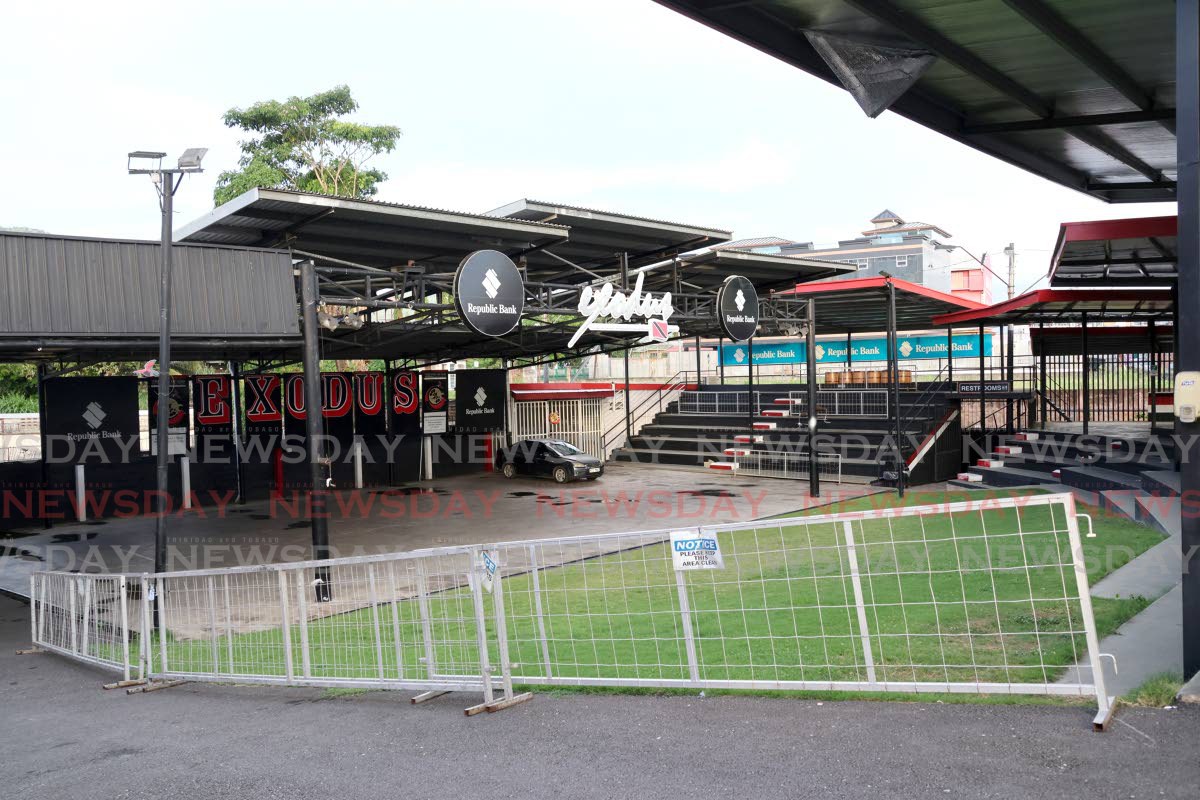
The creative economy as national strategy
In the first installment of this series on October 23, the creative sector’s extensive submissions were contrasted with the minimal attention it received in Parliament. The initial article laid the groundwork for a multi-billion-dollar creative industries sector. This concluding piece outlines the essential projects and interventions for the 2025/26 budget to fully unleash Trinidad and Tobago’s creative economy potential.
**1. Regularising Panyards: Unlocking Hidden Wealth**
One of the most transformative proposals is the regularisation of land tenure for panyards. Currently, 65-75% of panyards are on state lands. Legalising their tenure would cost the state virtually nothing but could transfer hundreds of millions in real estate wealth to grassroots creatives and working-class communities. A cabinet note already exists, outlining management training programmes and the creation of a trust company to guide this historic process.**2. Heritage: The Sleeping Giant**
Trinidad and Tobago’s heritage sector remains an untapped source of foreign exchange, capable of earning $2 billion annually if developed to international standards. With the Prime Minister now overseeing heritage, there is a critical opportunity for partnership in modernising and monetising this field. The 2025/26 budget should prioritise listing at least 50 new heritage sites under the National Trust and launching 12 flagship, income-generating destinations.**3. East Port of Spain (PoS): From Crime to Creativity**
The East PoS Growth Pole and Heritage City project, championed by the East PoS Council of Community Organisations, must be implemented. This initiative is not just about community rehabilitation; it’s a model for crime reduction through creative entrepreneurship. Projects include the Observatory Street heritage and artisan guild district, a Carnival factory, and the international museum of TT Music at George and Nelson streets.**4. Preserving National Collections**
Trinidad and Tobago urgently needs a heritage warehouse to safeguard endangered national artefacts. Such a facility would allow proper curation and conservation while generating tourism income. With over 300,000 potential visitors annually, it could earn up to $60 million each year. Without this intervention, priceless heritage material valued at over $1 billion will deteriorate within the next five years.**5. Music and the Return of Caribbean Sound Basin**
The reopening of the legendary Caribbean Sound Basin in Maraval could once again position Trinidad and Tobago at the heart of the global music industry. Once ranked among the world’s top studios, it launched the Kiskadee Karavan and can catalyse a new era of local music production and export. Alternatively, the proposed national studio hub, developed in partnership with Grammy-winning TT engineer Dexter Simmons, would create a modern ecosystem for recording, training, and networking with global markets.**6. Protecting and Monetising Intellectual Property**
A comprehensive campaign is needed to copyright and trademark local creative works, books, music, films, games, and more, so that they can be licensed and monetised internationally. Establishing a national licensing company dedicated to managing and marketing TT’s intellectual property globally would connect local creators with major licensing firms and open new revenue streams for generations of artists.**7. Reintroducing Tech-Voc and Arts Magnet Schools**
The government must reintroduce tech-vocational training in secondary schools and establish magnet schools for the arts, technical skills, and computer science. These institutions should be professionally managed and feature immersive creative curricula. Tech-voc education is a proven driver of sustainable employment and youth rehabilitation, while also providing critical skills to support the manufacturing, petrochemical, and repair sectors.**8. A Bold Cultural Pivot: The Prime Minister’s Residence as a National Gallery**
The boldest proposal is to transform the Prime Minister’s official residence and diplomatic centre into a new national art gallery. This move could place Trinidad and Tobago on the global cultural map, attracting international artists, collectors, and investors. It would symbolise a radical redefinition of leadership and national priorities, positioning culture at the centre of development.The time has come for a more sophisticated approach to industrial development, one that recognises the creative industries as serious economic drivers. The projects proposed for the 2025/26 budget are strategic investments in foreign exchange generation, employment, and global positioning. At this moment of global socio-economic instability, Trinidad and Tobago must innovate to empower its citizens, diversify its economy, and expand its presence on the world stage. The creative sector stands ready to lead that charge, if only the nation’s leadership will give it the space, structure, and vision to do so.
-
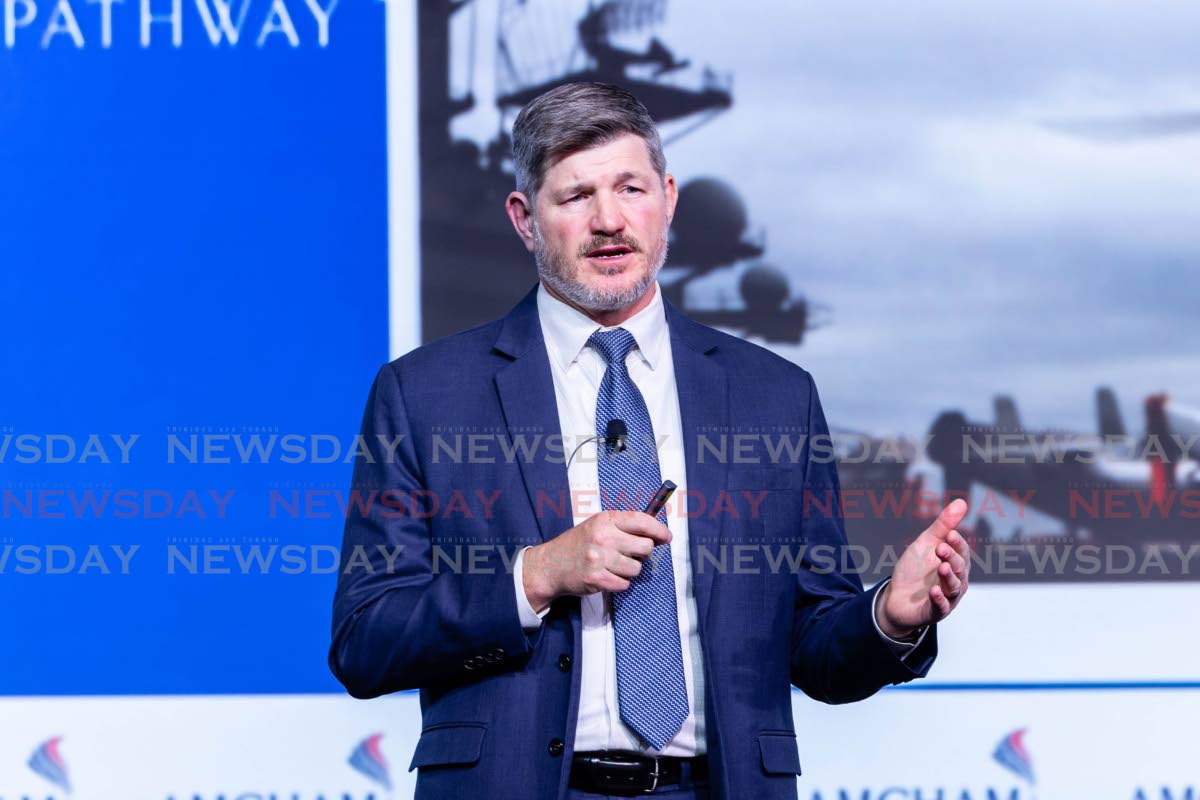
The Top Gun mindset: Leading through chaos with discipline, adaptability
At the American Chamber of Commerce of Trinidad and Tobago’s (AmCham TT) Health, Safety, Security, and Environment (HSSE) Conference, retired US naval aviator Dan Baxter delivered a compelling keynote on adaptive leadership and business resilience. Drawing from his experience during the 2011 Japan earthquake and tsunami, Baxter emphasized the importance of operational discipline, trust, and adaptive capacity in high-stakes environments.
-
From autopilot to acceleration: Trinidad and Tobago’s growth blueprint
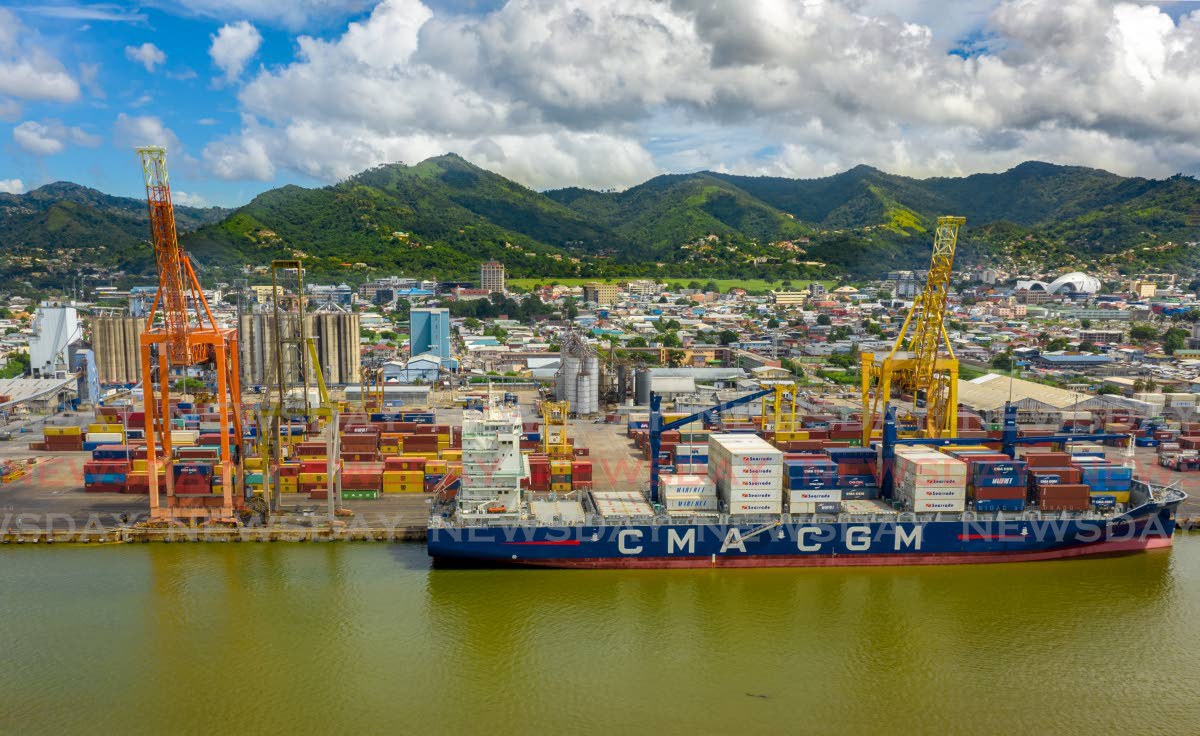
Trinidad and Tobago (TT) is poised for a significant economic transformation through a bold infrastructure-led revitalization plan. Spearheaded by economist Dr. Vaalmikki Arjoon, the initiative aims to break the nation’s reliance on the energy sector and address long-standing underdevelopment in non-energy industries. The plan emphasizes diversification, resilience, and competitiveness, marking a paradigm shift from short-term political agendas to long-term, investment-driven growth. At its core is large-scale infrastructure spending, which is expected to stimulate economic activity, create jobs, and catalyze private investment. Key projects include a deepwater port offshore Port of Spain, the San Fernando to Mayaro highway, and redeveloped waterfronts. These initiatives are designed to enhance trade competitiveness, improve regional connectivity, and boost tourism and logistics. Financing will rely on public-private partnerships, government-to-government collaborations, and innovative models like Real Estate Investment Trusts (REITs). The success of this ambitious blueprint hinges on disciplined execution, transparent procurement, and robust oversight to avoid past pitfalls. If implemented effectively, it could position TT as a regional leader and restore national momentum.
-

The truth about credit cards
In an era where credit cards have become a ubiquitous tool for managing daily expenses, a recent letter to the editor highlights the dual-edged nature of this financial instrument. While credit cards offer unparalleled convenience for purchases ranging from groceries to car repairs, they also pose significant risks if mismanaged. The letter emphasizes that credit cards are not a source of free money but rather a form of borrowed capital that must be repaid with interest, often at rates as high as 2% per month. This can transform a seemingly manageable $1,000 purchase into a long-term financial burden if not addressed promptly. One of the most common pitfalls is relying on minimum payments, which primarily cover interest and barely reduce the principal balance, leaving consumers in a perpetual cycle of debt. However, when used judiciously, credit cards can offer substantial benefits. Most cards provide a 30-day interest-free grace period, allowing users to avoid interest charges by paying the full balance on time. Additionally, credit cards can serve as a short-term financial bridge, helping individuals manage cash flow gaps between paychecks. Consolidating expenses onto a single card can also simplify budgeting and spending tracking, provided users remain disciplined and clear their balances monthly. In emergencies, such as unexpected car repairs or medical bills, credit cards can be a lifeline, though the goal should always be to repay the debt swiftly to prevent long-term financial strain. For those who struggle with overspending or are tempted by minimum payments, switching to a debit card may be a wiser choice, as it ensures spending is limited to available funds. The letter concludes with practical tips for responsible credit card use, including treating the credit limit as borrowed money, leveraging the grace period, avoiding minimum payments, and utilizing budgeting resources. Ultimately, credit cards are neither inherently good nor bad; their impact depends on the user’s discipline and financial literacy.
-
Realities of revitalisation: Business leaders on way forward with economic blueprint
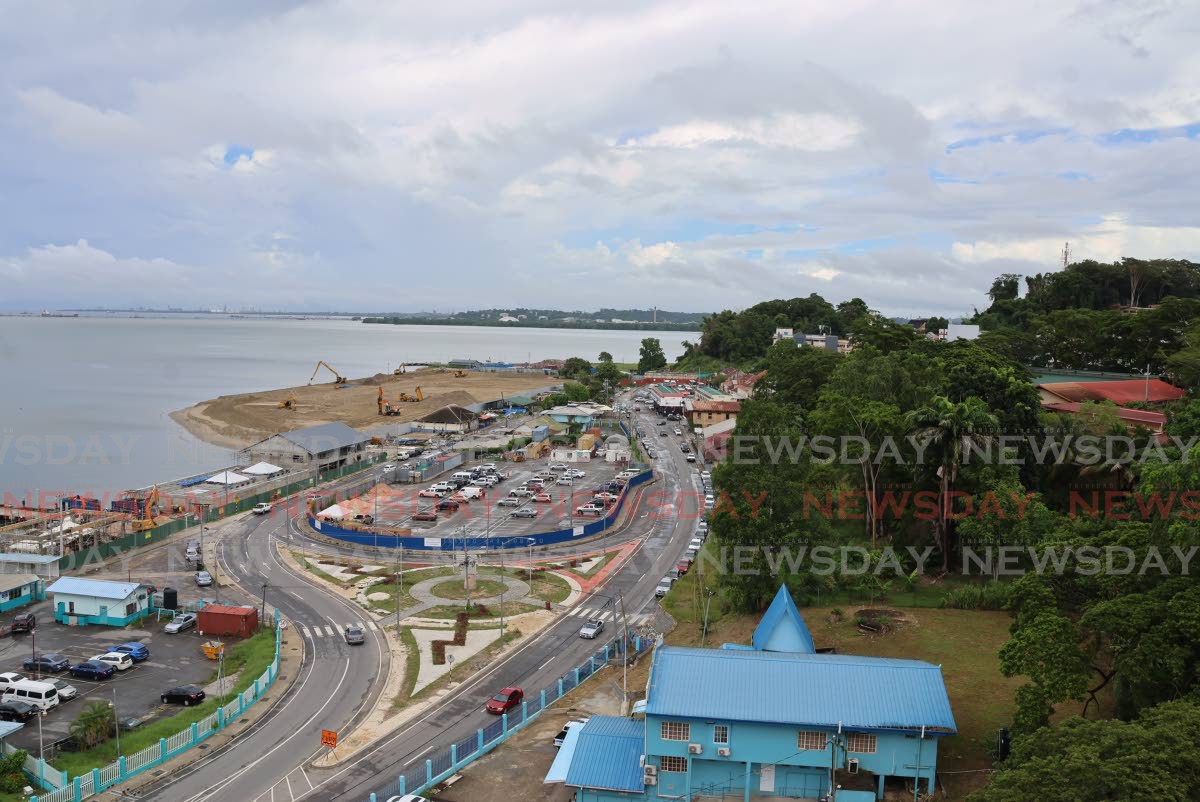
The government of Trinidad and Tobago has unveiled an ambitious Revitalization Blueprint, aiming to transform the nation into a first-world country within a decade. The plan, announced on November 7, includes over 129 construction projects focused on key areas such as the Port of Spain and San Fernando waterfronts, Invaders Bay, Queen’s Park Savannah, and major expansions to the Port of Spain Port. The initiative promises to create more than 50,000 jobs and establish TT as a regional leader in excellence. However, the feasibility, investment, and timeline of these projects remain critical challenges. Business leaders have expressed cautious optimism, emphasizing the need for private sector engagement and foreign direct investment. Vivek Charran, President of the Confederation of Regional Business Owners, highlighted potential low-hanging fruit projects like the decommissioning of Carrera Island and road construction from San Fernando to Mayaro. He also noted the potential for high-rise residential buildings in Port of Spain and San Fernando, which could boost tourism and local economies. MovieTowne CEO Derek Chin emphasized the importance of sustainable tourism and the need for projects to make financial sense, warning against ‘white elephants’ like the National Academy for Performing Arts. While the plan has garnered significant endorsements, its success will depend on the government’s ability to attract investment and address past shortcomings.
-
Climate technology – invest now to achieve sustainability goals
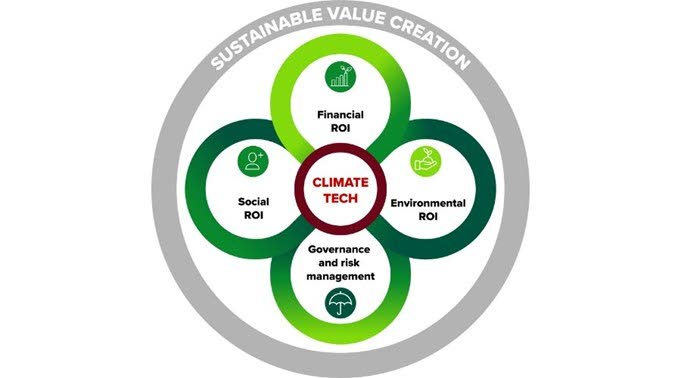
Climate technology, or climate tech, has transitioned from a futuristic concept to a present-day necessity, according to a recent report by ACCA. As global organizations strive to achieve net-zero and sustainability goals, climate tech is increasingly recognized as a critical driver of innovation and investment. However, the readiness to adopt these technologies varies significantly across sectors. With COP30 underway in Brazil, the report highlights both the momentum and challenges in integrating climate tech into organizational strategies, emphasizing the pivotal role of accountants in bridging the gap between ambition and action. Climate tech is reshaping industries, creating opportunities, and attracting investment. While only 15% of organizations currently invest with clear financial or strategic rationale, there is growing interest in cautious investment (42%) and non-financial returns such as ESG and brand value (21%). Key areas of adoption include energy efficiency, carbon compliance, and sustainable supply chains, with green finance, carbon offsetting, and climate risk planning emerging as strategic priorities. Accountants are instrumental in guiding investments, embedding climate considerations into strategy, and ensuring transparent reporting. The report identifies challenges such as data readiness, long-term ROI, and internal capabilities but underscores the potential of AI and robust frameworks to unlock measurable value. Emmeline Skelton, ACCA’s Head of Sustainability, noted that while climate tech investments often involve high upfront costs and long payback periods, their true value lies in enhancing resilience, reducing long-term risks, and fostering sustainable value in a low-carbon economy. She emphasized the role of finance teams in shifting focus from quick returns to long-term benefits. The research also reveals a significant readiness gap, with 72% of organizations struggling with fragmented data, weak governance, or insufficient knowledge. Government support through policy, tax incentives, and skills development is deemed essential by 77% of organizations. By combining strong data, strategic oversight, and supportive public policy, accountants can help scale climate tech and rethink ROI. Additionally, ACCA’s research highlights the importance of interconnected sustainability and financial information for organizational resilience. Many respondents struggle to understand vital resources (25%) and stakeholder information needs (33%). The report offers ten recommendations, including moving beyond compliance, championing sustainability, and building agile systems to address these challenges.