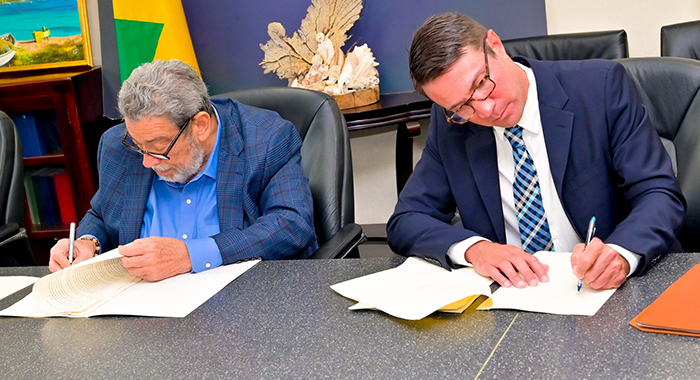
The government of St. Vincent and the Grenadines has finalized a landmark $100 million agreement with a UK-based investor for the comprehensive redevelopment of Palm Island, a private resort island severely impacted by Hurricane Beryl in July 2024. Prime Minister Ralph Gonsalves announced the partnership with Palm Island Resorts Ltd. during a signing ceremony in Kingstown, emphasizing the project’s potential to transform the island’s tourism and economic landscape. The investment will span 20 to 30 months, focusing on rebuilding and expanding the Palm Island Resorts and Spa, as well as the Anchorage Yacht Club on Union Island. The redevelopment will feature 34 freestanding bungalows, 31 private villas, and a range of luxury amenities, including restaurants, swimming pools, a spa, and aquatic activity centers. The Anchorage Resort will be upgraded to a four-star bohemian luxury property, complete with a kite surfing school. The project is expected to generate over 200 full-time jobs and significantly boost the local economy by sourcing agricultural products, seafood, and other inputs from Vincentian businesses. Additionally, the government has granted duty-free concessions on construction materials and equipment, along with a 15-year tax holiday under the Hotel Aids Act. Prime Minister Gonsalves highlighted the project’s role in revitalizing the Southern Grenadines and enhancing the country’s tourism appeal. Investor Zachary Bayman praised the resilience of the Vincentian people and expressed commitment to preserving Palm Island’s legacy while delivering lasting benefits to the region.
分类: business
-
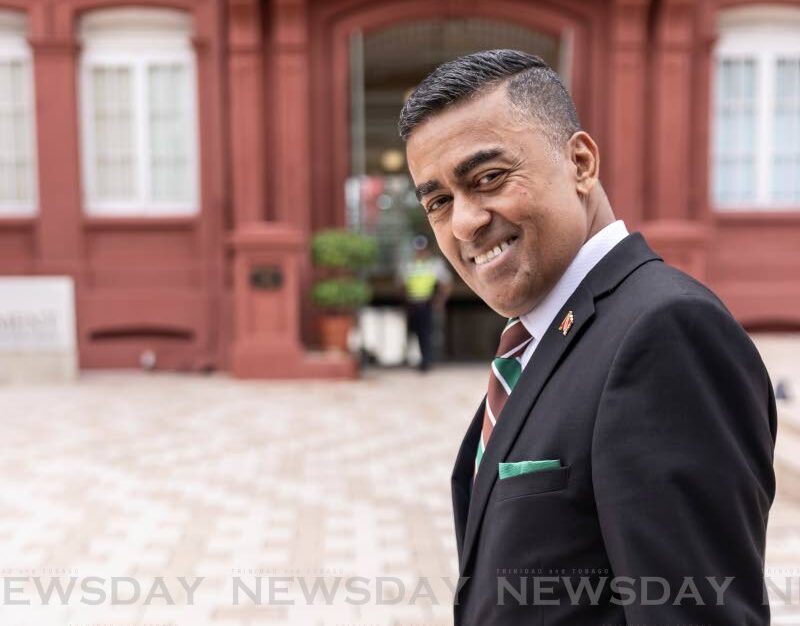
Tancoo calls on banks to absorb asset levy
Finance Minister Davendranath Tancoo has reassured the public that the newly introduced 0.25% asset levy on commercial banks and insurance companies, effective January 1, 2026, will not adversely affect customers. Speaking at the ICATT conference held at the Hyatt Regency in Port of Spain, Tancoo emphasized the importance of the Central Bank’s role in ensuring that financial institutions absorb the levy without passing additional costs onto consumers. He highlighted that the combined asset base of commercial banks and insurance companies exceeds $230 billion, and the levy is expected to generate approximately $5 billion annually from banks and $75 million from insurance companies. Tancoo also addressed concerns raised by critics regarding the lack of safeguards to prevent cost transfer to customers, stating that the Central Bank would maintain strict oversight. Additionally, he outlined the government’s strategy to reduce the budget deficit by enhancing the efficiency of the Board of Inland Revenue (BIR) and Customs and Excise, aiming to curb tax evasion and improve revenue streams.
-
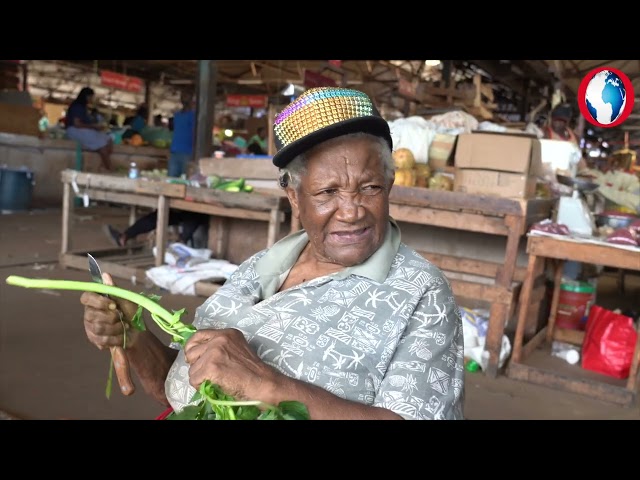
Market Bag: Escallion buyers get slight reprieve as price falls to $800, but…
KINGSTON, Jamaica — Shoppers at Coronation Market are experiencing another week of unpredictable price fluctuations, with hot pepper prices soaring to as much as $1,500 per pound. Meanwhile, escallion has seen a modest decline, now priced at $800 per pound by most vendors. This ongoing volatility has left both vendors and consumers grappling with the economic impact of these shifts.
In a recent episode of ‘Market Bag,’ host Brittania Witter revisited the bustling downtown Kingston market to speak with ‘Mama,’ a seasoned vendor who has been a fixture at the market for decades. Her insights shed light on the challenges faced by vendors amid these turbulent times.
Vendors attribute the sharp rise in hot pepper prices, which had already surged in previous weeks, to a combination of adverse weather conditions and reduced supply from key farming regions. These disruptions have led to significant shortages, driving prices to unprecedented levels. Currently, hot pepper is being sold at $1,200 to $1,500 per pound, depending on quality and availability.
Many vendors are warning that unless there is a swift improvement in supply conditions, consumers should brace for continued price instability in the coming weeks. This could result in a particularly costly holiday season, with Christmas shopping likely to be affected by these rising costs.
-
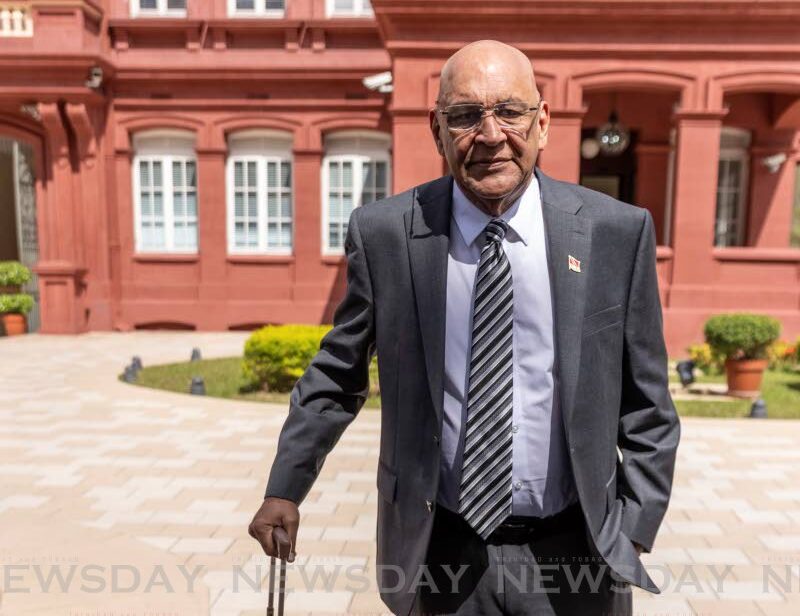
Trade Minister: Venezuela a potential gold mine once issues settled
Despite escalating diplomatic tensions between Trinidad and Tobago (TT) and Venezuela due to TT’s support for US military actions against Venezuelan narco-terrorists and traffickers, Trade, Investment, and Tourism Minister Satyakama Maharaj has identified Venezuela as a potential ‘gold mine’ for trade and investment. Speaking at the Institute of Chartered Accountants’ (ICATT) annual international finance and accounting conference in Port of Spain, Maharaj emphasized that Venezuela represents a vast, untapped market for TT manufacturers, provided its socio-political and geopolitical challenges are resolved. He expressed confidence that TT could swiftly capitalize on this opportunity, potentially launching trade missions immediately. Maharaj also highlighted TT’s economic diversification efforts, aiming to increase non-energy exports from 30% to 50% within five years, citing the decline of the oil and gas boom as a driving factor. He acknowledged challenges in coordinating with the fragmented private sector but revealed plans to unify various chambers and organizations under a single private sector entity. Additionally, Maharaj praised Prime Minister Kamla Persad-Bissessar for her relentless lobbying efforts, which led to the US reversing a 15% tariff on TT’s ammonia, urea, and methanol exports. This reversal, achieved through high-level diplomatic engagements, has been hailed as a significant win for TT’s economy.
-
Economic risks to shifting US tariffs
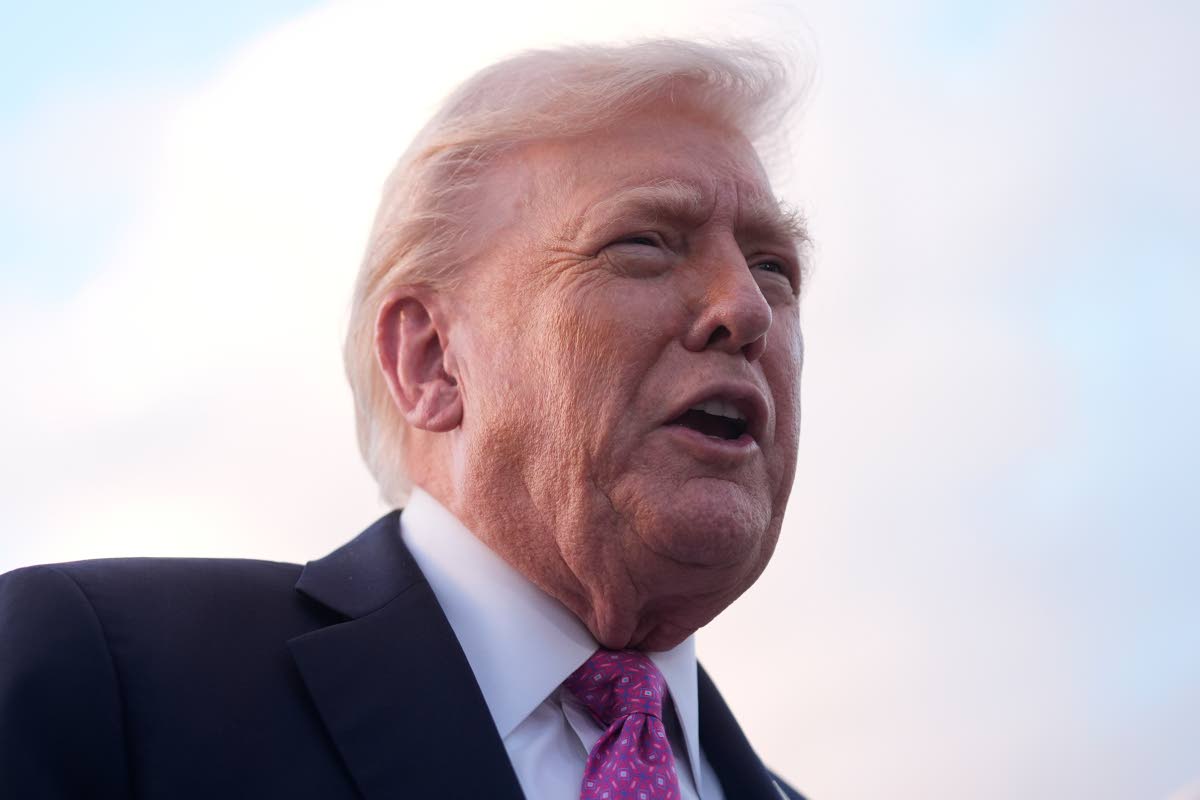
A recent policy brief from the Caribbean Natural Resources Institute (CANARI) has raised alarms about the growing uncertainty in Caribbean economies, driven by a combination of geopolitical factors, including recent changes in US tariff and immigration policies. The report, titled ‘Navigating the New Tariff and Immigration Regimes in the Caribbean,’ underscores the urgent need for the region to adapt strategically to these rapidly evolving external pressures. The brief, part of CANARI’s Strategic Research and Policy Initiative, highlights how shifts in US domestic and foreign policies have led to the restructuring of global trade relations, reduced development assistance, increased military spending, and tightened immigration controls. These changes are expected to result in more expensive trade, fewer immigration opportunities, reduced remittance flows, and heightened economic instability across the Caribbean. Key recommendations from the brief include diversifying exports, reducing dependency on external food and energy supplies, fostering entrepreneurship among youth, enhancing regional cooperation in food and energy production, and developing labor policies suited to the new geopolitical economic order. Nicole Leotaud, Executive Director of CANARI, emphasized the importance of reassessing long-standing development strategies in light of global uncertainty. The policy brief is part of a broader research and dialogue initiative led by CANARI in partnership with regional stakeholders to promote a sustainable future for the Caribbean.
-

Quarry boss Danny Guerra, son detained under SoE
Prominent quarry operator and real estate businessman Danny Guerra, along with his son, was detained on November 20 under the state of emergency’s preventative-detention provisions. The arrest, linked to serious allegations involving national security, was confirmed by Assistant Commissioner of Police Richard Smith. Guerra, who was previously out on bail for alleged illegal quarry operations in Guanapo, was taken to the Eastern Correctional Rehabilitation Centre by the Special Investigations Unit (SIU). Smith stated that Guerra would likely remain in custody for the full 90 days permitted under the state of emergency while investigations continue. The detention order was issued by Minister of Homeland Security Roger Alexander, though specific details of the allegations were not disclosed. A source close to Guerra, however, claimed the detention lacked factual basis and was tied to previous quarry-related charges. The source also revealed that Guerra had made significant political donations during the April 28 election campaign, though the recipient party was not specified. Guerra’s health condition remains unknown following his hospitalization in October for complications arising from his initial arrest. The Guerra family’s legal troubles began on October 9 when Danny Guerra, his son Garvin Guerra, and 16 others were arrested during a police operation that shut down an alleged illegal quarry in Guanapo, seizing millions of dollars worth of equipment.
-
Moonilal upbeat about gas supply as bpTT completes Cypre project
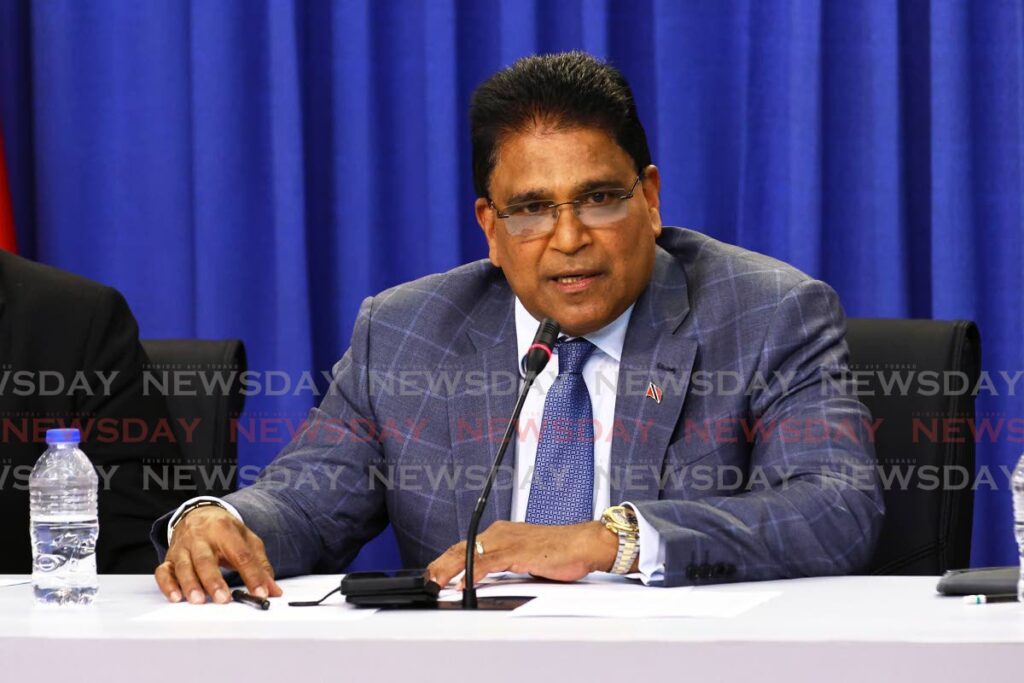
The successful completion of bpTT’s Cypre seven-well drilling program has garnered praise from both current and former Energy Ministers, underscoring its pivotal role in Trinidad and Tobago’s energy landscape. Energy Minister Dr. Roodal Moonilal lauded the project’s early delivery, noting that Phase 2’s three wells were operational ahead of their 2026 schedule. The Cypre subsea development, tied to bpTT’s Juniper platform, is expected to produce 45,000 barrels of oil equivalent daily at peak capacity, significantly bolstering the nation’s natural gas supply. Moonilal attributed the project’s success to policies enacted by the People’s Partnership government in 2014, including exploration incentives that spurred investments like the Macadamia-1 well in 2017. Former Energy Minister Stuart R Young also commended bpTT, emphasizing the project’s role in mitigating natural gas decline. Despite concerns raised by former Prime Minister Dr. Keith Rowley about declining gas production, the Cypre project represents a critical step toward securing Trinidad and Tobago’s energy future. Located 78 kilometers off the southeast coast, the Cypre gas field is wholly owned by bpTT, a joint venture of bp and Repsol.
-
Moonilal: Open door to Nutrien and others
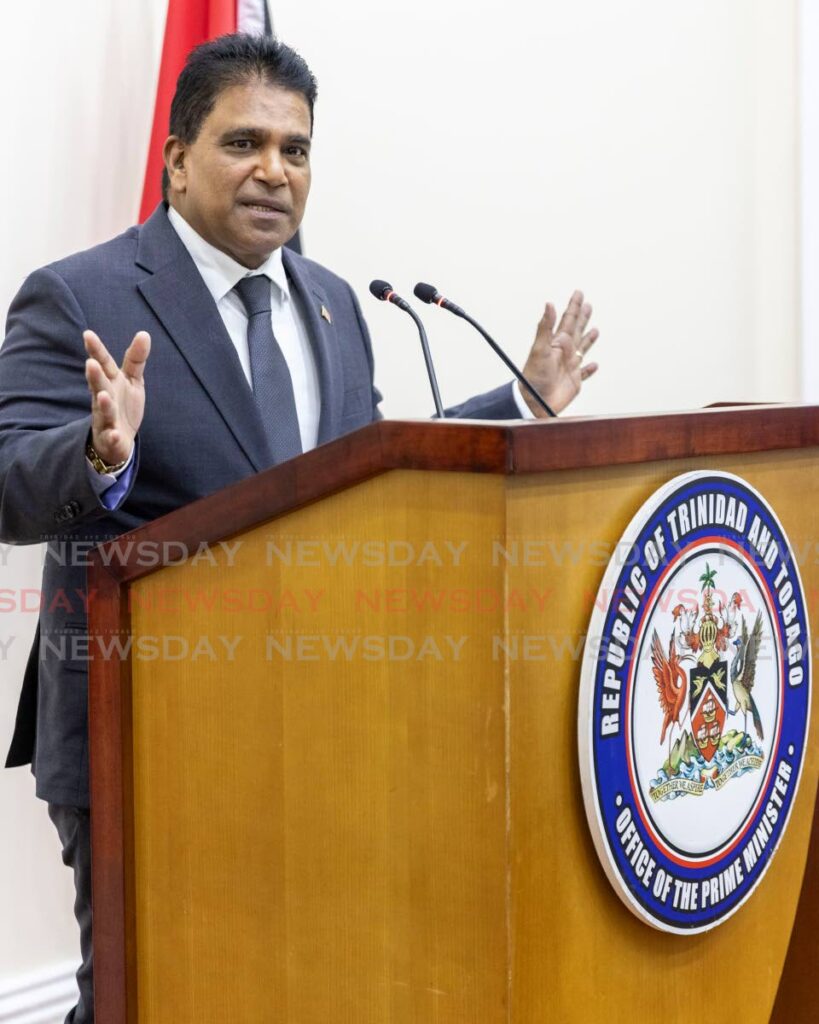
Energy Minister Dr. Roodal Moonilal has reaffirmed the Trinidad and Tobago government’s commitment to fostering collaboration within the petrochemical sector, particularly with global nitrogen and agrochemicals producer Nutrien. Speaking at the post-cabinet news conference on November 20 at the Diplomatic Centre in St. Ann’s, Moonilal emphasized the government’s open-door policy, stating, ‘We continue to have an open-door policy as it relates to the petrochemical sector and all players, including Nutrien.’ Over the past two weeks, the Ministry of Energy and Energy Industries has maintained communication with Nutrien, expressing readiness to discuss future investments and projects in the downstream sector. Moonilal reiterated Prime Minister Kamla Persad-Bissessar’s stance that Trinidad and Tobago is open for business. This announcement follows Nutrien’s decision to fully shut down its Trinidad operations on October 23, leaving 600 workers unemployed after failed negotiations with the National Energy Corporation of Trinidad and Tobago over port and pier facility fees. Moonilal also highlighted the successful completion of bpTT’s Cypre project, which is expected to significantly boost natural gas production. The project, located 78 kilometers off Trinidad’s southeast coast, is projected to deliver 45,000 barrels of oil equivalent per day at peak capacity. Former Energy Minister Stuart Young praised the project’s success, noting its potential to offset the ongoing decline in natural gas production.
-
![[UPDATED] Tancoo calls on banks to absorb asset levy](https://wp.caribscopeonline.com/wp-content/uploads/2025/11/cbc142252942151397f4d08a389235f7.jpg)
[UPDATED] Tancoo calls on banks to absorb asset levy
Finance Minister Davendranath Tancoo has reassured the public that the newly introduced 0.25% asset levy on commercial banks and insurance companies, effective January 1, 2026, will not adversely affect customers. Speaking at the ICATT conference held at the Hyatt Regency in Port of Spain, Tancoo emphasized that the Central Bank would be tasked with ensuring that these institutions absorb the levy without passing additional costs onto consumers. The levy is expected to generate significant revenue, with commercial banks and insurance companies holding combined assets of over $230 billion, yielding an estimated $5 billion and $75 million annually, respectively. Tancoo highlighted the importance of financial responsibility and equity, urging the Central Bank to maintain strict oversight. Despite concerns from critics about potential cost transfers to customers, Tancoo expressed confidence in the public’s digital awareness and ability to seek better financial options if necessary. Additionally, the government is focusing on enhancing the efficiency of the Board of Inland Revenue (BIR) and Customs and Excise to address tax evasion and reduce the budget deficit, which currently stands at 2.17% of GDP. Tancoo also mentioned ongoing efforts to modernize the BIR, aiming to improve accountability and revenue collection to support national development.
-
Trade Minister: Inaugural flight to Ghana coming
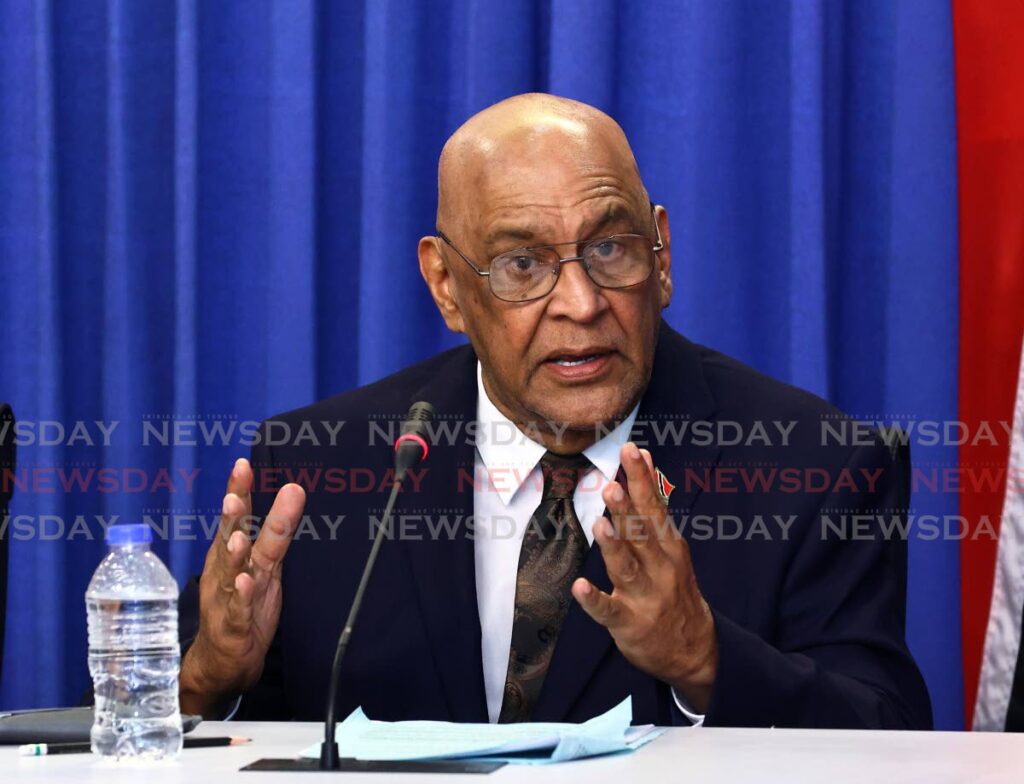
In a significant move to strengthen trade and tourism ties, Satyakama Maharaj, Trinidad and Tobago’s Minister of Trade, Investment, and Tourism, has unveiled plans for an inaugural test flight connecting TT to Ghana. The announcement was made during a post-Cabinet media briefing at the Diplomatic Centre in St Ann’s. Maharaj highlighted the logistical challenges of transatlantic travel, emphasizing that current flights to Africa and India can take up to two days, which is both costly and time-consuming. He revealed that the government is in talks with Ethiopian Airlines and the Ghanaian government to facilitate this initiative. The minister underscored the potential economic benefits, particularly for Republic Bank, which operates 40 branches in Ghana and faces operational hurdles due to the lengthy travel times. Maharaj expressed optimism about exploring all options to establish direct flights between the Caribbean and Africa, viewing this as a stepping stone to broader economic collaboration. He also mentioned ongoing discussions for a free-trade agreement involving TT, Caricom, and the Economic Community of West African States (ECOWAS), which represents a market of 450 million people. The recent appointment of Ghana’s first ambassador to TT further signals mutual interest in fostering trade relations. Maharaj reiterated his commitment to overcoming the barriers to accessing the West African market, which boasts a population of 470 million, stressing that improved connectivity is essential for business growth.