分类: business

  • World Facility Management Day Conference: 13 May 2026

    World Facility Management Day Conference: 13 May 2026

    A new professional conference focused on the global facility management industry has opened registration for interested industry practitioners, stakeholders, and academic observers. The event, which is organized around the observance of World Facility Management Day, is being coordinated by Facilities Consulting Limited (FCL) in collaboration with the International Facility Management Association (IFMA) and Grenada’s Ministry of Infrastructure, with industry expert Edward Kacal set to lead key programming for the gathering.

    Those seeking to secure their spot at the upcoming conference can complete their registration via the official event portal at https://lets-meet.org/reg/b295f1301fb747ed2d. The platform is designed to streamline the sign-up process for attendees from across the region and around the world, giving participants quick access to event schedules, venue details, and additional programming updates ahead of the gathering.

    As a standard practice for independent platform hosting, NOW Grenada, the media outlet hosting the event announcement, has issued a standard content disclaimer. The outlet clarifies that it does not take responsibility for the opinions, factual statements, or third-party media content shared by event contributors who are featured in the announcement or participating in the conference itself. Users who encounter inappropriate, misleading, or abusive content related to the event announcement are invited to submit a report via the platform’s designated reporting channel to prompt a content review by NOW Grenada’s moderation team.

    The conference comes as the global facility management sector continues to grow, with increasing demand for professional standards, sustainable infrastructure management practices, and cross-border knowledge sharing among industry professionals. This gathering in Grenada represents a rare opportunity for regional practitioners to connect with global leaders in the field, align with international industry standards set by IFMA, and contribute to ongoing conversations about advancing infrastructure management across the Caribbean and beyond.

  • Condom Prices to Rise Because of US/Iran War

    Condom Prices to Rise Because of US/Iran War

    The ongoing geopolitical conflict between the United States and Iran has rippled beyond traditional energy and security sectors, creating unexpected disruption in a critical global consumer and public health supply chain. The world’s leading condom producer, Karex Bhd, has confirmed it will implement steep price increases of between 20 and 30 percent, a move directly tied to supply chain breakdowns sparked by the regional conflict.

    In an official statement shared with stakeholders, Karex Chief Executive Officer Goh Miah Kiat explained that the price adjustment is a necessary response to skyrocketing production and logistics costs that the firm can no longer absorb internally. As the world’s largest condom manufacturer, Karex churns out more than five billion units annually, serving a wide range of high-profile clients that include top global retail brands Durex and Trojan, as well as major public health entities such as the UK’s National Health Service and United Nations sexual and reproductive health aid programs.

    Goh detailed that the US-Iran conflict has upended key logistics routes and raw material markets across the Middle East, a critical transit and processing hub for the core inputs required for condom manufacturing and packaging. Essential materials including synthetic rubber, nitrile, aluminum foil, and silicone oil have both dropped in availability and jumped in cost, creating massive cost pressures for the Malaysia-based manufacturer.

    Compounding the supply-side strain is an unexpected 30 percent surge in global condom demand this year. Much of this increased demand stems from pre-emptive restocking after shipping delays depleted existing inventory, particularly in low- and middle-income developing nations that depend almost entirely on international imports and aid programs to meet their sexual health needs.

    Logistical bottlenecks have also dramatically extended delivery timelines for Karex’s key markets in Europe and North America. Where shipments previously took roughly one month to reach destination ports, current delivery times have nearly doubled to almost two months. This backlog has left large volumes of product stuck in transit, even as widespread shortages impact communities in high-need regions.

    While Karex currently maintains enough finished inventory to meet demand over the coming months, company leadership has launched efforts to scale up production capacity to close the gap between supply and elevated global demand. Even so, executives have issued a warning that if geopolitical instability in the Middle East continues to disrupt global supply chains, additional price hikes could be on the horizon in the near future.

  • GR-eat 2027 Toyota RAV4

    GR-eat 2027 Toyota RAV4

    On April 18, Jamaica’s automotive market welcomed a highly anticipated new entry as Toyota Jamaica launched the sixth-generation 2027 RAV4 crossover SUV to the general public during a hands-on test drive event named the RAV4 Experience, hosted at the brand’s Old Hope Road showroom in St Andrew. The model, which has already built a loyal following across the island, drew enthusiastic crowds of eager customers eager to inspect, test drive, and place orders for the updated SUV.

    For decades, the RAV4 has held an unmatched position in Jamaica’s automotive sector, and company leaders emphasized that the nameplate remains the brand’s most critical and highest-performing product on the island. “We are extremely happy to have the all-new 2027 Toyota RAV4 for our Jamaican customers. I think persons have been waiting on it all this time, and now it’s here and they’re really happy with it. They’re coming in, looking, feeling, and test driving,” shared Howard Foster, branch manager of the Old Hope Road location, in an interview with Jamaica Observer’s weekly Auto magazine.

    Kirk Williams, Toyota Jamaica’s general sales and marketing manager, mirrored Foster’s optimism, noting that early customer reception has already exceeded expectations. “The feedback from the customers is that they love the new RAV4. Our pre-orders are through the roof, and I’m looking forward to seeing the sales figures over the coming months,” Williams said. He added that the original RAV4 is widely credited with inventing the mid-sized crossover SUV segment, and its consistent track record as Jamaica’s top-selling Toyota model has built massive excitement for the sixth-generation update.

    The 2027 model retains the practical core characteristics that have made the nameplate so popular, while introducing a host of design, performance, and technology upgrades. The most noticeable update is the revised exterior styling, which adopts Toyota’s modern hammerhead front fascia design and adds sharper, more athletic body lines while keeping the vehicle’s overall footprint unchanged. Inside, the new RAV4 preserves the roomy passenger cabin that Jamaican buyers favor, and expands cargo capacity when the rear seats are folded flat.

    To meet diverse driver needs, the 2027 RAV4 is offered in five trim levels, split across two engine choices and multiple drivetrain configurations. The entry-level LE and XLE trims come equipped with a 2.0-liter four-cylinder gasoline engine, while consumers prioritizing fuel efficiency can opt for a 2.5-liter four-cylinder hybrid powertrain, which is also available on LE and XLE trims. Front-wheel drive paired with an eight-speed automatic CVT transmission comes standard across most trims, with all-wheel drive exclusively offered on the range-topping GR Sport hybrid model.

    This marks the first time in the RAV4’s history that Toyota’s in-house performance division Gazoo Racing (GR) has lent its expertise to the model. Beyond the cosmetic upgrades that set the GR Sport apart — including a custom grille, revised side skirts, 20-inch alloy wheels, a rear spoiler, rear diffuser, and unique body accents — the GR Sport also delivers tangible performance improvements. The model sits 15mm lower than standard variants, with a fully retuned suspension featuring custom springs, adjusted damping rates, and additional rear structural reinforcement. Its power steering has also been recalibrated to deliver sharper, more responsive handling. Inside, the GR Sport gets GR-branded accents, suede-trimmed bolstered sport seats, and eye-catching red contrast stitching to reinforce its performance-focused identity.

    No trim of the 2027 RAV4 was overlooked in the update: every variant gets refinements to both on-road driving dynamics and cabin quietness, plus modern technology upgrades aligned with current consumer expectations. All trims come standard with Toyota Safety Sense 4.0, the Japanese automaker’s most advanced suite of driver assistance and active safety systems ever released. Infotainment screen sizes range from 10.5 inches to 12.9 inches, paired with a 12.3-inch digital multi-function driver’s display. Available convenience features across the lineup include 18-inch wheels, wireless smartphone charging, high-powered USB charging ports, a power-operated tailgate, and automatic headlights and wipers.

    Amid an increasingly competitive new vehicle market in Jamaica, Williams noted that the RAV4 has become a staple of the country’s transportation landscape, and customer feedback confirms ongoing strong demand for the model. “The RAV4 is one of those vehicles that is ingrained in the fabric of the Jamaican transport landscape. We imagine that it will continue, more so with the new RAV4. We understand that the market is more competitive than ever, but the Jamaican public has given us the feedback that they love the RAV4, and they want to continue driving the RAV4 for as long as they can,” he said.

    For consumers looking for maximum fuel efficiency to offset volatile fuel prices, the 2.5-liter hybrid front-wheel drive configuration delivers the highest miles per gallon rating in the lineup. A plug-in hybrid variant of the 2027 RAV4 is scheduled to arrive at Jamaican showrooms later this year to expand the lineup further.

  • OIL PAIN HITS CONSTRUCTION

    OIL PAIN HITS CONSTRUCTION

    The ongoing Middle East geopolitical conflict has sent global oil prices soaring, creating cascading cost pressures that are already pushing key construction material prices up by as much as 15% across parts of Jamaica, industry leaders have confirmed. In conversations with the Jamaica Observer this week, sector stakeholders outlined that while local distributors have opted to absorb a share of incremental cost increases to shield consumers temporarily, prolonged elevated oil prices will almost certainly trigger broader, steeper price hikes for end users in the coming months. This strain mirrors broader inflationary pressures rippling across the Caribbean nation, as climbing fuel costs push up transportation and other core consumer prices.

    Deanall Barnes, managing director of leading local supplier Atlantic Hardware and Plumbing Company Limited, explained that spiking oil costs have lifted both freight and raw material input expenses across the entire construction supply chain. “Undoubtedly, the factors pushing global oil prices higher have already hit local building material distributors,” Barnes noted. “It is not just the direct cost of imported goods that has climbed — shipping costs have also surged dramatically. Even for suppliers that locked in fixed contracts with shipping lines, carriers are now imposing extra charges including new fuel surcharges and broad general rate increases that were not factored into original agreements.”

    Recent across-the-board shipping rate hikes have placed unprecedented additional strain on Jamaican importers, who rely almost entirely on overseas sources for many core construction inputs. According to Barnes, however, most local distributors have opted to absorb a portion of these new costs rather than pass the full burden directly to consumers already grappling with broad cost-of-living increases. To illustrate this dynamic, he cited construction plywood, one of the most widely used building materials: raw export prices from Brazil, Jamaica’s primary plywood supplier, have jumped by roughly 20% in recent weeks, but local retailers have only passed through increases of between 7% and 12.5% to date.

    “Distributors have been able to temper price increases for the moment, but this buffer cannot last indefinitely,” Barnes warned. “If oil prices stabilize within the next 90 days, we may be able to avoid major, industry-wide hikes. But if prices continue their upward trajectory, further price increases for consumers will be unavoidable.”

    Beyond fuel-related supply chain costs, Jamaican construction and raw material producers are also facing concurrent pressures from rising wages and higher domestic transportation costs, creating a multi-front burden that squeezes already thin industry profit margins. Barnes specifically pointed to the upcoming $1,000 increase in Jamaica’s national minimum wage set to take effect on July 1, noting that while the wage adjustment is necessary to support workers amid rising living costs, it still adds to the cumulative cost pressure facing businesses across the sector. “We are being hit from multiple directions at once: higher raw material acquisition costs, higher transportation expenses, and increased labor costs,” he said. “That combination is putting consistent downward pressure on margins across every segment of the construction industry.”

    For Jamaica’s quarry operators, the strain of rising energy costs is even more acute, as fuel and electricity account for a large share of total operating expenses. Sam Millington, chief operating officer of Lydford Mining Company Limited and president of the Mining and Quarrying Association of Jamaica (MQAJ), explained that every stage of quarry production — from extraction to crushing to final product delivery — relies heavily on carbon-intensive energy inputs. “In a standard limestone quarry operation, energy costs alone make up between 25% and 35% of total operating expenses,” Millington said. “With fuel prices rising sharply right now, operators are seeing massive jumps in overall production costs at a time when industry margins are already extremely tight.”

    Millington added that profit margins across Jamaica’s mining and quarry sector typically range from just 15% to 25%, leaving little room for companies to absorb sustained cost increases without passing costs along to customers. Last week, Millington issued an official warning on behalf of the MQAJ that prices for core construction inputs including sand, gravel and limestone would need to rise to offset higher energy costs. In the week since that announcement, the sector has already recorded price increases ranging from 3% to 15%, varying by location and individual company cost structures.

    The current cost pressures come as Jamaica’s quarry sector is still working to recover from severe hurricane damage that cut total industry output by nearly 38% during the final quarter of 2025. Compounding these challenges, higher port fees and persistent global supply chain disruptions have eroded the sector’s international competitiveness over the past two months, with some long-term international buyers shifting their purchases to lower-cost alternative suppliers in other regions.

    Despite the widespread headwinds, Millington has encouraged MQAJ member companies to prioritize operational efficiency as part of their response, rather than relying exclusively on price increases to offset higher costs. “We have encouraged our members to focus on boosting operational efficiency, rolling out energy conservation strategies, and maintaining open communication with customers,” he said. “Raising prices cannot be the only solution to these ongoing pressures.”

    Caribbean Cement Company, Jamaica’s only domestic cement producer, confirmed it is facing the same set of cost pressures stemming from the Middle East conflict, which has lifted domestic fuel and energy costs while also creating challenges sourcing key production inputs. Company representatives added that these headwinds have been compounded in recent months by prolonged, above-average rainfall across the island, which has disrupted production operations and led to temporary cement shortages in some regional markets.

    “Like other players across the construction industry, we are also experiencing significant increases in fuel and energy costs,” said Chad Bryan, Caribbean Cement’s communications and social impact coordinator. “We are also facing ongoing sourcing challenges, as some key production inputs must now be sourced from more expensive alternative markets, which further pushes up overall production costs.”

    As the company prepares to implement its own planned price adjustments, Bryan said Caribbean Cement is working to keep any price increases below the current national inflation rate where possible, to limit the impact on consumers and contractors.

    Amid ongoing global geopolitical and market uncertainty, industry stakeholders across Jamaica’s construction sector are urging contractors, property developers and retail consumers to plan ahead for persistent cost pressures. While industry players are working to cushion the impact of price hikes where possible, all stakeholders agree that continued increases in global oil prices will inevitably translate to higher overall construction costs across the island.

    “If these geopolitical tensions are not resolved soon — which we believe would allow oil prices to stabilize — then customers will have to prepare for broad-based increases in the cost of all building materials,” Barnes said.


  • itel strengthens cybersecurity framework amid rising global threats

    itel strengthens cybersecurity framework amid rising global threats

    Against a backdrop of rapidly escalating global cyber risks and sweeping digital transformation reshaping the global business process outsourcing (BPO) industry, Jamaican BPO leader itel has announced a major expansion of its cybersecurity infrastructure to shield client data, core operational systems and end-to-end service delivery from an increasingly complex threat landscape.

    As founder and chairman Yoni Epstein explains, BPO providers today manage massive volumes of sensitive personal customer information and proprietary business data on behalf of their global clients, making ongoing monitoring, regular infrastructure upgrades and proactive threat mitigation more critical than ever before. Unlike many organizations that treat cybersecurity as a one-time compliance check or static set of requirements, itel frames its security strategy around the core principle that cybersecurity is an evolving, permanent discipline rather than an end goal.

    “Security is not a destination – it is a discipline,” Epstein emphasized in a statement outlining the company’s updated approach. “The global threat landscape shifts constantly, and BPO operators like ours carry an outsized responsibility. We have to guarantee that every system, every network connection, and every data transfer is continuously secured, tested, and reinforced. Our clients entrust us with their core operations, and that trust demands nonstop protection at all times.”

    With cyber threats growing far more sophisticated in recent years – ranging from widespread ransomware campaigns to newly discovered zero-day exploits that bypass existing security controls – itel has rolled out a multi-layered defense-in-depth strategy built to outpace emerging risks before they can impact operations. This comprehensive framework includes advanced network protection tools, 24/7 real-time threat monitoring, and continuous system validation across every segment of the company’s digital technology ecosystem.

    At the network level, cutting-edge security tools block unauthorized access and keep sensitive client data sealed from external bad actors. Internal segmentation safeguards further isolate core systems from one another, limiting the spread of a potential breach if one part of the network is compromised. All of these defensive measures are subject to regular review and updates to align with the latest threat intelligence, ensuring protection does not stagnate as attackers develop new tactics.

    To address the constant risk of unanticipated vulnerabilities appearing in code or infrastructure, itel also maintains a rigorous ongoing program of vulnerability management and regular penetration testing. Any critical security flaws identified through this process are prioritized for immediate remediation, following strict, pre-established incident response protocols to resolve risks quickly.

    Epstein underscored that the company’s round-the-clock monitoring capability gives itel permanent full visibility across its entire digital footprint. When paired with modern endpoint detection and response tools, this setup allows security teams to identify, contain, and neutralize threats in real time, before they can cause downtime or data exposure.

    itel’s enhanced security posture mirrors a broader shift across the global BPO sector, where cybersecurity has transitioned from an optional add-on to a non-negotiable requirement for business continuity and retaining client trust. In an industry where even a short service disruption, minor data leak, or extended downtime can trigger cascading, long-lasting consequences for both the BPO provider and its clients, organizational resilience depends just as much on a widespread culture of security as it does on robust technical infrastructure, Epstein noted.

    “Our security program is proactive, systematic, and always evolving,” he said. “In today’s threat environment, it is no longer sufficient to react to attacks after they happen. We have to anticipate threats, prepare for them, and stay one step ahead of bad actors. That is the only way to protect our clients and preserve the integrity of the services we deliver.”

    As the global digital economy continues to expand and cyber risks intensify across all sectors, Epstein reaffirmed itel’s long-term commitment to ongoing investment in cutting-edge security technologies, continuous strengthening of defensive capabilities, and adherence to the highest possible cybersecurity standards in the global BPO industry.

  • Out Island hotels urged to adapt after double-digit Q1 decline

    Out Island hotels urged to adapt after double-digit Q1 decline

    The Bahamas’ popular Family Island resort sector is teetering but still fighting for recovery, after reporting steep double-digit drops in both room revenue and nights sold during the first quarter of 2026. That warning comes from Kerry Fountain, executive director of the Bahama Out Island Promotion Board, who is calling on the entire Bahamian tourism industry to urgently modernize its operations to fend off mounting competition from the expanding global cruise sector.

    Fountain shared new data with Tribune Business showing that member properties recorded a collective 11% drop in room revenue and an 11% decline in room nights sold over the first three months of 2026. While the June 2025 collapse of Silver Airways eliminated 135,000 annual air seats to the islands, Fountain says that single factor cannot explain the full extent of the decline. A deeper analysis of arrival figures revealed broader, more troubling trends that have been building for decades.

    Earlier, at the Bahamas Hotel and Tourism Association’s (BHTA) quarterly meeting, Fountain presented figures showing that visitor declines to Marsh Harbour—one of the Family Islands’ most popular destinations—from Florida’s Fort Lauderdale and West Palm Beach outpaced the drop in available airline seats after Silver Airways exited the market. For example, 2025 saw a 37.3% year-over-year drop in available seats from Fort Lauderdale to Marsh Harbour, but actual visitor numbers fell an even steeper 37.7%, a gap of almost 8,000 lost arrivals. On the West Palm Beach route, seat capacity dropped 15.3% while visitor numbers fell 22.8%, an even wider discrepancy that points to systemic issues beyond lost airlift.

    Most strikingly, Fountain’s research shows that the average annual occupancy rate for all Family Island hotels, not just BOIPB members, has stagnated at roughly 41% for 28 years—remaining virtually unchanged from the rate recorded back in 1997. Even in 2024, when the islands saw the highest number of available air seats in a decade, average occupancy across all Out Island hotels hit just 37.6%. When airlift was at its peak, occupancy still hovered around 40%, confirming that structural issues, not just lost flight capacity, are holding the sector back.

    To turn the tide, Fountain argues that Bahamian hoteliers must address multiple gaps at once. First, the industry needs to replace the lost Silver Airways capacity connecting Florida to key Family Island destinations including Abaco, Eleuthera, Bimini and Exuma. Beyond that, he says most small, independently owned “mom-and-pop” resorts have failed to update their sales and distribution strategies for the digital age. With artificial intelligence reshaping travel booking and marketing, Fountain warns that properties that do not modernize their digital presence and social media outreach will be left behind, and may be forced to close.

    The most critical change, he adds, must be a major upgrade to the overall guest experience to deliver tangible value for money. While The Bahamas positions itself as a luxury destination, it is also one of the most high-priced travel markets in the Caribbean. Fountain notes that modern travelers expect clear value for the premium prices they pay, and the islands cannot compete on price with large cruise lines. Instead, land-based resorts must differentiate themselves by delivering superior service, personalized care and one-of-a-kind on-island experiences that cruise ships cannot match.

    The threat of cruise industry expansion is not overstated, Fountain warns. Industry forecasts project that global cruise lines will grow their total fleet capacity by 10% between now and 2028, with many carriers repositioning ships out of the conflict-near Mediterranean to safer Caribbean routes, including the Bahamas. This increase in capacity will drive down cruise prices, making all-inclusive floating cruise vacations—many with private island destinations like MSC’s Ocean Cay off Bimini—even more attractive to price-sensitive travelers. Cruise vessels now offer amenities comparable to large land-based mega-resorts such as Atlantis and Baha Mar, eroding a key competitive advantage of Bahamian land-based properties.

    Compounding these concerns, new traffic data underscores the growing dominance of cruise tourism in the Bahamian market already. Nassau Cruise Port reported that first quarter 2026 passenger volumes hit 1.8 million, a 200,000 year-over-year increase from 1.6 million in 2025, with ship calls rising 5.5%. For the first two months of 2026, the Ministry of Tourism confirmed that cruise passengers made up 86% of all arrivals to The Bahamas, totaling 2.13 million of the 2.43 million total visitors, while air arrivals hit just under 300,000. Most importantly, Fountain points out that stopover land-based visitors spend an average of 29 times more per person than cruise passengers—losing even a small share of these high-value travelers to cruises creates a major hit to industry revenue.

    After taking a personal four-night familiarization cruise from Miami to see the modern cruise product first-hand, Fountain emphasized that today’s cruise passengers are far more affluent than in decades past, making the competition for high-spending travelers even more intense. “If we don’t get our act together as far as our product is concerned on-island, we’re going to chase more and more of our visitors on these cruise ships,” he said. “If we continue to under-deliver, we are going to lose more and more of our valuable $2,500 per stay stopover visitor spending to cruise visitors that are spending $84 a day.”

    BHTA president Jackson Weech acknowledged the severity of the challenge, confirming that reversing the Family Island sector’s decline is one of the association’s top priorities moving forward. He noted that Nassau and Paradise Island saw a robust first quarter in 2026 with healthy occupancy and room rate growth, but many Family Island destinations have not shared in that recovery, with some continuing to report double-digit occupancy declines. Weech pledged that the industry will conduct a deep, targeted review of all barriers to competitiveness to ensure the Bahamian land-based tourism sector can hold its own against expanding cruise operations and their private island and beach club offerings.

    Despite the steep challenges, Fountain struck a defiant tone, reaffirming: “While our numbers are down, we’re on the ropes but we’re not out.”

  • Antigua and Barbuda to host Caribbean Travel Marketplace for the second year running in May

    Antigua and Barbuda to host Caribbean Travel Marketplace for the second year running in May

    The twin-island nation of Antigua and Barbuda is gearing up to welcome 500 global tourism stakeholders for the 44th annual Caribbean Hotels and Tourism Association (CHTA) Caribbean Travel Marketplace, a landmark industry gathering set to run from May 12 to 15, 2026 at the American University of Antigua’s purpose-built conference facility.

    This repeat hosting marks the second year in a row Antigua and Barbuda has been selected to welcome the event, a clear vote of confidence that cements the nation’s standing as a leading Caribbean tourism hub and boosts its growing reputation as a top-tier destination for the Meetings, Incentives, Conferences, and Exhibitions (MICE) sector.

    Honourable Charles Fernandez, Minister of Tourism, Civil Aviation, Transportation and Investment of Antigua and Barbuda, emphasized that CHTA’s decision to bring the Caribbean Travel Marketplace back to the country speaks to the industry-wide trust in the nation’s ability to deliver a premium, high-caliber event. He added that the repeat hosting further solidifies Antigua and Barbuda’s position as a go-to destination for large-scale conferences and major global tourism gatherings.

    Colin C. James, CEO of the Antigua and Barbuda Tourism Authority, highlighted the unique strategic importance of this 2026 international gathering for the nation, noting that event organizers are leaving no detail overlooked to replicate and build on the resounding success of the 2025 Marketplace. As the host nation, Antigua and Barbuda has rolled out a coordinated cross-sector collaboration led by three key bodies: the Ministry of Tourism, Civil Aviation, Transportation and Investment, the Antigua and Barbuda Tourism Authority, and the Antigua and Barbuda Hotels and Tourism Association (ABHTA).

    Beyond core industry business sessions, the 2026 event will introduce a dedicated Responsible Tourism Day on May 14. This special track will give attending delegates a first-hand look at Antigua and Barbuda’s ongoing sustainable tourism development and local environmental conservation initiatives, bringing the region’s sustainability commitments to life for global industry leaders.

    Another fan-favorite feature returning to the 2026 Marketplace is the Direct Booking Summit, scheduled for the final day of the event, May 15. The summit will gather C-suite and senior leaders from across the global tourism space to share actionable insights into shifting industry trends and the disruptive innovations that are driving modern tourism growth, with a specific focus on stakeholders across Antigua and Barbuda and the broader Caribbean region.

    The event is already drawing widespread interest from major media outlets across all of Antigua and Barbuda’s key source markets, a dynamic that will significantly boost the destination’s global visibility and brand recognition ahead of and during the gathering. Conveniently, the 2026 Caribbean Travel Marketplace also aligns with Antigua and Barbuda’s annual Culinary Month, giving attending business delegates the chance to experience the nation’s rich, vibrant local food culture alongside their industry networking and business activities.

    For full event details and registration information, interested parties can visit the official Caribbean Travel Marketplace 2026 event homepage managed by CHTA.

  • Africa’s biggest airport is being built in Ethiopia for $12.5 billion

    Africa’s biggest airport is being built in Ethiopia for $12.5 billion

    For decades, intercity air travel across Africa has forced passengers to complete inconvenient, time-consuming layovers in hubs outside the continent, from London Heathrow to Paris Charles de Gaulle to Dubai International. That long-standing dynamic could soon shift dramatically, thanks to a massive $12.5 billion airport development rising in Ethiopia that is poised to reshape the future of African aviation.

  • An economic asset for T&T’

    An economic asset for T&T’

    A new milestone for economic development in South Trinidad was marked yesterday, as Prime Minister Kamla Persad-Bissessar led a ceremonial sod-turning for the long-awaited $220 million Hilton Garden Inn at South Park, San Fernando. Slated for completion in 2028, the hospitality project is framed by the country’s current United National Congress (UNC) administration as more than a accommodation facility — it is positioned as a transformative long-term economic asset for the nation.

    Speaking at the groundbreaking event, Persad-Bissessar announced that construction will get underway imminently, drawing a sharp contrast between the UNC’s track record of delivery and the unfulfilled promises of the previous People’s National Movement (PNM) government. She emphasized that the current administration has centered its policy agenda on tangible outcomes for citizens, moving away from the pattern of grand announcements with no follow-through that defined the prior tenure.

    The Prime Minister outlined the far-reaching economic benefits the new hotel is expected to deliver. During the construction phase alone, the project is projected to generate approximately 400 on-site jobs, with 150 permanent full-time positions set to be created once the facility opens its doors. Beyond direct employment, Persad-Bissessar noted that the hotel will expand professional training opportunities for workers entering the hospitality sector, and open new supply chain doors for local farmers and small business owners across the region.

    “This is exactly the kind of investment that supports my Government’s commitment to creating sustainable jobs for the population,” Persad-Bissessar told attendees.

    She added that the project’s strategic placement in South Trinidad places it at the heart of a growing national infrastructure corridor surrounded by major regional hubs. Nearby landmarks include the Brian Lara Cricket Academy in Tarouba, the National Aquatic Centre, National Cycling Velodrome, Couva Children’s Hospital, Manny Ramjohn Stadium, Point Lisas Industrial Estate, the Pointe-a-Pierre refinery, and the University of the West Indies Debe campus. This central positioning, she explained, allows the hotel to drive cross-sector economic activity spanning tourism, sports, healthcare, manufacturing, higher education, and general business activity. “This, therefore, is not simply a hotel. It is an economic asset,” she said.

    The Hilton Garden Inn project also serves as a flagship example of the administration’s national Revitalisation Blueprint, an economic development plan that has already drawn nearly 1,000 expressions of interest from investors, with particularly strong demand for waterfront and industrial development opportunities across the country. Persad-Bissessar framed this high level of investor interest as clear proof that the UNC government has pulled Trinidad and Tobago out of a decade of economic stagnation, and is successfully building a policy environment that enables large-scale investment to thrive. The project also fulfills a core manifesto commitment from the UNC, which ran on a platform of delivering economic transformation through job creation, increased investment, and inclusive growth.

    A key focus of the Prime Minister’s remarks was the longstanding underinvestment in South Trinidad, a region she says holds enormous untapped economic potential that the current administration is prioritizing unlocking. “She said her Government was changing that” pattern of neglect.

    Persad-Bissessar also used the event to critique what she called widespread mismanagement of the hospitality sector under the previous PNM administration, highlighting multiple examples of wasted public funds and uncompleted projects. She cited a pool renovation at the Port of Spain Hilton that exceeded $8.5 million in public spending, the non-operational Manta Lodge in Tobago that absorbed millions in investment without opening, public criticism of the Magdalena Grand Beach & Golf Resort in 2022, and the permanently unopened hotel component of the National Academy for the Performing Arts that never became operational.

    “That is why this Government approaches projects differently,” she said. “Every dollar must deliver value, and every project must produce real outcomes for the people.”

    To underscore the contrast in governance, Persad-Bissessar pointed to the UNC’s prior track record during its 2010 to 2015 administration, when it completed and opened the Magdalena Grand resort, and secured more than $334 million for the state through a successful arbitration process related to the Hyatt hotel project. She argued that the pattern of unfulfilled promises under the PNM eroded public and investor confidence, listing a half-dozen high-profile hospitality projects announced by the previous government that never moved past the announcement stage: a 2022-launched Four Points by Sheraton hotel in Piarco slated for 2024 completion that never materialized; a $70 million Maracas Bay hotel announced in 2023 that was never finished; a prior 2024 announcement for this very Hilton Garden Inn site that promised 2025 construction that never started; a $500 million Tobago Marriott project announced in 2021 that never came to fruition; and a 2017 San Fernando Hilton project announced that never broke ground.

    Under the current UNC government, Persad-Bissessar said, the process is shifting: projects move from official announcement to active construction to on-schedule completion. “There is a clear difference. Under my UNC Government, we deliver. Our record is proven and unprecedented. Promises made, promises kept,” she said.

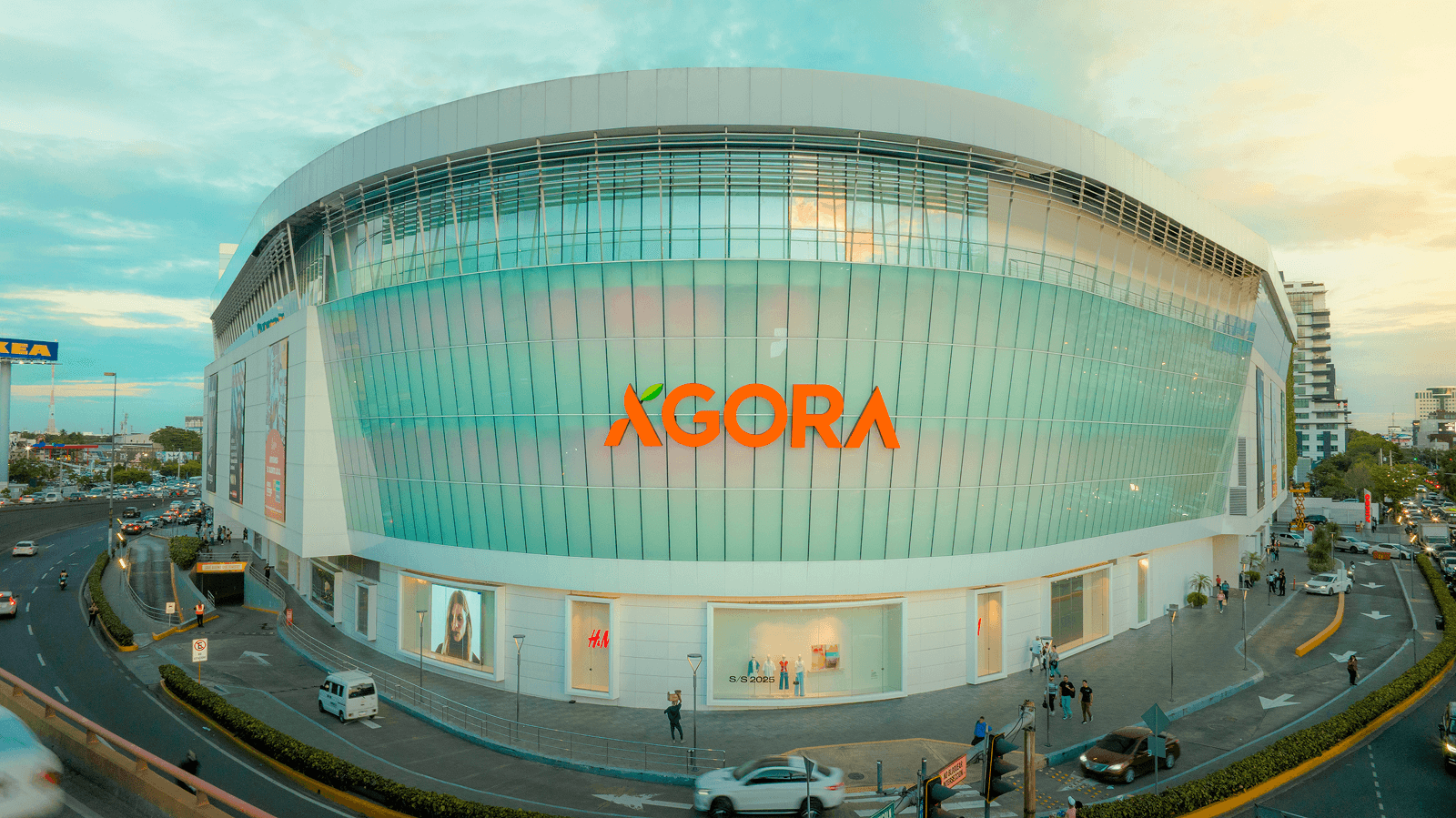
  • Ágora Mall reports major energy and water savings

    Ágora Mall reports major energy and water savings

    In the wake of 2025 International Earth Day celebrations, one of the Dominican Republic’s most high-profile retail destinations, Santo Domingo-based Ágora Mall, has publicly reaffirmed its long-standing dedication to corporate environmental stewardship by releasing a comprehensive update on the outcomes of its decade-long sustainability programs. Over 14 years of operation since opening its doors in 2012, the mall has delivered transformative reductions in resource use, cutting electricity consumption by 12% and slashing water usage by a striking 40% compared to baseline operational levels.

    These efficiency gains translate to extraordinary cumulative resource savings: more than 28.3 million kilowatt-hours of energy kept from unnecessary use, and over 810,000 cubic meters of water conserved across the mall’s history. Through the mall’s signature public-facing sustainability initiative, the “Together We Are Green” platform, paired with a formal, third-party-audited environmental management system, Ágora Mall has processed and diverted more than 4.2 million pounds of recyclable waste from local landfills. This extensive diversion effort has not only eased strain on regional waste infrastructure but also prevented the release of nearly 794,000 cubic meters of carbon dioxide, a major greenhouse gas that contributes to global climate change.

    Cony Taveras, a representative of Ágora Mall’s leadership, emphasized that embedded sustainability has never been an afterthought for the retail center, but rather a core pillar of the company’s overarching corporate strategy. Beyond internal operational changes, the mall prioritizes spreading environmental awareness to the tens of thousands of visitors it hosts annually, working to normalize and encourage eco-friendly daily habits among the general public. To extend this impact beyond its own walls, the mall maintains a permanent public recycling collection center open to local residents on weekends, creating accessible opportunities for community members to participate in formal waste recovery and recycling programs.

    Ágora Mall’s commitment to sustainable building and operations has already earned it global recognition: it holds the distinction of being the first shopping center across Central America and the entire Caribbean region to earn the coveted LEED Certification from the U.S. Green Building Council, a widely respected third-party designation that verifies adherence to rigorous global standards for sustainable construction and operational practice. Today, the mall stands as a benchmark for corporate sustainability leadership in the Latin American and Caribbean retail sector, demonstrating that commercial spaces can deliver both strong business outcomes and meaningful environmental progress.