分类: business

  • SSB Reveals Record $130 Million Investment

    SSB Reveals Record $130 Million Investment

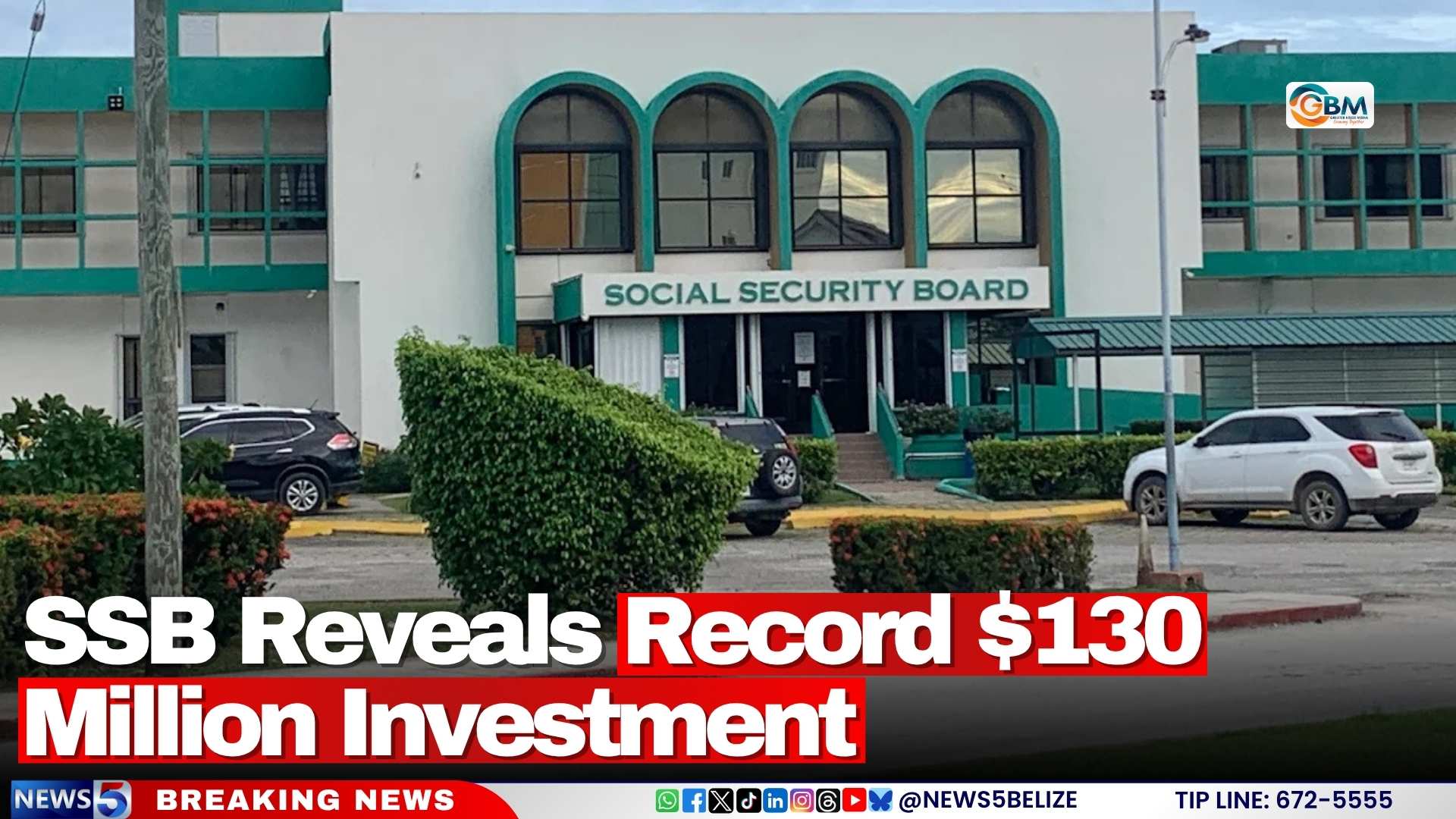
    In a landmark announcement for Belize’s social security system, the Social Security Board (SSB) has disclosed that it has deployed a record-breaking $130 million in new investments since the start of 2026 – the largest single-year capital allocation in the institution’s history.

    Every employed Belizean contributes regularly to the national Social Security program, which provides critical social safety net benefits including retirement pensions, disability support, and medical assistance to eligible citizens. This latest investment update answers long-standing public interest about how the program’s accumulated funds are managed and deployed to generate long-term returns.

    According to SSB officials, the majority of this year’s new investment has been allocated to shares and bonds issued by Hydro Belize, the national energy provider that supplies 100 percent of the power generated for Belize Electricity Limited (BEL), the country’s main electricity distributor.

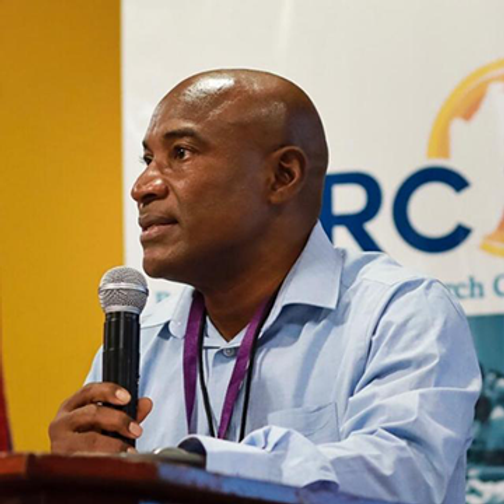
    Leo Vasquez, SSB’s General Manager of Finance and Investment, broke down the tangible benefits of this strategic allocation for the program. Vasquez noted that the equity portion of the Hydro Belize holdings alone is projected to deliver approximately $4 million in annual dividend income to the Social Security fund. This consistent passive income will strengthen the program’s financial position and support its ability to pay out future benefits to contributors.

    With this latest round of investments, the total value of SSB’s holdings in domestic Belizean markets now reaches $654 million. Looking ahead, institution leaders have identified expansion into international markets as the next strategic priority to diversify the fund’s portfolio and reduce exposure to domestic market volatility.

    More in-depth reporting on this historic investment, including additional details about portfolio allocation and long-term strategic plans, will be broadcast during News 5 Live’s 6 o’clock prime time segment this evening.

  • IMF Calls for Better Connectivity, Financial Sector Reforms and Skills Development in Antigua and Barbuda

    IMF Calls for Better Connectivity, Financial Sector Reforms and Skills Development in Antigua and Barbuda

    Against a backdrop of mounting global economic volatility and escalating climate-related risks, the International Monetary Fund (IMF) has laid out a comprehensive roadmap of targeted long-term reforms designed to lift Antigua and Barbuda’s global competitiveness, reinforce financial governance, and harden the small island nation against future economic shocks.

    The recommendations are outlined in the IMF’s latest Article IV consultation, a regular statutory assessment of member states’ economic health and policy frameworks. In the document, fund directors emphasize that upgrading domestic connectivity is a critical foundational step to unlock growth in trade, tourism—Antigua and Barbuda’s historic economic backbone—and boost the country’s overall competitive standing in the Caribbean region. To complement infrastructure improvements, the IMF urges the Antiguan government to streamline inefficient port and customs clearance procedures, while adopting a rigorous approach to prioritizing public infrastructure projects to avoid wasteful spending and unsustainable debt burdens.

    One pressing bottleneck highlighted by the consultation is the country’s persistent skills gap. IMF directors warn that without targeted intervention to address workforce shortages, the constraint will drag on medium and long-term economic expansion, limiting the country’s ability to capitalize on growth opportunities in key sectors.

    Beyond competitiveness and labor market adjustments, the IMF places significant emphasis on strengthening regulation of the domestic financial sector, with a particular focus on the credit union segment. The fund recommends a fundamental shift away from traditional compliance-focused supervision toward a modern risk-based oversight model, alongside targeted actions to improve loan loss provisioning practices and shore up capital buffers across the sector to mitigate systemic risk.

    Two additional policy priorities identified in the report are strengthening the country’s anti-money laundering (AML) and counter-terrorism financing (CTF) regulatory frameworks, and enhancing oversight of Antigua and Barbuda’s high-profile Citizenship by Investment Programme (CIP), a key source of foreign revenue for the island nation. The IMF also stresses that upgrading national data collection and management systems is an overlooked but critical reform, noting that robust, high-quality economic data is a prerequisite for crafting effective, evidence-based public policy that drives sustainable growth.

    The release of the recommendations comes as Antigua and Barbuda maintains a steady trajectory of economic expansion. The IMF projects the country will record real gross domestic product growth of 3 percent in 2025, with growth largely fueled by ongoing construction activity, even as the key tourism sector faces softer demand than in previous post-pandemic recovery years.

  • Onion glut leaves farmers struggling as imports persist, BAS warns

    Onion glut leaves farmers struggling as imports persist, BAS warns

    A paradoxical crisis has hit Barbados’s onion sector: after a successful government-backed push to expand domestic cultivation that delivered a strong harvest, hundreds of local farmers are now unable to offload their produce, according to warnings from the Barbados Agricultural Society (BAS).

    James Paul, chief executive officer of the industry association, laid out the roots of the crisis during a press briefing. Over the past year, agricultural advocates successfully persuaded local growers to scale up onion planting, pushing total cultivated acreage past the 100-acre mark – a major milestone for the country’s goal of boosting food security and reducing reliance on imports. But this win has laid bare deep, long-unaddressed flaws in the sector’s marketing, distribution and infrastructure frameworks.

    The most pressing issue, Paul explained, is the unregulated flow of imported onions that continues to saturate the local market exactly when domestic crops reach peak harvest. Competing against cheaper foreign shipments puts local producers, who already face far higher production costs than their international competitors, at an insurmountable disadvantage. Paul argued this misaligned policy undermines the very government efforts to expand domestic agriculture.

    “I do not think it makes any logical sense to allow imports during windows where we know a large local harvest is incoming,” Paul said. “When we encourage farmers to invest in expanding production, we have a responsibility to plan ahead for how that produce will reach consumers. Right now, we are forcing growers to compete with imported goods on uneven ground, and that is unfair.”

    Beyond misaligned import policy, gaps in post-harvest infrastructure and storage are compounding farmers’ struggles. Unlike imported onions, which are treated to withstand long-haul shipping, locally grown onions require carefully controlled, well-ventilated storage environments that protect the crop from pests and spoilage. Many of these specialized facilities have fallen into disrepair, Paul said, pointing to the shuttered historic drying plant in Foursquare, St. Philip as an example of the lost infrastructure the sector needs to restore or replace.

    Fragmented coordination among individual farmers has also weakened the sector’s position, Paul added. Without collective organizing, small-scale growers lack collective bargaining power when negotiating with middlemen, and cannot deliver the consistent supply and pricing that major buyers require. This disorganization leaves individual producers vulnerable to exploitation, often forcing them to sell their crop below the cost of production just to clear inventory.

    This dynamic threatens the long-term viability of domestic onion cultivation: if farmers cannot earn a reasonable return on their investment this season, Paul warned, few will be willing to expand planting in the coming year. Currently, just 20% of Barbados’s total onion demand is met by local production, but Paul said the country has the natural capacity to meet 100% of domestic demand if systemic flaws are addressed. With targeted improvements to storage, marketing and coordination, Paul estimated that total cultivated acreage could double to 200 acres within 12 months, creating a more resilient, self-sufficient domestic onion sector.

    As intermittent rainfall threatens remaining unharvested crops, Paul has urged all local onion farmers to share real-time updates on their yields and harvest timelines with the BAS to enable better cross-sector market coordination. He also called for closer collaboration between private sector stakeholders and the state-owned Barbados Agricultural Development and Marketing Corporation (BADMC) to fix gaps in the national onion value chain.

    “Barbados has the ability to fully supply our own onion demand, we can do this,” Paul emphasized. “Right now, we are holding ourselves back from reaching our full potential by failing to put the right systems in place. We all have to work together to fix this – we cannot let farmers invest their time and money into a crop just to be left stuck with unsellable produce.”

  • Worrell: Currency shifts won’t affect Caribbean economies

    Worrell: Currency shifts won’t affect Caribbean economies

    Long-established market forces have cemented the United States dollar’s position as the undisputed global standard of value, and recent fluctuations in other major currencies will bring no meaningful economic shifts to Caribbean nations, according to a prominent former central banking leader from the region.

    Dr Delisle Worrell, former governor of the Central Bank of Barbados and a veteran International Monetary Fund consultant, laid out this argument in the May issue of his regularly published Economic Letter, which carries the headline *The Dollar is the World’s Standard of Value*.

    Worrell stressed that Caribbean economies are structured entirely around the US dollar for cross-border activity. Every key external transaction for the region—from pricing tourist packages to settling export and import trades, to securing foreign debt—uses the US dollar as the benchmark, and all clearing processes run through dollar-denominated accounts hosted by American commercial banks and the Federal Reserve Bank of New York. Against this backdrop, recent upward movements in the value of sterling, the Canadian dollar, the euro, the Japanese yen and the Chinese renminbi will not alter core economic conditions for Caribbean countries, he said.

    The former governor, who also founded the Central Bank of Barbados’ research department, pointed out that the primary spillover harm from today’s global economic instability hitting Caribbean nations is imported inflation. He outlined a clear threshold for policy response: only countries where governments hold a fiscal surplus of revenue over current expenditure exceeding 2% of GDP have the capacity to roll out targeted subsidies to cap fuel and essential goods prices. For all other regional economies, there are few policy tools available to ease inflationary pressure, he added.

    Worrell also issued a strong caution against one commonly proposed policy adjustment: revaluing domestic currencies to counteract inflation brought in from global markets. He explained that if a central bank drew down its foreign currency reserves to push the domestic exchange rate higher, market participants including commercial banks, import and export firms, and tourism operators would almost certainly hoard the cheapened US dollars instead of passing the exchange rate benefits through to consumers and other end users.

    Global monetary data backs his broader claim about the dollar’s dominance: out of 180 legally recognized sovereign currencies across the world, the value of all 179 non-US currencies is defined relative to the dollar, Worrell noted. This status quo is not dependent on US government policy, shifts in the US or global economy, or price movements of gold, oil or other commodities, he said. It also has not been dislodged by the emergence of cryptocurrencies built on blockchain technology or any other fintech innovation. “All economic values are based on the dollar,” he concluded.

    Worrell frames the dollar’s global benchmark status as a historical convention, comparable to the widespread adoption of Greenwich Mean Time as a global time standard. He traced the 80-year evolution of this arrangement: after World War II ended in 1945, the global economy split into two separate geopolitical and economic blocs, with the United States holding overwhelming sway over trade and finance in the Western democratic sphere. This established the dollar as the reference currency for all nations outside the Soviet-led bloc. When the Soviet Union collapsed in the early 1990s, the dollar’s use as a global reference spread to every corner of the world.

    Crucially, Worrell emphasized that the dollar’s dominance emerged from organic market practice rather than top-down policy mandate from the United States or global institutions. Individual consumers, multinational companies and financial institutions across the world have consistently chosen the dollar as the go-to reference for settling cross-border transactions. He offered a common example: a consumer in Jamaica purchasing goods from Chinese suppliers will almost always first calculate the cost in US dollars before converting the total to Jamaican dollars for their final budgeting.

    This entrenched market preference has outlasted every challenge to the dollar’s status, Worrell argued. Even as major economies including post-war Germany, Japan and most recently China rose to become the world’s second-largest economy, global markets have retained the dollar as the primary settlement currency. The dollar’s benchmark position also emerged unscathed from the 2007–2008 global financial crisis and the subsequent downgrading of market confidence in US government creditworthiness.

    Today, despite growing uncertainty around the direction of US policy and the global economic volatility this unpredictability generates, there is no evidence of a broad global shift away from the dollar toward the euro, renminbi or any other alternative currency to serve as the universal standard of value, Worrell said.

  • Economist Calls for CARICOM Unity on US Surcharge Move

    Economist Calls for CARICOM Unity on US Surcharge Move

    As the United States gears up to implement a 10 percent import surcharge via World Trade Organization (WTO) channels, a prominent Belizean economist is sounding the alarm over the disproportionate harm this measure could inflict on small, trade-dependent economies across the Caribbean, calling for coordinated collective action from the Caribbean Community (CARICOM) bloc.

    Dr. Phillip Castillo, a local economic expert, has pushed back against the core justification the US has offered for the new tariff: addressing persistent balance-of-payments deficits. Castillo argues that this rationale falls apart when considering the unparalleled global dominance of the US dollar, which puts Washington in a unique position to avoid the kinds of balance-of-payment crises that plague smaller nations. In an exclusive interview with The Reporter, he broke down the specific risks for Belize, noting that the Central American nation already runs a substantial trade deficit with the United States — importing far more American goods than it is able to export to the large North American market.

    For Belize, whose export volume to the US is already limited, the new 10 percent surcharge would act as yet another prohibitive trade barrier, further squeezing domestic producers’ access to American consumers and worsening the country’s already lopsided trade balance. Beyond the immediate impact on Belize, Castillo emphasizes that the moment underscores a long-running need for stronger regional coordination among CARICOM member states. Small individual Caribbean nations lack the economic clout to negotiate effectively with major global powers like the United States, but a unified CARICOM bloc would carry far more leverage to push back against harmful trade measures, he explained.

    Castillo also questioned the broader credibility of the US’s decision to seek WTO approval for the surcharge, pointing out that Washington has a recent history of imposing unilateral tariffs on dozens of countries without going through the WTO’s multilateral dispute and approval process. The current formal application to the global trade body, he suggested, looks less like a commitment to multilateral process and more like an attempt to retroactively grant international legitimacy to a trade policy that fits a pattern of unilateral American action.

    The US formally notified the WTO of its plan to impose the 10 percent surcharge earlier this year, invoking Section 122 of the 1974 US Trade Act to back its claim that the measure is necessary to correct balance-of-payments imbalances. WTO members are scheduled to begin formal consultations with Washington on the proposal in the coming weeks, a process Castillo says is not without opportunity for small economies. Even with the odds stacked against them, the multilateral consultation process creates a formal space for smaller nations to collectively air their opposition and potentially shift American trade policy before the surcharge is implemented, he noted.

    Still, Castillo warned that if the US moves forward with the measure despite global pushback, the global trading system will face deeper disruptions, with the worst fallout falling on vulnerable small economies like Belize that lack the economic size and diversification to absorb external trade shocks. The proposed surcharge comes at a particularly fragile moment for the global economy, which is already grappling with skyrocketing oil prices tied to escalating geopolitical tensions between the US, Israel and Iran, as well as lingering unresolved tariff disputes and persistent supply chain disruptions that have left global growth already teetering.

  • Belize Completes WTO Trade Review in Geneva

    Belize Completes WTO Trade Review in Geneva

    GENEVA, May 7 — The small Central American nation of Belize has formally concluded its fourth Trade Policy Review at the World Trade Organization’s Geneva headquarters, wrapping up two days of multilateral discussions that highlighted the country’s post-crisis progress and ongoing reform goals.

    The periodic review, a core WTO mechanism designed to examine member states’ trade frameworks, assessed every dimension of Belize’s current trade strategy, from regulatory overhauls to targeted initiatives aimed at driving inclusive economic expansion and drawing foreign direct investment. Throughout the review process, fellow WTO member nations delivered widespread positive feedback for Belize’s remarkable economic resilience in the wake of two major disruptive events: the global COVID-19 pandemic and Hurricane Lisa, a powerful storm that caused widespread infrastructural and economic damage across the country in 2022. Despite the overlapping shocks, members noted that Belize has maintained consistent gross domestic product growth and stayed on track with its long-term development agenda.

    Much of the praise centered on Belize’s active push to modernize its national trade ecosystem through a series of business-friendly regulatory reforms. A key flagship initiative highlighted during the review is the ongoing development of a unified Trade and Investment Electronic Single Window, a digital platform that will consolidate all cross-border trade documentation and approval processes into a single online portal. Once fully operational, the system is projected to cut down processing times for imports and exports significantly, reduce administrative overhead for domestic and international businesses operating in Belize, and improve the country’s competitiveness in global markets.

    WTO members also highlighted Belize’s forward-looking work to build out emerging high-growth economic sectors, specifically its digital economy and sustainable blue economy focused on ocean-related industries. The country’s groundbreaking Blue Bond initiative, which mobilizes private and public capital for marine conservation and sustainable coastal development, was singled out as a model for small island developing states. Members also recognized inclusive digital skills programs that have already trained more than 1,000 Belizean women, expanding economic participation and closing gender gaps in the growing tech sector.

    The review also included constructive discussions around areas for further improvement. WTO members encouraged Belize to address backlogs in required technical trade reporting and continue investing in capacity building for its national trade institutions to strengthen regulatory implementation. In response, Belize’s delegation openly acknowledged existing delays and reaffirmed the government’s unwavering commitment to boosting policy transparency, aligning its regulatory framework with international standards, and fully meeting all of its obligations as a WTO member.

    For Belize, a country heavily reliant on tourism, agricultural exports, and cross-border trade, the outcome of the fourth review paves the way for continued reform that can support sustained, inclusive growth in the coming years.

  • IMF reports steady growth and falling debt in Antigua and Barbuda

    IMF reports steady growth and falling debt in Antigua and Barbuda

    The International Monetary Fund (IMF) has released its latest Article IV assessment of Antigua and Barbuda’s economy, confirming solid expansion in 2025 fueled by rising construction output, cooling inflation and a years-long downward trend in public debt. Even as the multilateral institution acknowledges the small island nation’s recent economic gains, it warns that persistent payment arrears and mounting financing pressures remain the most pressing threats to long-term fiscal stability.

    Per the IMF’s projections, Antigua and Barbuda’s real gross domestic product grew by 3% in 2025. The driving force behind this growth was a marked rebound in the construction sector, which was strong enough to offset a unexpected slowdown in the country’s core tourism industry. One key milestone highlighted in the report is the full recovery of national employment levels, which have now returned to the benchmarks seen before the COVID-19 pandemic disrupted global travel and local labor markets.

    Inflation, which has been a major source of economic strain across the Caribbean in recent years, fell dramatically for Antigua and Barbuda in 2025. After averaging more than 6% in 2024, the annual inflation rate dropped to 1.4% last year, a shift that reflects broad stabilization of global and domestic price pressures across key goods and services.

    The country has also made significant progress in reducing its overall public debt burden. From a peak of 101% of GDP in 2020, in the wake of pandemic-related stimulus spending, the public debt-to-GDP ratio is estimated to have fallen to 68% in 2025. The IMF credits this improvement to stronger overall fiscal performance and increased government revenue, particularly the steady inflows generated by the country’s popular Citizenship by Investment (CBI) program.

    Despite these encouraging developments, the IMF has drawn attention to two major lingering vulnerabilities: substantial payment arrears owed to both Paris Club sovereign creditors and domestic suppliers, plus persistent elevated financing needs that continue to drag on the country’s long-term debt sustainability.

    IMF Executive Directors have called on Antigua and Barbuda’s government to implement a “credible and comprehensive strategy” to clear outstanding arrears, strengthen national debt and cash management frameworks, and carve out sustainable fiscal space for investments in climate resilience and critical infrastructure. The island nation is highly vulnerable to the impacts of climate change, including more frequent and severe hurricanes and coastal erosion, making targeted resilience investments a priority for long-term economic survival.

    Directors also acknowledged progress in boosting tax collection and enforcing fiscal discipline, with the country’s primary fiscal balance projected to hit nearly 5% of GDP in 2025. Even so, they urged local authorities to take additional steps to broaden the national tax base, cut back on inefficient tax exemptions, and strengthen oversight of both general public finances and state-owned enterprises, which have historically been a source of fiscal leakage.

    The IMF assessment notes that Antigua and Barbuda’s overall financial system remains stable and well-liquidated, but policymakers are encouraged to pursue additional structural reforms to boost the competitiveness of the tourism sector, strengthen regional and international trade links, and upgrade the skills of the local workforce to support long-term growth.

    Looking ahead, the IMF projects that Antigua and Barbuda will continue to see steady economic expansion in the coming years. However, the institution repeated warnings that the country’s small open island economy remains heavily exposed to outside risks, including ongoing global economic uncertainty, volatile commodity prices, and sudden external economic shocks that could derail growth progress.

  • Price of electricity with geothermal: expected medium term price drop but short term fluctuation

    Price of electricity with geothermal: expected medium term price drop but short term fluctuation

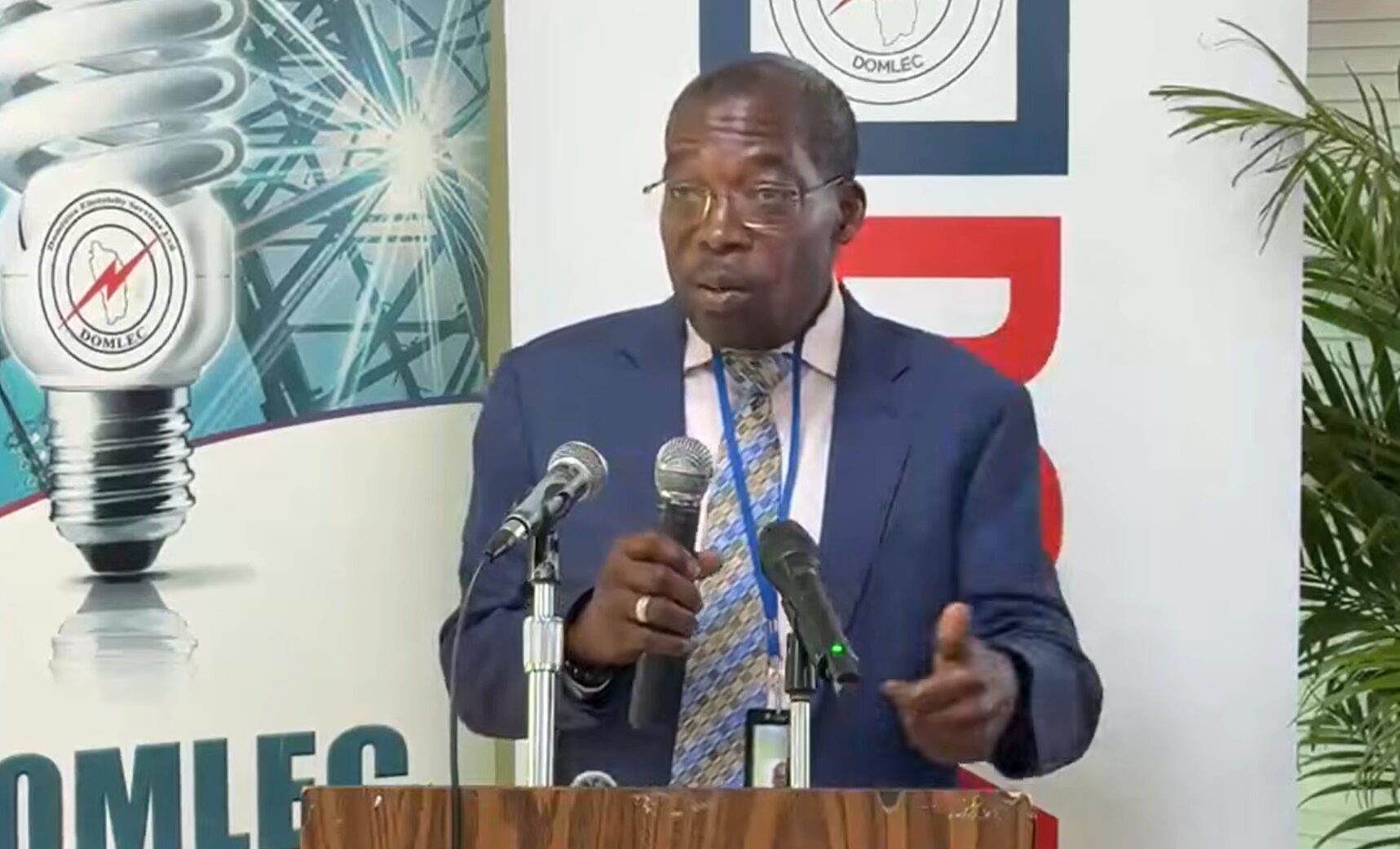
    Dominica Electricity Services (DOMLEC) board member Samuel Raphael has announced upcoming tiered electricity price reductions for all customer groups, a policy shift driven by the recent launch of the island’s new geothermal power facility. Speaking at a public press conference on Wednesday, Raphael laid out a clear breakdown of savings tailored to different consumption levels: residential and small-scale users will see their bills drop by up to 17%, small business owners will enjoy a 12% reduction, and larger commercial operations will benefit from a 10% cut. To illustrate the tangible impact for average households, Raphael offered a simple example: a customer currently paying $100 monthly for electricity would see their monthly payment fall to $83, translating to $17 in monthly savings.

    While the long-term trajectory for energy costs is downward, Raphael cautioned that short-to-medium term prices will likely see fluctuations driven by ongoing volatility in global crude oil markets. This instability, he noted, stems from escalating geopolitical tensions between the United States and Iran, which have pushed international oil prices upward in recent weeks. Currently, DOMLEC’s energy mix still relies on diesel for 25% of its total generation, leaving the grid exposed to swings in global fossil fuel pricing. As the market stabilizes over time, Raphael emphasized, the full cost benefits of geothermal power will take full effect, bringing consistent, lower prices.

    The new 10-megawatt geothermal plant has now been fully operational for approximately one month, injecting clean, renewable energy into DOMLEC’s supply grid. When combined with the island’s existing hydroelectric power infrastructure, renewable energy now accounts for 75% of DOMLEC’s total generation capacity. Raphael, who is also a private business owner and a stakeholder in Dominica’s key eco-tourism sector, expressed particular enthusiasm for this milestone. The shift to majority renewable energy not only brings down long-term consumer costs, he added, but also aligns with the island’s sustainability goals that underpin its eco-tourism brand.

    Even with the progress achieved, Raphael acknowledged that the remaining 25% dependence on fossil fuels means the utility will continue to face external price pressures until renewable capacity can be further expanded. No exact timeline for the full rollout of the permanent price cuts was shared during the press briefing, but Raphael confirmed that the utility is working toward implementing the reductions as soon as market conditions allow.

  • Parent company of Trump’s Truth Social reports US$400m loss

    Parent company of Trump’s Truth Social reports US$400m loss

    Trump Media & Technology Group (TMTG), the parent firm behind former U.S. President Donald Trump’s social media platform Truth Social, has disclosed a staggering net loss exceeding $400 million for the first three months of 2025, with the overwhelming majority of the deficit tied to plummeting valuations in the cryptocurrency sector, per a regulatory filing released Friday.

    The company, which became publicly traded and counts Trump as its largest single shareholder, reported total revenue of just $900,000 across the first quarter. That figure marks a remarkably low top line for an enterprise that currently holds a public market valuation of $2.47 billion.

    Trump, who relies heavily on Truth Social as his primary platform for public announcements and political messaging, controls roughly 41% of TMTG’s outstanding shares. Those holdings are held in a blind trust established to manage his financial interests during his second presidential term.

    Beyond its core social media operations, TMTG has expanded into digital asset investing. Twelve months prior to this quarterly report, the firm secured $2.5 billion in dedicated funding specifically for cryptocurrency investments – a pivot aligned with Trump’s well-documented personal interest in the digital asset space in recent years.

    The broad downturn in crypto markets during the first quarter hit TMTG’s investment portfolio particularly hard. Bitcoin, the world’s largest cryptocurrency by market capitalization, saw its price drop from a peak above $126,000 in early October 2024 to less than $70,000 by the end of March 2025. While Bitcoin has since recovered partially to trade above $80,000, the markdown required for quarterly reporting still generated massive unrealized losses.

    Under U.S. accounting regulations, publicly traded companies must mark their investment holdings to current market value each quarter, even if they have not sold the assets. This requirement forced TMTG to record a total net loss of $406 million for the first quarter. The company confirmed in its filing that “the vast bulk” of this loss stems directly from its digital asset holdings.

    TMTG signaled it remains committed to its long-term growth strategy, stating in the filing that it will “continue to focus on expanding its infrastructure and audience to prepare for future monetised features.”

    In addition to its social media and crypto investment operations, TMTG announced a planned merger with TAE Technologies, a U.S.-based firm developing commercial nuclear fusion technology, back in December 2024. The merger is currently on track to close in the middle of 2026, according to the company’s latest update.

  • Nintendo to hike Switch 2 price, warns on profits

    Nintendo to hike Switch 2 price, warns on profits

    In a major update on the Japanese gaming industry’s financial health released Friday, gaming giant Nintendo has announced it will raise prices for its newly launched Switch 2 console, as skyrocketing memory chip costs driven by the global AI boom create unprecedented margin pressure. The company also warned that its full-year net profit will drop sharply by 27% in the current fiscal year ending March 2026. Rival Sony, by contrast, has delivered a far more optimistic forecast, projecting a 13% rise in gaming division income even as sales of its mature PlayStation 5 console continue to decline.

    Nintendo’s price adjustments will roll out in phases across key global markets. Starting May 25, Japanese consumers will see a 20% jump in Switch 2 retail prices. From September 1, the console will cost $499.99 in the United States, an 11% increase, and 499.99 euros in the European Union, representing a 6% price hike.

    For the 12-month period ending next March, Nintendo projects net profit will fall to 310 billion Japanese yen, equal to roughly $1.98 billion, on total annual sales of 2.05 trillion yen. That marks an 11.4% drop in revenue from the prior fiscal year. Operating profit is forecast to hit 370 billion yen, a figure that falls well below the average analyst consensus estimate of 480 billion yen, according to data compiled by Bloomberg News.

    The prior fiscal year delivered strong results for Nintendo, however. The company reported that net profit surged 52% year-over-year to 424 billion yen, while annual revenue climbed to 2.31 trillion yen, nearly double the prior year’s total. The Switch 2, launched last June, got off to a strong commercial start, with global sales growing steadily after its release. By the end of March, Nintendo had sold 19.86 million units of the new console, boosted by popular first-party titles including *Pokemon Pokopia*, *Mario Kart World*, and *Donkey Kong Bananza*.

    The core headwind facing console manufacturers right now is the rapid rise in memory chip prices. The global AI boom has spurred massive demand for high-capacity memory chips from data centers and AI developers, pushing up costs for consumer electronics makers including game console and smartphone producers. Supply chain disruptions linked to ongoing conflict in Iran have further tightened available supplies, worsening the cost pressure for manufacturers.

    For Sony, the past fiscal year saw PlayStation 5 sales fall to 16 million units, down from 18.5 million units in the prior 12-month period. Since the PS5 launched in 2020, Sony has sold 92 million units of the console overall, putting the company in a strong position to capitalize on the upcoming November launch of the highly anticipated blockbuster title *Grand Theft Auto VI*. Industry analysts note the franchise is expected to drive a massive wave of new console sales in the coming year.

    “If there is any game that can move millions of additional PlayStation units, it is this one,” Serkan Toto, a leading gaming industry consultant, told AFP.
    Sony projects that even with lower console sales, its gaming division will see higher profits in the fiscal year ending March 2027. Industry analysts explain that Sony’s more mature position in the PS5 product cycle leaves it better insulated from rising memory chip costs than Nintendo’s newly launched Switch 2.

    “Sony’s more mature PS5 console cycle leaves it better placed to weather higher memory costs,” said Amir Anvarzadeh, a strategist at Asymmetric Advisors. “Having already moved past the heavy hardware penetration costs typical of earlier product cycle years, Sony’s bottom line stands to benefit significantly from the high-margin software sales and ecosystem engagement that the *Grand Theft Auto VI* launch should trigger.”

    Nintendo, however, faces a more challenging operating environment, Toto noted. Switch 2 consumers are especially price sensitive, he said, and the console’s first-year game lineup is far weaker than that of the original Switch at launch. Even so, Toto added that Nintendo has room to improve its performance by ramping up software releases in the coming months: “But now it’s time for them to really step on the gas on the software side.”