分类: business

  • Roadmap for building Trinidad and Tobago’s innovation ecosystem

    Roadmap for building Trinidad and Tobago’s innovation ecosystem

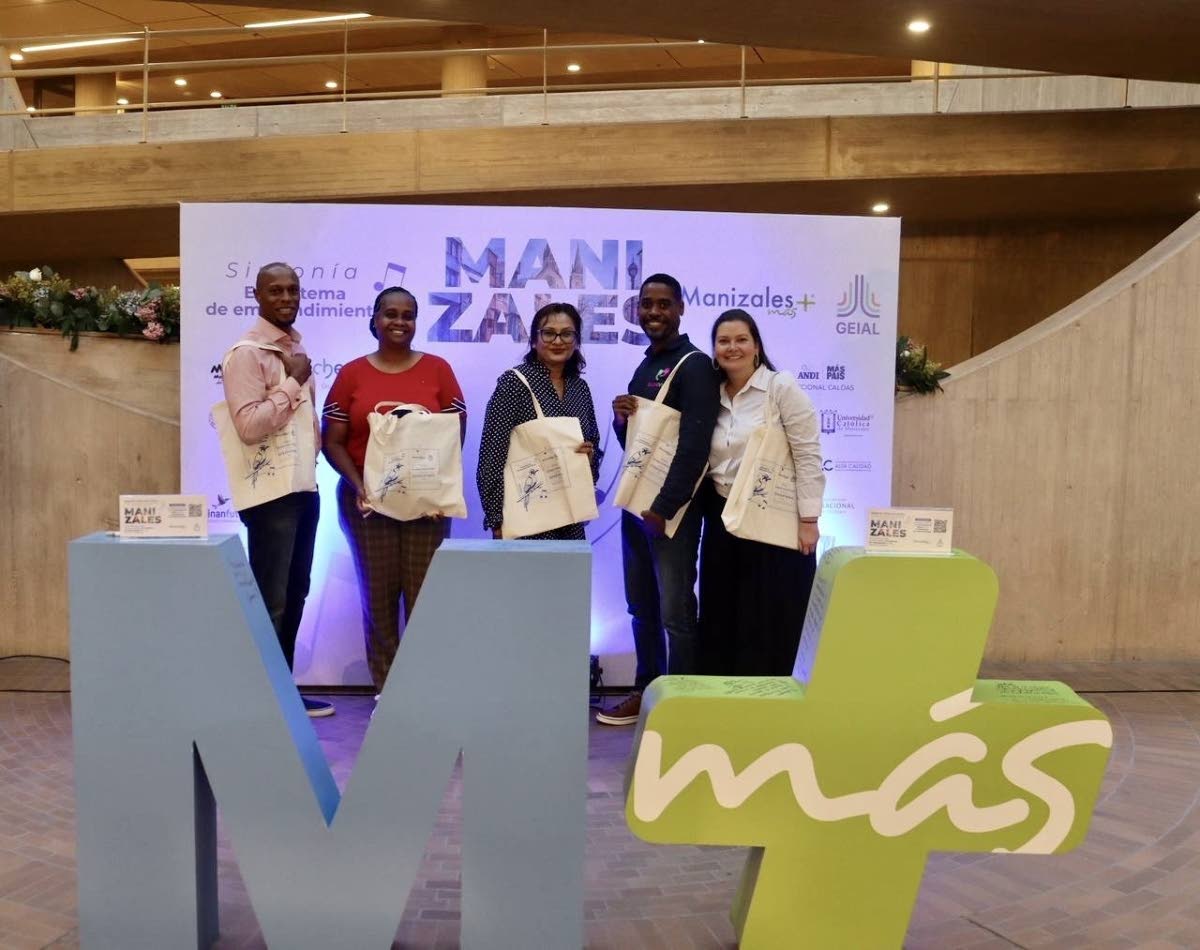
    A recent study tour to Manizales, Colombia has provided Trinidad and Tobago with a strategic blueprint for developing a robust national innovation ecosystem. Led by Vashti Guyadeen of the Trinidad and Tobago Chamber of Industry and Commerce, the delegation examined Colombia’s successful Triple Helix model that integrates academia, industry, and government collaboration to accelerate entrepreneurship and economic growth.

    The research identified five foundational pillars essential for innovation ecosystem development: coordinated national governance to align ministerial initiatives, integrated programming across accelerator programs and university initiatives, accessible infrastructure including prototyping labs and research facilities, capacity development through entrepreneurship training, and data-driven decision making using systematic innovation metrics.

    Educational alignment emerged as a critical success factor, with recommendations for cross-disciplinary entrepreneurship education, enhanced research commercialization pathways through innovation vouchers and matching grants, strengthened internship programs, and shared infrastructure agreements among tertiary institutions modeled after Colombia’s SUMA alliance.

    The proposed institutional architecture calls for a National Innovation Partnership comprising senior leaders from public, private, academic, financial, and civil society sectors to set strategic priorities and oversee funding allocations. This co-ownership model reduces government dependency while increasing sustainability.

    Priority sectors identified for diversification include technology (fintech, cybersecurity, energy tech), advanced manufacturing utilizing Industry 4.0 technologies, agriculture technology with climate-smart farming approaches, and creative industries leveraging global demand for music and digital content.

    Strategic infrastructure requirements encompass enhanced accessibility to Cariri’s existing facilities, purpose-built innovation hubs, structured national mentorship networks, and continuously coordinated accelerator programs. Financing mechanisms should include a National Innovation Fund, private sector venture arms, diaspora engagement for investment and technical capacity, and risk mitigation instruments like credit guarantee schemes.

    Accountability measures propose transparent tracking through key indicators: new firm creation, SME scale-up performance, research commercialization outputs, non-energy job creation, venture capital investment levels, and Global Innovation Index performance, with annual Innovation Report Cards to monitor national progress.

    The Manizales case study demonstrates that formalized governance, integrated programming, and shared accountability create successful innovation ecosystems, offering Trinidad and Tobago a proven framework for economic diversification and resilience building.


  • Collapse of BWIA’s deal with Canada

    Collapse of BWIA’s deal with Canada

    In 1967, the Trinidad and Tobago government faced a critical crossroads in preserving its national airline, BWIA, after the collapse of a highly anticipated Canadian rescue plan. Despite prolonged diplomatic efforts, Canada’s Air Canada partnership proposal foundered due to one fundamental requirement: the unwillingness of other Caribbean governments to join a regional consortium.

    Canadian Prime Minister Lester B. Pearson conveyed the setback with diplomatic nuance in correspondence with TT’s leadership, noting, ‘In a matter as complex as this… reactions have not been forthcoming quickly, or in a clear-cut fashion. What information we have received has not in fact been uniformly encouraging.’ This diplomatic phrasing masked the stark reality that regional cooperation efforts had failed.

    Simultaneously, an alternative proposal emerged from New York investment firm R.W. Pressprich & Co. International Ltd. and Trans World Airlines (TWA). Their July 1967 proposition outlined a radical restructuring: a multinational Caribbean carrier with 60% government ownership (TT, Barbados, Guyana, Jamaica) and 40% private investment, though profit distribution would favor investors at 60%.

    Initially skeptical due to previous regional disappointments, the TT government found Pressprich unexpectedly flexible. By August 29, the firm amended its proposal to invest directly in BWIA’s existing structure without requiring prior commitments from other governments. The revised terms exempted TT from additional capital injection while maintaining existing debt guarantees and offering appropriate economic incentives.

    A significant sweetener emerged in the form of a proposed Hilton hotel development at Rocky Point, Tobago, recognizing the symbiotic relationship between airline seats and hotel beds. This tourism infrastructure component, backed by TWA’s technical expertise, added considerable appeal to the package.

    After intensive negotiations throughout September and October 1967, a memorandum of understanding was accepted by the TT government on December 5. This led to the formation of Caribbean International Ltd. as Pressprich’s investment vehicle, while TWA commenced comprehensive operational studies under the direction of senior aviation experts.

    The culmination arrived on May 24, 1968, with signed agreements between the TT government, BWIA, and Caribbean International Ltd., concluding a complex nine-month negotiation that salvaged the national airline through transatlantic investment rather than regional cooperation.

  • TT Stock Exchange introduces AI chatbot

    TT Stock Exchange introduces AI chatbot

    The Trinidad and Tobago Stock Exchange (TTSE) has unveiled a groundbreaking artificial intelligence-powered chatbot designed to transform how investors and market participants access financial information. Named TOBI (TTSE Online Bot Interface), the innovative tool now operates on the exchange’s official website, providing continuous automated assistance for various market-related inquiries.

    This advanced digital assistant represents a significant leap in the exchange’s technological capabilities, offering instant responses to frequently asked questions regarding trading activities, corporate listings, dividend distributions, and settlement procedures. The system serves both TTSE operations and services managed by the Trinidad and Tobago Central Depository (TTCD), creating a unified information gateway for all market participants.

    TOBI’s implementation caters to a diverse user base, from novice investors taking their first steps in capital markets to experienced brokers and corporate representatives. The AI-driven interface provides automated guidance on initiating trading activities, navigating online platforms, and accessing critical documents including account statements and corporate announcements.

    Exchange officials emphasized that TOBI’s deployment aligns with broader strategic initiatives to modernize the nation’s capital market infrastructure. “We remain focused on enhancing transparency, accessibility, and investor engagement,” stated TTSE representatives. “This launch demonstrates our ongoing commitment to market modernization and ensuring stakeholders can access necessary information promptly.”

    The chatbot introduction follows years of progressive digital transformation at TTSE, which has included substantial upgrades to its trading portal and electronic document management systems. TOBI’s adaptive functionality includes personalized responses to market queries, step-by-step guidance for trading processes, and seamless navigation support for TTSE and TTCD digital platforms.

    This technological advancement forms part of a comprehensive long-term digitalization strategy aimed at strengthening market infrastructure through technology-driven solutions. Exchange leadership confirmed that additional technological enhancements are planned to further improve user experience across the capital market ecosystem.

    Currently accessible through the TTSE website, TOBI provides 24/7 information access as Trinidad and Tobago’s capital markets continue their evolution toward increasingly automated, technology-enhanced services.

  • Financial checks every family should do before the new year

    Financial checks every family should do before the new year

    As the calendar year draws to a close amidst seasonal celebrations and holiday spending, financial experts emphasize the critical importance of year-end financial assessments. This period offers a strategic window for families to evaluate their fiscal health and implement protective measures for the coming year.

    Financial advisors recommend five fundamental checks to ensure financial stability entering 2026. First, insurance policies require comprehensive review, particularly following life events such as marriages, career changes, or income fluctuations. Coverage adequacy for health, life, and critical illness insurance must be assessed relative to age and family medical history to prevent potential financial vulnerabilities.

    Second, beneficiary designations demand verification—a frequently neglected yet crucial task. Ensuring accurate spelling and intended recipient listing in all policies can prevent protracted legal complications and unnecessary expenses. This simple five-minute verification process offers disproportionate long-term protection.

    Third, emergency fund evaluation remains paramount. Households should maintain minimum three-month expense reserves, assess any current-year withdrawals, and plan necessary replenishments for early 2026. Financial stability fundamentally depends on robust emergency preparedness.

    Fourth, debt audit procedures require systematic implementation. Listing all outstanding obligations—credit cards, loans, hire purchases—enables identification of high-interest liabilities. Developing strategic reduction or elimination plans for 2026 forms the foundation of financial liberation.

    Fifth, budgetary analysis provides critical insights. Examining actual versus projected expenditures helps distinguish necessary expenses from emotional spending patterns. Adjusting future budgets to align with financial objectives represents one of the most effective wealth-building strategies.

    These year-end financial rituals transform seasonal festivities into opportunities for creating family security and economic confidence. Professional financial guidance is recommended for policy reviews and goal establishment, providing families with protective assurance and financial clarity as they transition into the new year.

  • Households to Get Greenlight for Solar Power Storage, Inverters

    Households to Get Greenlight for Solar Power Storage, Inverters

    In a strategic move to balance renewable energy expansion with fiscal stability, the Antiguan government has unveiled plans to implement new restrictions on residential solar power generation. Energy Minister Melford Nicholas confirmed the administration will introduce a 5-kilowatt capacity limit for household solar installations during the initial phase of the country’s green energy transition.

    The announcement came ahead of the forthcoming Renewable Energy Symposium, where detailed utility-scale renewable projects will be presented. Minister Nicholas emphasized that while homeowners remain encouraged to invest in solar technology, the temporary cap is essential to prevent substantial revenue losses for the state-owned power utility.

    “We intend to collaborate with citizens pursuing investments in personal solar infrastructure,” Nicholas stated. “However, certain limitations must be established to avoid jeopardizing our national electricity revenue streams.”

    Notably, the regulations will not restrict household use of battery storage systems or inverters, allowing residents to maintain energy efficiency and storage capabilities. The minister characterized this measured approach as necessary for responsible renewable energy development that ensures both environmental progress and financial security for the nation’s power grid.

    The government’s dual strategy involves supporting distributed residential solar generation while simultaneously developing large-scale renewable energy projects that will be unveiled at the upcoming symposium.

  • EY schetst kansen en knelpunten voor Nederlandse bedrijven in Suriname

    EY schetst kansen en knelpunten voor Nederlandse bedrijven in Suriname

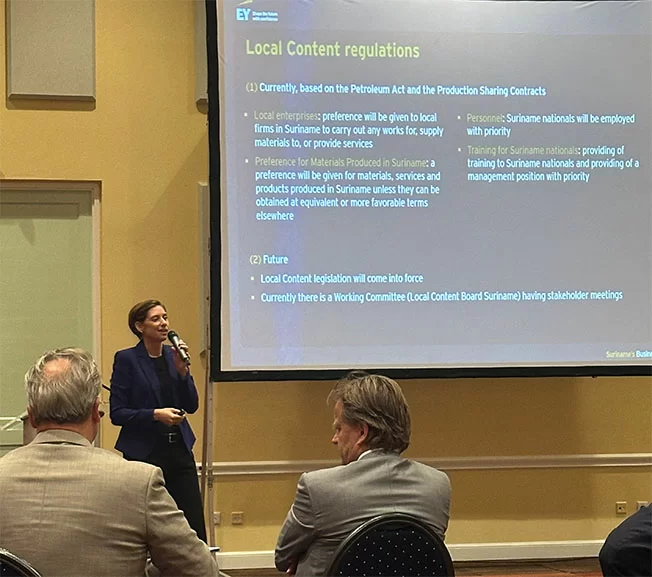
    PARAMARIBO, SURINAME – EY Suriname took center stage during a high-profile information session on December 2nd at the Royal Ballroom of Torarica, addressing Dutch business delegates accompanying the Dutch royal couple’s state visit to Suriname. The event, organized by VNO-NCW and MKB-Netherlands, focused on navigating Suriname’s business landscape with expert insights from one of the world’s leading professional services firms.

    During the keynote presentation, EY professionals including Tax Associate Partner Kimberly Schreuders provided comprehensive analysis of Suriname’s investment climate. The session covered critical aspects such as fiscal regulations, macroeconomic trends, cultural considerations, educational infrastructure, and workforce capabilities. Drawing from their extensive regional experience across Suriname, Guyana, Trinidad, Curaçao, and Aruba, EY presented both opportunities and challenges facing potential investors.

    Practical insights emerged as a key theme, with EY emphasizing that while Suriname offers substantial economic potential, success requires thorough preparation and understanding of local market dynamics. The firm highlighted specific sector opportunities, including agriculture modernization where Rob Baan, CEO of Koppert Cress, noted enormous possibilities in seed technology, water infrastructure, and crop protection under challenging climate conditions.

    EY’s Agida Biervliet, Consulting Senior Manager, stressed the importance of collaborative development: “Our role extends beyond identifying opportunities to helping businesses contribute meaningfully to sustainable development through knowledge sharing and local partnerships.”

    Notably, EY revealed its ongoing ‘Brain Gain’ campaign initiative aimed at encouraging Surinamese diaspora professionals to return home, thereby strengthening local capacity and accelerating economic progress. The firm positioned knowledge transfer, local talent development, and cross-border cooperation as essential components for successful market entry and long-term growth in Suriname.

  • FAI-directeur aangehouden op verdenking van malversaties

    FAI-directeur aangehouden op verdenking van malversaties

    Suriname’s state-owned agricultural enterprise Food and Agriculture Industries (FAI) N.V. is confronting a severe financial crisis with accumulated debts reaching $22 million, prompting emergency government intervention. Operations Director Nitesh Ramlakhan has been arrested following allegations of financial misconduct, while General Director Permila Bissumbhar remains suspended—both under criminal investigation for suspected corruption and violation of national anticorruption laws.

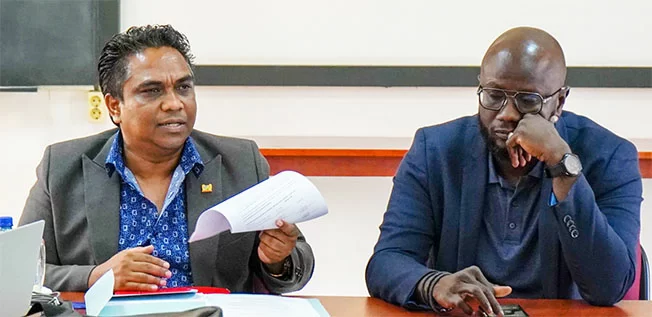
    The Ministry of Agriculture, Livestock, and Fisheries (LVV) disclosed that despite approximately SRD 200 million in government subsidies over five years, FAI now faces critical liquidity shortages preventing payment of employee wages and essential operational expenses. Minister Mike Noersalim convened an urgent meeting with stakeholders including parliamentary representatives, union leaders, and board members to address what he described as “an extremely dire situation.”

    Investigations reveal multiple systemic failures: export operations to Barbados and Trinidad & Tobago have been suspended due to unpaid logistics contracts, while production has plummeted to 200 hectares—far below the 350-hectare break-even threshold. Outdated irrigation infrastructure and forced reductions in fertilizer use have exacerbated production declines.

    Minister Noersalim confirmed evidence of unauthorized asset sales, including non-seaworthy containers sold below market value, and salary increases implemented without board approval. With $8.5 million owed to Hakrinbank alone, the minister has initiated emergency talks with financial authorities to prevent collapse. “We cannot continue this way,” Noersalim stated, emphasizing government commitment to restoring FAI as Suriname’s banana sector leader through transparent restructuring.

    Stakeholders have pledged collaborative efforts to reduce debt burdens, revitalize production, and restore operational viability. The coming weeks are deemed critical for preserving export markets and ensuring the company’s survival.

  • CARICOM member states have lost tourism competitiveness- former CDB President

    CARICOM member states have lost tourism competitiveness- former CDB President

    A stark warning about the declining competitiveness of Caribbean Community (CARICOM) tourism sectors was issued by Professor Compton Bourne, former President of the Caribbean Development Bank. Speaking at a World Trade Centre Georgetown panel discussion on December 2, 2025, the renowned economist revealed that CARICOM member states are rapidly losing market share to non-CARICOM Caribbean destinations that offer superior infrastructure, more favorable tax regimes, and enhanced visitor experiences.

    Professor Bourne identified the Dominican Republic and Puerto Rico as primary beneficiaries of this shift, noting these nations have dramatically expanded their tourism infrastructure through modernized hotels, improved transportation networks, and diversified tourism products emphasizing heritage attractions. Unlike CARICOM nations, these competitors have implemented significantly lower taxes and levies that directly impact stay-over visitors, creating substantial price advantages.

    The economist criticized CARICOM governments for prioritizing revenue collection over tourism sector growth, noting that intra-regional travel faces particularly heavy taxation. “The behavior of governments is like if the tourism demand is not price sensitive so that you can simply add taxes to the product and people will buy the same quantity. That is not so. They shift to other destinations,” Bourne stated, revealing he had previously delivered similar warnings to CARICOM Heads of Government.

    For emerging tourism destinations like Guyana, Professor Bourne recommended strategic positioning as a “product innovator” leveraging its unique biodiversity. He emphasized that success requires addressing critical infrastructure gaps including quality accommodations, efficient internal transportation, rest stops, and multilingual guides capable of serving non-English speaking visitors from South America and Latin America.

    Additionally, Bourne proposed developing virtual exports of entertainment and sports as lucrative alternatives to traditional tourism. He stressed that successful online delivery would require reliable technological infrastructure, strict adherence to scheduling, and high-quality production standards to compete effectively in digital marketplaces currently constrained by physical venue limitations.

  • VSB en VNO-NCW versterken economische samenwerking met nieuw MoU

    VSB en VNO-NCW versterken economische samenwerking met nieuw MoU

    In a significant development for bilateral economic relations, the Association of Surinamese Business (VSB) and the Confederation of Netherlands Industry and Employers (VNO-NCW) have formalized a strategic partnership through a Memorandum of Understanding signed on December 1st. The signing ceremony occurred at Royal Torarica during the state visit of King Willem-Alexander, with VSB Chairwoman Rekha Bissumbhar and VNO-NCW Vice Chairman Maarten Schuurman representing their respective organizations.

    This landmark agreement establishes a framework for enhancing trade and investment flows between Suriname and the Netherlands through structured knowledge exchange programs, coordinated trade missions, and intensified collaboration among member enterprises. VNO-NCW, representing thousands of Dutch companies and industry associations, brings substantial institutional capacity in promoting entrepreneurship, innovation, and international cooperation to this partnership.

    The memorandum is founded upon principles of mutual respect, equality, and genuine partnership, with concrete initiatives including joint networking events, business forum participation, and the development of cross-border commercial partnerships. Both organizations have committed to creating tangible opportunities for their members while strengthening the historical, cultural, and economic ties between the two nations.

    The VSB characterizes this agreement as an initial step in a broader engagement strategy, with plans to incorporate additional local sector organizations as the collaboration evolves. This partnership represents a structured approach to leveraging the existing relationship between Suriname and the Netherlands for mutual economic benefit.

  • Budget Loan Authorisation increased by 36% from 2022 to 2026

    Budget Loan Authorisation increased by 36% from 2022 to 2026

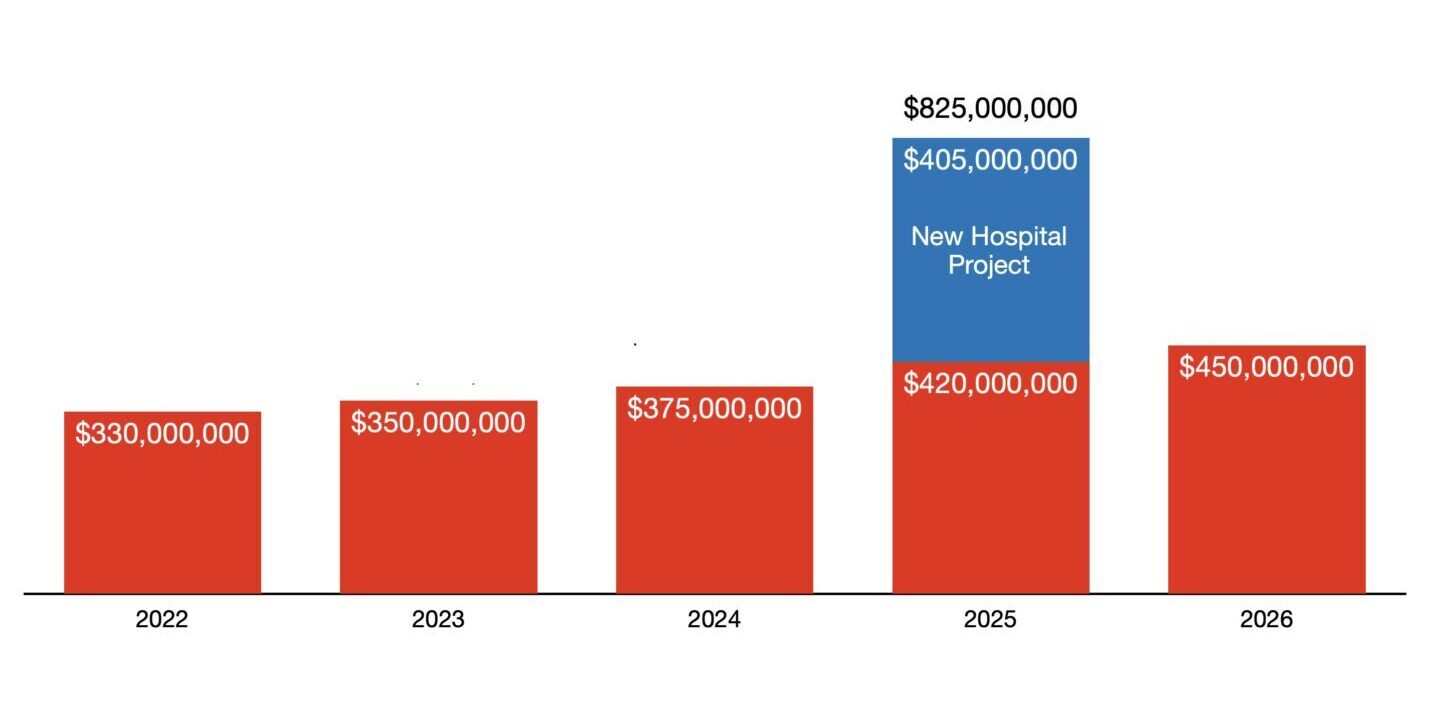
    The Grenadian Parliament has enacted substantial increases in national borrowing capacity through its Budget Loan Authorisation Act, revealing a significant expansion of the country’s fiscal framework from 2022 to 2026. Financial analysis indicates the government’s authorized borrowing limit has escalated by EC$120 million during this period, with the most dramatic single-year increase scheduled for 2025—a year that will see an extraordinary EC$825 million authorization that includes separate funding for a major hospital development project.

    This legislative mechanism, routinely approved alongside annual budget presentations, empowers the Finance Minister to secure financing through diverse instruments including international loans, bond issuances, promissory notes, and other debt vehicles. The escalating borrowing authorities correspond with a parallel 45% growth in overall budget expenditures, which are projected to reach nearly EC$2 billion by 2026 compared to EC$1.35 billion in 2022.

    Detailed examination of the authorization timeline shows progressive annual increases: EC$330 million (2022), EC$350 million (2023), EC$375 million (2024), followed by the exceptional EC$825 million allocation for 2025—comprising EC$420 million for general budgeting plus EC$405 million specifically earmarked for hospital infrastructure—before moderating to EC$450 million in 2026.

    The government maintains borrowing relationships with multiple international financial institutions, including the World Bank’s International Development Association, Caribbean Development Bank, Eastern Caribbean Central Bank, and the Saudi Fund for Development—from which Grenada secured a US$100 million loan in October 2023. Notably, despite parliamentary requirements mandating disclosure of loan agreements, few such documents have been formally presented to legislators, raising questions about transparency in sovereign debt management.

    The substantial borrowing increase, particularly the hospital project financing, represents a strategic investment in national infrastructure while simultaneously expanding Grenada’s public debt portfolio. The government has not yet disclosed whether the specifically authorized hospital funding has been activated through actual borrowing arrangements.