分类: business

  • Belize Unemployment Falls to 1.9 Percent; 35% classified as ‘Informally Employed’

    Belize Unemployment Falls to 1.9 Percent; 35% classified as ‘Informally Employed’

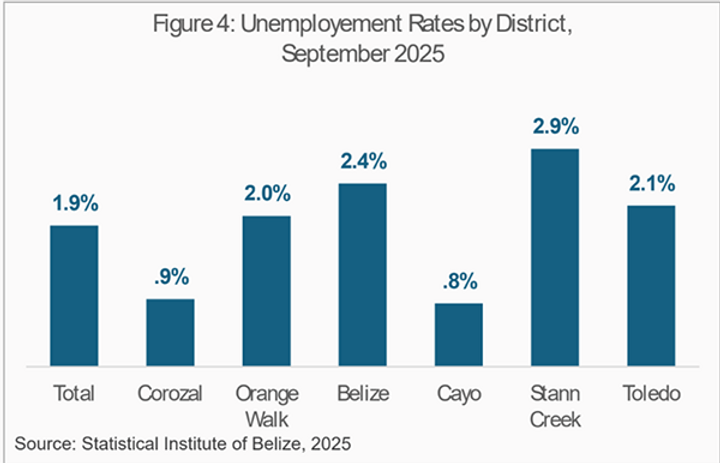
    Belize’s official unemployment rate plummeted to a historic low of 1.9% in September 2025, yet this superficially robust figure masks significant structural vulnerabilities within the nation’s labor market. According to preliminary data from the national Labour Force Survey, merely 3,421 individuals were classified as unemployed—a figure that dips below the standard economic threshold for ‘full employment,’ typically ranging from 3% to 5%. While this suggests near-total workforce absorption, economists caution that the headline number obscures deeper complexities.

    The survey reveals that from a total employed population of 178,442, a substantial proportion—64,129 workers or 35.9%—operate within the informal economy. These workers, largely concentrated in wholesale/retail trade and community/personal services, typically function without formal registration or social security protections. This prevalence of informal employment indicates widespread limitations in income security and job stability, despite their statistical classification as employed.

    Further complicating the picture is underemployment, which affects 2,465 persons or 1.4% of the workforce. Although statistically modest, these individuals work fewer than 35 hours weekly despite availability for additional work and earn significantly below the national average income. Their situation highlights a segment of the labor force that remains economically constrained despite being technically employed.

    Labor force participation rates, standing at 58.1%, also play a crucial role in interpreting the unemployment metric. With over 130,000 Belizeans outside the workforce due to household responsibilities, education, or other factors—and thus excluded from unemployment calculations—the reported rate fails to capture the full spectrum of labor market engagement. Significant gender disparities in participation further nuance this dynamic.

    Collectively, Belize’s labor market indicators paint a multifaceted economic portrait. The record-low unemployment rate, while historically notable, coexists with substantial informal employment, persistent underemployment, and moderate participation rates. These factors necessitate careful monitoring to accurately assess both the quantity and quality of employment opportunities in Belize’s evolving economy.
  • ‘Disappearing Workers’ Coming Back? Labour Force Edges Toward Pre-2024 Levels

    ‘Disappearing Workers’ Coming Back? Labour Force Edges Toward Pre-2024 Levels

    Recent Labor Force Survey data reveals a significant economic recovery underway in 2025, marking a substantial improvement from the dramatic contraction experienced the previous year. The latest figures demonstrate that workforce numbers are gradually returning to pre-decline levels, suggesting the 2024 reduction may have been transitional rather than permanent.

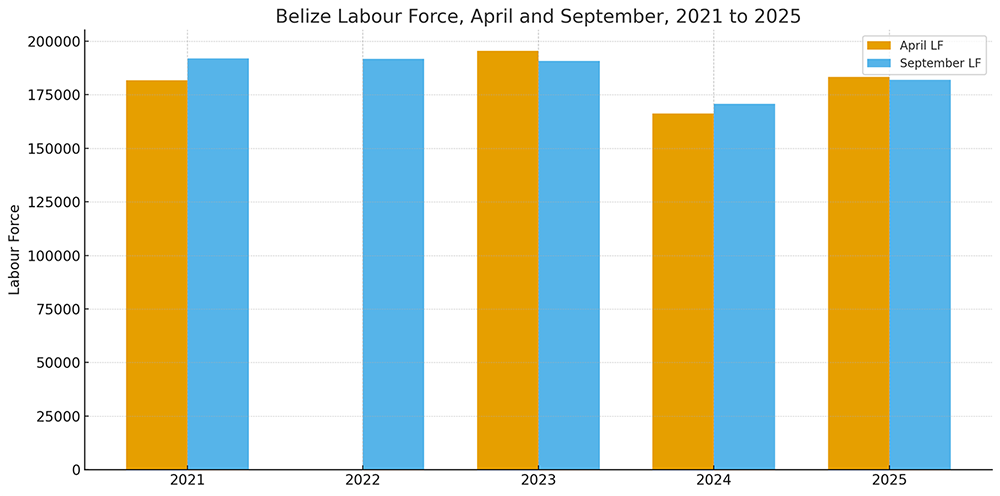
    In September 2024, the labor force experienced one of its most severe contractions on record, plummeting to 166,206 individuals after maintaining stable numbers between 190,000-195,000 for several preceding years. This sharp decline prompted serious concerns among economists and policymakers about fundamental structural changes in the labor market.

    The 2025 data, however, presents a markedly different picture. April’s figures climbed to 183,368 employed persons, followed by a September count of 181,863—both measurements representing significant improvements over 2024’s lows and moving closer to historical norms. This upward trajectory indicates that the factors driving last year’s decline may have been temporary disruptions rather than permanent alterations to workforce dynamics.

    Simultaneously, the unemployment rate has continued its positive trend, dropping to 1.9% in September 2025 with only 3,421 individuals classified as unemployed. This figure sits below September 2024’s 2.1% rate and remains consistent with economic conditions typically associated with full employment.

    The broader employment landscape reveals additional insights: approximately 64,129 workers (35.9% of all employed persons) operate within the informal economy, while underemployment affects 2,465 individuals who work fewer than 35 weekly hours but desire additional work opportunities.

    Beyond the active workforce, more than 130,000 persons remained outside the labor force in September 2025, primarily due to household responsibilities, educational commitments, or other circumstances preventing active job seeking. These demographic factors continue to influence both participation rates and unemployment measurements.

    While current labor force totals haven’t yet reached the peak levels observed between 2021-2023, the measurable recovery from 2024’s lows represents a positive development. Economists emphasize that continued monitoring will be essential to determine whether this upward movement signifies a sustained return to historical norms or reflects shorter-term adjustments in workforce participation patterns.

  • Simons: schuldherschikking noodzakelijk om financiële stabiliteit te waarborgen

    Simons: schuldherschikking noodzakelijk om financiële stabiliteit te waarborgen

    Surinamese President Jennifer Simons has announced a critical debt restructuring agreement that prevents the nation from facing unsustainable foreign debt obligations within the coming years. The breakthrough came following intensive negotiations with major creditors including Staatsolie, TotalEnergies, and Bank of America.

    During a presidential palace press conference on Friday, Simons emphasized that restructuring foreign debt was not merely a policy choice but an absolute necessity. Without intervention, Suriname would have faced crippling interest payments starting in 2027 that would have severely pressured both the national budget and exchange rate stability. The country faced approximately $150 million in interest payments alone for debt servicing.

    The successfully negotiated arrangement postpones loan repayments until after 2028, providing immediate relief for foreign currency reserves and preventing excessive pressure on the exchange rate. This strategic move forms part of a broader government initiative to avoid prematurely committing future revenues to debt obligations.

    In a significant parallel development, the government has fully settled the Value Recovery Instrument (VRI) debt, ensuring that oil royalties will be entirely available for Suriname’s use from 2028 onward. President Simons stressed that these funds must be allocated toward structurally strengthening national finances rather than new consumptive expenditures.

    Simultaneously, authorities are engaged in discussions with China to restructure existing debt arrangements, aiming to align payment obligations with the country’s actual financial capacity.

    Beyond debt management, the administration is implementing comprehensive tax system reforms. Noting that Suriname generates comparatively lower tax revenues than regional counterparts, the government has initiated the reform and autonomization of the tax authority. This overhaul aims to achieve more efficient revenue collection, broaden the tax base, and reduce structural deficits.

    President Simons articulated the inseparable connection between debt restructuring and tax reform, noting that together these measures should establish greater financial stability, restore confidence, and create foundations for sustainable economic development. She acknowledged that the full impact of these restructuring efforts will only become apparent in coming years as the effectiveness of new agreements in creating sustainable payment obligations and additional budgetary space becomes evident.

  • GOB Pushes to Renew Sugar Industry Tax Breaks Amid Opposition Criticism

    GOB Pushes to Renew Sugar Industry Tax Breaks Amid Opposition Criticism

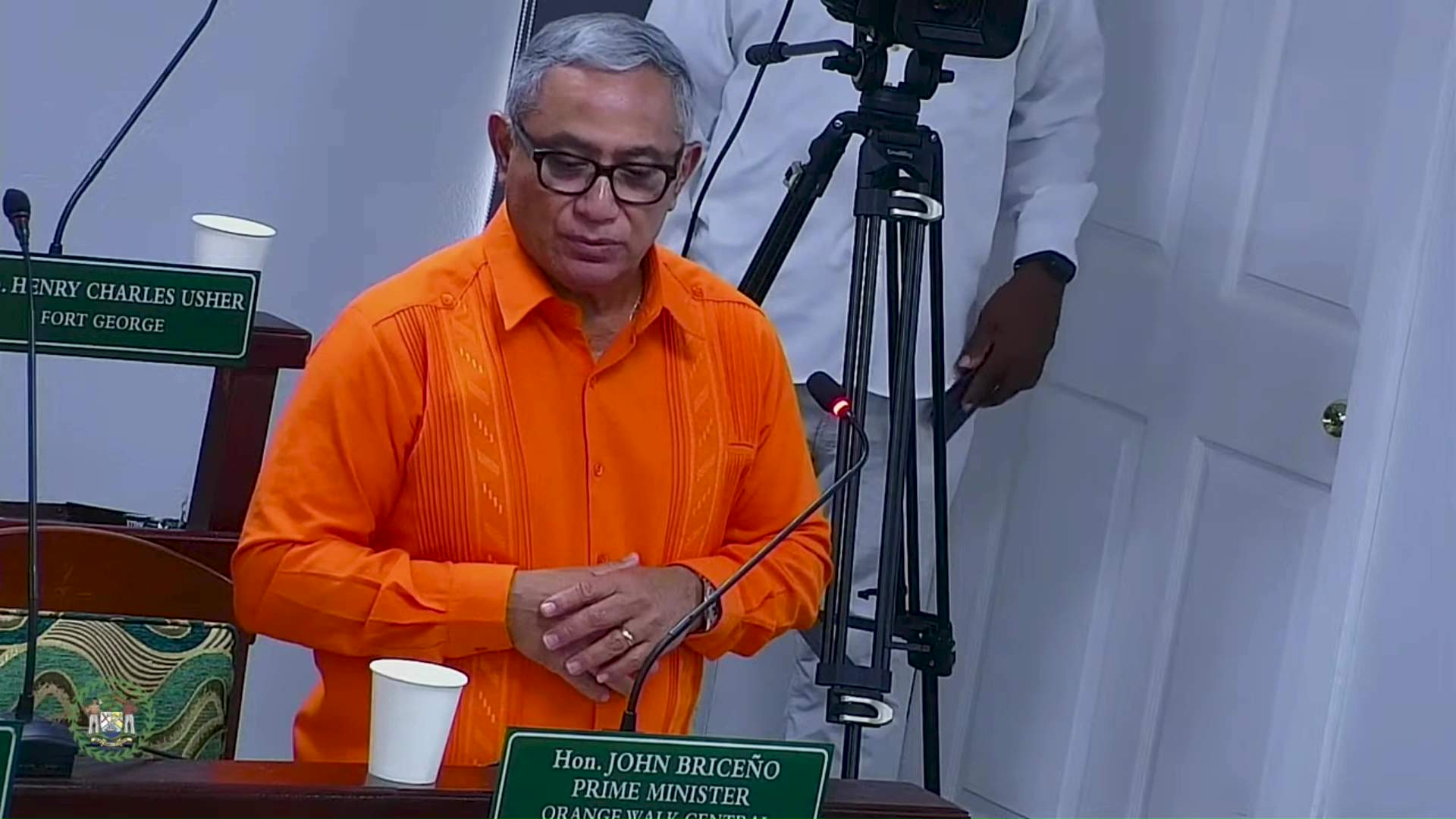
    The Belizean government, led by Prime Minister John Briceño, is advancing legislation to prolong substantial tax incentives for ASR/BSI and its BELCOGEN energy facility for an additional two-year period. These tax concessions, originally established in 2012 under prior leadership, provide the corporation with exemptions from business levies and import duties.

    Prime Minister Briceño has characterized the sugar sector as confronting severe operational challenges, prompting his administration to advocate for the renewal of these financial incentives. Following a presentation by BSI executives to the Cabinet, Briceño emphasized the industry’s critical situation, citing insufficient sugarcane yields, escalating operational expenses, and the pressing requirement for continued modernization investments in both milling and energy generation infrastructure.

    Conversely, Opposition Leader Tracy Panton has raised substantive concerns regarding the fiscal responsibility of extending these tax holidays. While acknowledging the sugar industry’s vital economic role, particularly in northern employment and agricultural sustainability, Panton questioned whether this approach demonstrates balanced policymaking and equitable treatment for all stakeholders. She highlighted the particular irony that despite these substantial tax exemptions, Belizean consumers face potential energy cost increases of nearly fourteen percent currently under consideration by the Public Utilities Commission.

    The emerging debate encapsulates broader tensions between industrial support mechanisms and responsible fiscal governance, with significant implications for Belize’s agricultural economy and energy affordability.

  • Rodwell Ferguson Endorses Sugar Industry Incentives

    Rodwell Ferguson Endorses Sugar Industry Incentives

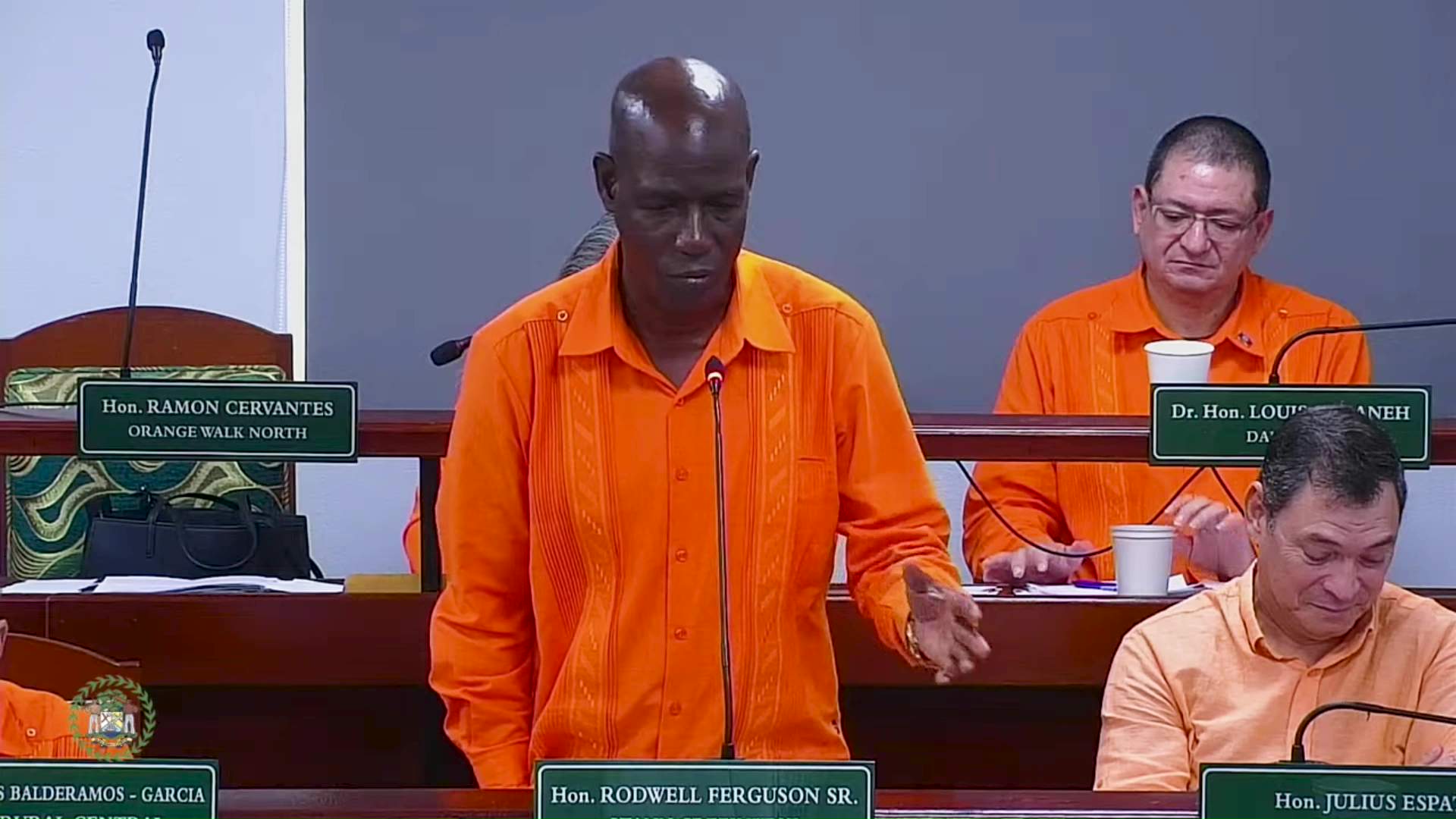
    In his inaugural parliamentary address, Belize’s newly appointed Agriculture Minister Rodwell Ferguson strongly endorsed proposed tax exemption extensions for the nation’s sugar industry giant ASR/BSI. Drawing upon his substantial background in the agricultural sector, Minister Ferguson emphasized the critical importance of governmental support mechanisms for ensuring industry viability and national economic benefit.

    The minister articulated a clear philosophy regarding industrial incentives, stating that initial investments inherently require support during their developmental phases. “An initial investment will always require an incentive because you never know what the outcome will be,” Ferguson explained to parliamentary colleagues. He further elaborated that once enterprises establish profitability, they subsequently contribute fully to national revenues through tax obligations.

    Ferguson’s perspective is rooted in extensive personal experience, having dedicated twenty-three years to agricultural work prior to entering the political arena. This background provides him with firsthand understanding of the challenges confronting agricultural workers. The minister emphasized that responsible governance necessitates creating conditions where industries can not only survive but achieve sustainable profit margins, ultimately securing Belize’s economic future.

    The proposed tax exemptions represent a continuation of government policy aimed at maintaining competitiveness in the crucial sugar sector, which employs thousands of Belizeans and contributes significantly to export earnings. Minister Ferguson’s endorsement signals policy continuity despite the recent ministerial appointment.

  • Sugar Season Delay: Blessing and Burden?

    Sugar Season Delay: Blessing and Burden?

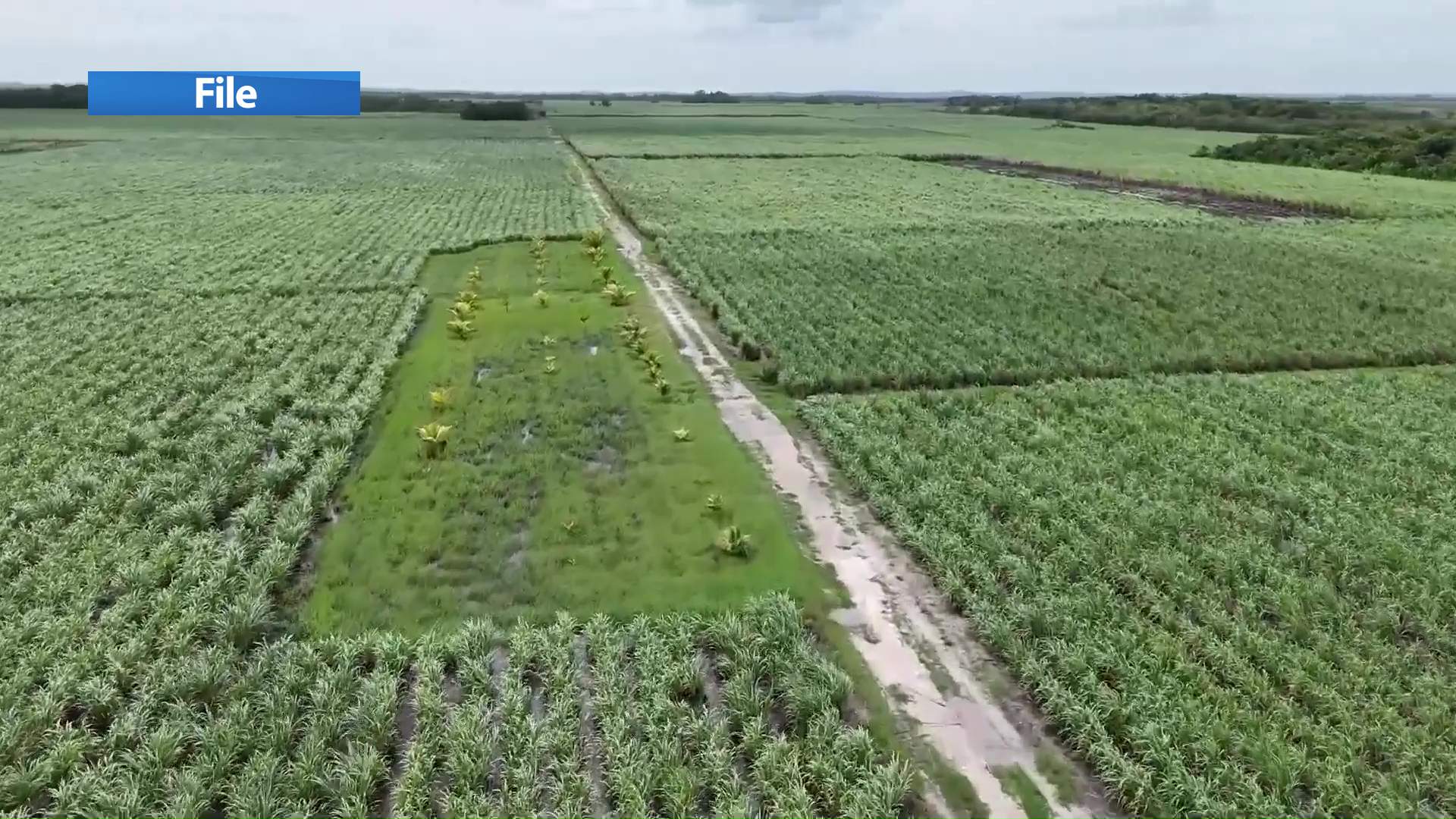
    In northern Belize, the postponed commencement of the sugar harvesting period is creating a complex scenario of economic hardship and potential agricultural benefits. The delay, impacting numerous cane farming families reliant on December revenues for holiday expenses, presents a dual reality of immediate financial strain against long-term operational advantages.

    Industry representatives characterize the situation as possessing both positive and negative dimensions. While the absence of early cash flow creates significant Christmas season difficulties for agricultural families and local businesses, the additional time permits recovery of weather-damaged fields and allows milling facilities to complete essential maintenance.

    Alfredo Ortega, Vice-Chairman of the Belize Sugarcane Farmers Association, confirmed the industry’s operational unreadiness, noting that extended preparation could ultimately strengthen both farming and milling operations. Ortega emphasized the broader community impact, stating that delayed crop initiation affects regional economic circulation beyond the agricultural sector.

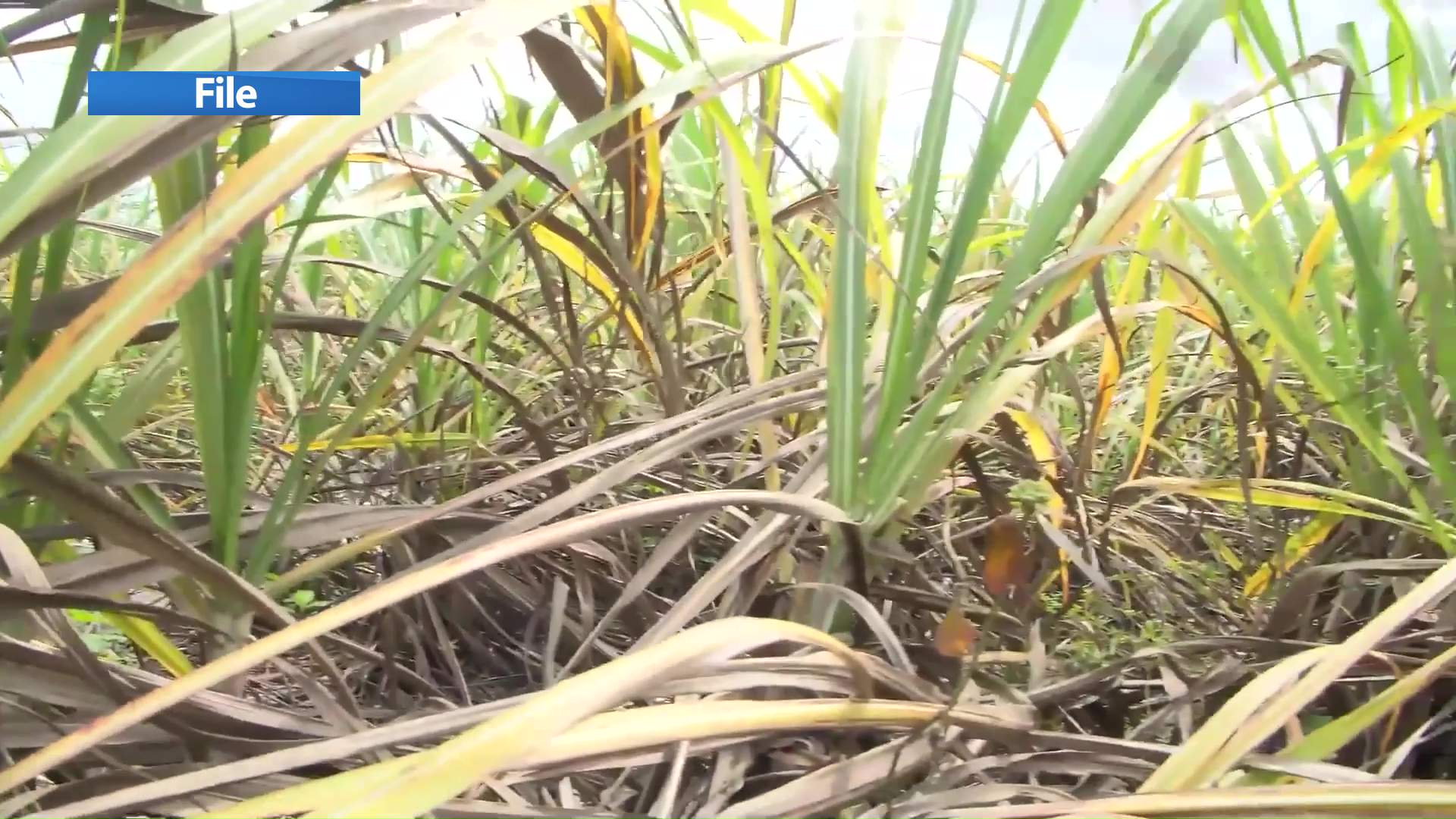
    Association Chairman Salvador Martin identified multiple challenges affecting cultivation readiness, including fusarium fungal infections, persistent drought conditions, and pest infestations throughout the farming region. Martin indicated mid-January as a potential timeframe for improved conditions, expressing hope for more favorable operational circumstances.

    The delayed season timing may yield mutual benefits according to stakeholders. Ortega explained that mill maintenance requirements align with farmers’ needs for extended preparation periods following disappointing third payment distributions in previous cycles. This unexpected additional time enables reinvestment in replanting efforts and improved crop management strategies throughout the cultivation region.

  • Three Years or Seven? Sugar Crop Hinges on Deal

    Three Years or Seven? Sugar Crop Hinges on Deal

    The Belize sugar industry stands at a pivotal crossroads as negotiations between cane farmers and processing mills approach a critical phase. With the harvesting season imminent, stakeholders are working to resolve a fundamental disagreement over contract duration that could determine the sector’s stability for years to come.

    Belize Sugar Industries Limited (BSI), the primary processing facility, has proposed a seven-year commercial agreement seeking long-term operational certainty. This position contrasts sharply with the Belize Sugar Cane Farmers Association (BSCFA), which reports its members have unequivocally mandated leadership to accept no arrangement exceeding three years.

    Association Chairman Salvador Martin emphasized the farmers’ position: “Our membership has clearly expressed the need for a safe crop window of two to three years during our general meeting. This directive has been formally communicated to BSI-ASR, and we await their response.”

    The disagreement occurs against a backdrop of historical tensions that have previously led to operational standoffs and production shutdowns. Both parties now appear more motivated than in previous years to find common ground and avoid further disruption to the economically vital industry.

    Vice Chairman Alfredo Ortega noted the historical context, explaining that three-year agreements with rollover provisions had been customary practice in the past. “Our farmers specifically instructed us not to exceed this traditional timeframe unless renegotiation clauses are invoked by either party,” Ortega stated.

    The association leadership has characterized the current situation as having “the ball in the factory’s court,” indicating they’ve fulfilled their procedural obligations by submitting the farmers’ position in writing. The industry now awaits BSI’s response, which will determine whether the parties can bridge their differences or face another potentially damaging impasse.

    The outcome carries significant implications for Belize’s agricultural economy, as sugar production remains a cornerstone of rural employment and export revenue. The resolution of this contractual dispute will directly affect harvesting schedules, international export commitments, and the financial stability of thousands of farming families.

  • Sugar Farmers Reject PM’s Peacekeeping Claim, Demand Real Reforms

    Sugar Farmers Reject PM’s Peacekeeping Claim, Demand Real Reforms

    BELIZE CITY – Belize’s sugarcane industry faces renewed tensions as farmers directly contradict the Prime Minister’s assertion that his intervention has stabilized sector relations. The Belize Sugarcane Farmers Association (BSCFA) has publicly rejected governmental claims of improved dialogue, demanding concrete policy reforms rather than diplomatic overtures.

    Alfredo Ortega, Vice-Chairman of the BSCFA, provided unequivocal commentary regarding the current administration’s handling of the sugar industry. “We have not seen changes as yet,” Ortega stated during a recent interview. “We have been asking for changes that will really assist all players – the farmers, the millers, and the government.”

    The association’s leadership emphasized the need for structural reforms that establish equitable conditions across the industry value chain. This development follows the Prime Minister’s assumption of direct oversight responsibilities previously managed through the Ministry of Agriculture.

    Notably, farmers expressed appreciation for former Agriculture Minister Jose Abelardo Mai, whose resignation created the current administrative vacuum. Ortega acknowledged Mai’s continued advocacy despite no longer holding official responsibility for sugar affairs, while also extending wishes for the former minister’s health recovery and potential return to government service.

    The industry’s restructuring places daily operations under the joint supervision of the Prime Minister’s Office and Minister of State Martinez, who have claimed ongoing dialogue with both agricultural and processing stakeholders. However, farmer representatives maintain that these discussions have yet to produce meaningful progress toward addressing fundamental imbalances in the sector.

    The sugarcane industry remains a critical component of Belize’s agricultural economy, with its stability directly affecting numerous rural communities and national export earnings. The current impasse reflects deeper structural challenges in balancing the interests of agricultural producers, industrial processors, and governmental regulators.

  • GOB Pushes Local Manna Noodles Amid Opposition Criticism

    GOB Pushes Local Manna Noodles Amid Opposition Criticism

    The Belizean government has enacted a significant trade policy shift by implementing a twenty-percent import tariff on foreign-made soups and broths, with ramen noodles being the primary target. This strategic move, championed by Prime Minister John Briceño’s administration, is designed to bolster the domestic market position of the locally manufactured ‘Manna’ noodles, produced by the Caribbean Organic Food Stuff Company—the same entity behind the popular Mine Beer and Manna flour.

    Prime Minister Briceño defended the policy, framing it as essential economic protectionism. He clarified that the tariff is not a defensive measure against imports but a proactive initiative to safeguard Belizean production. Contrary to assumptions, Briceño asserted that the local alternative is already priced more competitively than its imported counterparts. The policy received the necessary approvals through Cabinet and CARICOM, in alignment with the Single Market Economy protocols to which Belize is a signatory.

    However, the policy has drawn sharp criticism from opposition leader Tracy Panton. While she expressed support for the government’s broader objective of empowering local food processors, she vehemently questioned the choice of product. Panton condemned ramen noodles as ‘the worst food on the market’ and ‘the food of choice for the working poor,’ arguing that the policy inadvertently promotes an unhealthy dietary staple. She challenged the administration to instead create frameworks that enable local producers to compete with nutritious, affordable food options that support public health and wellness.

  • Grenada to auction EC$10 million Treasury Bill on 15 December

    Grenada to auction EC$10 million Treasury Bill on 15 December

    The Government of Grenada will conduct its final securities auction of 2025 on December 15th, offering a 365-day Treasury Bill seeking to raise EC$10 million through the Eastern Caribbean Securities Exchange. This auction represents the culmination of Grenada’s annual borrowing activities on the regional market.

    The investment instrument features a maximum interest rate of 5.0% and will be available for bidding between 9:00 am and 12:00 pm through the primary market platform. According to official documentation, Grenada has successfully raised over EC$110 million throughout 2025 across seven separate auctions, comprising four 91-day Treasury Bills and three 365-day Treasury Bills.

    Proceeds from these securities offerings are strategically allocated to refinance existing Treasury bills and notes currently circulating in the market. This approach forms an integral component of the government’s comprehensive Debt Management Strategy, specifically designed to minimize borrowing costs by reducing dependency on overdraft facilities.

    A significant advantage for investors lies in the tax-exempt status of yields, which are not subject to any form of taxation, duty, or levy by participating Eastern Caribbean Currency Union (ECCU) governments. This favorable tax treatment enhances the effective return for market participants.

    Concurrently, Grenada has pioneered financial inclusion through its innovative Retail Bond Programme, launching an inaugural EC$5 million offering specifically tailored for individual investors. This initiative features an accessible minimum investment threshold of just $500, coupled with a 2-year investment term and tax-free returns. The program serves dual purposes of facilitating wealth accumulation while promoting financial literacy among first-time and small-scale investors throughout the Eastern Caribbean region.