分类: business

  • Beginning January 1, a new 1% federal remittance tax in the United States will take effect

    Beginning January 1, a new 1% federal remittance tax in the United States will take effect

    A significant shift in U.S. financial policy will take effect on January 1, 2026, introducing a new taxation structure for specific international money transfer methods. The legislation imposes a 1% remittance tax exclusively on transactions funded through physical cash, money orders, or cashier’s checks, potentially affecting how millions of Americans send money abroad.

    The tax framework creates a clear distinction between payment methods. While traditional cash-based payments will incur the additional levy, digital and electronic payment options remain exempt. This includes debit cards, credit cards, bank account transfers, digital wallets (Google Pay, Apple Pay, Vigo Money), and prepaid cards such as the Western Union Prepaid Visa® Card.

    Financial service providers are already implementing strategies to help customers navigate the new regulations. Western Union, as a leading money transfer operator, emphasizes that recipients abroad will not experience any reduction in received amounts regardless of the sender’s payment method. The tax exclusively applies to the sender’s transaction costs based on their chosen payment option.

    Consumers have multiple pathways to avoid the additional expense. Retail locations can process debit card payments without the tax, while digital platforms and mobile applications provide completely tax-free transfer options when using electronic payment methods. The Western Union Prepaid Visa Card offers an intermediate solution, allowing users to load cash onto the card initially then execute international transfers without incurring the 1% levy.

    The legislation represents a deliberate policy choice to encourage digital payment adoption while maintaining cash-based transfer options for those who prefer them. Financial analysts suggest this could accelerate the transition toward electronic international money transfers, potentially affecting retail money transfer locations that primarily handle cash transactions.

    Industry experts recommend that frequent senders begin adapting their transfer habits well before the 2026 implementation date to ensure seamless continuation of their international financial support without additional costs.

  • “Let Minimum Wage Board do its job” – BEC

    “Let Minimum Wage Board do its job” – BEC

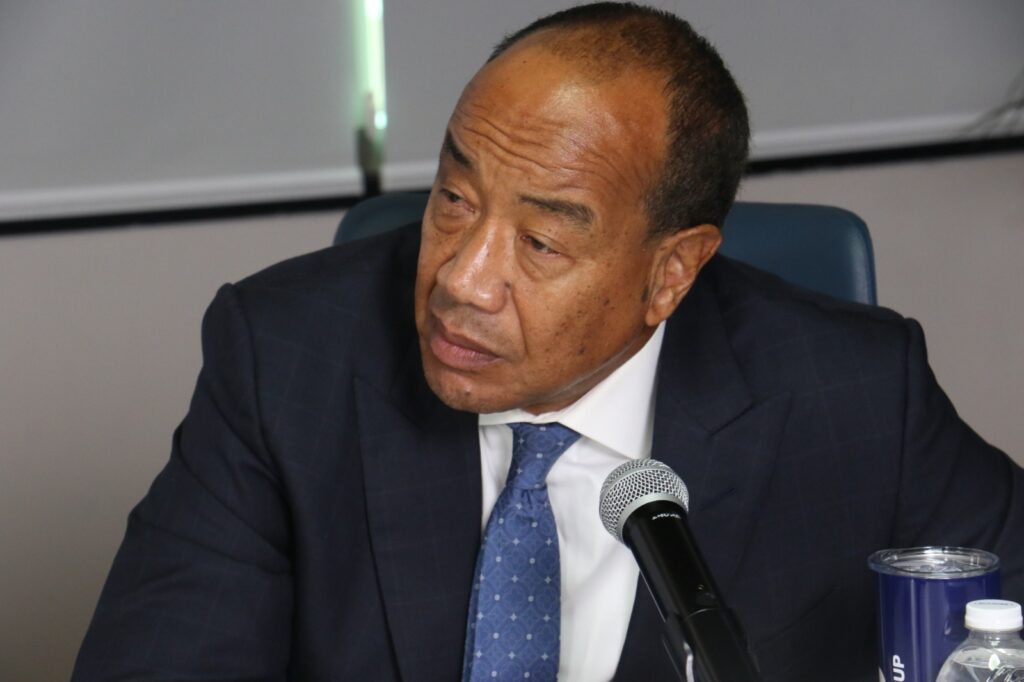
    A significant dispute has emerged in Barbados between business leaders and the government regarding the implementation of future minimum wage increases. The Barbados Employers’ Confederation (BEC) has formally requested that the government permit the Minimum Wage Board to complete its legally mandated review before announcing any further adjustments to wage policies.

    The controversy stems from the recent Budget announcement which outlined predetermined minimum wage increases for both 2025 and 2026. According to the proposed changes set to take effect January 21, 2026, the national minimum wage would increase from $10.50 to $10.71 per hour, while security guards’ sectoral minimum wage would rise from $11.43 to $11.66 per hour—representing a two percent increase across both categories.

    The BEC, while expressing support for fair compensation practices, has raised substantial concerns about the government’s approach. The employers’ group emphasized that announcing increases prior to the Board’s comprehensive review represents a departure from established tripartite engagement protocols that typically involve thorough economic analysis and stakeholder consultation.

    In their official statement, the Confederation warned that minimum wage adjustments create significant ripple effects throughout the economy, potentially raising operational costs and threatening business sustainability. The organization specifically cautioned that such preemptive increases could inadvertently jeopardize job creation and, in severe cases, potentially lead to workforce reductions.

    The employers’ body further argued that frequent, unreviewed annual increases introduce market instability and unpredictability, ultimately placing undue pressure on the very businesses and workers that minimum wage policies are designed to support.

    In response to these concerns, Minister of Labour Colin Jordan has defended the government’s position, stating that the increases are intended to alleviate pressure on low-income workers without destabilizing businesses. The Minister indicated that Cabinet had signaled its intention to introduce annual indexation months earlier as part of the 2025 Budget framework.

    Minister Jordan also noted that work is currently underway through the Minimum Wage Board to assess the impact of the June 2025 increase and to develop a Barbados-specific indexation model, with Cabinet expected to ultimately consider the Board’s recommendations.

    Despite these assurances, the BEC maintains that all future wage adjustments must follow the legally established process, allowing the Board to complete its analytical work before final decisions are made. The Confederation has urgently called for the government to respect the institutional process to ensure that minimum wage decisions are fair, sustainable, and truly serve the best interests of workers, employers, and the national economy.

  • Unemployment in Brazil falls to 5,2% in November

    Unemployment in Brazil falls to 5,2% in November

    Brazil’s labor market has achieved a significant milestone, recording its lowest unemployment rate since the inception of the National Continuous Household Sample Survey (PNAD Continua) in 2012. This historic low underscores a notable improvement in the country’s employment landscape.

    According to the latest data, approximately 5.6 million Brazilians actively sought employment without success between September and November. This figure marks a slight improvement from October, which saw 5.9 million workers in search of jobs.

    The formal employment sector has demonstrated substantial growth, with the Brazilian Institute of Geography and Statistics (IBGE) identifying 39.4 million formal workers in the quarter ending November. This expansion reflects strengthened economic stability and increased formalization in the workforce.

    Concurrently, Brazil’s overall employment numbers have reached unprecedented levels. The nation now boasts 103 million employed individuals, representing an increase of 1.1 million jobs compared to November 2015. This record-breaking employment figure highlights the sustained recovery and growth of Brazil’s labor market amid broader economic challenges.

  • Nexa Credit Union spreads holiday cheer

    Nexa Credit Union spreads holiday cheer

    Nexa Credit Union has redefined holiday banking by transforming its annual Christmas Loan Promotion into a comprehensive community enrichment campaign. Moving beyond conventional financial services, the institution embedded its ‘people helping people’ philosophy into a series of initiatives that blended financial support with tangible community benefits.

    The centerpiece of this year’s ‘Happier Holiday Christmas Loan Promotion’ was an innovative educational grant competition. Ten local schools participated in an engaging digital campaign from December 1-19, creating social media content and mobilizing their communities through daily online polling. After nearly three weeks of enthusiastic participation, Corinth Government School secured victory with 613 votes, earning the EC$5,000 grand prize dedicated to enhancing educational facilities. Bishop’s College followed closely with 563 votes, while St. Martin de Porres Catholic School garnered 344 votes to complete the top three.

    Parallel to the educational initiative, Nexa distributed festive rewards across multiple channels. Each of the credit union’s five branches selected one fortunate member for prizes based on transaction activity during the promotion period. The institution’s social media presence came alive with a Mystery Gift Wrap campaign that awarded three followers with surprise packages, while one loan applicant received the ultimate holiday experience: a three-person day pass to Sandals resort.

    Randy Frank, Deputy General Manager of Nexa Credit Union, emphasized the strategic thinking behind these initiatives: ‘Our Christmas campaign embodies Nexa’s core values. During this special season, we’re reminded that our responsibility extends beyond financial services to actively uplifting our members and strengthening community bonds through shared joy and support.’

    The credit union expressed gratitude to all participants, noting that collective engagement transformed the promotion into a genuine celebration of generosity and connection. Nexa continues to invite community members to stay informed about future initiatives through their official website and social media channels.

  • CDB providing grant funding for region’s cultural and creative industries

    CDB providing grant funding for region’s cultural and creative industries

    BRIDGETOWN, Barbados – The Caribbean Development Bank (CDB) has announced a significant funding initiative of US$190,000 through its Cultural and Creative Industries Innovation Fund (CIIF) to support regional events and conferences. This strategic investment aims to enhance the growth and global competitiveness of the Caribbean’s cultural and creative sectors.

    Established in 2017, the CIIF program focuses on fostering innovation, collaboration, and sustainability within the creative industries across CDB’s 19 borrowing member countries. The current grant call targets events scheduled between March 1, 2026, and February 28, 2027, that address critical development priorities for the region’s creative economy.

    Eligible activities must concentrate on policy dialogue facilitation, capacity building for micro, small, and medium enterprises (MSMEs), sector data enhancement, market intelligence development, trade promotion, and cultural heritage preservation. The bank will award six grants ranging from US$20,000 to US$50,000 to qualified applicants.

    CIIF Coordinator Malene Joseph emphasized the initiative’s significance: ‘This grant call supports home-grown activities that unlock pathways for creative Caribbean talent and businesses. Beyond facilitating policy dialogue and building data-driven insights, CIIF enables creative MSMEs through targeted financial support.’

    Application eligibility requires formal registration as business support organizations, non-governmental organizations, universities, community-based organizations, or government agencies serving the creative sector. Applicants must demonstrate at least three years of experience in hosting industry events and provide co-financing covering minimum 10% of the total project budget. The submission deadline is January 31 of the upcoming year.

  • Billionaire Lee-Chin weighs sale of NCBFG stake to settle debt, shares down 23% YTD

    Billionaire Lee-Chin weighs sale of NCBFG stake to settle debt, shares down 23% YTD

    KINGSTON, Jamaica — Prominent Jamaican-Canadian investor Michael Lee-Chin is evaluating the potential divestment of his controlling interest in National Commercial Bank Financial Group Limited (NCBFG) to address pressing debt obligations. This strategic consideration emerges as his Barbados-based company, AIC (Barbados) Limited, faces an immediate US$94 million bond payment, with total outstanding bond obligations amounting to US$297 million.

    In accordance with an agreement with noteholders, Lee-Chin has initiated a 45-day resolution period commencing December 31 to structure repayment of both principal and accrued interest. The process aims to facilitate orderly settlement arrangements for the due amount.

    “I’m conducting a comprehensive structural review of all available alternatives,” Lee-Chin stated during a telephone interview with Observer Online, while opting not to elaborate further. “All options remain under consideration, including full repayment, and I have allocated 45 days to reach a resolution.”

    An official release from his office outlined potential strategies, ranging from complete debt liquidation to addressing the current payment, with the partial or full disposal of his NCBFG shareholding identified as a viable pathway. Lee-Chin currently serves as chairman of the diversified financial services conglomerate.

    Any disposition would constitute a substantial block transaction. Recent NCBFG quarterly disclosures reveal AIC (Barbados) Limited maintained 46.24% ownership of the group’s issued shares as of September 30, 2025. Earlier regulatory filings dated March 31, 2025, indicated Lee-Chin and his affiliated entities collectively controlled 52.15% of NCBFG, with AIC (Barbados) specifically holding 46.74% at that time.

    The billionaire is collaborating with financial advisors and key stakeholders to determine “the most appropriate and sustainable course of action,” according to the statement. Lee-Chin expressed confidence that the undertaken measures would yield favorable outcomes while reaffirming his commitment to fulfilling all financial obligations.

    Market analysts anticipate a decision regarding the preferred approach within the forthcoming fortnight, substantially preceding the 45-day deadline. A transaction involving Lee-Chin’s substantial shareholding would represent a significant event for NCBFG’s market structure.

    The company’s shares have experienced downward pressure, concluding at J$39.05 on the Jamaica Stock Exchange with 3.35 million shares traded recently. At this valuation, Lee-Chin’s 52.15% stake—based on 2.58 billion issued shares—approximates J$52.6 billion (US$335 million), substantially exceeding the total bond debt. This current price reflects a considerable decline from historic peaks when shares reached an intraday high of J$249 and closed at J$219 in July 2019. Year-to-date, the stock has depreciated 23.16%.

    Lee-Chin established his fortune primarily through Portland Holdings Inc., his investment holding vehicle. His stewardship of NCBFG, which encompasses banking, insurance, and wealth management services across the Caribbean region, has constituted a foundational element of his business legacy.

    Additional developments will be communicated as appropriate.

  • Supreme Ventures announces intended strategic divestment of Evolve Loan Co

    Supreme Ventures announces intended strategic divestment of Evolve Loan Co

    KINGSTON, Jamaica — A significant strategic realignment is underway in Jamaica’s financial sector as Supreme Ventures Limited has entered preliminary negotiations with Dolla Financial Services Limited concerning the divestiture of Evolve Loan Co’s loan portfolio and select digital assets.

    The proposed transaction, announced Wednesday, forms part of a deliberate capital optimization strategy designed to enhance balance sheet efficiency for Supreme Ventures. The move aims to reduce credit risk concentration while improving risk-adjusted returns, all while maintaining strategic exposure to the portfolio’s future performance.

    This divestiture will catalyze a fundamental operational transformation for Evolve Loan Co, shifting it toward an asset-light business model. The restructured entity will concentrate strategically on loan origination services, digital platform enablement, and developing fee-based revenue streams—a transition expected to boost capital returns while mitigating balance sheet vulnerabilities.

    For acquiring entity Dolla Financial Services, this acquisition represents a strategic expansion that significantly scales operations and fortifies its lending infrastructure. Company CEO Kenroy Kerr emphasized that the transaction “meaningfully expands our microcredit footprint and reinforces our commitment to inclusive financing,” anticipating substantial positive impact on the company’s loan book balance and growth trajectory.

    Supreme Ventures will maintain financial exposure to future value creation through retained 15% equity ownership in Dolla Financial Services Limited. Executive Chairman Gary Peart characterized the move as reflecting “disciplined capital allocation and a clear focus on shareholder value,” strengthening immediate financial positioning while preserving long-term upside potential through a more scalable operational structure.

    Final transaction details remain under negotiation pending regulatory approval from the Bank of Jamaica.

  • Hamlyn Jailal named NFM chairman

    Hamlyn Jailal named NFM chairman

    National Flour Mills (NFM) has ushered in new leadership with the appointment of Hamlyn Jailal as chairman during the company’s 52nd annual general meeting held on December 30 at Hilton Trinidad. The announcement was formally confirmed through the company’s official social media channels on December 31.

    Jailal assumes the leadership position alongside ten other newly appointed directors: Alimuddin Mohammed, Sudesh Jai Ramkissoon, Dixie-Ann Williams-James, Luanna Natalie Taylor, George Smith, Ganesh Saroop, Stephen Young, Nicholas Rampersad, and Robert Badal. This reconstituted board brings diverse expertise to guide NFM’s strategic direction.

    The newly appointed chairman possesses an impressive academic background, holding a bachelor’s degree in history with social sciences from the University of the West Indies, an associate degree in communications, and a theology degree from Ambassador University in Los Angeles, California. Jailal previously demonstrated his leadership capabilities as chairman of the National Insurance Property Development Company Ltd from 2010 to 2015.

    NFM emphasized in its official statement that the newly formed board collectively possesses substantial knowledge and professional expertise to steer the company toward sustainable growth, innovation, and organizational learning. The company highlighted its critical role in strengthening national food security while maintaining operational efficiency as a key priority.

    The leadership transition occurs against the backdrop of robust financial performance. NFM’s latest financial report for the year ending September 30, 2025, reveals impressive results: $39.7 million in profit after tax for the third quarter. The company achieved revenue growth to $401 million, compared to $386 million during the corresponding period previous year. Operating profit surged by nine percent to reach $50 million.

    Former chairman Ashmeer Mohammed, commenting on these results prior to the leadership transition, attributed the company’s success to strategic initiatives including the revitalization of its Ibis brand and the introduction of innovative products designed to better satisfy consumer demands. Additionally, NFM has witnessed substantial growth in feed sales following formula modifications and the launch of specialized feed products targeting key market segments.

  • Social safety the key to unlocking future investments

    Social safety the key to unlocking future investments

    Trinidad and Tobago stands at a critical economic crossroads as it enters 2026, with escalating petty crime emerging as a significant barrier to its potential as a Caribbean economic hub. Despite possessing substantial natural resources, strategic geographic positioning, and a dynamic cultural landscape, the nation faces mounting security challenges that undermine investor confidence and constrain national development.

    While violent crimes typically capture media attention, the persistent prevalence of everyday offenses—including vehicle break-ins, residential burglaries, bag-snatching incidents, and fraudulent activities—is progressively damaging Trinidad and Tobago’s international reputation. This pattern of criminal activity is influencing perceptions not only among citizens but within the global business community, where security considerations are becoming increasingly central to investment decisions.

    The country’s established industrial foundation, robust energy sector, and access to international trade routes have long positioned it as one of the Caribbean’s most promising economies. However, in discussions spanning from corporate boardrooms in Port of Spain to international investment forums, concerns about personal and property safety now feature prominently alongside traditional business considerations. Executives and investors are increasingly inquiring about employee security, customer safety, and operational continuity.

    Recent crime statistics reveal a troubling upward trajectory in urban centers including downtown Port of Spain, Laventille, Beetham Gardens, Sea Lots, and Cocorite. Over the past two years, reported incidents of robbery, vandalism, and commercial property crimes have increased substantially, with property crime levels remaining persistently elevated. Local residents consistently identify theft and home invasions among their primary safety concerns, while business owners report recurring losses that impact profitability and expansion plans.

    The economic implications extend beyond immediate financial losses. Security concerns directly influence operational predictability and costs, deterring investment in technology parks, logistics hubs, and hospitality infrastructure. Companies hesitate to commit resources when employee safety during commutes appears uncertain, customer foot traffic may decline due to safety perceptions, and insurance premiums continue rising in response to crime patterns.

    International benchmarks highlight these challenges. The 2024 Legatum Prosperity Index ranked Trinidad and Tobago 56th overall, acknowledging strengths in personal freedom and living conditions while noting concerning performances in safety and security (84th), investment environment (79th), and enterprise conditions (98th). These metrics underscore how security perceptions directly impact business confidence and economic competitiveness.

    Domestically, small and medium enterprises demonstrate heightened caution, delaying expansion plans, limiting operating hours, and reducing reinvestment due to security concerns. This restrained business activity suppresses innovation, constrains job creation, and weakens consumer spending—creating a cycle that affects broader economic vitality.

    Addressing these challenges requires comprehensive strategies combining modern policing methodologies, judicial reforms, and community engagement. Data-driven law enforcement deployment, enhanced surveillance capabilities, and neighborhood-based initiatives have demonstrated effectiveness in other Caribbean nations, where crime reduction has correlated with increased tourism and foreign investment. Parallel reforms in judicial processing of minor offenses could reinforce rule of law perceptions and deter criminal behavior.

    Ultimately, public safety represents both a social imperative and an economic necessity. Collaborative efforts involving government agencies, private sector organizations, and community groups can rebuild trust and reduce risks. Simultaneously, youth education and employment initiatives address underlying socioeconomic factors contributing to criminal activity while investing in national human capital development.

    For Trinidad and Tobago to fully realize its potential as a Caribbean gateway, security must become foundational to its development strategy. Through coordinated action against petty crime, the nation can enhance its international standing, attract diversified investment, and establish conditions for sustainable prosperity—positioning itself not merely as economically competitive but as globally respected.

  • Guyana exporting locally produced processed goods to Caricom markets

    Guyana exporting locally produced processed goods to Caricom markets

    GEORGETOWN, Guyana – In a significant stride toward economic transformation, Guyanese President Irfaan Ali has announced the finalization of a landmark export agreement, with two containers of locally produced agro-processed goods now destined for Caribbean markets. This initiative, presented during a comprehensive year-end dialogue with students, marks a tangible move to convert agricultural output into sustainable export revenue for local households and communities.

    President Ali articulated a cohesive economic and social framework designed to alleviate poverty, amplify household wealth, and construct a resilient, diversified economy accessible to all citizens. He emphasized that the upcoming shipment is not merely symbolic but a direct outcome of strategic policies positioning families, farmers, youth, and small enterprises at the core of national development.

    This agro-processing milestone results from deliberate government efforts to incentivize agriculture, empower small-scale producers—especially women—and connect village-level production with regional and international supply chains. With Guyana rapidly emerging as a crucial food supplier in the Caribbean, high-level discussions are underway to establish a commercial division within the Guyana Defence Force (GDF), aimed at integrating national food production with the CARICOM market.

    Citing a recent dialogue with Antigua and Barbuda Prime Minister Gaston Browne, President Ali highlighted growing regional interest, noting that young entrepreneurs from Antigua are investing in transportation infrastructure and viewing Guyana as a primary food source.

    To further institutionalize this progress, the Guyana Development Bank will introduce entrepreneurship education in schools, equipping students with skills to form consortia and develop viable business concepts from an early age. “Wealth creation is not accidental,” Ali stated. “It is planned at the national level through policies and programs and felt at the community level.”

    On food security, Ali acknowledged that regional targets have been hampered by hurricanes, climate disruptions, and post-pandemic demand surges. However, Guyana has achieved substantial expansion in poultry, livestock, egg production, aquaculture, corn, and soya. Exports to the broader Caribbean are anticipated within two years, with international investors actively exploring opportunities in large-scale livestock, swine production, sugar refining, ethanol, mega-farms, and hydroponics—a testament to growing confidence in Guyana’s policy landscape.

    In parallel, President Ali revealed plans for a full assessment of the gold mining sector on January 5, as part of a government crackdown on illegal activities. The evaluation will enforce stricter accountability, linking mercury purchases to production declarations. Mining lands with registered dredges but no declared output will be repossessed to prevent environmental degradation without economic benefit.

    Addressing challenges in national infrastructure, Ali recognized ongoing difficulties at Guyana Power and Light (GPL), which has struggled with blackouts due to surging demand from new housing and business development, compounded by an aging distribution network. His administration is committed to reinvesting in and modernizing the power grid, particularly the Demerara-Berbice Interconnected System, which suffered from underinvestment between 2015 and 2020.