分类: business

  • Dominican Republic attracts over US$3.5 billion in energy investment

    Dominican Republic attracts over US$3.5 billion in energy investment

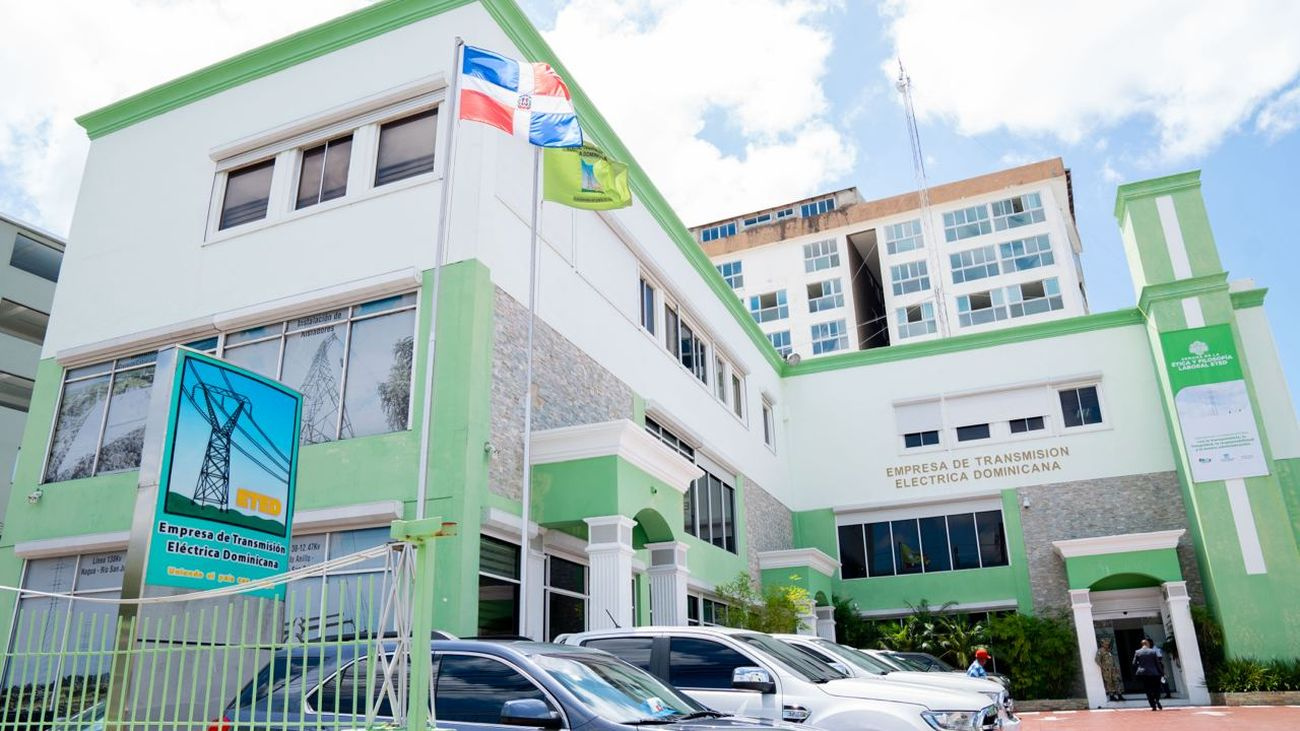
    Santo Domingo has emerged as a powerhouse for energy sector investment, with the Dominican Republic securing an impressive $3.5 billion in foreign direct investment for power generation between 2020 and 2025. This remarkable financial influx, announced by Alfonso Rodríguez Tejada, Executive Director of the Dominican Electricity Transmission Company (ETED), underscores the nation’s growing appeal to international investors.

    The investment surge, averaging $1 billion annually, stems from unprecedented private-sector confidence in the country’s economic direction. Rodríguez Tejada emphasized that President Luis Abinader’s administration has created ideal conditions for energy development through political stability, transparent governance, and a coherent national development strategy.

    Critical to this success has been the comprehensive modernization of the nation’s transmission infrastructure. The ETED has successfully integrated over 1,300 megawatts of new capacity into the National Interconnected Electric System (SENI), establishing technical foundations that support continued expansion. This infrastructure advancement has transformed the Dominican Republic’s energy profile, presenting investors with a reliable and robust grid capable of accommodating substantial new generation projects.

    The tangible outcomes of this investment boom are reflected in dramatically improved electricity coverage rates. National access has surged from 85% in 2020 to exceeding 98% currently, representing one of the most rapid electrification expansions in the region.

    Rodríguez Tejada concluded that the current administration has presided over the most significant private investment period in the nation’s energy history, attributing this achievement to institutional stability, legal certainty, and a business climate optimally configured for sustainable development.


  • Guyana can withstand oil price decline if US sells Venezuela’s crude

    Guyana can withstand oil price decline if US sells Venezuela’s crude

    Amidst global oil price fluctuations, Guyana’s burgeoning petroleum sector demonstrates resilience against potential market pressures from US marketing of Venezuelan crude. Business analyst Christopher Ram asserts that while increased Venezuelan oil supplies could drive prices down to the early $50s range—representing a 12-15% decline—Guyana’s simultaneous production scaling will counteract revenue impacts through volume increases.

    ExxonMobil’s current Stabroek Block operations yield approximately 900,000 barrels daily from Liza 1, Liza 2, and Payara developments. The consortium, including China National Overseas Oil Corporation and Chevron, anticipates reaching 1.7 million barrels per day by 2029 as additional projects (Uaru, Whiptail, Longtail, and Hammerhead) commence operations. Ram emphasizes that Venezuela’s heavy crude presents no direct competitive threat to Guyana’s premium light sweet oil due to fundamental quality differences.

    The market context reveals significant oversupply concerns, with Brent crude closing at $59.96 per barrel on January 7, 2026—well below Guyana’s projected $71.90 average for the previous year. Actual 2025 prices averaged $69.00 annually, declining from January’s $79 peak to December’s $63 low—the weakest monthly performance since early 2021.

    Meanwhile, civil society activists including Ram and Vanda Radzik staged symbolic protests near the US Embassy in Kingston, condemning the military capture of Venezuelan President Nicolás Maduro and First Lady Cilia Flores. The demonstration, constrained by police barriers, featured accusations of US oil-motivated interventionism and demands for evidence regarding narco-terrorism charges against Maduro. Radzik characterized the operation as undermining Caribbean peace initiatives and regional sovereignty.

    International relations expert Professor Mark Kirton warns that Venezuelan production resurgence could introduce competitive pressures within an already saturated market, potentially affecting Guyana’s revenue streams. However, energy analysts note that substantial investment in Venezuela’s deteriorated infrastructure remains prerequisite to significant output restoration, creating natural market buffers for Guyana’s continued development.

  • Hotel says sewage plant meets standards amid residents’ concerns

    Hotel says sewage plant meets standards amid residents’ concerns

    Royalton Hotels and Resorts has publicly addressed mounting concerns regarding the construction of a new sewage treatment plant for its Royalton Vessence Barbados resort in Holetown. During a media briefing on Tuesday, company executives assured the public that the facility will adhere to Barbados’ rigorous environmental regulations, which they claim exceed regional standards.

    Executive Vice-President Daniel Diaz confirmed that construction along Highway 1 would conclude within approximately ten days if work proceeds expeditiously. The project involves implementing traffic management measures to facilitate the installation of new utility lines for the hotel development. Diaz emphasized that all construction strictly follows previously approved plans presented during a 2020 town hall meeting, with no subsequent modifications made to the original design.

    While acknowledging suggestions to relocate the treatment facility, Diaz defended its current placement as necessary for upgrading infrastructure in an area that has experienced limited development over the past twenty years. The executive detailed the advanced features of the planned facility, describing it as a state-of-the-art, enclosed system equipped with odor control and noise reduction technology.

    Dr. William Duguid, Senior Minister for Coordinating Infrastructural Projects, provided context regarding the West Coast’s wastewater management challenges. Unlike Bridgetown and the South Coast—which benefit from a central sewage treatment plant serving approximately 4,000 customers—the West Coast lacks a comprehensive sewer system. Dr. Duguid noted that several prominent properties along the coast, including Glitter Bay, Sandy Lane, Mullins, and St. Peter’s Bay, already operate individual treatment plants without incident.

    The timing of construction during peak tourist season raised additional concerns about potential disruptions to nearby hospitality businesses. Diaz acknowledged these challenges but explained that the scale of the resort development made the scheduling unavoidable. Royalton’s technical team has conducted assessments indicating that noise and dust impacts will remain minimal throughout the construction phase.

  • Belize Bank Earns Double A Plus Rating from Regional Evaluator

    Belize Bank Earns Double A Plus Rating from Regional Evaluator

    In a significant financial milestone, Belize Bank Limited has achieved the highest possible local credit rating of AA+ from Caribbean Information and Credit Rating Services (CariCRIS), marking a powerful endorsement of the institution’s fiscal stability and operational excellence. The prestigious rating comes after seven consecutive years of rigorous independent evaluation by the region’s premier rating agency.

    CariCRIS, backed by central banks throughout the Caribbean and partially owned by the Caribbean Development Bank and Inter-American Development Bank, employs global standards from SMP Global in its assessment processes. The organization provides comprehensive evaluations of financial strength and credit risk across multiple industries, making its endorsement particularly meaningful for financial institutions.

    Executive Chairman Filippo Alario expressed considerable satisfaction with the 2025 rating results, characterizing them as “a powerful statement of our financial strength and standing.” The bank received two distinct ratings: the AA+ local rating (the highest achievable in any jurisdiction) and a BBB regional rating with a stable outlook, positioning Belize Bank alongside the region’s most robust financial institutions.

    The evaluation process, which commences each October, involves extensive scrutiny by lead examiners who submit detailed questionnaires and conduct follow-up validations. Senior executives across all departments participate in thorough interviews to ensure comprehensive assessment of the bank’s operations.

    While the technical details of credit ratings may not immediately resonate with everyday customers, Alario emphasized the rating’s significance for international investors and business partners seeking reliable financial institutions. The AA+ designation serves as independent validation of the bank’s sound management practices and financial health, providing assurance to both local customers and global stakeholders.

    Maintaining this elite rating will require continued prudent financial management and adaptability to evolving economic conditions in Belize. The achievement not only reflects positively on Belize Bank but also signals growing confidence in the Belizean financial sector’s stability and potential for international investment.

  • Cattle Industry Could Overtake Sugar as Belize’s Top Export Earner

    Cattle Industry Could Overtake Sugar as Belize’s Top Export Earner

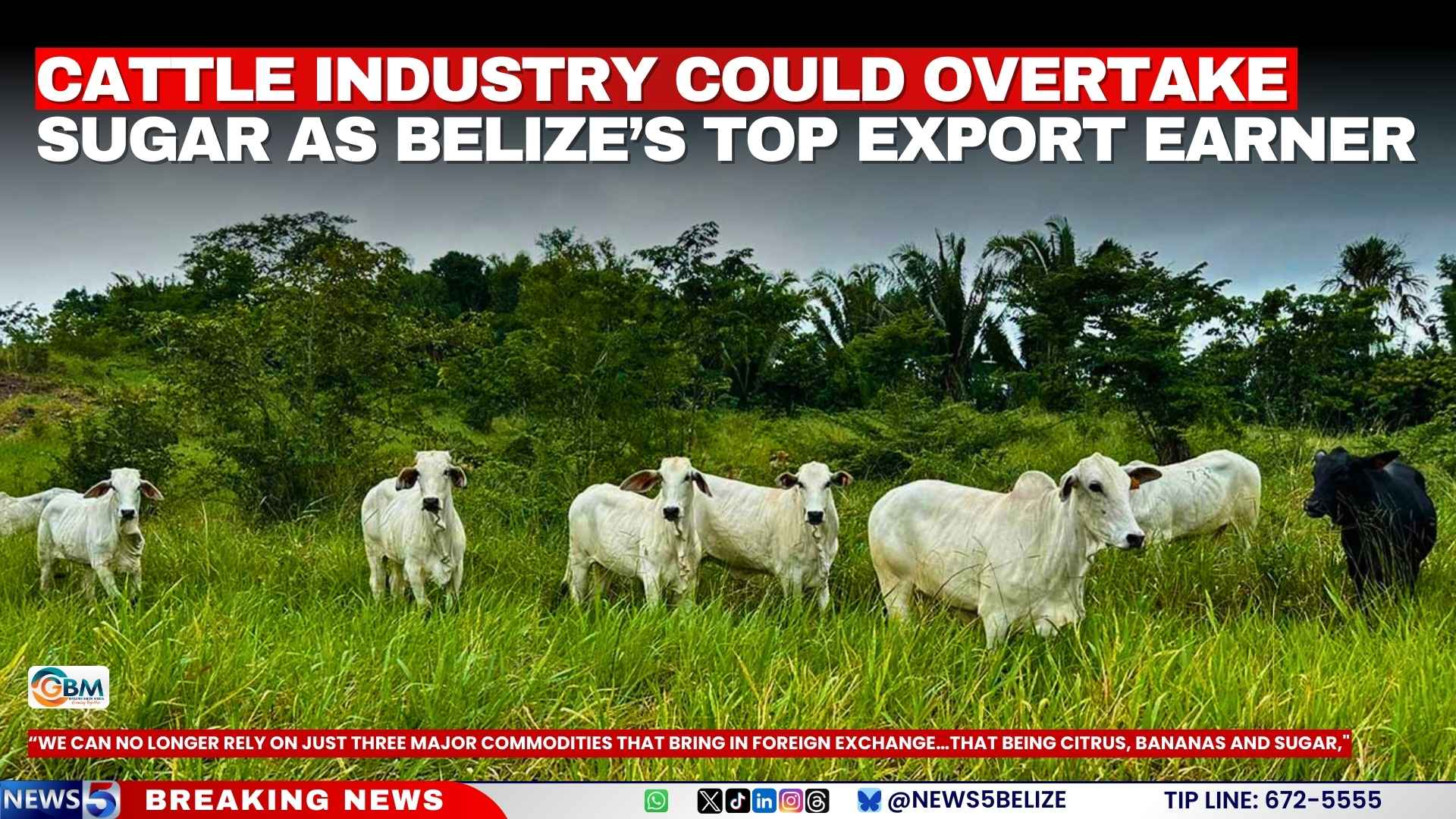
    Belize’s agricultural landscape is undergoing a significant transformation as its cattle industry demonstrates remarkable growth potential to overtake sugar as the nation’s primary export revenue source. According to Belarmino Esquivel, Principal Agriculture Officer and head of the livestock program at the Ministry of Agriculture, this shift reflects both the vulnerabilities of traditional crops and the emerging strength of livestock farming.

    Esquivel emphasized that Belize can no longer depend exclusively on its three traditional foreign exchange earners—citrus, bananas, and sugar—which face persistent threats from climate change, disease outbreaks, and declining productivity. The cattle sector has emerged as a resilient alternative, with Esquivel projecting it could surpass sugar in foreign exchange earnings as early as 2026.

    Statistical evidence reveals extraordinary expansion in Belize’s national cattle herd over the past decade. From approximately 77,000 head in 2014, the inventory has surged to 215,000 animals by 2015, maintaining a consistent upward trajectory. This growth is primarily fueled by robust demand from neighboring markets, particularly Guatemala and Mexico.

    In 2024 alone, Belize exported over 35,000 cattle to Guatemala, generating between BZ$50-60 million, with an additional 6,000 heads shipped to Mexican markets. Unlike other export commodities dominated by large agricultural estates, the cattle industry remains predominantly operated by small-scale farmers, with 70% maintaining herds between one and fifty animals.

    Esquivel highlighted improved access to affordable financing through programs such as CRESAP, Sembrando Vida, and SAIB, which offer favorable loan terms and matching grants. The 60/40 matching grant system specifically enables farmers to pursue climate-smart investments with reduced initial capital requirements. With domestic consumption steady at approximately 10,000 cattle annually and exports continuing their upward trend, livestock farming appears positioned to become Belize’s foremost agricultural income generator.

  • Grenada Tourism Authority vacancy: Research Officer

    Grenada Tourism Authority vacancy: Research Officer

    The Grenada Tourism Authority (GTA), the national organization responsible for destination marketing and promotion, has announced a career opportunity for a Research Officer to join its team. This permanent position represents a strategic investment in data-driven tourism development aimed at stimulating economic prosperity across the Caribbean nation.

    The successful candidate will play a pivotal role in advancing Grenada’s tourism sector through comprehensive market intelligence and analytical insights. The position demands a unique combination of advanced research capabilities and practical application within the Caribbean tourism context.

    Core competency requirements include sophisticated qualitative and quantitative research skills, with particular emphasis on analytical processing of diverse information sources. The role requires exceptional critical judgment to identify issues and develop practical solutions while managing priorities within strict deadlines. Teamwork and interpersonal skills are essential, as the position involves collaboration across multidisciplinary teams and establishing professional credibility with stakeholders.

    Technical prerequisites include advanced proficiency in Microsoft Excel and demonstrated experience with Statistical Package for the Social Sciences (SPSS). Applicants must possess document management software expertise, including Microsoft Office Suite, with additional consideration given to those familiar with Adobe Creative Suite and Canva platforms.

    The minimum qualifications specify a bachelor’s degree in Economics, Marketing, Business, Tourism or related disciplines, complemented by three years of professional experience in data gathering environments. The GTA emphasizes its organizational values of positivity, respect, transparency, commitment, and excellence in seeking candidates who embody these principles.

    Interested professionals must submit their curriculum vitae and cover letter through the official portal at puregrenada.bamboohr.com/careers/57 before the application deadline of January 26, 2026. The selection process will only contact candidates who meet the specific requirements outlined for this research-focused position.

  • Coffee farmers bat for climate resilient industry on Blue Mountain Coffee Day

    Coffee farmers bat for climate resilient industry on Blue Mountain Coffee Day

    The misty highlands of Guava Ridge in St. Andrew will serve as the backdrop for the eighth annual Blue Mountain Coffee Day celebration this Friday, centered on the critical theme of constructing a climate-resilient coffee industry. This significant event commemorates the historic January 9, 1967 shipment that saw 60% of Jamaica’s annual coffee harvest dispatched to Japan from Kingston’s port—a pioneering commercial endeavor executed by the late Keble Munn, founder of Mavis Bank Coffee Factory established in March 1953.

    Norman Grant, Chairman of the Jamaica Coffee Exporters Association and CEO of Mavis Bank Coffee Factory, emphasized in his anniversary address that this year’s observance occurs during a pivotal recovery period for the industry. Coffee growers are confronting multiple climate-induced challenges, most recently Hurricane Melissa, highlighting the urgent necessity for developing robust adaptive strategies within local coffee cultivation.

    The event will feature keynote addresses from Floyd Green, Minister of Agriculture, Fisheries and Mining, and Yasuhiro Atsumi, Japanese Ambassador to Jamaica, underscoring the bilateral importance of this agricultural partnership. The celebration is collaboratively organized by the Jamaica Coffee Exporters Association, 5,000 local coffee farmers, the Jamaica Agricultural Commodities Regulatory Authority, Jampro, and multiple government ministries alongside the All Japanese Importers of Jamaican Coffee.

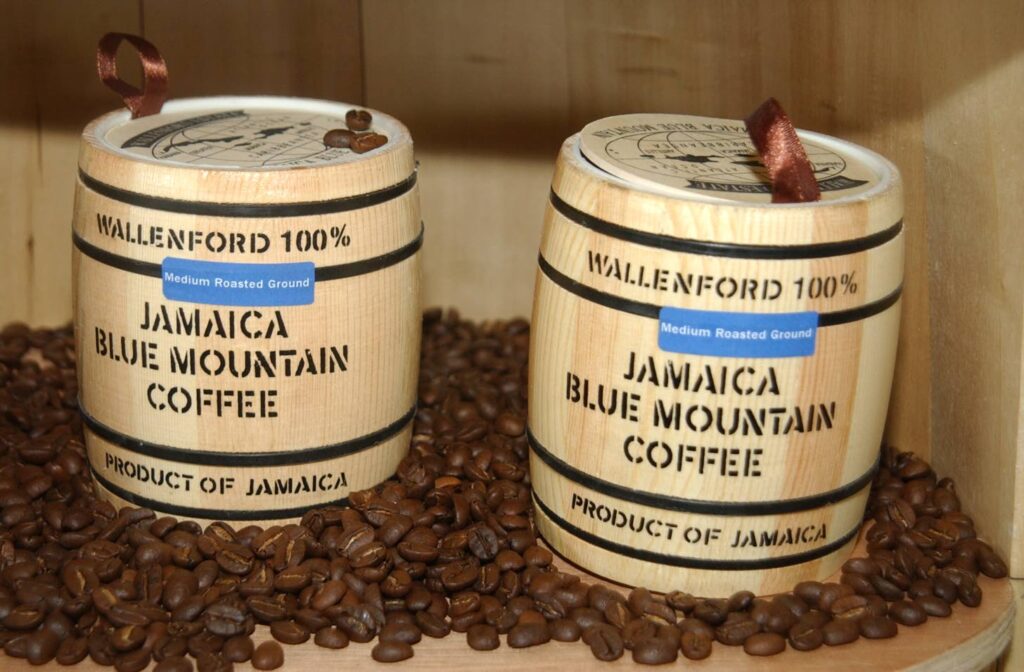
    Renowned for its exceptional quality, Blue Mountain coffee thrives exclusively in the elevated regions of Jamaica’s Blue Mountains at altitudes ranging from 3,000 to 5,500 feet. The unique terroir—characterized by cool misty conditions and mineral-rich volcanic soil—produces beans with distinctive mild flavor, minimal acidity, and exceptionally smooth characteristics. This premium coffee commands global recognition as one of the world’s most exclusive and expensive varieties, with over 80% of exports destined for the discerning Japanese market where it holds revered status.

    The Blue Mountain Coffee Day tradition was originally established in Japan in 2018 by the All Japanese Importers of Jamaican Coffee under the thematic banner “Jamaica Blue Mountain, the King of Coffees and the Winning Bean,” celebrating both the product’s excellence and the enduring trade relationship between the nations.

  • Global economy shows resilience, but risks loom–UN

    Global economy shows resilience, but risks loom–UN

    The United Nations has projected that the global economy will expand by 2.7 percent in 2026, maintaining a pace slightly below 2025 levels and significantly under pre-pandemic performance averages. This outlook, detailed in the World Economic Situation and Prospects 2026 report released Wednesday, points to persistent headwinds from escalating trade conflicts, unsustainable debt burdens, and chronically weak investment.

    While acknowledging that receding inflation and a shift toward accommodative monetary policies provided some support in 2025—even amidst sharp increases in U.S. tariffs—the report underscores deeper structural vulnerabilities. These include severely constrained fiscal space across nations and persistently subdued investment, which threaten to trap the world economy in an extended phase of sluggish expansion.

    Global trade dynamics showed unexpected vigor in 2025, growing at 3.8 percent, fueled by anticipatory shipments and robust services exchange. However, this momentum is forecast to decelerate markedly to 2.2 percent in 2026 as the cumulative effects of protective tariffs and pervasive policy uncertainty intensify.

    Regionally, Latin America and the Caribbean are anticipated to see economic growth of 2.3 percent in 2026, a marginal dip from the previous year. The UN attributes this to tempered consumer demand and only a gradual pickup in investment, with significant risks posed by elevated debt, inflexible fiscal positions, and susceptibility to external disruptions.

    Inflationary pressures are receding on a global scale, with headline inflation expected to decline to 3.1 percent in 2026 from 3.4 percent in 2025. Despite this moderation, the UN emphasized that the high cost of essential goods continues to severely undermine purchasing power, particularly within developing economies where expenses for food, energy, and transport remain disproportionately high.

    UN Secretary-General António Guterres highlighted the transformative impact of intersecting economic, geopolitical, and technological tensions, which are deepening uncertainty and exacerbating social strains. He noted with concern that numerous developing nations remain off course to achieve the Sustainable Development Goals.

    The analysis further warned of risks associated with mounting debt obligations and potential financial market instability, including overvalued asset prices in artificial intelligence-linked sectors that may exacerbate both international and domestic inequalities.

    In response, the UN issued a strong call for revitalized multilateral collaboration, urging enhanced government coordination on trade frameworks, comprehensive debt relief initiatives, and scalable climate finance. The report endorsed the Sevilla Commitment—forged at the Fourth International Conference on Financing for Development—as a vital blueprint for overhauling the international financial architecture and improving access to development and climate funding, a critical need for small and vulnerable economies such as those in the Caribbean.

  • Jamaica Coffee Exporters welcomes $120m allocation to resuscitate industry

    Jamaica Coffee Exporters welcomes $120m allocation to resuscitate industry

    Jamaica’s prestigious coffee sector is mounting a major recovery effort following devastating climate disasters, with industry leaders applauding government support while calling for sustained rebuilding initiatives. Dr. Norman Grant, Chairman of the Jamaica Coffee Exporters Association (JCEA), has endorsed the government’s intervention package including a J$120 million allocation for recovery, with J$35 million already distributed to affected stakeholders.

    The endorsement comes as Jamaica prepares to observe Jamaica Blue Mountain Coffee Day on January 9, 2026, under the theme ‘Rebuilding a Climate Resilient Coffee Industry.’ This celebration occurs against a backdrop of unprecedented challenges that have plagued the sector over four consecutive years of extreme weather disruptions.

    According to industry assessments, Hurricane Melissa’s Category 5 impact proved particularly catastrophic during the 2025/2026 crop year, destroying approximately 100,000 boxes of coffee and causing farm-gate losses estimated at J$1 billion. Preliminary evaluations indicate 40% of mature crops ready for harvest were lost, accompanied by extensive damage to coffee trees, farm infrastructure, and critical access roads.

    Cumulative losses over the past four years have reached an estimated J$2.5 billion due to climate-related disruptions that have severely reduced production yields. Despite these setbacks, Jamaica’s coffee industry maintains its significant economic contribution and prestigious global market position, continuing to export millions of dollars worth of premium coffee annually.

    Dr. Grant specifically acknowledged Agriculture Minister Floyd Green for his responsive approach to addressing the plight of coffee farmers, their families, and affiliated businesses. The chairman emphasized that beyond physical damage, the industry requires mental health and psychosocial support for farmers dealing with hurricane-related trauma.

    ‘Jamaica Blue Mountain Coffee remains a national treasure, a source of rural employment, and a symbol of Jamaica’s excellence on the world stage,’ stated Dr. Grant. He noted that resilience alone proves insufficient without coordinated, sustained support mechanisms.

    The JCEA continues advocating for urgent recovery measures including implementation of the Coffee Crop Resuscitation and Establishment Programme (CREP), enhanced farm road rehabilitation, and targeted assistance to help farmers resume production operations. Industry stakeholders emphasize that rebuilding a climate-resilient coffee industry requires comprehensive planning and continued investment to safeguard Jamaica’s iconic agricultural export.

  • Sale of Standards to Term Finance finalised

    Sale of Standards to Term Finance finalised

    ANSA McAL has completed the divestiture of its longstanding retail subsidiary Standards Distributors TT to Term Finance, marking a significant strategic realignment for the Caribbean conglomerate. The transaction, which was initially announced in November 2025, also encompasses the Barbados operations under Standard Distribution and Sales Barbados.

    The decision to sell emerged against a backdrop of declining appliance sales and evolving consumer spending patterns. ANSA McAL characterized the move as a deliberate strategic pivot to optimize its corporate portfolio and reallocate resources to core business segments.

    In an official statement released on January 8, the conglomerate revealed that Term Finance will transform the acquired entity into Standard Credit—a consumer credit and e-commerce platform. This transformation will leverage Standards’ historical expertise in hire-purchase financing while introducing expanded digital credit solutions through both physical branches and online channels across Trinidad and Tobago.

    Anthony N Sabga III, Group CEO of ANSA McAL, reflected on the transaction as closing “an extraordinary chapter in the Standard story,” acknowledging the brand’s historic contribution to Caribbean households and recognizing the teams that built the successful retail operation since its acquisition in 1967.

    The transition ensures continuity for existing customers, with all current hire-purchase agreements remaining valid through established payment channels. Product warranties and service commitments will continue unchanged, with ongoing customer support provided through official digital platforms and communication channels.