分类: business

  • Hilaire: Talks with Uber yet to take place

    Hilaire: Talks with Uber yet to take place

    The highly anticipated launch of global ride-sharing giant Uber in Saint Lucia faces regulatory uncertainty as crucial discussions with Tourism Minister Ernest Hilaire remain unconvened. Despite preliminary correspondence indicating mutual interest in dialogue, no formal engagement has occurred between the company and government officials.

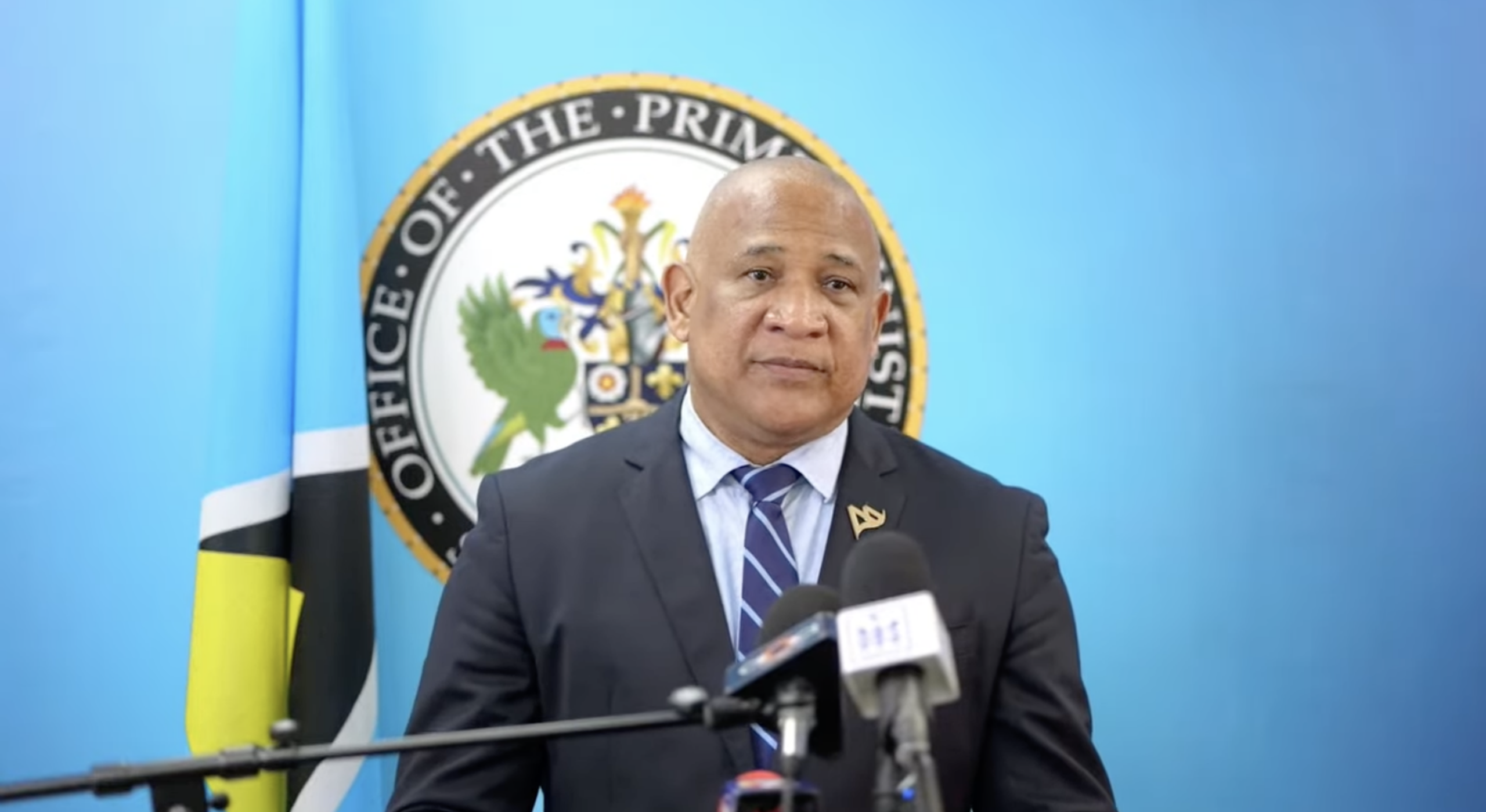
    Minister Hilaire confirmed the stalled communications during a January 19th pre-Cabinet briefing, acknowledging receipt of Uber’s written expression of interest but noting the absence of subsequent scheduling. “I agreed that we shall have a meeting in the new year,” Hilaire stated, “but no meeting has been held.” The minister emphasized he would await Uber’s formal presentation at the appropriate time.

    Complicating the potential market entry, the Saint Lucia National Taxi Union has submitted what the minister characterized as an ‘interesting’ letter outlining substantial concerns regarding Uber’s disruptive impact on traditional taxi services. Union President Terry Valcin has previously voiced strong opposition, labeling the proposed service as “potentially detrimental” to local operators, with multiple affiliated associations echoing this resistance.

    This stands in direct contrast to Uber’s own assessment of local receptiveness. In December 2025 statements to St. Lucia Times, company representatives reported being “encouraged by the positive response,” citing numerous driver and association sign-ups during preliminary outreach.

    Amid these conflicting perspectives, Minister Hilaire advocated for measured patience, clarifying that Uber’s launch currently falls outside the administration’s priority agenda. He urged stakeholders to maintain calm as future discussions develop, emphasizing that any formal negotiations would prioritize transparent dialogue between government entities, the taxi union, and Uber representatives.

    The minister further highlighted existing regulatory frameworks that restrict participation in transport services exclusively to licensed taxi drivers operating vehicles with official ‘TX’ license plates, establishing significant legal considerations for Uber’s proposed operations.


  • Inflation Increased by 0.4% in November 2025

    Inflation Increased by 0.4% in November 2025

    The Statistical Institute of Belize (SIB) reported a 0.4% increase in the Consumer Price Index (CPI) for November 2025, revealing a complex economic landscape where consumer confidence showed modest improvement despite persistent cost-of-living pressures. The inflation data indicates Belizeans expressed slightly greater optimism about household finances even as essential expenses continued their upward trajectory.

    Housing and utilities emerged as primary inflation drivers, with rental costs climbing significantly and liquefied petroleum gas (LPG) prices reaching $128.57 per 100-pound cylinder—a notable increase from $123.97 recorded during the same period in 2024. The healthcare sector experienced substantial price escalations across medical services, including elevated fees for physician consultations, pharmaceutical products, and surgical procedures.

    Food categories demonstrated particular volatility, with beef products, grapes, and watermelon showing marked price increases. The transportation sector provided counterbalancing relief through reduced fuel costs, with diesel prices declining by $0.56 per gallon, regular gasoline decreasing by $0.46, and premium fuel dropping by $0.33 compared to previous year levels.

    Geographic analysis revealed significant regional disparities, with Punta Gorda residents experiencing the steepest cost increases for essential commodities including food staples and educational materials. Conversely, Orange Walk documented modest deflationary trends as fuel and personal care items became more affordable.

    The cumulative inflation for 2025 reached just over 1% year-to-date, indicating moderate price growth across the annual period. These economic indicators present a nuanced picture of consumer sentiment juxtaposed against ongoing financial pressures affecting household budgeting decisions.

  • Liberty Caribbean Named Diamond Sponsor of CANTO Connect 2026

    Liberty Caribbean Named Diamond Sponsor of CANTO Connect 2026

    PORT OF SPAIN, Trinidad & Tobago – In a significant development for Caribbean digital infrastructure, Liberty Caribbean has been announced as the Diamond Sponsor for the prestigious CANTO Connect 2026 conference. The telecommunications giant, which operates Flow, BTC, and Liberty Business networks, will play a pivotal role in shaping the region’s technological dialogue during the February 1-3 gathering at Hyatt Regency Hotel.

    The sponsorship arrangement positions Liberty Caribbean at the forefront of critical discussions surrounding digital transformation throughout the Caribbean basin. The company’s CEO, Inge Smidts, is scheduled to deliver the keynote address on the conference’s opening day, establishing the thematic foundation for industry leaders and policymakers attending the event.

    CANTO Connect 2026 operates under the ambitious theme “Elevate the Caribbean: From Connectivity to Global Competitiveness,” mirroring regional aspirations to enhance digital economic capabilities and international market positioning. The conference will serve as a platform for addressing pressing issues including intelligent connectivity solutions, innovation tailored to Caribbean cultural identity, and human-centric technological development.

    Smidts emphasized the strategic importance of this partnership, stating: “Our Diamond Sponsorship transcends mere financial support – it represents our commitment to steering the Caribbean’s digital destiny. We are positioned to drive resilient network development, groundbreaking innovation, and equitable digital advancement across all communities we serve.”

    The collaboration between Liberty Caribbean and CANTO demonstrates a unified vision to connect populations, empower commercial enterprises, and enable governmental functions through advanced telecommunications infrastructure and progressive policy frameworks. This alliance highlights Liberty Caribbean’s influential role as both catalyst and enabler of regional technological progress, placing the company at the heart of strategic conversations that will determine the Caribbean’s digital future.

  • Belizeans Little Less Pessimistic About Finances in Nov 2025

    Belizeans Little Less Pessimistic About Finances in Nov 2025

    The Statistical Institute of Belize has reported a notable improvement in national economic sentiment during November 2025, marking a significant reversal from previous downward trends. According to the latest Consumer Confidence Index (CCI) findings, Belizean households demonstrated increased optimism regarding both macroeconomic conditions and personal financial circumstances.

    The comprehensive index, which measures public perception across three critical dimensions—national economic outlook, personal financial situations, and major purchase readiness—climbed to 48.2 points in November. This represents a substantial 6.8% increase from October’s reading of 45.2, indicating the most pronounced monthly improvement recorded in 2025.

    Despite remaining below the 50-point threshold that traditionally separates optimism from pessimism, this upward movement suggests a potential turning point in consumer psychology after consecutive months of declining confidence earlier in the year. The sustained sub-50 reading simultaneously reflects persistent economic caution among significant portions of the population.

    Geographic analysis revealed distinct regional patterns, with Belize District experiencing the most dramatic confidence surge while Cayo District registered as the sole region showing decreased optimism. A notable urban-rural divide emerged, with rural residents reporting systematically higher confidence levels than their urban counterparts.

    Demographic breakdowns showed particularly strong improvements among young adults aged 18-24, suggesting heightened economic expectations within this cohort. While both genders reported improved outlooks, male respondents maintained a slight confidence advantage over female respondents. The Garifuna community demonstrated the most significant confidence increase among ethnic groups, though specific contributing factors remain unspecified in the report.

    Economists interpret these findings as potentially reflecting divergent regional economic conditions and varying employment prospects across demographic groups. As consumer spending constitutes a substantial component of Belize’s economic activity, this confidence uptick may foreshadow modest improvements in domestic consumption patterns heading into 2026.

    The Statistical Institute of Belize maintains standard methodological protocols for the CCI survey, though specific sample sizes and margin-of-error data were not disclosed in this release. Perception-based indicators inherently capture subjective economic assessments rather than objective financial conditions, potentially overlooking variations in household economic pressures.

    Future data releases will determine whether this November improvement represents a temporary fluctuation or the beginning of a sustained confidence recovery, providing crucial insights for policymakers and business leaders navigating Belize’s economic landscape.

  • Privy Council dismisses contractor’s claim against WASA

    Privy Council dismisses contractor’s claim against WASA

    In a landmark legal reversal, the Judicial Committee of the Privy Council has unanimously allowed an appeal by Trinidad and Tobago’s Water and Sewerage Authority (WASA), nullifying a multimillion-dollar award previously granted to contractor Uniform Building Contractors Ltd (UBC). The January 22 judgment reinstates the High Court’s original dismissal of UBC’s claims, marking a significant victory for the state utility.

    The dispute originated from a 2007 design-build contract valued at $28 million for pipeline installation between Rio Claro and Mayaro. WASA terminated the agreement in 2009, prompting UBC to seek $13.9 million in compensation for alleged variations beyond the lump-sum contract. The contractor claimed additional costs for roadway pipe-laying, material disposal, backfill importation, and night work.

    Delivering the ruling, Sir Peter Coulson declared the Court of Appeal’s 2023 decision “fundamentally flawed” in its legal reasoning. The Privy Council determined that all four contested work items were expressly or implicitly included within the original contract scope and pricing structure. Crucially, the judgment emphasized that contractual interpretation—not an engineer’s on-site opinion—governs variation determinations.

    The Board further rejected appellate arguments regarding waiver and estoppel, noting these issues were never properly pleaded or evidenced during trial proceedings. Most damningly, UBC failed to comply with mandatory contractual procedures requiring variation claims to be submitted within 28 days—a condition precedent that barred any entitlement to additional payment.

    The ruling clarified that contract termination operates prospectively, unable to resurrect time-barred claims. “The eventual termination could not, in law, resurrect claims that had not been made in time,” the judgment stated, underscoring that contractual rights and obligations accrued before termination remain unaffected.

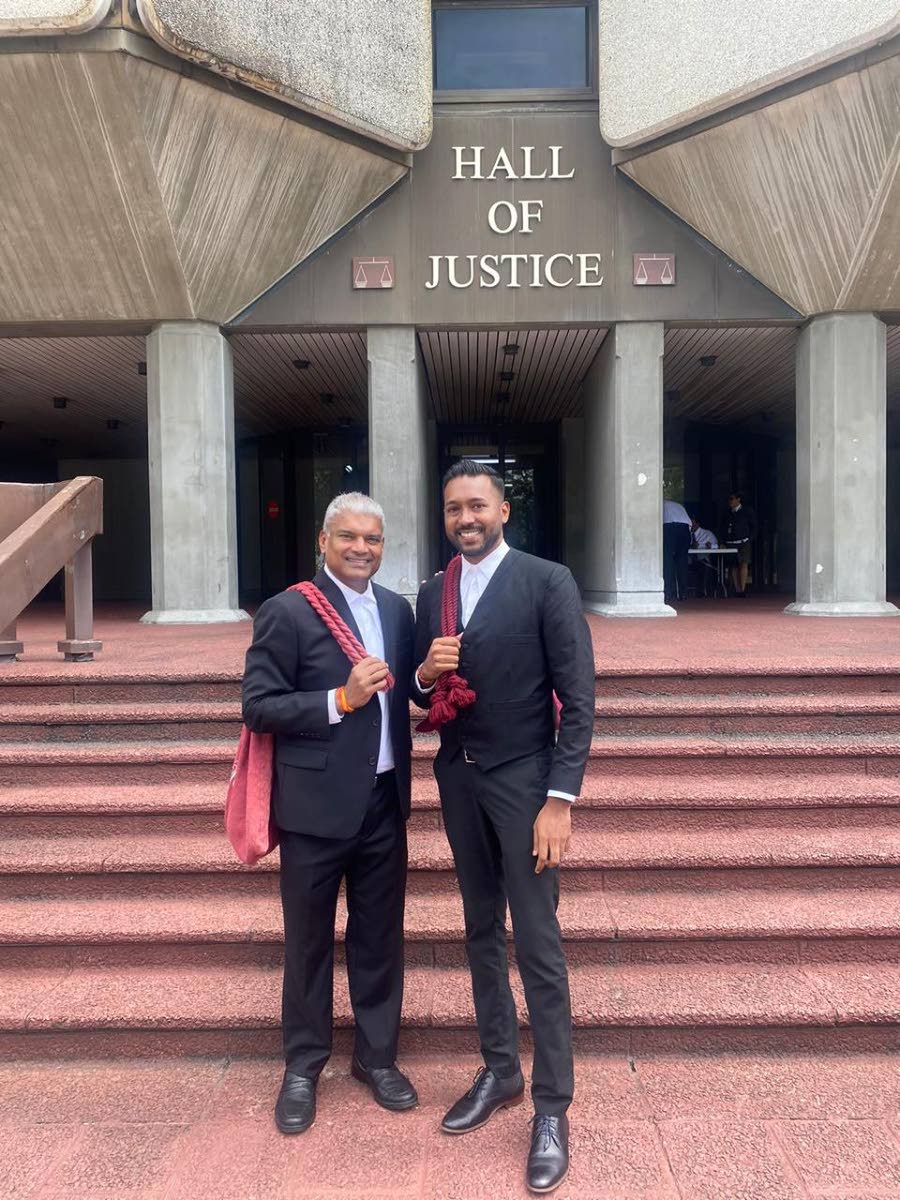
    Legal representation featured Anand Ramlogan, SC, Kate Temple-Mabe, and Ganesh Saroop for WASA, while Irshaad Ali and Adam Razack represented UBC. The decision reinforces strict adherence to contractual notice provisions and affirms that fairness arguments cannot override clear procedural requirements.

  • Caribbean Airlines says no eviction underway at Hope Road office

    Caribbean Airlines says no eviction underway at Hope Road office

    PORT-OF-SPAIN, Trinidad — Caribbean Airlines has formally addressed circulating media reports regarding its Kingston, Jamaica office location, explicitly stating that no eviction process is occurring. The airline characterized recent speculation as inaccurate, clarifying that the upcoming move from its Hope Road office is a strategic decision timed with the natural expiration of its current lease agreement.

    In an official statement released Friday, the airline detailed its transparent and continuous dialogue with the property landlord, emphasizing that such communication is standard corporate practice. The relocation is being executed as a carefully managed transition to guarantee uninterrupted business operations and maintain full service delivery for its clientele.

    The company moved to reassure passengers and stakeholders that all flight operations, customer service, and administrative functions continue without disruption or inconvenience. The relocation strategy is designed to be seamless, ensuring no degradation in service quality or operational efficiency.

    Reaffirming its commitment to customer satisfaction, Caribbean Airlines stated its primary focus remains on delivering a reliable and high-quality travel experience. This proactive approach to addressing the rumors underscores the airline’s dedication to operational transparency and maintaining public trust.

  • Blue Wave Harmony arrives to service seabridge

    Blue Wave Harmony arrives to service seabridge

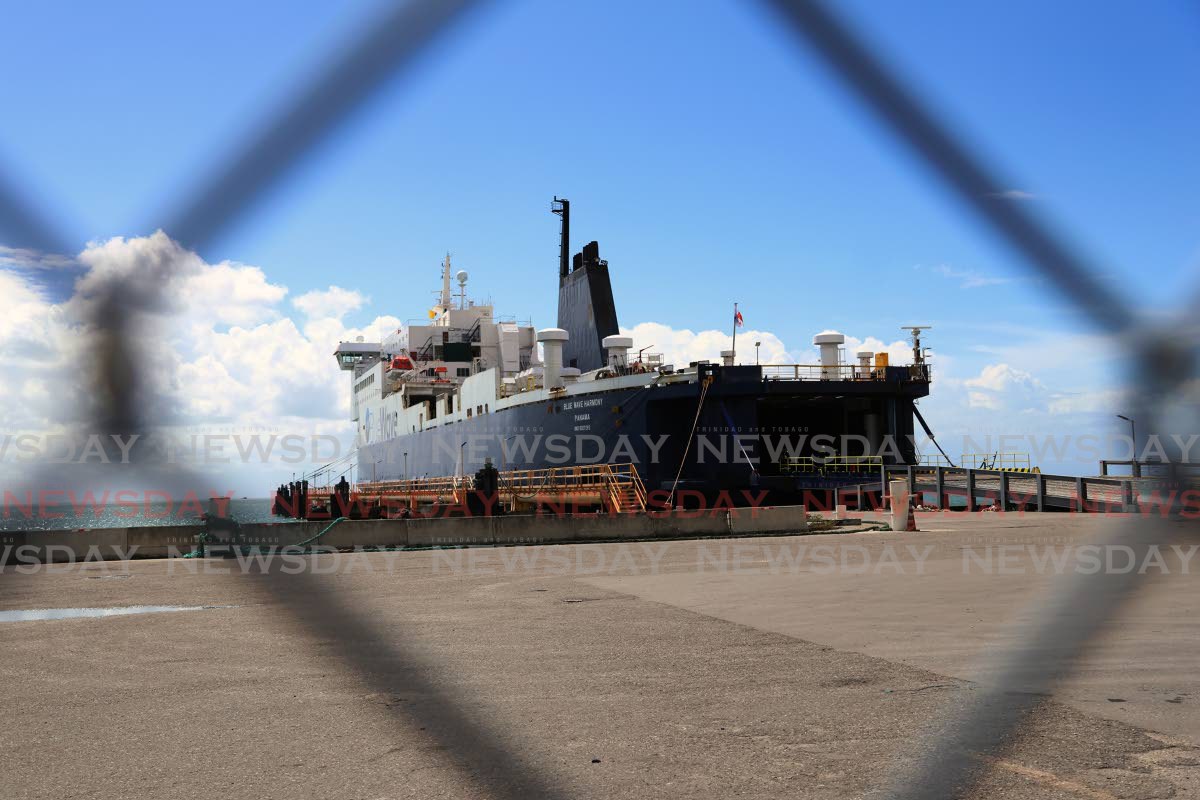
    PORT OF SPAIN, TRINIDAD AND TOBAGO – The MV Blue Wave Harmony, the newly designated replacement for the Cabo Star on the critical inter-island seabridge, made its inaugural arrival at the Port of Port of Spain on January 22. This strategic introduction marks a significant infrastructure upgrade for the nation’s maritime transport network.

    The state-of-the-art roll-on/roll-off (ro-ro) vessel represents a substantial advancement in both cargo and passenger capabilities. It features significantly increased cargo capacity, state-of-the-art refrigerated storage facilities for perishable goods, and markedly improved passenger accommodations. These include private cabins and enhanced onboard amenities, aiming to transform the travel experience between the islands.

    From an operational perspective, the Blue Wave Harmony incorporates upgraded mechanical systems and built-in redundancies specifically engineered to minimize mechanical failures and reduce downtime. This addresses a persistent challenge that has long plagued freight operators and travelers reliant on the seabridge’s consistency.

    The business community in Tobago has responded with cautious optimism. Curtis Williams, Chairman of the Tobago Division of the TT Chamber of Industry and Commerce, characterized the vessel’s arrival as “a positive and timely development.” He emphasized to Newsday that reliable sea transport is absolutely critical for numerous sectors, including distribution, food and beverage, hardware, construction, and retail, all of which depend on the seabridge to maintain inventory and manage supply chains.

    However, the transition has not been without its critics. Martin George, Head of the Tobago Business Chamber, expressed significant concerns regarding a lack of transparency. He highlighted that essential operational details—such as the vessel’s exact capacity, scheduled sailing times, number of weekly sailings, and associated costs—have not been adequately communicated to the public or the business community. George pointed to the prior efficiency of the Cabo Star and stressed the necessity for clarity on the leasing costs and operational framework of its replacement to ensure the new service meets the islands’ economic needs.

  • High Court appoints liquidator, Newsday’s 32-year run nears end

    High Court appoints liquidator, Newsday’s 32-year run nears end

    In a landmark ruling that marks the end of an era for Trinidad and Tobago’s media landscape, the High Court has officially ordered the liquidation of Daily News Ltd, parent company of the Newsday newspaper, after 32 years of operation. Justice Marissa Robertson granted the winding-up petition on January 23, effectively terminating the publication’s print operations that began in September 1993.

    The court appointed Maria Daniel, a chartered financial analyst and partner at Ernst & Young Services Ltd, as liquidator tasked with assuming control of the company’s assets and managing debt repayment to outstanding creditors. The application faced no objections following its official publication in the Gazette on January 15.

    Legal representatives for Daily News Ltd, including attorneys Gregory Pantin and Miguel Vasquez of Hamel-Smith and Company, presented arguments highlighting the company’s insolvency and inability to meet financial obligations. Pantin specifically advocated against provisional liquidation, emphasizing the need for immediate commencement of the winding-up process to minimize additional risks.

    The petition cited Section 355(a) of the Companies Act as legal grounds for dissolution, stating shareholders deemed court-supervised liquidation “desirable and in the best interests of the company” given its unsustainable financial position.

    While Newsday published its final print edition on January 9, its digital operations continue pending the liquidator’s assessment of their viability during the proceedings. The hearing also addressed concerns regarding archival preservation, with interested party Brent Mark Bristol requesting formal safeguards for the newspaper’s historical records.

    Managing Director Grant Taylor previously characterized the closure as resulting from “a perfect storm of challenges” affecting print media globally. He cited multiple contributing factors including a 75% decline in print advertising revenue over the past decade, soaring production costs, changing reader preferences, and financial impacts from lengthy legal battles that left the company over $3 million out of pocket despite successful litigation outcomes.

    Taylor noted that even a minimal price increase from $2 to $3 prompted 40% of readership to abandon the publication, reflecting broader industry challenges in monetizing content. Despite the closure, Taylor expressed pride in Newsday’s legacy of “unwavering independence” and emphasized the critical role of media in maintaining democratic integrity.

  • NGC board needs lesson in economics

    NGC board needs lesson in economics

    A prominent voice from Princes Town has issued a stern warning regarding the National Gas Company of Trinidad and Tobago’s (NGC) recent decision to impose substantial increases in natural gas prices for local manufacturers. This strategic move, intended to boost NGC’s revenue streams, has raised significant concerns about its broader economic repercussions.

    The correspondence draws a direct parallel to a similar policy enacted by the previous PNM administration in 2016, which resulted in the permanent closure of the ArcelorMittal steel plant. That decision led to substantial job losses and a decline in foreign exchange earnings—consequences that now threaten to repeat themselves.

    This pricing shift directly contradicts the stated objectives of the Ministry of Trade Investment and Tourism, which has been actively promoting export growth, investment strengthening, and employment expansion. Instead of fostering these goals, the increased production costs will undermine local manufacturers’ competitiveness against subsidized imports in both domestic and international markets.

    The author points to global economic strategies for contrast: China has implemented export taxes on raw materials to stimulate domestic downstream production, while the United States employs tariffs to protect its manufacturing sector. Trinidad and Tobago appears to be moving in the opposite direction, inadvertently making foreign goods more competitive than locally produced items.

    Manufacturers are already grappling with rising electricity costs and National Insurance Scheme contributions. The natural gas price increase represents an additional burden that could diminish productivity, reduce employment opportunities, and decrease foreign exchange earnings—ultimately harming the nation’s economic stability and growth potential.

  • Ports under pressure as industry urges cargo owners to clear goods

    Ports under pressure as industry urges cargo owners to clear goods

    Jamaica’s maritime infrastructure continues to operate under severe pressure as unprecedented volumes of unclaimed shipments overwhelm port facilities and storage warehouses nationwide. The Shipping Association of Jamaica has issued urgent appeals to importers and cargo owners to expedite the collection of goods that have already been processed for release.

    Industry leaders report that operational challenges have persisted well beyond the typical holiday season congestion period. Corah Ann Robertson-Sylvester, President of the Shipping Association of Jamaica, emphasized the escalating nature of the crisis: “The accumulation of uncollected cargo creates compounding logistical complications. All maritime institutions, including government agencies, are implementing coordinated measures to address this situation, with some facilities extending operating hours to facilitate clearance.”

    The current gridlock stems from a perfect storm of operational disruptions. Hurricane Melissa’s impact on western Jamaica in October significantly hampered port operations just as seasonal import volumes began rising. This convergence was further exacerbated by substantial inflows of international relief supplies and diaspora contributions following the hurricane.

    As an emergency response, authorities diverted some cargo traffic from Montego Bay to Kingston terminals. However, these alternative facilities are now operating substantially beyond their designed capacity. Additional complications have emerged from expired Unaccompanied Baggage Allowance documentation, commonly known as “yellow forms,” which has delayed clearance for both personal and relief shipments.

    Industry stakeholders emphasize that resolving the backlog is critical for maintaining Jamaica’s economic stability. Prompt cargo clearance would reduce substantial demurrage and storage fees for businesses, protect supply chains essential to the tourism and retail sectors, and prevent inflationary pressure on consumer prices.

    Authorities are urging all parties with outstanding shipments—including importers, family members, brokers, and registered charitable organizations—to immediately regularize documentation and collect their goods. The maritime association recommends contacting shipping agents or warehouse authorities directly to arrange expedited clearance.