作者: admin

  • NOTICE: All Saints Road Detour Set From 7 Tonight for Major Infrastructure Works

    NOTICE: All Saints Road Detour Set From 7 Tonight for Major Infrastructure Works

    Ahead of a key government infrastructure upgrade project, Antigua and Barbuda’s Ministry of Works has issued a public advisory alerting motorists and local commuters to upcoming overnight road works on a busy stretch of All Saints Road. The construction activity will be concentrated on the section of the road running from FADI Building Supplies through to Fresh and Eazy Supermarket, and is scheduled to kick off at 7:00 pm on Thursday, May 7, 2026, wrapping up by 7:00 am the following day.

    To keep traffic moving safely while work is underway, a temporary detour route will be enforced for the duration of the overnight construction. The detour splits directions based on travel: for motorists heading out of town, drivers will need to turn left at the Hazelroy’s intersection on All Saints Road before following the marked route outlined on the official project map. For those traveling into town, the detour requires a right turn at Fresh and Eazy Supermarket, after which commuters can follow the mapped path to their destination.

    Project organizers have put multiple support measures in place to minimize confusion and congestion. Trained flag persons will be posted at key points along the detour to direct traffic and answer quick questions from drivers. Commuters are also warned that specific segments of the temporary route are designated as one-way zones, with clear markings matching the official detour map, and permanent and temporary signage along the entire route will guide drivers in both travel directions.

    Local residents who live near the work zone will still be granted access to their properties, though officials have urged them to exercise extra caution when moving through the area. Heavy construction equipment will be operating in the immediate work zone during the overnight shift, creating potential hazards for anyone walking or driving close to the site. Crucially, officials confirmed that all businesses along the affected stretch of road, including FADI Building Supplies and Fresh and Eazy Supermarket, will remain open for regular operations throughout the construction period.

    This overnight work forms part of the broader All Saints Road Project, a major infrastructure initiative being delivered by the Government of Antigua and Barbuda to improve road conditions, safety, and connectivity along the key thoroughfare. In closing, the ministry has asked all local stakeholders, including daily commuters, business operators, and residents, to adjust their travel plans in advance to account for potential unexpected delays. Anyone with questions about the detour or the upcoming works can contact the Project Implementation Management Unit directly by phone at 562-9173 for further information.

  • Saint Lucian groups invited to access funding for anti-plastic projects

    Saint Lucian groups invited to access funding for anti-plastic projects

    Across five Eastern Caribbean island nations, local groups now have access to dedicated financial support to turn their plastic waste reduction visions into tangible action, launching a new community-centered effort to address one of the region’s most pressing ecological threats.

    The Sustainable Small Grants Programme (SSGP) was developed as a core component of the broader “Closing the Caribbean Plastic Tap” initiative, designed from the ground up to elevate locally led solutions to systemic plastic pollution. Unlike top-down environmental interventions, the programme centers the expertise of groups that already work closely with local populations, prioritizing practical, scalable projects that deliver both ecological and economic benefits.

    Eligible participants span a wide range of local stakeholders across Antigua and Barbuda, Grenada, Saint Lucia, St Kitts and Nevis, and St Vincent and the Grenadines. Eligible entities include micro, small, and medium-sized businesses, community-based organizations, registered non-profits, worker cooperatives, primary and secondary schools, local community associations, and even informal grassroots groups that can show a proven track record of meaningful community engagement. The programme’s core mandate is to support on-the-ground interventions that cut down on the volume of plastic leaking into the Caribbean’s oceans, forests, and coastal ecosystems.

    A diverse array of project types are eligible for funding, ranging from hyper-local initiatives to growing small enterprises. Groups can apply for support to launch or expand community-wide curbside recycling programs, organized plastic waste collection drives targeted at high-leakage coastal areas, community-based refill stations and reusable container sharing systems, adoption of compostable packaging alternatives for local businesses, upcycling workshops that turn waste plastic into new goods, school-led education and waste reduction campaigns, and small manufacturing ventures that convert post-consumer plastic into usable construction or consumer products.

    Beyond environmental gains, the SSGP also has a clear economic focus: it prioritizes projects that generate formal employment and new income streams for local residents while addressing gaps in regional waste management infrastructure. Allocating a total of up to 80,000 euros (equivalent to roughly 254,000 Eastern Caribbean dollars) per participating country, individual awards range from 30,000 euros to 80,000 euros, allowing both emerging initiatives and established projects to scale their impact.

    Organizers emphasize that all successful grant recipients will be required to track and report measurable environmental outcomes, ensuring transparency and accountability for public environmental funding. Applications for the programme are currently open, with the submission deadline set for 11:59 p.m. Atlantic Standard Time on May 31, 2026. Full eligibility guidelines, application forms, and additional programme details are available to interested groups on the official IUCN Engage platform.

  • BCU president hails Greaves’ record breaking performance at Pan Am Games

    BCU president hails Greaves’ record breaking performance at Pan Am Games

    Young Barbadian track cycling prospect Arielle Greaves has delivered a career-defining performance at the Pan American Junior Track Cycling Championships held in Mexico, shattering her own previous national junior record in the women’s flying 200 meters to earn high praise from the head of the Barbados Cycling Union (BCU).

    Competing on Wednesday, Greaves crossed the finish line with a blistering time of 11.319 seconds, beating the 11.800-second record she set last year at a competition in Peru by a significant margin. The outstanding result comes against a challenging backdrop for the rising star: Barbados currently has no operational velodrome for domestic training, forcing Greaves to relocate to Trinidad for consistent access to proper training facilities. This requires the teen athlete to make extraordinary personal sacrifices to advance her cycling career, a reality that makes her new record even more impressive, BCU president Omar Beckles emphasized in an interview with local outlet Barbados TODAY.

    Speaking on behalf of the BCU executive board, Beckles expressed immense pride in Greaves’ achievement. “If anyone’s been following her steady progress, they know how much commitment it takes for an athlete her age to relocate to another country just to get the training she needs,” Beckles said. “We are absolutely delighted to see her hard work, discipline and sacrifice pay off with this historic result. What she has accomplished already is tremendous.”

    Beckles noted that Greaves has now reached a competitive milestone that demands long-term strategic planning to nurture her talent. At the Pan American championships, she competed against the top junior riders from major cycling nations across the region, including Mexico and Colombia – the strongest field young riders can face outside of European junior competition. This result confirms she can hold her own against the best junior talent in the Americas, Beckles said, but added that there is still work to do to close the gap with the world’s elite. Greaves finished behind a Colombian rider who took gold in the event, and Beckles pointed out that this performance demonstrates even without access to home infrastructure, Greaves’ natural talent is undeniable. The next step will be creating opportunities for her to compete consistently against top global riders to continue refining her skills.

    Greaves’ breakthrough is part of a growing legacy of elite female cycling talent emerging from Barbados, following in the footsteps of senior rider Amber Joseph, who has represented the country with distinction at the international level for multiple years. Beckles noted that Joseph continues to deliver strong results at the senior level, and Greaves’ early success at a younger age points to even more room for growth as she develops.

    The lack of a domestic velodrome in Barbados stems from an ongoing infrastructure upgrade project: the old Randolph Field Velodrome at the former National Stadium site was demolished to clear space for a new, modern facility planned for Bushy Park. As of the latest update, no firm construction timeline has been confirmed, though Sports Minister Griffith has publicly outlined the government’s plans for the new venue. Beckles said the BCU understands that large infrastructure projects require time, and while the cycling community is eager for the new facility to open, the union is working closely with government stakeholders to move the project forward. He added that the government has remained committed to supporting Barbadian cyclists in the interim, ensuring athletes do not face disadvantages due to the lack of domestic training infrastructure.

  • Caribbean get stronger voice in global equestrian sport

    Caribbean get stronger voice in global equestrian sport

    The global equestrian landscape is set to gain a powerful new Caribbean perspective at its top decision-making tables, after Heidi Lalor, president of the Equestrian Federation of Jamaica (EFJ), secured a historic appointment to the prestigious International Equestrian Federation (FEI) Solidarity Committee. The confirmation of Lalor’s appointment came during the FEI General Assembly held in Hong Kong, where she won a seat representing Group IV — a regional bloc encompassing Canada, the United States, and the entire Caribbean. She takes her place on a diverse, globally representative panel that also includes delegates from Qatar, Bolivia, Cambodia, Kenya, Uzbekistan, Finland, and Guatemala. This milestone marks the first time a Jamaican representative has earned a seat on the influential committee, extending a regional legacy of Caribbean participation that previously included representatives from Haiti, the Cayman Islands, and the Bahamas. Lalor’s appointment comes on the heels of five years of strategic, results-driven leadership at the head of the EFJ. During her tenure, she has overseen transparent and effective management of international development grants, boosted community morale across the regional equestrian community, and expanded support for athlete training, coach education, and participation in FEI World Challenge competitions. Reflecting on her selection, Lalor attributes the achievement to both aligned priorities and a proven track record of delivering impact across the Caribbean. “I believe my selection is due to alignment with global initiatives that raise awareness and participation, such as the Racehorse Retraining Programme and the Eventing World Challenge, as well as my ability to deliver and positively promote the sport throughout the Caribbean,” she shared. “It’s a pleasure to represent the Caribbean after five years of committed National Federation leadership and positive results. We’ve seen increased motivation, volunteerism, sponsorship, and raised standards, along with the development of new officials under the Jamaican flag.” Lalor notes that her appointment is part of a broader, tangible upward trend for Caribbean equestrian sport on the global stage. She pointed to recent regional wins: Barbados now holds a seat at the FEI Board level, Trinidad and Tobago maintains consistent, high-quality performance across Olympic disciplines using horses bred and trained locally, and nations including the Cayman Islands, Bermuda, and the Bahamas are advancing their own FEI Solidarity-backed development projects. For Lalor, the appointment is also a deeply personal full-circle moment, rooted in decades of support from FEI development programs. Since 2003, she has benefited from FEI-funded coaching initiatives across the Caribbean, training in Trinidad and Tobago, the Cayman Islands, and her home country of Jamaica. “I’m a product of these initiatives,” she explained. “They provided coaching education for local federations that helped athletes and also established professional frameworks for federations to govern and support the sport effectively.” Now working directly alongside Ingmar De Vos — FEI President, Solidarity Chair, and newly appointed International Olympic Committee Board member — Lalor says her role will go far beyond formal representation to drive active, inclusive global development of the sport. “This position proves that doors are opening,” she said. “It allows me to support multiple countries, assist with funding allocation, and contribute to shaping the future of equestrian sport on a global scale.” Looking ahead, her priorities are clear: unify Caribbean equestrian nations to raise the region’s global profile, and expand access to the sport by creating more development opportunities on individual Caribbean islands. “My goal is to continue enhancing regional standards and creating more on-island access through professional courses provided by FEI Solidarity,” she said, noting that expanded certification for local coaches and officials will be a core pillar of long-term, sustainable growth. She also emphasized the foundational role of strong governance, noting that robust administrative frameworks build trust with international stakeholders and unlock sustained development support. “With governance in place, there is greater confidence and productive management, which allows for long-term development,” Lalor said. “I look forward to elevating the Caribbean’s presence with energy, inspiration, and a deep passion for sustainable growth.” Even as she celebrates this milestone, Lalor acknowledges the persistent challenges facing small island equestrian communities, most notably the gap between grassroots participation and elite international competition. “Bridging that gap is always a challenge on the islands,” she admitted, “but with vision, a strong foundation, and advocacy, initiatives like the FEI World Challenge Series can help close it.” Beyond infrastructure, funding, and governance, Lalor says her appointment carries a critical message for young Caribbean equestrians. “It is very important for young people to see this level of international representation,” she said. “One of my first goals as president in 2022 was to show that pathway, that there is a broader vision through Federation involvement.” Her advice to emerging equestrian leaders and athletes is simple but impactful: “Whether you are an Olympian, rider, or coach, support your National Federation. Show up, stay positive, and put in the work, support will follow.” Launched in 2012, the FEI Solidarity programme remains focused on its core mission: expanding global access to equestrian sport, growing grassroots participation, raising competitive and administrative standards, and strengthening connections across the global equestrian community.

  • STATEMENT: A defining moment in the history of women’s cricket in the West Indies

    STATEMENT: A defining moment in the history of women’s cricket in the West Indies

    Half a century after a watershed moment for Caribbean women’s cricket, Cricket West Indies is marking the golden anniversary of the West Indies Women’s national team’s first-ever international match, played against Australia in 1976. What began as a single contest in a bilateral series grew into far more than a game on the pitch: it was the official debut of West Indies women on the global cricket stage, opening an era of progress that still motivates young female athletes across the region today.

    Led by trailblazer Louise Browne, who made history as the team’s first captain and the first batter to face a delivery for the side, the 1976 squad stepped onto the field at a time when systemic barriers severely restricted competitive opportunities for women in cricket. Even with limited support and visibility, the group embodied remarkable courage, unshakable resilience, and unwavering belief in their right to compete at the highest level.

    The groundwork laid by that pioneering team has reshaped the landscape of women’s cricket across the Caribbean. From those tentative, barrier-breaking early outings to consecutive Women’s Cricket World Cup appearances and a regional reputation as a tough, competitive global contender, the steady rise of West Indies women’s cricket stands as a direct testament to the vision and grit of the 1976 pioneers.

    In commemorating this 50-year milestone, Cricket West Indies has reaffirmed its commitment to preserving and honoring the legacy of those first international players. Their story is one of tearing down long-standing gender barriers, creating accessible pathways for future generations of female cricketers, and writing one of the most proud and enduring chapters in the entire history of West Indies cricket.

  • Belize Completes WTO Trade Review in Geneva

    Belize Completes WTO Trade Review in Geneva

    GENEVA, May 7 — The small Central American nation of Belize has formally concluded its fourth Trade Policy Review at the World Trade Organization’s Geneva headquarters, wrapping up two days of multilateral discussions that highlighted the country’s post-crisis progress and ongoing reform goals.

    The periodic review, a core WTO mechanism designed to examine member states’ trade frameworks, assessed every dimension of Belize’s current trade strategy, from regulatory overhauls to targeted initiatives aimed at driving inclusive economic expansion and drawing foreign direct investment. Throughout the review process, fellow WTO member nations delivered widespread positive feedback for Belize’s remarkable economic resilience in the wake of two major disruptive events: the global COVID-19 pandemic and Hurricane Lisa, a powerful storm that caused widespread infrastructural and economic damage across the country in 2022. Despite the overlapping shocks, members noted that Belize has maintained consistent gross domestic product growth and stayed on track with its long-term development agenda.

    Much of the praise centered on Belize’s active push to modernize its national trade ecosystem through a series of business-friendly regulatory reforms. A key flagship initiative highlighted during the review is the ongoing development of a unified Trade and Investment Electronic Single Window, a digital platform that will consolidate all cross-border trade documentation and approval processes into a single online portal. Once fully operational, the system is projected to cut down processing times for imports and exports significantly, reduce administrative overhead for domestic and international businesses operating in Belize, and improve the country’s competitiveness in global markets.

    WTO members also highlighted Belize’s forward-looking work to build out emerging high-growth economic sectors, specifically its digital economy and sustainable blue economy focused on ocean-related industries. The country’s groundbreaking Blue Bond initiative, which mobilizes private and public capital for marine conservation and sustainable coastal development, was singled out as a model for small island developing states. Members also recognized inclusive digital skills programs that have already trained more than 1,000 Belizean women, expanding economic participation and closing gender gaps in the growing tech sector.

    The review also included constructive discussions around areas for further improvement. WTO members encouraged Belize to address backlogs in required technical trade reporting and continue investing in capacity building for its national trade institutions to strengthen regulatory implementation. In response, Belize’s delegation openly acknowledged existing delays and reaffirmed the government’s unwavering commitment to boosting policy transparency, aligning its regulatory framework with international standards, and fully meeting all of its obligations as a WTO member.

    For Belize, a country heavily reliant on tourism, agricultural exports, and cross-border trade, the outcome of the fourth review paves the way for continued reform that can support sustained, inclusive growth in the coming years.

  • Castle Bruce Health Centre to be renamed Nurse Hyacinth Thomas Health and Wellness Centre

    Castle Bruce Health Centre to be renamed Nurse Hyacinth Thomas Health and Wellness Centre

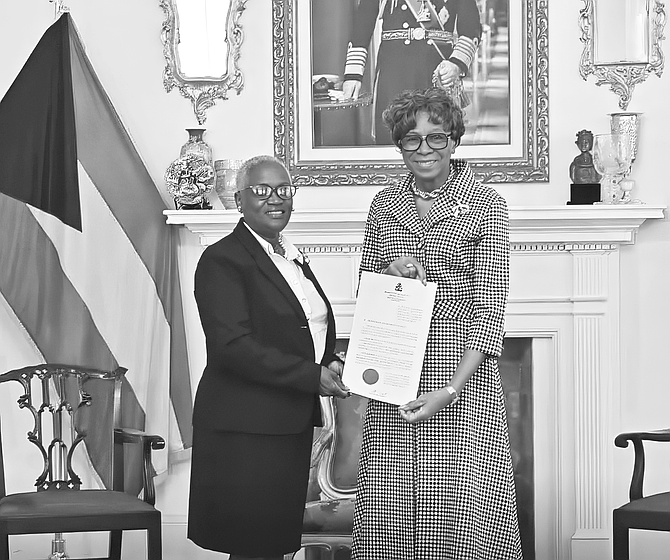
    A beloved decades-long healthcare leader in Dominica’s Castle Bruce district will soon have her decades of selfless service permanently enshrined in the community she served: the local Castle Bruce Health Centre will officially be renamed the Nurse Hyacinth Thomas Health and Wellness Centre, following a formal decision from the Ministry of Health, Wellness and Social Services.

  • Cuyuni-passage: Guyanezen opnieuw beschoten door Venezolaanse schutters

    Cuyuni-passage: Guyanezen opnieuw beschoten door Venezolaanse schutters

    Decades of simmering territorial dispute between Guyana and Venezuela have erupted in renewed violence along the Cuyuni River, the waterway marking the South American neighbors’ contested western border, after armed assailants opened fire on a Guyana Defence Force (GDF) patrol from the Venezuelan side of the river on Tuesday, May 5.

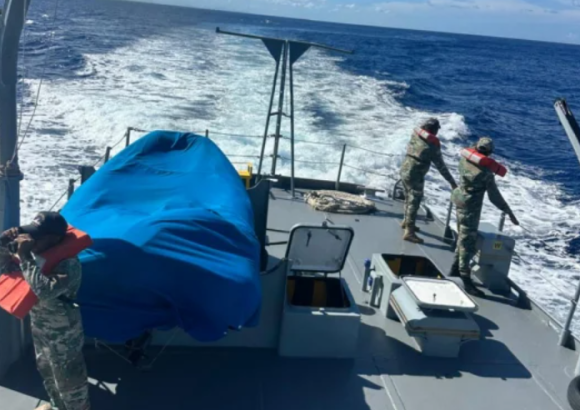
    The shooting unfolded as the GDF unit was conducting routine border security operations and escorting civilian vessels through the contested area, GDF officials confirmed in an official statement. The patrol came under hostile fire twice at pre-identified locations along the river, and responding in line with established operational protocols, the Guyanese troops returned fire. No injuries were reported in the Tuesday incident, and all civilian ships were successfully repositioned and escorted out of the high-risk zone without further incident.

    This confrontation marks the second consecutive day of armed violence in the already volatile border region. A day earlier, on Monday, GDF Lance Corporal Douglas was struck by two bullets in his right leg during a separate exchange of fire. He remains hospitalized for treatment at Georgetown Public Hospital Corporation, while another service member escaped unharmed after a bullet grazed his uniform.

    Local outlet Kaieteur News has documented that such shooting incidents have become alarmingly common, occurring almost daily in some stretches of the river, earning the Cuyuni a reputation as one of the most dangerous waterways for commercial and civilian navigation in the region. The persistent threat of attack has forced the GDF to deploy dedicated patrol boats to escort Guyanese civilians who rely on the river for their livelihoods, including artisanal miners and local traders.

    Tuesday’s attack also underscores the growing human cost of the ongoing border crisis: Douglas is already the ninth Guyanese military member wounded in Venezuelan-linked fire incidents over the past 12 months. The deadliest prior incident came in February 2025, when an ambush by a Venezuelan armed gang left eight GDF soldiers wounded during a routine border patrol.

    The root of the recurring violence stretches back decades, as Venezuela claims sovereignty over more than 159,000 square kilometers of territory in western Guyana, a region rich in gold, timber and newly discovered offshore oil reserves. The Cuyuni River forms a critical segment of this contested boundary, where illegal mining, smuggling and armed incursions have become frequent.

    In response to rising insecurity, the GDF has maintained an intensified patrol posture in the area for an extended period, with a mandate to protect civilian life and uphold Guyana’s territorial sovereignty. Despite the increased military presence, the risk of further violent clashes remains high, driven by the persistent presence of unregulated armed groups operating from the Venezuelan side of the border.

  • IMF reports steady growth and falling debt in Antigua and Barbuda

    IMF reports steady growth and falling debt in Antigua and Barbuda

    The International Monetary Fund (IMF) has released its latest Article IV assessment of Antigua and Barbuda’s economy, confirming solid expansion in 2025 fueled by rising construction output, cooling inflation and a years-long downward trend in public debt. Even as the multilateral institution acknowledges the small island nation’s recent economic gains, it warns that persistent payment arrears and mounting financing pressures remain the most pressing threats to long-term fiscal stability.

    Per the IMF’s projections, Antigua and Barbuda’s real gross domestic product grew by 3% in 2025. The driving force behind this growth was a marked rebound in the construction sector, which was strong enough to offset a unexpected slowdown in the country’s core tourism industry. One key milestone highlighted in the report is the full recovery of national employment levels, which have now returned to the benchmarks seen before the COVID-19 pandemic disrupted global travel and local labor markets.

    Inflation, which has been a major source of economic strain across the Caribbean in recent years, fell dramatically for Antigua and Barbuda in 2025. After averaging more than 6% in 2024, the annual inflation rate dropped to 1.4% last year, a shift that reflects broad stabilization of global and domestic price pressures across key goods and services.

    The country has also made significant progress in reducing its overall public debt burden. From a peak of 101% of GDP in 2020, in the wake of pandemic-related stimulus spending, the public debt-to-GDP ratio is estimated to have fallen to 68% in 2025. The IMF credits this improvement to stronger overall fiscal performance and increased government revenue, particularly the steady inflows generated by the country’s popular Citizenship by Investment (CBI) program.

    Despite these encouraging developments, the IMF has drawn attention to two major lingering vulnerabilities: substantial payment arrears owed to both Paris Club sovereign creditors and domestic suppliers, plus persistent elevated financing needs that continue to drag on the country’s long-term debt sustainability.

    IMF Executive Directors have called on Antigua and Barbuda’s government to implement a “credible and comprehensive strategy” to clear outstanding arrears, strengthen national debt and cash management frameworks, and carve out sustainable fiscal space for investments in climate resilience and critical infrastructure. The island nation is highly vulnerable to the impacts of climate change, including more frequent and severe hurricanes and coastal erosion, making targeted resilience investments a priority for long-term economic survival.

    Directors also acknowledged progress in boosting tax collection and enforcing fiscal discipline, with the country’s primary fiscal balance projected to hit nearly 5% of GDP in 2025. Even so, they urged local authorities to take additional steps to broaden the national tax base, cut back on inefficient tax exemptions, and strengthen oversight of both general public finances and state-owned enterprises, which have historically been a source of fiscal leakage.

    The IMF assessment notes that Antigua and Barbuda’s overall financial system remains stable and well-liquidated, but policymakers are encouraged to pursue additional structural reforms to boost the competitiveness of the tourism sector, strengthen regional and international trade links, and upgrade the skills of the local workforce to support long-term growth.

    Looking ahead, the IMF projects that Antigua and Barbuda will continue to see steady economic expansion in the coming years. However, the institution repeated warnings that the country’s small open island economy remains heavily exposed to outside risks, including ongoing global economic uncertainty, volatile commodity prices, and sudden external economic shocks that could derail growth progress.

  • MoHW Receives ICT Equipment for Maternal Health Services

    MoHW Receives ICT Equipment for Maternal Health Services

    On May 7, 2026, Belize’s Ministry of Health and Wellness took delivery of a new suite of information and communication technology (ICT) equipment, delivered to upgrade maternal and child health services across the small Caribbean nation. This donation is a core component of a regional public health initiative titled “Strengthening the EMTCT Strategy within Maternal and Child Health Services”, which targets the complete elimination of mother-to-child transmission (EMTCT) of four major infectious diseases: HIV, syphilis, hepatitis B, and Chagas disease across the Caribbean region.

    As part of the multinational project, Belize received 10 desktop computers and one high-resolution video projector. These tools are designed to upgrade three critical pillars of the country’s public health system: data management, cross-agency disease surveillance, and laboratory coordination. Local health authorities emphasize that the new infrastructure will directly empower frontline healthcare workers, enabling them to deliver more efficient, time-sensitive care to expecting mothers and newborn children across the country.

    The cross-regional initiative is financed through the India-UN Development Partnership Fund, managed by the United Nations Office for South-South Cooperation, with on-the-ground implementation led by the Pan American Health Organization (PAHO), which also serves as the WHO’s regional office for the Americas.

    Belize has already established itself as a regional leader in EMTCT efforts. In 2024, the country earned official international certification for eliminating mother-to-child transmission of both HIV and syphilis, joining neighboring Caribbean nations Jamaica and St. Vincent and the Grenadines in achieving this landmark public health milestone.

    The broader project supports 15 Caribbean countries overall, with three core priorities: strengthening national leadership for maternal and child health, upgrading laboratory diagnostic capacity, and enhancing regional disease surveillance networks. PAHO officials note that reliable diagnostic testing and robust, interconnected health information systems are non-negotiable prerequisites to hitting collective elimination targets across the region.

    This investment comes as public health experts across the Americas raise growing concerns over a sustained rise in congenital syphilis cases. PAHO data confirms that reported cases rose sharply between 2016 and 2022, underscoring the urgent need for expanded monitoring and prevention infrastructure across the region.

    For Belize, the new ICT equipment will enable real-time data collection and continuous monitoring of maternal health outcomes, allowing the country to maintain its hard-won progress in EMTCT elimination. It will also set a regional benchmark for other Caribbean nations working toward their own official EMTCT certification. Looking ahead, PAHO’s broader 2030 agenda for the Americas aims to eliminate more than 30 communicable diseases and their related public health conditions across the region by the end of the decade.