作者: admin

  • Leider van Bangladesh, favoriet voor het premierschap, terug uit ballingschap

    Leider van Bangladesh, favoriet voor het premierschap, terug uit ballingschap

    In a dramatic political homecoming, Tarique Rahman, acting chairman of the Bangladesh Nationalist Party (BNP), returned to Dhaka on Thursday following nearly 17 years of exile in London. The carefully orchestrated return marks a pivotal moment in Bangladesh’s fragile political transition as the nation prepares for February elections.

    Hundreds of thousands of supporters lined the route from Dhaka airport to the reception venue, waving party flags and holding banners while high-level BNP officials welcomed Rahman under tight security. The 60-year-old son of ailing former Prime Minister Khaleda Zia made his symbolic return by removing his shoes to walk barefoot on Bengali soil and gathering a handful of earth as a gesture of homecoming.

    Addressing ecstatic crowds at the reception center, Rahman opened his speech with “Beloved Bangladesh,” promising to unite people of all faiths and ensure their safety. “We will build a Bangladesh that a mother dreams of,” he declared, urging Muslims, Hindus, Buddhists and Christians to join him in creating an inclusive nation. He emphasized his vision for a democratic, economically strong Bangladesh, stating: “I have a plan – a plan for the people of my country, for my country.”

    The return occurs during a sensitive electoral period in the Muslim-majority nation of nearly 175 million people, currently under an interim government led by Nobel laureate Muhammad Yunus. The elections are viewed as crucial for restoring political stability after nearly two years of turmoil. While authorities have promised free and peaceful elections, recent media attacks and sporadic violence have raised concerns about the electoral process.

    Rahman’s homecoming follows the quashing of his convictions in absentia for money laundering and alleged involvement in a plot to assassinate former Prime Minister Sheikh Hasina. The legal barriers disappeared after Hasina was ousted by student protests last year. The political landscape has shifted dramatically since Hasina’s fall, ending decades where she and Khaleda largely alternated power.

    The return also carries personal urgency as Rahman’s mother Khaleda has been seriously ill for months. Rahman visited her in hospital shortly after his arrival.

    According to a December survey by the U.S.-based International Republican Institute, the BNP appears positioned to win the largest number of parliamentary seats, with the Islamic party Jamaat-e-Islami also remaining in contention. Hasina’s Awami League party, excluded from the February 12 elections, has threatened unrest that some fear could disrupt the voting process.

    Nahid Islam, leader of the National Citizen Party that emerged from the youth protest movement that toppled Hasina, expressed hope that Rahman would help shape Bangladesh’s democratic future. “Our greatest challenge now is to create a culture of coexistence and healthy competition in the new political reality,” he stated.


  • New road works on Duarte Highway aim to ease holiday traffic flow

    New road works on Duarte Highway aim to ease holiday traffic flow

    The Dominican Republic’s Ministry of Public Works and Communications (MOPC) has inaugurated a series of strategic infrastructure enhancements on the Duarte Highway, designed to optimize traffic management and enhance passenger safety during the upcoming holiday season. This comprehensive initiative represents a significant phase in the ongoing modernization of the nation’s crucial transportation network.

    Key improvements include the activation of a newly constructed operational U-turn at kilometer 110 adjacent to El Pino, alongside the completion of a six-lane expansion of the recently rebuilt Río Verde bridge. Both critical projects are situated within La Vega province, a high-traffic corridor.

    In a related development, the Ministry confirmed the imminent commissioning of an additional return lane at kilometer 25 on the same highway, a site previously occupied by a toll plaza. These targeted interventions are integral components of the larger Duarte Highway expansion program, reflecting a concerted government effort to address chronic congestion points.

    Official statements from the MOPC emphasize that the overarching objective of these engineering projects is to contemporize the highway’s structural integrity, bolster road safety protocols, and ultimately deliver a more streamlined, secure, and dependable journey for the multitude of motorists and commuters anticipated during peak travel periods. The upgrades are expected to significantly mitigate accident risks and improve fluidity on this essential artery.

  • Column: Kerstboodschap of zelfverheffende politieke mythe

    Column: Kerstboodschap of zelfverheffende politieke mythe

    In the Netherlands, political parties are exercising their right to utilize religious holidays for societal messaging, with several organizations having disseminated Christmas communications that meet journalistic standards in both content and tone. This demonstrates that political communication and festive periods need not be inherently incompatible. However, when religious symbolism is employed to bolster political assertions, such messaging must withstand scrutiny regarding factual accuracy, democratic principles, and accountability.

    The United Reformed Party (VHP) declared in its Christmas message that the May 25th elections positioned it ‘in opposition as the sole party safeguarding the people’s voice.’ This constitutes not merely an audacious claim but primarily an undemocratic characterization of political reality. Within a parliamentary democracy, no single party exclusively protects the popular will. All parties that secured votes—whether in coalition or opposition—share this responsibility, with The National Assembly serving as the supreme representative body.

    The implication that VHP uniquely champions the popular will disregards not only other parties’ roles but also voters themselves. Had VHP truly represented the people’s voice and compass, the electorate would not have relegated it to opposition benches after five years of governance. Elections represent democratic judgments rather than random occurrences.

    Notably, VHP’s message extensively expresses sympathy regarding poverty, rising prices, and daily living pressures. While this empathy sounds compassionate, it inevitably raises the question: where was this problem-solving capacity during the past five years? Between 2020 and 2025, VHP possessed both opportunity and power to implement structural alternatives. Poverty reduction, legal certainty, fundamental rights protection, nationwide uniform education, healthcare, and social policy constituted governmental responsibilities rather than opposition themes. That these issues are now revisited without self-criticism or acknowledgment of policy failures renders the message particularly bitter.

    The disconnect between rhetoric and action manifests equally in VHP’s parliamentary conduct. During debates concerning initiative nature conservation legislation, where substantive discussion, improvement, and constitutional diligence were expected, VHP engaged primarily in obstruction and questioning of proposers’ motives. Constructive contribution was scarcely evident. Ironically, coalition factions—despite the bill originating from their own coalition circle—subjected proposals to critical analysis and thoroughly dismantled the initiative. This exemplifies parliamentary craftsmanship and demonstrates legislative oversight in the public interest.

    VHP’s creation of a self-serving misleading myth represents particularly concerning undemocratic expression. Claims of ethnic exclusion from governing coalitions shortly after elections contradict factual reality. The truth remains that VHP pursued coalition participation until the final moment but was rejected by all other parties regardless of their reasons. No evidence supports allegations of ethnic discrimination.

    Nevertheless, VHP’s Christmas message positions itself as ‘the light in darkness,’ directly comparing Christ’s birth to its political role. Religious imagery can prove powerful but becomes problematic when suggesting political superiority. According Christian belief, Christ came not to rule but to serve—precisely the element absent in a message radiating primarily self-glorification.

    Christmas represents a moment for reflection, truth, and humility. Those claiming unprecedented freedom to warn and inspire should equally demonstrate courage examining their own choices, missed opportunities, and policy errors. Inspiration without honesty constitutes not light but illusion.

    VHP retains every right to dream, warn, and oppose—fundamental democratic privileges. However, distorting democratic reality and ignoring governmental responsibility undermines credibility. Christmas deserves more than political marketing; it deserves truth. And truth tolerates no deception, even when expressed in festive wording.

  • VIDEO: Ma Sharp’s Christmas Lights

    VIDEO: Ma Sharp’s Christmas Lights

    As the festivities of Christmas Day 2025 concluded across the Commonwealth of Dominica, one spectacular display continued to capture the nation’s collective imagination. In the community of Canefield, the annual exhibition known as ‘Ma Sharp’s Christmas Lights’ has firmly established itself as an indispensable component of the island’s holiday celebrations.

    This luminous tradition, which has evolved significantly over recent years, represents more than just decorative illumination. The display has transformed into a cultural phenomenon that draws visitors from across the island and beyond, creating a focal point for community gathering and seasonal joy. The carefully orchestrated arrangement of lights and decorations has grown in both scale and sophistication with each passing year, reflecting the growing significance of this personal initiative that has captured the national spirit.

    The emergence of Ma Sharp’s display as a Christmas staple demonstrates how individual creativity can blossom into shared cultural heritage. What began as a local neighborhood attraction has matured into a destination that families specifically plan to visit during the holiday season, with many now considering their Christmas incomplete without experiencing this radiant spectacle. The display’s popularity underscores the human desire for light and celebration during the darkest time of the year, particularly in tropical settings where traditional winter imagery contrasts beautifully with the Caribbean environment.

    This growing tradition also highlights how modern holiday customs continue to evolve in the digital age, where such displays gain additional recognition through social media sharing and word-of-mouth promotion. The Canefield lights have become photogenic symbols of Dominican Christmas spirit, representing both personal expression and community pride in a format that resonates with contemporary sensibilities while maintaining traditional holiday values.

  • Urban agriculture: from skepticism to success

    Urban agriculture: from skepticism to success

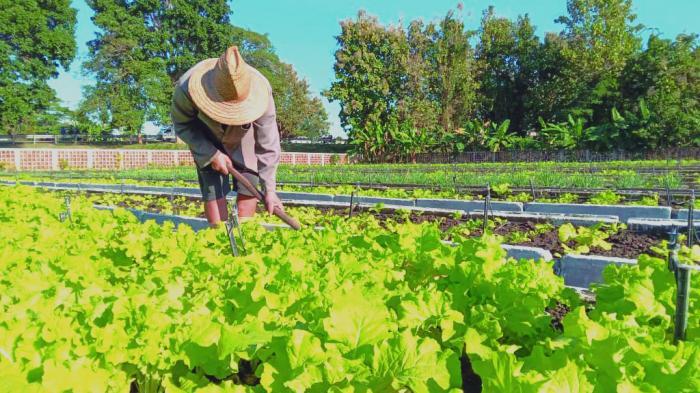
    The Cuban province of Pinar del Río prepares to host national celebrations marking the 38th anniversary of the Urban, Suburban, and Family Agriculture Program this Saturday, an initiative originally championed by Army General Raúl Castro Ruz. What began as a controversial experiment has evolved into a transformative food security system that continues to demonstrate remarkable resilience despite significant challenges.

    At the organic garden known as La Erea, located along the banks of the Guamá River, agricultural specialist Dany Mena García exemplifies the program’s success. “Here, one crop is harvested and another is planted right behind it. We never have unplanted beds,” he explains, describing a operation that maintains productive green beds throughout all twelve months of the year.

    The program’s journey hasn’t been without obstacles. Early skeptics questioned the logic of constructing urban garden beds while rural land remained underutilized. Initial harvests sometimes went to waste due to limited consumer demand. Yet persistence eventually transformed Cuban dietary habits, introducing chard, spinach, chives, carrots, beets, and approximately twenty other crops to complement the traditional limited vegetable selection.

    According to Lérida María Sánchez Díaz, head of the program at the Provincial Delegation of Agriculture in Vueltabajo, the initiative now encompasses 1,244 production structures across 1,278 hectares. These include organic farms, technified plots, intensive gardens, semi-protected gardens, and rustic greenhouses. The current production average stands at an impressive 10.2 kilograms per square meter, meeting projections established earlier this year.

    The program has demonstrated particular resilience in recovering from natural disasters. When Hurricane Ian devastated the region in 2022, destroying over 8,000 garden beds, the system rebounded within approximately one month with harvests of lettuce, chard, spinach, and chives already underway.

    International collaboration has played a crucial role in recent advancements. Miguel Espinosa Correa, administrator of the Ingeniería #1 organic garden, describes how solar panel irrigation systems donated through international projects have addressed electricity shortages. Additional support from United Nations, European Union, and Japanese Embassy initiatives has provided seeds, processing equipment, and transportation solutions for product distribution.

    Despite these achievements, challenges remain regarding organic matter availability and labor resources. However, increased operational autonomy has enabled producers to address issues directly—such as when Espinosa’s team purchased a replacement irrigation pump from local businesses rather than waiting years for bureaucratic solutions.

    With approximately 65,000 backyard gardens expected to join the provincial program by December’s end, and new ventures into dehydrated condiments and medicinal plants expanding product offerings, Cuba’s urban agriculture initiative continues to evolve beyond its original scope, driven by growing consumer demand and ongoing innovation.

  • Cold temperatures to mark the end of 2025 across the country

    Cold temperatures to mark the end of 2025 across the country

    SANTO DOMINGO – An unseasonable cold snap has descended upon the Dominican Republic, with meteorologists attributing the phenomenon to a persistent polar air mass. According to expert analysis from Jean Suriel, the unusually cool conditions are forecast to extend through the final week of 2025, marking a notably chilly conclusion to the year.

    Substantial temperature drops have been recorded nationwide, with the mountainous interior experiencing the most severe conditions. The town of Constanza registered a brisk 7°C (approximately 45°F) in the early morning hours, while the high-altitude region of Valle Nuevo reported temperatures dipping below freezing. Other elevated areas consistently saw readings between 9°C and 13°C (48°F to 55°F).

    The Cibao region in the north witnessed lows ranging from 13°C to 17°C (55°F to 63°F). Notably, the cooling effect has even reached the typically warmer southern coastal zones, where overnight and early morning temperatures have fallen to between 18°C and 22°C (64°F to 72°F). This pattern underscores the extensive reach of the current meteorological system, affecting populations and agriculture across diverse climatic zones of the country.

  • Over 425,000 passengers pass through Las Américas Airport during Christmas season

    Over 425,000 passengers pass through Las Américas Airport during Christmas season

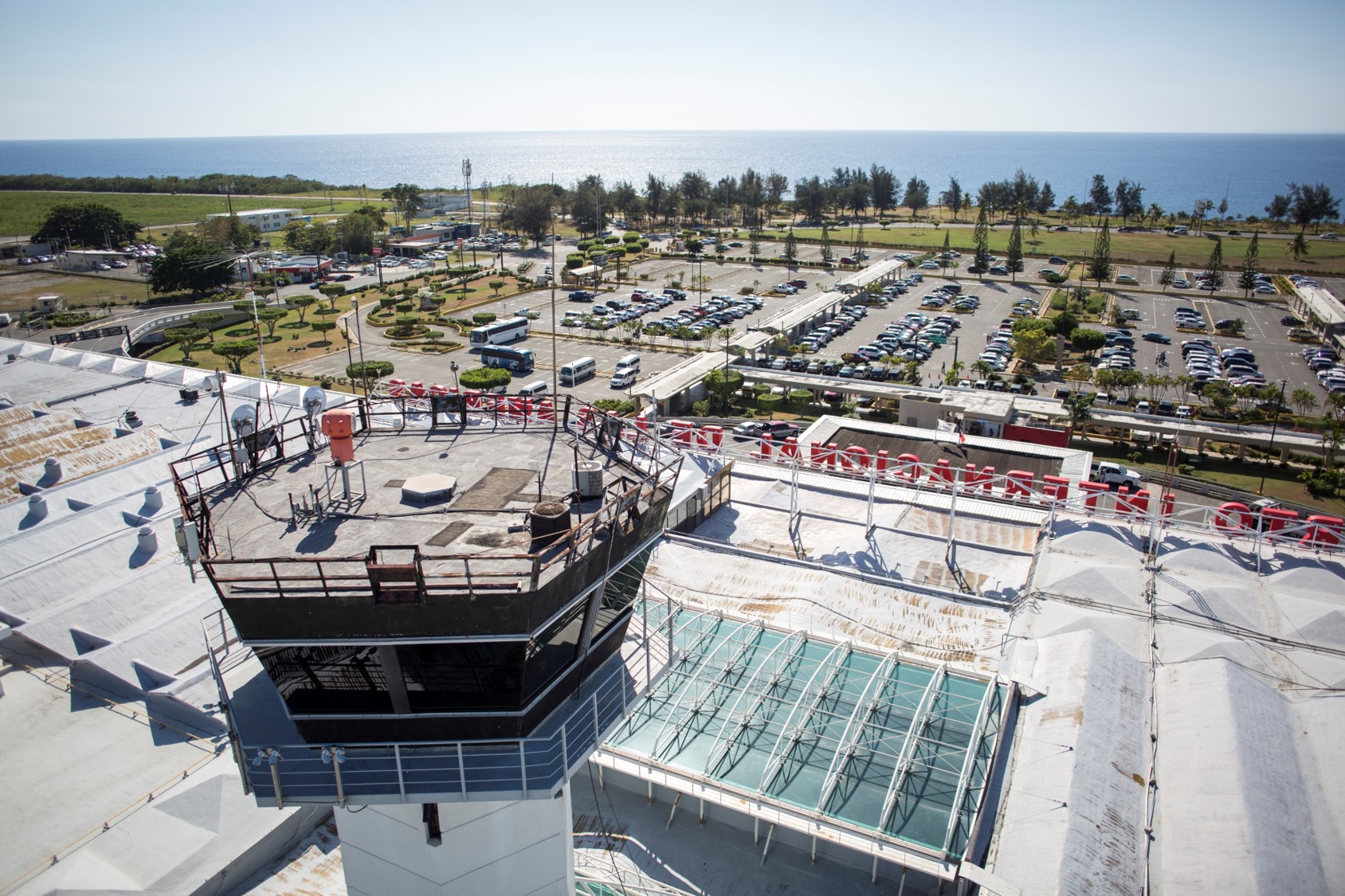
    Santo Domingo’s Las Américas International Airport (AILA) is witnessing unprecedented passenger volumes during this year’s Christmas season, primarily fueled by the massive return of the Dominican diaspora. Official data reveals that between December 1st and 23rd, the airport processed more than 425,000 travelers, with approximately 70% being Dominican nationals residing overseas—particularly in the United States and European countries. Projections indicate that diaspora travelers will constitute nearly 80% of December’s total passenger traffic, highlighting this annual homecoming tradition.

    Aerodom, the airport’s operator, reported exceptionally high activity during the first half of December alone, handling over 230,000 passengers and approximately 4,000 flight operations. While airport functions have maintained overall orderliness, some travelers experienced operational challenges including baggage delivery delays and confiscation of food items—particularly turkey meat—due to stringent agricultural health regulations implemented by the Ministry of Agriculture to protect domestic poultry production.

    In response to the seasonal surge, authorities have significantly enhanced health and security protocols. The Ministry of Public Health has intensified epidemiological surveillance at all arrival points, conducting symptom screenings for influenza-like illnesses and establishing coordinated response protocols with the national 9-1-1 emergency system. Simultaneously, the Specialized Airport and Civil Aviation Security Corps (CESAC) has bolstered security personnel and implemented reinforced control measures across AILA and other national airports to ensure safe and efficient passenger transit during this peak travel period.

  • COE reports high accident rate during first day of Christmas Safety Operation

    COE reports high accident rate during first day of Christmas Safety Operation

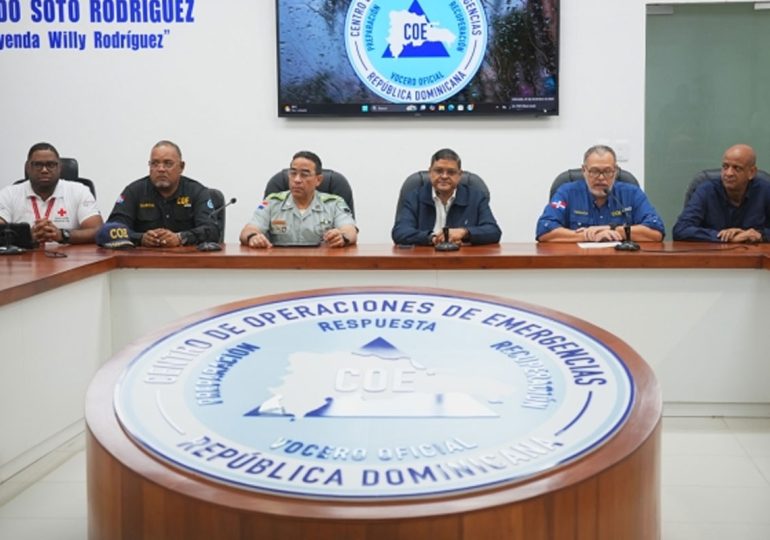
    SANTO DOMINGO – Dominican authorities reported a sobering toll from the inaugural 24-hour period of Operation Awareness for Life, the nationwide holiday safety initiative spanning Christmas and New Year 2025-2026. The Emergency Operations Center (COE) documented six fatalities and 63 traffic accidents between 6:00 AM December 24 and 6:00 AM December 25, underscoring the dangers of heightened seasonal road activity.

    Motorcycle-related incidents dominated accident statistics, constituting 48 of the total reported cases. Fatality analysis revealed three deaths each from motorcycle collisions and passenger vehicle accidents. Notably, only one death occurred within an established traffic safety checkpoint while five transpired beyond these controlled zones.

    Beyond traffic incidents, medical personnel addressed 165 poisoning cases – including 131 alcohol intoxication incidents (nine involving minors) and 34 food poisoning emergencies. Geographical distribution showed San Cristóbal, Santo Domingo, National District, San Pedro de Macorís, Duarte and Sánchez Ramírez as provinces with the highest incident concentrations.

    Preventative measures formed a crucial component of the operation. The National Institute of Transit and Transportation (Intrant) conducted nearly 8,000 public transport inspections nationwide, administering 321 substance tests to drivers which yielded six positive results. Simultaneously, Digesett traffic authorities performed over 8,200 traffic violation inspections, implemented vehicle impoundments for regulatory non-compliance, and delivered more than 10,000 roadside assistance interventions.

    Officials emphasized these statistics represent merely the operation’s initial phase, renewing urgent appeals for public vigilance and strict adherence to traffic regulations throughout the remainder of the holiday period.

  • Economy : Note on the monetary policy of the BRH (4th quarter 2024-2025)

    Economy : Note on the monetary policy of the BRH (4th quarter 2024-2025)

    Amid persistent global economic headwinds and domestic turmoil, Haiti’s Central Bank (BRH) has implemented a cautiously conservative monetary approach during the fourth quarter of 2024-2025. The international landscape remained constrained by ongoing geopolitical conflicts, restrictive trade measures, and diminished growth patterns, collectively exacerbating inflationary trends worldwide.

    Haiti’s internal situation presented even more severe challenges, with protracted socio-political unrest and widespread security instability severely constraining economic operations. These conditions have intensified price escalation pressures and dramatically worsened food scarcity across the nation.

    In response to these dual pressures, the BRH adopted a protective monetary strategy focused on preserving exchange rate consistency, curbing inflationary surges, and reinforcing the banking sector’s defensive capabilities. Economic metrics reveal a concerning trajectory: the Overall Economic Activity Indicator registered a 2.4% contraction during the first three quarters of the fiscal year.

    The human impact of this crisis is staggering, with official statistics indicating approximately 1.4 million internally displaced citizens and 5.7 million Haitians experiencing severe food insecurity—including one million children in critically vulnerable conditions.

    Inflation reached 31.9% annually by September 2025, representing a significant increase from the 28.4% recorded in June. This inflationary spiral stems from crippled domestic production capabilities and recurrent supply chain interruptions.

    Fiscal operations showed increased government spending (up 15.4%) alongside modest revenue growth (5.7%), while trade imbalances widened with exports declining 8.41% to $635.93 million and imports surging 10.78% to $3,642.7 million. Despite these pressures, the exchange rate remained notably stable at approximately 130.69 gourdes per U.S. dollar.

    Looking forward, Haiti’s economic recovery prospects remain intimately tied to global economic developments and—most critically—domestic security improvements. The central bank has committed to continuing its supportive stance toward small and medium enterprises and productive sectors including tourism, while maintaining its dual focus on exchange rate stability and inflation containment.

  • Aqueduct pipe rupture in Sabana Iglesia triggers emergency measures

    Aqueduct pipe rupture in Sabana Iglesia triggers emergency measures

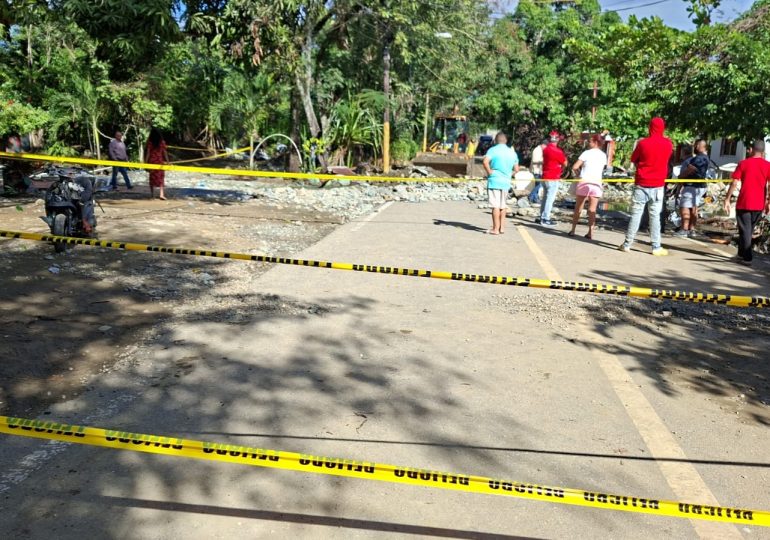
    SANTIAGO PROVINCE – A critical infrastructure failure has triggered a large-scale emergency response in the Dominican Republic’s Santiago province. On Thursday, December 25th, at 11:20 a.m., the primary intake pipe of the Cibao Central aqueduct ruptured in the community of La Zanja, Sabana Iglesia.

    The Santiago Water and Sewerage Corporation (Coraasan) has confirmed the incident resulted in no human casualties. However, the severity of the damage prompted an immediate declaration of an emergency status for the area. Heavy machinery and specialized technical crews were swiftly deployed to the site to initiate urgent repair operations.

    This conduit is the principal raw water supply line for the Noriega and Dura Moca treatment systems, boasting a substantial conveyance capacity of 5 cubic meters per second—equivalent to 115 million gallons daily. Consequently, the rupture has forced the complete shutdown of both the Dura Moca and Cibao Central aqueducts.

    The service interruption has left an estimated 800,000 residents across multiple communities without access to running water, creating a significant public utility crisis. In parallel with the engineering efforts, Coraasan’s social management division is actively conducting on-the-ground assessments. Their mission is to evaluate the broader impact on local families and coordinate necessary aid and support services.

    Authorities have committed all available institutional resources to expedite the restoration process, though a definitive timeline for full water service resumption has not yet been established. The situation remains dynamic as repair work continues around the clock.