作者: admin

  • Water Sector Transformation Project Advances in Nevis with Stakeholder Engagement

    Water Sector Transformation Project Advances in Nevis with Stakeholder Engagement

    CHARLESTOWN, Nevis – A landmark initiative to overhaul St. Kitts and Nevis’ water infrastructure into a low-carbon, climate-resilient system is moving forward in Nevis, anchored by proactive stakeholder engagement that centers local input ahead of full implementation.

    The SKN TransWater Project, formally named Transitioning the Water Supply in St. Kitts and Nevis to a Low-Carbon, Climate-Resilient Sector, brought a team of international and regional consultants to Nevis in mid-April 2026 for a collaborative workshop hosted at the Pond Hill Community Centre. The event, organized in partnership with local water management authorities, created a structured space for stakeholders to receive the latest project updates, ask critical questions, voice concerns, and shape the initiative’s next steps.

    Led by the Caribbean Community Climate Change Centre (CCCCC) with financial backing from the Green Climate Fund, the cross-cutting development project targets two core priorities: addressing the federation’s growing water security challenges and building a sustainable water management framework for long-term resilience. Beyond upgrading infrastructure, the initiative aims to cut non-revenue water, embed climate adaptation into standard water governance, and strengthen the policy environment that supports reliable water access across both islands.

    Dr. Adrian Cashman, team leader for the project’s consulting group CEAC Solutions Ltd., emphasized that the return visit to Nevis was designed to avoid the common pitfall of top-down development projects. “Usually what seems to happen is a project goes there and the next thing you know it’s being implemented. We didn’t want that to happen, so we’ve been very keen on using the opportunities we have to provide updates, share what we’ve been doing, let you know where we are and what we’re proposing, and then opening it up for discussion,” he explained, noting all stakeholder feedback will be integrated as the project moves toward full rollout.

    For Nevis, a small island nation on the frontlines of climate change, the project comes as regional water scarcity risks intensify. The federation has recorded a steady drop in available water supplies in recent years, driven by shifting rainfall patterns, more frequent extreme drought, growing population, and rising demand from industrial and agricultural sectors.

    Hon. Spencer Brand, Minister responsible for Water Services in the Nevis Island Administration (NIA), reaffirmed the government’s full backing for the initiative, calling it a critical investment in Nevis’ long-term sustainable development. “It is no secret that these are two small islands, but we are also facing some significant challenges when it comes to our water resources,” Brand said. “I am hopeful that the discussion that we are having with the various stakeholders here on the island of Nevis will help to move this process forward and will also help us to better position ourselves and better understand what this entire project is all about. The Cabinet of the Nevis Island Administration is in full support of this project because we believe for our sustainable development we must have access to a reliable and stable supply of water.”

    The workshop was co-chaired by Cashman, Floyd Robinson, Manager of the Nevis Water Resources Management Unit, and Ryan Phillip of the CCCCC. Attendees included cross-sectoral government representatives from the Nevis Water Department, Solid Waste Management Department, and the departments of Agriculture, Physical Planning and Environment, Statistics and Economic Planning, and Social Services and Gender Affairs, reflecting the project’s cross-cutting impact on multiple sectors of Nevis’ economy and public life.

    This press release was originally distributed by the Nevis Island Administration and published by SKNVibes.com, which does not edit for spelling or grammar errors, nor does it endorse the views expressed in the release.

  • SVG needs overseas Vincies to move to next level – Diaspora Minister

    SVG needs overseas Vincies to move to next level – Diaspora Minister

    During a recent meet-and-greet event with St. Vincent and the Grenadines (SVG) diaspora members in Washington D.C. — held alongside Prime Minister Godwin Friday on the sidelines of the International Monetary Fund and World Bank Group’s first Spring Meeting since the New Democratic Party (NDP) took power — Diaspora Affairs Minister Dwight Fitzgerald Bramble issued a public call for overseas-based Vincentians to re-engage with their home country and drive its next phase of growth. The Caribbean nation currently faces deep economic headwinds, a reality confirmed by the new administration’s discussions with global financial leaders at the Washington gathering. Bramble, a long-time public servant and former diplomat who secured his second term as Member of Parliament for East Kingstown, argued that decades of sidelining the SVG diaspora created and worsened many of the challenges the country faces today.

    For years, Bramble noted, successive governments treated Vincentians living abroad as outsiders, cutting off the country from the immense skills, connections and economic potential that the global diaspora community holds. That approach is changing under the new NDP administration, which took office after winning the November 2024 general election, and Bramble says his team is already rolling out structural changes to embed diaspora engagement at the core of national development. When cabinet portfolios were assigned after the election, Bramble personally requested the diaspora affairs portfolio, drawing on his decades of experience living, studying and working abroad to lead the shift. He emphasized that diaspora engagement does not require overseas Vincentians to permanently return home to contribute, framing the government’s new approach as an effort to turn historic “brain drain” into a collaborative “brain game” that leverages the community’s existing global positions.

    Bramble also addressed ongoing legal challenges from the opposition Unity Labour Party, which has filed election petitions arguing that he and Prime Minister Friday are ineligible to hold office due to their dual Canadian citizenship. Reaffirming his unbreakable connection to SVG, Bramble stated, “my birth certificate has the parrot on it” — a reference to SVG’s national coat of arms — noting that no legal challenge can erase his identity as a Vincentian. He extended this logic to all members of the diaspora, noting that even second- and third-generation descendants of SVG migrants share a common stake in the country’s future, regardless of where they were born.

    To formalize the new focus on diaspora affairs, Bramble’s ministry has elevated the portfolio from a small internal unit to a standalone government department, with a full leadership team already in place and plans to hire four to five specialized professionals focused exclusively on diaspora engagement. The government is also expanding staffing and resources at key overseas SVG missions, adding dedicated diaspora and investment officers to posts in Toronto, New York and London — three of the largest hubs for the SVG diaspora globally. Beyond large-scale foreign investment from multinational corporations and high-net-worth developers, Bramble explained that the targeted expansion will help fill critical skill gaps in the SVG economy by connecting overseas Vincentian professionals with domestic needs, allowing them to contribute remotely through digital services, professional networks and influence.

    Prime Minister Friday, who led the NDP delegation to the IMF-World Bank Spring Meeting, confirmed that discussions with global financial leaders have underscored the severity of SVG’s current economic situation. Bramble, however, highlighted three key advantages that position the country to turn its fortunes around: a new administration with a strong electoral mandate, room to negotiate new terms with international partners, and a newly energized global diaspora community eager to contribute. Since he took office, Bramble reported, hundreds of Vincentians from across the world have reached out to him unprompted to express their excitement and interest in joining the government’s new national development effort.

    Closing his address to the Washington diaspora community, Bramble urged members to set aside past political differences and focus on the shared future of SVG, noting that the nation outlives any individual government or political division. “St. Vincent has been there before us, it’s here now that we’re here, and when we’re gone, it’s still going to be there,” he said, calling on the diaspora to help build a stronger country for future generations as their shared legacy.

  • The more things change…

    The more things change…

    For more than three decades, the small Caribbean island of Union Island has grappled with a persistent, unresolved crisis that has eroded local food security, strained livelihoods, and outlasted multiple changes in political administration. The crisis began in the early 1990s, when local farmers fed up with stray animals destroying their crops took collective action to restore order to their agricultural systems. Under the direction of Stanford Coy, the local Environmental Action Committee implemented community-led rules to manage livestock: farmers built secure fencing, cleared designated pastures, constructed purpose-built coops and pens for poultry, prepared tethers for grazing animals, and restored traditional smallholder farming across the island’s hillsides. Soon, traditional staple crops including corn, pigeon peas, cassava, okra, pumpkins, peanuts and potatoes were growing across cleared plots, and the community was on track to rebuild robust food security that could withstand droughts through stored surplus harvests. That progress was derailed abruptly when Union Island Police arrested a local farmer for killing a stray donkey that had destroyed his entire crop. In the decades that followed, the stray animal problem returned and worsened, with unconfined livestock trampling crops, feeding on ornamental and fruit trees, overgrazing public and private land, and pushing independent smallholder farmers into cycles of poverty and food insecurity. Successive governments have failed to deliver a permanent solution. In the late 1990s, the then-ruling New Democratic Party (NDP) brought in Israeli agricultural consultants with expertise in arid land farming to advise on the issue, but their core recommendation — that unconfined stray animals must be removed from the island — was completely ignored. Frustrated by the lack of progress, voters in Union Island, long a stronghold of the NDP, voted for political change in the 2001 general elections, bringing the Unity Labour Party (ULP) to power. Over nearly 25 years of ULP rule, however, the situation did not improve — it declined. Voters again backed change in the 2025 general election, returning the NDP to office. More than 100 days into the new administration, though, local residents are still waiting for a clear policy mandate requiring animal owners to take responsibility for confining their livestock. The harmful impacts of unaddressed stray animals cut across nearly every sector of Union Island’s economy and community: Financially, cultivated crop plots deliver higher and more consistent returns than unmanaged grazing. For public safety, stray animals steal water and crops and regularly cause dangerous road accidents. For the island’s critical tourism sector, unconfined animals prevent the landscaping and beautification projects needed to attract visitors. Economically, exporting stray animals would resolve surplus issues while delivering trade benefits. For public health, livestock that forage in garbage dumps and overturned waste bins are unfit for human consumption. For family livelihoods, small plots of cultivated land can feed an entire family far more effectively than unmanaged grazing on the same limited space. For the agriculture sector, properly tethered and managed livestock deliver consistent, valuable outputs including milk, meat, and fertilizer, generating greater income for owners. For fisheries, overgrazing causes widespread soil erosion, which washes excess sediment into surrounding coastal waters, damaging critical fish nursery habitats that sustain the local fishing industry. For cultural traditions, core community events including Maroon and Harvest festivals lose all meaning without successful local crop harvests to celebrate. For food and nutrition education, small crop plots can deliver a balanced diet for local families in a matter of months, compared to the years and acres required to raise premium livestock for protein. In late March 2026, the Union Island Environmental Alliance, led by Katrina Coy, convened a community meeting to address the ongoing crisis. Attendees included Senior Agricultural Officer Karomo Browne, non-resident Agricultural Extension Officer Allan Williams, three local animal farmers, and a broad cross-section of Union Island residents. Notably, no police representatives attended the gathering. The group agreed to send formal notices to all identifiable animal owners, and to publish the appeals in local newspapers and other media outlets to reach all relevant parties. Still, the outlook remains uncertain. It has become clear that many owners of unconfined stray animals have no intention of restraining their livestock, and many lack the interest or capacity to care for the animals properly. As the new growing season gets underway, the stray animal population continues to multiply, their hooves still trampling growing crops across the island — and after 30 years of political change, little has actually changed for the residents of Union Island.

  • Curaçao opens second tsunami ready summit to strengthen Caribbean Coastal Resilience 20-21 April 2026

    Curaçao opens second tsunami ready summit to strengthen Caribbean Coastal Resilience 20-21 April 2026

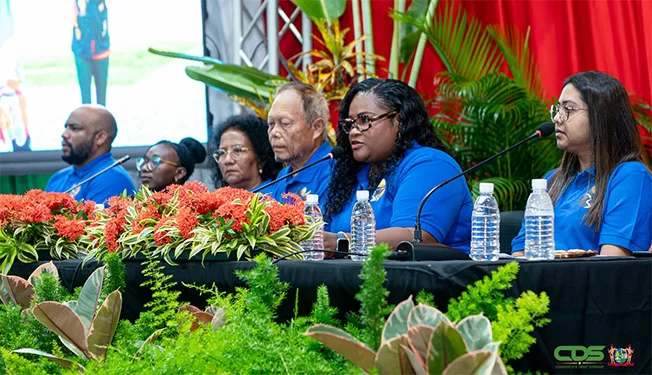
    WILLEMSTAD, Curaçao – On April 20, 2026, more than 30 national and territorial governments kicked off the second global Tsunami Ready Recognition Program (TRRP) Summit in Curaçao’s capital, uniting government officials, regional policy leaders, disaster science experts and international stakeholders around a shared goal: strengthening tsunami preparedness, early warning infrastructure and community-level climate resilience across the Caribbean basin and adjacent coastal regions. The U.S. State Department has provided core funding to support the two-day gathering, which is set to conclude April 21.

    Hosted by the government of Curaçao, the summit draws participants from a broad range of key institutions, including UNESCO’s Intergovernmental Oceanographic Commission (UNESCO-IOC), the International Tsunami Information Center Caribbean Office (ITIC-CAR), national disaster management agencies, national meteorological services, academic research bodies, and global development partners. Over the course of the event, attendees will conduct a comprehensive review of progress made across the region since the first summit, and advance actionable steps to expand implementation of the TRRP across at-risk coastal communities.

    In his opening keynote address, Hon. Charles Cooper, Curaçao’s Minister of Traffic, Transport, and Urban Planning, emphasized that the gathering is far more than a procedural diplomatic meeting. “This summit is more than a meeting. It is a commitment to work together, to share knowledge, and to build stronger and safer communities for the future,” Cooper said. He noted that while tsunamis are rare events in the region, their potential for catastrophic destruction makes sustained investment in preparedness, public outreach and coordinated cross-border planning non-negotiable.

    Matthieu Péroche, Chair of the ICG/CARIBE-EWS Task Team on Tsunami Ready, opened the official summit ceremony by highlighting that despite the Caribbean’s wide diversity of coastal geographies and governance structures, all nations and territories in the region share a common, persistent exposure to tsunami risk. “Tsunami Ready is first about saving lives — today and tomorrow. But it is also about strengthening regional solidarity. Better-prepared communities are better able to support others after a crisis, contributing to collective resilience,” Péroche said. He encouraged attendees to use the summit to exchange on-the-ground implementation experiences, address unmet barriers to progress, and draft concrete practical recommendations to guide future regional action.

    Welcoming delegates on behalf of the Curaçao government, Dr. Albert Martis, Director of Curaçao’s Meteorological Department and the nation’s Tsunami National Contact, noted that the turnout of cross-sector specialists from dozens of countries reflects the depth of regional and international commitment to building safer Caribbean coastal communities. “This summit provides us with a vital platform to continue our discussions on how to best prepare our communities, reduce vulnerabilities, and ultimately minimize the loss of life and property,” Martis said. He also extended gratitude to supporting governments and partner institutions, whose combined financial, technical and logistical support made the summit possible.

    Speaking from the perspective of the global TRP initiative, Dr. Laura Kong, Chair of the UNESCO-IOC Tsunami Ready Coalition, outlined the significant progress the program has made since the first regional summit in 2010, noting that the initiative has expanded steadily across every ocean basin at risk of tsunamis. “Today, we have nearly 110 recognized communities in about 30 countries around the world, and another 75 that are in progress,” Kong said. She reminded delegates that tsunami risk remains an ongoing threat for the Caribbean and adjacent regions, where multiple destructive, deadly tsunami events have been recorded throughout history, stressing that sustained cross-generational public awareness and preparedness is critical to avoiding future catastrophe.

    The summit’s working agenda covers a wide range of priority topics, including a full review of regional TRP implementation progress, mapping of unrecognized at-risk communities, evaluation of program performance indicators, and discussions on inclusive resilience planning that centers the specific needs of marginalized groups including people with disabilities, youth, and migrant populations, as well as gender-responsive disaster preparedness. Delegates will also explore how to better align the TRP with broader regional and global early warning frameworks to create more cohesive disaster response systems.

    Led globally by UNESCO-IOC, the Tsunami Ready Recognition Program supports at-risk coastal communities in meeting internationally agreed standards for core preparedness functions, including early warning dissemination, public tsunami education, formal evacuation planning, and emergency response capacity. For Small Island Developing States and low-lying coastal territories across the Caribbean, the program has emerged as an increasingly critical tool to turn general hazard awareness into measurable, actionable community-level preparedness.

    The summit is scheduled to conclude with a set of formal recommendations for the Intergovernmental Coordination Group for the Tsunami and Other Coastal Hazards Warning System for the Caribbean and Adjacent Regions (ICG/CARIBE-EWS), which will guide the next phase of programming for the group’s member states.

  • CARICOM celebrates 10th anniversary of Girls in ICT Day

    CARICOM celebrates 10th anniversary of Girls in ICT Day

    As the Caribbean Community (CARICOM) pushes forward with its broader regional digital transformation strategy, the bloc is preparing to join the global community in marking the 10th anniversary of International Girls in ICT Day this Thursday, April 23, 2026. Coordinated by the CARICOM Girls In ICT Partnership, a cross-sector coalition anchored at the CARICOM Secretariat based in Turkeyen, Greater Georgetown, Guyana, this year’s regional observance centers on the theme “Empower, Educate, Elevate: Building a Future-Ready CARICOM with Girls in ICT.”

    International Girls in ICT Day was established to draw global attention to the persistent gender gap in the information and communication technology sector, a rapidly growing industry that continues to reorient the global economy and redefine the future of work worldwide. The annual initiative is designed to encourage more girls and young women to pursue academic pathways and long-term careers in ICT, closing the representation gap and unlocking new economic opportunities for marginalized genders across the globe.

    The official opening ceremony for CARICOM’s 2026 observance is scheduled to kick off at 10 a.m. Atlantic Standard Time, featuring opening remarks from three senior stakeholders: CARICOM Secretary-General Dr. Carla Barnett, Dean of the CARICOM Youth Ambassadors Ms. Shakiah Lewis, and Dr. Cosmas Luckyson Zavazava, Director of the Telecommunication Development Bureau at the International Telecommunication Union (ITU).

    This year’s gathering brings together a diverse cross-section of regional stakeholders, including K-12 and post-secondary educators, leading ICT industry professionals, international development partners, and female students from across CARICOM member states. Participants will engage in collaborative dialogue, share on-the-ground experiences, and co-design actionable strategies to narrow the gender divide in the Caribbean digital sector.

    All sessions for the 10th anniversary observance will be held virtually, making the event accessible to participants across the Caribbean region. The full day of programming will be livestreamed via CARICOM’s official digital platforms as well as the Restore A Sense of I Can (RSC) platform. The session lineup covers a range of timely and practical topics, from a youth-led panel titled “Youth Spotlight: Next Gen Leaders Speak” and a policy discussion “Achieving Gender Parity in the Age of AI” to a hands-on introductory coding workshop for participants and an open forum addressing ongoing systemic barriers that girls and women face in the information technology space.

    In a formal statement ahead of the event, CARICOM emphasized the central role that initiatives like International Girls in ICT Day play in advancing the bloc’s broader digital transformation goals. “As CARICOM continues to advance its digital transformation agenda, initiatives such as Girls in ICT Day play a critical role in fostering inclusivity, innovation, and equal opportunity. By equipping girls with the necessary digital skills and confidence, the Region strengthens its capacity to compete in an increasingly technology-driven world,” the statement read.

    The CARICOM Girls in ICT Partnership, the body leading the regional commemoration, includes representatives from national government ministries, core CARICOM institutions and associate bodies, global international agencies, and a range of youth, women’s, and ICT-focused organizations and programs across the region. The partnership has opened registration for all interested participants, who can sign up to join the virtual event by scanning the QR code included on the official event flyer.

  • FLASH : Sunrise Airways resumes flights to and from Port-au-Prince

    FLASH : Sunrise Airways resumes flights to and from Port-au-Prince

    In a formal public announcement dated April 21, 2026, Haiti-based regional carrier Sunrise Airways confirmed that it has resumed all scheduled commercial flights to and from Port-au-Prince, ending a temporary service suspension that had been in place amid local unrest near the capital’s main international airport. The resumption of service comes directly after documented improvements to security and operational conditions in the area surrounding Toussaint Louverture International Airport, the primary aviation hub serving Port-au-Prince and northern Haiti.

    Sunrise Airways emphasized in its statement that the safety and security of its passenger base, flight crew personnel, and ground operations staff will remain the company’s non-negotiable top priority moving forward. The airline had previously suspended operations to and from the Port-au-Prince hub when security conditions around the airport deteriorated to levels that met the carrier’s risk thresholds for ceasing service.

    Passengers holding existing reservations for travel to or from Port-au-Prince, as well as those planning future trips, are strongly advised to maintain direct contact with Sunrise Airways customer support teams for up-to-date schedule adjustments, travel assistance, or the latest information about operational changes. The airline has provided multiple contact channels for customers in Haiti and international locations: for callers within Haiti, the main support line is +509 28 11 22 22, with a dedicated short code *606 for Digicel mobile users; customers in the United States and other international destinations can reach the toll-free support line at +1 877 652 0202; general reservation inquiries can also be sent via email to reservations@sunriseairways.net.

  • Amnesty noemt Netanyahu, Putin en Trump vraatzuchtige roofdieren

    Amnesty noemt Netanyahu, Putin en Trump vraatzuchtige roofdieren

    In its 2025 annual global human rights assessment published Tuesday, Amnesty International has identified Israel, Russia, and the United States as the primary actors responsible for a dramatic erosion of fundamental human rights protections across the globe. The leading global human rights organization has labeled the three nations’ top leaders — Israeli Prime Minister Benjamin Netanyahu, Russian President Vladimir Putin, and US President Donald Trump — as “greedy predators” that pursue economic and political dominance at the direct expense of core human freedoms.

    Amnesty Secretary-General Agnes Callamard told reporters at a London press briefing that the fragile international order painstakingly constructed in the aftermath of World War II suffered sharp, destructive reversals over the course of 2025. “A global environment where primitive cruelty can flourish has been building for a long time,” Callamard said, warning that the deterioration of rights protections has reached a critical tipping point.

    Callamard criticized the global community’s muted response to these power holders, noting that most governments have chosen to appease rather than confront the three major nations accused of widespread abuses. She further cautioned that a growing number of countries have even begun to replicate the authoritarian and rights-violating behavior of these major powers. Spain was singled out as a rare exception, recognized for its open, unflinching criticism of Israeli military operations in Gaza and joint US-Israeli attacks on Iran.

    The 100+ page report devotes extensive coverage to three major conflict zones where international law has been systematically discarded: the ongoing Israeli campaign in Gaza that Amnesty classifies as genocide, Russia’s ongoing commission of crimes against humanity in Ukraine, and the escalating military confrontation against Iran led jointly by the US and Israel. Beyond these high-profile conflicts, the report documents a global rise in authoritarian governance and widespread violations of civilian rights in dozens of nations.

    Notable examples of ongoing abuses cited include systematic exclusion of women from education and employment by the Taliban regime in Afghanistan, inadequate investigations into gender-based violence against Dalit women in Nepal, and heavy-handed government repression of pro-Palestinian solidarity movements in the United Kingdom. The report lays out devastating human costs of the ongoing crises: since Israel launched its military campaign in Gaza in October 2023, more than 72,500 people have been killed in Israeli airstrikes, with over 40,000 more suffering life-altering, permanent injuries. In Ukraine, more than 15,000 civilians have been killed since Russia’s full-scale invasion began, while broader regional conflicts across the Middle East have left tens of thousands dead and millions forcibly displaced from their homes.

    Callamard emphasized that these ongoing wars and mass atrocities are rooted in a shifting global norm that has normalized violence against civilian populations, adding that no meaningful, effective action has been taken to hold Israel accountable for its repeated violations of international human rights standards. Despite the grim overall assessment, the report also identifies glimmers of progress that offer cautious hope for the future. These include widespread mass protests against human rights abuses and war crimes held across the globe, the growing number of nations backing South Africa’s genocide case against Israel at the International Court of Justice, and ongoing legal action by the International Criminal Court targeting accused perpetrators including former Filipino leaders and Taliban commanders.

  • WATCH: PM Says Pringle Can’t Represent Antigua and Barbuda on World Stage

    WATCH: PM Says Pringle Can’t Represent Antigua and Barbuda on World Stage

    As Antigua and Barbuda approaches its upcoming general election, incumbent Prime Minister Gaston Browne has escalated his campaign rhetoric with a blistering personal and political broadside against opposition leader Jamale Pringle, questioning whether Pringle possesses the fundamental competence to govern the twin-island nation and represent its interests on the international stage.

    Delivering the remarks at a public campaign rally for his ruling party, Browne framed the upcoming ballot as a stark, high-stakes contrast between proven, seasoned leadership and what he characterizes as an untested, unqualified opposition alternative. Against a backdrop of growing global geopolitical and economic uncertainty, Browne emphasized that Antigua and Barbuda cannot afford to gamble on inexperienced leadership.

    “In these turbulent, unpredictable times across the globe, the future of Antigua and Barbuda must not be left to chance,” Browne told the gathered crowd of supporters. He did not hold back in his criticism of the opposition, warning that the nation “certainly should not be left to cannibalistic failures, underachievers, losers, and laggards” — a direct jab at Pringle and his opposition bloc.

    Browne centered his argument on the critical need for national leaders to possess robust international diplomatic competence, arguing that the country requires “a government that is tried, tested, and proven… a government that understands how the world works.” He added that effective national leadership demands representatives who can engage with heads of state from across the globe with confidence and credibility.

    Leveraging his incumbency to highlight his own track record, Browne asserted that he has already demonstrated this global capability. “I can sit with King Charles. I can sit with Trump. I can sit with any leader on this planet and to represent this country with distinction,” he said. To drive home his contrast with the opposition leader, Browne closed his critique with a sweeping dismissal, claiming that “Pringle cannot even sit with local leaders, much less regional leaders”, underscoring his claim that Pringle is unready for the highest national office.

  • APUA Team Heads to Dominica for Regional Lineworkers Rodeo

    APUA Team Heads to Dominica for Regional Lineworkers Rodeo

    The reigning Caribbean Electric Utility Services Corporation (CARILEC) champions from Antigua Public Utilities Authority (APUA) are set to depart this weekend for Dominica, where they will compete in the highly anticipated 2026 CARILEC Lineworkers Symposium and Rodeo. This three-day regional gathering, running from April 24 to 26, 2026, will draw over 100 skilled lineworkers from across the Caribbean, centering its mission on advancing industry training, reinforcing safety protocols, and celebrating technical mastery across the regional energy sector.

    In a statement ahead of the event, APUA confirmed that its competing team has entered the final stages of preparation for the annual regional gathering, noting that the squad is eager to represent Antigua and Barbuda with demonstrated expertise, national pride, and unwavering determination. The utility extended its best wishes to the team for a successful competition.

    The 2026 event is co-hosted by CARILEC, the Caribbean’s leading regional energy industry association, and Dominica Electricity Services Limited, marking a key milestone in cross-border energy sector collaboration. Unlike traditional athletic competitions, the symposium and rodeo are structured to blend hands-on technical education with structured competitive challenges, creating a space where utility professionals from across the region can exchange innovative practices, refine their on-the-job skills, and showcase their capabilities through a series of practical, field-based tests.

    During the symposium portion of the event, attendees will dive deep into cutting-edge solutions currently deployed in power grid maintenance and operations. These discussions and demonstrations will cover emerging industry tools, new energy technologies, and updated safety frameworks designed to reduce risk for lineworkers, who carry out one of the most dangerous roles in the energy sector.

    Following the symposium, the rodeo competition will put participating teams to the test through simulated real-world power system scenarios. These exercises are designed to evaluate core performance metrics: operational precision, speed of response, team coordination, and unwavering adherence to critical safety standards. All competitive activities will be held at Dominica’s Benjamins Park, and the event is open to the general public. This open-door policy gives local residents and visiting tourists a rare opportunity to witness the high-skill, high-stakes work that lineworkers perform every day to keep regional power grids operational.

    Dr. Cletus Bertin, Executive Director of CARILEC, emphasized that the annual event is a powerful testament to the strength of collaborative efforts across the Caribbean energy sector. “The Lineworkers Symposium and Rodeo represents the very best of regional collaboration, bringing together skilled professionals from across the Caribbean to strengthen safety practices, share knowledge, and elevate the standards of our industry,” Bertin said. He added that holding the 2026 event in Dominica offers unique benefits beyond competition, giving the local community an up-close look at the critical work done by utility crews across the region.

    “Hosting this event in Dominica provides a valuable opportunity for the local community to see firsthand the expertise required to keep electricity systems operating safely and reliably, while also highlighting the important role utilities like Dominica Electricity Services Limited play in powering regional development,” he explained.

    For context, CARILEC functions as a regional membership association that brings together electric utilities, independent power producers, and other key energy sector stakeholders across the Caribbean. The organization’s core mandate is to support the regional energy industry through coordinated training programs, cross-border technical collaboration, industry-wide knowledge sharing, and unified coordination for disaster response when extreme weather impacts regional power infrastructure.

  • Housing Minister Says Rent-to-Own Will Help Families Without Mortgages Own Homes

    Housing Minister Says Rent-to-Own Will Help Families Without Mortgages Own Homes

    Ahead of the upcoming April 30 general election, the Antigua and Barbuda Labour Party (ABLP) has launched a transformative rent-to-own housing initiative designed to open the door to homeownership for working families locked out of traditional mortgage systems.

    Works and Housing Minister Maria Browne formally announced the plan during the party’s official manifesto launch held at the American University of Antigua Conference Centre, framing the policy as a cornerstone of the administration’s broader commitment to expanding accessible housing across the nation.

    Unlike traditional home purchasing pathways that require immediate mortgage approval, this innovative model allows eligible participants to pay below-market rent while incrementally building equity in their properties over time. “We are introducing a rent-to-own housing programme so that our hardworking families who may not yet qualify for a mortgage can still take their first step toward homeownership,” Browne stated during the event. She elaborated on the framework’s core benefits, noting “They will rent affordably, they will build equity, and they will own their future.”

    The new programme forms a central plank of ABLP’s wider housing strategy, which prioritizes expanding property ownership access and lifting living standards for low- and middle-income households in particular. For the administration, the initiative underscores a fundamental policy belief: that access to safe, stable housing is a universal right rather than a privilege for the few. “Housing is not a privilege, it is a right. It is a foundation of dignity, a platform for opportunity and a pathway to generational wealth,” Browne emphasized.

    This rent-to-own scheme is not a standalone measure, but complements a suite of existing and planned housing policies already being advanced by the government. These include investment in new residential development projects, expanded land distribution programmes, targeted financial support for vulnerable households, and targeted grants and assistance for home repairs to upgrade living conditions for families in need. “We are expanding access to land… and strengthening support for those in need,” Browne added.

    The policy roll-out comes as the ruling administration advances its “Renaissance” development agenda, which positions housing access as a central priority for the country’s growth ahead of the upcoming national vote. Browne emphasized that the programme’s ultimate goal is to create sustainable routes to property ownership for groups that have historically been excluded from the formal housing market, calling the initiative a tangible step toward greater economic empowerment for ordinary families: “This is what empowerment feels like.”