The submitted content for news processing only contains social media sharing interaction elements (including share, tweet, and pin options) and a link to an image hosted on an external news server. No actual core news text, event details, contextual background, or factual information about a specific newsworthy event is provided in the original input. Without the full substantive content of the news story, it is not possible to conduct a complete analysis, in-depth narrative reconstruction, or detailed reporting of the event that the image is associated with.
作者: admin
-

The cost of courage
The ongoing debate over healthcare reform in Grenada consistently circles around one unaddressed core question: where will the funding for meaningful improvement come from? Across the island nation, there is widespread consensus that the current healthcare system is broken, and urgent change is needed — a need reinforced by countless personal testimonies and lived experiences of inadequate care. What is missing from the conversation, however, is open honesty about the true cost of upgraded healthcare, and more critically, who must bear that cost.
As a small developing nation with no oil or mineral reserves to generate large state revenue, Grenada cannot rely on natural resource extraction to fund a robust public health system. Its largest economic driver, tourism, is inherently seasonal, hyper-competitive on the global stage, and extremely vulnerable to cross-border shocks — a vulnerability laid bare by the devastating economic impact of the COVID-19 pandemic. For Grenada, building a better health system means financing it deliberately and progressively through the existing economy, with no quick windfall to fall back on.
Many Grenadians are told the public healthcare system is free: patients walk out of government facilities without paying any upfront fee at the counter. But a closer look at the system’s hidden costs reveals a far different reality. Data from the Pan American Health Organization (PAHO) shows that out-of-pocket health spending makes up 53% of total national health expenditure in Grenada — the highest rate in the entire subregion, and more than double the average across the Caribbean.
This means Grenada does not actually have a free public health system. Instead, it operates the most inequitable, disorganized, and expensive payment model possible: patients pay for care one at a time, when they are already ill and vulnerable, and often lack health insurance to cushion the financial blow. What is framed as “free care” is actually a hidden, regressive cost that hits low-income and vulnerable Grenadians hardest.
A dedicated national health tax offers a deliberate, transparent solution to this crisis. Such a system redistributes health risk across the entire population, protects the most vulnerable groups, and generates sustainable, predictable revenue to fund public health improvements. It would also convert the hidden out-of-pocket costs that Grenadians already pay every day into a visible, formal tax that can be debated, adjusted, and improved through democratic process.
So why has this evidence-backed policy not been implemented? The answer lies in political incentives, not policy flaws. Any sitting administration that introduces a health tax will bear immediate political cost: it will be remembered for ending the illusion of free public healthcare and requiring explicit payment from citizens. That administration will likely face electoral backlash long before the new funded health system can deliver visible results and win public support. If the governing party loses office before those benefits materialize, the incoming administration will inherit the expanded public revenue, the ability to open new hospital wards, create jobs, and improve health outcomes — reaping the political rewards of a difficult decision they never had to make.
This gap between short-term political cost and long-term national benefit is no accident. It is an unspoken institutional logic that makes bold political leadership risky and inaction the safer bet for incumbent politicians, creating a trap that punishes any government willing to make the hard choice for the public good.
Two critical questions remain unanswered for Grenada: Will the nation ever develop a political class courageous enough to prioritize long-term national good over short-term political legacy? And do Grenadians need a new health tax, or simply an honest acknowledgment that they already pay far more for healthcare than they realize — with costs that extend far beyond their wallets?
-

Zes nieuwe Surinaamse artsen studeren af aan Cubaanse universiteiten
Six aspiring medical professionals from Suriname have successfully completed their seven-year training programs at multiple higher education institutions across Cuba, marking a much-anticipated milestone that will soon expand the South American nation’s local healthcare workforce. The graduates — Alan Deel, Rehuel Tuinfort, Safiela Willems, Sharma Kastil, Kajol Khoenkhoen and Abigail Hintzen — received their medical degrees during a central commencement ceremony held at Havana’s Karl Marx Theatre, Cuba’s largest performance and event venue.
This year’s graduation event carried extra historical weight, as it coincided with the centennial celebration of the birth of Fidel Castro Ruz. The Surinamese students joined hundreds of other newly minted doctors from 70 different countries across the globe to cross the stage and collect their credentials during the formal proceedings.
Yoandra Valle, the general director of the Cuban university system overseeing the medical program, emphasized in her keynote address that all participating students were trained in alignment with the core principles that define Cuba’s renowned approach to medical education: a foundation rooted in both humanistic care and rigorous scientific and technical practice.
Representatives from the Surinamese Embassy in Cuba attended the ceremony to support the graduating cohort. In an official statement following the event, the embassy described the group’s achievement as a unique milestone for both the students and Suriname’s public health sector, extending warm congratulations to the six new doctors on their years of hard work that culminated in this success.
The Ministry of Foreign Affairs, International Trade and Cooperation of Suriname also issued a public message congratulating the graduates and their families, wishing the new physicians prosperity and fulfillment in their upcoming professional careers. According to the embassy, all six graduates are eager to complete their final preparations and return to their home country, where they plan to apply the advanced skills and knowledge they gained in Cuba to drive further improvement and expansion of Suriname’s public healthcare system.
-

Adjournment frustrates long-delayed misconduct case
A long-running criminal case against two former Inland Revenue Department employees accused of coordinated fraud and serious public office misconduct has been pushed back for another hearing, renewing sharp criticism from top prosecution officials over repeated procedural holdups that have stretched the case out for more than a decade.
Two accused, Joseph Nathaniel Sobers, a clerical officer based in Pie Corner, St Lucy, and Cheryl Leverne Thomas, an assistant accountant from Kingsland, Christ Church, face two overlapping criminal charges. Prosecutors allege that between August 2008 and June 2009, the pair conspired to deceive a private individual named Shane Hurley into paying them $45,000. The false scheme centered on claiming Hurley owed $375,000 in unpaid taxes to the Inland Revenue Department, and that a $45,000 payment to the two civil servants would fully clear the purported debt. The second charge accuses the pair, as public officials entrusted with tax administration, of intentional misconduct that violated the public’s trust by soliciting the unauthorized $45,000 payment for a non-existent outstanding tax obligation.
When the case was called before the Supreme Court’s Court No. 4 on Monday, the legal team for both defendants was absent. Lead defense counsel for each accused—Senior Counsel Andrew Pilgrim representing Sobers, and Sade Harris representing Thomas—were tied up with other matters in separate courtrooms across the jurisdiction, leaving only junior attorneys to stand in for the defendants on the hearing date.
Acting Director of Public Prosecutions Alliston Seale, a Senior Counsel who appeared in court personally for the hearing, voiced public frustration over the continued delay. Seale explained he had attended the hearing specifically to get clear direction on scheduling the trial from the lead defense attorneys who are overseeing the case. He noted that the matter had already been adjourned the previous week, when he first raised questions about moving the trial process forward.
“I have nothing but respect for the junior counsel appearing today, but I came here to hear from the attorneys actually leading the defense so we could finalize a path forward,” Seale told the court. “We are in exactly the same position we were in last week. I could have sent a junior member of my team to hold this hearing while I handled other work back at the office.”
Seale emphasized that the prosecution has been fully prepared to proceed with the trial for years, yet no progress has been made. “We are no closer to a resolution today than we were years ago. Then we end up hearing widespread complaints about the slow pace of justice—this kind of delay is incredibly frustrating,” he added.
Presiding Justice Laurie-Ann Smith-Bovell responded by adjourning the case to a new hearing date of September 9, issuing a clear warning that a binding decision on the next steps for the trial would be issued at that time, no matter which defense attorneys are present in court. The justice’s comment signaled a push to end the cycle of adjournments that has held up the case.
This is not the first time Seale has pushed back against delays in the case. Last week, he publicly stated that prosecution had never contributed to the hold-ups at any point in the legal process, and highlighted the unnecessary toll that extended delays take on all parties connected to the case, including the alleged victim, the accused, and the public justice system.
-
Fontaine alleges Electoral Office wrongly rejected student voter registrations
Ahead of the upcoming Roseau North by-election, the leader of Dominica’s main opposition United Workers Party (UWP) has ignited fresh controversy over the country’s electoral process, accusing the national Electoral Office of intentionally disenfranchising young eligible voters. Dr. Thomson Fontaine, head of the UWP, made the claims in a public statement posted to his official Facebook page on July 27, alleging that at least two Dominican students completing their higher education overseas were improperly turned away when they attempted to complete their first-time voter registration.
According to Fontaine’s account, the two eligible students traveled back to Dominica specifically to submit their registration applications, as required by protocol, but their submissions were rejected outright by Electoral Office staff. Fontaine pointed out that both students are widely assumed to support the UWP based on the political affiliations of their families, suggesting their rejection was no accidental administrative error.
“This is clearly an attempt by the EO to manipulate the voters’ list,” Fontaine wrote in his post, directly claiming the decision was driven by partisan political motivation. To back up his allegation that the students wrongfully rejected, he cited a clear provision in Dominica’s existing electoral legislation that outlines special rules for overseas students registering to vote. Under Article 7(2)(b) of the national Electoral Act, any individual that is classified as a bona fide full-time student studying outside of Dominica is legally exempt from the standard residency requirement that applies to most first-time voters. The legislation explicitly states that these students are deemed to retain their residency in the polling district where their family home is located, meaning their time spent abroad cannot be used to disqualify their registration.
Fontaine emphasized that this legal provision eliminates any ground for the Electoral Office to reject the students’ applications, and called on electoral authorities to end what he described as targeted disenfranchisement of young opposition-leaning voters. “Please stop attempting to disenfranchise our young voters,” he concluded his statement.
As of July 28, the Electoral Office has not issued any public response to address Fontaine’s specific allegations. The controversy comes amid ongoing preparations for the high-stakes Roseau North by-election. In recent public communications, electoral officials have urged Dominican residents to get all information about registration and voting directly from the Electoral Office, warning against unconfirmed misinformation spreading across social media platforms. The Office has also repeatedly reaffirmed its public commitment to running the upcoming by-election in a secure, transparent, and fully accountable manner, free from partisan interference.
-
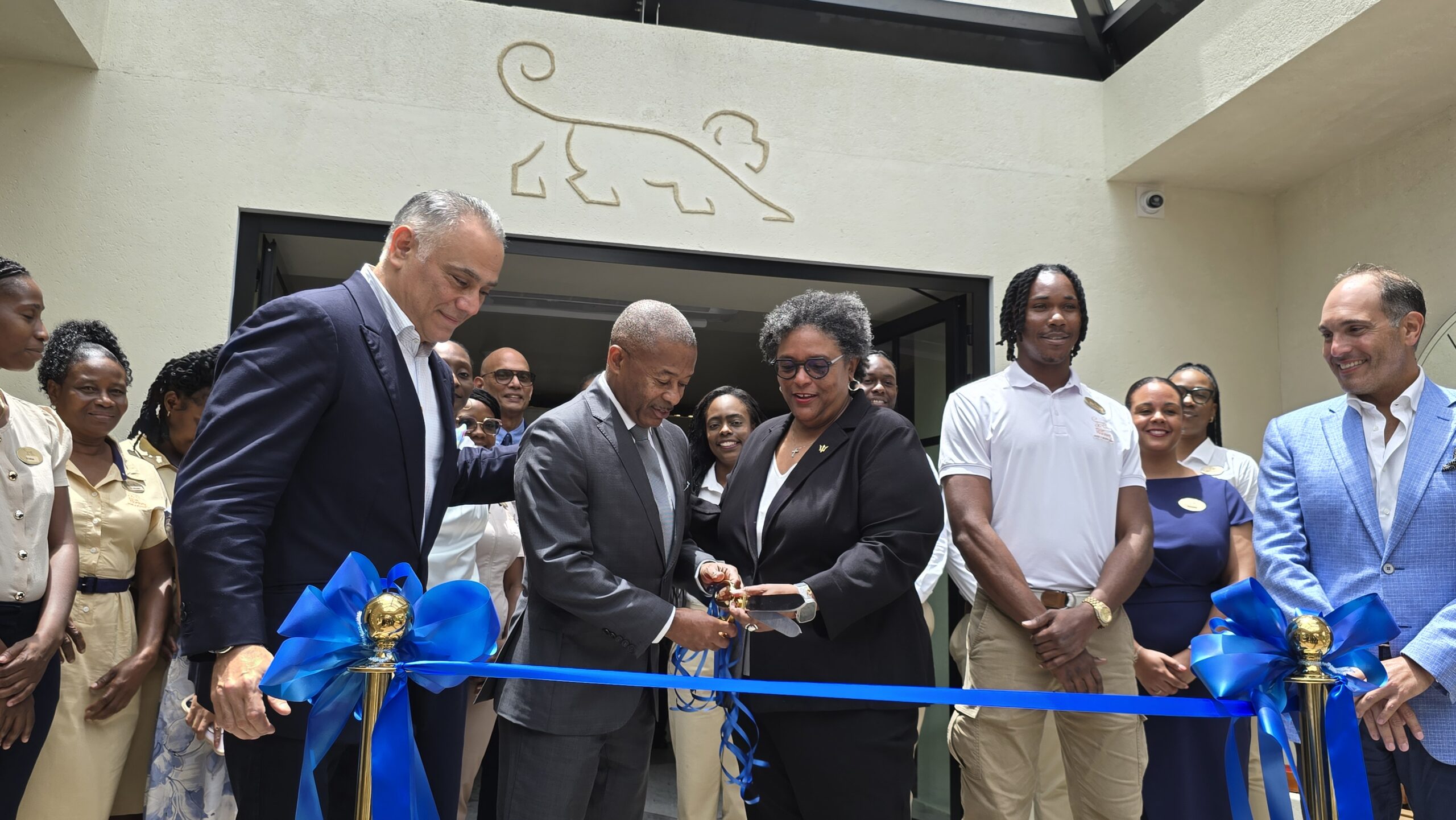
Blue Monkey hotel opens in St James with 100 jobs expected
Barbados’ burgeoning luxury tourism sector has gained a transformative new addition, with the official opening of Blue Monkey Hotel and Beach Club in the scenic Paynes Bay area of the island’s west coast. This project, which marks a major expansion of foreign investor presence in Barbados’ travel and hospitality industry, is projected to generate approximately 100 new employment opportunities for local workers.
Two years in the making, the development has breathed new life into a long-abandoned three-star motel, reimagining the derelict property as an intimate 28-room luxury boutique hotel packed with premium amenities. Visitors can now access the oceanfront Blue Monkey Beach Club, the on-site Amara Restaurant, signature Blue Bar, and the dedicated Spa Blue Monkey for a full high-end resort experience.
At the opening ceremony held in St James, C.J. Sabga, chairman of Blue Monkey Hotel and Beach Club, extended gratitude to every stakeholder that contributed to bringing the vision to fruition, from in-house management and frontline staff to local contractors, independent consultants, and regional suppliers. Sabga emphasized the project’s deep commitment to local employment, noting that more than 90 percent of the construction team was made up of Barbadian nationals. Moving forward, over 95 percent of the hotel’s permanent full-time workforce will be drawn from local talent, adding 100 new roles to the more than 600 Barbadians already employed by the investor group’s existing businesses across the island.
In a notable milestone for the Barbados tourism industry, Blue Monkey is only one of two hotels in the country to gain membership in Leading Hotels of the World, the prestigious New York-based international marketing collective that curates more than 400 independent luxury properties across over 80 countries. “This commitment to excellence is why we are especially proud to join the prestigious Leading Hotels of the World collection, one of only two hotels in Barbados that fly the flag, bringing further international recognition to the shores of Barbados,” Sabga said.
Brian Tatem, the hotel’s general manager, commended the ownership group for its forward-thinking vision to build a destination that highlights the unique warmth of Barbadian hospitality, while prioritizing investment in ongoing staff training and service quality. “They have invested in our team because they understand outstanding service begins with outstanding people. Through training, encouragement, and a commitment to excellence, they have empowered our staff to deliver memorable experiences with warm professionalism and genuine Barbadian hospitality,” Tatem explained. He added that the entire team is aligned on a core promise: to deliver exceptional service that exceeds guest expectations, regardless of whether visitors are staying overnight, dining at Amara, or enjoying a cocktail at the oceanfront Blue Bar.
Peter George, a hotel shareholder and owner of both Amara Restaurant and Blue Bar, noted that the new boutique property aligns perfectly with the national government’s ambitions to position Barbados as a top-tier luxury tourism destination. “It’s a distinct pleasure and with a real sense of excitement, not just for the commercial opportunity, but for the opportunity to bring something truly special to Barbados. We’ve assembled a great team, put together a great product, albeit boutique. That we think is commensurate with the goals and the huge strides that Barbados has made under this prime minister and her government,” George said.
Barbados Prime Minister Mia Mottley joined the ceremony to celebrate the opening, framing the project as a prime example of the nation’s new Tourism 3.0 strategy, which focuses on repurposing existing underused tourism assets to drive sustainable growth. Mottley pointed out that Blue Monkey is the second repurposed hotel she has opened in recent weeks, demonstrating the success of this approach to renewing Barbados’ mature tourism industry, one of the Caribbean’s most established.
“Tourism 3.0 is not simply as critical as this is about the rebuilding and repurposing of existing assets, but it is also about the rebuilding and the repurposing of the industry and our love affair with this industry,” Mottley said. The prime minister emphasized that getting the Tourism 3.0 transition right is critical to the long-term prosperity of the entire island, noting that a strong tourism sector lifts a wide range of connected local industries, from manufacturing and agriculture to retail and distribution. She thanked the Blue Monkey investors for their confidence in Barbados and expressed optimism that the sector will continue to grow and benefit all Barbadians if the nation maintains its commitment to excellence.
-
‘We were like two brothers’: Father mourns son killed in Au Pos accident
A tight-knit Saint Lucian community is grappling with senseless loss after a tragic Sunday road accident claimed the life of 30-year-old Andrez “Sackey” Forde, a beloved resident of Marchand who family members describe as the steady backbone of their household.
Forde lost his life when the vehicle he was operating veered off the roadway and plummeted over a steep precipice at Au Ponche in Anse La Raye. A female passenger traveling with him survived the catastrophic crash but sustained critical multiple injuries; as of the latest updates, she remains hospitalized in stable condition.
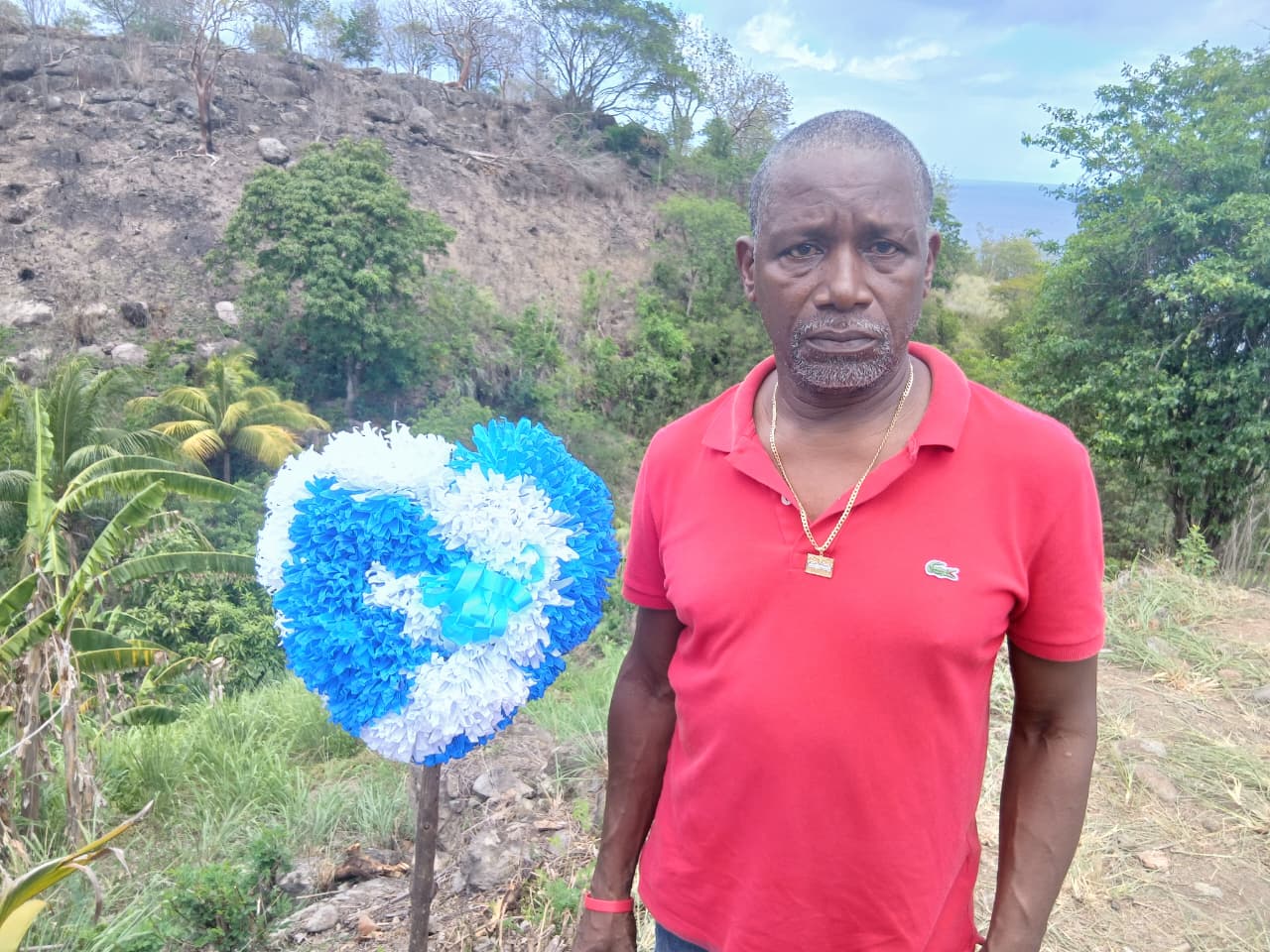
The day following the tragedy, Forde’s father Andre Forde visited the crash site, overcome with grief as he reflected on the final hours he shared with his son. Andre shared that his son had left the family home in the early hours of Sunday morning, letting his father know he was heading out before a final brief phone conversation that would prove to be one of their last. “He called… to tell me, ‘Daddy, the key for the Creta is on the dresser’,” Andre recounted.
Andre remembered his son as a respectful, compassionate young man who consistently prioritized the well-being of his parents. “My son was very nice to me,” he said. “My son was no bad person.” When asked what he would grieve most, the heartbroken father paused before sharing that the pair shared an unusually close bond. “Being there. We were like two brothers. He always talked to me… ‘Daddy, don’t worry, everything is safe, everything is alright. I will help you. You shouldn’t be working again’.”
Andre explained that he was unable to bring himself to visit the crash site immediately after receiving the devastating news, only making the trip the following day. When he arrived at the hospital to check on his son, law enforcement officers confirmed that Andrez had already succumbed to his injuries. “He told me there he had no pulse, so he was already dead,” he said quietly.
Andre also shared details of the passenger’s condition, confirming the woman had suffered broken legs and a broken arm in the fall. The loss has hit the entire family extraordinarily hard, with Forde’s mother unable to process the shock of her son’s death. “My wife… she fainted,” Andre said, adding that extended relatives have gathered at the home to support her through the initial stages of grief.
Andrez Forde is survived by his young daughter, who will now grow up without her devoted father. Hadassa, another of Andrez’s relatives, recalled the disorienting moment she learned of his passing. She said she woke to panicked voices in her home before realizing a video of the crash was circulating in a local family group chat. Initially too anxious to open the messages, she eventually looked at the footage and confirmed her relative’s identity. She added that the entire family is still struggling to accept that the sudden tragedy has occurred.
Local law enforcement authorities have confirmed that the investigation into the circumstances of the fatal crash is still ongoing, with no further details released to the public as of yet. In the days since the accident, family and loved ones have gathered at the crash site to leave a small memorial in Andrez’s honor, honoring the life of the caring man gone far too soon.
-
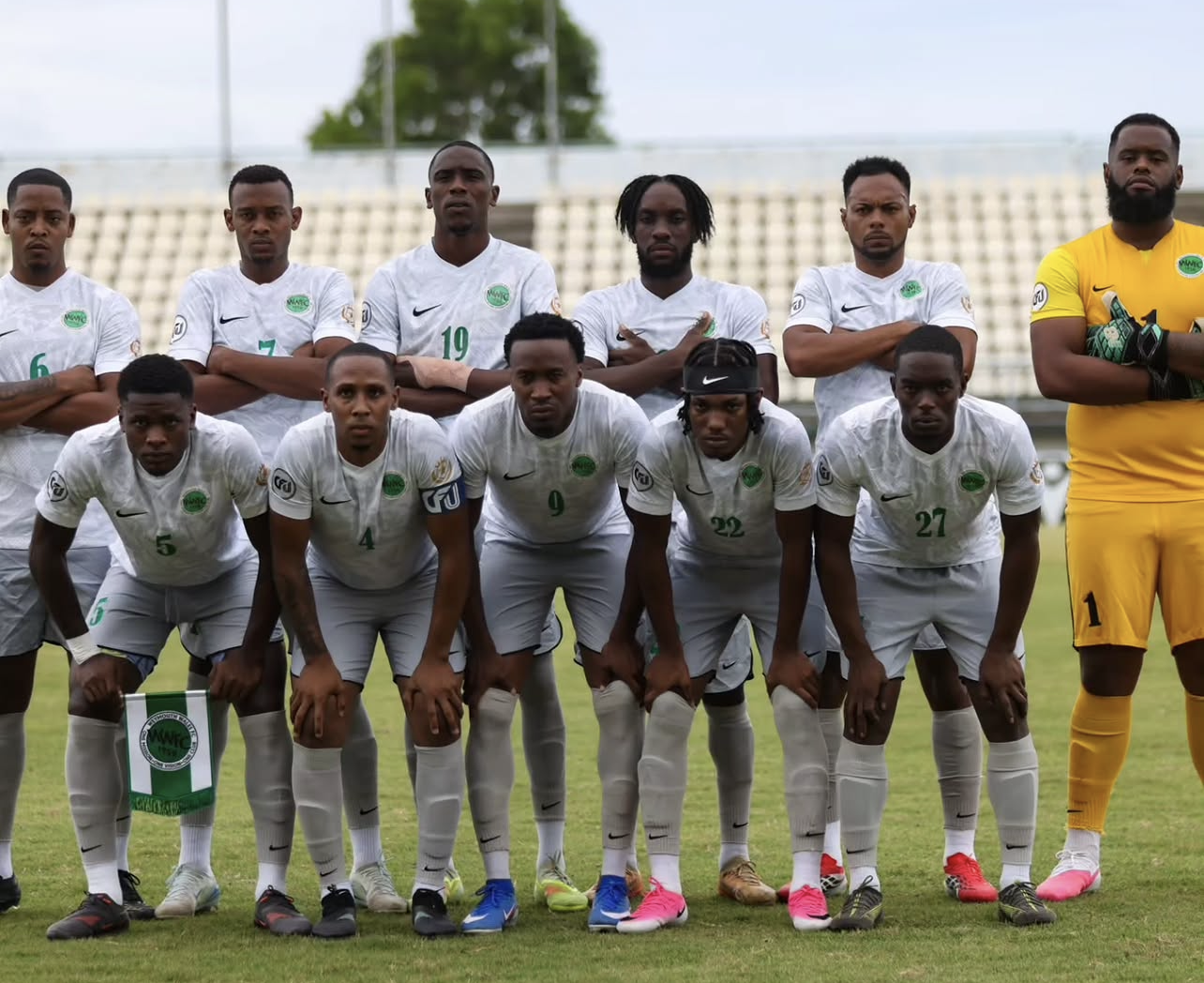
Weymouth Wales positive ahead of CFU Shield quarterfinal
As football fans across the Caribbean gear up for one of the most anticipated knockout matches of the regional calendar, five-time consecutive Barbados Football Association Premier League title holders Weymouth Wales have entered their Caribbean Football Union Shield quarterfinal tie against Jamaica’s Mount Pleasant in Trinidad and Tobago brimming with quiet confidence. The fixture, scheduled for Tuesday, marks one of four pivotal quarterfinal matchups that will determine which teams advance to the next stage of the regional competition. Weymouth Wales, who finished as runners-up in their domestic league last season, face a formidable test against the Jamaican side, which carries the prestige of being current CONCACAF Cup champions.
In an exclusive interview with Barbados TODAY from his team’s base in Trinidad, Weymouth Wales head coach Asquith Howell outlined his side’s approach to the high-profile clash, saying the team would stick to the same game philosophy that has carried them through previous knockout tournaments. “We will go in there with the same mindset,” Howell explained. “We respect them fully because they are CONCACAF Cup champions, but at the end of the day, 11 players play against 11 players on the same pitch. We hope we don’t only make ourselves proud, but the entire nation of Barbados as well.”
The Barbadian side will have to navigate the challenge without one of their key attacking threats: speedy starting winger and former Barbados national team captain Rashad Jules, who is suspended for the tie after receiving a red card in the team’s previous CFU Shield encounter. Compounding the selection headache for Howell is a fitness doubt over midfielder Kemar Headley, who picked up an injury in Weymouth Wales’ opening group stage match against S.V. Britannia. Headley has been named to the match day squad but is listed as 50/50 to feature, with Howell indicating he will start the game on the bench as a precaution.
Weymouth Wales progressed out of the group stage with a dramatic 4-3 penalty shootout win over S.V. Britannia, after the two sides played to a 1-1 draw in 90 minutes of regulation time. Howell admitted that his team made costly mistakes in that opening game that they have since worked to correct. Armando Lashley gave the Barbadians an early lead, but Howell said the side let their guard down immediately after the opening goal, falling into the same bad habit that plagued some of their domestic BFA Premiership results during the current campaign.
“We went in there with a clear game plan, but I think our guys got complacent right after we scored that early goal,” Howell said. “We stepped off the gas, just like we did in some BFA matches this season when we failed to convert our chances to finish off games and put the result away. That was definitely a point of concern for the coaching staff, but we’ve put in the work over the last few days to fix those small errors, and I think we are fully prepared to take on Mount Pleasant.”
Over on the Mount Pleasant camp, the Jamaican side is just as confident of securing a positive result, with Sporting Director Paul Christie saying the team is targeting not just a win on Tuesday, but lifting the entire CFU Shield trophy. Unlike Weymouth Wales, Mount Pleasant received a bye directly to the round of 16, where their scheduled opponent All Saints United withdrew from the competition, giving the Jamaican side a walkover straight to the quarterfinals. This means Tuesday’s clash will be Mount Pleasant’s first competitive fixture of this year’s tournament.
Speaking ahead of the tie to the Jamaica Observer, Christie said the club thrives under the pressure of high-stakes knockout football, drawing on his nearly 30 years of experience in the sport. “I’ve been in football for almost 30 years, and I’ve never felt pressure in my career. I don’t do pressure – we live for moments like this,” Christie said. “When people say a result can’t be done, we work to show them there’s always a way, and our job is to find that way. For truly great players, the bigger the moment, the brighter they shine. If you can’t perform when the stakes are highest, you’re in the wrong sport.”
Christie added that the tie represents a historic opportunity for the club to claim its first CFU Shield trophy, a piece of silverware that has never been added to the Mount Pleasant club’s collection. He stressed that the team would not take the field with an overconfident, entitled attitude, instead focusing on executing their game plan to earn the result. “This is our chance to bring a trophy home that has never been in Mount Pleasant’s trophy cabinet,” he said. “We aren’t going into this match thinking we are owed a win. We know we have to work for every moment, we will do the best we can, and accept whatever result comes after that.”
-

CARICOM Eminent Persons Group welcomes Haiti’s electoral calendar, calls for broad participation
Haiti’s long journey toward reestablishing stable constitutional rule has reached a landmark turning point, after the country’s Provisional Electoral Council (CEP) released a detailed timeline for upcoming general elections — a move that has earned formal praise from a top Caribbean diplomatic task force.
Created in May 2023 under the umbrella of the Caribbean Community (CARICOM), the Eminent Persons Group (EPG) functions as a high-level diplomatic body dedicated to addressing Haiti’s deepening political and security crisis. The group draws on decades of regional leadership experience, counting three former heads of government among its ranks: Dr. Kenny Anthony of Saint Lucia, Perry Christie of The Bahamas, and Bruce Golding of Jamaica. Its core mandate centers on facilitating inclusive cross-party political dialogue, forging consensus on urgent security priorities, and supporting Haitian-led efforts to rebuild functional democratic institutions and restore constitutional governance.
Earlier this year, the EPG made the decision to delay a planned on-the-ground visit to Haiti, noting that the team would hold off on travel to continue monitoring rapidly shifting political developments in the country. That posture of cautious observation shifted with the CEP’s publication of the electoral calendar, which the EPG described as a critical breakthrough that brings much-needed clarity to a process that has remained uncertain for years for both Haitian political actors and the broader international community.
Under the newly released timetable, the first round of voting is set to take place on December 13, 2026. Ballots will be cast to select a new president, fill all seats in the national legislature, and approve a package of proposed constitutional reforms. The calendar lays out clear timelines for all key pre-election preparatory steps, including the registration of political parties, individual candidates, electoral coalitions and platforms, as well as a national voter registration drive to update Haitian electoral rolls ahead of polling day.
In its official statement, the EPG underlined that sustained coordination between the CEP and every sector of Haitian society will be indispensable to keeping the electoral process on track. The group issued a formal call to all political parties, civil society organizations, community leaders and other national stakeholders to engage actively in the process, uphold procedural rules, and work collectively to ensure all electoral requirements are fully met before voting begins.
Successful inclusive preparation, the EPG argued, will clear the way for Haitian citizens to exercise their democratic right to choose their next government in a free, fair and credible process, laying the groundwork for the full restoration of constitutional order in a country that has operated without elected governance for years.
The task force also joined the CEP in highlighting a critical unmet need: dramatic improvements to national security before election preparations advance much further. A secure, stable environment is non-negotiable for a credible electoral process, the group stressed, and it called on all nations contributing troops and police to the multinational Gang Suppression Force (GSF) to accelerate deployment of their personnel to Haiti. Early deployment of the GSF, the EPG noted, would allow international security assistance to take root and expand well in advance of the December 2026 first round voting, creating the secure conditions needed for a smooth election.
In closing, the EPG emphasized that parallel progress on two interconnected tracks will make or break Haiti’s democratic transition: steady advancement of electoral preparations, and concrete improvements to national security. Both are essential to delivering a credible election that sets Haiti on a sustainable path toward restored democratic rule.
-
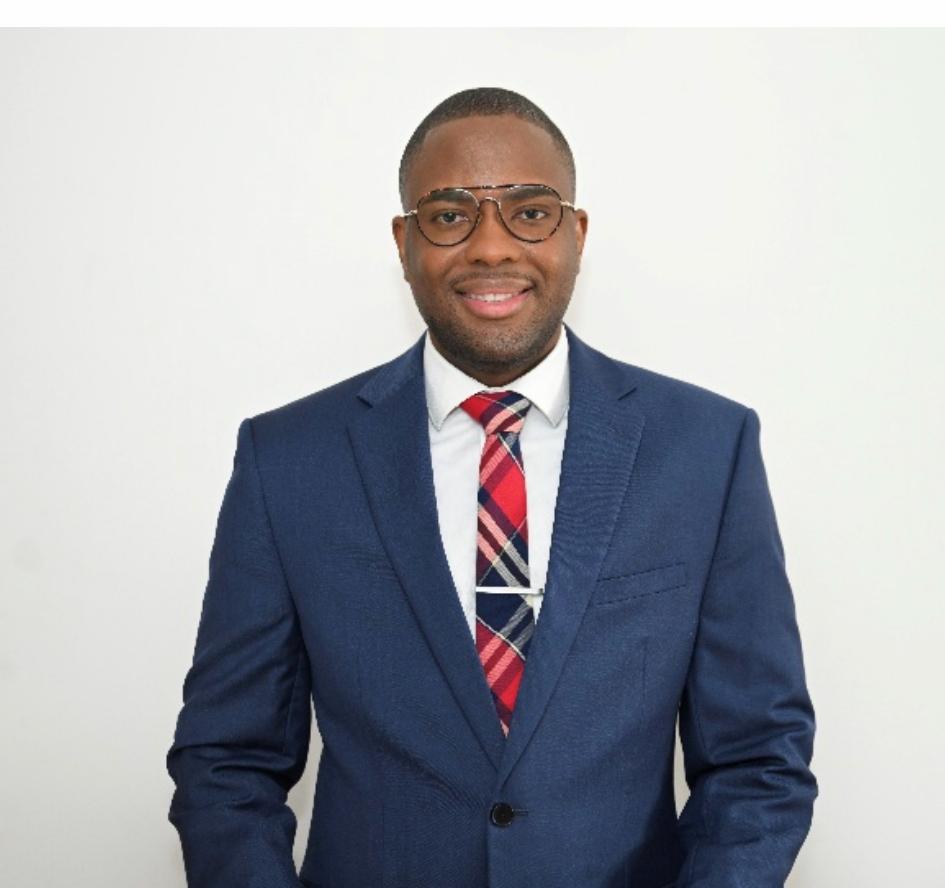
Barbadian elected to key Commonwealth law-writing body
In a landmark moment for Caribbean legal leadership, Barbadian legal professional Shaquille Newton has secured a historic position on the governing body of the Commonwealth Association of Legislative Counsel (CALC), breaking new ground for small island developing states across the global bloc. Elected earlier this month during CALC’s full conference and general assembly held in Singapore, Newton will serve as the official representative for the Americas region on the association’s leadership council. His election follows closely on the heels of another Caribbean milestone: Jamaican attorney Michelle Daley became the first person from the Caribbean region to be elected president of CALC, marking a unprecedented shift in regional representation at the top of the 42-year-old organization. Together, the pair have cemented the Caribbean’s growing influence in shaping global standards for legislative drafting across the Commonwealth.
Newton, currently a senior legal advisor with the United Kingdom’s Foreign, Commonwealth and Development Office (FCDO) working on the US-UK criminal justice reform initiative, brings a wealth of hands-on experience to the new role. Prior to joining the FCDO, he served as a parliamentary counsel in Barbados’ Attorney General’s Chambers, where he drafted dozens of key pieces of national legislation and contributed to high-priority law reform projects across the island. The trailblazing attorney emphasized that his historic election is far more than a personal achievement: it opens new doors for small island nations like Barbados to contribute meaningfully to global conversations about the rule of law. As an accredited Commonwealth institution, CALC maintains direct input into key multilateral forums including the Commonwealth Heads of Government Conference, giving Newton and Daley a platform to center the unique legislative challenges faced by small and developing jurisdictions that have long been overlooked by larger, more established members.
At the core of Newton’s policy agenda is a pressing issue that has plagued Barbados and many other jurisdictions across the Americas: a critical shortage of skilled legislative drafters. He noted that across the global legislative drafting community, there is a well-documented dearth of qualified professionals, making capacity building the top priority of his tenure. “It is my goal, as Americas’ representative, to embark on initiatives to help build capacity in legislative drafting,” Newton shared in an interview with Barbados TODAY. He added that the historic election of two Caribbean leaders to CALC’s top leadership holds broader symbolic meaning for small jurisdictions: for the first time, nations that face unique legislative challenges distinct from larger members like the United Kingdom, Australia and Canada will be at the forefront of guiding the organization’s work, bringing fresh perspectives that better reflect the needs of the Global South.
Regional legal observers have welcomed the dual milestones, noting that the shift in leadership will elevate the global profile of Caribbean legislative drafting expertise while opening new pathways for cross-regional mentorship and collaborative reform. Founded to foster cooperation and knowledge sharing among legislative counsel across the 56-member Commonwealth bloc, CALC works to uphold rigorous global standards for legislative drafting, expand access to targeted training and mentorship, and support law reform initiatives in developing member states. During his election campaign, Newton centered his platform on strengthening unity among legislative drafters across the Americas, and pledged to expand professional development and mentorship opportunities for early-career drafters — a step he argues is critical to building long-term, sustainable legislative drafting capacity across the entire Commonwealth.
Following his confirmation as Americas’ representative, Newton expressed gratitude to CALC members for placing their trust in his leadership, and said he is eager to collaborate with President-elect Daley and the full council to deepen cross-regional cooperation across the Americas. He also paid tribute to his early mentors, retired Barbadian Chief Justice Sir David Simmons and Deputy Chief Parliamentary Counsel Shawn Raine Belle, and thanked the team at the British High Commission in Barbados — including High Commissioner Simon Mustard, Deputy High Commissioner Charley Williams, and Criminal Justice Adviser Sirah Abraham — for their ongoing support throughout his campaign and career.
A decorated legal scholar, Newton was awarded a prestigious Chevening Scholarship in 2021, and holds multiple advanced degrees focused on legislative practice. He earned a Master of Laws with Distinction in Drafting Legislation, Regulation and Policy from the University of London, a Master of Laws in Corporate and Commercial Law from The University of the West Indies, a Bachelor of Laws, and a Legal Education Certificate from the Hugh Wooding Law School, alongside a specialized certificate in law consolidation from the Regional Law Revision Centre in Anguilla. His academic research and writing on legislative drafting and law reform has been published in leading international journals, including CALC’s official publication *The Loophole* and the *European Journal of Law Reform*. During the Singapore conference, Newton presented new research titled *Operationalising Legislative Quality: A Comparative Analysis of the Drafting Conventions of Barbados, the United Kingdom and New Zealand*, which explores how technical drafting approaches directly shape the quality and efficacy of final legislation.