作者: admin

  • US investor gets green light for $35M cay revival

    US investor gets green light for $35M cay revival

    The Bahamian government has granted full regulatory approvals for US investor Matt O’Hayer’s $35 million acquisition of Great Harbour Cay’s resort infrastructure, ending 50 years of economic stagnation in the Berry Islands. Through his company Vital Shores LLC, O’Hayer will acquire the resort, marina, golf course, water utility, and fuel concession from the Fender family, who have maintained ownership since the early 1990s with minimal development.

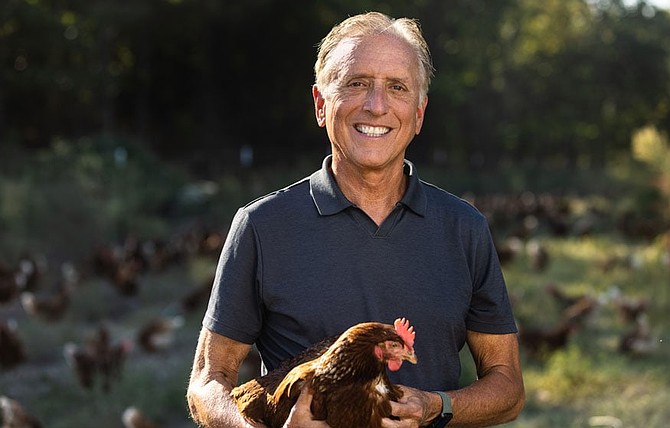
    O’Hayer, founder of Vital Farms and owner of three adjacent cays, expressed profound gratitude for the government’s cooperation, stating: “I feel like it’s a real privilege and honour, and I am one of the luckiest guys on the planet to work with the island community.” While development plans remain confidential pending transaction closure, the investor has already demonstrated commitment through local initiatives.

    The economic revitalization effort marks a dramatic turnaround for a destination that never recovered from the 1973 oil crisis and the subsequent withdrawal of original developer Louis Chesler in 1975. The Fender family’s acquisition in the 1990s—supported by tax concessions and Crown grants from the Ingraham administration—failed to produce promised development, leading to agreement revocation in the late 1990s.

    O’Hayer’s preliminary investments include:
    – Nature tours on Lignum Vitae Cay for Royal Caribbean passengers launching this week
    – Partnership with fully Bahamian-owned Bahama Island Group for operations
    – Local employment for tour guides and signage production by Berry Islands students
    – Acquisition of emergency response equipment including fire engines and amphibious rescue trucks
    – Foundation-funded infrastructure improvements already underway

    North Andros and Berry Islands MP Leonardo Lightbourne confirmed the transaction’s advanced stage, noting: “He’s not just talking but putting his money into action. He has a lot of persons employed on the various infrastructure and things he has going on.” Some title transfer complications regarding the government’s compulsory airport acquisition may require tax offsets, but stakeholders widely view the investment as transformative for the long-neglected region.


  • Jamaica, Trinidad gear up for Winter Olympics bobsleigh events set for Thursday

    Jamaica, Trinidad gear up for Winter Olympics bobsleigh events set for Thursday

    Beijing’s National Sliding Center prepares for a significant sporting moment as training sessions for the inaugural women’s monobob and the classic two-man bobsleigh events officially commence on Thursday. This marks the final preparatory phase for athletes before the intense competition begins.

    Jamaica’s Mica Moore will be among the pioneers competing in the historic women’s monobob, an event making its Olympic debut. The discipline requires athletes to single-handedly both push and pilot their sleds down the treacherous icy track. Competitors are allocated three crucial training sessions from Thursday through Saturday to acclimatize to the course conditions.

    The monobob competition will launch into its first two heats on Sunday afternoon, with the final two heats determining the medals on Monday afternoon. Mirroring the Olympic tradition of all bobsleigh events, the winner will be crowned based on the athlete with the fastest aggregate time across all four runs.

    Simultaneously, the iconic two-man bobsleigh event begins its training schedule. Jamaica will be represented by pilot Shane Pitter alongside crew members Nimroy Turgott, Joel Fearon, and Junior Harris. They will be joined by a historic team from Trinidad and Tobago, featuring pilot Axel Brown and crew Shakeel John, De Aundre John, Xaverri Williams, and Micah Moore.

    The two-man competition is scheduled to start on Monday with its initial two heats, concluding with the final two runs on Tuesday, where the medals will be awarded.

  • Senior FNMs to Minnis ‘your time has passed’

    Senior FNMs to Minnis ‘your time has passed’

    The Bahamian political landscape was thrown into turmoil following former Prime Minister Dr. Hubert Minnis’s declaration to contest the Killarney constituency as an independent candidate, effectively severing his longstanding affiliation with the Free National Movement (FNM). This unexpected move has triggered strong reactions from former cabinet members of the Minnis administration, who expressed both disappointment and criticism regarding the decision.

    Senior FNM figures characterized the move as politically damaging and historically unpromising. Former Deputy Prime Minister and Finance Minister Peter Turnquest described the development as ‘disappointing,’ framing it as symptomatic of a broader failure within Bahamian politics where veteran leaders struggle to recognize their appropriate time to exit the stage. He emphasized that independent candidates have historically faced near-insurmountable challenges in achieving electoral success within the country’s two-party dominated system.

    Former Tourism Minister Dionisio D’Aguilar offered more pointed criticism, questioning the rationale behind ending a political career through open conflict with one’s own party. He suggested Dr. Minnis would face expulsion from the FNM for challenging the party’s ratified candidate in Killarney, Senator Michaela Barnett-Ellis. D’Aguilar further noted that Dr. Minnis had already reached the apex of political office and questioned the value of returning to parliament as a backbencher.

    Adding to the chorus of concern, former Immigration Minister Brent Symonette suggested Dr. Minnis could have maintained relevance without severing party ties, arguing that meaningful contributions remained possible even after electoral and leadership defeats. He implied that an earlier, more graceful exit would have demonstrated stronger character.

    The FNM organization, through its chairman and former health minister Duane Sands, indicated it would not be distracted by Dr. Minnis’s ambitions, instead focusing support on its official candidates. Meanwhile, Senator Barnett-Ellis reported that her campaign continues unchanged, centered on addressing constituent concerns including infrastructure issues, flooding, and economic development opportunities.

  • Barbadians voting for new government

    Barbadians voting for new government

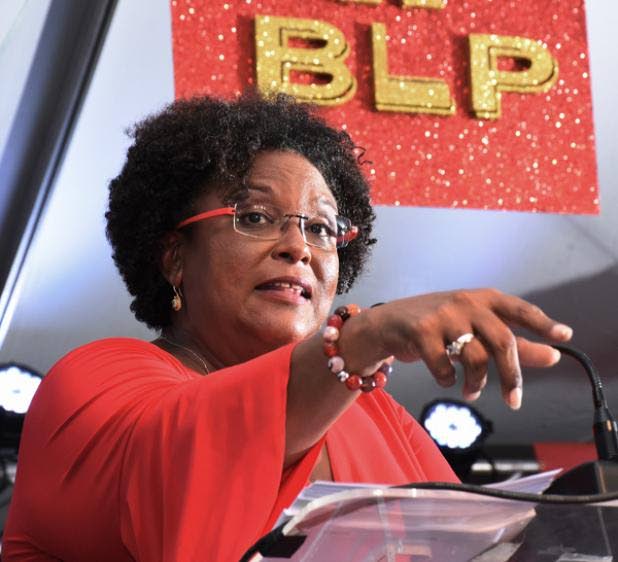
    BRIDGETOWN, Barbados — Barbados commenced a pivotal snap general election on Wednesday, with an electorate of 271,205 citizens heading to the polls. Prime Minister Mia Mottley called the vote a full year ahead of schedule, seeking to secure an unprecedented third consecutive term for her Barbados Labour Party (BLP).

    The political landscape features 96 candidates representing six political parties and independent contenders, all vying for control of the 30-seat Parliament. However, political analysts characterize the contest as primarily a bilateral struggle between the long-established BLP and the principal opposition Democratic Labour Party (DLP).

    Election authorities, under the direction of Supervisor of Elections Sherland Turton, have implemented stringent measures to safeguard electoral integrity. In an official statement titled ‘Prohibited Devices,’ Turton assured voters of complete privacy, noting that polling booths would be strategically arranged to ensure each voter enters with their back to the presiding officer.

    Polling stations opened at 6:00 AM local time, remaining operational for a 12-hour period. For the first time in the nation’s political history, the electoral process is being monitored by international observer missions from both the Caribbean Community (CARICOM) and the Commonwealth Secretariat. Prime Minister Mottley extended these invitations to preserve Barbados’ democratic reputation, simultaneously dismissing opposition requests for a postponement.

    New regulations explicitly prohibit all communication devices within polling stations, including smartphones, smartwatches, and smart pens. The Electoral and Boundaries Commission has reiterated that voters must present their national identification cards, though valid passports or driver’s licenses will also be accepted as official identification.

    Employers across the island have been formally instructed to permit workers ‘a reasonable period of not less than one hour’ for voting, with explicit prohibitions against wage deductions or any form of penalty for this absence.

    In final pre-election appeals, Prime Minister Mottley pledged to BLP supporters that ‘there will not be arrogance’ in her party, which achieved a historic clean sweep of all parliamentary seats in the previous two elections. Opposition DLP leaders countered with calls to ‘restore the balance’ in the country, urging voters to ‘take back our country.’

  • Shooter kills 9 at Canadian school, residence

    Shooter kills 9 at Canadian school, residence

    A remote Canadian community in British Columbia is grappling with profound grief after one of the nation’s deadliest mass shootings claimed nine lives and injured 27 others on Tuesday. The tragedy unfolded across multiple locations in Tumbler Ridge, including the local secondary school and a private residence.

    According to the Royal Canadian Mounted Police, the violent incident began at Tumbler Ridge Secondary School where an active shooter situation prompted immediate lockdown protocols. Law enforcement personnel responding to emergency alerts discovered six fatalities at the educational institution, while a seventh victim succumbed to injuries during transport to medical facilities. Subsequent investigations revealed two additional victims at a residential property believed connected to the assault.

    The alleged perpetrator was found deceased at the school premises with what authorities described as an apparent self-inflicted gunshot wound. Initial police communications had characterized the suspect as a ‘female in a dress with brown hair,’ though officials have withheld further identification details pending formal investigation. Police Commander Ken Floyd confirmed the deceased individual matched the description in emergency alerts but declined to elaborate on potential motives or background.

    Prime Minister Mark Carney expressed being ‘devastated’ by the horrific violence, canceling scheduled diplomatic engagements at the Munich Security Conference to address domestic priorities. British Columbia Premier David Eby characterized the event as ‘unimaginable,’ while Public Safety Minister Nina Krieger acknowledged the shooting as among the worst mass casualty incidents in provincial and national history.

    Survivor accounts emerged as the community processed the trauma. Student Darian Quist recounted to CBC News receiving disturbing images during the lockdown that revealed the unfolding carnage. ‘It set in what was happening,’ Quist stated, describing the more than two-hour confinement before police evacuation.

    Tumbler Ridge, a mountainous community of approximately 2,400 residents located 1,100 kilometers north of Vancouver, represents an unlikely setting for such violence in a country where mass shootings remain statistically rare. The municipality released an official statement acknowledging the ‘profound impact this tragedy has had on families, students, staff, and our entire town.’

    Investigation efforts continue as law enforcement examines additional properties for potential connections to the incident, while the nation reflects on comparative tragedies including last April’s vehicle attack in Vancouver that killed eleven attendees at a Filipino cultural festival.

  • Wisynco reaps gains from expansion as earnings jump

    Wisynco reaps gains from expansion as earnings jump

    Jamaican manufacturing giant Wisynco Group Limited has demonstrated remarkable operational resilience, turning a major hurricane disruption into a showcase for its strengthened production capabilities and diversified distribution network. The company’s substantial $5 billion strategic investment over three years proved its worth when Hurricane Melissa struck western Jamaica in late October, testing the infrastructure of the entire region.

    Despite severe damage to tourism infrastructure and utility networks that forced closures at major resorts including Hyatt and Royalton properties, Wisynco emerged from the crisis with impressive financial results. The company’s October-to-December quarter performance revealed a 14% revenue surge to $16.19 billion, driven by enhanced production capacity and successful distribution channel management.

    The hurricane’s impact on food service and hotel channels was effectively offset by stronger performance across other distribution networks. Chairman William Mahfood noted that the company’s expanded manufacturing capabilities, developed over the past 18 months, have begun yielding significant dividends. “We’re getting greater production, greater demand and meeting the demand out there,” Mahfood stated in an interview with Jamaica Observer.

    Wisynco’s scale advantages became increasingly evident as higher output volumes allowed for more efficient absorption of fixed costs. This operational leverage propelled gross profit upward by 27% to $5.92 billion, while operating profit skyrocketed 54% to $1.85 billion. Net profit reached $1.48 billion, representing nearly 50% growth compared to the same period last year.

    The company’s strategic moves extended beyond organic growth, with Wisynco revealing its acquisition of a 30% stake in Ringtail Holdings Limited for $2.45 billion. This transaction implicitly values the alcoholic beverage group at approximately $8.16 billion. Additionally, Wisynco acquired Ringtail Bottlers Limited for $161.29 million, further strengthening its position in brewed and alcoholic beverages.

    Market confidence in Wisynco’s trajectory is evident in its stock performance, with shares climbing 22% year-to-date to close at $22.74. This performance elevates the company into the top 10 listings on the Jamaica Stock Exchange by market capitalization, now standing at $86.48 billion. The declaration of a $0.23 dividend payable in March further underscores management’s belief in the sustainability of current earnings growth.

    Looking forward, Mahfood expressed optimism about reconstruction-driven demand through 2026, particularly noting continued momentum from the company’s alcohol-based products. The company’s export business also grew by 14%, though it remains a modest portion of overall sales at just 2%.

    Wisynco’s leadership acknowledged the hurricane’s severe impact on western parishes while commending the resilience demonstrated by Jamaicans and relief organizations during the recovery efforts.

  • NEW TAXES AHEAD

    NEW TAXES AHEAD

    Jamaica stands at a critical fiscal crossroads as it prepares to implement its first new tax measures in almost ten years, marking a significant departure from its sustained policy of fiscal discipline. This strategic shift comes in direct response to the catastrophic impact of Hurricane Melissa, which inflicted an estimated US$8.8 billion in damages—equivalent to 41% of the nation’s GDP—when it struck on October 28th.

    According to prominent economist Dr. Damien King, the sheer scale of destruction has fundamentally reshaped Jamaica’s economic landscape, making previous commitments to balanced budgets and a ‘no new taxes’ pledge untenable. The hurricane’s aftermath has created dual pressures: sharply reduced revenue streams, particularly from the hard-hit western regions where tourism, agriculture, and retail sectors suffered severe disruptions, and simultaneously surging expenditure demands for reconstruction.

    The government’s fiscal response will likely involve a multi-pronged approach combining additional borrowing, a temporary pause in debt reduction targets, and new revenue-generating measures. Since the disaster, the administration has already presented four supplementary estimates to Parliament, increasing total expenditure from approximately $1.26 trillion to $1.39 trillion to address immediate recovery needs.

    Despite these short-term challenges, King emphasizes that Jamaica’s hard-won fiscal credibility remains intact, thanks to over a decade of disciplined reform that has transformed the nation from being the world’s third most indebted country to possessing what he describes as ‘world-class improvements’ in fiscal management. This foundation has allowed Jamaica to absorb the shock without alarming international lenders or credit rating agencies.

    The upcoming 2026/27 Estimates of Expenditure, to be tabled by Finance Minister Fayval Williams, will represent what King terms a ‘hurricane budget,’ acknowledging that reconstruction costs cannot be absorbed within existing revenue frameworks. The Independent Fiscal Commission projects tax collections will fall $80 billion below original estimates this fiscal year, further limiting options for funding recovery without new revenue measures.

    While the path forward may delay Jamaica’s target of reducing debt-to-GDP to 60% by several years, economists maintain confidence that the benchmark will eventually be achieved, demonstrating the nation’s resilient fiscal framework even in the face of unprecedented natural disaster.

  • Medical ganja has been mishandled, not misunderstood

    Medical ganja has been mishandled, not misunderstood

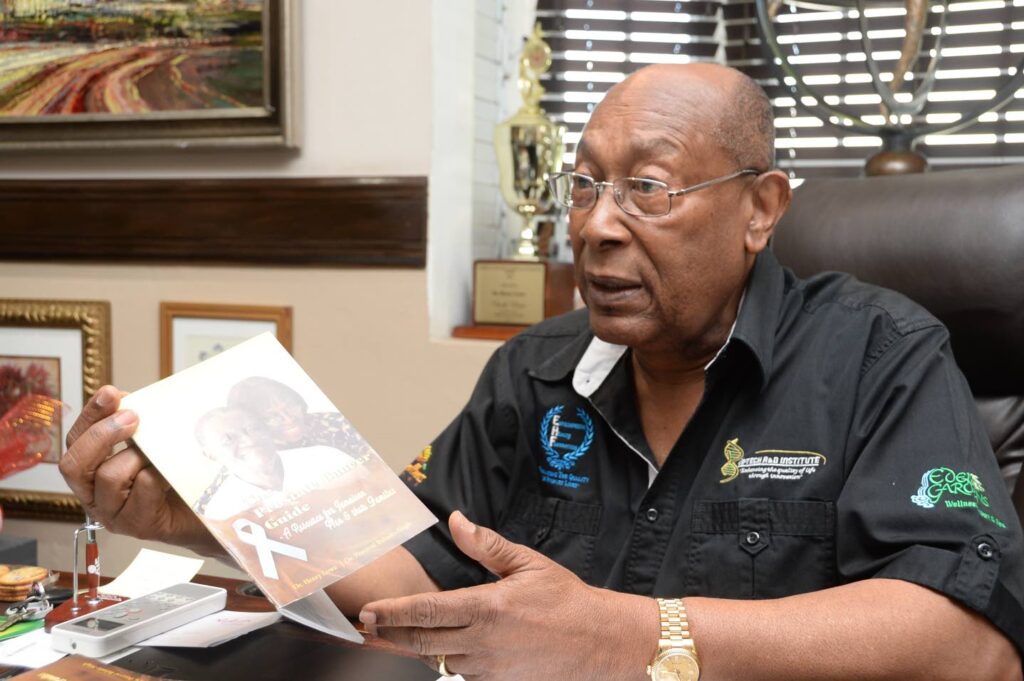
    Jamaica faces the imminent collapse of its legal cannabis industry due to systemic governance failures and lack of political commitment, according to Dr. Henry Lowe, a foundational figure in medical cannabis research. The renowned scientist, who co-developed one of the world’s first cannabis-derived glaucoma treatments, asserts that institutional timidity and regulatory confusion have squandered the nation’s pioneering advantage.

    Dr. Lowe’s critique highlights how Jamaica’s early breakthrough in cannabis medicine—including the revolutionary glaucoma eye drops he developed with colleagues—failed to translate into commercial leadership. While global markets expanded, foreign entities capitalized on Jamaican research and genetic resources without adequate local benefit. “What was developed here was commercialized elsewhere,” Lowe noted, emphasizing that decisive action could have prevented this intellectual drainage.

    The researcher sharply distinguishes between medical and recreational use, advocating for regulated medical applications while expressing concern about uncontrolled consumption. “Cannabis is a drug requiring proper dosage and purpose,” he stressed, underscoring the necessity of medical frameworks for safety and efficacy.

    Lowe attributes the industry’s underperformance to successive administrations from both major political parties (PNP and JLP) that offered rhetorical support but failed to implement effective policies. He particularly criticized the Cannabis Licensing Authority’s conflicting dual role as both regulator and promoter, arguing that this fundamental design flaw inhibits progress. Additional coordination gaps between the Ministry of Health and other agencies have further stalled development.

    Unless immediate corrective measures are implemented, Lowe warns of total industry collapse. “I only see the negative aspects highlighted in media,” he observed, noting that without urgent structural reforms, Jamaica’s medical cannabis sector faces irreversible decline.

  • Jamaica decriminalised ganja — but the industry that was promised never took root

    Jamaica decriminalised ganja — but the industry that was promised never took root

    A decade following Jamaica’s landmark decision to decriminalize cannabis and establish a regulated industry, the envisioned export-driven, cultivation-centric market has failed to materialize. Instead of flourishing, licensed operators are confronting severe structural constraints that have forced a strategic pivot away from traditional farming models.

    Jacana Wellness, a vertically integrated cannabis company established in 2017-2018, exemplifies this industry struggle. Operating cultivation and processing facilities in St. Ann alongside four retail apothecaries across Jamaica, the company has been compelled to close underperforming outlets while navigating what executives describe as fundamental flaws in the nation’s regulatory framework.

    “The boom is gone,” stated Nicholas Deane, Jacana’s farm operations manager. “What remains is whether the industry can actually survive under its current structure.”

    The financial burden of compliance presents perhaps the most significant challenge. Licensed cultivators face mandatory security requirements including fencing, surveillance systems, and armed protection, coupled with substantial annual licensing fees exceeding $3,500 per acre before operational costs. These regulatory expenses create prohibitive entry barriers for small farmers and strain established operations.

    Stephen-John Brown, Jacana’s quality and compliance manager, detailed the cumulative impact: “When you start adding it up—cultivation licence, processing approvals, transport permits, police records for staff, environmental permits—it becomes a very expensive business to run.”

    Compounding these challenges, limited access to conventional banking services has forced operators to rely heavily on cash transactions, restricting growth potential and resilience against economic shocks. This financial bottleneck has accelerated industry consolidation, favoring vertically integrated companies that can control multiple supply chain segments.

    The export market, initially touted as Jamaica’s primary opportunity, has proven particularly difficult to penetrate. International buyers typically demand pharmaceutical-grade specifications designed for indoor cultivation, creating standards nearly impossible to meet through Jamaica’s traditional outdoor farming methods. Meeting these requirements often necessitates costly post-harvest treatments that compromise product quality and potency.

    Consequently, Jacana and other survivors have shifted focus toward wellness products and CBD formulations, which face fewer regulatory hurdles and enjoy growing consumer demand. The company now derives approximately 70% of domestic sales and 30% of exports from its CBD and wellness lines, which include tinctures, topical balms, and botanical formulations supplied to hospitality venues and international markets.

    This strategic adaptation highlights the fundamental contradiction within Jamaica’s cannabis framework: while cultivation was intended as the industry’s foundation, the regulatory environment has ultimately rewarded businesses that minimize agricultural risk. Nearly ten years after legalization, the critical question facing policymakers is whether the existing structure can be realigned to support the inclusive, export-driven vision originally promised.

  • Costs and disruption shape LASCO affiliates’ Q3 results

    Costs and disruption shape LASCO affiliates’ Q3 results

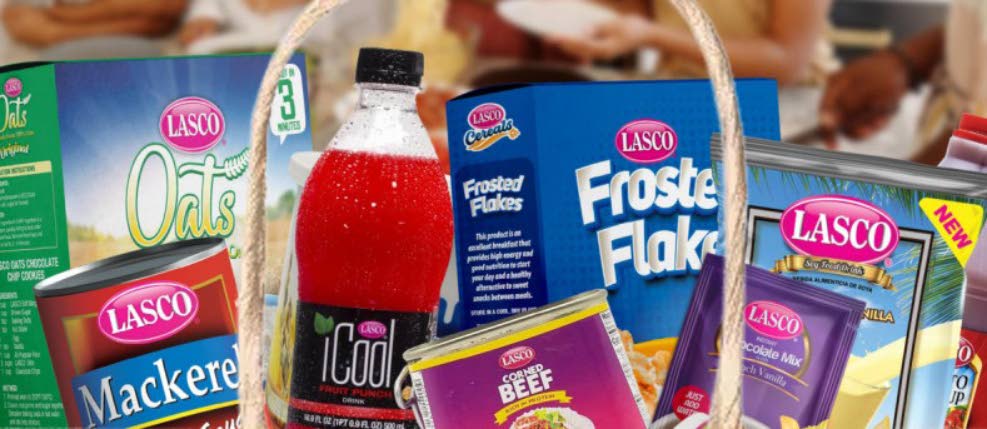
    Two sister companies under the LASCO umbrella presented contrasting financial outcomes for the third quarter, with LASCO Distributors experiencing robust sales growth undermined by rising costs, while LASCO Manufacturing contended with operational disruptions caused by Hurricane Melissa.

    LASCO Distributors announced an 8.1% revenue increase during the December quarter, driven by consistent demand across its primary product categories and ongoing market development. Despite this top-line expansion, the company’s profitability faced compression due to escalating operational and financial expenditures. Managing Director John De Silva identified increased staff-related expenses, amplified marketing investments, and heightened security costs as primary contributors to the margin squeeze. Additionally, rising financing expenses further impacted the bottom line.

    De Silva emphasized that the company’s fundamental business operations remain strong, noting that growth acceleration validates the effectiveness of current demand-generation initiatives. Significant infrastructure investments nearing completion are expected to become operational in the final quarter, potentially enhancing future performance. The company has been actively expanding its distribution network, intensifying marketing efforts, and developing logistics and warehouse capabilities. These strategic moves have begun yielding results, with export operations and pharmaceutical ventures now constituting approximately 20% of total revenue.

    Conversely, LASCO Manufacturing faced distinct challenges during the quarter. Managing Director James Rawle reported that Hurricane Melissa forced a week-long suspension of manufacturing operations, resulting in production delays and diminished sales volume. Consequently, the company recorded decreased revenue and compressed gross margins for the December quarter. Despite these setbacks, LASCO Manufacturing achieved a slight improvement in net profit compared to the same period last year. Over the nine-month timeframe, operating profit and earnings demonstrated gradual stabilization despite revenue trailing behind previous year levels.

    Both companies expressed optimism regarding their future trajectories. LASCO Distributors anticipates that ongoing demand-building initiatives and infrastructure enhancements will bolster performance, with exports and pharmaceutical products expected to drive growth. LASCO Manufacturing remains focused on achieving annual targets, expressing confidence in operational stabilization following hurricane-related interruptions. Rawle reaffirmed the company’s commitment to delivering sustained value growth for all stakeholders.