作者: admin

  • Culture, identity and self-determination highlight day two of Kwanzaa

    Culture, identity and self-determination highlight day two of Kwanzaa

    The Ngozi Farm and Cultural Sanctuary in Turners Hall, St Andrew, became a vibrant hub of cultural celebration and introspection this Saturday during the second day of Kwanzaa observances. The fifth annual event, continuing through January 1, operated under the thematic banner ‘Embracing Identity and Resilience: Standing Strong in Our Heritage of Self-Determination, Creating Sustainable Futures,’ drawing diverse community participation.

    The day’s proceedings commenced with an artisan market before transitioning to traditional heritage games in the afternoon. The celebration specifically honored Kujichagulia (self-determination), the second principle of Kwanzaa, emphasizing cultural identity and communal empowerment.

    A particularly memorable segment was the Blessing Ceremony, characterized by rhythmic chanting, melodic singing, and powerful drumming during an animated procession into the sanctuary. Ireka Jelani, founder of Ngozi Farm and Cultural Sanctuary, greeted attendees by emphasizing the event’s purpose: ‘We are here to celebrate family, we are here to celebrate culture, we are here to celebrate heritage, and we are here to celebrate community.’

    The government-supported event featured an address from Senator John King, Special Advisor on Culture and Cultural Heritage in the Prime Minister’s Office. Senator King advocated for universal unity, stating, ‘I want to encourage every single person in this room to think of yourself not in terms of color, not in terms of white or black, Jew or Gentile, none of those things. I want you to begin to think of yourselves as a part of the human family.’ He further elaborated on Kwanzaa’s significance as an opportunity for collective reflection and progressive movement as a unified people.

    Shameka Watson, representing St Andrew’s parliamentary representative Dr. Rommel Springer, addressed the concept of self-determination as reclaiming historical narratives and instilling in youth the understanding that their heritage is fundamentally rooted in greatness.

    The celebration culminated in a cultural extravaganza featuring performances by saxophonist Shakhouri Thompson, Poetree Barbados, Haynesville Youth Club, the All Nation Drummers, and concluded with a high-energy finale by reggae band The Rite Side of Red.

  • LETTER: The UPP’s Shameless Hypocrisy: A Party That Weaponized the Law Now Pretends to Be Its Victim

    LETTER: The UPP’s Shameless Hypocrisy: A Party That Weaponized the Law Now Pretends to Be Its Victim

    A vehement editorial has sharply criticized the United Progressive Party (UPP) of Antigua and Barbuda for its recent claims of political persecution, labeling the allegations as intellectually insulting to the nation’s citizens and a blatant distortion of recent historical events. The piece presents a counter-narrative asserting that the UPP itself was the primary architect of systemic political victimization during its decade-long tenure from 2004 to 2014.

    According to the analysis, the UPP’s governance was characterized by a sustained vendetta against members and supporters of the rival Antigua Labour Party (ALP). The stated objective behind these actions was reportedly not the pursuit of justice but rather the strategic humiliation, intimidation, and political eradication of opponents. State institutions were allegedly manipulated to facilitate partisan revenge, treating individuals associated with the ALP as presumptive criminals.

    The commentary highlights the deployment of a foreign forensic investigator as a theatrical tactic intended to sway public perception rather than address genuine institutional failures. This approach, described as a form of political theater, was designed to create an illusion of inevitable convictions despite a complete absence of judicial outcomes. High-profile cases, such as those against Cutie Benjamin and Tanny Rose, were widely publicized in media and leveraged at political rallies as intimidation tools, yet all ultimately resulted in dismissals.

    A coordinated legal assault involving multiple civil lawsuits was also launched against former ALP ministers, including current figure Gaston Browne, with the alleged aim of bankrupting and silencing political adversaries. After incurring millions in legal fees and inflicting severe reputational damage, every initiated case collapsed under judicial scrutiny without a single conviction or finding of wrongdoing.

    The most egregious episode cited occurred during the 2009 general election campaign, when the sitting Prime Minister publicly threatened former ministers with imprisonment without trial—an act characterized as mob politics that undermined parliamentary democracy. Within parliament, UPP members openly boasted of endless investigations and permanent harassment against opponents, displaying contempt for due process and the presumption of innocence.

    The editorial concludes that the UPP’s recent demands for restraint and rule of law, following police questioning of its own members, represent profound audacity rather than irony. It asserts the nation remembers the party’s legacy of abused power and failed cases, concluding that the UPP is not facing persecution but is instead being confronted by its own historical record.

  • EU Warns Caribbean Citizenship Schemes Could Trigger Visa-Free Travel Ban

    EU Warns Caribbean Citizenship Schemes Could Trigger Visa-Free Travel Ban

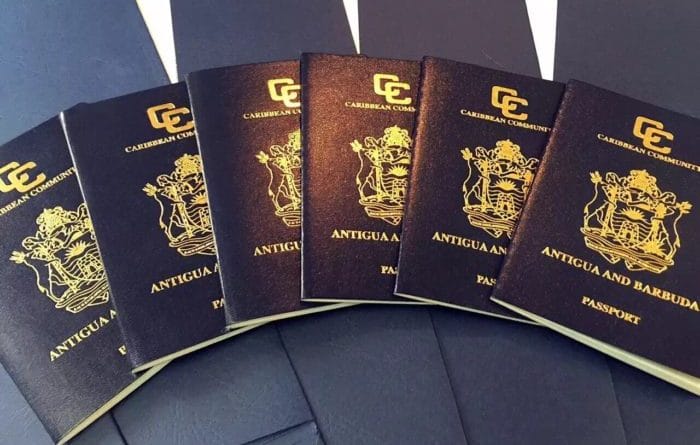
    The European Commission has identified five Caribbean nations—Antigua and Barbuda, Dominica, Grenada, Saint Kitts and Nevis, and Saint Lucia—as operating substantial citizenship-by-investment programs that pose persistent threats to European border integrity. These initiatives, which have collectively granted over 100,000 passports, are now under intensified scrutiny for their security implications.

    According to the Commission’s assessment, Antigua and Barbuda’s exceptionally low rejection rate of approximately 1.7% raises serious questions about the robustness of their vetting procedures. Despite regional governments implementing reforms—including establishing a minimum investment threshold of US$200,000, enhancing due diligence protocols, and improving information sharing mechanisms—Brussels maintains these measures insufficiently address fundamental security risks.

    The EU has activated revised regulatory frameworks that could initiate a phased suspension of visa-free travel privileges. Commission officials cite Georgia’s impending loss of diplomatic visa-free access as a precedent for potential sanctions. This development carries significant economic consequences for Antigua and Barbuda, where citizenship revenues critically fund infrastructure development, debt reduction initiatives, and climate resilience projects.

    The Commission’s position finds legal reinforcement in a recent European Court of Justice ruling against Malta’s analogous program, establishing that deeper EU integration remains incompatible with investor citizenship schemes. While no specific timeline has been established for further action, Caribbean governments are preparing to defend their programs by emphasizing their developmental benefits and compliance with international standards.

  • Stricter Rules Introduced for Water Taxis in St John’s Harbour

    Stricter Rules Introduced for Water Taxis in St John’s Harbour

    The Antigua Port Authority has announced a comprehensive tightening of safety and compliance protocols for water taxis and pleasure craft operating within St John’s Harbour. This regulatory enhancement mandates that all maritime operators must possess full licensing, ensure proper vessel registration, and strictly adhere to safety mandates including life jacket provisions and passenger capacity limits.

    Port Manager Darwin Telemaque emphasized that the new measures address growing concerns about unregulated vessel movements near large ships, which have caused navigational unease and potential hazards. The authority has designated Marine Manager James Lee to supervise compliance enforcement as these regulations take immediate effect.

    Concurrently, the Port Authority is evaluating the Montserrat Ferry Terminal’s temporary relocation site as a potential permanent water taxi hub. This consideration follows observed improvements in congestion management within cruise ship zones since the terminal’s interim use.

    These coordinated efforts aim to elevate safety standards, optimize harbor traffic flow, and establish a more organized marine ecosystem. The Port Authority has explicitly notified operators that permits issued by external agencies will no longer grant access to port jurisdictions without full compliance with these updated requirements.

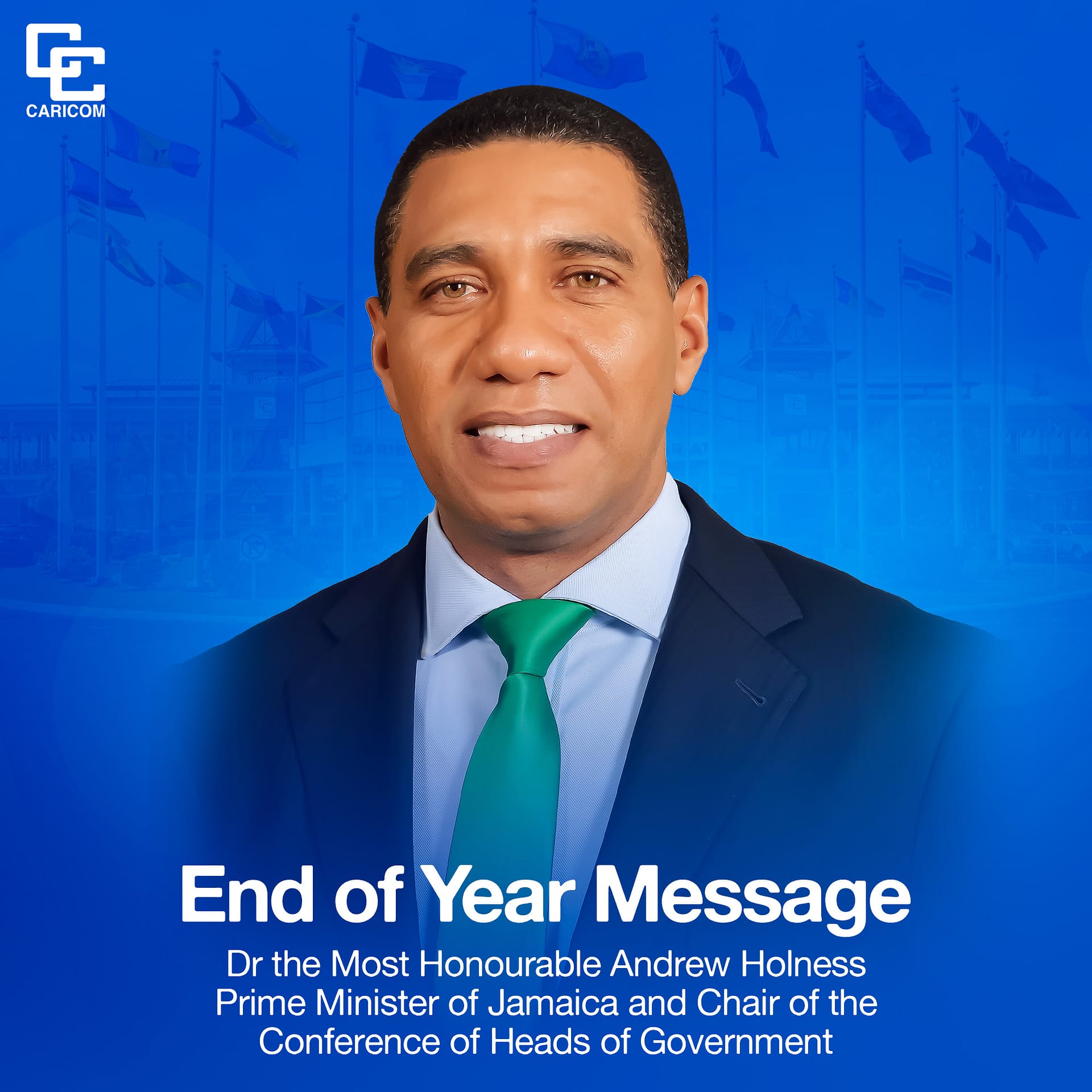
  • Holness Hails Unity, Integration and Resilience in End-of-Year Message as He Hands Over CARICOM Chairmanship

    Holness Hails Unity, Integration and Resilience in End-of-Year Message as He Hands Over CARICOM Chairmanship

    In his concluding address as outgoing Chair of the Caribbean Community (CARICOM), Jamaican Prime Minister Dr. Andrew Holness highlighted significant advancements in regional integration and collective resilience during his tenure. The year 2025 witnessed CARICOM’s strengthened unity despite confronting catastrophic natural disasters, particularly Hurricane Melissa, which demonstrated the Caribbean family’s unwavering solidarity through regional and international support systems.

    A landmark achievement emerged from the July Conference of Heads of Government in Jamaica, where four member states—Barbados, Belize, Dominica, and St. Vincent and the Grenadines—committed to implementing full free movement of persons effective October 2025. This pioneering ‘concentric circles’ integration model enables willing nations to deepen cooperation while maintaining flexibility for broader participation.

    CARICOM successfully navigated shifting global trade dynamics through coordinated advocacy with the CARICOM Private Sector Organization and strategic international partners. Enhanced air connectivity bolstered intra-regional trade, while targeted initiatives improved food and nutrition security across the Community.

    The bloc maintained a unified diplomatic front at high-level international forums including the UN General Assembly, G20 Summit, and CELAC-EU Summit. This coordinated foreign policy approach strengthened crisis response capabilities and amplified the region’s voice on global platforms.

    Security remained paramount with the adoption of the Montego Bay Declaration on Transnational Organized Crime and Gangs, recognizing the inextricable link between security and sustainable development. While climate negotiations at COP30 fell short of Small Island Developing States’ urgent needs, CARICOM reaffirmed its commitment to the 1.5°C goal and acknowledged the critical work of regional institutions including the Caribbean Community Climate Change Centre and CDEMA.

    Strategic engagement with Africa expanded through the Second Africa-CARICOM Summit in Addis Ababa, fostering collaboration on trade, investment, cultural exchange, and global advocacy including reparations discourse. CARICOM sustained its advocacy for Haiti, contributing to UN Security Council actions and supporting preparations for democratic elections in 2026.

    The Community reaffirmed its commitment to maintaining the Caribbean as a Zone of Peace based on international law and peaceful dispute resolution. While acknowledging member states’ sovereign perspectives may differ, Dr. Holness emphasized that institutional mandates and economic interdependence remain foundational to regional cohesion amidst evolving geopolitical complexities.

    As leadership transitions to St. Kitts and Nevis and Saint Lucia, the outgoing Chair expressed confidence in CARICOM’s enduring integration model and the Secretariat’s continued professional service to member states.

  • Children gifted underwater adventure

    Children gifted underwater adventure

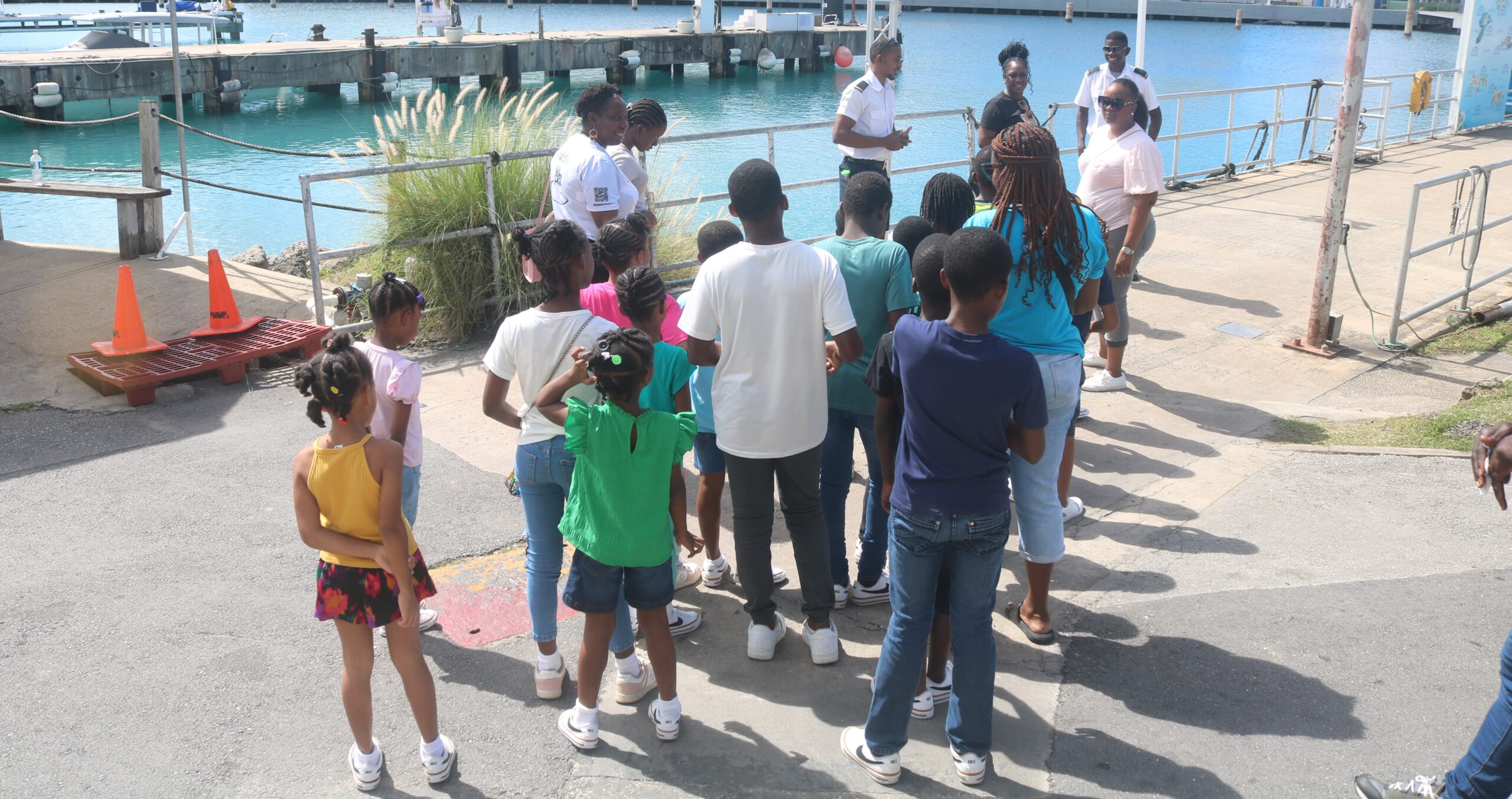
    In an extraordinary holiday initiative that transcended conventional gift-giving, thirty children from Nightingale Children’s Village embarked on an unforgettable underwater expedition aboard the Atlantis Submarine last Saturday. This remarkable experience was facilitated through a collaborative effort between the We Gatherin’ Secretariat, Atlantis Submarine, and the St Michael Parish Organising Committee (POC).

    Alicia Payne-Hurley, Deputy Chairperson of the St Michael We Gatherin’ POC, emphasized that the program was designed to create lasting memories rather than merely distributing seasonal presents. “Our objective extended beyond providing temporary holiday entertainment. We aimed to offer these children an educational and immersive marine experience that would leave enduring positive impressions,” she explained.

    The comprehensive outing included not only the submarine adventure but also lunch provisions and a commitment to ongoing support. Payne-Hurley clarified that future donations would prioritize practical necessities over novelty items, stating: “Our contributions will address actual needs rather than desires. Since many have already received recreational gifts, our post-Christmas donation will ensure continuous support rather than a one-time gesture.”

    Eight guardians accompanied the children during the expedition, with organizers expressing particular appreciation to Atlantis Submarine for providing the experience complimentary. Despite initial plans to accommodate forty children, participation limitations arose due to the submarine’s safety requirement of a minimum three-foot height.

    Addressing the unavoidable disappointment, Payne-Hurley acknowledged: “We regrettably had to exclude some younger children who didn’t meet the height criteria. We’re committed to creating alternative opportunities for them as they grow, ensuring no child is permanently excluded from such experiences.”

    This initiative exemplifies the parish’s broader dedication to supporting vulnerable community members through innovative and meaningful engagement programs that extend beyond traditional charitable approaches.

  • Grenadian pollster who got SVG’s election wrong says his poll was too old

    Grenadian pollster who got SVG’s election wrong says his poll was too old

    A prominent Grenadian data analyst has publicly analyzed his erroneous prediction that Saint Vincent and the Grenadines’ ruling Unity Labour Party (ULP) would secure a sixth consecutive term, attributing the miscalculation to conducting polls too early and failing to account for last-minute campaign dynamics.

    Dr. Justin Pierre, a seasoned statistician and labor market consultant, revealed that his pre-election survey of 2,402 citizens conducted October 1-30 showed an 80% voter loyalty rate for ULP, leading his team to be ‘100% confident’ in their victory projection. However, the November 27 election resulted in a seismic shift, with the New Democratic Party (NDP) capturing 14 of 15 constituencies and outperforming ULP by approximately 9,854 votes according to preliminary counts.

    Critical factors unaccounted for in the initial survey included the COVID-19 vaccine mandate’s significant impact—a policy that resulted in hundreds of public sector dismissals in November 2021—and an unprecedented late-stage social media explosion. Pierre noted that while October social media consumption favored NDP by 110,100 to 157,000 minutes, this surged to nearly 900,000 minutes consumed from November 15 onward, creating what he described as an ‘insurmountable momentum shift.’

    The analyst also cited external campaign assistance from Jamaican specialists and alleged support from Trinidad and Tobago as additional factors that emerged after his survey period. Vincentian journalist and social commentator Jomo Thomas challenged Pierre’s methodology, noting that a purported 2% lead falling within the survey’s 2% margin of error indicated a statistical dead heat rather than a decisive advantage.

    Pierre concluded that future predictions should be made within one week of elections rather than thirty days prior, acknowledging that this was his first incorrect forecast after accurately predicting eight previous Caribbean elections.

  • Brenton Smith returns to policing, quits as NDP gen-sec

    Brenton Smith returns to policing, quits as NDP gen-sec

    In a significant development at the intersection of politics and public service, Brenton Smith has officially resumed his duties with the Royal St. Vincent and the Grenadines Police Force (RSVGPF). This reinstatement comes precisely four years and one month after his controversial dismissal during the previous administration’s tenure.

    Smith, who previously held the rank of station sergeant, was terminated in November 2021 under the Unity Labour Party government for his refusal to comply with vaccine mandates. His dismissal occurred shortly before his election as general secretary of the opposing New Democratic Party (NDP), where he served during their recent ascent to power.

    The transition back to police work was formally communicated to the NDP’s central committee on Saturday morning, with Smith immediately stepping down from his political position. According to verified reports, the former opposition leader will utilize accumulated leave time potentially extending through August 2026, effectively placing him on extended absence from active duty.

    In an emotional Facebook post dated December 22, 2025, Smith described returning to police headquarters as “a new chapter in my journey—one that I never thought would unfold like this.” He reflected on the personal significance of his dismissal date, noting it remained “etched in my memory as the day I was dismissed from the force for standing by my convictions.”

    The reinstatement occurs under the NDP’s policy of restoring public sector workers terminated due to vaccine requirements with full benefits. This policy mirrors similar measures implemented by the previous ULP administration, though the NDP has additionally committed to compensating affected workers for lost income during their termination period.

    Meanwhile, the legal battle surrounding the vaccine mandate continues its journey through the judicial system. Public sector unions successfully challenged the policy in High Court, but faced reversal in a 2-1 Court of Appeal decision. The case now advances to London’s Privy Council for final adjudication.

    Smith indicated his future plans include developing his private business ventures and composing an autobiography documenting his “trials, triumphs, and lessons learned” throughout his politically tumultuous journey.

  • PM outlines plan to return Unionites home, restart businesses

    PM outlines plan to return Unionites home, restart businesses

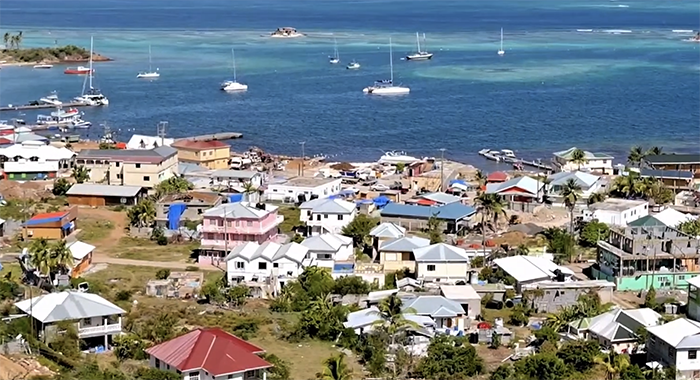
    The St. Vincent government has initiated a comprehensive housing relocation program for displaced residents of Union Island who remain in temporary rental accommodations on the mainland since Hurricane Beryl devastated the region in July 2024. Prime Minister Godwin Friday announced the urgent initiative during his Christmas Eve address on Boom FM, emphasizing that returning islanders to their communities constitutes a critical component of the nation’s recovery strategy.

    The catastrophic hurricane, which struck on July 1, 2024, destroyed over 90% of structures across the Southern Grenadines islands of Mayreau, Canouan and Union Island, forcing thousands to evacuate to St. Vincent. While the previous Unity Labour Party government provided temporary housing and repaired damaged homes, Prime Minister Friday criticized the pace of recovery as insufficiently slow.

    “We are addressing this problem with utmost urgency,” stated Friday, whose New Democratic Party assumed power after November’s general election. “Now that infrastructure including electricity, roads, and telecommunications has been largely restored, we must facilitate the return of displaced citizens to their preferred communities.”

    The administration is collaborating with Housing Minister Andrew John and Education officials to develop practical solutions, including potentially utilizing prefabricated housing units or constructing temporary shelters using local materials. Approximately 100 prefabricated houses imported by the previous government have encountered implementation challenges due to unsuitable terrain conditions on the islands.

    Concurrently, the government will close the temporary educational facility at Arnos Vale’s former Teachers’ College campus, where Union Island students had been accommodated. Most students have already returned to their original schools, with remaining pupils being integrated into other educational institutions nationwide.

    Prime Minister Friday highlighted the multidimensional nature of the crisis, noting that many displaced individuals face employment shortages alongside housing insecurity. “The previous approach created a limbo situation where people lacked permanent housing, stable employment, and consistent government support,” he observed. “Our strategy addresses both housing and economic needs simultaneously to ensure sustainable recovery.”

  • Some public servants to get more than double their salary as bonus — PM

    Some public servants to get more than double their salary as bonus — PM

    In a significant move to address economic disparities, the newly elected government of St. Vincent and the Grenadines has unveiled details of its promised salary bonus for public servants, revealing an equitable distribution model that disproportionately benefits lower-income workers. Prime Minister Godwin Friday, who also serves as Finance Minister, confirmed the initiative during a recent radio interview on Hot 97 FM.

    The compensation scheme, designed as a flat-rate across-the-board payment rather than a percentage-based increase, will result in approximately half of all public servants receiving a full double salary. Notably, those at the lower end of the pay scale will obtain more than double their regular monthly earnings. This approach marks a deliberate departure from traditional bonus structures that typically advantage higher-paid employees.

    Prime Minister Friday emphasized the government’s commitment to equity, stating, ‘The intention is that persons at the bottom of the scale would have the biggest benefit.’ He illustrated this principle with a comparative example: while an employee earning EC$9,000 would receive EC$18,000, someone making EC$1,500 would get the same flat bonus amount, effectively receiving more than double their regular salary.

    The payout, characterized as a ‘salary bonus’ rather than a conventional raise, is scheduled for disbursement in late January, separate from regular salary payments. This fulfills one of four key campaign pledges made by the New Democratic Party (NDP), which achieved a landslide victory in the November 27 general election, securing 14 of 15 parliamentary seats and ending the 22-year administration of the Unity Labour Party.

    The Prime Minister expressed confidence that public servants would appreciate the equitable approach, noting, ‘They know what the intent is: to put some money back into your pocket.’ He framed the bonus as a direct response to the ongoing cost-of-living crisis affecting the nation.

    Regarding other campaign commitments, the government has already implemented a VAT-free shopping day on December 19. The promised increase of Public Assistance to EC$500 will be incorporated into January’s budget legislation with implementation expected in February. Prime Minister Friday stressed the importance of responsible fiscal management, contrasting his administration’s approach with what he characterized as the previous government’s disregard for constitutional and financial safeguards.

    Despite acknowledging fiscal challenges, the Prime Minister remained resolute: ‘I’m not gonna go out and wring my hand and say things are worse than expected. I promised these things, I will deliver them.’