作者: admin

  • Increased fines a good first step

    Increased fines a good first step

    In a significant policy shift announced on Christmas Day, the Trinidad and Tobago government has enacted Legal Notice No. 471, substantially increasing penalties for traffic violations effective January 1, 2026. The sweeping changes represent the most comprehensive overhaul of traffic fines in recent history, with some penalties increasing tenfold.

    The most dramatic escalation targets uninsured drivers, whose fines jump from TT$1,000 to TT$10,000. The adjustments affect numerous violations outlined in the Ninth Schedule of the Motor Vehicles and Road Traffic Act, marking a stark departure from previous government positions. Opposition leaders were quick to highlight that Prime Minister Persad-Bissessar had previously criticized high traffic fines while in opposition and promised reductions.

    This punitive approach arrives amid alarming road safety statistics. Traffic fatalities have demonstrated a troubling upward trajectory, climbing from 96 deaths in 2023 to 117 in 2024, and reaching 122 by late 2024. Current figures for 2025 indicate only marginal improvement with 108 road-related deaths recorded to date.

    The government’s latest action contrasts sharply with its earlier decision to weaken the demerit point system in July 2025, raising questions about the consistency of its road safety strategy. The demerit system, initially implemented in March 2020 and subsequently modified in March 2022, had provided a mechanism for tracking repeat offenses while allowing drivers opportunity to correct behavior before license suspension.

    International research suggests that fine increases below 100% prove relatively ineffective in modifying driver behavior, making Trinidad and Tobago’s substantial hikes potentially more impactful. However, critics note the silent implementation without public consultation and characterize the move as revenue generation disguised as public safety measure.

    The administration has demonstrated similar taxation approaches toward alcohol consumption, smoking, and gambling, positioning traffic fines within a broader pattern of behavioral taxation. Enforcement remains a crucial factor, with historical precedents showing systemic challenges. In 2019, authorities reported approximately 120,000 unpaid fixed penalty tickets from 2011-2015, eventually requiring court intervention and subsequent amnesty programs with 50% discounts.

    The government has signaled strengthened enforcement intentions through recent recognition of Police Constable Keron Sankar, who issued 1,427 traffic tickets during the first half of 2025. Experts emphasize that without consistent enforcement and judicial follow-through, even dramatically increased fines may fail to significantly reduce traffic violations and preventable road deaths.
  • When incitement comes with a navy

    When incitement comes with a navy

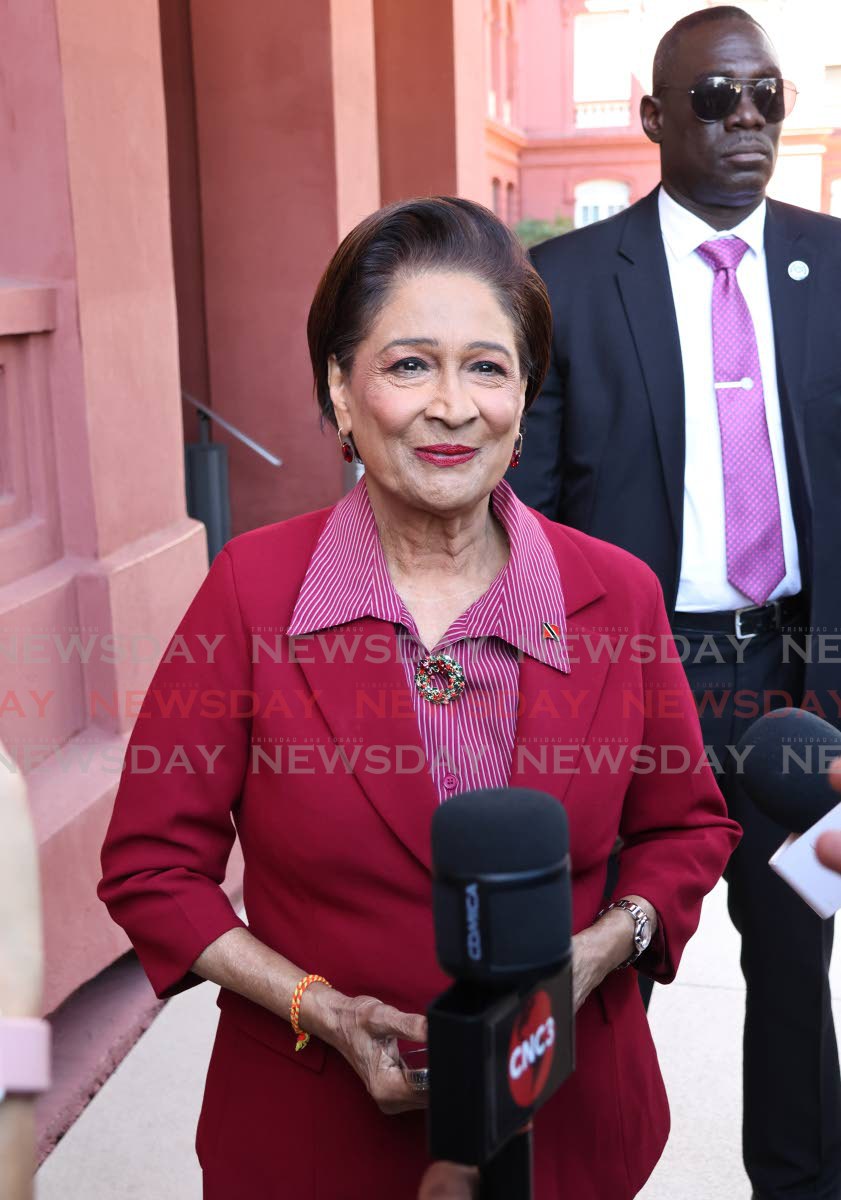
    A recent court case in Trinidad and Tobago has ignited intense debate about free speech, government power, and international hypocrisy. A 32-year-old mother of two received a three-year bond for social media posts allegedly inciting violence against Prime Minister Kamla Persad-Bissessar, raising concerns about the application of emergency powers regulations in digital expression cases.

    While acknowledging the need to prevent reckless speech that could endanger public order, the case highlights troubling inconsistencies in how incitement is defined and prosecuted. The author contrasts the severe treatment of a local citizen expressing views through digital platforms with the United States government’s aggressive actions in the region.

    The commentary points to specific US military actions—destroying vessels without publicly presented evidence, seizing oil tankers internationally, and suggesting Venezuelan territory might be negotiable—as examples of actual violence that face no legal consequences. These actions, backed by military might and economic pressure, represent tangible threats to regional stability that go unchallenged while individual citizens face severe penalties for digital expression.

    The case exposes what the author describes as a fundamental double standard: incitement is only treated as criminal when it comes from powerless individuals, while identical behavior from nations with military capabilities is accepted as standard foreign policy. This disparity raises critical questions about whose security truly receives protection under emergency regulations and whether principles of justice are applied equally across different levels of power and influence.

  • Equality in focus: Reflections on year that was

    Equality in focus: Reflections on year that was

    As 2025 concludes, Equal Opportunity Commission Chairman Ian Roach has delivered a comprehensive retrospective on the organization’s public engagement efforts through its fortnightly Newsday column. Throughout the year, the EOC produced more than 13 substantive publications addressing critical social justice issues directly with the Trinidad and Tobago public.

    The commission’s editorial contributions have systematically transformed abstract principles of equality, dignity and fairness into tangible realities affecting citizens’ daily lives. Their coverage spanned discrimination in educational settings, emphasizing that a child’s right to education must remain unaffected by race, religion, disability, cultural background or physical appearance. Additional explorations included the relationship between natural hair and personal identity, literacy accessibility, and institutional responsibilities to implement inclusive policies.

    Mental health emerged as a recurring theme, with the EOC tackling difficult conversations around men’s psychological wellbeing, disability accommodations, psychosocial conditions, and workplace inclusion strategies. The commission consistently framed mental health as a fundamental human rights issue, noting that equality remains unattainable where stigma silences vulnerable populations or prevents them from seeking appropriate support.

    The commission strategically aligned its messaging with international observances including International Literacy Day, World Mental Health Day, and Human Rights Day, effectively connecting global standards to local implementation. Cultural celebrations such as Divali and Christmas provided opportunities to examine diversity while reinforcing mutual respect across communities.

    Roach commended the EOC team—including legal officers, communications specialists and contributors—for their meticulous research, clarity and dedication throughout the year. He emphasized that writing effectively about equality demands careful balance, courage and empathetic communication.

    The chairman expressed gratitude to readers for actively engaging with the columns through sharing, questioning and reflection, noting that public education achieves maximum impact when it evolves into dialogue rather than monologue. Looking toward the new year, the commission reaffirmed its commitment to continuing the column series, recognizing that discrimination evolves constantly and requires equally dynamic countermeasures.

    Roach extended seasonal greetings to all citizens on behalf of the commission’s leadership and staff, expressing hopes for a safe, peaceful and fulfilling new year characterized by strengthened commitment to fairness, respect and equal opportunity for all Trinidad and Tobago residents.

  • Keshorn poised for third crown at Trinidad and Tobago Olympic Committee Awards

    Keshorn poised for third crown at Trinidad and Tobago Olympic Committee Awards

    Trinidad and Tobago’s sporting landscape reaches its annual pinnacle as the nation’s elite athletes converge at Queen’s Hall in Port of Spain for the prestigious 31st Annual TT Olympic Committee Awards ceremony. This December 29th gala event serves as both a celebration of athletic excellence and a crucial milestone in the buildup to the Los Angeles 2028 Olympics.

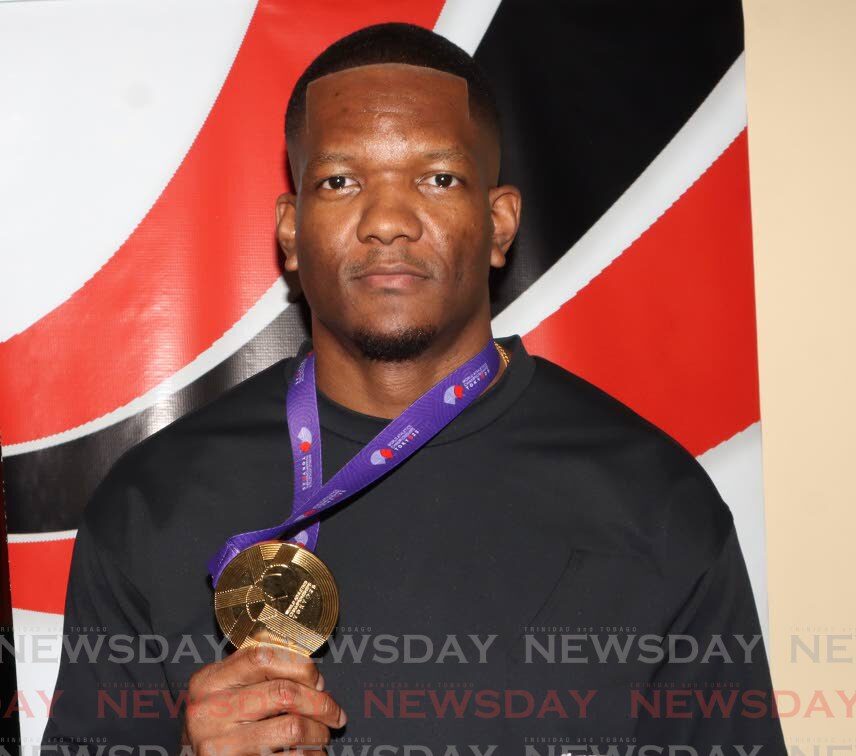
    Javelin thrower Keshorn Walcott emerges as the overwhelming favorite for his third Sportsman of the Year title following his gold medal performance at the World Athletics Championships last August. The 32-year-old Olympic champion, who previously claimed the award after his London 2012 triumph and Rio 2016 bronze medal achievement, faces formidable competition from reigning champion Jereem Richards. The sprint specialist strengthened his case with a World Championships silver medal and a national record of 43.72 seconds in the 400m event.

    Cycling sensation Nicholas Paul further enriches the competition landscape with his historic gold medal at the Bolivarian Games and triple crown victory at the Pan American Track Championships. The race for Sportswomen of the Year presents even greater intrigue, with defending champion Leah Bertrand continuing her ascent through sprint disciplines while cricketer Karishma Ramharack demonstrates exceptional leadership in guiding both national and regional teams to international success.

    The junior categories showcase Trinidad and Tobago’s burgeoning talent pipeline, featuring standout performances from distance runner Christopher Sammy, sprint prodigy Shaniqua Bascombe, and cyclist Makaira Wallace. Swimmer Liam Carrington’s record-shattering campaign—featuring twelve gold medals and five Carifta records—positions him as the likely successor to Nikoli Blackman’s junior dominance.

    This ceremony transcends individual recognition, marking strategic positioning within the emerging Olympic landscape that now includes cricket among its official disciplines. The awards highlight both established excellence and promising emerging talent across track, field, velodrome, and aquatic venues.

  • MP mourns ex-footballer: ‘Tekay strayed from his dreams’

    MP mourns ex-footballer: ‘Tekay strayed from his dreams’

    The Trinidad and Tobago football community is grappling with profound grief and urgent questions following the fatal shooting of former national youth footballer Tekay Hoyce. The 27-year-old was killed on December 27th in a brazen daylight attack at the intersection of Charlotte Street and Independence Square in Port of Spain, marking another tragic loss in a disturbing pattern of violence affecting young athletes.

    Hoyce, who represented Trinidad and Tobago in the 2014 Concacaf Under-17 World Cup qualifying campaign, was found with multiple gunshot wounds near the Chinastown entrance dragon statue. The incident also left three other victims injured, including a female bystander struck by stray bullets.

    The killing has sparked intense scrutiny about the societal pressures and systemic failures that lead promising athletes away from sports and into dangerous lifestyles. Laventille West MP Kareem Marcelle, who grew up with Hoyce, described him as having possessed ‘potential to be one of TT’s most outstanding footballers’ but noted how he ultimately ‘strayed away from his dreams and entered a world which cost him a violent end.’

    Former teammates and coaches remembered Hoyce as a joyful presence who brought laughter to the locker room while demonstrating fierce competitiveness on the field. Chris Govia, his former under-17 team manager, emphasized that Hoyce never displayed violent tendencies or disrespectful behavior during his youth football career.

    This tragedy represents the fourth known instance of a national youth program player meeting a violent death, raising alarming concerns about the protection mechanisms for young athletes from vulnerable communities. The year 2025 has been particularly devastating, with several teenage footballers falling victim to gun violence, including 17-year-olds Kimani Dyer, Zwade Alleyne, and Ezekiel Ramdialsingh.

    Govia highlighted the残酷 reality facing many talented young players: ‘Just because they play sport, it doesn’t mean they’re not exposed to the bad things that exist in their communities.’ He criticized the professional football system for creating ‘false hope’ by expecting athletes to train extensively without providing financial support or viable career pathways.

    The shooting has also traumatized Charlotte Street vendors, with one eyewitness describing the incident as ‘the first time I see it so close in my face.’ Many remain fearful despite the area’s reputation for frequent criminal activity.

    Hoyce’s football legacy includes his crucial penalty conversion that secured Trinidad and Tobago’s 3-0 victory over Barbados in the 2014 Caribbean under-17 World Cup qualifier final, as well as his championship-winning goal for Mucurapo East Secondary in the national Intercol final that same year.

    The Trinidad and Tobago Football Association has officially acknowledged Hoyce’s contributions to youth international football while extending condolences to his family, friends, and former teammates.

  • Duke urges Tobago: Erase PNM, vote TPP

    Duke urges Tobago: Erase PNM, vote TPP

    In a significant political development, Progressive Democratic Patriots (PDP) leader Watson Duke has elaborated on his party’s decision to abstain from the upcoming 2026 Tobago House of Assembly (THA) elections while endorsing the ruling Tobago People’s Party (TPP).

    Duke articulated his strategic rationale through social media on December 28, framing the move as a calculated effort to permanently dismantle the People’s National Movement’s (PNM) political influence on the island. This follows his initial December 8 announcement that the PDP would not contest the January 12 election and would instead support Chief Secretary Farley Augustine’s TPP.

    The PDP leader characterized this endorsement not as surrender but as a tactical maneuver to consolidate anti-PNM forces. He emphasized that a TPP victory would conclusively demonstrate that PNM has no viable future as a governing force in Tobago politics.

    Duke provided historical context, noting that before PDP’s emergence in 2015, Tobago’s political landscape had been dominated by PNM for decades, with previous opposition parties like the Democratic Action Congress and National Alliance for Reconstruction being effectively erased from contention. The PDP’s stunning 14-1 victory against PNM in the December 2021 THA elections—described as the worst electoral defeat in PNM’s history from 1956 onward—broke this pattern of predictability.

    Despite the PDP’s subsequent internal fracture that led to Augustine forming the TPP in August 2023, Duke maintains both parties share common roots in challenging PNM dominance. He now urges supporters to transcend past differences and personal grievances to achieve what he considers the greater objective: preventing PNM’s return to power.

    Duke characterized PNM as an ‘outsider party’ that has historically prioritized national agendas over Tobago’s specific needs, treating the island ‘as an extension of national political priorities rather than a people with their own identity, needs, and future.’

    Political analyst Dr. Bishnu Ragoonath has expressed skepticism about other parties’ ability to win seats, while Augustine has welcomed Duke’s support while explicitly ruling out any formal coalition or partnership. Public reaction to the announcement remains mixed across social media platforms.

    The upcoming election will ultimately test whether Duke’s strategic withdrawal proves decisive in reshaping Tobago’s political destiny.

  • US offered Kyiv 15 years of security guarantees, Zelensky says

    US offered Kyiv 15 years of security guarantees, Zelensky says

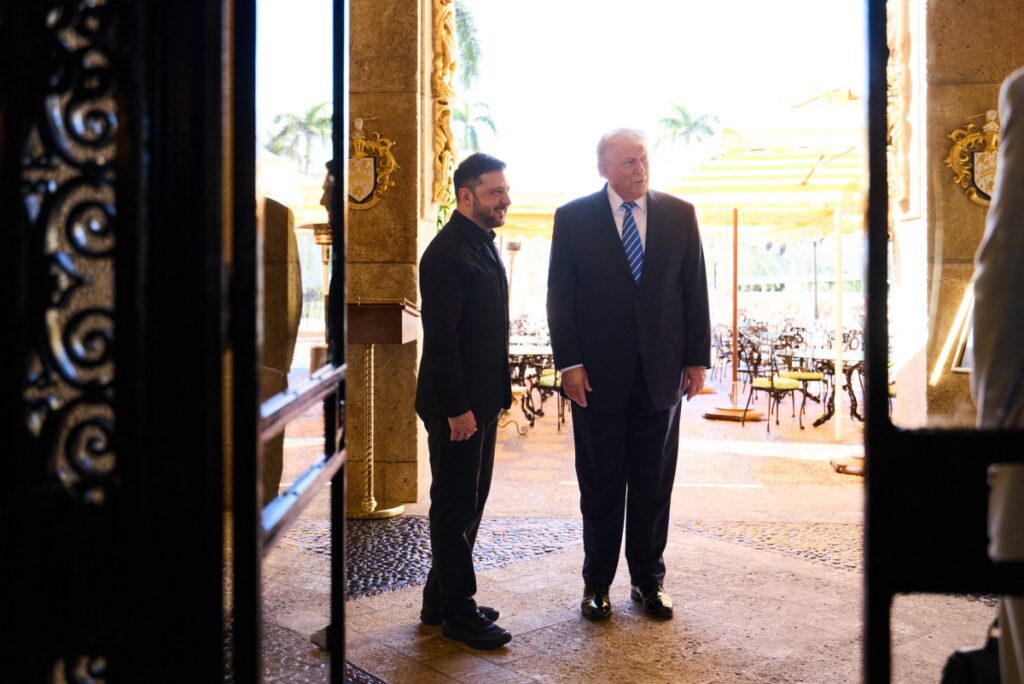
    KYIV, Ukraine—President Volodymyr Zelensky revealed Monday that the United States has proposed a substantial 15-year security guarantee arrangement for Ukraine, with provisions for potential extension, following critical discussions with former President Donald Trump in Florida. While characterizing the offer as “solid,” Zelensky emphasized Kyiv’s preference for a significantly longer commitment spanning 30 to 50 years to ensure lasting protection against future Russian aggression.

    The high-stakes meeting between the Ukrainian leader and the former U.S. president yielded notable progress toward resolving Europe’s most devastating conflict since World War II, with both sides indicating negotiations are approaching their final phase. However, significant hurdles remain regarding territorial disputes and the status of the Russian-occupied Zaporizhzhia nuclear facility—issues Zelensky identified as the primary outstanding obstacles to a comprehensive peace agreement.

    Zelensky reiterated the indispensable requirement of international military presence within Ukraine’s borders as a fundamental component of any security arrangement, a condition Moscow has historically opposed. Despite this, the Kremlin notably aligned with Trump’s assessment that diplomatic efforts are nearing conclusion, while simultaneously maintaining its maximalist position demanding Ukrainian withdrawal from eastern territories.

    The Ukrainian government anticipates hosting European and American officials imminently to formalize documentation that would ultimately require ratification by Ukraine, Russia, the United States, and European partners. Zelensky underscored that without robust, long-term security guarantees, any resolution would remain incomplete given Ukraine’s precarious proximity to an aggressive neighbor.

    Amid continued Russian missile attacks during the holiday period, Zelensky expressed willingness to engage in any negotiation format—including direct talks with Vladimir Putin—while simultaneously accusing the Russian leader of duplicity in conveying peaceful intentions to American leadership while simultaneously escalating military operations. Moscow continues to assert its objective of securing territorial concessions through either diplomatic or military means, recently claiming further advances in the Donetsk region as outgunned Ukrainian forces struggle to maintain defensive positions.

  • Inside the criminal mind

    Inside the criminal mind

    A groundbreaking analysis by forensic psychiatric specialist Dr. Myo Kyaw Oo reveals a direct correlation between early childhood trauma, systemic educational failures, and criminal behavior in Jamaica’s correctional system. With over twenty years of service in Jamaican prisons, Dr. Oo identifies a consistent pattern among inmates convicted of severe crimes: histories of familial instability, parental discord, abuse, neglect, and undiagnosed conduct disorders.

    Dr. Oo emphasizes that the pathway to incarceration often begins before birth, with parental genetic dispositions, maternal stress during pregnancy, and prenatal exposure to violence significantly impacting fetal brain development. ‘Parental factors are tremendously important,’ he states. ‘If both parents exhibit personality disorders, the genetic predisposition may be compromised from the outset.’

    The psychiatrist further highlights how adverse childhood experiences—including domestic violence, parental separation, and emotional neglect—create fertile ground for behavioral issues. Many inmates exhibited signs of conduct disorder from early school years but went undiagnosed due to inadequate systemic interventions. ‘Schools miss them. Parents miss them. Consequently, they never receive necessary counseling,’ Dr. Oo explains.

    These unresolved childhood disorders frequently evolve into personality disorders in adulthood, characterized by an inability to conform to rules, lack of empathy, and impaired emotional regulation. Substance abuse, particularly early cannabis use, exacerbates these conditions, leading to worsened judgment and increased impulsivity.

    Despite these findings, Dr. Oo clarifies that most serious crimes are committed by individuals without mental illness, noting that circumstances such as crimes of passion or failed self-defense also contribute to incarceration rates.

    Positively, Dr. Oo acknowledges significant progress in Jamaica’s judicial approach, with increased utilization of forensic psychiatric assessments in sentencing for serious crimes including murder, rape, and armed robbery. This development reflects growing recognition of psychological factors in criminal behavior and represents a crucial step toward more rehabilitative justice practices.

    The expert concludes that comprehensive, lifespan-focused assessments are essential for understanding criminal behavior, advocating for improved early intervention systems to prevent at-risk children from entering the correctional system.

  • Itch Scratch success with Shawn Storm

    Itch Scratch success with Shawn Storm

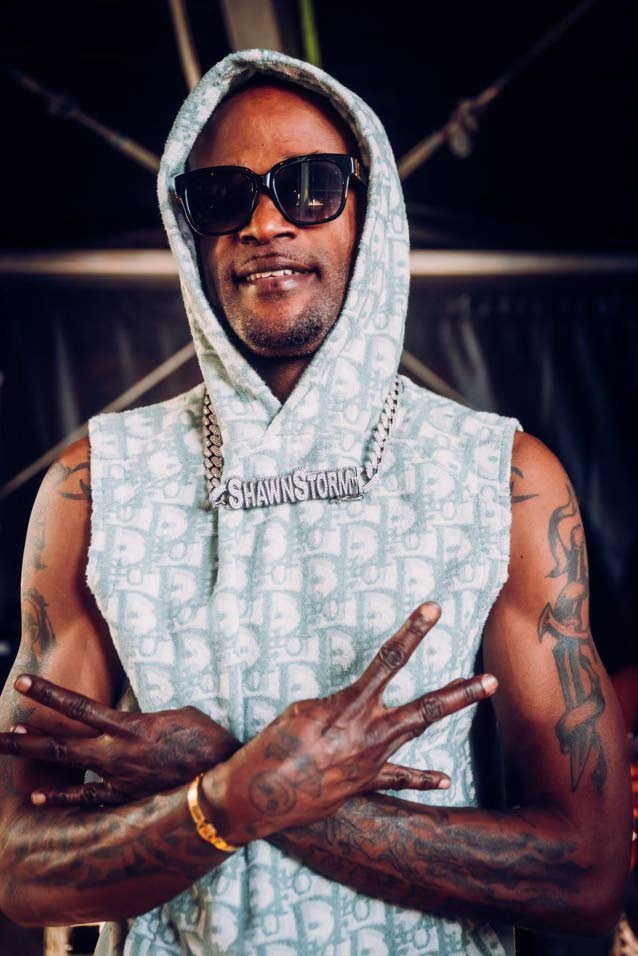
    In a remarkable reversal of fortune, Jamaican dancehall artist Shawn Storm (legally known as Shawn Campbell and alternatively as Sivva) has transformed from a life-sentenced inmate to a chart-dominating musician within 18 months. His unexpectedly viral single “Itch Scratch” has not only resurrected his career but has become a financial powerhouse, generating substantial revenue through continuous dub plates and international bookings.

    Campbell’s journey to this success is unprecedented. Initially convicted alongside three others for the 2011 murder of Clive “Lizard” Williams, he served 13 years of a life sentence before the Privy Council overturned the conviction last year, granting him freedom.

    The genesis of “Itch Scratch” emerged from an unexpected lyrical challenge. Campbell revealed the track was created as a defensive response after fellow dancehall artist Masicka name-dropped him during a musical clash with Tommy Lee Sparta. What began as an impromptu studio session evolved organically into a fully-fledged song, though Campbell insists commercial promotion was never the original intention.

    Its path to virality proved equally organic. After Campbell posted a brief snippet to his WhatsApp status, the track mysteriously migrated to TikTok where it rapidly gained traction. The artist expressed genuine surprise at the overwhelming response, noting that he first learned of the song’s popularity while returning from the United Kingdom where fans informed him it was “running the place.”

    Campbell emphasized the financial benefits of musical clashes within dancehall culture, stating: “Since ‘Itch Scratch,’ the amount of money I have made, I can’t even say it. Any artiste who has been in a clash can tell you that they make money from it. Once the songs are being consumed by the people you are going to make money.”

    Looking forward, Campbell has ambitious plans including high-profile collaborations with Vybz Kartel, Teejay, Sneakbo, and Tommy Lee. He also signaled a strategic move into amapiano rhythms, recognizing the South African genre’s growing global influence and market potential.

    Beyond music, Campbell is channeling his success into philanthropy through his Kwashawna Records Foundation. The organization is currently undertaking the reconstruction of two homes in western Jamaica destroyed by Hurricane Melissa in October.

    The artist remains booked extensively through December and into 2026, with scheduled performances at Lifestyle Saturdays at Club Mecca and Angola Fest on December 31st to close 2025.

  • ‘WE’RE GETTING THERE’

    ‘WE’RE GETTING THERE’

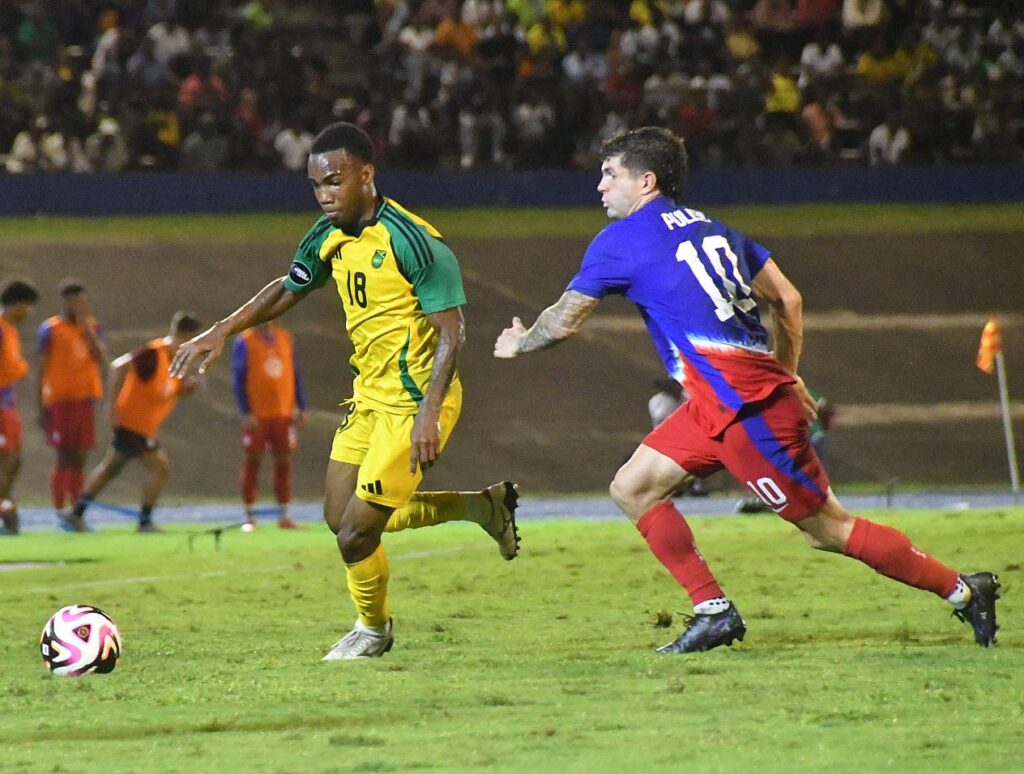
    Jamaica’s national football team, the Reggae Boyz, confronts a prolonged identity crisis that has hindered its international success since its historic 1998 World Cup appearance. Midfielder Tyreek Magee has emerged as a vocal advocate for player-led initiative, arguing that individual bravery on the pitch could be the catalyst for transforming the team’s fortunes.

    The squad’s golden era under Brazilian tactician Rene Simoes remains a distant memory, with twelve different coaches failing to establish a coherent playing philosophy over subsequent decades. Magee, who debuted in 2019, has already experienced three different managerial approaches, including the controversial tenure of Steve McClaren.

    Despite recent triumph in leading Mount Pleasant to the Concacaf Caribbean Cup title, the 26-year-old playmaker acknowledges the team’s ongoing development challenges. ‘We’re definitely getting closer to finding our identity,’ Magee told the Jamaica Observer, ‘but obviously still not there as yet with considerable work ahead.’

    The midfielder emphasized the psychological dimension of performance, noting that players must sometimes transcend tactical instructions. ‘You need to have a bit of bravery,’ he explained. ‘Just do what you see in the moment and believe completely in your actions—not everything the coach envisions will materialize during gameplay.’

    Magee also addressed the unique relationship with Jamaican supporters, characterizing their criticism as ultimately motivated by passionate investment in the team’s success. He described his method for winning over crowds through simple, effective plays that build momentum and engagement.

    Structural reforms are underway within the Jamaica Football Federation, with technical committee chairman Rudolph Speid implementing a redesigned youth development program. This initiative has placed experienced coaches across multiple age groups, potentially creating a more consistent football philosophy from grassroots to senior levels.

    While acknowledging his own innate creative abilities, Magee recognized that technical skills can be cultivated through proper training systems. The team currently prepares for critical inter-confederation play-offs against New Caledonia, with potential matches against DR Congo or Nigeria determining qualification for the 2026 World Cup across North America.