作者: admin

  • Did NDP win?

    Did NDP win?

    A historical examination of political transitions in St. Vincent and the Grenadines reveals striking parallels between current administrative challenges and those faced by previous governments. In August 1984, newly elected Prime Minister James Mitchell’s NDP administration established a confidential committee to assess national debt and public financing. Chaired by economist Noel Venner and including future PM Arnhim Eustace, this committee was tasked with investigating 25 statutory bodies while formulating policy recommendations, demonstrating a structured approach to governmental transition.

    The current NDP administration under PM Ralph Gonsalves faces comparable debt disclosure scenarios—from the EC$190 million national debt revealed in 1984 to today’s staggering EC$3.5 billion burden. However, unlike Mitchell’s systematic approach, the present government confronts mounting criticism over its handling of administrative continuity.

    Public discourse has intensified regarding the prolonged retention of former ULP officials in decision-making positions across statutory bodies and ministries. Critics argue that remnants of the previous administration continue exercising authority unabated, creating frustration among voters who anticipated immediate change. Particularly concerning are reports from the Public Service Union indicating ongoing operational challenges within the Ministry of Health, where employees face persistent obstacles despite governmental directives.

    The core controversy centers on whether the NDP genuinely won the election or merely benefited from the ULP’s loss. This distinction carries significant implications for governance approaches. Many citizens expected swift removal of ULP-aligned officials from influential positions, yet two months post-election, key decision-makers from the previous administration remain entrenched.

    Observers note continued irregularities including arbitrary attendance patterns, substantial salary increases for certain officials (upwards of EC$2,000 monthly), and ongoing corruption concerns. The new administration’s perceived failure to implement even basic transitional measures—such as a moratorium on decisions by holdover officials—has been characterized as a ‘slap in the faces’ of change-seeking voters.

    The political miscalculation appears particularly acute given the upcoming electoral cycle. Commentators urge the administration to demonstrate greater political wisdom, noting that governance effectiveness must be balanced with acknowledgment of the political realities that brought them to power.

  • WATCH: Utilities Minister Pledges 24/7 Water for Eastern Communities by Saturday

    WATCH: Utilities Minister Pledges 24/7 Water for Eastern Communities by Saturday

    In response to mounting constituent complaints, Antigua’s Utilities Minister Melford Nicholas has committed to restoring continuous water access to eastern communities, including St. Philip’s North, by Saturday evening. The pledge came during a Thursday town hall meeting where Nicholas acknowledged the justified frustrations of residents who have endured weeks without reliable running water.

    Minister Nicholas revealed the commitment received formal Cabinet approval earlier that day following strategic resource reallocation to address distribution challenges. While national water production has tripled according to the minister, geographical obstacles continue to hinder efficient water movement to eastern districts due to persistent infrastructure limitations.

    The urgency of the situation was emphasized by Nicholas’s disclosure of receiving what he characterized as “an angry” call from Prime Minister Gaston Browne, highlighting the issue’s elevated priority within the administration. As an immediate solution, Cabinet has authorized funding for an automated water switching system to replace manual valve operations at key locations including Cock Pond and Church Pond.

    This technological upgrade will enable the Antigua Public Utilities Authority (APUA) to manage water redistribution more effectively and maintain consistent supply levels. Nicholas assured residents that once implemented, water would be available on demand regardless of time—whether for early morning showers or evening laundry needs.

    The minister personally guaranteed accountability, providing his direct contact information and encouraging community members to report any persistent issues after Saturday’s deadline. Nicholas concluded by affirming that resolving the eastern communities’ water challenges has become the government’s foremost priority as part of broader efforts to stabilize island-wide water distribution.

  • OM intensiveert uitvoering strafvonnissen; ook zware zaken actief opgepakt

    OM intensiveert uitvoering strafvonnissen; ook zware zaken actief opgepakt

    Suriname’s Public Prosecution Service has significantly expanded the operational scope of its Sentence Execution Department to ensure stricter enforcement of court rulings across a broader spectrum of criminal cases. This strategic move aims to reinforce the principle that judicial punishments are mandatory, not optional.

    Previously focused primarily on traffic violations and labor law offenses, the department will now actively pursue the execution of sentences for a wide range of crimes. These include violations of the Road Traffic Act (Rijwet), the Drugs Act (Wet Verdovende Middelen), theft, embezzlement, forgery, fraud, and the disregard of court-issued protection orders.

    The enhanced enforcement process involves locating convicted individuals to ensure they serve their court-mandated sentences. Depending on the specific verdict, this can include serving a prison term, paying a statutory fine, or a combination of financial compensation to victims and a fine payable to the state.

    Following apprehension, convicted individuals are given an opportunity to settle their outstanding debts. Failure to pay or comply with an unconditional prison sentence results in immediate transfer to the House of Detention to serve the sentence. The Public Relations Unit of the Prosecution Service cited a recent case exemplifying this process: a man convicted for causing a traffic accident without a valid driver’s license was ordered to pay a fine and victim compensation totaling SRD 51,000. Non-payment would result in a substitute prison sentence of 61 weeks.

    The Sentence Execution Department is headquartered at the Latour Police Station, Room 4. Through this expanded mandate, the Public Prosecution Service emphasizes that its rigorous enforcement contributes directly to legal certainty, rightful retribution, and crime prevention within Surinamese society.

  • Festivals Commission Announces Packed 2026 Carnival Program

    Festivals Commission Announces Packed 2026 Carnival Program

    Senator Michael Freeland, Deputy Chair of the Festivals Commission, has officially revealed the comprehensive schedule for Antigua Carnival 2026, announcing an ambitious two-week extravaganza scheduled from July 25 to August 4. The announcement came during a media launch event where Freeland emphasized building upon the successful momentum of previous celebrations.

    The 2026 festivities will commence with an official launch in April, followed by the initiation of Rhythm Fridays starting May 29. The cultural program will feature the traditional opening of Calypso tents, with Calypso Monarch quarterfinals scheduled for June 26-27. Party Monarch events and semifinals will follow in early to mid-July, setting the stage for the main celebrations.

    A significant focus will be placed on youth engagement through events including the Mr. and Miss Teenage Pageant, Junior Calypso, and Junior Party Monarch competitions. The prestigious Queen of Carnival Pageant is slated for July 21, serving as a prelude to the main carnival events.

    The official opening of Carnival City on July 25 will mark the beginning of continuous festivities featuring T-Shirt Mas, Junior Carnival, J’ouvert, Panorama, Party Monarch competitions, and the traditional Monday and Tuesday mas celebrations. The grand finale will include the spectacular Parade of Bands and Last Lap ceremonies.

    Senator Freeland extended an invitation to both local residents and international visitors to prepare for what promises to be an expanded and energetically charged carnival season, encouraging everyone to ‘feel the rhythm’ throughout the non-stop cultural celebration.

  • Bagga primary school launches book of stories, poems

    Bagga primary school launches book of stories, poems

    The Barrouallie Government School has achieved a significant literary milestone with the official publication of its inaugural student-authored anthology, “Little Pens, Big Dreams: Stories and Poems from the Barrouallie Government School Young Authors.” The book launch ceremony, which served as the cornerstone event initiating the school’s Literacy Week celebrations, highlighted the collective creative achievements of its budding writers.

    Presiding over the event, Minister of Education Phillip Jackson emphasized the profound cognitive benefits of writing. “Writing serves as a powerful tool for mental clarification,” Jackson stated. “The practice enables individuals to process complex thoughts, with increased writing directly correlating to enhanced self-awareness and intellectual clarity.” The Minister extended formal congratulations to the student authors, Principal Joy Davis-Haynes, and the school’s dedicated Literacy Committee.

    Adding scholarly insight, Senior Education Officer Mavis Findlay-Joseph delivered a keynote address focusing on the critical connection between writing and self-editing. She outlined a triple-benefit approach for young authors: “Reading your own work aloud facilitates error detection, strengthens cognitive processing, and validates your unique personal voice.” Findlay-Joseph further emphasized that this practice allows students to visualize their ideas more concretely, refine their linguistic expression, and ultimately build substantial confidence in their abilities.

    The anthology represents a tangible outcome of the Early Learners’ Programme, an initiative spearheaded by the Ministry of Education’s Curriculum Development Unit to enhance literacy engagement nationwide. Featuring 38 original literary compositions, the collection showcases creative works from students across all primary grade levels, from Grade 1 through Grade 6, demonstrating remarkable depth and variety in young literary talent.

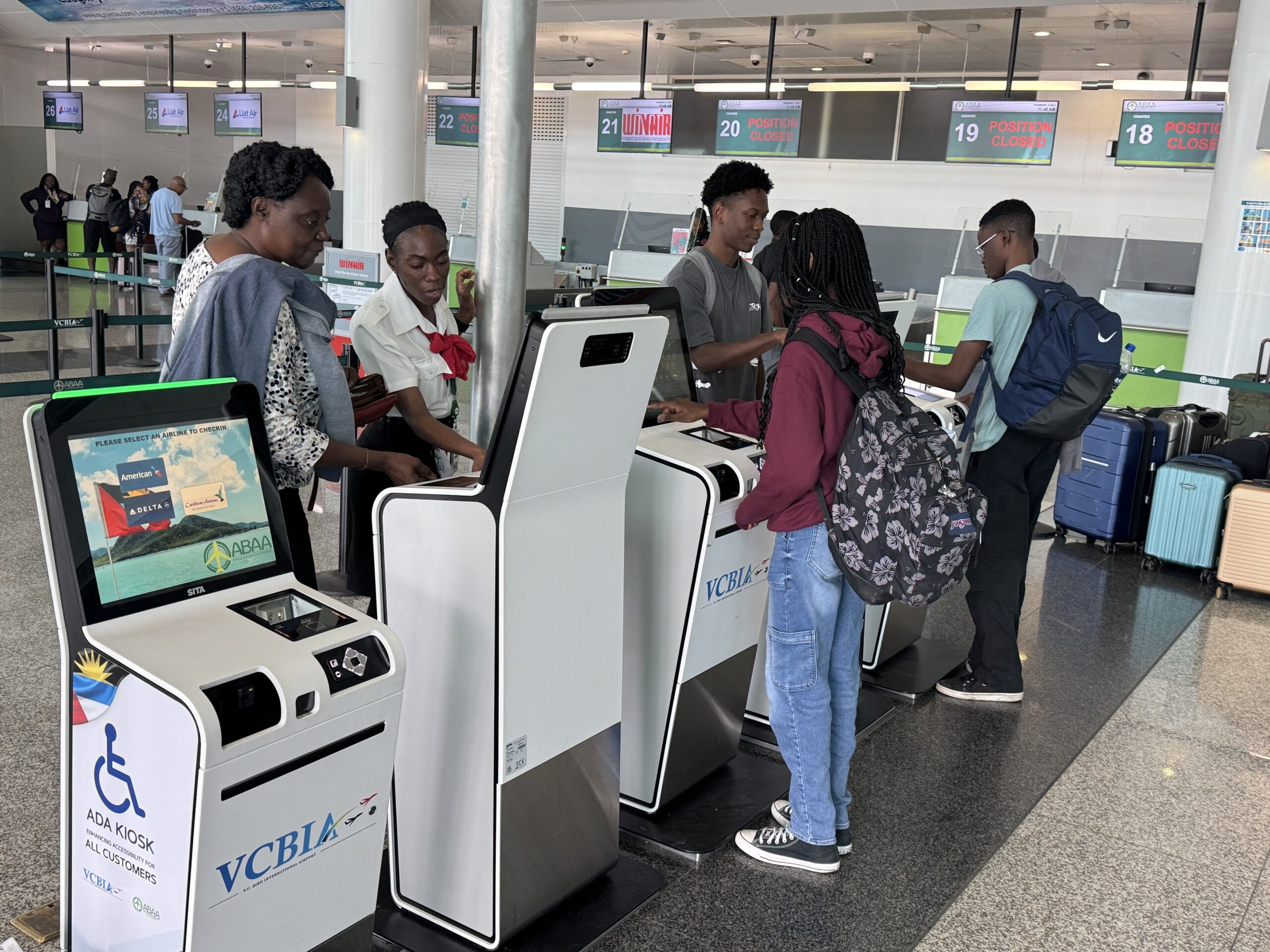
  • Major milestone reached in US$50 million upgrade at the VC Bird International

    Major milestone reached in US$50 million upgrade at the VC Bird International

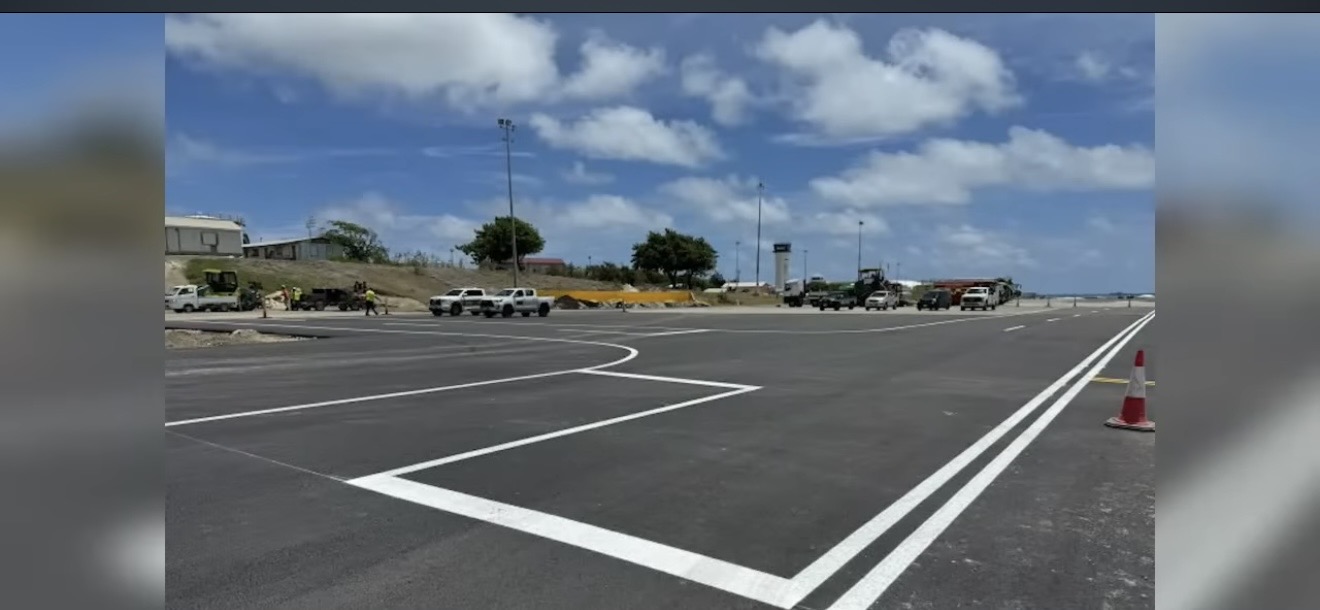
    Antigua and Barbuda has achieved a pivotal milestone in its national infrastructure development with the successful completion of the initial phase of the VC Bird International Airport’s Airfield Rehabilitation Project. This $50 million endeavor stands as one of the most significant and transformative infrastructural initiatives in the nation’s recent history.

    The conclusion of Phase 1 has restored the full operational length of the main runway, enabling the resumption of all international flight operations. The comprehensive upgrades have substantially elevated the airport’s safety performance metrics, ensuring full compliance with stringent international civil aviation regulations.

    During an official site inspection this week, Minister of Tourism, Civil Aviation, Transportation and Investment, the Hon. H. Charles Fernandez, expressed profound satisfaction with the project’s execution quality. He emphasized that this achievement solidifies Antigua and Barbuda’s position as an aviation industry leader within the Caribbean region.

    Minister Fernandez highlighted the project’s strategic importance, stating: ‘The timely and budget-conscious completion of this first phase demonstrates exceptional collaboration between our designers, contractors, operational teams, and all key stakeholders. Crucially, this critical infrastructure enhancement proceeded without disrupting airport operations, even during our peak travel season.’

    Key technical accomplishments of Phase 1 include:
    – Construction of an expanded Runway 25 turnpad (7,250 m²) designed to accommodate Airbus A350-1000 aircraft
    – Installation of advanced runway end lights, edge lighting, and turnpad illumination systems
    – Establishment of a dedicated aircraft blast pad
    – Development of a perimeter service road along the aerodrome boundary
    – Implementation of ICAO-recommended surface markings including blast pad chevrons and transverse striping

    Project officials noted that the most significant enhancement involves the reconfiguration of Runway 25 to accommodate larger widebody aircraft. While aircraft like the Boeing 777-200 previously operated safely, the redesigned infrastructure now meets both current compliance standards and future operational requirements for next-generation aircraft.

    The airport’s coastal location presented unique engineering challenges, with limited space for expansion. To create a proper Runway End Safety Area (RESA), approximately 130 meters of runway pavement was removed and operational distances were carefully recalibrated. This modification slightly reduces overall runway length while dramatically improving safety margins at the runway threshold.

    Construction continues according to schedule, with Phase 2 anticipated to conclude by Saturday night. Phase 3 will commence Monday night, involving construction of an alternate turnpad and temporary closure of the Runway 07 threshold. Concurrently, Phase 5 will progress alongside Phases 3 and 6, focusing on paving the Runway 07-25 overlay to enhance overall performance. The project remains on track for substantial completion by July 6, 2026, with full operational readiness scheduled for September 6, 2026.

  • Youth Strategy and Ancestral Tradition Collide at First Inter-School Warri Championship

    Youth Strategy and Ancestral Tradition Collide at First Inter-School Warri Championship

    Antigua and Barbuda is set to host its inaugural National Inter-School Warri Championship on February 28, 2026, marking a significant cultural revival initiative spearheaded by the Department of Culture and Ministry of Education. The event will transform the J. E. St. Luce Building in St. John’s into a vibrant arena where primary and secondary students from across the nation will compete in this traditional African board game, celebrated for its strategic depth and cultural significance.

    Scheduled to commence at 10:00 AM with an opening ceremony and preliminary rounds, the championship will progress through semi-finals at 12:30 PM, culminating in finals and an awards presentation by 1:30 PM. The tournament represents a deliberate effort to reconnect younger generations with ancestral heritage, particularly as Black History Month concludes, emphasizing the game’s role as both intellectual exercise and cultural artifact.

    The championship transcends mere competition, serving as a dynamic celebration of identity, resilience, and traditional knowledge preservation. Educational officials and cultural experts will attend alongside traditional Warri masters, providing authentic context to this ‘thinking man’s game’ that has long symbolized African intellectual tradition in the Caribbean.

    Open to all primary and secondary institutions, the event encourages nationwide participation, with organizers urging parents, educators, and cultural enthusiasts to witness this groundbreaking convergence of youth engagement and historical continuity. The initiative aims to ensure Warri’s legacy remains a living, thriving component of Antiguan and Barbudan culture rather than a relic of the past.

  • Caribbean Archbishop backs Archbishop of Canterbury amid Project Spire criticism

    Caribbean Archbishop backs Archbishop of Canterbury amid Project Spire criticism

    In a significant address to global Anglican leaders, Archbishop Philip Wright of the Church in the Province of the West Indies has issued a powerful challenge to the worldwide communion: move beyond symbolic apologies for historical ties to slavery and embrace tangible reparative justice. The Archbishop’s remarks came during the ‘Breaking the Chains of Injustice’ international consultation, organized by UK charity USPG (United Society Partners in the Gospel), which brought together 40 church leaders from 31 nations to examine colonialism’s enduring legacy.

    Archbishop Wright positioned the Anglican Church at a ‘moral crossroads,’ acknowledging that while recognition of institutional complicity in the transatlantic slave trade opens doors to transformation, empty rhetoric could ultimately prove more damaging than the original offense. His comments arrive amid ongoing parliamentary scrutiny of the Church of England’s £100 million ‘Project Spire’ initiative, launched in 2023 by the Church Commissioners to address historical links to slavery.

    The consultation highlighted how slavery’s abolition in 1834 through the Slavery Abolition Act failed to eliminate its profound consequences. Participants recognized the trade’s enduring impact as a primary driver of intergenerational economic disparity, environmental degradation, and social challenges throughout the Caribbean region.

    Archbishop Wright clarified that reparatory justice ‘is not to seek retribution’ but rather represents a necessary recognition of centuries of harm that now ‘demands deliberate and intentional redress.’ He pointed to both Project Spire and USPG’s ‘Renewal and Reconciliation: The Codrington Project’ as promising initial steps toward meaningful reconciliation.

    The Codrington Project, launched this year, represents a £7 million initiative to atone for USPG’s specific historical involvement in slavery. The project addresses the legacy of the Codrington Estates in Barbados, which operated as a slave plantation between 1712 and 1838 after being bequeathed to the society in 1710. Key initiatives include transferring property ownership to descendants of enslaved people, identifying burial sites, and ensuring proper memorialization.

    USPG General Secretary Duncan Dormor emphasized the moral imperative for the Church of England to take Caribbean reparative justice claims seriously, noting the institution’s deep involvement in ‘brutal, inhumane, and shameful activities.’ He characterized reparative justice as central to contemporary Christian mission.

    When questioned about practical support for Caribbean communities, Archbishop Wright emphasized that solutions extend beyond financial compensation. He called for assistance in building new schools and hospitals to help people ‘step out of the legacy of this horrendous period of history,’ while acknowledging the positive contributions the Church has made in the region over centuries.

    The Archbishop of Canterbury, The Most Revd Sarah Mullally, sent encouraging words to the consultation, praising USPG’s ‘commitment to partnership, justice, and the flourishing of local churches’ that continues to bless the Anglican Communion in profound ways.

  • Zero Hunger Trust Fund launches 10th-anniversary celebrations

    Zero Hunger Trust Fund launches 10th-anniversary celebrations

    Saint Vincent and the Grenadines commemorates a significant milestone in its fight against food insecurity as the Zero Hunger Trust Fund (ZHTF) initiates its 10th-anniversary observances. The landmark celebration commenced with a media launch event in Kingstown, signaling the beginning of a month-long series of engagements designed to highlight the organization’s national contributions.

    Under the thematic banner “Ten Years of Impact – Visioning for the Next Decade,” the anniversary program encompasses a comprehensive schedule of activities running throughout April 2026. These include a National Essay and Art Competition launching April 1, Volunteerism & “Giving Back” Week from April 5-11, a National Thanksgiving and Reflection Service on April 26, and culminating with the Zero Hunger Gala and Awards on April 30.

    Safiya Horne-Bique, Director and CEO of ZHTF, reflected on the organization’s transformative journey from targeted intervention to established national institution. “The Zero Hunger Trust Fund was established with a clear and urgent mission: to ensure that no Vincentian is left behind in their ability to access safe, nutritious food,” Horne-Bique stated. “What began as a targeted intervention has grown into a trusted national institution and a catalyst for long-term resilience.”

    Established through an Act of Parliament on April 6, 2016, the ZHTF has evolved into the nation’s primary mechanism for enhancing food accessibility, reducing vulnerability, and strengthening community resilience. The organization has demonstrated particular significance during national emergencies, including the COVID-19 pandemic, the 2021 volcanic eruptions, and Hurricane Beryl in 2024, ensuring continuous access to nutritious food for vulnerable populations.

    As part of its anniversary initiatives, the ZHTF will propose designating April 6 as Zero Hunger Day, establishing an annual national observance to maintain awareness and inspire collective action toward food security objectives. The celebrations aim to deepen public understanding of the Fund’s work while strengthening partnerships and encouraging citizen participation in shaping the next phase of the country’s journey toward eliminating hunger.

  • Carnival 2026 Unveiled With Goal of 10,000 International Visitors

    Carnival 2026 Unveiled With Goal of 10,000 International Visitors

    Brazilian tourism authorities have announced ambitious plans for Carnival 2026, targeting a record-breaking influx of 10,000 international visitors to the world’s largest celebration. The strategic initiative aims to position Rio de Janeiro’s iconic festival as a premier global cultural destination while significantly boosting the country’s post-pandemic tourism recovery.

    The comprehensive plan involves multi-faceted enhancements across entertainment infrastructure, security protocols, and international marketing campaigns. Event organizers are collaborating with airline carriers to create specialized travel packages and streamlined visa processes for foreign attendees. The tourism board emphasizes that this visitor target represents a 40% increase compared to pre-pandemic international attendance figures.

    Cultural officials highlight that the 2026 edition will feature expanded parade viewership areas, multilingual support services, and curated experiences showcasing Brazil’s diverse regional traditions beyond the samba schools. Economic analysts project that successful achievement of this goal would generate approximately $50 million in tourism revenue, creating substantial economic impact for local businesses and hospitality sectors.

    The announcement comes as Brazil continues to strengthen its global tourism positioning, leveraging major events to drive international visitation. Carnival 2026 is scheduled to commence on February 13th, with advanced ticket sales launching eighteen months prior to accommodate anticipated high demand from international markets including Europe, North America, and Asia.