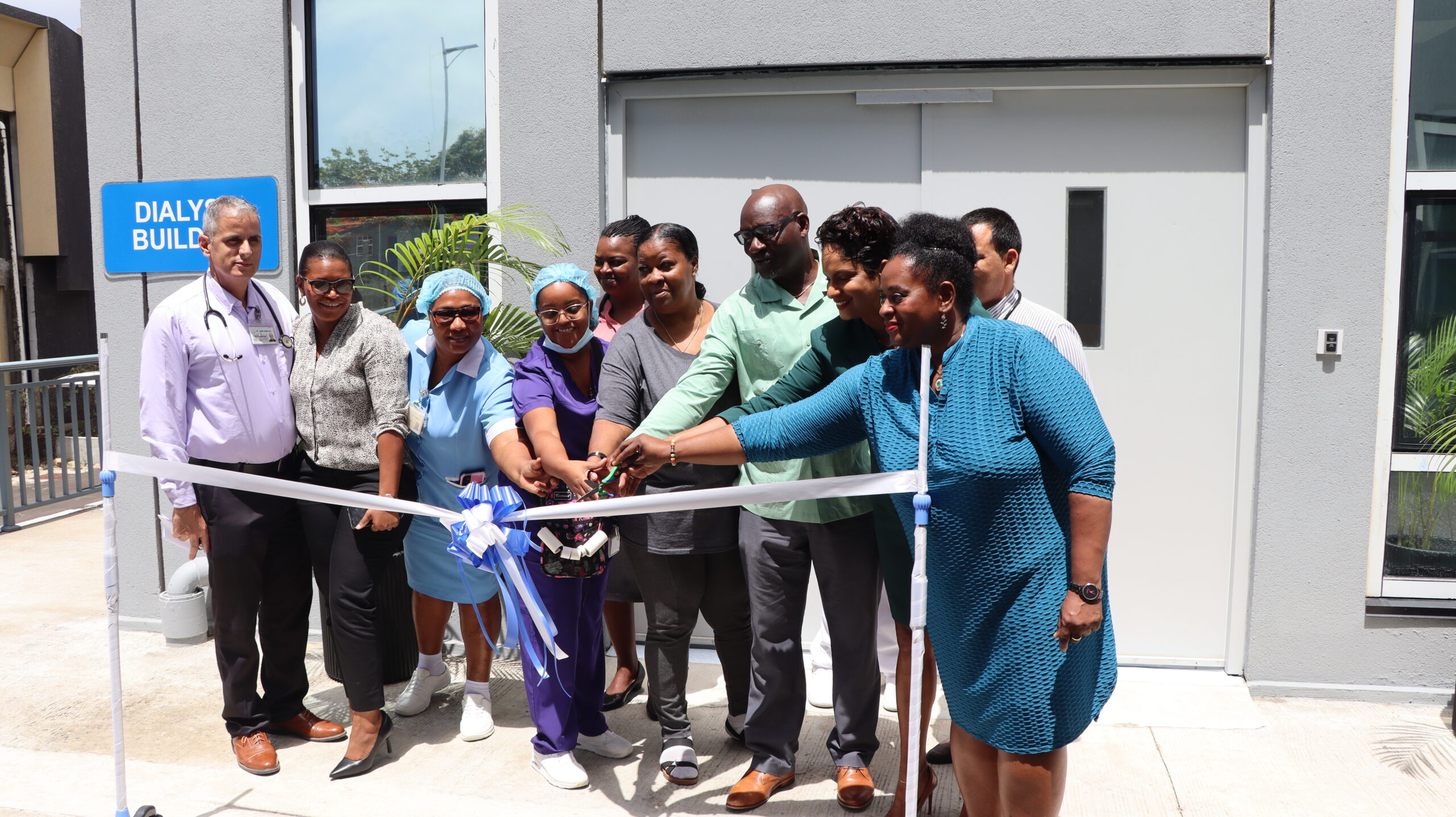
A state-of-the-art 14-station dialysis unit has officially opened at the upgraded St Jude Hospital in Augier, Saint Lucia, marking a major step forward in expanding access to critical, life-saving renal care for patients across the island — especially for those residing in the country’s southern region. The Ministry of Health, Wellness and Nutrition reports that the renovated facility delivers a far more modern, comfortable treatment environment for people relying on regular dialysis, and stands as the latest milestone in the government’s ongoing push to strengthen the nation’s public healthcare ecosystem. The new unit replaces dialysis services that were previously temporarily hosted at George Odlum Stadium, and health officials prioritized eliminating any gaps in care for vulnerable patients throughout the entire relocation process. Jenny Daniel, Permanent Secretary at the Ministry of Health, explained that the ministry arranged for continued treatment at partner medical facilities across the island while the transition to the new Augier location was completed. “The Ministry of Health fully understands the urgent nature of dialysis care for these patients,” Daniel noted. “When a patient needs dialysis, they cannot wait — a lack of required treatment can quickly become fatal.” To support uninterrupted care, the ministry pre-allocated the necessary funding and put operational protocols in place long before the move began, to guarantee no patient would be left without their scheduled treatment. Daniel emphasized that the seamless transition to the new facility was the result of months of coordinated planning between government technical teams and Renal Dynamics, a specialized partner that supported upgrades to ensure all dialysis equipment, water purification systems and electrical infrastructure met strict national medical standards. “Relocating the entire dialysis service from the stadium to our new Augier home was not a last-minute, overnight project,” Daniel explained. “Today’s successful launch is the product of extensive foundational work to make sure every unit, every water system, every electrical network was properly installed and tested before opening. That preparation is what made this transition a success.” Minister for Health, Wellness and Nutrition Moses Jn Baptiste marked the official commissioning of the facility, highlighting that it will address a long-unmet need for accessible renal care in southern Saint Lucia. “Many residents in the south of our island require regular dialysis treatment,” the minister noted. “This improved department will bring services far closer to home for these individuals, cutting down on travel time and transportation costs while making consistent care far easier to access.” The Ministry of Health added that the opening of the new dialysis unit is part of the government’s broader national strategy to upgrade healthcare delivery and modernize public health infrastructure, as the phased rehabilitation and reopening of St Jude Hospital continues. The project aligns with long-term commitments to expand access to high-quality primary and specialized care for all Saint Lucians, regardless of their location on the island.
作者: admin
-
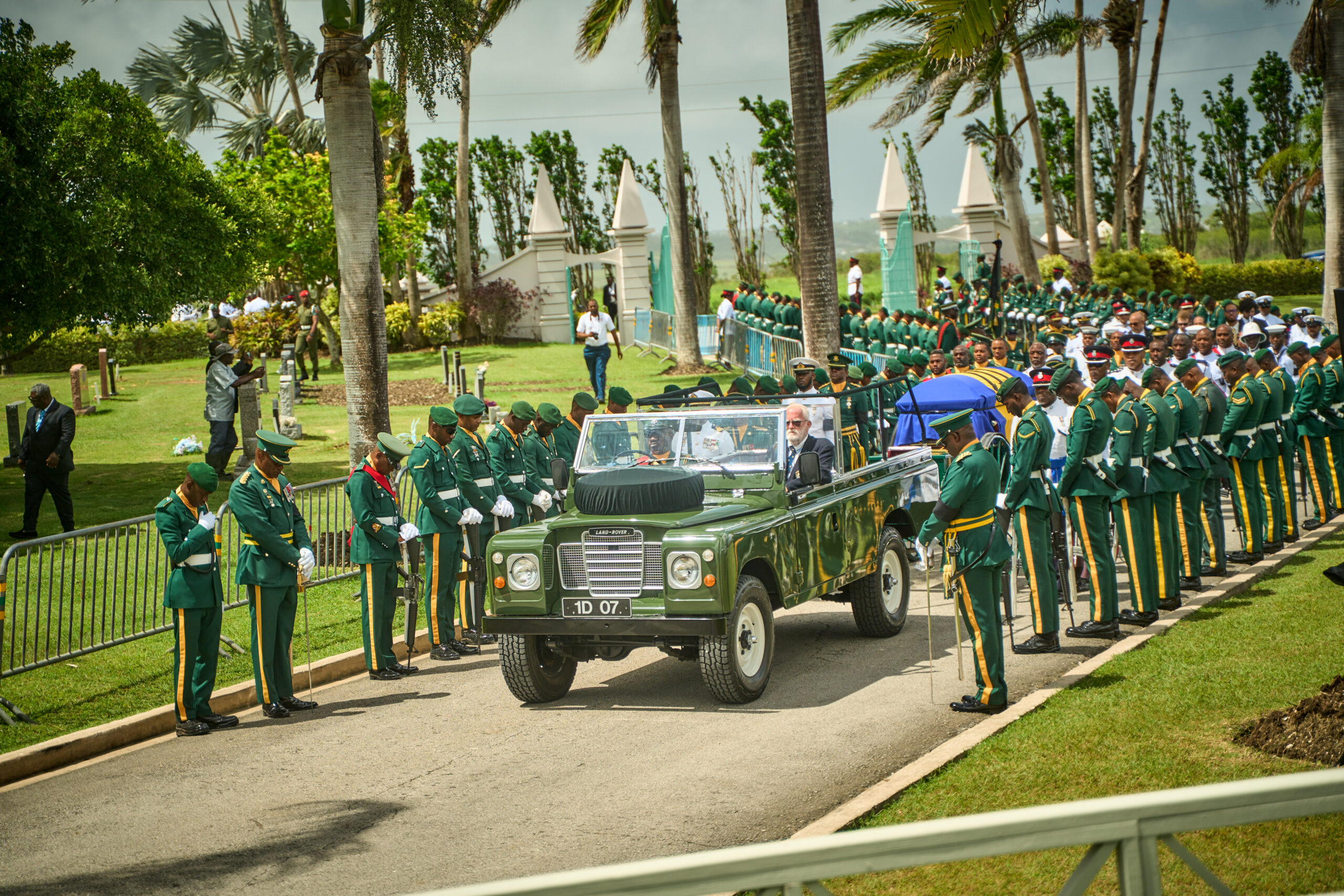
A hero’s rest
The Caribbean nation of Barbados came to a reverent standstill on Wednesday to lay to rest its beloved national hero, cricket icon Sir Garfield Sobers, at Coral Ridge Memorial Gardens. The state funeral, held with full military honours, drew a cross-section of attendees including immediate family, regional heads of government, global cricket royalty, and senior state officials, all gathering to honor the life and legacy of the man widely regarded as the greatest cricketer in the sport’s history.
Heavy, coordinated security measures were implemented across the surrounding area ahead of the ceremony, with all public access blocked from the Coral Ridge roundabout leading to the cemetery entrance. Uniformed police officers occupied strategic positions along the entire funeral procession route, forming a formal guard of honour that stood rigid at attention as the ceremonial cortege approached the burial grounds.
Shortly after 1 p.m., a polished gun carriage painted in the signature green of the Barbados Defence Force made its slow, deliberate way toward the memorial site. The deep, steady thrum of drums from the combined Massed Band of the Barbados Police Service and Defence Force rolled across the quiet landscape, announcing the arrival of the Bayland native who carved his name into global cricket history as an undisputed, unrivaled legend of the game.
Most of those gathered outside the cemetery gates were credentialed media crews from regional and international outlets, waiting to capture the historic final moments of the procession carrying Sir Garfield’s casket. Among the small number of local residents in attendance was one man who shared a decades-old personal connection to the cricketer, saying he felt compelled to attend to offer one last salute to a man he remembered as consistently humble and warm to members of the public. Speaking to local outlet Barbados TODAY, he recalled a 1970s photograph of himself shaking hands with Sir Garfield, noting that “He touched so many lives, and I wanted to be here to pay my respects one last time.”
In a moving display of state tradition, uniformed members of Barbados’ armed forces lined the main driveway of the memorial gardens, standing in solemn formation to salute as the gun carriage carried the casket toward its final resting place. The service drew a distinguished guest list that included foreign dignitaries, senior government leaders, and national cultural icons, all of whom took part in a formal wreath-laying ceremony at the gravesite.
Sir Garfield’s son Daniel Sobers was the first to place flowers on the casket. He was followed by Robyn Rihanna Fenty, Barbados’ only living National Hero, who joined President Jeffrey Bostic, Prime Minister Mia Mottley, Chief Justice Leslie Haynes, Chief of Staff Brigadier Carlos Lovell, and Police Commissioner Sonia Boyce to lay official memorial wreaths.
The regional and global importance of the occasion was highlighted by the attendance of senior international figures, including CARICOM Chairman and Saint Lucia Prime Minister Philip J. Pierre, and former Trinidad and Tobago Prime Minister Dr. Keith Rowley, a long-time close supporter of Sir Garfield. Cricket West Indies President Dr. Kishore Shallow and members of the international diplomatic corps also joined the wreath-laying.
Many of Sir Garfield’s fellow cricketing legends were also in attendance to bid farewell to their iconic peer, including Sir Wes Hall, Sir Andy Roberts, Sir Curtly Ambrose, and Sir Vivian Richards.
In a symbolic tradition at Barbadian state funerals, a senior army officer presented the carefully folded national flag of Barbados to Sir Garfield’s son Matthew Sobers. As the casket was slowly lowered into the ground, a ceremonial 19-gun salute echoed across the memorial grounds, while Senator the Reverend Canon John Rogers delivered the final religious rites.
As family, close friends, and dignitaries offered their final goodbyes, the service closed a defining chapter in Barbados’ national history. It united members of the public, regional leaders, and cultural trailblazers in celebrating the extraordinary legacy of a man who reshaped global cricket and cemented Barbados’ reputation on the world stage.
-
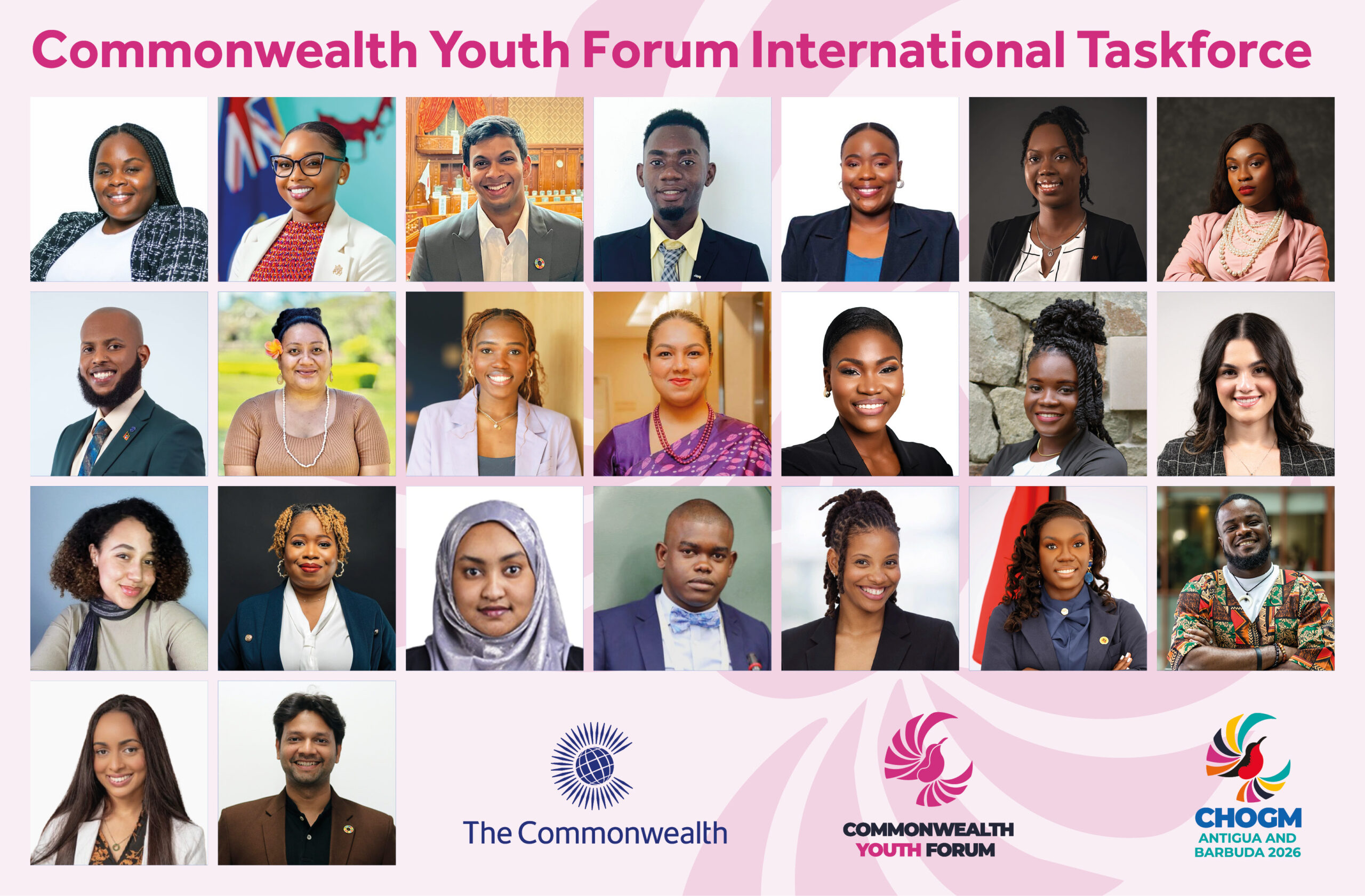
Commonwealth Youth Forum to Bring Young Leaders to Antigua and Barbuda in November
The small Caribbean nation of Antigua and Barbuda is preparing to welcome hundreds of young change-makers from all corners of the Commonwealth bloc this November, for a landmark gathering dedicated to elevating youth voices in global leadership and building collaborative routes to inclusive economic growth.
Scheduled to run from November 2 to 4 at the University of the West Indies Five Islands Campus in St. John’s, the 2025 Commonwealth Youth Forum will be held in advance of the 2026 Commonwealth Heads of Government Meeting (CHOGM), aligning youth priorities with the bloc’s top-level policy agenda. Under the official theme “Investing in Youth Agency — Co-Creating Pathways Towards Shared Prosperity”, the forum will create space for delegates to examine how young people can drive the development of a more resilient, adaptive Commonwealth that responds to 21st-century challenges.
This upcoming Antigua and Barbuda gathering builds on a successful pre-forum event held in London this past July: a special edition of the Commonwealth Leadership Series, hosted jointly by the Commonwealth Youth Council and the John A. Kufuor Foundation. Held on July 24, that event brought together more than 40 emerging young leaders to unpack the evolving demands of effective leadership in a fast-shifting global landscape.
Speaking at the London session, former Ghanaian President John Agyekum Kufuor, the namesake of the co-host foundation, urged participants to embrace technological transformation and evolving social norms while retaining a people-centric approach to leadership. “In an era defined by artificial intelligence, climate disruption, democratic pressure and economic uncertainty, leadership is no longer measured only by title or office. It is measured by judgment, service and the ability to hold ambition together with empathy,” Kufuor told delegates.
The focus on youth leadership comes as no surprise for the 56-nation bloc: demographic data shows that more than 60% of the Commonwealth’s total 2.7 billion population is under the age of 30, making youth engagement a critical priority for the organization’s long-term relevance and impact.
-

Cable Car project set to reshape Dominica’s tourism industry, says Charles-Pemberton
The Caribbean island nation of Dominica is gearing up for a major transformation of its tourism sector, with the flagship 6.6-kilometer Dominica Cable Car project on track for completion by the end of this year. That is according to the country’s Tourism Minister Denise Charles-Pemberton, who outlined the government’s broad tourism development strategy during an address to a three-day Business Cruise Stakeholders Symposium held this week at Goodwill Parish Hall.
Beyond the high-profile cable car initiative, Charles-Pemberton confirmed that construction and upgrade work is progressing steadily across multiple key tourist attractions across the island. Active development is ongoing at major sites including the new Champagne Beach Facility, Ti Tou Gorge and Emerald Pool, while planned upgrades include resurfacing critical access roads and improving ecotourism hotspots such as Morne Bruce, Mero Beach, Trafalgar Falls and Cold Soufriere.
The minister emphasized that the cable car project, in particular, will deliver both immediate and long-term benefits for Dominica’s economy and tourism brand. “The Dominica Cable Car set for completion later this year will transform our tourism offering, creating immediate local employment while positioning our destination for long-term growth,” she told attendees.
Awarded to Austrian cable car engineering leader Doppelmayr Group, the 4.1-mile gondola line will traverse the Roseau Valley, and when finished it will claim the title of the world’s longest recreational cable car. Per project details first released in August 2022, the system will feature 10-passenger detachable gondola cabins that can shuttle visitors from the valley base to the mountainous national park in under 20 minutes, delivering a fast, comfortable and reliable journey.
Doppelmayr’s project plans include localized hospitality and retail facilities at the cable car’s bottom station designed to highlight Dominica’s unique Caribbean cultural and natural heritage. Near the top station, visitors will find additional amenities including a panoramic café terrace, a public viewing platform, and a six-meter tall statue of the Sisserou Parrot, Dominica’s iconic national bird.
Early projections from feasibility studies point to dramatic growth for the island’s tourism sector following the cable car’s launch. A 2022 feasibility assessment conducted by Swiss-based European engineering firm Outdoor Engineers found that completing the project could triple Dominica’s annual tourism arrivals, according to reporting from Dominica News Online referencing the Associated Press.
Despite the progress on physical infrastructure, Charles-Pemberton stressed that destination competitiveness requires more than just new construction. In an era of shifting global travel trends, she noted that today’s tourists are more digitally connected, better informed, and have a wider range of destination options than at any point in history. These changes, she added, mean technology is rapidly reshaping how tourism destinations market themselves, compete for visitors, and deliver memorable travel experiences.
The minister pointed to the growing role of cutting-edge technology in the sector as evidence of this shift, noting that a discussion of artificial intelligence would have been unthinkable on a Dominican tourism symposium agenda just 10 years ago. “Today, discussing AI and digital innovation is essential if we intend to remain competitive,” she emphasized.
-

Antigua: Woman warns revellers after one-night Carnival encounter left her pregnant, HIV positive
As Antigua’s annual Carnival prepares to welcome throngs of revelers this year, a local woman has stepped forward with a deeply personal, harrowing story to warn partygoers about the irreversible risks of unprotected casual sex during the festive season.
Her ordeal began on Carnival Monday, when she crossed paths with a man while participating in the annual mass parade. The pair bonded quickly, swept up in the infectious energy of Carnival celebrations. The man told her he was an Antiguan who resided in Florida, and after a night of drinking and dancing, the two agreed to spend the night together.
Before this fateful encounter, the woman had not been sexually active for nearly a year. Just prior to the meeting, she had completed a full routine medical check-up and insurance-mandated physical examination, which included an HIV test — all results came back clear. After the Carnival ended, the man returned to Florida, and the woman’s life slowly returned to its normal rhythm until several months later, when she made an unexpected discovery: she was four months pregnant.
Living with polycystic ovary syndrome (PCOS), the woman had long accepted that she would likely never conceive, so the pregnancy news initially filled her with overwhelming joy. She had experienced none of the common early pregnancy symptoms such as morning sickness, which was why her pregnancy went undetected for so long.
But her happiness was cut devastatingly short. Routine prenatal blood work delivered a life-shattering result: she had contracted HIV from the one-night encounter. Shocked but honest, she reached out to the man to share both her pregnancy and HIV diagnosis. Far from showing surprise or remorse, he simply said he would call her back — and never contacted her again.
In the months that followed, the woman entered one of the darkest chapters of her life. She battled severe depression and described herself as completely broken by the betrayal and diagnosis. The only thing that kept her fighting through that period was the unborn child she carried.
Today, the woman has a message of caution rooted in hard-won experience: she says she is endlessly grateful that her daughter was born HIV negative, and calls the little girl her reason for surviving her lowest moments, when she doubted she would be able to go on living.
Now, as Carnival season kicks off across Antigua and Barbuda, she has chosen to share her story publicly to prevent others from suffering the same fate. She urges all revelers not to allow the excitement of Carnival, the influence of alcohol, or the thrill of a new connection to cloud their critical judgment.
“Protect yourself. Make informed decisions. Know who you are with, and never assume someone is safe just because they say so and seem trustworthy,” she emphasized. “One night can change the entire course of your life. I cannot undo what happened to me, but if my story leads even one person to make a safer choice this Carnival season, sharing it will have been worth every bit of vulnerability.”
Her story has spread widely across social media, drawing an outpouring of support and reflection from online users. One commenter wrote, “It takes extraordinary courage to share this story. I am so sorry this happened to you, but by speaking out, if even one person avoids this same tragedy, you have done something truly remarkable. Stay strong, and thank you for sharing.”
Another commenter echoed the warning, noting, “This story perfectly illustrates how a single unprotected encounter during Carnival can lead to life-altering consequences: an unexpected HIV diagnosis, an unplanned pregnancy, and a lifetime of changed health outcomes. When alcohol lowers inhibitions, people often throw caution to the wind, and the critical importance of barrier protection and checking a partner’s sexual health status gets pushed aside. This happens every year, and far too many people learn this lesson the hard way.”
Public health officials and commentators have echoed the woman’s warning, reminding sexually active people that regular testing and open, honest conversations with partners about sexual health status remain the most effective ways to protect both themselves and their partners. As thousands gather to celebrate Carnival this season, the message is clear: keep celebrations fun, but never let excitement override safety.
-
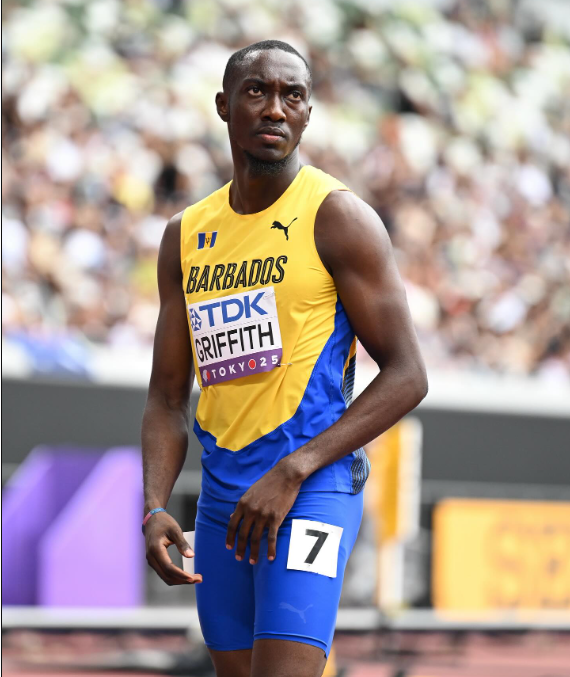
Griffith advances to 200m semis
On the third day of competition at the 2014 Glasgow Commonwealth Games, Barbadian track and field and swimming athletes delivered a mixed bag of results, with only one competitor advancing past the preliminary rounds to secure a spot in the next stage of their event.
Barbadian sprinter Kuron Griffith emerged as the day’s bright spot for the nation’s delegation, clocking a solid 20.75 seconds to claim second place in the third preliminary heat of the men’s 200-meter sprint. The strong finish earned him a place in the event’s semi-final round, where he will return to compete for a spot in the final.
Unfortunately, the success did not extend to the rest of the Barbadian athletes in 200-meter sprint action. In the women’s opening 200m round, sprinter Kelia Bentham crossed the finish line in fifth position within her heat, recording a time of 23.96 seconds. The result was not fast enough to earn her a spot in the next round, ending her 200m campaign early.
In the men’s 400-meter hurdles, Rasheeme Griffith also saw his Games run cut short. Competing in the first semi-final, he crossed the line in fifth place with a time of 50.08 seconds, falling short of the top finish required to advance to the event’s final.
In the pool, two Barbadian swimmers saw their competitions come to an end in opening round action. Adara Stoddard competed in the women’s 200-meter breaststroke, finishing fifth in her preliminary heat with a time of 2 minutes and 46.23 seconds, a result that saw her eliminated from contention. Fellow swimmer Jaiya Simmons did not start her 200-meter butterfly heat, withdrawing before the race got underway.
Over in the weightlifting venue, Barbadian weightlifter Daniel Griffith competed in the final of the men’s 94kg category, ultimately finishing seventh overall in a strong field of international competitors.
Looking ahead to Thursday’s competition schedule, the focus of the Barbadian delegation will turn to defending women’s 400-meter champion Sada Williams, who will begin her title defense at the semi-final stage on Thursday morning. Williams, who set the current Commonwealth Games record of 49.90 seconds at the 2022 Birmingham Games, enters the tournament as one of the top contenders to retain her gold medal. Alongside Williams, Kuron Griffith will return to the track Thursday to compete in the men’s 200m semi-finals as he aims to book his place in the event’s final.
-

Antigua and Barbuda’s Aj’Marie Davis Wins Four Gold Medals, Named Overall MVP at Nevis Culturama Games
The 2026 Nevis Culturama Games, one of the Caribbean’s most anticipated regional youth athletic competitions, played host to a historic breakout performance this year, as 14-year-old Aj’Marie Davis of Antigua and Barbuda turned in a dominant display that secured her a spot among the event’s most decorated young competitors.
Davis left no doubt of her superiority on the track, clinching four first-place gold medals and one third-place bronze finish across her scheduled events. Her consistent, high-level performance throughout the multi-day competition caught the attention of event organizers and judges, who awarded Davis two of the meet’s most prestigious individual accolades: Under-15 Most Valuable Performer and Overall Track Meet MVP. The dual honor marks a rare achievement for a young athlete competing at the regional level, underscoring the depth of Davis’ talent and work ethic.
In the wake of Davis’ historic haul, Antigua and Barbuda’s Ministry of Sports issued an official statement celebrating the young athlete’s success. The ministry described her multi-medal win as a landmark accomplishment that has filled the entire nation with pride, extending congratulations to Davis, her coaching team, and her family for the work that led to her competitive victory.
Davis’ standout performance is the latest in a growing string of strong showings from Antigua and Barbuda’s emerging young athletes across regional competitions. This consistent success, officials note, is a direct reflection of the nation’s sustained long-term investment in youth athletic development programs, which are designed to identify and nurture emerging talent from an early age. The Ministry of Sports reaffirmed its commitment to expanding these opportunities in the coming years, highlighting Davis’ success as proof that strategic investment in youth sports delivers tangible, world-class results for the nation.
-
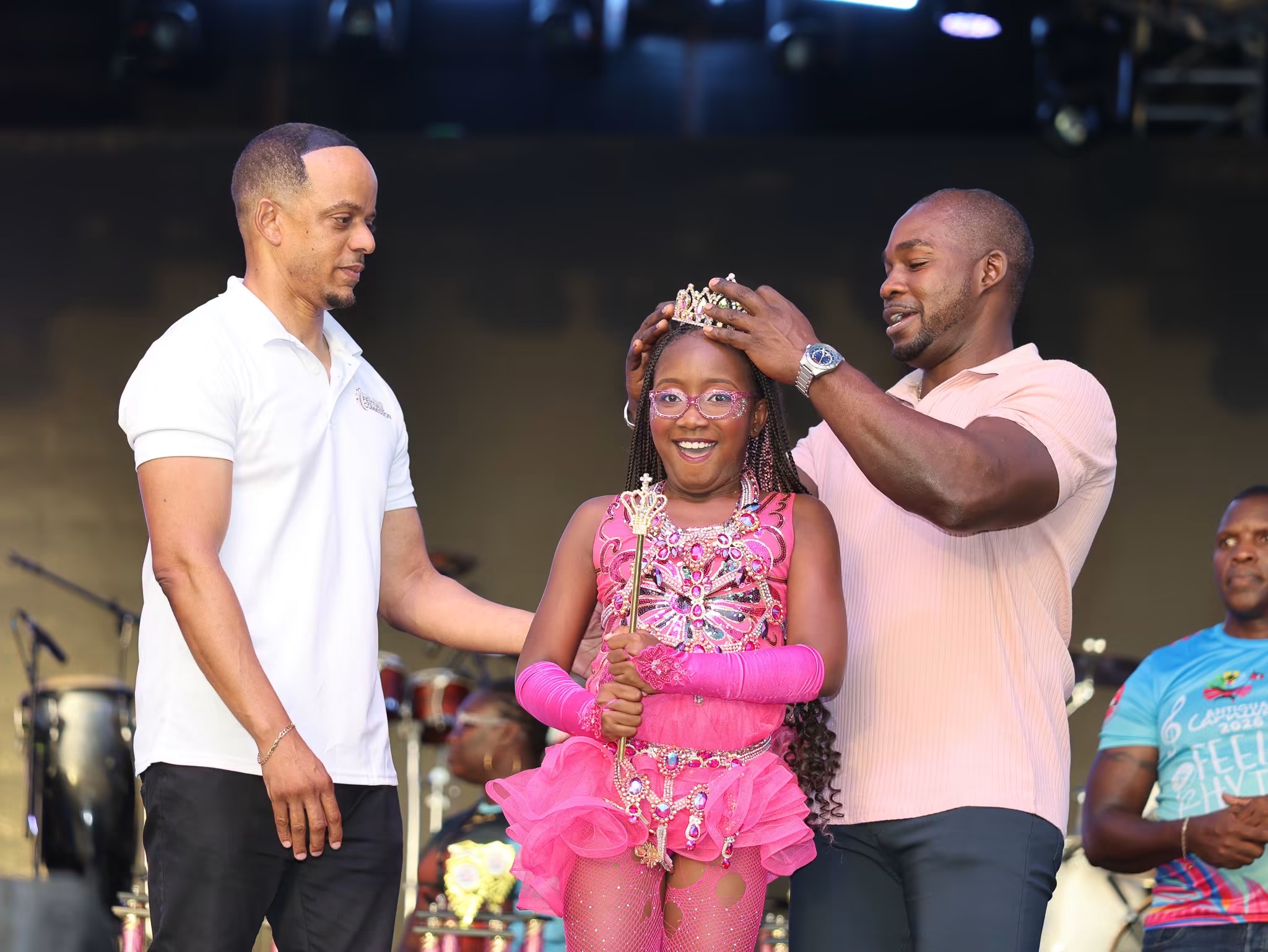
Potters Primary, Dynamics Kids Among Winners at 2026 Junior Carnival Awards
The 2026 Smalta Junior Carnival Awards and Presentation Ceremony marked a celebratory milestone recently, bringing the curtain down on this year’s festival by officially recognizing the standout achievements of competitors across every division. The event gathered a lively crowd of young participants, their family members, school educators, and diehard carnival supporters to honor the hard work, creativity, and passion that turned the 2026 Junior Carnival season into a widely celebrated success.
Competitors were divided into seven distinct categories, spanning school groups, independent performance troupes, and individual musical acts, with prizes awarded to the top three finishers in most divisions. In the Preschool Section, the young performers from Learning Ladder Preschool delivered a winning routine that earned them first place honors. Beehive Learning Center followed closely behind to claim the second spot, while Willikies Child Development Center rounded out the top three with their engaging performance.
Moving to the Primary School Section, Potters Primary School claimed the coveted division title, outperforming dozens of competing school groups. Pares Primary School secured the first runner-up position, and Villa Primary took home second runner-up recognition. In the fiercely contested Private Band category, Dynamics Kids delivered two standout wins: the group took home the division’s first place prize, and one of its members also earned the prestigious Queen of the Band title. Royal Legacy finished the section as first runner-up.
The Marching Band and Cheerleading division saw Sparkles Cheerleaders claim the top spot on the podium, with Let’s Dance Cheerleaders finishing in second place and Xplosion Cheerleaders taking third. For the Spirit of Carnival award, which honors the group that best embodies the joyful, communal essence of the festival, Seaview Farm Primary School took home the top honor. Villa Primary earned first runner-up, and FreeTown Primary claimed second runner-up.
In the solo and small-group Junior Road March competition, Soca J’s original track *Paper Fight* claimed the winning title. Zsura’s *Small Package* finished as first runner-up, and Jamario’s *Mash Up* secured the third position on the podium. Organizers noted that every participant brought unique energy and creativity to this year’s festival, and the ceremony served as both a recognition of top performers and a celebration of young artistic talent across the region.
-
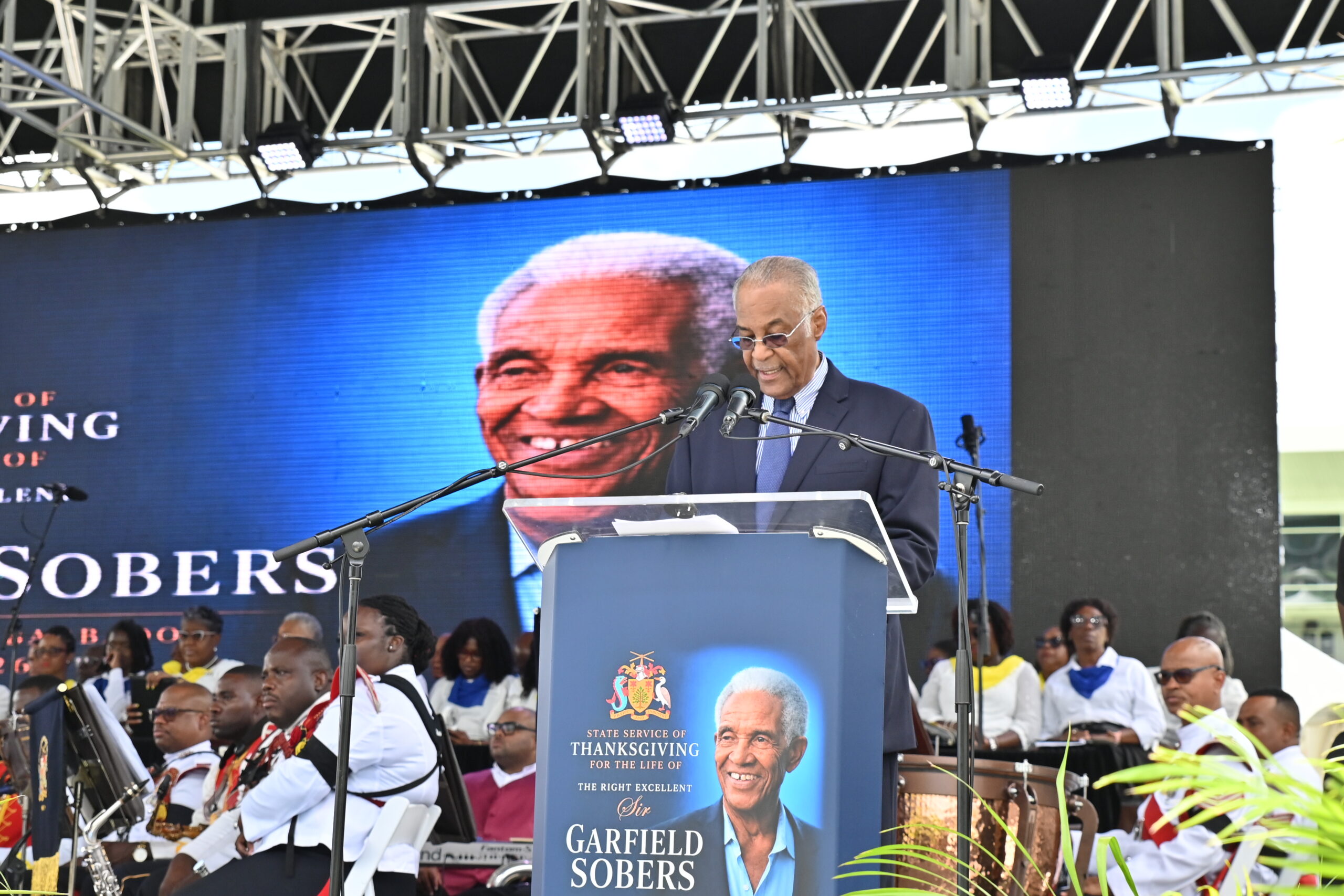
Sobers in ‘66: Feats ‘boosted pre-independence confidence’
On Wednesday, hundreds gathered at Barbados’ iconic Kensington Oval to bid a final farewell to national hero and cricket giant Sir Garfield Sobers, whose decades-long career left an indelible mark not just on global cricket, but on the Caribbean’s decolonization journey. In a moving keynote tribute delivered during the state service, former chief justice Sir David Simmonds traced the powerful overlap between Sobers’ historic rise and the region’s push for self-rule, framing the cricketer’s 1966 performances as a defining catalyst for national pride on the cusp of Barbadian independence.
Simmonds noted that Sobers’ journey from working-class, humble beginnings with limited formal secondary education to the pinnacle of world cricket mirrored the trajectory of Caribbean nations moving away from British colonial rule toward full self-governance. At a moment when Barbados was preparing to stand as an independent nation, many locals questioned whether the small island nation could thrive on the global stage — a doubt that Sobers’ extraordinary display at London’s Lord’s Cricket Ground, the historic “home of cricket”, definitively erased.
In that landmark 1966 Test series against England, Sobers delivered a statistical masterclass that solidified his legacy: he amassed 722 runs at an average of 103 runs per match, claimed 20 wickets, and secured 10 catches. “Here was a Barbadian at the very home of cricket in the mother country proving to the world as we sought freedom from British rule that we were perfectly capable of managing our affairs and excelling,” Simmonds told the mourners gathered at the ground where Sobers played many of his most iconic matches.
Simmonds also highlighted how Sobers broke through systemic barriers long before national independence was formalized. Long before Barbados secured its full sovereignty, Sobers shattered the long-standing Test record held by England’s Len Hutton, following in the footsteps of his own idol, fellow West Indian cricketer Everton Weekes. In doing so, he proved that poverty and lack of advanced formal education were not insurmountable obstacles to achieving world-class excellence. By the time Sobers claimed that historic record, the governments of Barbados, Jamaica, Trinidad and Tobago had already secured full internal self-governance, and the region’s people were already walking the path to full decolonization — just as Sobers was walking his own path from a talented small-island player to the greatest cricketer the world had ever seen.
Beyond his on-field achievements, Simmonds celebrated Sobers’ ability to bridge political divides across the Caribbean. The legend built and maintained close, respectful friendships with political leaders of all ideological stripes, including former Barbadian prime ministers Errol Barrow and Tom Adams, and former finance minister Sir Richard Haynes. He never allowed partisanship to overshadow the unity his talent and character brought to the region.
Simmonds emphasized that Sobers’ legacy is rooted not in individual fame, but in collective pride. Throughout his decades in the public eye, the cricketer repeatedly said he never stepped onto the pitch for personal glory — he played for his team, first and foremost. “I must add that as a supreme entertainer, he also played it for us, the people of the West Indies and the fans and supporters,” Simmonds added, as the nation said goodbye to the icon who helped give them the confidence to build an independent future.
-
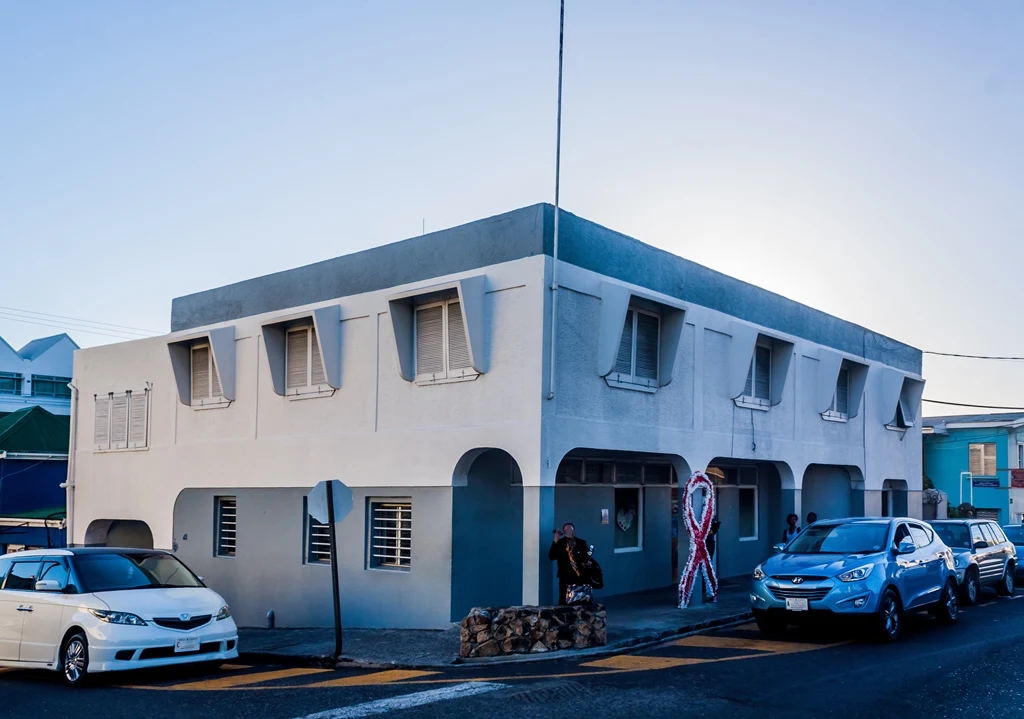
Thieves Steal Television, Air Conditioner From AIDS Secretariat
An overnight break-in at the AIDS Secretariat government office located on Long Street has left the facility missing a range of household and office goods, authorities confirmed this week. The disappearance of the property was first detected when administrative staff returned to work and opened the building at approximately 7 a.m. on Monday. Prior to the weekend closure, the office had been properly locked and secured by staff at around 9 p.m. the previous Saturday, indicating the burglary occurred sometime between Saturday night and Monday morning.
Inventory of stolen items reveals a eclectic mix of goods taken by the intruders, ranging from large electronic appliances to everyday personal and office supplies. The stolen property includes a full-size television, a standalone air conditioning unit, two pairs of footwear, a winter jacket, sanitary hygiene products, coffee, and fresh eggs. Law enforcement investigators who processed the crime scene found clear evidence of forced entry attempts at the building’s western facade. Six glass louvre panels were completely removed from an exterior window on that side of the structure, and suspects also tried to bend the protective iron security bars covering the opening — though that particular attempt did not succeed.
As of the latest update, the exact route intruders used to gain full access to the secured office building remains undetermined by investigators. Once inside the facility, the burglars specifically targeted the accountant’s office, forcing entry to the locked space and searching through documents and storage areas across the premises. Following the discovery of the break-in, law enforcement conducted a grid search of the surrounding neighborhood and nearby access routes in an effort to recover the stolen property, but no trace of the missing items has been found to date. The case remains open and active as investigators continue to process evidence and follow leads to identify the perpetrators.