作者: admin

  • Government connects Ecological Avenue to Las Américas Highway to ease traffic

    Government connects Ecological Avenue to Las Américas Highway to ease traffic

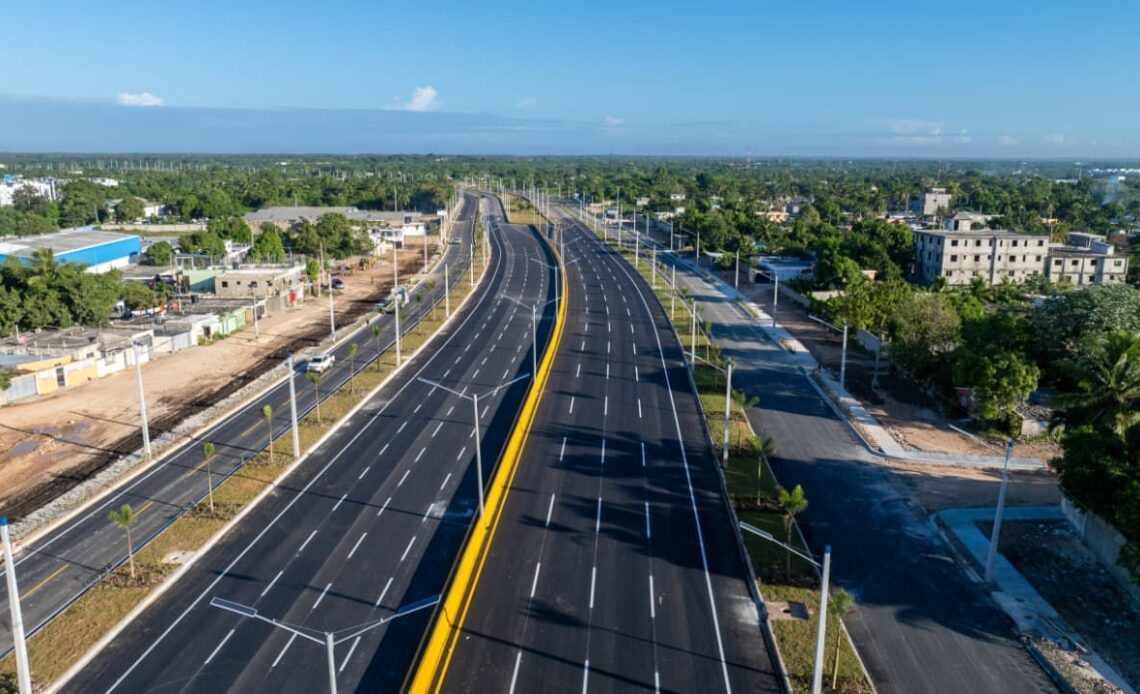
    Santo Domingo has inaugurated a critical infrastructure enhancement with the official completion of the connection between Ecological Avenue and Las Américas Highway. This newly established corridor represents a significant advancement in urban mobility, engineered to meet rigorous standards of sustainability, safety, and accessibility for all commuters.

    The primary objective of this major public works initiative is to alleviate the persistent traffic congestion plaguing Santo Domingo East. By creating a more fluid transportation network, the project directly addresses one of the city’s most pressing urban challenges. Minister of Public Works, Eduardo Estrella, emphasized that this development exemplifies the government’s dedication to responsible and strategic public investment.

    A key operational shift involves the rerouting of heavy truck traffic originating from the Multimodal Port. These vehicles will now be directed onto Ecological Avenue, connecting to the Juan Pablo II Highway and subsequently integrating with the Santo Domingo Ring Road. This strategic diversion is designed to prevent large commercial vehicles from entering and congesting the Las Américas Highway, thereby improving travel conditions for passenger vehicles.

    The enhancement solidifies Ecological Avenue’s role as a fundamental mobility artery within Greater Santo Domingo. Officials project that the improved infrastructure will not only streamline commutes and enhance road safety but also generate positive secondary effects, including a potential uplift in local property values and an overall improvement in the quality of life for residents in the surrounding areas.
  • Sampie: Saramaccaanse gemeenschap eist opheldering over verlengde goudconcessie

    Sampie: Saramaccaanse gemeenschap eist opheldering over verlengde goudconcessie

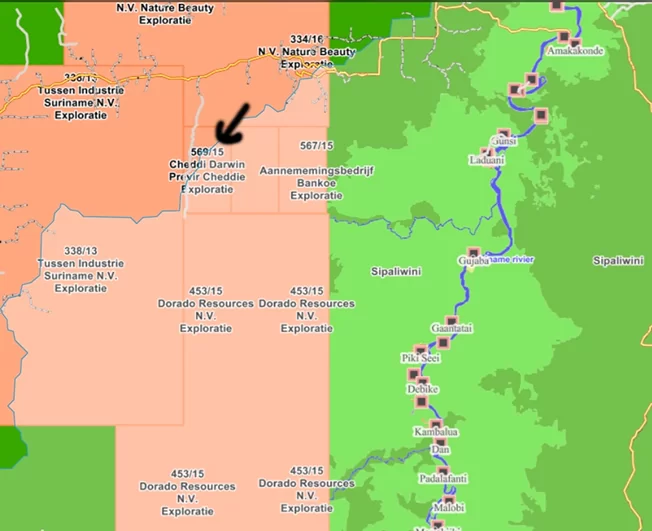
    The Saramaccan community in Suriname’s Upper Suriname River region has formally demanded government clarification regarding the controversial extension of a gold mining concession within their ancestral territory. This development has sparked significant concern among indigenous residents who fear environmental and cultural degradation.

    Of thirteen gold concessions originally issued between 2015-2020, twelve have naturally expired without renewal. However, Natural Resources Minister David Abiamofo authorized the exceptional extension of one particular concession last year, creating immediate tension within the Saramaccan community. The situation escalated when concession holders attempted to initiate discussions with village leadership in Guyaba, prompting organized resistance.

    Assembly Member Edgar Sampie (ABOP) confirmed to media sources that while most concessions from that period have lapsed, this single extension has generated substantial alarm. “Twelve concessions weren’t renewed, effectively halting mining operations in those areas,” Sampie stated. “But this one concession was extended, and precisely this decision has disturbed the community.”

    The Saramaccan people have demonstrated unanimous willingness to resist the mining operations. Last week, they submitted an official petition to the National Assembly expressing profound concerns about gold mining activities in their traditional territories south of the Small Saramacca River, between Paaba Creek and Muyangwojo Creek.

    According to the petition, mining operations violate international treaties, the landmark Saamaka ruling, and Surinamese law by proceeding without Free, Prior and Informed Consent (FPIC). The community asserts these activities threaten their water sources, public health, cultural practices, spiritual values, and collective land rights.

    Their demands include: immediate cessation of all mining operations, complete transparency regarding concession grants, and formal consultation between government officials and traditional Saamaka authorities.

    Minister Abiamofo has reportedly suggested the concession falls within Matuariër territory where mining already occurs, rather than Saramaccan lands. Sampie indicates he is investigating this geographical claim while emphasizing that Saramaccan leaders have unanimously resolved to prohibit gold mining throughout their territory.

    The community continues to demand transparency regarding the extension decision-making process, current concession status, and potential impacts on their homeland. They expect the minister to participate in a gran krutu (traditional meeting) to provide comprehensive explanations. Minister Abiamofo has not yet publicly addressed these concerns.

  • Dominican Republic closes 2025 with nearly 80,000 HIV diagnoses

    Dominican Republic closes 2025 with nearly 80,000 HIV diagnoses

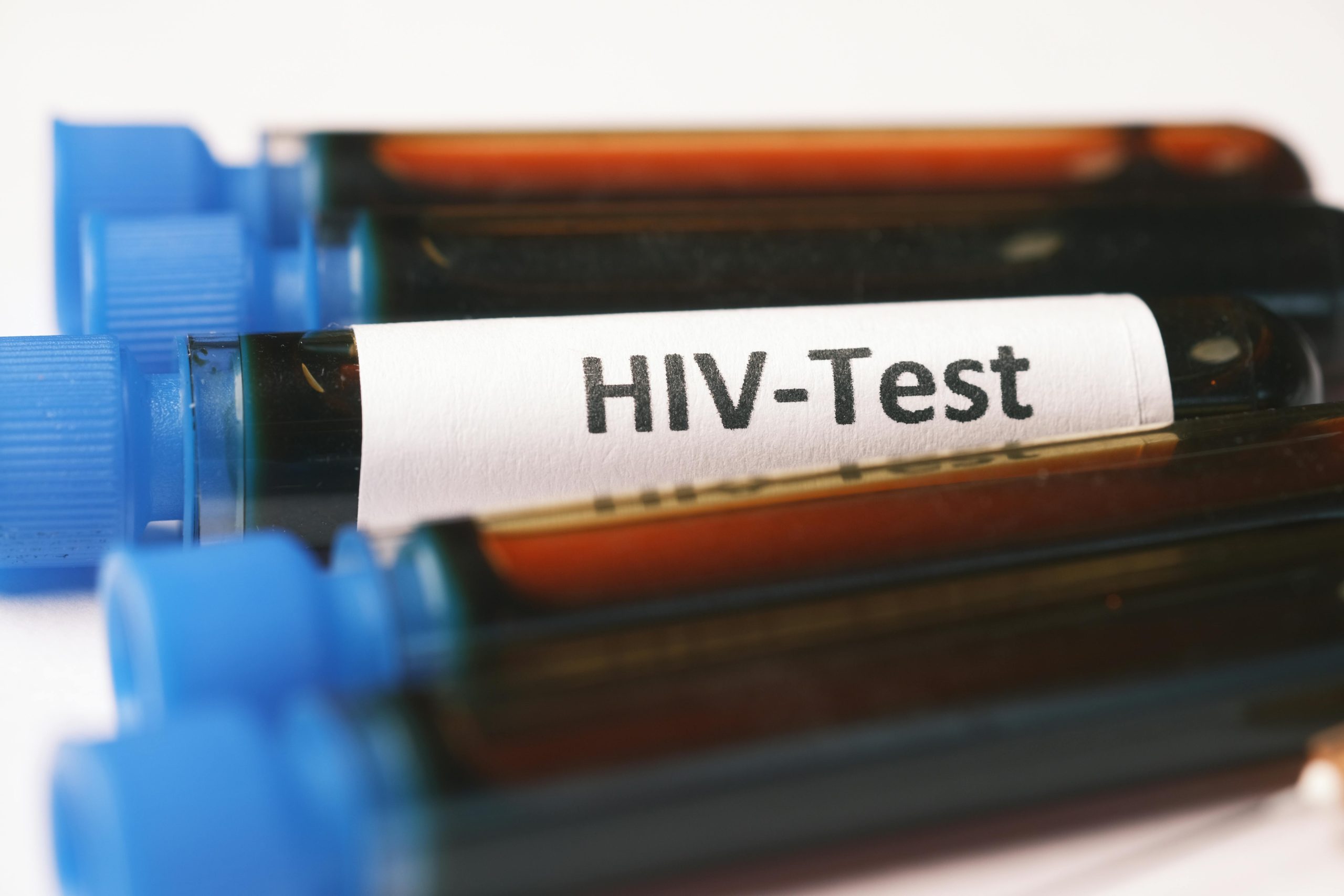
    The Dominican Republic concluded 2025 with approximately 80,000 documented HIV cases, a statistic that underscores both the virus’s prevalence and the nation’s substantial advancements in detection and treatment systems. Health officials emphasize that these figures demonstrate improved diagnostic capabilities and disease management protocols consistent with global public health benchmarks.

    Official data from the Ministry of Public Health reveals 79,800 individuals registered within the national HIV monitoring system. Among these, over 56,000 patients are receiving ongoing antiretroviral therapy, with approximately 49,000 achieving viral suppression levels that prevent disease transmission. This performance exceeded the World Health Organization and UNAIDS 95-95-95 targets, earning the country prestigious ‘Champion Country’ status in global HIV response.

    Health Minister Víctor Atallah credited this success to comprehensive strategies emphasizing prevention initiatives, equitable medication access, and societal stigma reduction campaigns. These efforts received substantial governmental backing and international collaboration with organizations including the Pan American Health Organization. Health authorities caution that maintaining these achievements will require sustained investment in public education, preventive healthcare infrastructure, and guaranteed treatment access for marginalized communities.

  • Holiday mobility soars as over 2.36 million travel during Christmas

    Holiday mobility soars as over 2.36 million travel during Christmas

    Santo Domingo witnessed an unprecedented surge in domestic travel during the 2025 Christmas season, with official data from RD Vial revealing extraordinary mobility patterns across the Dominican Republic. Between December 20-27, the nation’s toll plazas recorded a staggering 2,366,699 passenger movements, demonstrating a remarkable 24% year-over-year increase and nearly doubling the traffic volume documented in 2023.

    The comprehensive statistics show an additional 452,778 travelers compared to the identical period in 2024, with the peak travel days of December 24-25 alone accounting for 460,017 journeys. This represents a substantial 29% surge from the previous year’s Christmas Eve and Christmas Day figures, highlighting a transformative shift in holiday transportation dynamics.

    Transportation authorities identified two primary catalysts for this historic mobility event: widespread family reunification initiatives and robust domestic tourism activity. The data suggests a fundamental transformation in travel behavior, with citizens increasingly opting for interprovincial journeys during major holidays. Officials have simultaneously issued renewed calls for traffic law compliance as the New Year’s travel period approaches, emphasizing safety measures alongside the celebration of increased economic activity within the national tourism sector.

    The statistical breakdown provides compelling evidence of recovering and expanding travel patterns post-pandemic, with the 2025 numbers establishing new benchmarks for holiday mobility. RD Vial’s monitoring systems captured these movements through advanced toll plaza analytics, offering precise insights into the nation’s transportation trends during peak seasonal periods.

  • Social : The Mexican Catholic Church is concerned about the number of migrants coming from Haiti…

    Social : The Mexican Catholic Church is concerned about the number of migrants coming from Haiti…

    The Mexican Catholic Church in the southern border region has raised urgent concerns regarding the escalating humanitarian situation created by increasing migrant arrivals. Father César Augusto Cañaveral, leading migrant ministry for the Diocese of Tapachula, reported extensively populated migrant camps housing individuals from Haiti, Cuba, Venezuela, Guatemala, and El Salvador throughout the city’s periphery and surrounding neighborhoods.

    Tapachula, located in Chiapas state bordering Guatemala, serves as a critical juncture for asylum seekers. Father Cañaveral emphasized the necessity for local communities to develop coexistence strategies with incoming foreign populations, stating, “As a border church, we must intensify efforts toward integration and building constructive relationships.”

    The priest highlighted that while Central American migrants traditionally utilized these routes, current numbers show substantial increases with many stranded individuals seeking refuge in parish facilities. This surge appears linked to expectations of potential U.S. border policy changes under the renewed Trump administration’s stringent immigration measures.

    Ecclesiastical authorities have criticized the Mexican government’s inadequate response to this ongoing challenge. Despite some decline in migration flows, Tapachula—with its resident population of approximately 350,000—remains overwhelmed by asylum applications. Official data reveals that from January through September 2025, Mexico recorded over 52,000 asylum petitions, with 66% originating from Chiapas state.

    The International Organization for Migration identifies Haitian, Cuban, and Honduran nationals as predominant groups, though diverse nationalities are represented. Local labor representatives like Teodoro Vázquez Castillo of the Revolutionary Workers’ Federation acknowledge migrants’ presence in formal employment sectors but express concern over strained local resources in what he describes as an already crisis-affected zone.

  • CARICOM : Renewed attention to Haiti

    CARICOM : Renewed attention to Haiti

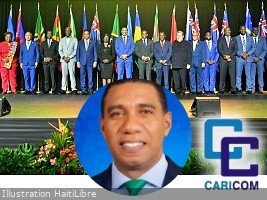
    As Jamaica’s Prime Minister Andrew Holness concludes his tenure as CARICOM president, he has outlined significant regional accomplishments while emphasizing the Caribbean community’s intensified focus on Haiti’s stabilization. The leadership transition, scheduled for January with Saint Kitts and Nevis assuming the pro tempore presidency, marks a pivotal moment for regional cooperation.

    In his valedictory address, Holness highlighted several landmark achievements during his presidency. The Caribbean Community demonstrated exceptional solidarity during Hurricane Melissa, showcasing the region’s collective disaster response capabilities. A historic integration milestone was reached with Barbados, Belize, Dominica, and St. Vincent and the Grenadines implementing full free movement of citizens among themselves since October 1, 2025. This ‘concentric circles’ approach mirrors successful integration models globally, enabling willing nations to deepen cooperation while maintaining flexibility for other members to join when prepared.

    Haiti emerged as a central focus of CARICOM’s diplomatic efforts, with sustained advocacy resulting in substantial international engagement. The community’s persistent diplomacy contributed to the UN Security Council establishing a Gang Suppression Force (GSF), partially funded by United Nations resources including equipment, infrastructure, and logistical support. CARICOM has now become an essential partner in the tripartite coordination of the Organization of American States’ Roadmap toward Stability and Peace in Haiti, with optimistic projections for free and fair elections in 2026.

    The Caribbean Community reaffirmed its commitment to maintaining the region as a Zone of Peace, grounded in respect for international law and peaceful conflict resolution. While acknowledging that member states may occasionally express divergent national perspectives, Holness emphasized that such diversity strengthens rather than weakens the community’s collective mandate, economic interdependence, and organic people-to-people connections that transcend temporary challenges.

  • Seven injured in head-on crash near Ozama River Bridge

    Seven injured in head-on crash near Ozama River Bridge

    SANTO DOMINGO – Emergency services responded to a severe head-on collision near the floating bridge spanning the Ozama River on Sunday evening, resulting in at least seven individuals sustaining injuries. Preliminary accounts from eyewitnesses confirm the incident involved two vehicles that collided with significant impact.

    Among those injured were three children and four adults, all of whom required immediate medical attention. First responders acted swiftly, with emergency units transporting the minors to Dr. Robert Reid Cabral Hospital for specialized pediatric care. The adult victims were concurrently taken to Darío Contreras Hospital for treatment of their injuries.

    Local authorities have not yet issued an official statement regarding the precise causes of the accident or the current medical status of the victims, noting that an active investigation is underway. The crash caused considerable temporary disruption to traffic flow in the vicinity as rescue teams worked to provide aid and remove the damaged vehicles from the roadway to restore normal transit conditions.

  • Security : General mobilization of State security forces against gangs

    Security : General mobilization of State security forces against gangs

    In a decisive move to combat rampant gang violence, Haitian Prime Minister Alix Didier Fils-Aimé spearheaded a high-level security summit at the National Police headquarters in Clercine on December 28, 2025. The strategic meeting assembled key security officials including Justice Minister Patrick Pélissier, Public Security Secretary Mario Andrésol, and Acting Police Director Vladimir Paraison, signaling an unprecedented coordinated response to the nation’s security crisis.

    The gathering marked the formal activation of a tripartite security offensive involving Haiti’s National Police (PNH), Armed Forces (FAd’H), and specialized Gang Suppression Unit (FRG). This coordinated mobilization represents the most comprehensive security operation undertaken against armed criminal networks that have destabilized the nation.

    During the strategic briefing, Prime Minister Fils-Aimé officially acknowledged critical international support from the U.S. State Department’s Bureau of International Narcotics and Law Enforcement Affairs, which has provided 25 armored personnel carriers to enhance operational capabilities. This tactical equipment is expected to significantly improve officer protection and intervention effectiveness in high-risk operations.

    The Prime Minister delivered an unequivocal declaration of the government’s stance: “Our combat targets criminal elements exclusively. Our mission is national security restoration. The state will neither compromise nor negotiate with those who threaten public safety.” He emphasized that the newly acquired assets would enable systematic reclaiming of gang-controlled territories and establish sustainable security frameworks.

    Concluding the address, Fils-Aimé positioned security restoration as the foundational prerequisite for constitutional normalization, announcing that 2026 would be dedicated to organizing democratic elections and revitalizing Haiti’s republican institutions.

  • Brigitte Bardot, icoon van Franse cinema, overleden op 91-jarige leeftijd

    Brigitte Bardot, icoon van Franse cinema, overleden op 91-jarige leeftijd

    French cinematic legend Brigitte Bardot, whose groundbreaking performance in ‘And God Created Woman’ (1956) catapulted her to international stardom, has died at age 91. Her foundation announced her passing on Sunday, though the specific cause of death remains undisclosed.

    Bardot revolutionized female representation in cinema through her uninhibited, sensual barefoot dance in the film directed by her then-husband Roger Vadim. At just 21, her untamed hair and unprecedented energy projected a sexuality rarely seen in mainstream film, breaking decisively with the restrained heroines of previous eras to become an enduring symbol of liberated femininity throughout the 1950s and 1960s.

    Born in Paris on September 28, 1934, Bardot grew up in an affluent family despite describing herself as a shy child. Her career trajectory shifted dramatically when she appeared on the cover of Elle magazine at age 15, swiftly transitioning from modeling to becoming a film icon whose influence extended far beyond France. Her cultural impact was such that Bob Dylan composed a song about her in his youth, while Andy Warhol immortalized her in one of his iconic portraits.

    Feminist philosopher Simone de Beauvoir praised Bardot’s natural freedom and authenticity in 1959, recognizing her as a remarkable example of genuine spontaneity in living.

    Behind the glamour, Bardot faced significant personal challenges, speaking openly about the loneliness accompanying her fame and struggling with depression and suicide attempts. Her four marriages and numerous affairs remained constant subjects of public fascination.

    Beyond acting, Bardot cultivated a musical career through collaborations with Serge Gainsbourg, though her public persona remained complex—both celebrated and controversial. Disillusioned with the film industry, she retired from cinema in the 1970s and retreated to Saint-Tropez, where she discovered her passion for animal activism. In 1986, she established the Brigitte Bardot Foundation, dedicating herself passionately—and sometimes controversially—to animal welfare causes.

    Her later years were marked by political controversy due to statements about immigration and Islam, resulting in legal proceedings for inciting hatred. Married to Bernard d’Ormale, a former advisor to the far-right Front National, she expressed support for the party.

    Despite polarizing viewpoints, Bardot remains an indelible cultural phenomenon whose influence on fashion, film, and popular culture is undeniable. In a 2025 interview, she emphasized that she never considered herself a symbol of the sexual revolution and that feminism ‘wasn’t her thing.’

    Brigitte Bardot leaves behind a legacy of artistic innovation, social engagement, and an unmistakable personality that profoundly touched France and the global community.

  • COMMENTARY: Educator & social reform champion – The life and times of Dr. Dorothy Wills Green

    COMMENTARY: Educator & social reform champion – The life and times of Dr. Dorothy Wills Green

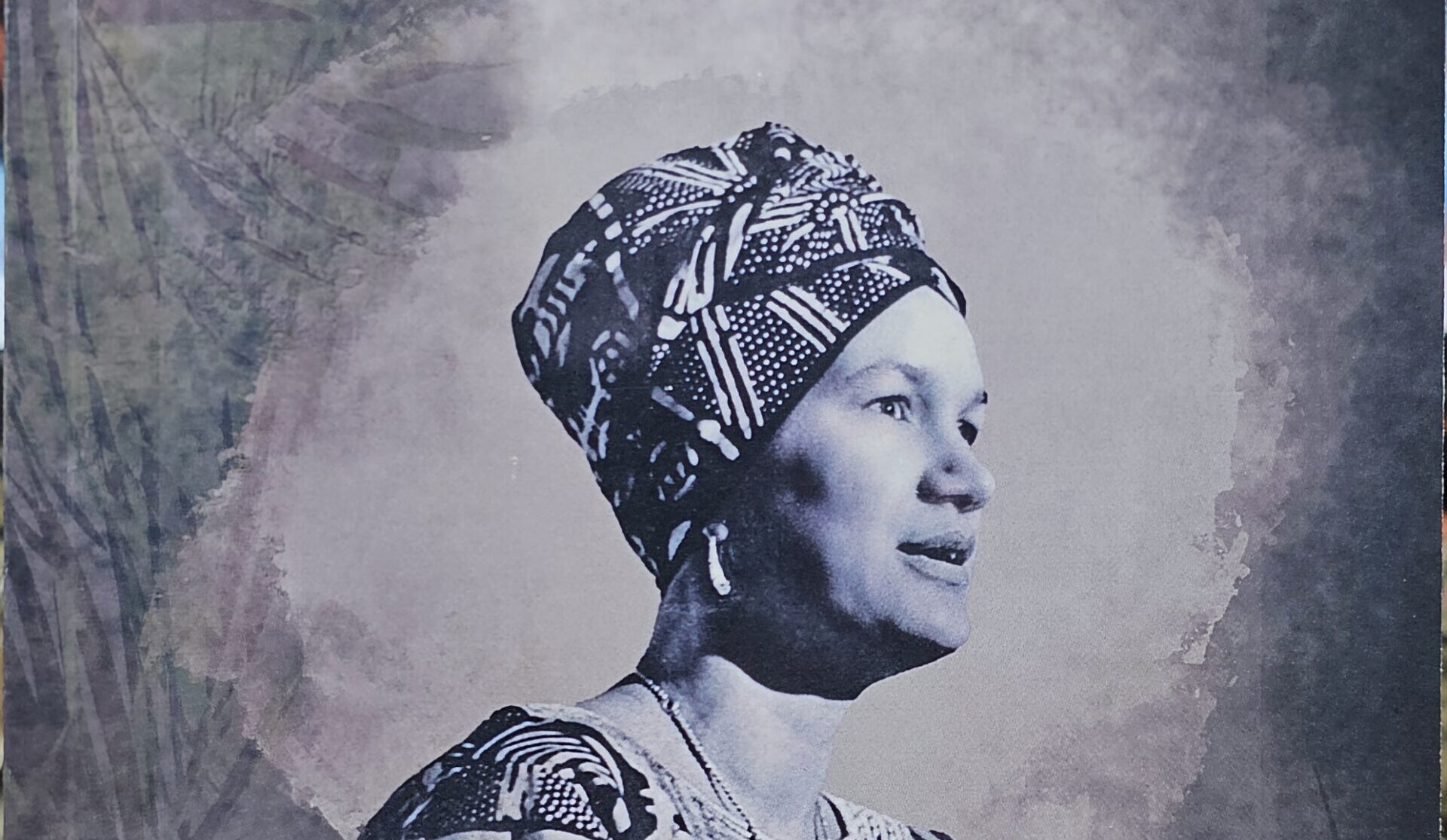
    Dr. Dorothy Wills Green embodies an extraordinary journey from the Caribbean island of Dominica to becoming a transformative figure in Canadian education and social justice. Born in 1933 to Andrew Green, a Harvard-educated civil engineer who worked on the Panama Canal, and Edith Lucas Green of Trinidad, Dorothy’s early life in Dominica’s Morne Daniel estate instilled values of community service and empathy that would define her lifetime of achievement.

    Her educational journey began at Convent High School in Dominica before progressing to Mount Saint Vincent University in Canada, where she graduated with honors in 1956. Dr. Wills Green’s academic pursuits culminated in a Ph.D. in Philosophy of Education from Pacific Western University, complemented by multiple master’s degrees in Social Work and Education, including participation in Howard University’s Educators to Africa program.

    As Dean of the Faculty of Applied Technologies at Vanier College in Montreal, Dr. Wills Green managed a diverse academic community while expanding technology programs and strengthening industry partnerships. Her leadership created unprecedented opportunities for students and established new benchmarks in educational excellence.

    Beyond academia, Dr. Wills Green emerged as a formidable force in cultural preservation and civil rights advocacy. She participated in FESTAC in Nigeria, met Emperor Haile Selassie of Ethiopia, and became an active member of the Montreal branch of the Universal Negro Improvement Association. Her activism included supporting Rosie Douglas and other West Indian students arrested during the historic Sir George Williams University anti-racism uprising of February 1969.

    As a founding member of the National Black Coalition of Canada and leader within the Dominica Academy of Arts & Sciences, Dr. Wills Green initiated transformative projects including “Backpacks for Schools” and secured computers and educational materials for Dominican schools. Her philanthropic vision extended to improving conditions for laborers and advocating for marginalized communities.

    Married to bacteriologist and former professor Roland Wills, with whom she has two children, Dr. Wills Green’s family connections span Nigeria and Guyana, reflecting her Pan-Africanist commitments. Her numerous accolades include honorary doctorates from Concordia University, Dalhousie University, and Mount St. Vincent University, plus the Order of Canada in 1989.

    Despite her privileged background, Dr. Wills Green dedicated her life to social reform, educational equity, and supporting African liberation causes alongside collaborators like Marlene Green. Her legacy stands as a powerful testament to the impact of combining academic excellence with unwavering commitment to social justice, inspiring generations to embrace service leadership and community empowerment.