作者: admin

  • Experts warn campaign finance reform faces legal, cultural roadblocks

    Experts warn campaign finance reform faces legal, cultural roadblocks

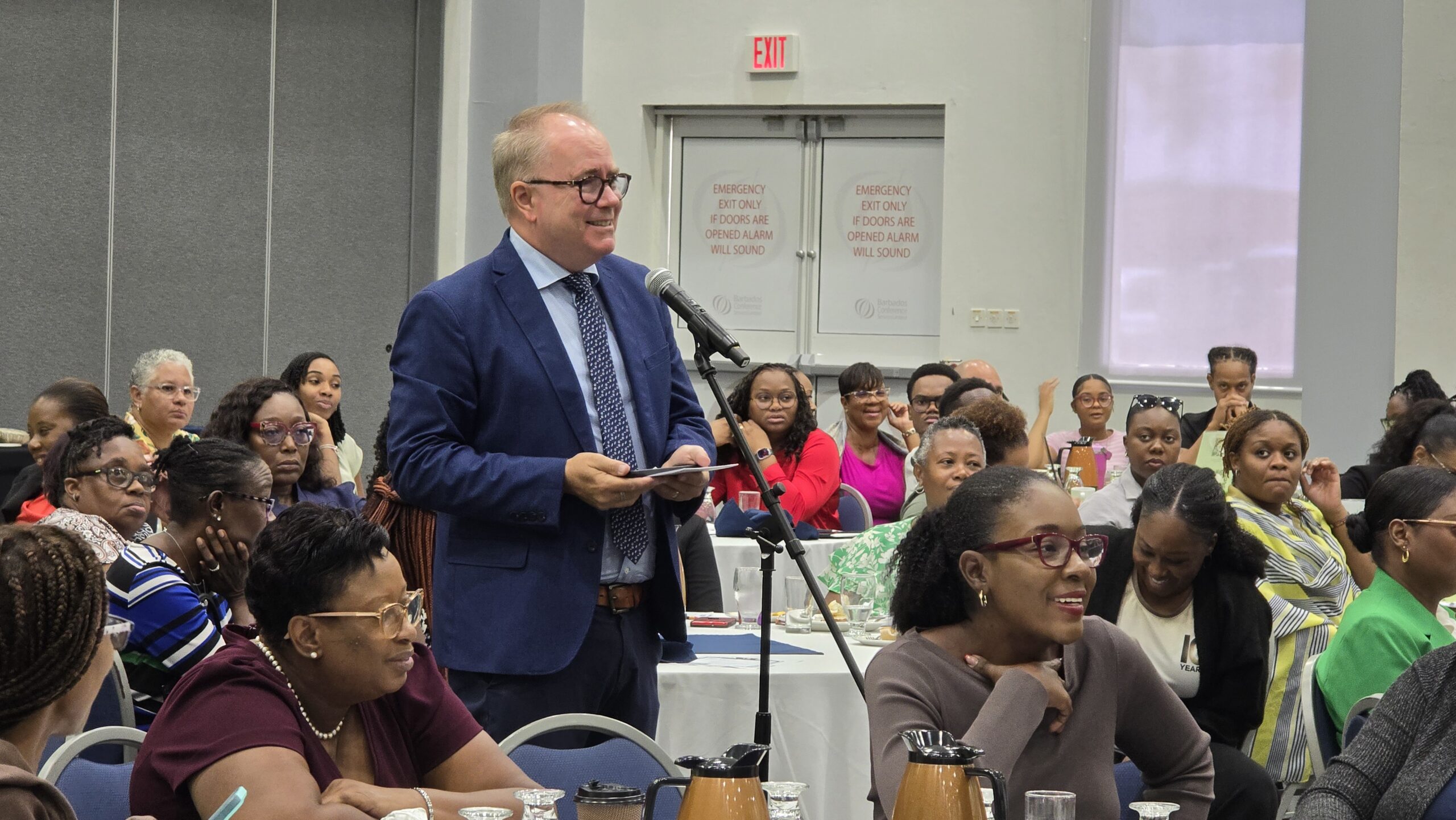
    Political analysts and legal experts have raised serious concerns about the feasibility of implementing meaningful campaign finance reforms in Barbados following the recent general election. Dr. Ronnie Yearwood, a senior law lecturer at the University of the West Indies, Cave Hill Campus, revealed that the country lacks comprehensive legislation governing political campaign financing, with existing regulations being both outdated and inadequate.

    The current legal framework, primarily contained within the Representation of the People Act, establishes a spending limit of approximately $10 per voter. This translates to a maximum expenditure of $100,000 for candidates in constituencies with 10,000 registered voters. However, both Dr. Yearwood and political scientist Peter Wickham question whether this figure bears any resemblance to the actual costs of modern political campaigns, which they compare to large-scale music productions due to their complexity and expense.

    Analysis of the 2022 election spending patterns reveals significant discrepancies between official reports and observable campaign activities. Records from the Electoral and Boundaries Commission indicated that the Barbados Labour Party expended $1.3 million while the Democratic Labour Party spent nearly $950,000. Both experts expressed skepticism about these figures, noting the extensive use of social media operations, campaign paraphernalia, and elaborate staging that characterize contemporary elections.

    The discussion around potential reforms has highlighted several critical challenges. Dr. Yearwood pointed to a fundamental cultural contradiction among voters who simultaneously oppose private funding of political parties while resisting the idea of state-funded campaigns using taxpayer money. He predicted severe public backlash against any proposal to implement public financing of political parties, despite its potential to reduce the influence of private donations.

    Wickham, drawing from his research for the Organization of American States dating back to 2003-2004, emphasized the inherently controversial nature of campaign finance reform. He noted the lack of public appetite for state-funded elections and raised practical concerns about the institutional capacity required to properly monitor and audit campaign expenditures. The varying organizational structures of political parties—from well-resourced entities with professional accounting departments to smaller operations without such infrastructure—further complicate implementation.

    Both experts concurred that successful reform would require not only new legislation but also substantial political will, public acceptance, and significantly enhanced oversight mechanisms. They emphasized that Barbados must first establish clear definitions of what constitutes a political party before implementing any comprehensive changes to the campaign finance system.

  • Bestie’s Fight for Belonging Captivates Belize

    Bestie’s Fight for Belonging Captivates Belize

    In a nation where immigration debates typically dominate political discourse, one transgender woman’s personal struggle has captured Belize’s collective consciousness. Melvin “Bestie” Cortez, a 27-year-old social media phenomenon, has transformed from undocumented immigrant to national inspiration through her viral storytelling about Belize’s immigration challenges.

    Cortez’s digital ascent stems from her charismatic advocacy for LGBTQ inclusivity and immigrant rights, amassing a substantial following through her uplifting content. However, beneath the vibrant online persona lies a profound narrative of legal limbo that began when her mother brought her to Belize illegally in 2007 seeking protection from sexual violence.

    For two decades, Cortez navigated Belizean society without legal recognition—a reality she detailed in a viral video exceeding half-million views. Her testimony revealed how lacking a social security number barred access to education, employment, and basic dignity. Educational institutions charged exorbitant fees for undocumented students, with secondary education ultimately terminated due to financial constraints compounded by her immigration status.

    The employment landscape proved equally impenetrable, as employers universally rejected applicants without documentation regardless of qualifications. Cortez described how Belizean employers frequently exploit undocumented workers through subminimum wages, citing instances of $5/hour legal rates being replaced by $20 daily payments for exhaustive labor.

    Her turning point arrived through Belize’s 2022 Amnesty Program, which provided temporary legal status and transformative opportunities. Cortez has since secured employment, completed her Tourism Management degree at Centro Escolar Mexico, and emerged as a powerful advocate for Belize’s invisible immigrant population.

    From selling produce from a tricycle to becoming a graduate and influential voice, Cortez’s journey exemplifies both systemic barriers and human resilience. Her story has ignited national dialogue about immigration reform, workers’ rights, and the complex realities facing thousands living undocumented in Belize.

  • Port Loyola Families Get a Fresh Start With New Land Ownership

    Port Loyola Families Get a Fresh Start With New Land Ownership

    In a transformative ceremony on February 19, 2026, the Port Loyola community witnessed a landmark redistribution of land ownership that promises to reshape the socioeconomic landscape for hundreds of families. Three hundred residents received formal land certificates, marking a decisive shift from generations of housing insecurity toward sustainable property ownership.

    The distribution event transcended mere administrative formality, representing instead a fundamental restructuring of opportunity for a community historically marginalized regarding resource allocation. Area Representative Gilroy Usher contextualized the initiative’s significance through poignant personal testimony, recounting his own journey from precarious housing conditions to secured land ownership.

    Usher delivered a powerful cautionary address urging recipients to recognize the long-term value of their newly acquired assets. ‘Land constitutes an exceptionally precious and scarce commodity,’ Usher emphasized, drawing from his experience of initially building a temporary structure on relatives’ property before obtaining permanent land. He explicitly warned against short-term dispossession for immediate financial gain, stating: ‘Do not sell your land to anyone for quick money. You will regret that decision later.’

    The allocated parcels provide beneficiaries with multiple pathways toward stability—opportunities to construct permanent residences, establish agricultural ventures, and create intergenerational wealth transfer mechanisms previously inaccessible to many Port Loyola families. This government-led initiative addresses systemic challenges including predatory rental practices, forced displacements, and the psychological toll of housing uncertainty that have long characterized the region’s housing landscape.

    For participants, the certificates symbolize not merely legal documents but tangible foundations upon which to build educational opportunities for children, small business enterprises, and community infrastructure development—effectively resetting the area’s economic trajectory for coming decades.

  • Fans, Paddlers Clash with Proposed Ruta Maya Change

    Fans, Paddlers Clash with Proposed Ruta Maya Change

    A proposed relocation of the finish line for Belize’s iconic La Ruta Maya canoe race has ignited significant controversy among participants, organizers, and spectators. The nearly three-decade tradition of concluding the race in downtown Belize City, where crowds gather along the riverbank to witness the thrilling final sprint, may be replaced with a finish at the Grand Resort near Haulover Creek.

    Race organizers cite enhanced security measures as the primary motivation for the change, arguing that the current Civic Center location presents logistical challenges for crowd control. However, the Belize Canoe Association and veteran paddlers have raised substantial objections centered on two critical concerns: water safety and public access.

    The proposed Haulover Creek location sits at the dynamic estuary where the Belize River meets the Caribbean Sea, known for its unpredictable and potentially hazardous currents. Seasoned paddlers have expressed concerns that these conditions could endanger participants, particularly youth, family, and elderly teams who might struggle with the strong undercurrents that characterize this section of the waterway.

    Beyond safety considerations, the relocation has sparked accusations of commercial motivation. Elvin Penner, Vice President of the Belize Canoe Association, has openly questioned whether the move enables organizers to implement entrance fees for spectators—something impossible at the current open-access Civic Center location. The potential monetization of spectator access has drawn criticism as fundamentally altering the race’s community-oriented nature.

    Carlos Linares, a longtime race participant, emphasized the cultural significance of maintaining the traditional finish line, noting that even during previous construction at the Civic Center, organizers found alternative ways to keep the finale within Belize City. The proposed relocation would eliminate the electric atmosphere created by urban crowds that has become synonymous with the race’s conclusion.

    The Belize Coast Guard, which provides safety support for the event, has indicated plans to meet with race organizers to finalize safety protocols. The ongoing discussions represent a broader tension between preserving sporting traditions and implementing organizational changes that potentially prioritize security and revenue generation over participant experience and public accessibility.

  • Belizean Boxer Brings World‑Class Coaching Home

    Belizean Boxer Brings World‑Class Coaching Home

    In an inspiring development for Belizean boxing, professional fighter Amir Rudon has initiated a transformative coaching program at Alpha Boxing Club through a strategic partnership with renowned California-based coach Dalia “Coach G” Gomez. This collaboration represents a significant investment in local athletic development, bringing world-class training methodologies to aspiring boxers in Belize.

    Coach Gomez, possessing over two decades of professional boxing expertise, initially encountered Rudon during his formative years as a determined young athlete in Belize. Their enduring professional relationship has now culminated in Coach G’s intensive month-long training residency throughout February, where she implements elite training regimens for local fighters.

    The training initiative specifically prepares athletes for the upcoming boxing event scheduled for February 28th in San Ignacio, Cayo. Among the promising talents benefiting from this program is Deshawn Taylor, who is scheduled to compete in the forthcoming event.

    Coach Gomez emphasized the critical importance of perseverance in athletic achievement, stating: “Hard work consistently outperforms raw talent. Many athletes possess natural ability but lack the daily discipline required for excellence. Amir Rudon exemplified this dedication eight years ago when he committed to turning professional, and now he seeks to instill these values in the next generation of Belizean boxers.”

    This initiative demonstrates how professional athletes can effectively leverage international connections to create meaningful opportunities for their communities, potentially raising the competitive standard of Belizean boxing on the global stage.

  • Protecting Nesting Iguanas Strengthens Wild Populations

    Protecting Nesting Iguanas Strengthens Wild Populations

    Belize has officially implemented its annual iguana protection ban, establishing a crucial conservation window from February through June. Wildlife authorities emphasize the critical timing of this measure as green iguanas enter their most vulnerable reproductive period.

    The seasonal prohibition coincides with peak nesting activity when female iguanas carry eggs, traditionally a period of increased hunting demand. Conservation teams are urgently appealing to citizens to cease hunting activities during this sensitive biological cycle, noting that population recovery depends heavily on this protected nesting and hatching phase.

    Parallel to these protective measures, Belize’s singular iguana breeding initiative operates behind the scenes to bolster wild populations. The program systematically collects eggs, rears young reptiles in controlled environments, and strategically releases them into natural habitats. This collaborative effort with the Forest Department represents a proactive approach to species reinforcement, despite the absence of formal population monitoring systems.

    Wildlife officers confirm that the breeding program’s ongoing partnership with governmental agencies continues to strengthen iguana conservation outcomes, creating a multifaceted defense against population decline during the species’ most vulnerable lifecycle stages.

  • Modern Wastewater System Coming to Caye Caulker

    Modern Wastewater System Coming to Caye Caulker

    The Belizean Cabinet has authorized a transformative wastewater management initiative for the island community of Caye Caulker, marking a pivotal advancement in public health and environmental conservation. Belize Water Services Limited (BWS) will spearhead this critical infrastructure project, which aims to replace the island’s outdated and inefficient septic tanks with a comprehensive modern sanitation system.

    Ervin Flores, Resident Consultant Engineer at BWS, revealed that this ambitious undertaking has been under development for approximately five years through collaboration with the Inter-American Development Bank (IDB). “While residents currently benefit from BWS’s potable water services,” Flores explained, “the absence of a proper wastewater collection and treatment system remains a significant deficiency affecting both community welfare and the delicate marine ecosystem.”

    Extensive preparatory work including feasibility studies, alternative analyses, and detailed engineering designs has culminated in a fully conceived system that will service both residential and commercial properties across the island. The recently approved $10 million USD loan arrangement, which requires final ratification by Belize’s House of Representatives, will enable the implementation of this comprehensive wastewater solution through a sovereign-guarantee agreement with the IDB.

    This infrastructure modernization represents a substantial investment in sustainable development for Caye Caulker, addressing long-standing environmental concerns while establishing foundational systems for the island’s future growth and ecological preservation.

  • Malecón section to close for National District Carnival preparations

    Malecón section to close for National District Carnival preparations

    Santo Domingo’s National District Mayor’s Office has implemented traffic restrictions along the Malecón waterfront in preparation for the highly anticipated DN Carnival celebrations. Effective Friday at 4:00 PM, George Washington Avenue will be closed to vehicular traffic between Pasteur Street and Palo Hincado Street to facilitate event preparations.

    The transportation advisory recommends motorists utilize alternate routes along Independencia Avenue and Simón Bolívar Avenue during the closure period. These measures precede the traditional carnival parade scheduled for Sunday afternoon at 3:00 PM, which promises to transform the city into a vibrant spectacle of cultural expression.

    This year’s festivities will showcase an impressive assembly of more than 70 carnival troupes and individual performers, representing the rich cultural heritage of the Dominican Republic. The celebration will culminate in a grand finale concert featuring renowned artists Toño Rosario, Omega, Jandy Ventura, Sexappeal, and Steffany Constanza.

    The carnival organization has collaborated closely with the Union of Carnival Performers of the National District to coordinate the event. This year’s parade carries special significance as it honors Dr. José Guillermo Mieses, affectionately known as “Pepe,” whose multifaceted contributions as a physician, athlete, folklorist, and founder of the award-winning comparsa Los Leones del Diablo have left an indelible mark on Dominican cultural traditions.

    Adding to the royal symbolism of the event, Francisco Taveras Benítez has been designated King of Carnival. His lifelong dedication to carnival traditions began in childhood and evolved through his founding of the comparsa Los Diablos de Franciquito, later renamed Los Cachos de Villa Francisca.

    The carnival monarchy is completed with the crowning of Santa Valdez as Carnival Queen, recognizing her substantial contributions since 2006. As founder of the African Blood troupe representing Los Pinos de Guachupita, Valdez has accumulated an impressive collection of at least 15 awards throughout her participation in the National District Carnival Parade.

  • Scratch & Win Jackpot in Belmopan

    Scratch & Win Jackpot in Belmopan

    A routine purchase at a Belmopan supermarket transformed into a life-altering event for one local resident who struck gold with a scratch-off lottery ticket. The fortunate individual discovered he had won a substantial $50,000 jackpot from a ticket acquired at Carrefour Supermarket, immediately catapulting his financial prospects into new territory.

    In an exclusive interview, the winner described the surreal moment of realization. “I was working essentially, and I couldn’t even believe I was a winner because I usually get the 20x times and such,” he recounted, expressing initial disbelief at his unexpected fortune. “I thought it was just a dollar ticket.”

    The newly minted winner has already formulated practical plans for his windfall, prioritizing financial responsibility over extravagant spending. His strategy includes eliminating outstanding debts, building a robust savings cushion, and celebrating modestly with family. When questioned about his intentions for the considerable sum, he emphasized: “Mainly get some bills paid and savings as well.”

    The celebration will include treating his family to a special meal at a quality restaurant, though the emphasis remains firmly on financial security rather than lavish expenditure. This approach demonstrates a thoughtful perspective on sudden wealth management that financial advisors frequently recommend.

    This incident marks another significant lottery victory for the Belmopan area, highlighting how ordinary daily routines can unexpectedly yield extraordinary outcomes. The winner’s grounded response to his newfound fortune serves as an inspiring example of financial prudence following unexpected monetary gains.

  • Vessel recovered; family believes missing man was caught in US Strike

    Vessel recovered; family believes missing man was caught in US Strike

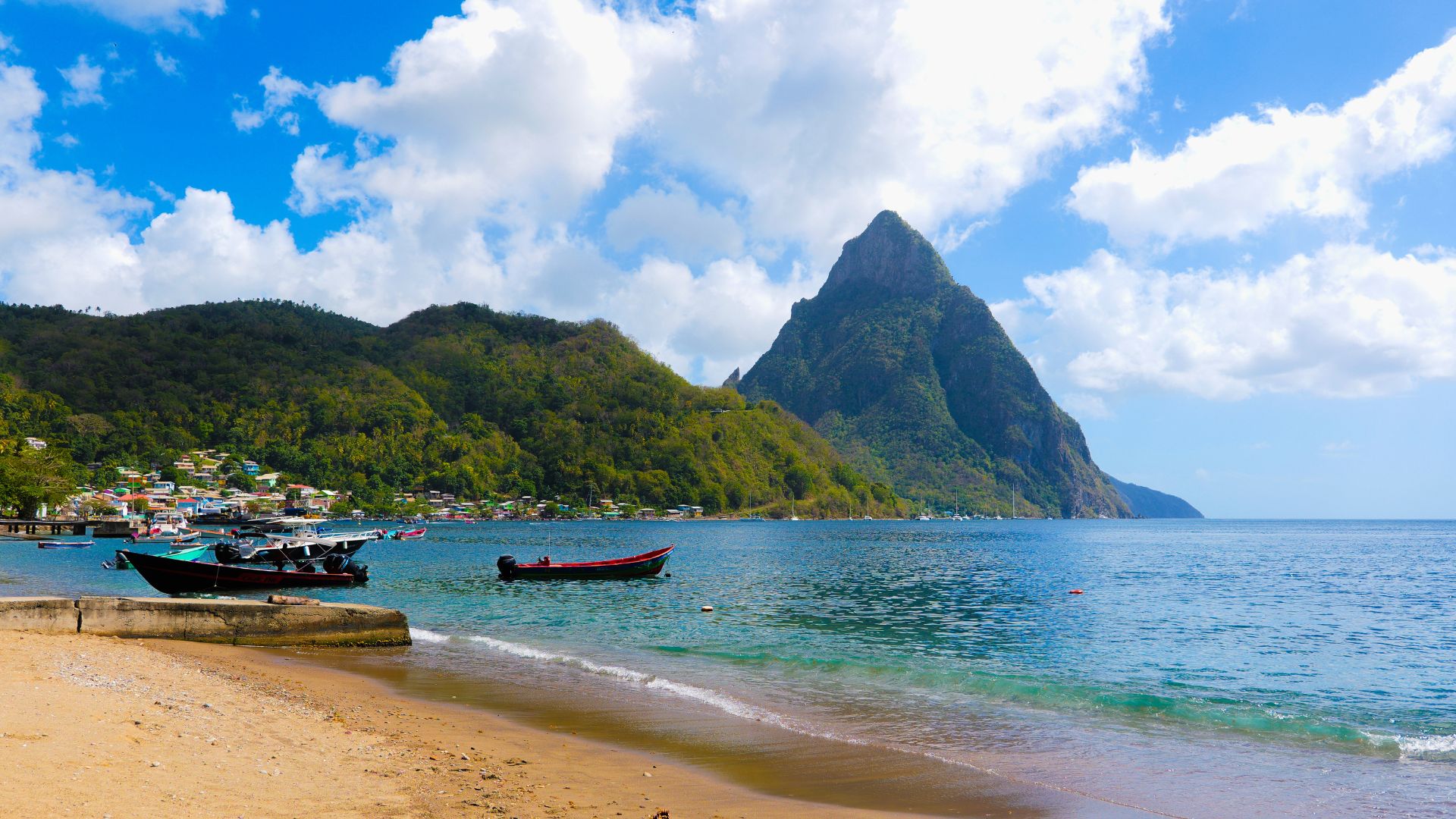
    Authorities in Saint Lucia have launched a comprehensive investigation following the recovery of vessel wreckage off the Micoud coastline, potentially connected to the disappearance of local fisherman Ricky Joseph. The Royal Saint Lucia Police Force took custody of the maritime debris on February 18, coinciding with family concerns that Joseph might have been caught in recent US military operations in Caribbean waters.

    Assistant Commissioner of Police Luke Defreitas confirmed the evidence remains under examination while emphasizing the investigation currently centers on a missing persons case. “This exhibit is now in the custody of the police,” Defreitas stated. “Our interest in this vessel stems from family assertions that Ricky Joseph may have been aboard, whether as crew member or worker.”

    The development occurs against the backdrop of heightened regional security operations, though police officials maintain cautious neutrality regarding potential connections to US military actions. When questioned about possible links to vessels reportedly destroyed in recent strikes, Defreitas clarified: “We cannot at this time confirm. We are yet to identify the vessel’s registration and ownership. We do not know what obtains with the vessel allegedly destroyed, so we can make no connection between this recovered vessel and any involved in the alleged attack.”

    Investigators are pursuing forensic analysis of the wreckage while coordinating with international partners to establish definitive identification. The case has drawn attention to the complex intersection of local maritime activities and multinational security operations in Caribbean waters.