作者: admin

  • Belmopan City Hall Clears Trade License Confusion

    Belmopan City Hall Clears Trade License Confusion

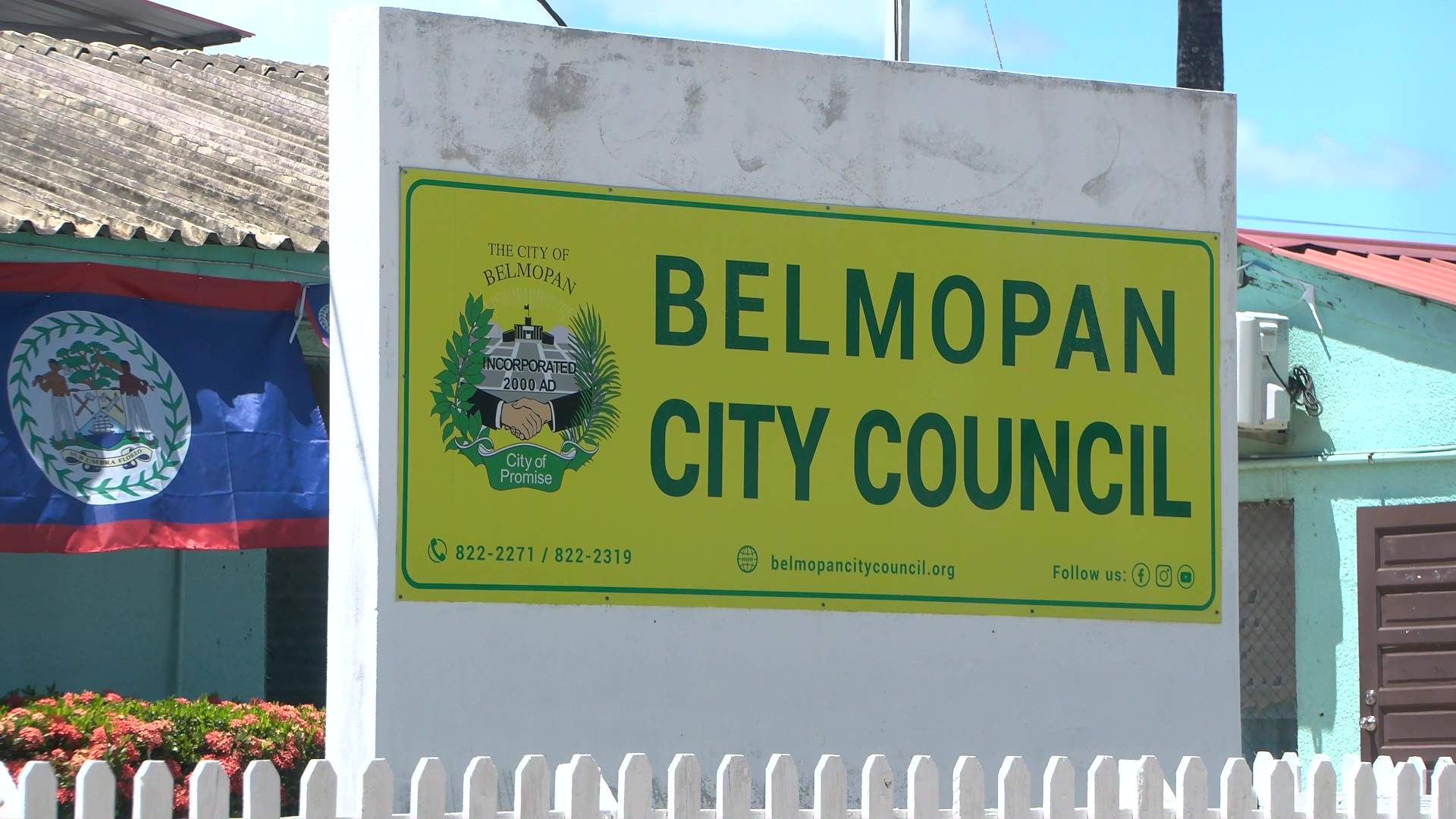
    Belmopan City authorities have moved to address mounting confusion regarding recent trade license fee increases, with Mayor Pablo Cawich providing crucial clarifications on the implementation timeline and financial adjustments.

    In an official statement released February 11, 2026, Mayor Cawich explained that the recently issued fee notices containing increased amounts were calculated based on municipal reassessments. However, following intervention from central government authorities and the Ministry of Local Government, the city council has recalibrated its approach to ensure compliance with the newly legislated ten percent cap on fee adjustments.

    The discrepancy emerged from differing interpretations between municipal authorities and the Trade Board regarding the applicability of the new legal framework. While the Trade Board initially believed the ten percent limitation didn’t apply during the transition period, subsequent discussions have resulted in a revised understanding and approach.

    Mayor Cawich confirmed that updated correspondence will be distributed to all business license holders, regardless of whether they were affected by the recalculations. For those businesses that already made payments exceeding the corrected amounts, the municipality will apply these as credits toward future licensing periods or other municipal fees, eliminating the need for refund processing.

    This proactive communication strategy aims to restore confidence among the business community while demonstrating the city’s commitment to transparent governance and regulatory compliance during the implementation phase of new legislation.

  • City Hall Soothes License Concerns, Justifies Garbage Changes

    City Hall Soothes License Concerns, Justifies Garbage Changes

    Belmopan Mayor Pablo Cawich has moved to alleviate growing concerns among local business owners regarding two separate municipal fee adjustments: pending trade license changes and recalculated garbage collection rates.

    Addressing confusion over the new trade license regime, Mayor Cawich assured business owners that any overpayments made during the transition period would be either credited or reassigned once updated official notices are distributed. This clarification comes amid reports of businesses receiving conflicting billing statements.

    Simultaneously, City Hall is implementing revised garbage fee structures based on comprehensive reassessments of commercial operations. Mayor Cawich emphasized these adjustments are not arbitrary increases but reflect updated evaluations of two key factors: business square footage and waste generation patterns.

    “The commercial garbage rate schedule relies significantly on square footage,” Cawich explained. “When a business undergoes reassessment and its square footage increases, corresponding adjustments to garbage fees become necessary.”

    The mayor further detailed that business categorization plays an equally important role, noting that different enterprise types generate varying waste volumes regardless of physical size. This dual-factor approach aims to create a more equitable fee system based on actual service requirements rather than flat rates.

    Cawich acknowledged that most increases result from previous garbage fees not matching what should have been charged according to the updated assessment criteria. The municipal government maintains these corrections ensure fair cost distribution for waste management services across Belmopan’s business community.

  • Climate Change Centre’s $50 Million Intervention in Sugar Industry

    Climate Change Centre’s $50 Million Intervention in Sugar Industry

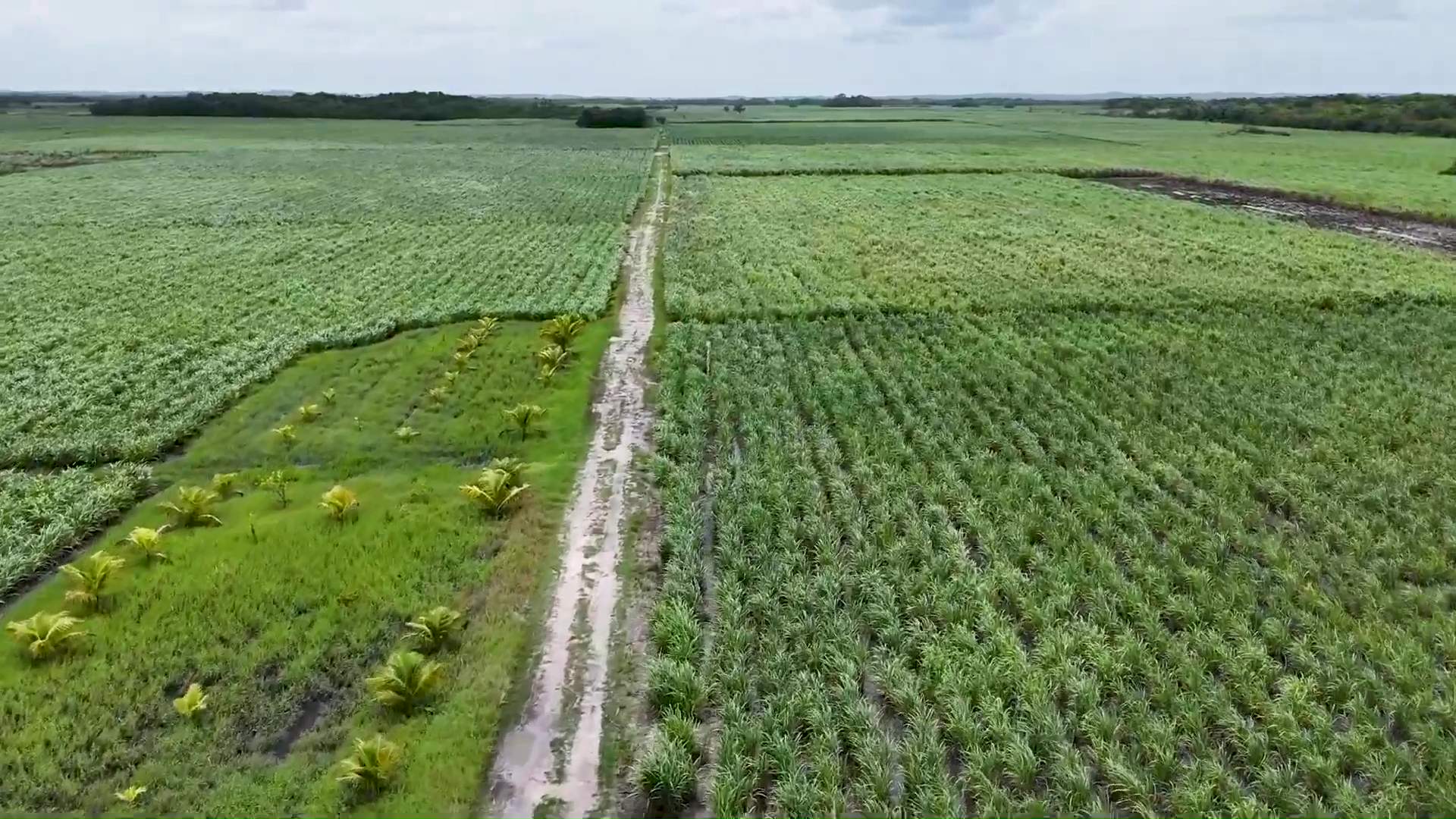
    BELIZE CITY – A transformative $50 million climate resilience initiative is now underway to safeguard Northern Belize’s critically important sugar industry against escalating climate threats. The comprehensive intervention comes as prolonged droughts and increasingly erratic rainfall patterns devastate cane farming operations, threatening both livelihoods and national economic stability.

    Dr. Colin Young, Executive Director of the CARICOM Climate Change Center, outlined the strategic components of this groundbreaking project during a recent briefing. “The effects of climate change are having a devastating impact on this industry, which serves as a lifeblood of the Belizean economy,” Young emphasized. “Our investment through the Green Climate Fund represents a comprehensive approach to building long-term resilience.”

    The multifaceted program includes the introduction of climate-resistant sugarcane varieties, advanced land management techniques, and direct grants to support approximately 5,000 farming families. The initiative also focuses on capacity building and providing essential seed cane for replanting operations across affected regions.

    Dr. Osmond Martinez, Belize’s Minister of State for Economic Transformation, highlighted the significance of the grant-based financing. “This demonstrates Belize’s growing capacity to mobilize critical climate finance,” Martinez stated. “The funding will enable field rejuvenation, transition toward mechanized systems, and implementation of modern irrigation infrastructure to move beyond traditional harvesting methods.”

    With climate projections indicating increasingly dry conditions and unpredictable precipitation patterns, officials describe the investment as essential preparation for future environmental challenges. The program aims to construct robust systems that can minimize economic shocks to Belize’s agricultural sector while ensuring the long-term viability of sugar production in the region.

  • New Ocean Academy Building to Begin Construction in July

    New Ocean Academy Building to Begin Construction in July

    The Belizean government has pledged to construct a brand new facility for Ocean Academy High School on Caye Caulker, following months of educational disruption caused by severe flood damage to its original campus. Area Representative Andre Perez confirmed that construction is scheduled to commence in July, marking a significant intervention by the Ministry of Education.

    Since November, students and faculty have endured an unstable learning environment, conducting classes in borrowed spaces including a former restaurant, NEMO facilities, and various community rooms. The original campus was rendered unusable due to flooding, mold proliferation, and mosquito infestations, forcing the school to implement a rotational schedule blending limited in-person sessions with online instruction.

    At a community meeting attended by parents, teachers, and village council members, Principal Noemi Zaiden emphasized the psychological impact on students craving educational stability. ‘We have been asking since mid-November to be granted permission to build on the land at the back,’ Zaiden stated, noting that only the second and third floors of their damaged facility received health department approval for limited use.

    Representative Perez acknowledged the urgency while emphasizing proper protocols: ‘It’s not just putting up a building—it has to be done the proper way. Electricity, water, bathroom facilities—these require substantial investment even for temporary structures.’

    Students like third-former Iyianni Magana highlighted the pedagogical challenges of hybrid learning: ‘Certain subjects like ICT and coding are hard to learn online. Screen sharing becomes problematic, and distractions at home undermine concentration.’

    The Ministry of Education has scheduled a decisive planning meeting for February 18th to finalize interim solutions and detail the new campus construction. Additionally, the government committed to providing free education for all 172 Ocean Academy students in the upcoming academic year, aligning with educational benefits previously extended to other Belizean communities.

    While temporary measures continue, the community acknowledges the generosity of local businesses providing space, even as they await a permanent resolution to restore educational normalcy.

  • With limited local support, Anatole crowdfunds next short film

    With limited local support, Anatole crowdfunds next short film

    Independent filmmaker Elijah Anatole, founder of Artlas Studios in Saint Lucia, has initiated a crowdfunding initiative through Greenlit to secure $15,000 in production funding for his upcoming short film ‘Letters From Ava.’ This move comes as his recently acclaimed project ‘Omyra’ continues to receive international recognition through film festival circuits.

    Anatole’s decision to pursue community-funded financing stems from what he describes as systemic lack of support for cinematic arts within Saint Lucia. Despite approaching numerous corporate entities and government agencies, the filmmaker reported that 99% of potential sponsors declined to provide assistance for distribution and festival participation costs.

    ‘There isn’t any substantial support mechanism for filmmakers in Saint Lucia,’ Anatole revealed to St. Lucia Times, highlighting that previous projects including ‘Me’ and the feature-length ‘Heartfall’ were primarily self-funded despite some collaborative partnerships.

    The new project, ‘Letters From Ava,’ will explore deeply human themes of familial bonds, mortality, and the grieving process through the intimate story of two sisters. Anatole emphasizes that the film remains intrinsically connected to Saint Lucian cultural context while addressing universal emotional experiences.

    Through the Greenlit campaign page, Anatole positions the funding drive as more than financial support: ‘You’re contributing to storytelling that values emotional honesty and reflection over spectacle. You’re supporting independent filmmaking from Saint Lucia and helping ensure Caribbean stories reach global audiences.’

    The filmmaker intends to leverage the international film festival circuit to showcase Caribbean narratives worldwide, viewing the project as an opportunity to strengthen the region’s presence in global cinematic discourse.

  • Sargassum Task Force on Alert as Placencia Braces for Weekend Arrival

    Sargassum Task Force on Alert as Placencia Braces for Weekend Arrival

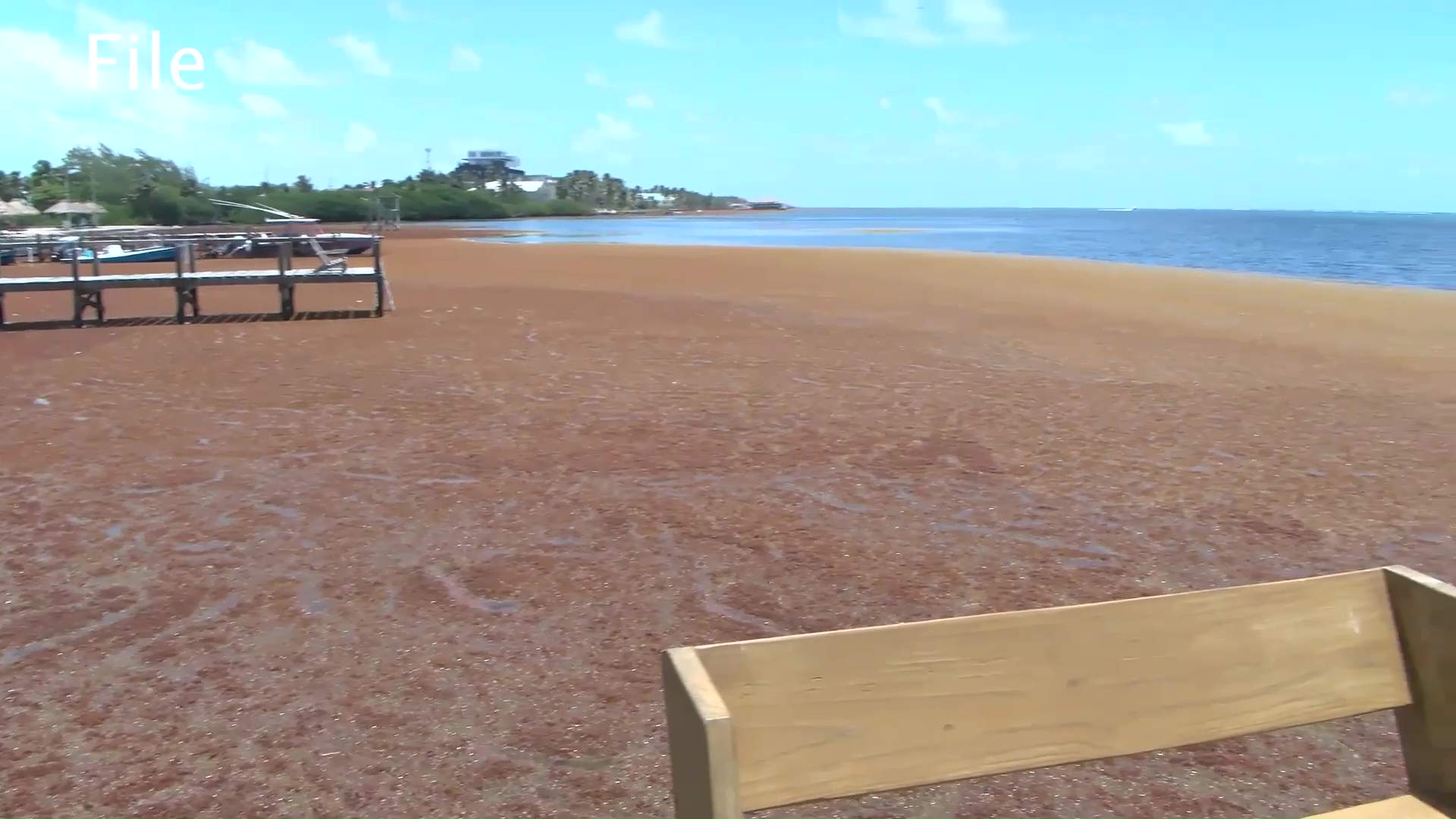
    The Belizean government has activated its specialized Sargassum Task Force in preparation for the anticipated seasonal influx of seaweed along the nation’s coastline. Coastal communities, including the popular tourist destination of Placencia, have been alerted to expect initial arrivals of sargassum mats as early as this weekend.

    Andre Perez, Minister of Blue Economy and Civil Aviation, confirmed the task force’s proactive measures during a recent briefing. “The sargassum task force is very active—we are making the plans,” Minister Perez stated. “At this point in San Pedro, the barriers are about to be installed. The sargassum machines are being prepared and getting ready.”

    The comprehensive response strategy includes both physical barriers and specialized harvesting equipment to manage the seaweed accumulation. Minister Perez emphasized the ongoing nature of the challenge, noting that “it is going to be a constant battle, but we are preparing for it.” The task force is simultaneously working to secure additional funding for innovative containment solutions, including testing the effectiveness of containment booms.

    The seasonal sargassum phenomenon has become an increasing concern for Caribbean nations, affecting marine ecosystems, tourism industries, and coastal communities. Belize’s coordinated approach represents a structured effort to mitigate the environmental and economic impacts of the seaweed invasion through preemptive planning and resource allocation.

  • Foreign Ministry confirms diplomatic efforts in case of detained Dominican pilot

    Foreign Ministry confirms diplomatic efforts in case of detained Dominican pilot

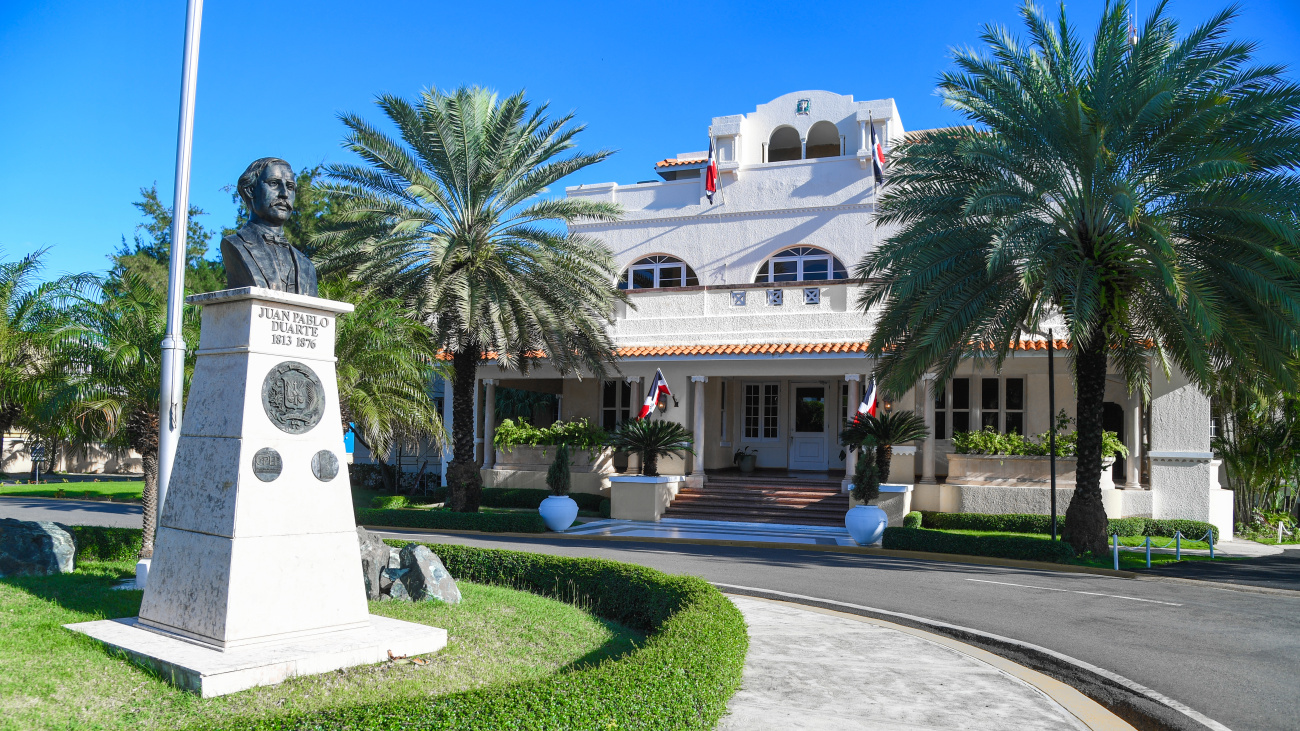
    SANTO DOMINGO – The Dominican Republic’s Ministry of Foreign Affairs has initiated a sustained diplomatic campaign to address the detention of a Dominican-American pilot in the Republic of Guinea. Official communications, confirmed to have been ongoing since the beginning of January, are being channeled through the nation’s bilateral and multilateral missions.

    The primary objectives of this diplomatic engagement are threefold: to compile comprehensive details regarding the pilot’s situation, to ensure the provision of all necessary consular support, and to formally advocate for the strict adherence to due process and the inviolability of his fundamental human rights.

    Coordination is being managed through the Dominican Embassy in Morocco, which serves as the operational hub for communications. This diplomatic post has established a direct line of contact with the detained pilot and his legal counsel in Guinea. Concurrently, the Ministry’s Directorate for the Protection of Nationals Abroad is maintaining regular contact with the pilot’s family residing in the Dominican Republic, providing them with ongoing updates and support.

  • Defending popular participation and control based on the country’s priorities

    Defending popular participation and control based on the country’s priorities

    In a significant governmental session held on February 11, Cuban President Miguel Díaz-Canel Bermúdez participated in a Council of State meeting focused on evaluating the nation’s economic reform agenda. The session, presided over by Council President Esteban Lazo Hernández and attended by Prime Minister Manuel Marrero Cruz, centered on thorough assessments of the Government Program designed to address economic distortions and stimulate growth.

    The gathering revealed substantial public engagement with the reform process, with officials reporting that approximately 76,172 community meetings had been conducted nationwide, generating an impressive 140,348 citizen proposals. This extensive consultation process demonstrates the government’s commitment to incorporating grassroots input into policy formulation.

    Prime Minister Marrero Cruz provided detailed insights into the implementation of parliamentary agreements concerning the Economic Plan and State Budget. Notably, he disclosed the development of Government Directives to combat severe fuel shortages that have challenged the Caribbean nation. The administration’s strategy emphasizes maintaining national vitality without compromising development objectives, while simultaneously minimizing population impact through endogenous resource utilization and foreign exchange diversification.

    President Díaz-Canel emphasized the critical importance of strengthening community engagement mechanisms and enhancing popular oversight at neighborhood levels. He advocated for intensified social program implementation and collaborative problem-solving approaches that leverage collective contributions from all societal sectors.

    Additionally, the Council evaluated the operational effectiveness of the National Assembly’s permanent working commissions and reviewed performance metrics from the Population Attention services at Auxiliary Offices, indicating a comprehensive governance review extending beyond economic matters.

  • Orientation Programme for Ghanaian Nurses Continues with Ministry-Level Engagement

    Orientation Programme for Ghanaian Nurses Continues with Ministry-Level Engagement

    A significant phase in the comprehensive orientation program for Ghanaian nursing professionals has commenced with high-level engagements at the ministerial level. This strategic initiative represents a critical component of Ghana’s broader healthcare workforce development strategy, designed to enhance professional competencies and align nursing practices with national health priorities.

    The ministry-level engagement provides participating nurses with unprecedented access to policy makers, health sector leaders, and government officials. Through structured dialogues, policy briefings, and strategic discussions, nurses gain vital insights into the national healthcare framework, regulatory expectations, and the government’s vision for healthcare delivery improvement across Ghana.

    This elevated orientation phase focuses on multiple dimensions of professional development, including healthcare policy interpretation, ethical standards in medical practice, patient safety protocols, and quality assurance mechanisms. Participants receive comprehensive briefings on Ghana’s current public health challenges, resource allocation strategies, and the evolving role of nursing professionals within the national healthcare ecosystem.

    The program emphasizes the government’s commitment to strengthening Ghana’s healthcare system through strategic investments in human capital development. By facilitating direct interaction between frontline nursing professionals and health policy architects, the initiative creates pathways for practical implementation of healthcare policies and fosters a deeper understanding of systemic challenges and opportunities.

    Health officials highlight that this engagement transcends conventional orientation programs by establishing continuous feedback mechanisms between policy makers and healthcare implementers. The initiative aims to enhance service delivery, improve patient outcomes, and elevate professional standards across Ghana’s healthcare institutions while addressing specific regional healthcare disparities through targeted workforce development.

  • US Radiologist donates mammogram equipment to General Hospital

    US Radiologist donates mammogram equipment to General Hospital

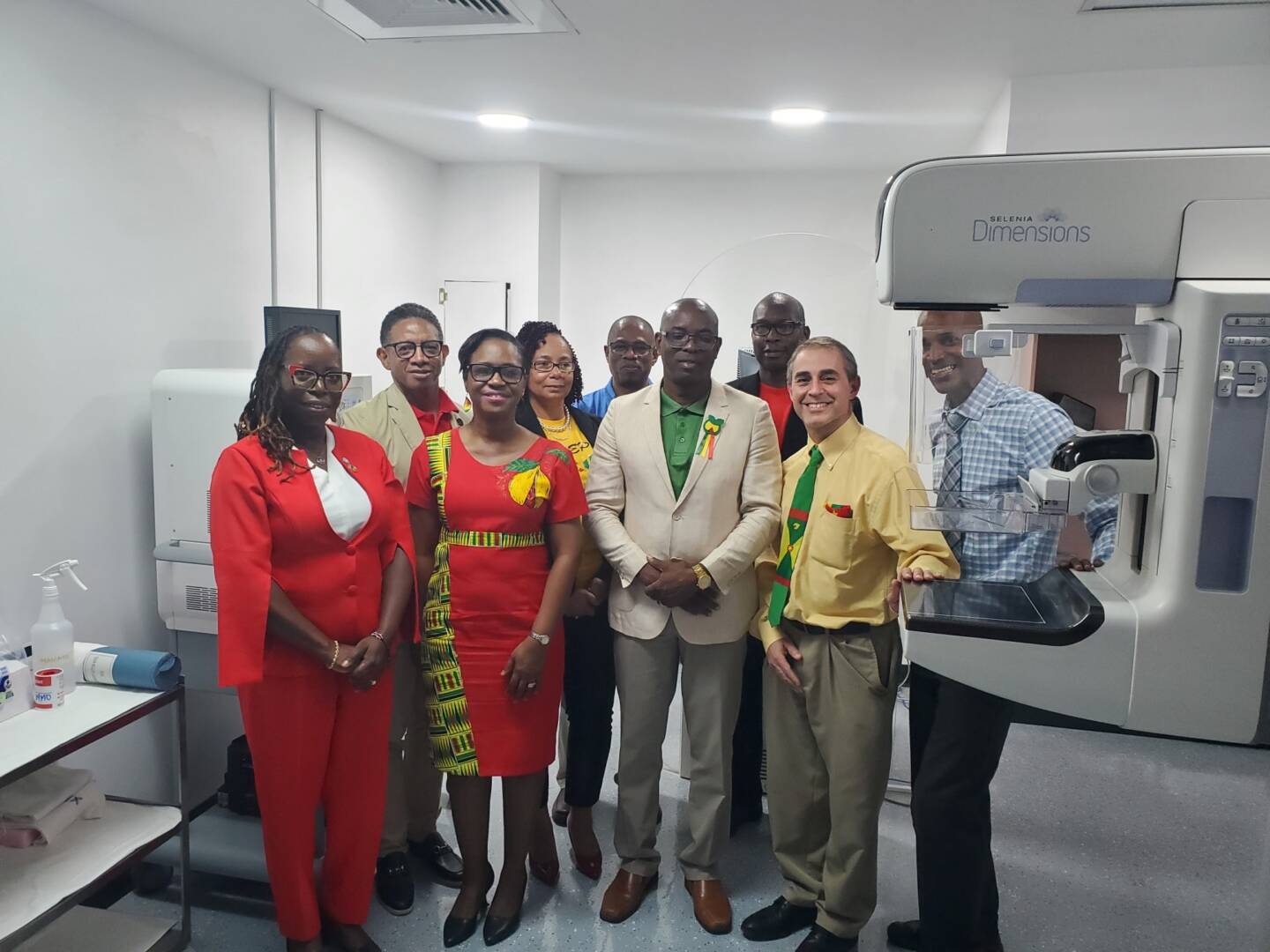
    In a transformative development for women’s healthcare, Grenada has achieved a medical milestone with the installation of its first mammogram equipment featuring integrated biopsy capability at the General Hospital. This advanced diagnostic technology was formally donated by prominent US radiologist Dr. Randy Becker, marking a significant upgrade to the nation’s public healthcare infrastructure.

    The donation addresses a critical health priority in Grenada, where breast cancer represents the predominant cause of cancer-related mortality among women. The sophisticated machinery promises to revolutionize early detection capabilities, enabling radiologists to conduct comprehensive breast examinations with real-time precision and manage complex diagnostic procedures more effectively.

    During the handover ceremony last Friday, Health Minister Hon. Philip Telesford characterized the acquisition as an historic achievement in the nation’s healthcare evolution. Minister Telesford emphasized the government’s unwavering commitment to rebuilding Grenada’s medical landscape with technology that directly addresses citizens’ most pressing health needs, noting this equipment exemplifies their vision for transformative healthcare delivery.

    Dr. Becker explained the clinical significance of the technology, highlighting its capacity to enhance diagnostic accuracy and streamline patient management. The initiative substantially improves accessibility to essential women’s health screening services, representing a major advancement in preventive healthcare for Grenadian women.

    The Ministry of Health has endorsed this development as a cornerstone in its ongoing efforts to modernize medical services and reduce breast cancer mortality through early intervention and state-of-the-art diagnostic capabilities.