作者: admin

  • 222nd anniversary of Independence : Vibrant speech by the Ambassador of Haiti to the Dominican Rep.

    222nd anniversary of Independence : Vibrant speech by the Ambassador of Haiti to the Dominican Rep.

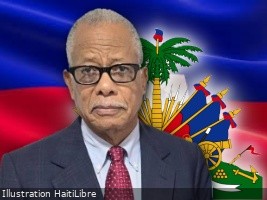
    In a profound address marking Haiti’s 222nd independence anniversary, Ambassador Emmanuel Fritz Longchamp delivered a stirring critique of the nation’s historical trajectory while calling for radical political transformation. The Haitian envoy to the Dominican Republic spoke on January 1st, 2026, commemorating the 1804 revolution that established the world’s first black republic.

    Longchamp characterized Haiti’s independence as both a glorious legacy and an ongoing political challenge, noting that the revolution represented not merely military victory but an anthropological and philosophical breakthrough that challenged fundamental concepts of human dignity. He quoted founding father Jean-Jacques Dessalines’ historic proclamation: ‘Let’s swear to renounce France forever and to die rather than live under its domination.’

    The ambassador presented a stark assessment of Haiti’s contemporary reality, describing the current institutional collapse as the product of ‘chronic misgovernance, systematic social exclusion, and a profound rupture between the state and society.’ He framed mass migration to the Dominican Republic not as cultural preference but as a survival strategy for people deprived of prospects in their homeland.

    Longchamp proposed a biopolitical approach to rebuilding the Haitian state—one prioritizing security, dignity, health, education, and the value of human life as central to public action. He emphasized that true independence requires moving beyond ‘sterile divisions and narrow calculations’ toward collective awakening and national solidarity.

    The ambassador concluded with tributes to Haitian officials and diplomatic staff while praising the resilience of the Haitian people, expressing hope that 2026 would bring ‘peace, stability, and renewal’ to the nation founded on revolutionary ideals of freedom and human dignity.
  • Nieuwe Caricom-voorzitter: Regionale eenheid is geen keuze, maar noodzaak

    Nieuwe Caricom-voorzitter: Regionale eenheid is geen keuze, maar noodzaak

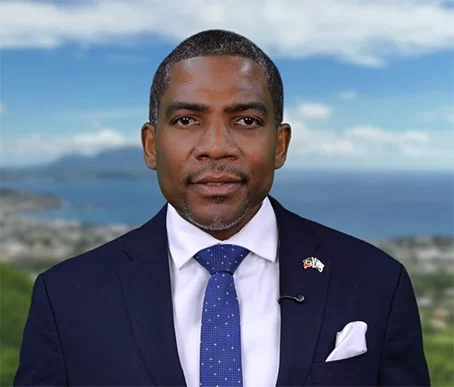
    In his inaugural New Year’s message as the new Chairman of the Caribbean Community (Caricom), St. Kitts and Nevis Prime Minister Terrance Drew delivered a compelling appeal for regional unity, solidarity, and self-sufficiency. Assuming the rotating Caricom leadership until June 30, 2026, Drew addressed Caribbean citizens both within the region and throughout the diaspora.

    Drew expressed profound gratitude for the developmental progress achieved across member states while emphasizing the critical importance of hope and collective determination amid growing global uncertainties. He specifically acknowledged the exemplary leadership of his predecessor, Jamaican Prime Minister Andrew Holness, who successfully navigated Caricom through turbulent times. Drew also extended appreciation to fellow government leaders, the Caricom Secretariat, and citizens of member nations for their sustained collaborative efforts toward regional advancement.

    Reflecting on Caricom’s foundational principles established through the 1973 Treaty of Chaguaramas, Drew reiterated that the organization emerged from the recognition that small, vulnerable states must collectively respond to global challenges. He identified four essential pillars for continued success: economic integration, coordinated foreign policy, functional cooperation, and maintaining a strong unified international voice.

    The Caricom chair highlighted tangible benefits of regional collaboration, including expanded markets, free movement of labor and skills, enhanced healthcare systems, improved disaster response capabilities, educational advancements, security cooperation, and climate diplomacy. Drew asserted that regional integration has transitioned from optional strategy to absolute necessity.

    Special attention was directed toward Haiti’s ongoing crisis, with Drew underscoring the imperative of sustained regional engagement to support stability and reconstruction efforts. This commitment aligns with preparations for planned 2026 elections and implementation of UN Security Council Resolution 2793.

    Drew celebrated the Caribbean’s extraordinary historical and cultural contributions to global literature, sports, music, political thought, and cultural heritage—achievements he attributed to regional resilience, discipline, and deeply ingrained self-belief.

    However, the chairman issued a sobering warning regarding recent geopolitical tensions and external policies affecting Caribbean citizens, emphasizing that the region must primarily rely on itself. “Nobody will come to save us; we must save ourselves,” he declared.

    While acknowledging that differences of opinion among member states may occasionally surface, Drew advocated for careful dialogue, mutual respect, and strengthened regional responsibility. He emphasized that Caricom serves precisely as the platform for internally and constructively addressing disagreements.

    Concluding his address, Drew announced that St. Kitts and Nevis will host the 50th Regular Meeting of the Conference of Heads of Government from February 24-27, 2026, inviting fellow leaders to actively participate in discussions concerning priority issues and regional welfare.

  • National Day : Official ceremony for the 222nd anniversary of independence (video)

    National Day : Official ceremony for the 222nd anniversary of independence (video)

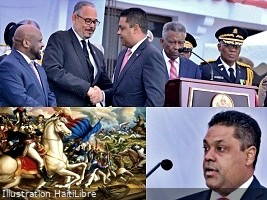
    Port-au-Prince, Haiti – The nation commemorated its 222nd independence anniversary on January 1st, 2026, with a solemn ceremony at Villa d’Accueil that brought together Haiti’s highest leadership. Prime Minister Alix Didier Fils-Aimé presided over the event alongside Laurent Saint Cyr, the acting President and Coordinator of the Transitional Council (CPT), signaling a unified front during a period of significant political transition.

    The gathering represented a powerful convergence of Haiti’s governing institutions, with attendance from cabinet members, military leadership led by Lieutenant General Derby Guerrier, police command under Acting Director General Vladimir Paraison, judicial authorities headed by Court of Cassation President Jean-Joseph Lebrun, and diplomatic representatives.

    Prime Minister Fils-Aimé delivered an emotionally charged address reflecting on Haiti’s historic achievement as the first nation to successfully overthrow slavery. ‘On this day in 1804, our ancestors achieved an unprecedented victory against oppression, establishing forever the dignity and freedom of an oppressed people,’ he stated. ‘Their courage remains a universal symbol of resilience that continues to inspire our nation.’

    The Prime Minister framed contemporary challenges through the lens of historical legacy, emphasizing that ‘security, peace, stability, and democratic elections constitute our essential pathways toward a better future.’ He called for national solidarity, urging citizens to transcend divisions and embrace collective responsibility. Fils-Aimé specifically invoked the nation’s founding principles – ‘liberty, unity, security, stability, and hope’ – as guiding values for all Haitians both domestically and abroad.

    Laurent Saint Cyr echoed these themes while paying particular tribute to Jean-Jacques Dessalines, Haiti’s founding father, and other independence heroes. The transitional leader issued a solemn appeal for dialogue and responsibility from all sectors of society, noting that political discourse serves as an accountability mechanism. His remarks carried particular significance given the approaching February 7, 2026 deadline marking the expiration of the CPT’s mandate, a moment that could determine Haiti’s political trajectory.

    The ceremony ultimately served as both a historical remembrance and a contemporary call to action, emphasizing that the same courage that secured independence must now be channeled toward overcoming modern challenges through unity and democratic renewal.

  • Dominican film industry strengthens in 2025 with job creation and international projection

    Dominican film industry strengthens in 2025 with job creation and international projection

    SANTO DOMINGO – The Dominican Republic’s film industry experienced a transformative year in 2025, establishing itself as both a cultural powerhouse and significant economic contributor. Official data from the General Directorate of Cinema (Dgcine) reveals unprecedented growth across multiple sectors of the audiovisual landscape.

    Economic indicators demonstrated remarkable performance, with 103 approved audiovisual projects generating 2,206 direct employment opportunities. The industry’s substantial economic footprint included over 21,000 hotel night bookings and tax revenue contributions exceeding RD$297 million through Income Tax and ITBIS payments, highlighting cinema’s evolving role in national economic development.

    International recognition reached new heights as Dominican productions secured nine world premieres at prestigious global film festivals. Domestic audience engagement simultaneously surged, with theater attendance for local productions increasing 18.7% above the five-year average, indicating strengthened cultural resonance with Dominican viewers.

    The industry’s global integration advanced through the Minority Co-production initiative, which attracted six international partnership applications from Spain, Chile, Uruguay, Honduras, Peru, and Brazil. This program significantly enhanced the country’s participation in worldwide co-production networks.

    Workforce development emerged as a cornerstone of industry growth, with 2,387 participants benefiting from specialized Dgcine training programs. The innovative ‘My First Job’ initiative successfully placed 94 interns across 39 audiovisual projects, creating crucial entry points for emerging talent.

    Institutional reforms focused on equity, sustainability, and talent development further solidified the framework for continued growth. These comprehensive advancements demonstrate the successful implementation of a strategic vision establishing a robust, inclusive, and sustainable film industry that simultaneously drives cultural prestige and economic prosperity for the Dominican Republic.

  • Dominican Republic welcomes first babies of 2026

    Dominican Republic welcomes first babies of 2026

    The Dominican Republic ushered in 2026 with profound symbolism as multiple maternity hospitals across the nation reported their first newborns just after midnight. These inaugural births, representing hope and renewal for Dominican families, were celebrated as national milestones marking a fresh beginning.

    At the stroke of midnight, San Lorenzo de Los Mina Maternity and Children’s Hospital witnessed the country’s first birth—a baby boy delivered via cesarean section weighing 5.9 pounds. The newborn, delivered to 19-year-old Marianny Encarnación from Samaná, arrived under the care of a multidisciplinary medical team with both mother and child reported in stable condition.

    Hospital director Armando Camejo emphasized the profound significance of these symbolic births, noting that each new arrival embodies optimism and continuity for the nation’s families. The institution further solidified its status as a national reference point by also delivering the first baby of 2025, creating a meaningful tradition around New Year’s deliveries.

    Other major maternity centers simultaneously marked their own inaugural births for 2026. Nuestra Señora de la Altagracia University Maternity Hospital welcomed healthy baby girl Yaidelyn via cesarean procedure at 6:49 a.m., the infant weighing 7 pounds 5 ounces. Concurrently, Dr. Reynaldo Almánzar Maternity Hospital recorded the arrival of Samara de los Santos Hernández, an 8-pound newborn delivered by cesarean section in perfect health, adding to the nationwide celebrations of new life and hopeful beginnings.

  • Mayor’s Office leads post-holiday cleanup after large New Year gatherings

    Mayor’s Office leads post-holiday cleanup after large New Year gatherings

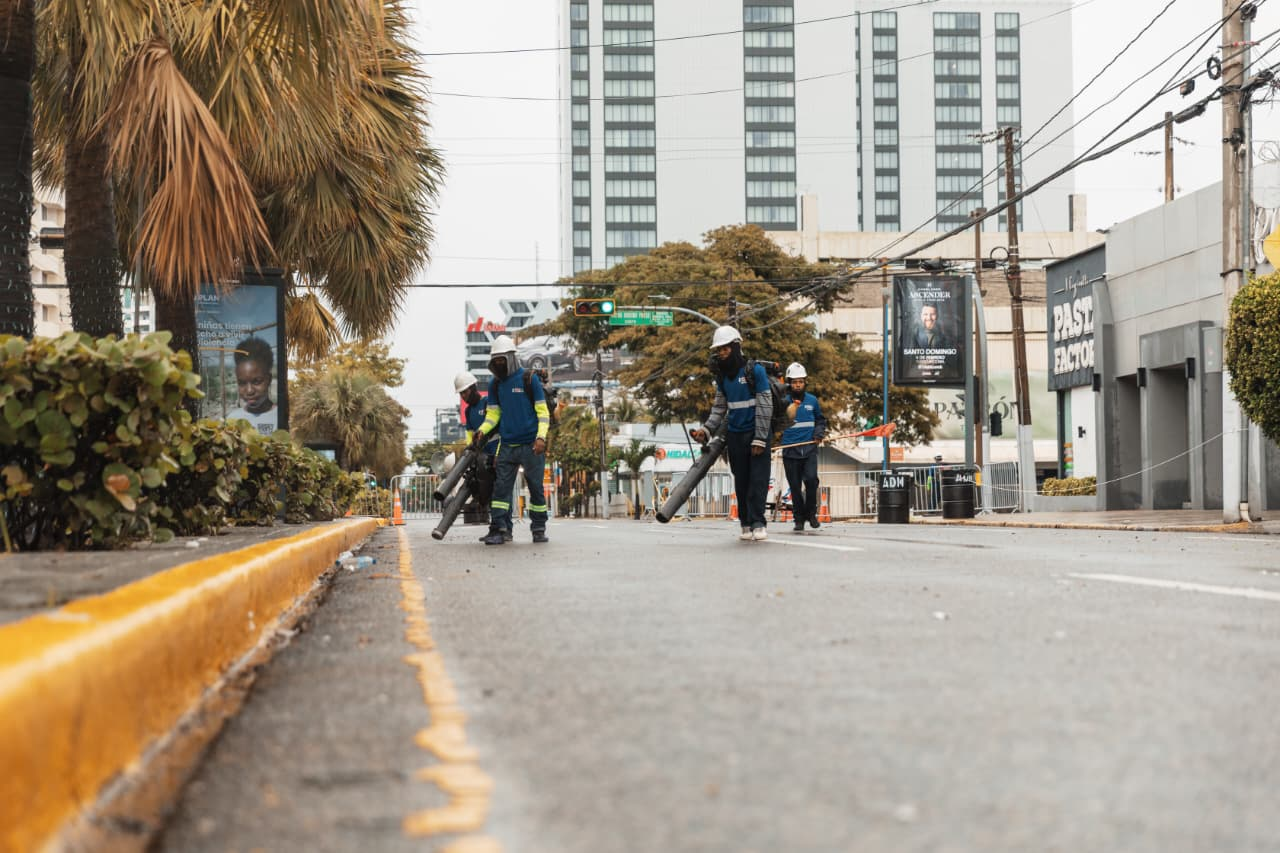
    In a sweeping post-celebration initiative, the National District Mayor’s Office of Santo Domingo mobilized extensive cleanup crews in the early hours of New Year’s Day to address the aftermath of massive public gatherings. The operation targeted key celebration zones across the capital that had hosted thousands of revelers welcoming 2026.

    Crews confronted challenging weather conditions along the Malecón waterfront, where they systematically cleared debris from Eugenio María de Hostos Park and the critical intersection of George Washington and Máximo Gómez avenues. This location had served as the primary venue for the Telemicro concert series, attracting substantial crowds.

    The cleanup effort extended to the Don Bosco sector, site of the historic 55th Drunkard’s Rally, where teams worked diligently to restore normalcy. Additional operations focused on Abraham Lincoln Avenue near La Lira Park and the Linconazo area, plus Cristo Park and Paseo del Río Avenue – all locations that had witnessed significant public gatherings during the year-end festivities.

    The comprehensive sanitation drive demonstrated the municipality’s proactive approach to maintaining urban cleanliness following large-scale public events, ensuring the capital’s public spaces were promptly returned to their pre-celebration state despite the persistent rainy conditions that complicated cleanup operations.

  • Lovell Cites Roads, Closed Clinic as Key Concerns in All Saints West New Year’s Message

    Lovell Cites Roads, Closed Clinic as Key Concerns in All Saints West New Year’s Message

    Harold Lovell, caretaker representative for All Saints West from the United Progressive Party (UPP), has launched a scathing critique against the current administration for its failure to address critical infrastructure and healthcare deficiencies in his constituency. Speaking in a New Year’s address commemorating his fourth month in the caretaker role, Lovell highlighted the alarming state of road conditions and the prolonged shutdown of the area’s sole public health clinic.

    Lovell emphasized that despite repeated governmental assurances, All Saints Road and Buckley Line continue to rank among the island’s most deteriorated thoroughfares. These transportation routes, essential for daily commutes and local commerce, have suffered from neglect, causing significant disruption to residents’ lives.

    The healthcare crisis in All Saints West has further deepened with the ongoing closure of the public health clinic since April 2023. This absence of medical facilities has compelled residents to seek basic healthcare services elsewhere, creating unnecessary hardships and limiting access to urgent medical attention.

    Lovell revealed that even when the UPP organized a temporary free health clinic to address immediate community needs, the initiative faced criticism from government supporters. Meanwhile, the promised government polyclinic remains non-operational with no visible progress toward completion.

    Characterizing these issues as fundamental matters of fairness and dignity, Lovell asserted that reliable infrastructure and accessible healthcare directly impact every household’s quality of life. He contrasted the UPP’s approach of practical solutions and people-focused governance against what he described as the current administration’s pattern of unfulfilled commitments.

    The opposition leader pledged to maintain pressure on the government for accountability while advocating vigorously for constituent needs. As 2026 commences, Lovell encouraged residents to remain hopeful and united, emphasizing that collective advocacy and vocal demands for improved conditions are essential for driving meaningful change.

  • Youth charged with murder

    Youth charged with murder

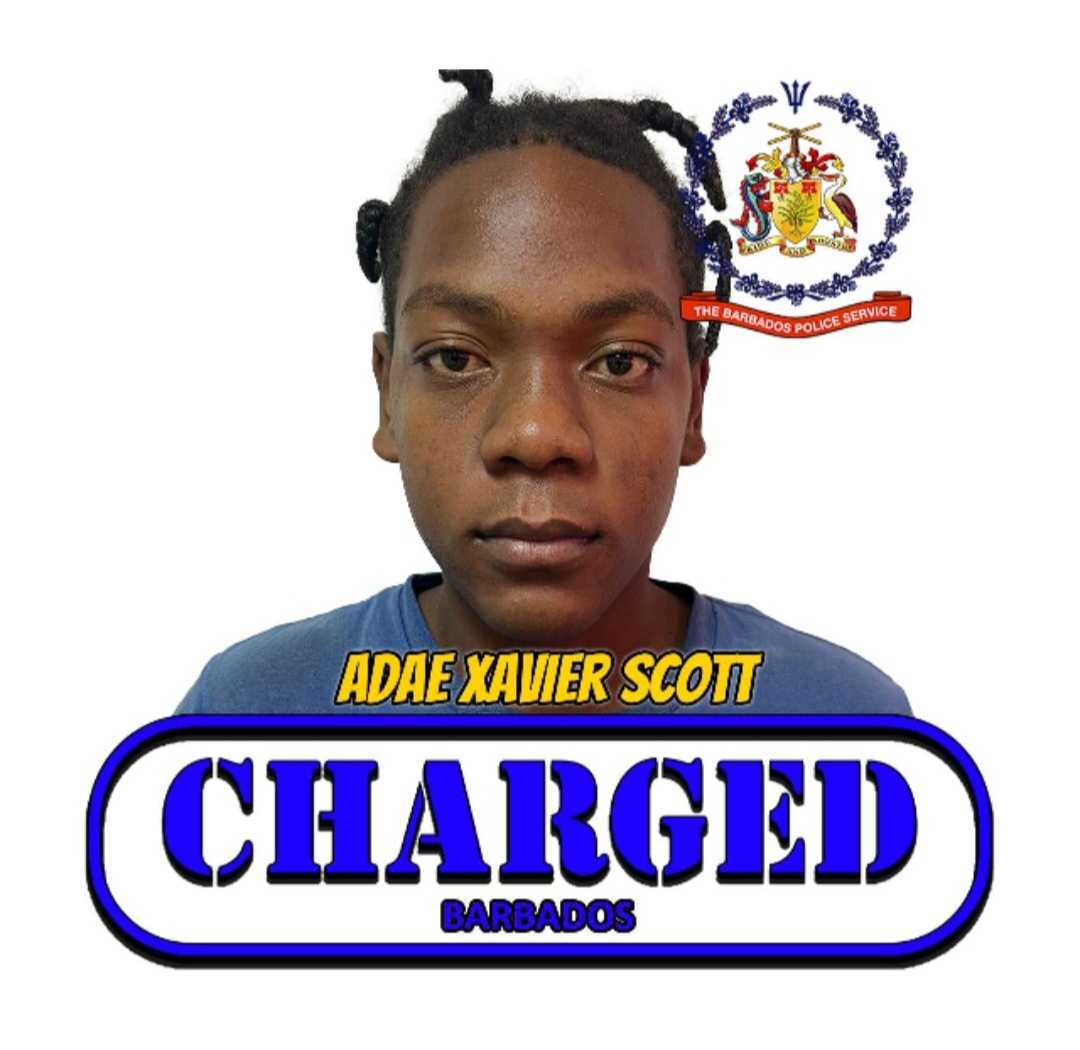
    Barbados law enforcement authorities have formally charged a minor with murder following a violent incident that resulted in the death of Timothy Trotman last month. Adae Xavier Scott, a 17-year-old resident of Military Road in Bush Hall, St Michael, now faces serious criminal charges in connection with the alleged homicide that occurred on December 22, 2025.

    The Criminal Investigations Department in District ‘A’ executed the arrest and subsequent charging of the teenager, marking a significant development in the ongoing investigation. According to official police statements, the case involves a fatal stabbing that has sent shockwaves through the local community.

    Scott is scheduled to make his initial court appearance before the District ‘A’ Criminal Court on Friday, January 2, where formal proceedings will commence. The case represents another troubling instance of youth involvement in violent crime, raising concerns about juvenile delinquency and public safety measures on the island.

    The Barbados police force has emphasized its commitment to thorough investigation and due process in handling this sensitive case. As the judicial process moves forward, community leaders and law enforcement officials are calling for calm while awaiting the court’s determination of facts and eventual adjudication of the matter.

  • Labour ministry to push minimum pay standards for construction sector

    Labour ministry to push minimum pay standards for construction sector

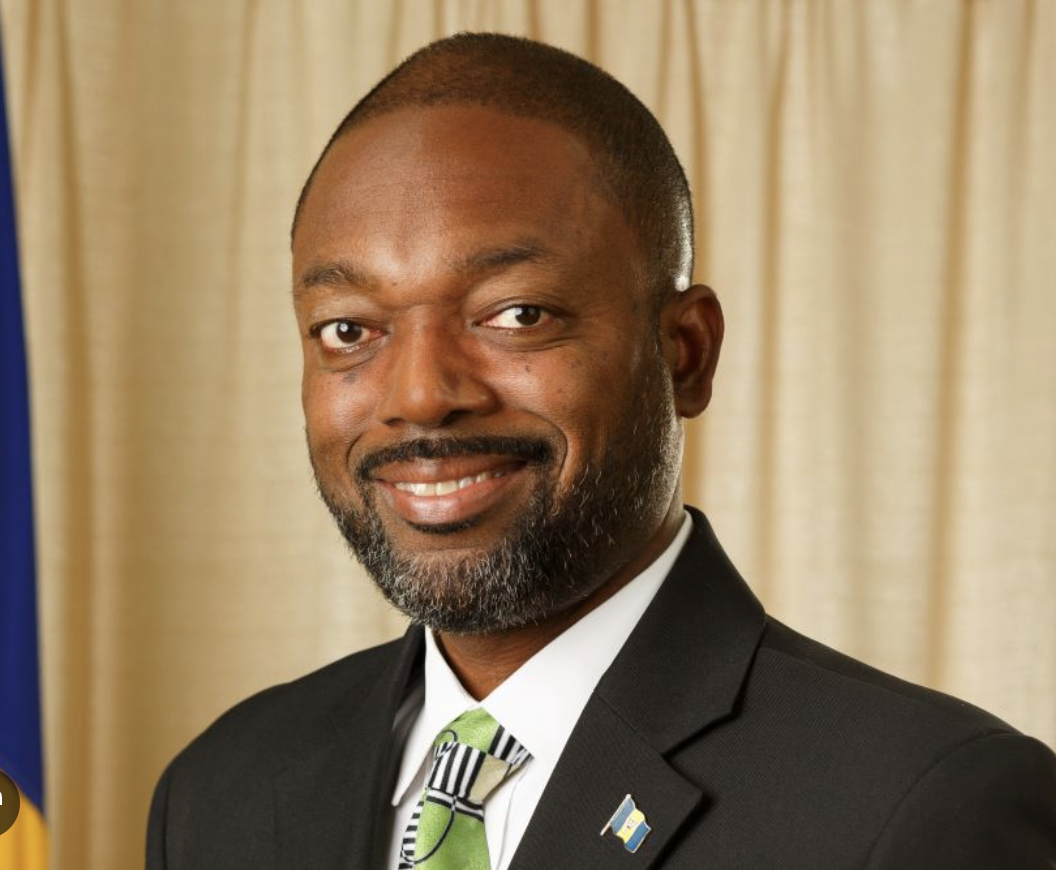
    The Barbadian government is initiating a comprehensive review of compensation standards within the construction industry, marking a significant potential expansion of wage regulation policies. Labour Minister Colin Jordan announced his intention to direct the Minimum Wage Board to examine pay structures and working conditions across construction sector roles, responding to growing concerns about equitable practices in this vital industry.

    This development emerges against a backdrop of heated discussion regarding the administration’s implementation of predetermined minimum wage increases for 2025 and 2026. The Barbados Employers’ Confederation (BEC) has advocated for any adjustments to be exclusively guided by the Minimum Wage Board’s comprehensive economic analysis and stakeholder consultations rather than predetermined percentages.

    Minister Jordan defended the government’s incremental approach, emphasizing the urgent necessity to protect low-income workers from escalating living costs. “Government, through the Ministry of Labour, is conscious of the need of workers in this country to be able to live while they contribute to the organisations they work for and to national development,” Jordan stated in his January 1 address. He underscored that those at the lowest earning tiers face particular vulnerability to inflationary pressures affecting all societal segments.

    The Minister challenged suggestions that the government had marginalized the Minimum Wage Board’s role, noting that no increases occurred during the four-year period following the April 2021 establishment of national and security guard sectoral minimum wages. Jordan characterized the relationship between worker protection and business sustainability as “two sides of the same coin,” asserting that predictable, gradual adjustments ultimately benefit employers by allowing smoother operational adaptation.

    While the Minimum Wage Board continues its work developing longer-term wage indexation mechanisms, the Cabinet will review these recommendations upon completion. Meanwhile, the administration maintains its commitment to implementing modest, timely adjustments to ensure workers’ basic needs are met without awaiting the conclusion of broader regulatory processes.

  • Palestina was in 2025 de dodelijkste plek voor journalisten

    Palestina was in 2025 de dodelijkste plek voor journalisten

    The Middle East emerged as the world’s most perilous region for media professionals in 2025, with Palestine representing the single deadliest location for journalists according to a comprehensive report by the International Federation of Journalists (IFJ). The global press freedom organization documented 128 journalist fatalities worldwide, with the Middle East accounting for 74 deaths—more than half of the total casualties.

    The IFJ’s annual report, published Wednesday, revealed disturbing patterns of violence against media workers. Palestinian journalists suffered the heaviest losses with 56 professionals killed while covering Israel’s military operations in Gaza. Yemen followed with 13 fatalities, Ukraine with eight, and Sudan with six. While the overwhelming majority of victims were male, the report noted 10 female journalists among those killed.

    IFJ Secretary-General Anthony Bellanger characterized the situation as a ‘global crisis,’ stating that these deaths represent ‘a brutal reminder that journalists are being attacked with impunity simply for doing their job.’

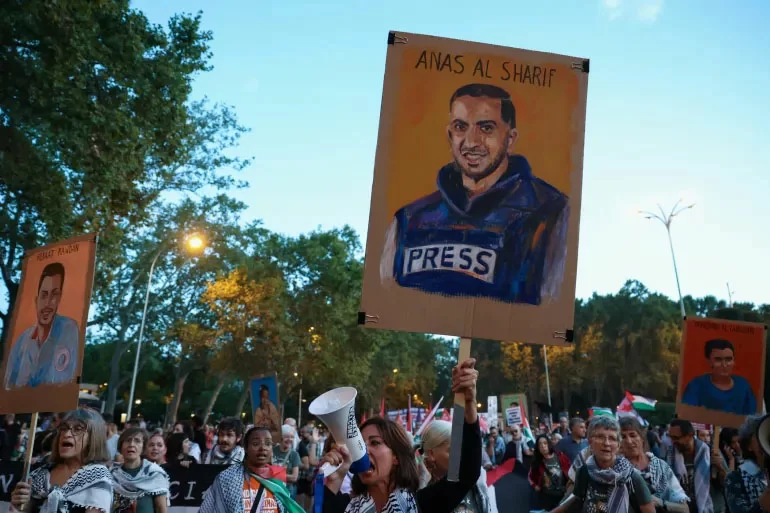
    The report highlighted several emblematic cases, including the killing of Al Jazeera journalist Anas al-Sharif. The 28-year-old reporter was killed alongside colleagues on August 10 when Israeli forces struck a media tent outside al-Shifa hospital in Gaza City. The attack also claimed the lives of Al Jazeera correspondent Mohammed Qreiqeh, cameramen Ibrahim Zaher and Mohammed Noufal, freelance cameraman Momen Aliwa, and freelance journalist Mohammed al-Khalidi.

    In another significant incident, the IFJ described an Israeli attack on a Yemeni newspaper office in early September as ‘one of the worst attacks ever on a media office.’ The strike killed 13 journalists and staff of the Houthi-affiliated ’26 September’ newspaper along with more than twenty other civilians.

    While the Middle East remained the deadliest region for the third consecutive year, the Asia-Pacific region recorded the highest number of imprisoned journalists. China and Hong Kong collectively detained 143 media professionals, followed by Myanmar with 49 and Vietnam with 37. Europe experienced a concerning 40% increase in journalist detentions, primarily due to heightened repression in Azerbaijan and Russia, totaling 149 cases.

    The report categorized nine deaths as accidental while noting that others—including two journalists in Syria and two in Iran—were ‘targeted and killed’ specifically because of their work.