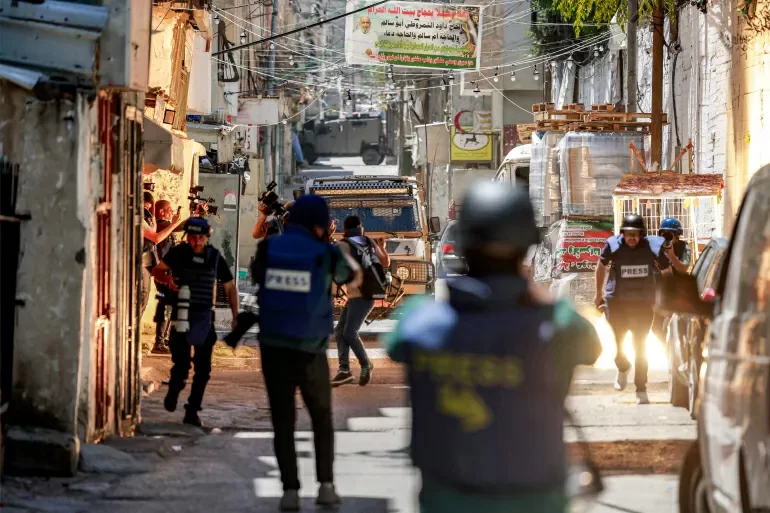
A new report from the Palestinian Journalists’ Syndicate has documented 108 separate violations against Palestinian journalists and media personnel committed by Israeli military forces and Israeli settlers across the occupied West Bank during the month of July 2026. The syndicate’s Freedom Committee published the findings on Sunday, outlining a wide spectrum of abuses that range from arbitrary short-term detentions and physical assault to coercive interrogation, obstruction of on-the-ground reporting, and the seizure or destruction of professional journalistic equipment. The report details a consistent, escalating pattern of intimidation that has made it increasingly dangerous and difficult for journalists to carry out their core work: documenting Israeli military incursions and settler violence in Palestinian territories. According to the findings, short-term detentions and restrictions on reporting were the most common violations, with 58 confirmed cases recorded in July alone. Of the documented incidents, 11 were direct physical attacks on journalists carried out by settlers, including physical assault, shoving, and death threats. Most of these attacks occurred while reporting teams were covering settler incursions and military operations in other areas of the occupied West Bank. The report also notes 12 separate incidents in which Israeli military forces fired tear gas or flash grenades at groups of working journalists, leaving multiple media workers with respiratory distress and other injuries. Six journalists were beaten, and four others sustained open, bleeding injuries – including shrapnel wounds from ordnance – while covering developments in the Gaza Strip. Two additional journalists were detained, and four more were subjected to interrogation over the content of their reporting. The syndicate also recorded four raids on the private homes and media offices of journalists, one of which resulted in the permanent closure of a local media outlet. Three incidents involved the seizure or destruction of journalistic equipment, two cases involved the deletion of on-site recorded footage, and two more incidents saw journalists forcibly expelled from areas surrounding the Al-Aqsa Mosque compound. In response to the findings, the Palestinian Journalists’ Syndicate has issued an urgent call for international intervention to protect press freedom, demanding that journalists be allowed to carry out their professional work “free from threats, attacks, and prosecution” and holding that all perpetrators of these abuses must be held accountable under international law. The July death toll adds to a sharply rising cumulative total that has already made this period the deadliest on record for journalists operating in the region. Human rights organizations have confirmed that Israeli actions have killed more than 270 journalists since October 2023, as part of a widespread, systematic campaign of arbitrary detention and targeting of press personnel operating in Palestinian territories. Al Jazeera, one of the largest international news outlets covering the conflict, has confirmed that 12 of its own journalists have been killed in Gaza since the launch of Israel’s full military campaign in 2023 – a higher death toll for staff than any other news organization operating in the region. One high-profile recent incident, documented in photojournalism by Agence France-Presse, saw Israeli forces attack a group of journalists with a flash grenade during a military incursion into the Balata Palestinian refugee camp, located east of Nablus in the occupied West Bank, on June 7, 2026.
作者: admin
-
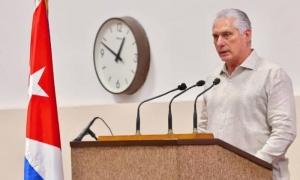
Cuba doesn’t have to indoctrinate anyone. It doesn’t have to export ideas. History teaches us lessons
Against the backdrop of the centennial celebration of Fidel Castro Ruz’s birth, Cuban President and First Secretary of the Communist Party of Cuba Central Committee Miguel Díaz-Canel Bermúdez delivered a searing, urgent address to delegates at the closing ceremony of the 24th International Meeting of Communist and Workers’ Parties in Havana this August 8. Opening by welcoming delegates who braved global pressure, disinformation, and blackmail to attend the gathering in what he called Cuba, “an island of dignity and lifelong resistance to imperialism”, Díaz-Canel framed the current global moment as one of unprecedented peril, echoing warnings issued by parties at the 2022 Havana meeting that have only grown more acute in the intervening years.
Díaz-Canel grounded this crisis in core Marxist-Leninist analysis, arguing that today’s cascading global crises—from widening wealth inequality and accelerating ecological collapse to open wars of aggression over resources and influence—are not random misfortunes, but inevitable outcomes of the structural contradictions of monopoly imperialist capitalism. He pointed to the ongoing war in Eastern Europe, the unimpeded genocide in Gaza, the unmitigated climate catastrophe, systemic global hunger, and the crippling, systemically exploitative external debt burden of the Global South as a “perfect storm” unleashed by capitalism’s unaddressed internal tensions. He further warned of the resurgent global rise of fascism, which has adapted its public face while retaining its core violent essence, a development Fidel Castro presciently warned of decades ago.
Turning to Cuba’s own experience, Díaz-Canel directly tied the island’s current crisis to a decades-long, increasingly aggressive U.S. policy of economic suffocation designed to destroy the Cuban socialist project. He emphasized that the ongoing blockade, which he described as a deliberate act of collective punishment, deprives Cubans of life-sustaining basic resources and services to stoke public exhaustion, political disillusionment, and social division—all to advance long-standing U.S. regime change goals. “Those who sadistically devise an energy blockade against an entire nation, leaving a humanitarian toll of alarming proportions that deprives Cuban children of their lives at birth, reduces the life expectancy of cancer patients, and denies our people access to medicine, food, electricity, water, transportation, and many other resources for a full life, can be called nothing less than criminals and fascists,” he told delegates.
Díaz-Canel shared on-the-ground data detailing the catastrophic human cost of the blockade: 1,400 megawatts of recovered electricity generation capacity currently sits idle due to a lack of imported diesel and fuel oil, extending daily blackouts from the projected 3 hours to 20+ hours that Cuban families currently endure. In the country’s world-renowned universal public healthcare system, the blockade has created life-threatening shortages: more than 98,500 patients, including 12,000 children, wait for necessary procedures Cuba’s surgeons are fully qualified to perform, but lack the fuel and supplies to operate; 34,000 pregnant people cannot access consistent prenatal ultrasound care; 67,000 infants have not received complete, up-to-date vaccination schedules; more than 118,000 cancer patients (117,000 adults and 1,200 children) are forced to rely on less effective secondary and tertiary treatments; only 30% of the country’s essential medicines are available, even though Cuba has the capacity to produce all domestically; just 22% of the national ambulance fleet is operational; and U.S. pressure has blocked the import of cobalt-60 for cancer treatment and delayed shipments of critical medical supplies at ports worldwide. Once a point of national pride comparable to high-income nations, with an infant mortality rate held between 4 and 5 per 1,000 live births, the blockade has pushed Cuba’s rate to more than double that, at 9.8.
Díaz-Canel emphasized that this carefully calibrated campaign of suffering is no accident: it has been a core plank of U.S. policy for more than 60 years, designed to force the Cuban people to turn against their revolution and surrender to imperial control. He noted that the blockade, a clear violation of international law and fundamental human rights, has been repeatedly condemned by the global community, most recently when 136 United Nations member states supported Cuba’s condemnation of the policy. Despite this global consensus, he argued, a rules-based international order has collapsed, replaced by the raw domination of powerful states that prioritize their own geopolitical interests over the survival of poor nations. He warned that Cuba is currently facing the most dangerous period since the 1962 Cuban Missile Crisis, with the economic blockade complemented by a full-scale unconventional war: digital subversion, funding for domestic mercenary groups, coordinated media smear campaigns, and disguised intervention framed as “humanitarian aid”. Recent revelations of expanded CIA operations to destabilize Cuba in major U.S. media are not accidental leaks, he said, but a deliberate component of a U.S. psychological warfare campaign against the island.
He called out recent comments by U.S. Secretary of State that sanctions would be tightened to close all “escape valves” for Cuba as an open admission of the country’s self-inflicted humanitarian crisis, and an unapologetic threat of extermination against the entire Cuban people for refusing to submit to U.S. dictates. Beyond economic pressure, the U.S. has ramped up military threats, updated its formal regime change doctrine, kept Cuba on a fraudulent list of state sponsors of terrorism, and manufactured baseless accusations of Cuba being a hub of “subversive espionage” to justify additional aggression. Independent UN experts have repeatedly confirmed that the U.S.’s illegal unilateral coercive measures violate Article 2 of the UN Charter and form a core component of decades of regime change efforts, and have called for the UN Security Council and General Assembly to urgently address the threat to international peace and security the measures pose.
Díaz-Canel rejected U.S. claims of moral authority to judge Cuba, noting that Cuba is the most heavily surveilled country in the world by the U.S., and the target of more funding for ideological and economic subversion than any other nation. He condemned the complicity of global actors who remain silent in the face of U.S. aggression, arguing that every act of silence weakens international law, every acceptance of illegitimate U.S. sanctions erodes the principle of national non-intervention, and every corporate retreat under U.S. pressure strengthens a global economic dictatorship dominated by a single superpower. “The world cannot become complicit in another genocide,” he stressed.
Despite the unprecedented pressure, Díaz-Canel stressed that Cuba has not surrendered. The Cuban people have continued to deliver innovative progress: self-developed COVID-19 vaccines, expanded agroecological food production to offset scarcity, growth in renewable energy generation, deep grassroots community participation, and a whole population mobilized to defend the country’s right to self-determination. While the country openly faces severe challenges, including extended blackouts, water scarcity, inflation, and long supply lines, Díaz-Canel said no material scarcity has extinguished the culture of solidarity Fidel Castro cultivated, nor has the country renounced José Martí’s core principle that “homeland is humanity”. He pointed to the recent graduation of more than 30,000 new young professionals from Cuban universities, including 735 students from 62 countries—among them 23 new Palestinian doctors and 5 new American doctors—as proof of Cuba’s ongoing commitment to international solidarity even amid crisis.
Under the leadership of the Communist Party of Cuba, Díaz-Canel said the national response has been one of firm, creative resistance, unity, defense of revolutionary gains, and iterative updating of Cuba’s economic and social model—never abandoning core socialist principles, never yielding to external pressure. He clarified that ongoing economic reforms are not a transition to capitalism: there will be no mass privatization, core means of production will remain under public ownership, and national sovereignty will always be protected as the country builds a prosperous, sustainable socialism that meets the needs of the Cuban people. The Communist Party, he said, remains the supreme leading force of the Cuban state and society, and a vigilant guardian of working class and popular interests, never a party of elites or special interests.
“In a world where global power structures try to convince people there is no alternative to capitalism, our shared task is to prove with concrete action that another path exists: socialism remains the only realistic, humane way out of capitalist barbarism, as scientific Marxism has long taught,” Díaz-Canel said.Marking the centennial of Fidel Castro’s birth, Díaz-Canel said the revolutionary leader’s legacy remains a guiding light for global left and progressive forces: he taught that dreams are won through unapologetic defense of principle, that internationalism is not a slogan but a core practice, and that socialism is the only path to pull humanity back from the brink of catastrophe. Fidel was the first world leader to denounce neoliberal globalization as an empire of death, he noted, and the first to raise a clear call for a more just world for all. He taught that the fight for climate and environmental protection is a core socialist struggle, that science must serve people not profit, and that revolutionary unity matters more than tactical differences.
Díaz-Canel called on global communist and workers’ parties to turn the momentum of the Havana meeting into coordinated, concrete action rather than just symbolic declarations. He urged parties to break the coordinated media blockade to spread the truth about Cuba, Palestine, and all peoples facing imperial aggression; to mobilize parliaments, unions, and social movements in solidarity with Cuba’s fight to end the blockade; to expand economic and technological cooperation between progressive states and organizations; and to advance theoretical work to adapt Marxist-Leninist principles to 21st century challenges, including the digital revolution and the climate crisis, with the core goal of advancing full human dignity for all.
He also called for collective self-criticism, noting that condemning imperialism is not enough: parties must build popular power from the grassroots, organize in streets, neighborhoods, factories, and schools, and build broad, flexible unity with all progressive sectors. “Unity is not uniformity; unity is the shared will to fight and win together,” he said. Díaz-Canel stressed that in the face of rising imperial aggression and capitalism’s structural crisis, communist parties have a historic vanguard role to play—not just in electoral or institutional politics, but in organizing, politicizing, and mobilizing the working class under the new conditions of 21st century exploitation, shaped by digitalization, automation, and the platform economy.
“Despite the overwhelming military power of the United States, the international communist movement does not back down. It resists, and it stands firm,” he told cheering delegates. “We cannot predict how long this imperial offensive will last. We may face more aggression, more blockades, but we carry the certainty from our own history: the future belongs to those who dream and build, not those who destroy and lie.”Closing, Díaz-Canel framed the defense of Cuba as a global struggle: defending Cuba means stopping the advance of white supremacist, xenophobic, elitist, exclusionary ideology that is the enemy of true freedom and human emancipation; defending Cuba means fighting 21st century colonialism and opposing the idea that one nation has the right to dictate the destiny of the entire world. He called on delegates to redouble their efforts in the year of Fidel’s centennial, to build a world where solidarity is not just a decorative slogan, but the core driving force of global politics: a world where no child dies of hunger while food is destroyed to prop up prices, where science heals rather than generates profit, and where politics, as Che Guevara taught, is the art of serving others.
The closing address concluded with three resounding cheers: “Always onward to victory, always! Long live Fidel on his Centennial and forever! Long live the unity of the communists! Long live the struggle of our peoples!” -
In the face of the economic blockade against Cuba, solidarity awakens
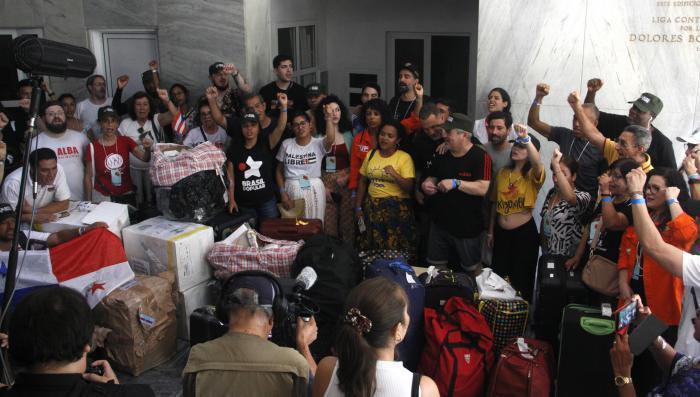
Against a backdrop of long-standing U.S. economic and energy sanctions that have crippled Cuba’s public health and social services system, delegates from the 4th Continental Assembly of the ALBA Movement have turned words of solidarity into tangible action, delivering critical donations to vulnerable Cubans while facing a coordinated smear campaign on social media.
On Sunday morning, August 10 2026, the first cohort of delegates traveled to Havana’s National Institute of Oncology and Radiobiology, Cuba’s leading facility for complex cancer care. Stuffed into suitcases and duffel bags were urgently needed supplies: prescription medications, healing creams, sterile bandages, and small treats for the hospital’s young patients. While the donation may appear modest to outside observers, it fills critical gaps created by resource shortages that have plagued the institution for years. Hospital staff welcomed the gift, noting it directly eases the strain on patients who already bear the burden of systemic scarcity.
In an informal meeting with delegate leadership, institute deputy director Misleidiy Nápoles Morales laid bare the daily reality of practicing oncology under blockade. “Cancer is a chronic, terminal illness for many, and a diagnosis often feels like a death sentence to patients,” she explained, her words resonating with the listening delegates. “Our mission is to buy time for patients, to give them years of life and the highest quality of life possible. Thirty extra years of life is life-changing for a child – it’s the chance to grow up, to experience all the things we take for granted.”
Nápoles Morales did not shy away from the hardship imposed by the U.S. sanctions: “It hurts more than anyone can say when we don’t have the tools to do our work. We have to postpone life-saving surgeries and delay treatments because we don’t have electricity, because we don’t have medications, because our equipment breaks and we can’t get spare parts. Our patients suffer for political decisions they have no part in, and we show up every day to navigate this crisis alongside them. Saving lives is our responsibility, no matter how hard the conditions get.”
Emotions ran high as delegates shared their own perspectives on the struggle. A Venezuelan delegate, unable to hold back tears, spoke to the shared history of solidarity between the two nations. “Cuban doctors have saved thousands of lives in my country and across the globe,” she said. “To see imperialism bearing down on you with all its force only leaves me with two feelings: anger at the injustice, and unwavering solidarity. You can count on me, always, for both.”
A young Colombian delegate removed his cap before speaking, a quiet gesture of respect for the hospital’s work. “So many victims of paramilitarism in my country found life-saving treatment here in Cuba, when our own government abandoned them,” he said. “This small island gave them a place to reclaim their human dignity. You are living proof that only the people can save the people, and love is always repaid with love.”
The final speaker, an Argentinian delegate with a tattoo of Che Guevara on her shoulder, pushed back against warnings she received before traveling to Cuba. “Many people told us not to come, said this country wasn’t what it used to be – and here we are, standing with you,” she said. “Thank you for being that project of humanity we all dreamed of. Where I’m from, children with cancer die every day because life-saving medications are locked away in private clinic warehouses, only available to people who can pay. That’s why your work, your national project of care for all, matters so much to the world.”
After the meeting, delegates dropped off the donations at the hospital’s storage facility for distribution to the most vulnerable patients. Before leaving, they were invited to meet three young cancer patients, with one simple instruction: do not cry inside the room. Most delegates quickly found that rule nearly impossible to follow. For visitors, the quiet resilience of the hospital’s staff – who show up every day with smiles despite unthinkable hardship – stands as a frontline of resistance against what the report calls a “silent genocide” imposed by political elites in suits who prioritize geopolitical gain over human life.
A second contingent of delegates split off to visit the Víbora 2 Children’s and Youth Shelter, another institution strained by U.S. sanctions. Director Danay Sánchez Hernández told delegates the facility currently houses eight children, with a mission to prepare them for societal integration and, more importantly, to give them the love and sense of worth every child deserves. The children welcomed delegates, sharing their toys, posing for photos, and showcasing their learning through educational activities led by shelter specialists. Laughter and the bright, curious energy that defines childhood filled the facility’s small terrace, where a portion of the one ton of donations brought by delegates was unloaded.
Brazilian delegate Tica Moreno emphasized that the solidarity would continue, despite political pressure. “No one will stop the global solidarity movement with the Cuban people,” she said. “Aid will keep coming, no matter what.” Sánchez Hernández acknowledged the impact of the U.S. sanctions on Cuba’s most vulnerable: “It’s no secret how much this country prioritizes the care, protection, and education of children. The U.S. sanctions and oil embargo hit minors the hardest, so this donation means more than we can say.”
While bad-faith actors on social media have amplified a hate campaign targeting the 4th Continental Assembly of the ALBA Movement, delegates have rejected that rhetoric by showing up directly in Cuban communities, where need is greatest. Crossing the lines drawn by imperial blockade, they have extended a hand of friendship and support to the Cuban people, turning cross-border solidarity into tangible change.
-
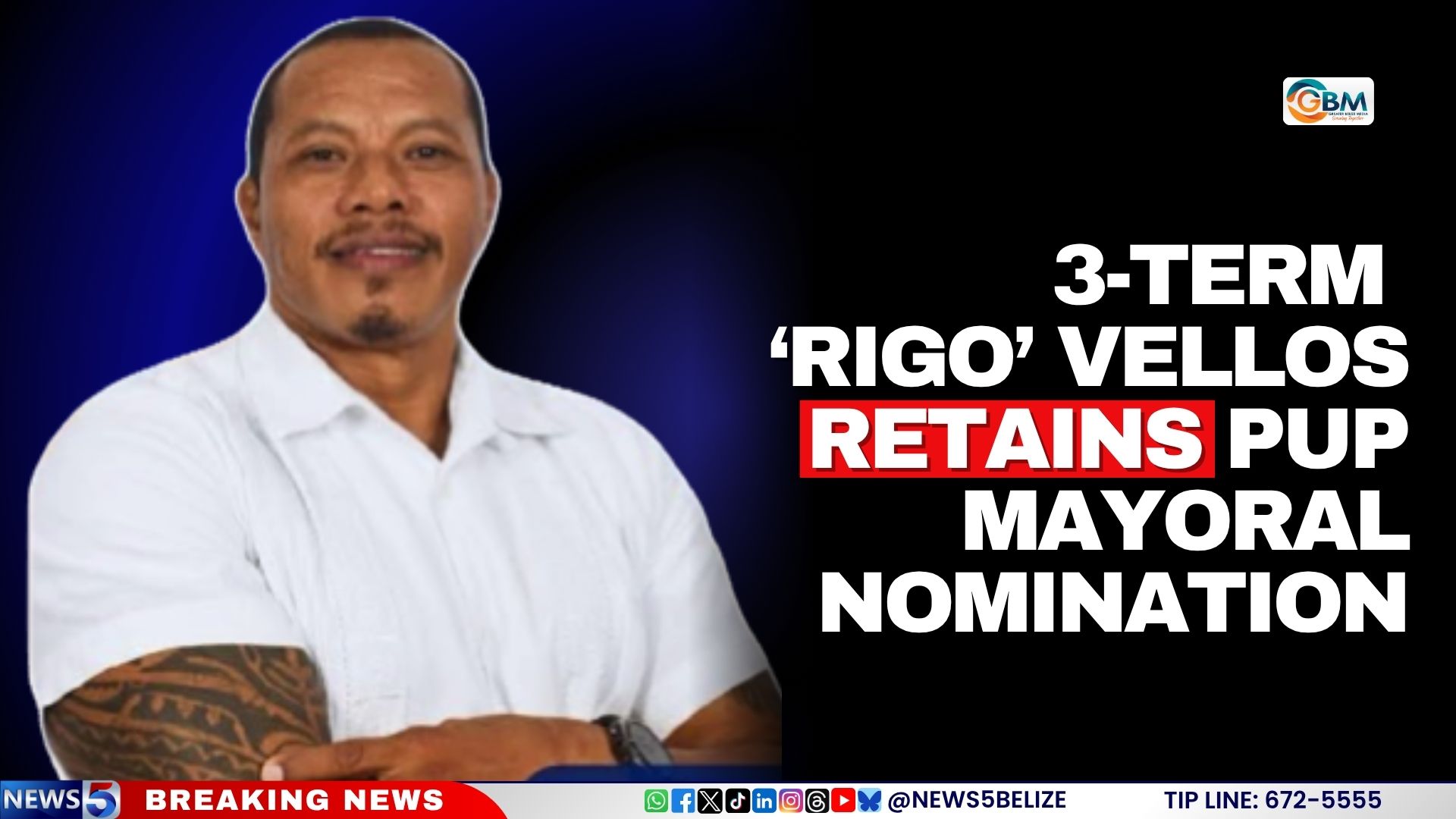
3-Term ‘Rigo’ Vellos Retains PUP Mayoral Nomination
On August 9, 2026, a closely contested internal party convention in Corozal Town delivered a decisive victory for three-term incumbent Rigoberto “Rigo” Vellos, who defeated political newcomer Shajerie Rogers to secure the People’s United Party (PUP) mayoral nomination for the 2027 municipal elections.
Over 3,400 registered Corozaleño voters participated in the high-stakes intra-party vote, a turnout that reflected intense local interest in the race for the PUP’s mayoral candidacy. As counting got underway, early indicators quickly showed Vellos holding a steady lead across most polling stations, a trend that held through the final tabulation.
Even before the official results were released, jubilant crowds of Vellos supporters took to celebrating, confident in their candidate’s lead. One long-time backer of the incumbent told local reporters that the final outcome proved Vellos’ broad grassroots support was strong enough that he never should have been forced to compete in an internal convention at all.
When the final votes were counted, PUP Chairman Henry Charles Usher officially announced the results: Vellos secured 1,799 votes, while Rogers earned 1,175 votes. Rather than framing the competitive race as a sign of division within the party, Usher praised the contest as a constructive development for the PUP, noting that having two engaged, willing candidates step forward to represent the party was a major success in itself.
The convention also drew a high-profile appearance from Corozal Bay Area Representative Thea Garcia-Ramirez, who cast her ballot amid ongoing speculation that she had privately thrown her support behind Rogers. In an on-the-record interview with local outlet News 5, Garcia-Ramirez pushed back on the swirling questions about her alignment. She emphasized that as the elected Area Representative, her core responsibility is to collaborate with whichever candidate the party’s voters choose, and that she will fully honor that obligation moving forward.
With the nomination now secured, Vellos will carry the PUP banner into next year’s municipal election, where he will launch his campaign to win a fourth consecutive term as mayor of Corozal Town, extending his tenure leading the coastal community.
-

Fidel: Legacy and Future, a dialogue from Havana
As Cuba prepares to mark the 100th anniversary of the birth of its iconic revolutionary leader Fidel Castro, the island nation’s capital is set to welcome global participants for the opening of the inaugural international colloquium titled *Fidel: Legacy and Future* this Monday at the Havana Convention Center. Organized by the Fidel Castro Ruz Center in partnership with leading Cuban academic and cultural institutions, the four-day gathering will run through August 13, bringing together a diverse cross-section of global stakeholders to examine the lasting impact of Castro’s life work and ideological framework.
Attendees will include historians, social science researchers, university academics, current and former political and social leaders, diplomatic representatives, international journalists, university students, and longstanding allies of Cuba from every region of the world. Over the course of the event, participants will engage in structured discussions focused on unpacking the enduring relevance of Castro’s legacy, and exploring how his core ideas can be applied to the most pressing social, political and economic challenges facing the world today and in the years ahead.
The event’s full programming covers a wide range of structured engagements beyond plenary discussions. A dedicated convening of Fidel Castro Ruz Chairs will bring together leading scholars who hold academic positions focused on Castro’s work, while a standalone symposium will examine the broader historical legacy of the Cuban Revolution. Targeted sectoral forums have also been organized to center the perspectives of youth, women, parliamentary representatives, artists, intellectuals, and global social movements that advocate for human-centered progress.
Key thematic topics on the colloquium’s agenda span multiple dimensions of Castro’s ideological contributions. Sessions will dive into his political, social, internationalist, and humanistic thought; trace his far-reaching influence on 20th and 21st century global geopolitics, national liberation movements, and the development of collective identity across the Global South; and assess how his ideas remain a critical framework for confronting modern challenges including imperial aggression, systemic global inequality, accelerating climate change, and the ongoing fight to defend global peace and national sovereignty for all nations.
Unlike traditional historical conferences that focus solely on retrospective analysis, this inaugural colloquium is designed to create a deliberate dialogue between Castro’s century-old ideas and 21st century global struggles. Organizers emphasize that the event’s core goal is to preserve Castro’s thinking as a living, actionable reference point for contemporary movements advancing social justice, national self-determination, international solidarity, and universal peace through open cross-border exchange.
-
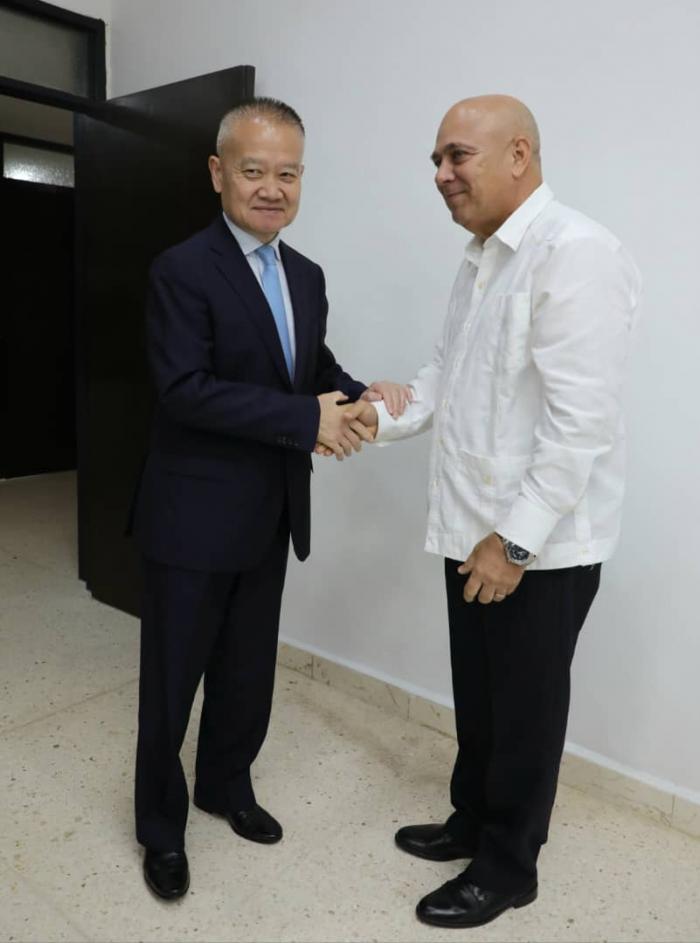
President Morales Ojeda welcomed the Chinese delegation participating in the First International Colloquium
HAVANA, Aug. 10 – A high-level delegation from the Communist Party of China (CPC), led by Liu Haixing, head of the CPC Central Committee’s International Department, has arrived in Havana to take part in a landmark international colloquium honoring the legacy of Cuban revolutionary icon Fidel Castro Ruz. The visiting delegation was formally received Sunday at the Communist Party of Cuba (PCC) Central Committee headquarters by Dr. Roberto Morales Ojeda, a member of the PCC Political Bureau and Secretary of Organization of the PCC Central Committee.
During the opening meeting, Morales Ojeda extended a cordial, warm welcome to Liu and the entire Chinese delegation, passing along sincere well-wishes and warm regards from Miguel Díaz-Canel Bermúdez, First Secretary of the PCC Central Committee and President of the Republic of Cuba, to China’s top party leadership and all visiting delegation members. He expressed profound gratitude for the Chinese party’s decision to send a high-level delegation to the First International Colloquium “Fidel: Legacy and Future,” a core event marking 100 years since the birth of the historic Commander-in-Chief of the Cuban Revolution.
Morales Ojeda went on to underscore that relations between the two communist parties are currently in an excellent state, with both sides deeply committed to advancing deeper political coordination and expanding bilateral economic and commercial cooperation through the solid foundation of inter-party ties. He also drew attention to two landmark anniversaries for the CPC – the 105th founding anniversary of the Party and the 90th anniversary of the Long March – noting that the historical significance of these events extends far beyond China’s borders, carrying profound meaning for Cuba and all nations working to build socialism and a more just global order.
The PCC leader also framed the visit against a challenging backdrop for Cuba, pointing to the ongoing intensification of the U.S. economic, commercial and financial blockade, new unilateral sanctions targeting Cuban state entities, institutions and organizational leaders, and persistent energy sector difficulties that have strained the country’s development efforts. In this context, Morales Ojeda reaffirmed Cuba’s deep gratitude for the consistent support extended by China to the Cuban people, government and PCC, and stressed that Cuban party and state leadership remains determined to overcome these challenges with the solidarity and friendship of sister nations like China.
For his part, Liu Haixing thanked the PCC for the warm invitation, expressing sincere satisfaction with his first visit to the Cuban island. The CPC delegation head conveyed warm greetings and sincere best wishes from China’s party leadership to the Cuban side, and thanked Díaz-Canel for his message of greeting to the Chinese delegation.
The meeting served as a clear reaffirmation of the strong, special relationship between the two communist parties, and their shared commitment to advancing the full implementation of agreements reached between top leaders of the two nations, Díaz-Canel and Chinese President Xi Jinping. The PCC also reiterated its longstanding, unwavering commitment to the One China principle, and firm opposition to all forms of external interference in China’s internal affairs.
Prior to the formal reception at PCC headquarters, the Chinese delegation held a working meeting with Emilio Lozada García, head of the International Relations Department of the PCC Central Committee, as part of its official program in Cuba. The reception was also attended by other members of the PCC Central Committee Secretariat, heads of central party departments and offices, and diplomatic and party officials from both nations.
-
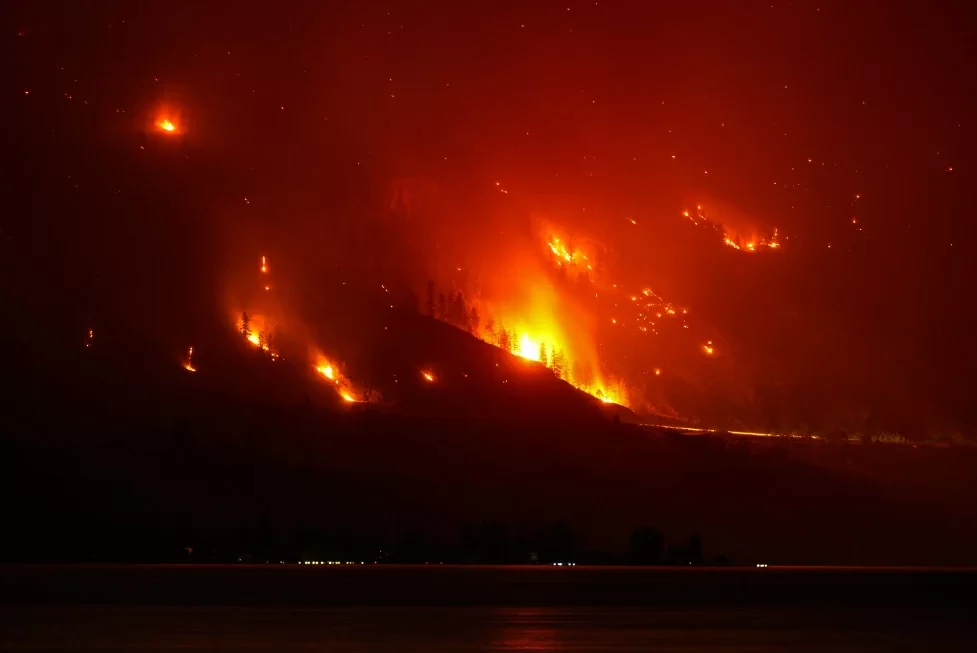
Column: De mens als architect van onze eigen rampen
Authored by Indra Toelsie and published on August 10, this op-ed draws a urgent, interconnected picture of the overlapping crises reshaping life across the globe today, rooted deeply in human action.
First, Toelsie lays bare the unignorable, devastating impacts of a warming planet. Earth’s rising average temperatures have unlocked a cascade of extreme weather events that grow more destructive with each passing year. Record-breaking wildfires have scorched millions of hectares of land across continents, from the vast, ecosystem-razing blazes that swept Australia to the massive fires that have threatened populated areas in Siberia and California, upending thousands of lives. Southern Europe has faced the same deadly combination of extreme heat and out-of-control wildfires in recent years. Beyond wildfires, prolonged drought across large swathes of Africa and the Middle East has wiped out harvests and drained critical water reserves, forcing communities into food insecurity. In stark contrast, other regions including South Asia have faced catastrophic flooding and deadly landslides driven by unprecedented rainfall, leaving thousands homeless in recent events. The intensity of tropical cyclones and hurricanes continues to climb, bringing irreversible destruction to low-lying coastal communities worldwide. Even geophysical hazards are growing more frequent: earthquakes and volcanic eruptions have increased in intensity, adding new layers of risk and uncertainty for populations across the globe.
A particularly devastating trend is that these disasters now strike in increasingly rapid succession, leaving local communities no time to recover and rebuild between catastrophic events. Toelsie emphasizes that most of these climate shifts are not random natural occurrences: they are driven directly by human activity. A throwaway consumer culture, relentless reliance on fossil fuels, widespread deforestation, and unregulated pollution have all upset the natural balance of Earth’s ecosystems. Over time, societies have grown desensitized to the steep price that both the planet and vulnerable communities pay for this unsustainable trajectory.
But the crisis extends beyond the climate, Toelsie argues, intersecting sharply with social and political instability that compounds human suffering. Wars and geopolitical conflicts have created unfathomable hardship for millions, and their ripple effects grow more severe by the day. Toelsie highlights the case of Cuba, where the population already struggles under an authoritarian regime, and now faces crippling international sanctions imposed by foreign powers. These restrictions block critical imports of fuel and food, turning daily survival into a grueling battle. Millions of Cuban residents regularly go without electricity for up to 22 hours a day, with little hope of near-term improvement. This situation has spawned not just widespread physical hardship, but a deepening social and economic crisis that further destabilizes the island nation.
This pattern of human-caused suffering repeats across the globe. In long-running conflict zones such as Syria and Yemen, millions of people have been displaced from their homes, trapped in extreme poverty, and exposed to deadly disease outbreaks amplified by squalid living conditions. Preventable infectious diseases including cholera and measles spread rapidly in these regions, fueled by widespread shortages of clean water, nutritious food, and basic medical care.
Toelsie stresses that none of these overlapping disasters and conflicts are inevitable. They are collective wake-up calls demanding that global communities take responsibility and pursue a fundamental shift in how we treat both our planet and one another. Because human action created these crises, human collective action has the power to fix them.
The piece closes with a pressing question for readers: Will the global public continue to stand by and look away from growing suffering? Or will we break through our collective indifference and work together to build a livable future for all people, regardless of where they live? Meaningful change begins close to home, in our own communities and nations, and it is our responsibility to act for the planet, for humanity, and for generations yet to come.
-
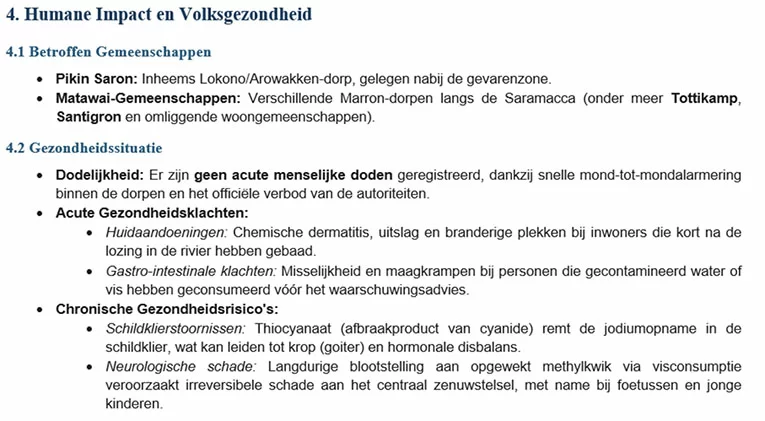
Rapport vissterfte onthult ‘mogelijk’ grotere schade voor mens, dier en milieu
A devastating mass fish mortality event in the upper reaches of Suriname’s Saramacca River is far more than a localized environmental disaster, an unreleased preliminary impact assessment from the National Environmental Authority (NMA) obtained by local outlet Starnieuws has revealed. The draft report points to likely chemical contamination, outlines potential long-term risks to both human communities and local ecosystems, and highlights far-reaching economic harm for Indigenous populations that rely on the river for survival. Most notably, the disaster unfolded less than four weeks after the Surinamese government, the Matawai Indigenous community, and major gold mining firm Zijin Rosebel Mines signed a new agreement establishing enhanced oversight, safety protocols, and management for mining activities in the nearby Moeroekreek area.
The NMA’s report remains non-definitive as of August 10, with multiple laboratory analyses still ongoing. No official cause or responsible party has been formally identified, and key preliminary conclusions require further scientific validation and confirmation from regulatory bodies. Final test results for fish tissue samples were expected on August 10, with the government’s full final report due within two weeks of that date.
On June 26, the NMA issued an urgent public warning advising local communities against eating or selling dead or sick fish caught from the river, suspending use of river water for household purposes, and limiting direct physical contact with the water as much as possible.
Initial water samples collected on June 25 tested positive for cyanide and mercury, though both compounds were found at concentrations below current official regulatory limits. However, tests did detect elevated levels of iron, aluminum, manganese, total suspended solids (TSS), and Chemical Oxygen Demand (COD) – a key metric measuring the amount of oxygen required to break down organic and chemical contaminants in water. The NMA added a critical caveat to these early findings: cyanide breaks down and dilutes relatively quickly in natural freshwater environments. A low reading at the time of sampling therefore does not rule out far higher concentrations being present immediately after a contamination event.
Based on these early results, the environmental authority says it is seriously investigating the hypothesis that the mass fish die-off was caused by a single uncontrolled discharge of chemical waste. So far, testing of processed fish samples has not found elevated levels of mercury, lead, or cadmium in fish tissue, but additional analyses for arsenic, sediment testing, and assessment of supplementary samples are still pending to clarify the full scope of contamination.
The impact assessment warns that the consequences of an unregulated chemical discharge could extend far beyond the visible mass mortality of fish. If contaminants leach into river sediment, they can persist in the ecosystem far longer than they would in flowing river water, creating long-term risks for benthic organisms, fish populations, fish-eating wildlife, and ultimately human communities that rely on the river. Heavy metals, in particular, require long-term monitoring: unlike cyanide, they do not break down naturally and can bioaccumulate in soil, sediment, and food chains over time.
The report also notes that agricultural plots along the river’s banks require further investigation, as local communities use water from the river and its tributaries for both fishing, household use, and small-scale agriculture. The full extent of long-term impacts on these activities remains unquantified, pending results from additional testing of sediment, soil, native plants, and local biological communities.
For local residents, the ongoing scientific debate over contamination levels is not an abstract academic issue – the harms of the event are already tangible. Fish is a core food source for multiple communities along the Saramacca, and for many residents, it also serves as a primary source of income. With fishing and river water use suspended, residents have become entirely dependent on imported bottled water and external food aid.
Residents of the riverside community of Pikin Saron have already called for financial compensation and a long-term structural solution to the crisis. They note that emergency aid can only ease immediate hardships, but does not address the permanent loss of their traditional food supply and primary income stream, giving the disaster a clear social and economic dimension beyond its environmental impact.
One of the report’s most striking findings centers on the timing of the disaster. On May 28, less than a month before the first reports of large-scale fish mortality, the government, Matawai community, and Zijin Rosebel Mines signed a new regulatory protocol for the Moeroekreek gold mining region. The agreement was explicitly designed to improve organization, safety, registration, and oversight of all mining operations in the area. The local Stichting Moeroemoeroe was given a central role in managing and registering small-scale local artisanal miners, and a new multi-stakeholder monitoring commission was established, including representatives from government ministries, the mining firm, and the community foundation. Just weeks after the agreement went into effect, thousands of dead fish began appearing in the river system.
This timeline does not automatically assign blame to the parties that signed the protocol, but it raises urgent questions about how effective the newly agreed oversight actually was, and whether high-risk mining activities and chemical storage practices were properly regulated as intended. Suriname’s Minister of Oil, Gas and Environment Patrick Brunings has confirmed investigators are exploring a scenario where a chemical storage pond or tailings basin overflowed during heavy seasonal rainfall, releasing contaminated material into the Moeroekreek and ultimately the Saramacca River system. No confirmation has yet been obtained on which chemical was released, in what concentration, the exact location of the release, or which party is legally responsible.
The NMA impact assessment obtained by Starnieuws goes further on this point, outlining a scenario where wastewater and ore slurry were released in a single large pulse from a mining tailings basin, and providing a preliminary technical estimate of the likely scale of the discharge. Starnieuws notes this estimate has not yet been independently verified, so it cannot be reported as a confirmed fact. The same standard applies to assigning blame to any company operating in or near the affected area: until investigators confirm the source location of the contamination, responsibility cannot be automatically assigned to any concession holder, state-owned enterprise, or group of small-scale artisanal miners.
If the investigation ultimately confirms that the mass fish die-off was caused by an uncontrolled chemical discharge from gold mining operations, investigators will not only need to identify the party responsible for the release. They will also need to explain how such an incident could occur in an area that had just been placed under a new, enhanced regulatory and monitoring framework. Key unanswered questions include: Which stakeholders knew what chemicals were stored in the area? Who was responsible for inspecting storage facilities? Which mining activities were formally registered? Who conducted inspections of tailings retention basins? Did the agreed monitoring commission ever become operational and fulfill its oversight duties?
The report also emphasizes that the harm to local communities cannot be measured solely in financial terms or by counting dead fish. For the Indigenous Matawai and other tribal communities, the Saramacca River is far more than a natural resource: it is a source of drinking water, a core food supply, a transportation route, the foundation of the local economy, and a central part of their traditional cultural and physical environment. When public warnings bar communities from using the river’s water and fish, a core pillar of their daily existence is disrupted.
The first public warning was issued on June 26. More than six weeks later, definitive answers to the most critical questions remain elusive: What caused the mass fish mortality? Where did the contamination originate? What long-term harm has been left in the disaster’s wake? Who bears ultimate legal and moral responsibility?
Regardless of who is ultimately identified as the party responsible for the contamination, the disaster has already exposed a larger systemic vulnerability: the fragility of regulatory oversight for gold mining and chemical management in Suriname’s interior regions. The dead fish were a visible sign of disaster, but the larger, unanswered question remains what activities were occurring out of regulators’ sight in the region before the fish die-off occurred.
-
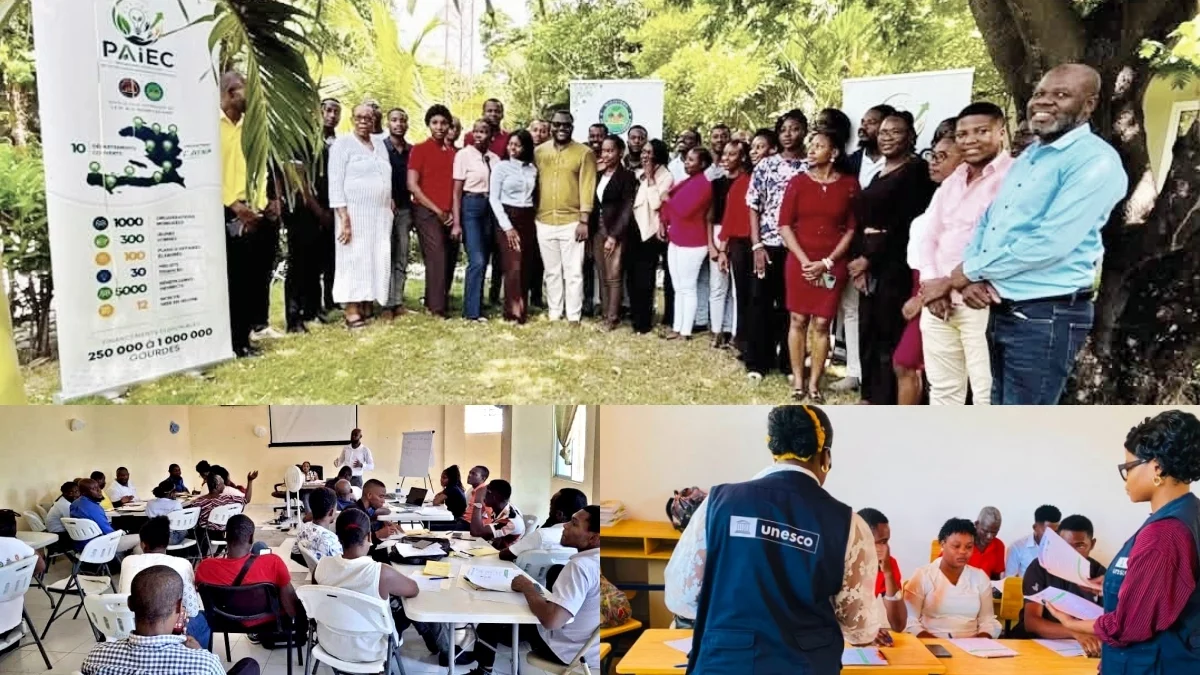
Environment : Training for the Citizen Environmental Initiatives Support Program
Against a backdrop of growing community-level environmental challenges across Haiti, the nation’s Ministry of Environment has partnered with UNESCO to kick off a landmark capacity-building initiative, the Citizen Environmental Initiatives Support Program (PAIEC). On August 7, 2026, the first round of interactive three-day training workshops launched simultaneously across five Haitian departments: West, South, Grand’Anse, Artibonite, and North.
Targeted at emerging leaders from grassroots community-based organizations (CBOs), registered civil society groups (CSOs), local small businesses, and established environmental protection nonprofits, the workshops center on equipping participants with practical, actionable skills. Trainees learn to structure, design, and formalize their community-focused environmental projects and green business concepts to meet the strict eligibility criteria of PAIEC, which is also formally referenced as the Integrated Environmental and Climate Action Program.
This opening workshop phase is the first step in a national rolling training and mentorship scheme that will ultimately engage 100 pre-selected initiative leaders, representing nearly 300 total beneficiaries spanning all 10 of Haiti’s administrative departments. The pre-selection process followed a nationwide open call that drew more than 800 candidate proposals, with 537 applications cleared as eligible before the shortlist of 100 initiatives was finalized.
On August 9, Haitian Minister of Environment Valéry Fils-Aimé presided over the closing ceremony for the West Department workshop. In his remarks, Fils-Aimé praised the ongoing commitment of participating environmental organizations and young green entrepreneurs, urging attendees to translate their local ideas into robust, financially viable projects that deliver tangible solutions to the environmental issues facing their neighborhoods. He reaffirmed the Haitian government’s core priority: centering local stakeholders and youth in national environmental action, while simultaneously fostering innovative sustainability solutions and growing the domestic green economy.
Following the conclusion of the first workshop round, the training scheme will resume on August 14, running through August 16 in Haiti’s five remaining departments. After all workshops are completed, participants will receive ongoing tailored support to polish their full project proposals. These proposals will then undergo a formal evaluation process to select the final cohort of initiatives that will receive direct funding through PAIEC.
Ultimately, the Ministry of Environment frames PAIEC as a long-term investment in local leadership: the program is designed to nurture homegrown sustainability initiatives that deliver three core outcomes: expanded national environmental protection, new inclusive economic opportunities for marginalized communities, and equitable sustainable development across Haiti’s regions.
-
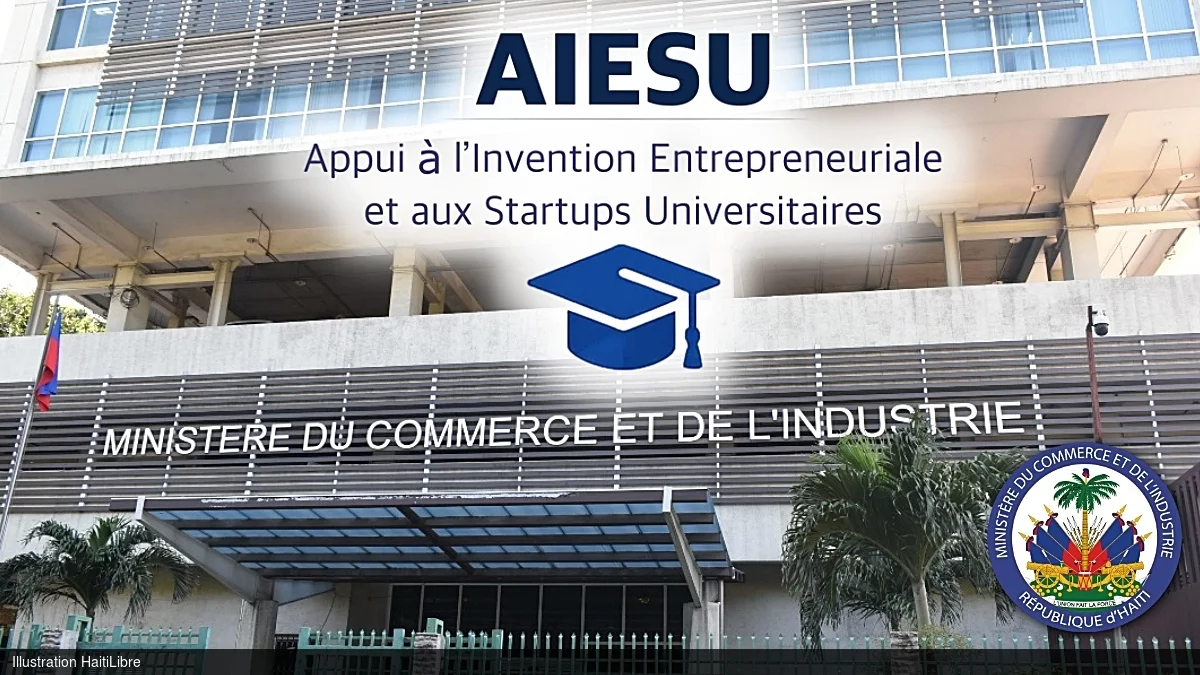
Call for Expressions of Interest : Project to support entrepreneurial invention and startups
Haiti’s Ministry of Commerce and Industry (MCI) has opened a call for expressions of interest to recruit the first cohort of a new national university-focused startup incubation initiative, aimed at revitalizing the country’s entrepreneurial landscape. Spearheaded by MCI Minister James Monazard as part of the government’s mandate to boost trade, industrial development, and small business growth, the Project to Support Entrepreneurial Invention and University Startups (AIESU) seeks to build a resilient, interconnected university entrepreneurial ecosystem across Haiti through a phased rollout of campus-based startup incubators.
The initiative is launching its pilot phase at Quisqueya University, with this call for candidates marking the first major milestone of the pilot. Through the open call, program organizers will select eight innovative early-stage ventures to participate in a six-month structured incubation program, designed to help founders refine their concepts and scale their impact.
Eligible applicants include current students, recent graduates, academic researchers, and cross-disciplinary teams affiliated with any accredited higher education institution in Haiti. The program accepts proposals across eight high-priority sectors that align with Haiti’s long-term economic and social development goals: digital technologies, artificial intelligence, agribusiness, manufacturing, green economy, health, creative industries, and innovative services.
Shortlisted ventures will be evaluated based on a clear set of criteria that balance innovation potential and national impact. Judges will score applications on the originality of their idea, market fit, technical feasibility, long-term business model viability, projected growth trajectory, team capacity and commitment, and the venture’s projected contribution to inclusive economic and social progress across Haiti.
Selected startups will gain access to a comprehensive package of support to advance their projects. Benefits include dedicated co-working space, structured entrepreneurship training, one-on-one mentorship from industry experts, end-to-end technical, legal, and administrative guidance, support in preparing for future funding rounds, and referrals to Haiti’s Investment Facilitation Center (FDI) for high-performing projects with strong investment appeal.
To complete an application, candidates must submit a filled-out application form, official photo identification, curriculum vitae for all team members, official proof of affiliation with a recognized Haitian higher education institution, and a five-page maximum concept note outlining their venture. All application materials must be submitted through the official MCI portal at https://mci.gouv.ht/aiesu.
The selection process follows a structured multi-step timeline, beginning with a closing date for applications of August 15, 2026. Administrative eligibility checks will run from August 17 to 25, while the independent selection committee will conduct technical evaluations of qualified applications between August 26 and September 10. Shortlisted candidates will be invited to deliver in-person or virtual pitches to the committee between September 15 and 20, followed by final deliberations between September 21 and 25. Results will be published between September 25 and 30, with selected ventures receiving official notification by the end of September. The six-month incubation program is scheduled to officially launch on October 1, 2026.
Participation in the open call is completely free for all eligible candidates. MCI notes that selection for the incubation program does not guarantee direct funding, and reserves the right to request additional documentation or conduct compliance verifications at any stage of the selection process.