作者: admin

  • The Home Store closes in Chaguanas; MovieTowne Tobago shuts down

    The Home Store closes in Chaguanas; MovieTowne Tobago shuts down

    Trinidad’s retail landscape continues to deteriorate as The Home Store announced the closure of its Chaguanas location on January 5th, marking the latest casualty in a series of economic challenges facing the Caribbean nation. This development follows closely on the heels of MovieTowne’s shutdown of its Tobago operations, creating a pattern of retail contraction across the region.

    The Home Store’s parent company, LJ Williams, attributed the decision to ‘the continued decline in the economy,’ reflecting broader systemic issues affecting consumer markets. This represents the fourth location closure for the home goods retailer in recent times, following previous shutdowns at East Gates Mall, C3 Centre, and The Falls at Westmall branches throughout 2025.

    Financial disclosures reveal LJ Williams recorded a comprehensive loss of $875,000 for the six-month period ending September 30th, showing slight improvement from the $974,000 loss documented during the same timeframe in 2024. Company turnover similarly declined, dropping to $71.35 million from the previous year’s $73.30 million.

    Chairman Lawford Dupres acknowledged the marginally improved loss margin but highlighted persistent challenges including weakened consumer spending and constrained access to foreign markets. These factors have significantly impacted the distribution aspect of their operations, prompting strategic shifts toward consolidating resources in higher-performing locations while reducing overall overhead costs.

    The company’s condensed financial statements, published November 6th, indicated $71.355 million in sales with an operating profit of $2.14 million—a figure ultimately negated by finance costs totaling $2.63 million. Management identified foreign exchange availability as a continuing critical factor, with future strategy emphasizing rigorous cost control and investment in outlets demonstrating ‘greater promise.’

    Meanwhile, MovieTowne’s simultaneous Tobago closure, though without explicit stated reason, follows widely publicized legal disputes with Port Authority landlords. In August 2024, the company’s lease holder, Trinidad Commercial Development Company Ltd, complied with a court order to pay $3 million to the authority. Questions regarding the Tobago branch’s economic viability have circulated since the COVID-19 pandemic, with closure rumors persisting throughout the recovery period.

    Amid these closures, MovieTowne continues operations in Port of Spain and San Fernando while implementing a buy-one-get-one promotional campaign throughout January in Trinidad locations, alongside discounted park ride offerings on weekends.
  • Another El Pecos blast lawsuit closer to trial

    Another El Pecos blast lawsuit closer to trial

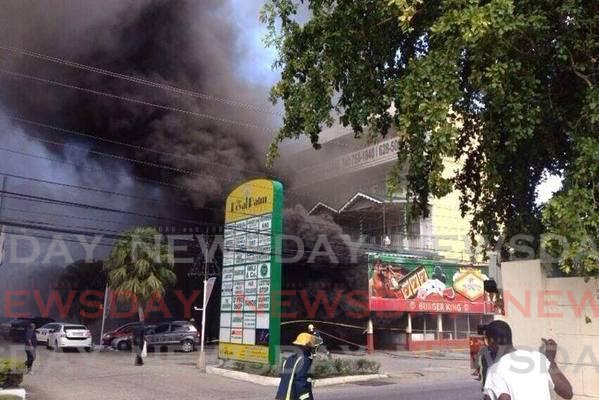
    A significant legal milestone has been reached in the protracted litigation surrounding the catastrophic 2015 El Pecos Restaurant gas explosion in Maraval, with one of the numerous related lawsuits now progressing toward trial. At a January 5 case management hearing, Justice Nadia Kangaloo solidified procedural timelines and scheduled a crucial pre-trial review for April 17, when trial dates will be formally established and evidential objections addressed.

    The judicial developments follow a pivotal December ruling by the Court of Appeal that upheld substantial negligence findings against North Plant LPG Co-Operative Society Ltd. In a unanimous decision, Justices Mark Mohammed and Peter Rajkumar affirmed Justice James Aboud’s judgment dismissing North Plant’s appeal against a $160,000 general damages award to Gregory Maicoo, an employee who sustained severe burns during the liquefied petroleum gas delivery incident.

    Justice Aboud’s comprehensive analysis validated trial judge Justice Ricky Rahim’s 2022 determination that North Plant breached its duty of care, emphasizing that Rahim’s conclusions were grounded in “a judicious evaluation of the evidence” without “material error that undermines his factual conclusions.” The appellate court notably rejected North Plant’s safety protocol defenses, finding the company’s arguments without merit.

    The legal proceedings encompass multiple dimensions of the tragedy, including compensation claims from seriously injured victims and insurance subrogation claims from neighboring businesses affected by the blast. Among the pending cases is a separate action filed by the brother of restaurant accountant John Soo Ping Chow, who succumbed to burn injuries four months after the explosion at a Miami hospital.

    Justice Kangaloo has advised legal representatives to monitor the upcoming February hearing in the Chow case for potential implications on their respective matters. The complex litigation landscape involves numerous represented parties, including Restaurant Holdings Ltd, National Petroleum Company Ltd, and El Pecos itself, all navigating a web of interconnected negligence and liability claims.

    Justice Aboud highlighted the inefficiency of addressing these claims individually, noting the missed opportunity for using a “test case or representative action” to establish negligence parameters, which risks “wasting valuable court time relitigating issues of fact that have already been determined.”

  • JACA continues local outreach

    JACA continues local outreach

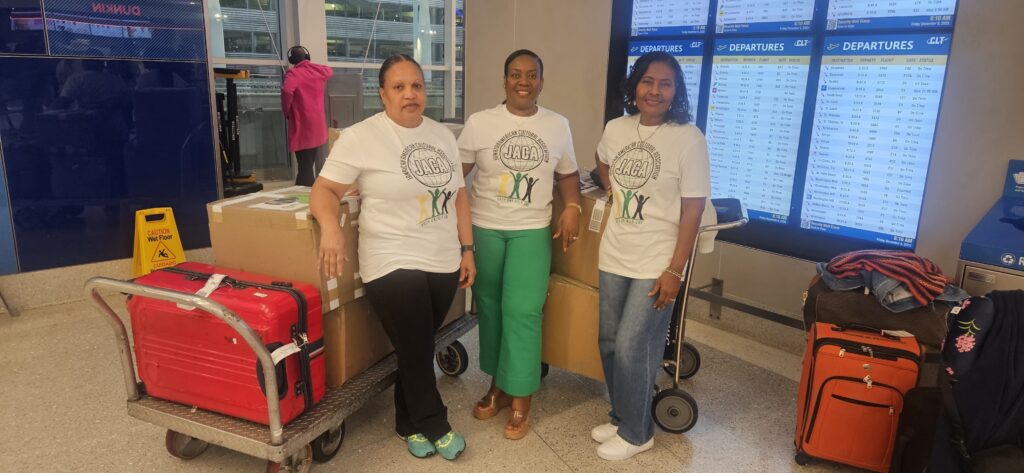
    KINGSTON, Jamaica — For more than a quarter-century, the Jamaican American Cultural Association (JACA) has dedicated its philanthropic efforts to enhancing educational infrastructure across Jamaica. This North Carolina-based 501(c)(3) non-profit organization has historically concentrated on equipping schools with essential technology resources, with recent partnerships extending through 2026 at institutions including St Mary High School, Linstead Primary School, and St George’s Infant and Primary School.

    The catastrophic impact of Hurricane Melissa on southwestern Jamaica has prompted an immediate strategic pivot in the organization’s operations. JACA has temporarily redirected its resources from educational support to emergency humanitarian assistance for affected communities in Westmoreland, St James, and St Ann.

    In a rapid response initiative, JACA has coordinated the delivery of nearly one ton of critical supplies to hurricane victims. The relief shipment encompasses food provisions, hygiene products, clothing, medical supplies, and other essential emergency items. Beyond immediate relief, the organization has committed to providing substantial building materials to selected families to facilitate long-term recovery and home reconstruction efforts.

    Gaynor Russell, President of JACA, emphasized the philosophical underpinnings of their humanitarian approach: ‘Our work among vulnerable communities has demonstrated that meaningful assistance transcends material provisions—it fundamentally concerns human dignity. Authentic transformation begins when we engage directly with affected individuals, honor their narratives, and stand in solidarity with them throughout their recovery journey.’

    Russell further acknowledged the collective effort behind their mission, stating: ‘We remain committed to delivering comprehensive hurricane relief to the fullest extent possible. Our return to these communities is assured. None of this vital work would be feasible without the extraordinary dedication, compassion, and resilience of our team members, who embody the true spirit of our organizational ethos.’

    The organization’s operational philosophy remains guided by its foundational motto: ‘Each One Helps One,’ reflecting its commitment to mutual aid and community solidarity in times of crisis.

  • Sykes in favour of scrapping jury trials, encourages more plea bargaining

    Sykes in favour of scrapping jury trials, encourages more plea bargaining

    KINGSTON, Jamaica—Jamaica’s judicial system faces a critical juncture as Chief Justice Bryan Sykes advocates for transformative reforms to address overwhelming court backlogs. Speaking during the swearing-in ceremony for four judges and two masters-in-chamber at King’s House, Sykes revealed the staggering scale of the problem: approximately 3,000 pending cases nationwide, with 1,000 concentrated in the Home Circuit Court in downtown Kingston alone.

    The Chief Justice drew compelling international parallels to contextualize Jamaica’s challenge. He referenced England and Wales, where Sir Brian Leveson was appointed in 2024 to address a massive backlog of 78,000 cases—a number projected to reach 100,000 by 2028 without intervention. Notably, even in the birthplace of jury trials, authorities are considering curtailing jury proceedings as a controversial solution.

    Sykes highlighted the United States’ successful approach to similar challenges through its robust plea bargaining system. With over 97% of federal cases disposed of through plea agreements, the American model demonstrates how alternative dispute resolution can dramatically reduce court congestion. The Chief Justice emphasized that trying every case through traditional jury proceedings is “simply impossible” given current resources.

    He specifically urged Jamaica’s Office of the Director of Public Prosecutions to adopt a proactive stance on plea bargaining, recommending that prosecutors develop disposition positions for every case that could be presented to defense counsel. While acknowledging previous unfulfilled promises from the Ministry of Justice to address these concerns, Sykes maintained that systemic reform is essential for delivering timely justice to the Jamaican people.

  • Six members of the judiciary sworn in to serve in higher offices

    Six members of the judiciary sworn in to serve in higher offices

    KINGSTON, Jamaica—In a significant ceremony at King’s House on Monday, Governor-General Sir Patrick Allen presided over the swearing-in of six judicial officials to elevated positions within Jamaica’s legal system. The appointments signal both continuity and progress in the nation’s ongoing judicial reforms.

    Justice Lorna Shelly-Williams and Justice Carolyn Tie-Powell assumed their roles as acting judges of appeal, with their tenure extending from January 12 to March 27, 2026. Simultaneously, Kamar Henry-Anderson and Chester Crooks were inaugurated as acting puisne judges, while Christine McNeil and Yvette Wentworth Miller took office as acting masters-in-chambers, both appointments effective from January 7 through March 27, 2026.

    Governor-General Allen emphasized that these appointments reflect not only the legal expertise of the individuals but also the nation’s confidence in their judicial independence, character, and dedication to public service. “Your continued appointments demonstrate the trust placed in your ability to exercise judicial responsibilities with fairness, integrity, and independence,” he stated. “The nation expects you to maintain the highest standards of your office.”

    The ceremony also served as an occasion to highlight the judiciary’s substantial advancements. Governor-General Allen reported “tangible and commendable progress” over the past year, including improved case management, administrative efficiency, and significant reduction of case backlogs, particularly within parish courts. These achievements, he noted, result from strategic planning, disciplined implementation, and a collective commitment to enhancing justice delivery.

    Digital innovation emerged as a cornerstone of Jamaica’s judicial modernization. The introduction of live-streamed court proceedings represents a pivotal step toward greater transparency and public accountability, helping demystify judicial processes and reinforce confidence in the rule of law. Allen acknowledged that while challenges within the judiciary are not unique to Jamaica, the progress demonstrates institutional resilience and capacity for sustained reform.

    President of the Court of Appeal, Justice Marva McDonald Bishop, congratulated the appointees and urged them to embrace the mindset of “learning judges” throughout their careers. She emphasized that judicial humility—essential for proper duty execution and public confidence—stands in direct opposition to judicial arrogance, a trait all must vigilantly avoid.

    Chief Justice Bryan Sykes encouraged the judiciary to continue pursuing excellence and announced that within approximately twelve weeks, several judicial divisions—including the Court of Appeal, the high court division of the gun court in Kingston, the St Thomas Parish Court, and the Court Administration Division—are expected to achieve ISO certification. “Despite the challenges of 2025,” Sykes affirmed, “2026 will see us becoming more efficient and better equipped to deliver first-class, fair, and effective justice services.”

    Responding on behalf of the appointees, Justice Shelly-Williams expressed gratitude and acknowledged the challenges inherent in judicial office, pledging to undertake their responsibilities with diligence and fortitude.

  • JPs cautioned against signing documents for people they don’t know

    JPs cautioned against signing documents for people they don’t know

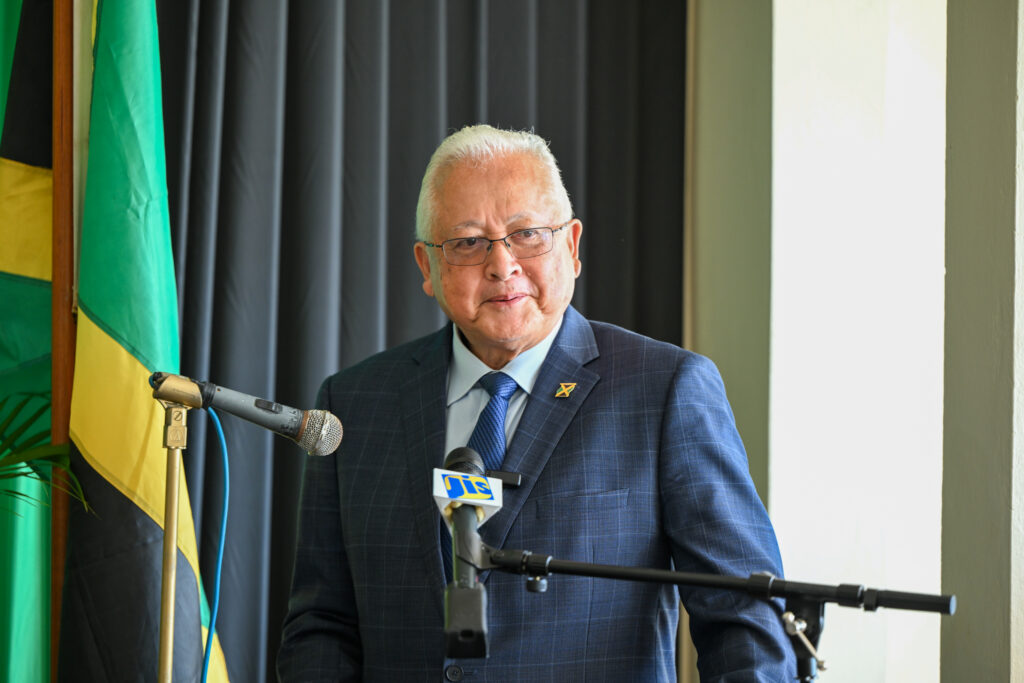
    Jamaican Justice Minister Delroy Chuck has issued a stern warning to the nation’s justices of the peace (JPs), cautioning them against formally verifying documents for unknown individuals to prevent enabling fraudulent or criminal activities. The minister emphasized that such practices could undermine public trust in the judicial system.

    Speaking at a commissioning ceremony for 34 new JPs in St Thomas parish, Minister Chuck highlighted a specific case where a JP provided a glowing recommendation for an individual who subsequently faced serious criminal allegations at their workplace. The minister contended that proper verification protocols might have prevented this employment and subsequent allegations.

    “When you sign and witness a document and verify identification of someone you don’t know, you have opened the door for corruption,” Chuck stated, urging JPs to decline requests unless they can personally verify identities.

    The ceremony also featured addresses from Custos of St Thomas Marcia Bennett and Permanent Secretary Marsha Henry-Martin. Bennett emphasized the JP’s role extends beyond document authentication to include community leadership and peacemaking responsibilities. She encouraged new JPs to remain accessible to community members and model law-abiding behavior.

    Henry-Martin, responding on behalf of the newly commissioned justices, acknowledged their mandate to “execute in fairness” within Jamaica’s evolving social and economic landscape. She urged her colleagues to serve with “humility, kindness, meekness, and love” to restore community harmony.

    The office of justice of the peace, originating in England in 1361, requires holders to demonstrate unquestionable integrity while protecting individual rights. Jamaican JPs perform varied duties including document authentication, limited judicial functions, court attendance, bail application consideration, and providing legal counsel.

  • Priest warns police: Don’t use uniforms to bully public

    Priest warns police: Don’t use uniforms to bully public

    In a powerful address before dozens of police officers and senior officials, prominent Anglican Archdeacon Dwight Rolle delivered a compelling call for ethical reform within the Royal Bahamas Police Force. The occasion was the Force’s annual church service at Christ Church Cathedral, attended by officers, dignitaries, and community leaders featuring prayers, musical tributes, and honors for fallen personnel.

    Archdeacon Rolle articulated critical concerns regarding societal decay and institutional responsibility. He warned against the dangers of personal ambition and authority misuse, stating emphatically that uniforms should not become instruments for bullying vulnerable citizens. The religious leader identified a cultural shift toward mediocrity where mere paycheck collection supersedes pursuit of excellence.

    Highlighting the essential foundation of community policing, Rolle emphasized that law enforcement effectiveness becomes meaningless without established trust and perceived safety. He reminded officers of their unrecognized role as mentors for younger generations seeking guidance, purpose, and emotional security.

    The archdeacon portrayed policing not as mere employment but as vocational calling requiring radical commitment to national improvement. He detailed alarming social pathologies including narcotics proliferation, firearms trafficking, escalating gang operations, armed robberies, home invasions, and gratuitous violence – all indicating deterioration of the nation’s fundamental bonds.

    Rolle demanded intentional, transformative approaches to address these systemic ills, emphasizing officers’ moral obligation to champion justice, especially for defenseless children. The event also featured addresses by Bahamas Christian Council President Bishop Delton Fernander and National Security Minister Wayne Munroe, who expressed official gratitude for police service.

    Police Commissioner Shanta Knowles concluded the gathering by acknowledging departmental dedication, anticipating successful outcomes through divine guidance, and presenting a financial contribution to support the Christian Council’s community initiatives.

  • Treasure Bay Estates lends hand to local sea captain

    Treasure Bay Estates lends hand to local sea captain

    KINGSTON, Jamaica – In the aftermath of Category 5 Hurricane Melissa’s destructive path through Jamaica’s western region, a powerful story of community resilience and compassionate leadership has emerged from Treasure Beach, St. Elizabeth.

    The catastrophic storm, which made landfall on October 28, inflicted severe damage across multiple parishes, threatening livelihoods and infrastructure. Among those most critically affected was local sea captain Allan Daley, whose fishing vessel—essential to his family’s survival—faced near-total destruction when a massive 20-foot shipping container was hurled onto the craft by hurricane-force winds.

    The impact destroyed the boat’s engine and left the structure severely compromised. Ironically, floodwaters from the storm partially stabilized the vessel by adding weight, though it remained in imminent danger of complete loss.

    Recognizing the urgency, the management team from Treasure Bay Estates mobilized immediately alongside community volunteers. Their coordinated response involved stabilizing the damaged boat and preventing further destruction, demonstrating extraordinary solidarity in crisis.

    Captain Daley expressed profound gratitude, stating: ‘The Treasure Bay Estates team and my neighbors arrived when hope was fading. Their support lifted my spirits and saved my livelihood when I faced total ruin.’

    Aubyn Henry, co-principal of Treasure Bay Estates, personally oversaw the relief effort. ‘As an entrepreneur rooted in this community, I believe our true impact is measured by the lives we touch,’ Henry explained. ‘Witnessing Captain Daley’s struggle against this disaster reinforced why collective action matters. We’re now assisting him in sourcing a new engine and restoring his capability to work—this is about restoring hope to his family and strengthening the community we all share.’

    The incident highlights how community-driven initiatives can provide crucial support where formal disaster response may be delayed, offering a blueprint for local resilience in the face of escalating climate-related disasters.

  • Late cash surge lifts December currency growth to central bank’s target

    Late cash surge lifts December currency growth to central bank’s target

    KINGSTON, Jamaica – Jamaica’s monetary authority has reported that a substantial late-month spike in cash requirements enabled the nation’s currency expansion to align with official projections for December 2025, according to finalized data released Monday. This robust finish effectively counterbalanced the unexpectedly subdued pattern documented in preliminary assessments just days prior.

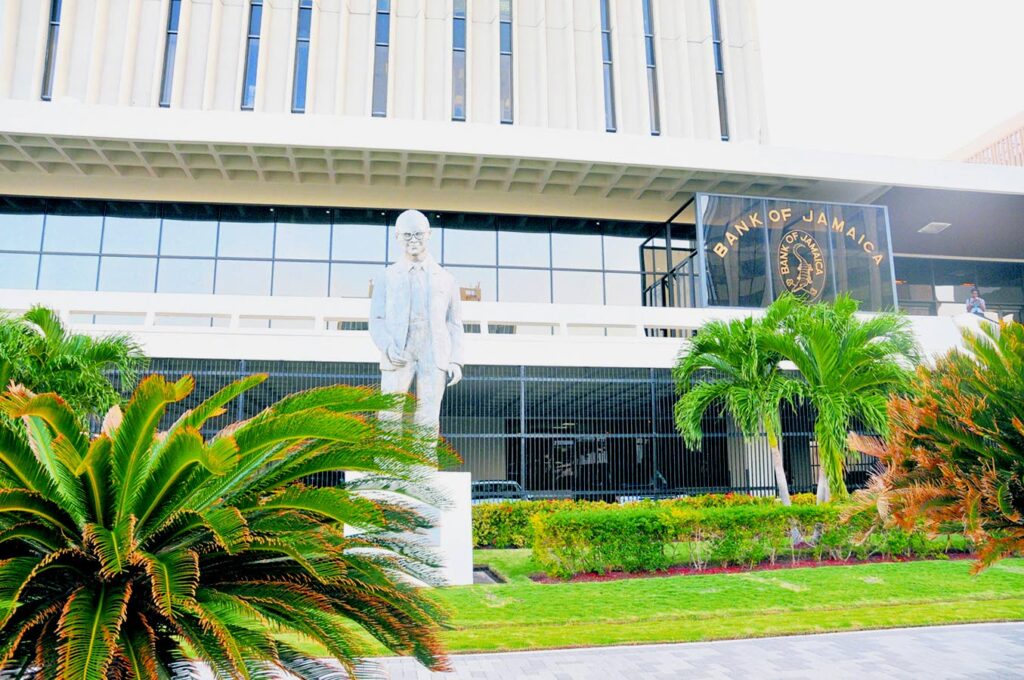
    The Bank of Jamaica (BOJ) disclosed distributing a net total of J$13.1 billion to financial institutions during the final five business days of the month, derived from J$14.1 billion in new issuances minus J$0.9 billion in redemptions. This vigorous end-of-period activity propelled the overall currency inventory growth to J$21.7 billion, representing a 7.2 percent monthly increase.

    This conclusive performance closely matched the central bank’s early-December forecast of 7 percent growth, demonstrating a notable recovery from the mid-month assessment on December 24 that indicated merely 2.9 percent expansion through the first 22 days. Despite this recovery, the monthly growth rate remained below the 8 percent increase recorded in December 2024.

    Jamaica’s circulating currency reached J$322.3 billion by year-end, reflecting a substantial 12.7 percent nominal annual growth that dramatically exceeded the previous year’s 3.1 percent expansion. When adjusted for inflation, the real value of currency holdings surged by an estimated 7.1 percent – a remarkable turnaround from the 1.8 percent real decline witnessed twelve months earlier.

    Monetary officials identified multiple drivers behind this accelerated annual growth, including precautionary cash holdings following Hurricane Melissa, enhanced remittance flows, elevated inflation rates, and economic recuperation from Hurricane Beryl’s impact in July 2024.

    The BOJ expects the majority of additional currency supplied for seasonal demand to return to financial institutions during January. Historical patterns indicate that approximately 68.8 percent of December’s net currency issuance typically gets redeemed in the subsequent month over the past five years.

    The central bank administers daily currency movements based on commercial bank requirements, which themselves respond to heightened withdrawal patterns from both individual and commercial clients during peak expenditure periods. Jamaica’s currency in circulation encompasses all banknotes and coins held by the public plus vault reserves maintained by commercial banks.

  • Jamaicans urged to protect bee population in aftermath of Hurricane Melissa

    Jamaicans urged to protect bee population in aftermath of Hurricane Melissa

    KINGSTON, Jamaica – In the aftermath of Hurricane Melissa’s devastating passage, Jamaican agricultural authorities are issuing an urgent appeal to citizens to assist in preserving the nation’s critically important bee populations. These vital pollinators suffered substantial habitat displacement and resource depletion during the recent extreme weather event.

    Francine Webb, Senior Plant Health and Food Safety Officer at Jamaica’s Rural Agricultural Development Authority (RADA), emphasized the ecological crisis unfolding within the insect ecosystem. The hurricane’s destruction of flowering plants has created severe nutritional shortages for bee colonies across the island, threatening their survival and recovery.

    Webb provided practical guidance for public assistance, noting observations of citizens already providing sugar-water solutions to starving bees. “When you encounter bee swarms, understand they’re not displaying aggression but desperately seeking nourishment,” she explained to JIS News. “These insects pose no threat to humans when approached calmly during their foraging activities.

    The agricultural expert recommended maintaining feeding stations using simple household items like shallow saucers or disposable plates containing sugar-water mixtures. This emergency nutrition support provides crucial energy for bees until natural flowering patterns can reestablish themselves.

    Beyond immediate humanitarian concerns, Webb highlighted the insects’ fundamental role in Jamaica’s agricultural recovery. “Bees serve as essential pollinators for approximately one-third of global food production,” she stated. “Their preservation directly impacts our national food security and agricultural restoration efforts post-hurricane.”

    The campaign represents an unusual intersection of disaster response and environmental conservation, recognizing that ecological rehabilitation remains inseparable from agricultural and economic recovery in hurricane-affected regions.