作者: admin

  • Antigua and Barbuda and Japan engage in bilateral talks at the 29th Meeting of the COFCOR

    Antigua and Barbuda and Japan engage in bilateral talks at the 29th Meeting of the COFCOR

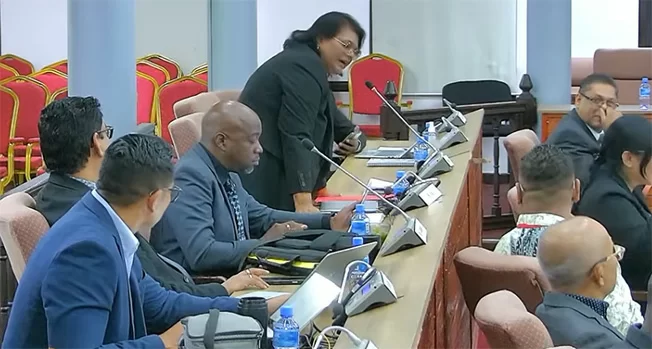
    Against the backdrop of growing diplomatic engagement between Caribbean nations and Asian global powers, senior diplomatic representatives from Antigua and Barbuda and Japan convened for targeted bilateral talks on Wednesday, May 20, 2026. The discussions took place on the margins of the 29th Council for Foreign and Community Relations (COFCOR) gathering, hosted this year in Paramaribo, the capital of the Republic of Suriname.

    Leading the delegations were two senior officials: E.P. Chet Greene, Antigua and Barbuda’s Minister of Foreign Affairs, Trade and Immigration, and Eri Arfiya, Parliamentary Vice-Minister for Foreign Affairs of Japan. The meeting centered on advancing mutual cooperation and aligning shared priorities across a range of regional and global issues.

    Opening the formal dialogue, Vice-Minister Arfiya extended formal congratulations to Minister Greene on the Antigua and Barbuda Labour Party’s (ABLP) recent victory in the country’s general election, securing the party’s renewed mandate to govern. She also expressed gratitude for Greene’s high-profile visit to Japan during the 2025 Osaka Expo, an official engagement that she noted had significantly strengthened the bonds of solidarity between the two nations.

    In his response, Minister Greene commended the longstanding positive diplomatic relations between the two countries. He also thanked Japan for its consistent, sustained support to the Caribbean Community (CARICOM) across four critical policy areas: climate change adaptation, disaster risk reduction, reform of the global financial architecture, and advancing inclusive sustainable development across the Caribbean region.

    Greene used the bilateral meeting as an opportunity to formally request Japanese support for transportation logistics ahead of the upcoming Commonwealth Heads of Government Meeting (CHOGM). Vice-Minister Arfiya indicated that the request received favorable consideration from the Japanese delegation, moving it forward in the official review process.

    A key topic of long-term strategic discussion was the potential for Antigua and Barbuda to establish a permanent diplomatic mission in Tokyo. Both sides agreed to revisit the proposal once Antigua and Barbuda completes the required feasibility studies to assess the practical and financial viability of the new mission.

    Beyond bilateral priorities, the two officials reaffirmed their shared commitment to core global principles: mutual respect for democracy, national sovereignty, and adherence to international law. They also exchanged views on ongoing negotiations surrounding United Nations Security Council (UNSC) reform, and conducted a review of existing Japanese development projects currently underway across Antigua and Barbuda.

  • Antigua and Barbuda Explores Turning Waste Into Energy

    Antigua and Barbuda Explores Turning Waste Into Energy

    The twin-island Caribbean nation of Antigua and Barbuda has launched an exploratory push to convert accumulated waste into usable electricity, marking a bold step toward solving two pressing national challenges at once: growing solid waste management pressures and a heavy reliance on costly imported fossil fuels.

    For years, the small island developing state has grappled with limited landfill space, as rapid tourism growth and population expansion have pushed existing waste disposal sites close to maximum capacity. At the same time, the country’s energy sector has long depended on imported oil and gas, leaving electricity prices volatile and national budgets strained by global energy market fluctuations. Officials in Antigua and Barbuda argue that a waste-to-energy system could simultaneously shrink the volume of waste going to landfills by up to 90% through incineration and generate baseload power to reduce the country’s import dependency.

    Early-stage discussions are currently underway between national government agencies, international development partners, and private sector infrastructure firms to assess the technical feasibility, financial viability, and environmental impact of building a full-scale waste-to-energy facility. Project backers note that unlike many renewable energy sources such as solar and wind, which are intermittent, waste-to-energy produces consistent power around the clock, making it a valuable complement to Antigua and Barbuda’s ongoing transition to cleaner energy. The government has also emphasized that any developed facility will meet strict international emissions standards to minimize air quality risks for local communities.

    Critics of the proposal, however, have raised concerns about the potential for greenhouse gas emissions from incineration, as well as the high upfront capital costs of constructing such a facility. Some local environmental groups have instead advocated for scaling up recycling and waste reduction programs as a cheaper, more environmentally friendly alternative. Despite these debates, the government remains committed to moving forward with feasibility studies, with preliminary findings expected to be released within the next 12 months to guide future policy decisions.

  • Travel Forum in Antigua Identifies Key Priorities Shaping Future of Regional Tourism

    Travel Forum in Antigua Identifies Key Priorities Shaping Future of Regional Tourism

    Against the backdrop of a global tourism landscape still reshaping itself in the wake of pandemic-era disruptions and shifting traveler expectations, stakeholders from across the Caribbean gathered in Antigua for a landmark regional travel forum designed to map out a sustainable, inclusive path forward for the sector.

    Attendees at the invitation-only event brought a diverse range of perspectives to the table, including national tourism boards, independent hospitality operators, climate action advocates, transportation infrastructure specialists, and local community tourism organizers. Over two days of panel discussions, breakout working sessions, and cross-stakeholder negotiations, the group coalesced around a set of core priorities that will guide regional collaboration in the coming years.

    Top of the agenda was climate resilience, a non-negotiable priority for small island developing states across the Caribbean that face growing threats from sea-level rise, more intense hurricane seasons, and coral reef degradation that erodes the natural draw for millions of international visitors each year. Forum participants agreed that coordinated investment in nature-based infrastructure—including mangrove restoration, sustainable coastal development, and renewable energy transition for hotels and resorts—must be a core funding focus moving forward.

    A second key priority centered on expanding inclusive economic growth that benefits local communities, rather than only large international hospitality chains. Participants highlighted the need to streamline access to microgrants and training for small, locally owned tourism businesses, including homestay operators, cultural tour guides, and craft artisans, to help them compete in a global market increasingly dominated by large online booking platforms.

    Third, the forum identified digital transformation as a critical pillar for the region’s future. Delegates called for coordinated investment in upgrading digital connectivity across remote island destinations, as well as collective marketing campaigns targeted at niche traveler segments, including eco-tourists, remote work nomads, and cultural heritage travelers, to reduce the region’s historical reliance on mass package tourism.

    Regional tourism leaders emphasized that the consensus reached at the Antigua forum marks a clear break from past approaches, where individual island nations often competed against one another for visitor market share. Instead, the new framework prioritizes collective action to address shared challenges, from climate risk to global economic volatility that can disrupt travel demand. Closing the forum, Antigua’s Minister of Tourism outlined plans to create a working group that will turn these priority statements into actionable regional projects, with the first funding proposals set to be presented to international development banks by the end of the calendar year.

    Many attendees noted that the forum’s timing could not be more critical. As international travel volumes have now returned to pre-pandemic levels across most of the Caribbean, leaders have a narrow window to reshape the sector before the next wave of growth locks in older, less sustainable models. The priorities identified in Antigua are expected to shape not only regional policy but also how billions in global climate and development funding are allocated to Caribbean tourism over the next decade.

  • Suspect admits strangling Angelo

    Suspect admits strangling Angelo

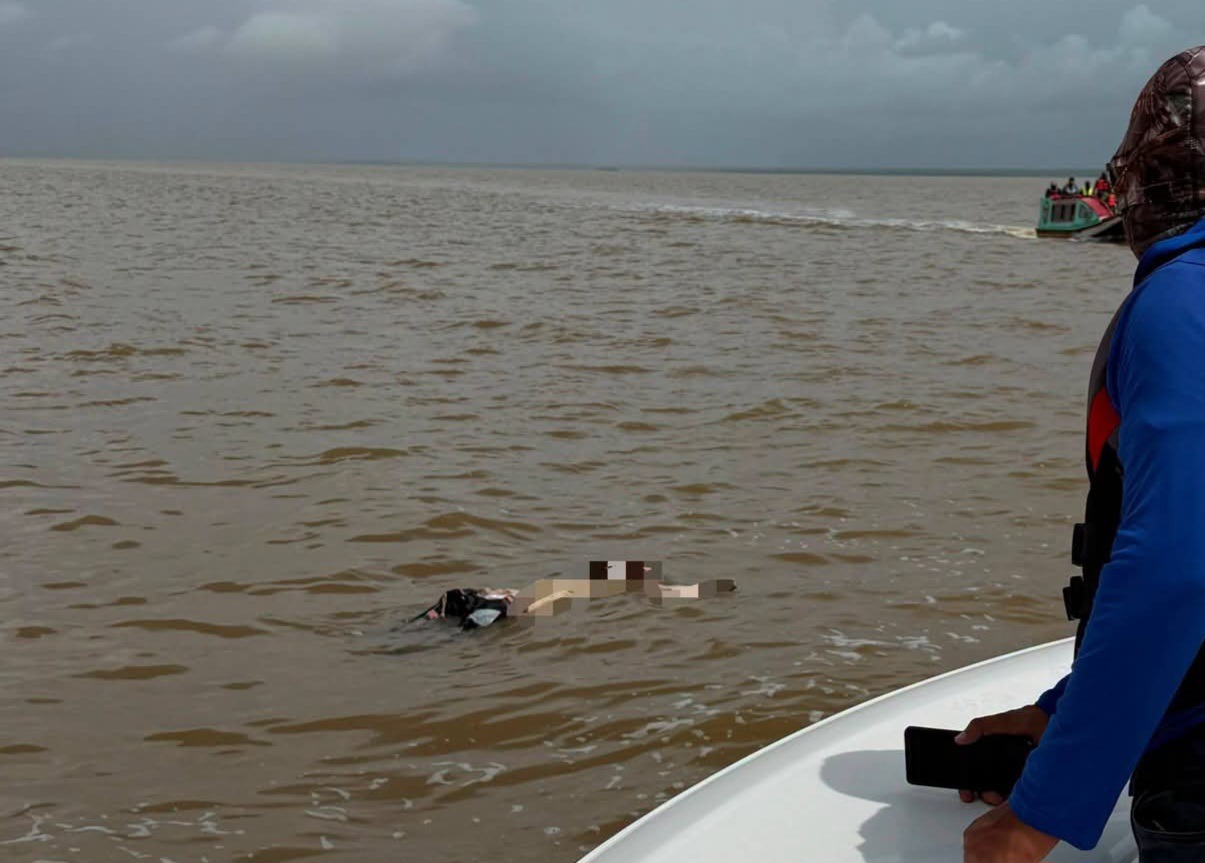
    Nine days after two-year-old Angelo Tobias Plaza was reported missing from his home in the coastal Tobago village of Goodwood, the high-profile investigation has taken a devastating, unexpected turn: one of seven detained suspects has confessed to strangling the toddler and discarding his body in the waters off Goodwood Bay.

    The toddler was first reported missing from his Goodwood residence on the night of May 11. In the week following his disappearance, a multi-team search effort involving local police, the volunteer Hunters Search and Rescue Team (HSRT), and other emergency responders scoured a wide swath of terrain, from Goodwood Bay to the Studley Park Landfill and the Pig Farm Road corridor in nearby Goldsborough. It was not until day nine of the search that investigators received a break in the case: new critical intelligence that led them back to Goodwood Bay, and ultimately prompted the confession from one of the seven people already in custody.

    According to official statements, the suspect told interrogators he killed Angelo by strangulation before disposing of the child’s body in Goodwood Bay. Investigators had planned to escort the suspect back to Goodwood village to map out key locations connected to the crime, but the detainee reported feeling ill mid-process, and was transported to the Accident and Emergency Department at Scarborough General Hospital for medical evaluation yesterday afternoon.

    Acting on the details provided in the confession, law enforcement and search teams have now shifted their operations to focus on stretches of Tobago’s northern coastline and adjacent offshore waters. As of yesterday, three women and four men remain in police custody in connection with the case. Investigators also brought Angelo’s mother, Kalifa Tobias, back to her Cambridge Trace home yesterday. Dressed in a white crime scene suit and accompanied by a heavy police escort including plainclothes officers, Tobias walked the property with investigators and pointed out specific areas of interest before being transported back to a police vehicle for departure.

    Separately, search teams followed up on another tip this week after a Pig Farm Road resident reported spotting a suspicious black bag at the bottom of a local precipice. HSRT leader Vallence Rambharat told reporters that rescue teams used specialized ropes to descend to the site to retrieve the bag, but confirmed its contents had no connection to the Angelo investigation. As of last night, the toddler’s body had not yet been recovered.

    In an official statement released earlier yesterday, the Trinidad and Tobago Police Service (TTPS) acknowledged the investigation had reached a “critical turn.” Assistant Commissioner of Police Rishi Singh noted that the investigative team continues to work diligently and with professional rigor to reach a “clear and definitive outcome” for the case. The TTPS added that the ongoing probe remains a sensitive matter, and all enquiries are being conducted fairly, with full respect for the constitutional rights of every individual involved in the case. The investigation draws on resources from multiple specialized units across the TTPS, including the Special Victims Department, Tobago Division Gang Unit, Homicide Bureau of Investigations, Tobago Divisional Task Force, Canine Unit, and Criminal Records Office, with additional logistical support from the Tobago Emergency Management Agency and the HSRT. Police have renewed a public appeal for anyone with information about Angelo’s whereabouts to come forward, contacting the Scarborough Police Station, the national 555 emergency line, 800-TIPS, or Tobago 211.

    For the tight-knit community of Goodwood, the news of the confession has brought a wave of grief and unanswered questions, with residents gathering for nightly prayer vigils at Goodwood Bay. Local Pembroke resident Chandra Jerry broke down in tears during an interview yesterday, saying the prolonged wait for answers has left her exhausted. “I am emotional at the moment. I want to see the baby come out…so that I could feel good in my spirit. It’s getting tiring. I’m getting very weak at this point because we really want answers to this, and the only answer is to see the baby alive or dead to give us comfort,” Jerry said. “So it is a very sad moment for us; it’s day nine and no answers. I am fed up. I want the authorities to work faster, (he) confess, yes, but where is the baby? That’s what we want to know now. I believe in the power of prayer. God is working and prayer is the only solution.”

    Eighty-seven-year-old Goodwood resident Agnes Alleyne, who told reporters she had never witnessed such a tragedy in her lifetime, said the village will need significant time to process and heal from the shock. “I am feeling sad with the situation. The child is a very, very nice child, but I don’t know what happened,” Alleyne said. “They could heal but it will take some time, it will take some time. It’s a very sad situation right now because I have never seen such a thing in my life, never ever. It hurt me. I see my food… I cannot even eat my food. When I heard that this boy confess, it hurt me very much… Why did they not bring that child and give me, I would have adopted the child.”

  • ‘Petty thief’ killed by police

    ‘Petty thief’ killed by police

    A fatal police shooting in the Trinidad and Tobago community of Cunupia has sparked public dispute and calls for accountability, after 35-year-old Abdullah Joseph was killed by officers responding to a reported break-in early Thursday morning.

    According to an official statement from the Trinidad and Tobago Police Service (TTPS), the incident unfolded shortly after 4:30 a.m., when law enforcement received a tip that an unidentified man had accessed the property of a local family who were currently out of the country. Teams from the Central Division Task Force and the Cunupia Police Station were dispatched immediately to the scene. Upon arrival, officers reported hearing loud crashing noises coming from inside the vacant residence.

    When officers entered the home to investigate, the TTPS statement claims they were confronted by a mixed-race man brandishing what appeared to be a firearm, who advanced toward them. Facing what they assessed as immediate, life-threatening danger, officers followed departmental Use of Force Policy and opened fire on the suspect, striking him. Joseph was quickly rushed to the Chaguanas Health Facility for emergency care, but he was pronounced dead shortly after arrival.

    Following the incident, Police Commissioner Allister Guevarro publicly praised the responding officers for their rapid action, and issued a sharp warning to individuals engaging in property crime across the nation. “Let this incident serve as an unmistakable warning to anyone who believes they can terrorise communities or violate the sanctity of people’s homes,” Guevarro said. “If you choose to arm yourselves, invade the homes of others, and confront law enforcement, you will face the full weight of the TTPS.” He added that officers would continue to act decisively, within the law, and without hesitation to protect residents’ lives, property, and community safety across Trinidad and Tobago, emphasizing that home invasions are premeditated violent acts that will not be tolerated.

    But Joseph’s family, who live just a short distance from the shooting scene in Petersville, Cunupia, have pushed back sharply against the police narrative, demanding a full, independent investigation into the killing. Speaking on condition of anonymity, relatives acknowledged that Joseph had a history of petty theft, but insisted he never owned or carried a firearm of any kind. “Having a gun is out of the book for he (Joseph). I never know him to have a gun,” one relative told local outlet the Express.

    Relatives explained that Joseph had a pattern of entering abandoned or unoccupied homes in the area to sleep, and said this was the first time he had targeted an occupied residence. The family only learned of the shooting around 5:30 a.m., when neighbors alerted them to the incident a few homes away from their property. According to the relatives, neighbors reported hearing Joseph identify himself to officers before between five and seven gunshots were fired. Another relative criticized the use of lethal force, arguing that “They did not have to shoot to kill him. They could have shot him in the leg and held him. Yes, he was a known offender, but more for petty thief, and he didn’t have a weapon.” When they visited the scene after the shooting, the family said they found footprints on the interior wall, which they believe prove Joseph was attempting to flee the property rather than confront officers when he was shot.

    The caretaker of the targeted home, who spoke to the Express on the record, confirmed that Joseph had been caught trespassing on the property multiple times in the past, and had been warned repeatedly to stay away. He added that Joseph would frequently leave discarded garbage strewn across the yard during these intrusions. The caretaker described the shooting as a tragic outcome, and confirmed no members of the home’s owning family were present at the time of the incident, matching the initial police report. He told reporters he believes Joseph climbed onto the home’s roof using a makeshift step stool, and gained entry through a loose ceiling panel, an account supported by reporters’ observations of displaced ceiling tiles and footprints on the wall and window molding.

    When the caretaker arrived at the property around 8:30 a.m., he said Joseph’s body had already been removed by authorities. He told reporters he found ransacked drawers and blood stains in the home’s corridor, but as of Thursday, it remained unclear whether any items were stolen from the residence.

  • Chopped man found dead after 999 call

    Chopped man found dead after 999 call

    A small, tight-knit community in Las Lomas is grappling with shock and grief after the body of a well-loved local resident was recovered by law enforcement on Wednesday morning, one and a half days after he placed an emergency call reporting he had been attacked in a remote cocoa field.

    Adrian Peter Duff, 35-year-old unmarried man with no children who lived with epilepsy, told responding dispatchers he had sustained severe life-threatening injuries that left him trapped in the field, unable to move to safety. He provided directions to a wooded zone off Esperanza Trace and shared the contact number of a close friend before the call cut off abruptly.

    Shortly after receiving the emergency call, local police launched a large-scale search operation joined by dozens of Duff’s friends and family members, who combed the dense, remote terrain for any sign of the missing man. On Tuesday, search teams made the first grim discoveries: Duff’s bicycle, burned beyond recognition, hidden not far from a trail of blood leading along a local riverbank. It was not until Wednesday, however, that searchers located Duff’s remains deep in the forested off Esperanza Trace.

    As of Wednesday, investigators have not identified a clear motive for the killing, leaving both law enforcement and the community grasping for answers. Family members say they are reeling from the brutal discovery, and are pushing for a full, transparent investigation into the attack.

    A relative of Duff, speaking on condition of privacy, shared that the 35-year-old had no known enemies and was widely adored across the local area. “He is a cool person, a lovable person. Nobody would have had reason to attack him or anything. He never spoke about anything threatening him or anything like that,” she said. She added that Duff worked as a day laborer, frequently taking on odd jobs for community members, and that he found genuine joy in helping others. “It is confusing that somebody did this,” she said.

    Before he placed the 999 emergency call, Duff had sent a call-me request to one of his relatives. By the time the relative attempted to return the contact, Duff’s phone had already been powered off, the relative confirmed. She described the emotional rollercoaster of the 36-hour search: after finding the burned bicycle and blood trail on Tuesday, she said, she lost all hope that Duff would be found alive. “When we saw blood and everything yesterday (Tuesday), I lost hope. But then this morning I told myself that won’t be him, and I had hope again. But when I saw his body today (Wednesday), I broke down,” she said.

    The relative also spoke to the broader crisis of violent crime plaguing the country, saying the attack had brought that crisis home for her family. “It is terrible. It’s out of hand. Now that it has hit home, it is a form of trauma for us, too,” she added.

    Duff, who often wandered the area’s forested zones to collect wild nuts and fruits, had no dependents, the family confirmed. As of this week, the national murder toll stands at 139, a slight drop from the 150 recorded during the same period last year, though the killing has underscored that violent crime remains an urgent, pervasive issue across the country.

  • Death threat’ for Teteron prison officer

    Death threat’ for Teteron prison officer

    A deadly threat targeting a serving prison officer at a Caribbean correctional facility has sparked renewed calls for improved workplace safety, with the nation’s top prison officers’ union demanding swift and serious action to protect frontline staff.

    Gerard Gordon, president of the Prison Officers’ Association (POA), has voiced deep alarm over the recent incident at Teteron Barracks’ Tetron Holding Facility in Chaguaramas, where an inmate allegedly made an explicit death threat against an on-duty officer. The union leader emphasized that threats to correctional staff can never be dismissed as trivial, highlighting the already high-stakes, high-pressure environment that prison officers navigate daily to uphold public safety and institutional order.

    Details of the incident, confirmed by local law enforcement, show that the 34-year-old officer, a resident of Princes Town, was carrying out routine duties around 3:30 p.m. on Saturday—distributing meals to the inmate population and conducting a scheduled medication check—when the 46-year-old inmate delivered the threat. According to the official report, the inmate told the officer he would kill him once the inmate was released from custody.

    The accused offender has been held in custody since 2017, when he and a co-accused were charged with the 2014 murder of a man in Guyaguayare. Following the confrontation, the threatened officer first notified his senior command of the incident before formally filing a police report at the Carenage Police Station just after 11 a.m. on Sunday. Active investigations into the threat are currently ongoing, led by W/Cpl De Gazon.

    Gordon stressed that the incident is far from an isolated outburst, and instead serves as a constant reminder of the tangible, life-altering risks that correctional officers face every time they report for work. The POA, he confirmed, stands unwaveringly in support of the targeted officer and all correctional staff across the country, who continue to carry out their professional duties despite widespread and well-documented hazards in the sector.

    In a formal statement, the union is calling on relevant authorities to implement all necessary protective measures to safeguard prison officers working across the nation’s correctional system, and to ensure that all incidents of violence and threats against staff are addressed with the urgency and gravity they deserve.

  • Nieuwe mijlpaal in China-Rusland relatie: 20 akkoorden getekend

    Nieuwe mijlpaal in China-Rusland relatie: 20 akkoorden getekend

    On May 20, Russian President Vladimir Putin concluded a high-profile state visit to China, marking a landmark milestone in the bilateral relationship between the two major global powers. During the visit, hosted at the Great Hall of the People in Beijing by Chinese President Xi Jinping, the two leaders held in-depth strategic talks that resulted in the signing of 20 new bilateral cooperation agreements spanning key sectors including economy, trade, education and science. The official signing ceremony took place immediately following the closed-door and plenary talks between the two heads of state, capping a day of diplomatic engagements designed to strengthen the longstanding strategic partnership between the two nations.

    This year’s visit carries unique historical weight: 2026 marks both the 25th anniversary of the China-Russia Treaty of Good-Neighborliness and Friendly Cooperation, and the 30th anniversary of the establishment of the two countries’ strategic coordination partnership. President Xi emphasized during the talks that the 1996 treaty forms the solid legal foundation for enduring friendship, deep mutual political trust, and comprehensive strategic cooperation between China and Russia.

    As permanent members of the United Nations Security Council, Xi stated, China and Russia share a common responsibility to work jointly toward building a more just and balanced system of global governance. He called for advancing high-quality, wide-ranging bilateral cooperation to drive the development and revitalization of both nations, urging expanded practical collaboration in priority areas including energy, cross-border trade, technology, innovation, and infrastructure development. Xi also highlighted the critical importance of strengthening people-to-people exchanges across the spheres of culture, education, and sports to deepen public support for bilateral ties.

    For his part, Putin confirmed that contemporary Russia-China relations have reached an unprecedented high level, characterized by robust political alignment, steadily growing bilateral trade volumes, and deepening integration in sectors including energy logistics, cross-border supply chains, and scientific research. He described the current China-Russia relationship as a model for strategic coordination in the 21st century, confirming Russia’s full readiness to work alongside China to strengthen cooperation within multilateral frameworks including the Shanghai Cooperation Organization (SCO), BRICS, APEC, and the United Nations, while upholding the core principles of international law in global affairs.

    Beyond bilateral cooperation, the two leaders held extensive discussions on pressing global and regional issues, including the ongoing conflict and humanitarian crisis in the Middle East. They also received official progress updates from intergovernmental joint commissions on ongoing cross-sector cooperation initiatives. Putin’s visit began with a full formal welcome ceremony at the Great Hall of the People, featuring a 21-gun salute and an inspection of a guard of honor by the two leaders. Later that same evening, President Xi hosted an official state banquet in honor of President Putin, attended by senior Chinese government and Communist Party officials.

  • NDMD Partners with International Universities for Fire Simulation (THURSDAY, 21ST AT 2;00 PM)

    NDMD Partners with International Universities for Fire Simulation (THURSDAY, 21ST AT 2;00 PM)

    On May 21, 2026, the Nevis Disaster Management Department (NDMD) launched a large-scale, multi-partner fire emergency simulation exercise at Fort Charles, Nevis, codenamed “Caught by Surprise: Fire Outbreak During Camp Siesta”. The drill, held as a core hands-on component of a two-week international study abroad program focused on disaster risk reduction and emergency management, brings together local government agencies, international academic institutions and non-profit stakeholders to test and strengthen cross-sector response capacity.

    The initiative is executed in formal partnership with two U.S.-based higher education institutions — Widener University and Utah Valley University — alongside key national response bodies including St. Kitts and Nevis’ National Emergency Management Agency (NEMA), the local Ministry of Health, and the St. Kitts-Nevis Red Cross Society. The simulation is designed to replicate a plausible, high-stakes real-world scenario: an unexpected fire breaking out at a recreational camp while participants rest during the afternoon siesta period.

    Over the course of the drill, participating responders, students and volunteers are challenged to navigate a rapidly evolving crisis, testing their proficiency across a full spectrum of emergency response functions. Key competencies assessed and practiced include structured building evacuation protocols, on-site triage and treatment for burn and smoke inhalation injuries, systematic headcounts to account for missing persons, de-escalation of mass panic among camp attendees, and coordinated real-time public communication during an active emergency.

    Beyond the core fire simulation, the broader international study abroad program integrates additional hands-on training, including certified first aid and cardiopulmonary resuscitation (CPR) instruction. These supplementary modules are designed to embed foundational lifesaving skills among all participants, reinforcing long-term community-level preparedness across St. Kitts and Nevis.

    A full roster of participating stakeholders includes the local Fire and Rescue Services, national Emergency Medical Services, the Royal St. Christopher and Nevis Police Force, Alexandra Hospital, official camp leadership teams, communications specialists, participating university students, and cross-sector supporting partners. In a public advisory ahead of the drill, NDMD pre-emptively informed residents and visitors that the visible emergency activity in the Fort Charles area — including frequent emergency vehicle transit, staged casualty management, and large-scale response operations — is entirely part of the planned exercise, and urged the public not to mistake the drill for a real emergency.

    The simulation represents one key work package of the 14-day international collaborative program, which was developed jointly by NDMD and its partner universities. The program’s overarching mission is to advance applied learning in emergency management, strengthen cross-border institutional partnerships, and boost public awareness of disaster preparedness and public health safety across St. Kitts and Nevis. Through a combination of field practicums, hands-on drills, professional knowledge exchanges, and direct community engagement activities, the initiative aims to build long-term resilience that benefits both local communities and participating emergency management students from around the world.

  • Ebola remains a concern in Central Africa, as WHO declares international health emergency

    Ebola remains a concern in Central Africa, as WHO declares international health emergency

    In an unprecedented, urgent move announced Wednesday, World Health Organization Director-General Dr. Tedros Adhanom Ghebreyesus has formally designated the growing Ebola outbreak across the Democratic Republic of Congo (DRC) and Uganda as a Public Health Emergency of International Concern (PHEIC), marking the first time a WHO chief has issued this highest global alert before convening the organization’s formal Emergency Committee under international health rules.

    The declaration comes as confirmed infections, deaths, and geographic spread of the virus accelerate, with the pathogen now reaching densely populated urban centers across the two Central African nations. Speaking at a press briefing, Dr. Tedros explained the early declaration followed direct consultations with the DRC and Ugandan health ministers, and was driven by the critical need for immediate coordinated international intervention to curb the outbreak’s expansion. Officials were quick to clarify that the outbreak has not been upgraded to a pandemic emergency, the top tier of alert under the International Health Regulations (IHR), a position the WHO Emergency Committee affirmed after convening following the formal declaration.

    As of the latest update from global health authorities, 51 confirmed Ebola cases have been documented in the DRC, concentrated primarily in the conflict-stricken northern provinces of Ituri and North Kivu, including the major urban hubs of Bunia and Goma. WHO analysts warn that the actual caseload is almost certainly far higher than official counts, as the virus is believed to have been circulating undetected for weeks before the outbreak was identified. Uganda has also reported two confirmed cases, both linked to travel from the DRC, in its capital city Kampala, including one fatality. Most recently, an American citizen working in the DRC tested positive for the virus and was evacuated to Germany for specialized medical care.

    Beyond confirmed infections, nearly 600 additional suspected cases and 139 suspected deaths are currently under investigation, numbers that health officials expect to rise in the coming weeks. Multiple risk factors have deepened global concern over the outbreak. Unlike previous Ebola events, this outbreak is driven by the Bundibugyo Ebola strain, for which no widely approved vaccines or targeted treatments currently exist, leaving frontline healthcare workers with limited tools to combat the disease.

    The outbreak has already spread beyond isolated rural areas to multiple urban centers, creating conditions for far faster person-to-person transmission. Compounding this risk, ongoing transmission has been documented within healthcare facilities, resulting in infections and deaths among frontline medical staff, a dangerous sign that safety protocols in local health settings are currently insufficient to stop spread.

    Regional instability and population movement have further amplified transmission risks. Ituri province, the epicenter of the outbreak, has seen a sharp escalation of armed conflict since late 2025, with fighting over the past two months displacing more than 100,000 people. The region is also a major commercial mining hub, leading to constant cross-border and cross-regional movement of workers and residents that health experts say can quickly carry the virus to new areas.

    Currently, WHO assesses the outbreak’s risk as high at both the national and regional levels, while rating the overall global risk as low. Dr. Tedros emphasized that the confluence of dangerous risk factors left no room for delay, noting that immediate coordinated international action is required to prevent unnecessary loss of life and scale up an effective global response to the unfolding crisis.