作者: admin

  • Politics : National Program for Economic, Social, and Territorial Stabilization and Recovery

    Politics : National Program for Economic, Social, and Territorial Stabilization and Recovery

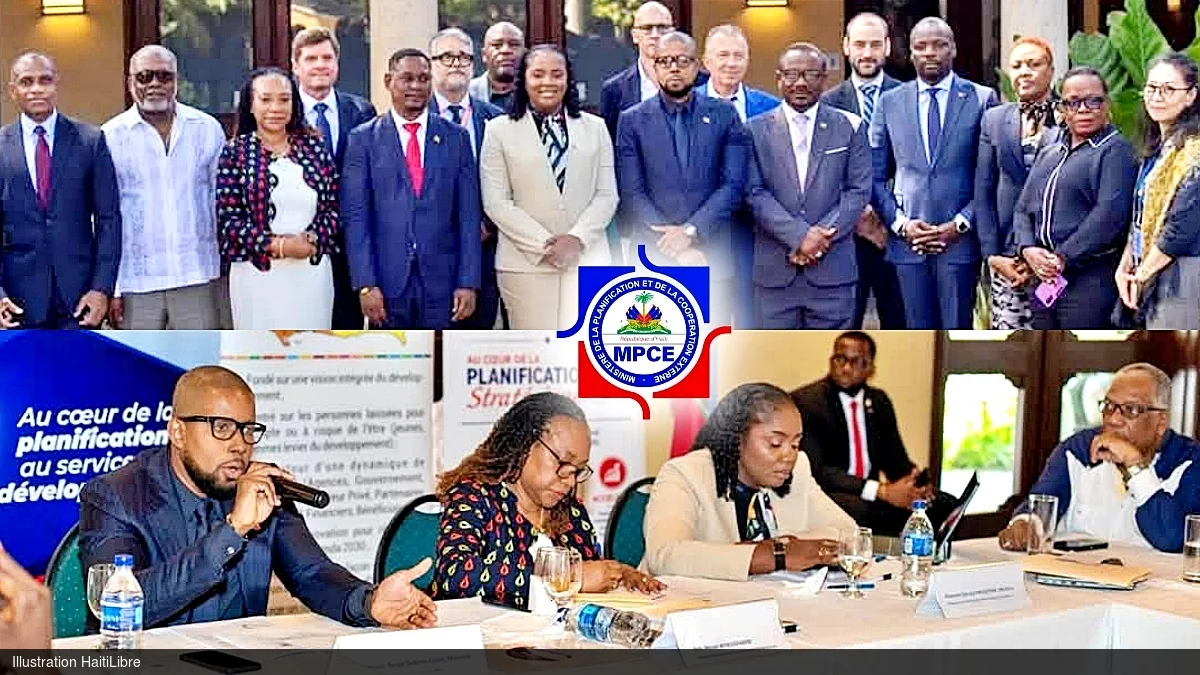
    As Haiti works to pull itself out of a prolonged period of systemic crisis, the nation’s Ministry of Planning and External Cooperation (MPCE) convened a cross-sector stakeholder workshop on September 28, 2026, to review and finalize the strategic framework for its ambitious 2026–2030 National Program for Stabilization and Economic, Social, and Territorial Recovery (PNSREST). The multi-billion peso initiative, which carries a total projected budget of $250 million U.S. dollars, marks a deliberate shift from short-term emergency response to a long-term, coordinated strategy for national recovery.

    The core mission of PNSREST is to rebuild the capacity and on-the-ground presence of Haitian public institutions in regions hardest hit by ongoing instability, restore universal access to critical basic services, and generate sustainable economic opportunity for vulnerable populations—including areas grappling with large-scale internal displacement. Women and young people, two groups disproportionately impacted by Haiti’s crisis, are identified as key priority beneficiaries, with program leaders prioritizing early, tangible improvements to community well-being to rebuild public trust.

    Monday’s workshop brought together a diverse coalition of national government leaders, United Nations agency representatives, and senior officials from leading international financial institutions to collect cross-stakeholder feedback ahead of the program’s final formal adoption. Structured around eight mutually reinforcing strategic pillars, PNSREST covers every critical dimension of national recovery: governance, security and territorial administration; economic revival and livelihood support; expanded access to basic social services; reconstruction of essential infrastructure; environmental stewardship and disaster risk management; community safety and sustainable return for displaced populations; gender equity, social protection and inclusion; and cross-cutting program governance, data analysis and inter-agency coordination. Across all pillars, the framework centers inclusive economic growth, creation of formal decent work, and targeted interventions to reduce structural vulnerability at the community level.

    Opening the workshop, which she chaired, Planning Minister Sandra Paulemon outlined the government’s vision for the transformative initiative. “The Government’s ambition is clear: to shift from an ad-hoc response approach to a structured, coordinated, and sustainable strategy that lays the groundwork for the country’s recovery starting today,” Paulemon said. “The Program aims to create conditions in host areas—particularly outside the metropolitan region—that will enable those who wish to do so to remain there long-term: services, jobs, and security. And we will do this in partnership with local authorities, who are on the front lines. The PNSREST represents our collective commitment to restoring hope where it has vanished, re-establishing the State’s presence where it faded, and offering every Haitian—wherever they live—the prospect of a dignified and secure life.”

    Funding transparency and financial sustainability emerged as a key focus of discussions during the workshop. Social Affairs Minister Marc-Elie Nelson, one of the participating cabinet leaders, highlighted that while the Haitian national government has committed to contribute approximately 10% of the total $250 million budget, further clarification is needed to formalize the breakdown of the state contribution, map all confirmed and prospective funding sources in collaboration with the Ministry of Economy and Finance and other relevant agencies, and distinguish between projected costs, allocations already earmarked in the national Public Investment Program, already secured funding, and resources still to be mobilized. Nelson emphasized that this level of transparency is critical to maintaining the program’s financial coherence and eliminating the risk of double-counting pledged resources.

    United Nations Resident and Humanitarian Coordinator Nicole Boni Kouassi reaffirmed the global body’s commitment to supporting Haiti’s recovery, noting that the program provides a unified framework to align international action with national priorities. “For the United Nations, this program calls for a collective commitment: strengthening the alignment of our interventions with national priorities, better coordinating our agencies’ contributions, and jointly reporting on the results achieved,” Kouassi explained. “In my capacity as Resident Coordinator, I call for increased resource mobilization, in close collaboration with the Government and all partners.”

    Senior representatives from the World Bank and Inter-American Development Bank, two of Haiti’s largest multilateral development partners, also participated in the workshop, alongside cabinet ministers covering the economy, commerce, women’s affairs and agriculture, and leaders from multiple UN technical agencies.

    With strategic directions now set to receive formal validation from sectoral ministers, the next phase of work will focus on technical refinement of program activities under each of the eight pillars, followed by the development of concrete, community-focused projects designed to deliver visible, early impact for Haitian households. Coordinated efforts across the MPCE, UN system, international financial institutions, and all technical and funding partners are expected to drive forward the program’s mission of supporting long-term stabilization and sustainable recovery for Haiti’s crisis-affected communities.


  • Call for national hub to safeguard Bajan language

    Call for national hub to safeguard Bajan language

    As Barbados debates plans to secure a permanent home for the National Art Gallery, a sitting parliamentarian and former linguistics lecturer is pushing for an ambitious complementary initiative: a dedicated national center to document, preserve, and celebrate the island’s distinct dialect and centuries-old oral traditions. Dr. Romel Springer, member of parliament for St. Andrew, argues that safeguarding the island’s intangible cultural heritage is just as critical as protecting its visual art, framing language as the unshakable foundation of national identity.\n\nSpeaking before the House of Assembly during debate on the National Art Gallery resolution, Springer framed the conversation around cultural preservation as a whole, not just art infrastructure. “A debate about a permanent home for our national art collection is inherently a debate about our entire cultural heritage,” he told legislators. “Language is the living expression of our linguistic heritage and national character. It carries the full weight of our history as a people, and it reveals more about who we are than almost any other cultural marker.”\n\nDrawing on his decades of experience teaching Caribbean linguistics and vocabulary documentation at the university level, Springer traced the deep ancestral roots of the Bajan dialect, pushing back on long-held misconceptions that regional Caribbean dialects are just copied from neighboring islands. He explained that most unique Bajan phrases and grammatical structures trace their origins directly to West African ethnic groups, brought to the island through the transatlantic slave trade.\n\nFor example, Springer highlighted the Bajan second-person plural pronoun “wunna,” a term with identical meaning and linguistic roots in multiple West African languages that also appears in other Caribbean dialects like Jamaican and Guyanese. “All of our language, when you dig into the research, stems from our displacement from Africa and forced resettlement here in the Caribbean,” he said. “Despite the systemic stigma and hardship placed on our native speech through centuries of colonial rule, we held onto the terms that felt most authentic to us, and those have been passed down through generations.”\n\nSpringer warned that urgent state intervention is needed now to stop the gradual erosion of Bajan speech among young people, who are increasingly exposed to globalized foreign media that outcompetes native linguistic traditions. He raised particular alarm that colloquial terms, traditional proverbs, and culture-specific expressions born from distinct Bajan subcultures — such as the iconic public service vehicle (PSV) transport community — are disappearing at a rapid pace, with no systematic effort to record or catalog them.\n\n“Countless unique Bajan expressions have already vanished from our island’s linguistic landscape, simply because no one has made the effort to chronicle, document, or preserve them,” he explained. “Right now, they only exist in the memories of older generations, who will eventually lose their memories or pass away. Before we know it, the children growing up on this island will sound just like the characters they watch on YouTube and Peppa Pig, and our native dialect will be gone from daily life.”\n\nSpringer emphasized that the Bajan accent and dialect remain the most recognizable marker of Barbadian identity across the globe, pointing to a 1990s cultural shift in Barbadian music and broadcasting as proof of the dialect’s power. During that era, he recalled, local artists abandoned the practice of mimicking Jamaican accents once they embraced the authenticity and cultural value of their native speech.\n\n“That Bajan accent is what sets us apart from Antiguans, Trinidadians, Jamaicans, and every other Caribbean people,” he told the chamber. “At the core of every person born and raised here, there is a deep love for the sound of the Bajan accent. It is something uniquely ours, that only those who grew up immersed in this culture can express authentically.”\n\nCalling on the government to partner with trained linguists and university academics to launch the initiative, Springer said a national linguistic repository is a vital investment to keep the island’s intangible history alive for future generations. He proposed building the new center as an adjunct to the planned permanent National Art Gallery, uniting the protection of the island’s visual and linguistic cultural heritage under one umbrella.\n\n“We need to put structured mechanisms in place now to ensure our language, our accent, and our unique Bajan culture do not disappear, because once they are gone, we will regret it forever,” Springer said. “Establishing a national linguistic heritage center alongside the National Art Gallery would be a critical step forward in our work to preserve the things that make us uniquely Barbadian.”

  • Simons: Niet steeds dezelfde burgers en bedrijven zwaarder belasten

    Simons: Niet steeds dezelfde burgers en bedrijven zwaarder belasten

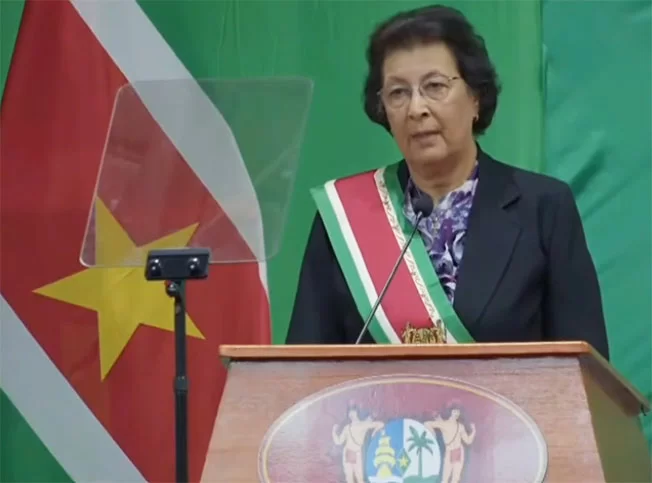
    On September 30, during her annual address to the National Assembly convened in an extraordinary public session at the Congress Hall, Suriname President Jennifer Simons outlined a comprehensive new fiscal and social policy framework that shifts the government’s strategy for increasing state revenue away from repeated tax hikes on existing citizens and businesses.

    Simons emphasized that a functional, strong state requires stable public revenue, but repeatedly placing additional tax burdens on the same group of taxpayers and registered enterprises is not a sustainable solution. Instead, her administration will prioritize four core revenue-boosting measures through 2027: improving tax collection efficiency, broadening the overall tax base, cracking down on revenue leaks, and strengthening regulatory oversight. While pursuing revenue growth, the government will also maintain its commitment to protecting household purchasing power and upholding social protection programs.

    The president noted that current systemic gaps—including accumulated collection backlogs, insufficient regulatory monitoring, widespread informal economic activity, and weak collection infrastructure—are draining billions in potential public revenue, and these issues will be addressed through systematic institutional reform. The government has already begun strengthening the national tax authority: since 2025, it has implemented hiring initiatives to bring on more staff with specialized expertise, and is building dedicated technical knowledge specific to the country’s critical oil and gas sector. The administration is also working to improve tracking and collection of non-tax revenue, including income from permits and regulatory fees. In 2026, six draft laws were submitted to the National Assembly to establish a unified Tax and Collection Authority, and modernization efforts will continue through 2027 with upgraded data management, full digitalization of processes, targeted compliance checks, and more robust debt collection.

    Reform is also extending to the customs sector, where smuggling and illegal trade cost the state massive amounts of lost revenue and put law-abiding businesses at an unfair competitive disadvantage, Simons explained. To address this, the customs service has expanded its operational capacity, and in partnership with the Netherlands Customs Administration, local enforcement capabilities have been reinforced with the launch of a specialized detector dog unit. Further professionalization and digitalization will be rolled out to improve both border control and revenue collection.

    Turning to sovereign debt financing, Simons detailed the country’s recent successful international bond issuances. In November 2025, Suriname launched two international bonds totaling $1.175 billion, with 5-year and 10-year maturities. In February 2026, the 10-year bond was reopened for an additional $265 million. Most of the proceeds from these issuances have been allocated to refinancing existing debt to make the country’s overall debt burden more manageable, including the repurchase and early repayment of outstanding obligations. Approximately $185 million from the 2026 bond reopening has been earmarked for urgent public projects, including agricultural development initiatives, repairs to healthcare infrastructure, and upgrades to education facilities. Simons stressed that all new financing decisions will align with a broader sustainable debt strategy, and the government is also working to develop the domestic capital market to reduce reliance on international borrowing over time.

    On the issue of worker income and purchasing power, the president announced that a 15% salary adjustment has been implemented for civil servants, teachers, and other public sector employees effective September 2026, following a tax-free allowance issued earlier in March. However, she cautioned that higher nominal wages do not automatically translate to improved living standards, noting that a healthy macroeconomic environment and stable exchange rate remain critical to preserving household purchasing power. The government will continue ongoing negotiations with teachers to further improve their employment conditions, and has existing agreements in place to hold additional talks with civil servant representatives on further adjustments.

    Simons also outlined progress on expanding social protection. In the first seven months of 2026, roughly 4.15 billion Surinamese dollars (SRD) have been allocated to social welfare programs, with across-the-board increases to core benefits: the general old-age pension has risen from SRD 2,250 to SRD 3,250 per month, assistance for people with disabilities increased from SRD 2,500 to SRD 3,500, support for low-income households went up from SRD 1,750 to SRD 2,750, and universal child benefit doubled from SRD 125 to SRD 250 per month. By the end of the year, total social spending is projected to reach SRD 4.5 billion. The government has also begun clearing roughly SRD 257 million in accumulated back payments of social benefits owed from previous years. To improve long-term sustainability of the social protection system, Simons announced that beneficiary rolls will be cleaned and updated, and all benefit payments will be fully digitalized. These changes will make social support more targeted, transparent, and fiscally manageable. The president emphasized that the government rejects the false choice between fiscal discipline and social protection, and is committed to building a fiscally sustainable social safety net that delivers support to the groups that need it most. The annual address was still ongoing at the time of reporting.

  • President: Financieel huis moet op orde vóór grote olie-inkomsten

    President: Financieel huis moet op orde vóór grote olie-inkomsten

    In her annual address delivered before a special public session of the National Assembly (DNA) at the Congress Hall on September 30, Suriname President Jennifer Simons laid out the government’s 2027 policy agenda, emphasizing the urgent need to put the country’s public finances on a sustainable path before large-scale revenues from the nascent offshore oil sector begin to flow into state coffers.

    Simons acknowledged that while the current administration has made measurable progress in stabilizing the Surinamese economy through 2026, significant systemic fiscal challenges remain unresolved. As of August 2026, the country’s total national debt stood at 100.4% of gross domestic product (GDP), far above the legal maximum threshold of 60% that the government is legally required to meet. Addressing this debt overhang has become the top fiscal priority for the administration heading into 2027, Simons stressed.

    The president noted that in its first term, her government has been forced to prioritize foundational recovery work, including strengthening weakened state institutions and state-owned enterprises, and addressing deep-seated crises in critical public sectors ranging from education and healthcare to core government administrative functions. Parallel to this recovery work, the administration has also placed heavy emphasis on advancing economic stabilization and securing political and social peace. Early tangible results from these efforts are already visible, Simons told assembled lawmakers, pointing to preliminary 2026 economic indicators that show marked improvement.

    According to the data Simons presented, the country’s primary fiscal balance improved from a deficit of 5% of GDP in 2025 to a surplus of 5.2% in the second quarter of 2026. Average inflation through the end of July 2026 hit 8.9%, a notable cooling from previous periods of hyperinflation. International reserves have climbed to nearly $2 billion, a historic high for the country, boosting import coverage to approximately 8.2 months of total import costs. Full-year 2026 economic growth is projected to reach around 3.9%, a solid expansion that outperforms many regional peer economies. On the currency front, after an initial period of adjustment following the current government took office, the exchange rate has seen a mild decline and has since remained broadly stable, Simons added, warning that continued vigilance is critical, as exchange rate stability directly impacts inflation, household livelihood security, and business operating conditions across the country.

    Despite the progress achieved in economic stabilization, Simons emphasized that the country’s public financial position remains far from healthy. To put the national debt on a sustainably downward trajectory starting in 2027, the government will implement a multi-pronged strategy centered on strict budget discipline, continued broad-based economic growth, increased state revenue collection, improved prudent debt management, and a ban on new unfunded government obligations. “Before large oil revenues arrive, the state’s financial house must be put in order,” Simons said.

    The president clarified that this fiscal consolidation push will not derail necessary public investment. However, productive investments in sectors that can drive growth, expand exports, create jobs, and boost state revenue should be financed through alternative mechanisms rather than direct state borrowing, she said, adding that the government will actively attract private domestic and foreign investment to fill this gap.

    For 2027, the administration also targets increased revenue from traditional natural resource sectors that Simons says should have contributed more to state revenues far earlier, including gold mining, timber, and fisheries. Firms already generating revenue from pre-production development of offshore oil projects and local content suppliers will also be required to contribute their fair share to public finances, the president added. Simons also noted that Suriname has wasted valuable time in recent years preparing society for the transformative economic shifts that offshore oil production will bring, so the government will accelerate preparations ahead of production launch.

    To that end, the administration will strengthen regulatory frameworks and institutions to ensure sound management of future oil and gas revenues. It will also push for broader economic diversification to avoid over-reliance on the natural resource sector, and invest heavily in workforce skills development to prepare Surinamese workers for new jobs in the emerging energy sector. Simons stressed that all revenue generated from the country’s natural resources must ultimately deliver shared benefits for all Surinamese people. Improving access to high-quality healthcare and expanding affordable housing access will also remain core policy priorities for the coming term, she added. As of the initial reporting, the annual address is still ongoing.

  • Truck Crashes Into Prime Minister Gaston Browne’s Residence; Driver Taken to Hospital

    Truck Crashes Into Prime Minister Gaston Browne’s Residence; Driver Taken to Hospital

    In an early morning incident that has drawn official attention, a truck driver had to be extracted from his wrecked vehicle by emergency responders after crashing into the outer boundary wall of Antigua and Barbuda Prime Minister Gaston Browne’s private residence on Wednesday. The collision unfolded shortly before 6 a.m. local time, when the blue KIA K2700 truck struck the structure, local media outlet ABS reported. The force of the impact was strong enough to rouse nearby residents from their sleep who were still in their homes at the early hour.

    Crucially, Prime Minister Browne was inside the residence when the crash occurred, according to preliminary reports. No members of the prime minister’s household or any bystanders were reported injured in the incident, with the driver being the only casualty.

    Within minutes of the crash being reported, both Emergency Medical Services and national Fire Service personnel were dispatched to the scene to contain the situation and provide aid. Because the truck’s cabin crumpled on impact, the driver became trapped inside the mangled vehicle. Firefighters carried out an extrication operation, using specialized cutting equipment to free the trapped man from the wreckage.

    After being successfully freed, the driver was immediately transferred by emergency medics to the Sir Lester Bird Medical Centre, the island nation’s main public hospital, to receive urgent care for his injuries. As of Wednesday afternoon, local authorities have not released any additional details about the driver’s identity, nor have they shared an update on the severity of the injuries he sustained.

    Law enforcement officials have also remained tight-lipped about potential causes of the incident, declining to confirm or deny whether the crash was an accident or a deliberate act. Police have confirmed that formal investigations into the crash are ongoing, with updates expected as more evidence is gathered and processed.

  • Renewal of the GSF mandate and reactions at the Security Council

    Renewal of the GSF mandate and reactions at the Security Council

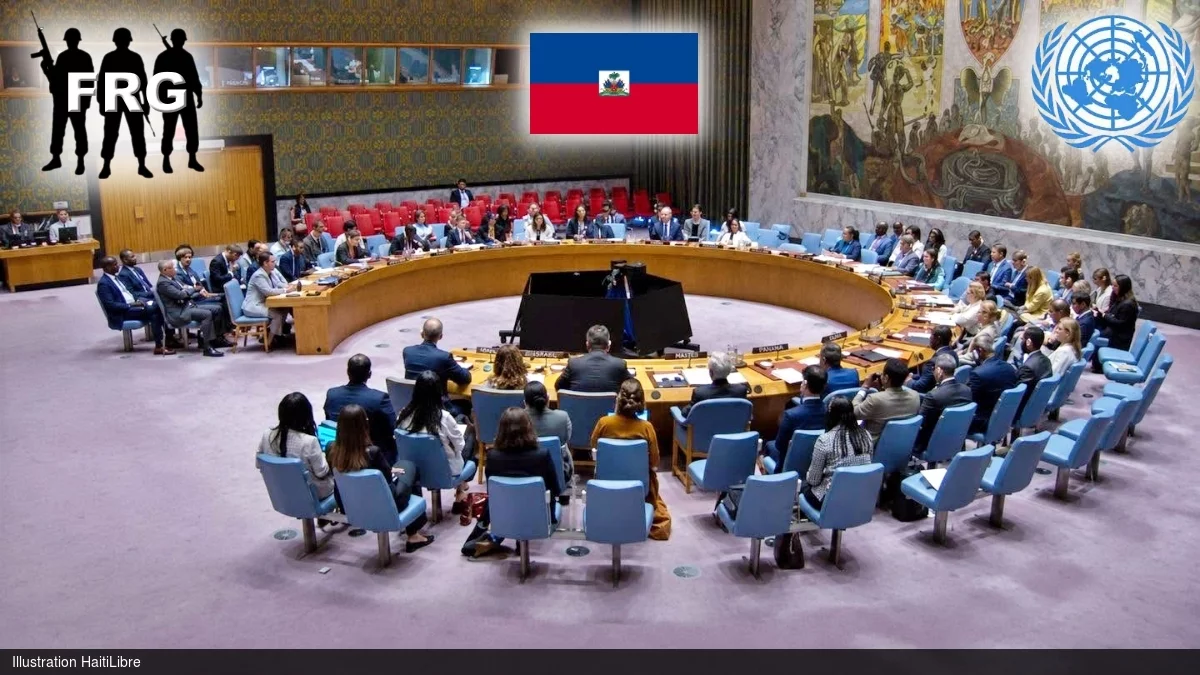
    On September 29, 2026, the United Nations Security Council passed Resolution 2829 (2026) in a 12-0 vote with three abstentions from China, Pakistan, and the Russian Federation, extending the mandate of the Gang Suppression Force (GSF) operating in Haiti for an additional six months, pushing its expiration to March 31, 2027. The resolution-backed text calls for the rapid full deployment of the Multinational Security Support Mission (referred to as FRG in the original text) to retake territorial control from heavily armed gangs that have paralyzed much of the country, reestablish the Haitian government’s sovereign authority across the nation, and lay the foundational conditions for long-delayed general elections.

    Under the terms of the new resolution, the UN Secretary-General is required to submit progress reports to the Council every six months aligned with the objectives laid out in the 2025 Resolution 2793 that first authorized the mission. The Security Council also formally acknowledged the July 27 agreement between the Haitian government and the FRG that codifies the mission’s legal standing, urging all UN member states to recognize this status and extend required privileges and immunities to the force and its deployed personnel.

    Following the vote, council members and regional representatives delivered divergent reactions to the mandate extension, reflecting differing perspectives on how to address Haiti’s years-long spiral into crisis. Haiti’s Permanent Representative to the UN, Ambassador Pierre Ericq Pierre, welcomed the vote as a critical step forward, but stressed that the mission can only deliver results if it receives the full complement of personnel, military equipment, and operational resources needed to function at full capacity. He outlined the incremental goals of the mission: supporting Haitian security forces to retake gang-held territory, secure critical civilian infrastructure, and create space for elections, adding that securing territory is only the first step. “It is not enough to take territory from the gangs,” Pierre noted. Recaptured areas must be stabilized, core public services restored, and sustained security measures put in place to prevent gangs from reestablishing control, he said, adding that the FRG must coordinate closely with the Haitian National Police and national armed forces while prioritizing long-term capacity building for Haiti’s domestic security institutions and upholding the country’s sovereign authority.

    The U.S. representative to the council reflected on decades of inconsistent international engagement in Haiti, noting that the country has “limped from crisis to crisis,” with short-term missions that came and went, and hundreds of millions in international spending that failed to deliver lasting stability. “We must ask ourselves: for what?” he asked, acknowledging that gangs have grown increasingly powerful while Haitian state institutions have eroded over time. He argued that the current FRG mission is different, noting that it “exists and, better yet, it is beginning to work,” and paid tribute to early deploying countries including Chad, El Salvador, Guatemala, Jamaica, Mongolia, and Sri Lanka whose personnel are already on the ground. Their work, he said, will lay the groundwork for Haitians to “win back their streets, their lives and their futures for their families.”

    China, one of the three abstaining countries, justified its vote by arguing that the Haitian crisis cannot be reduced to a simple security challenge. “The Security Council should never have asked itself whether to support Haiti, but how to support it,” the Chinese delegate explained, expressing skepticism that an external military force alone can resolve the crisis, which he described as a deeply rooted problem of governance. He pointed to systemic issues including documented collusion between elements of the Haitian police and criminal gangs, and the widespread economic desperation that pushes thousands of Haitians, including children, to join armed groups as the only means of survival.

    The Russian Federation, which also abstained, recalled that Moscow did not block the creation of the mission a year prior, despite raising persistent questions about the mission’s operating model and long-term financing structure. Russian representative noted that the initiative has faced significant setbacks to date, with delays in deployment already pushing back preparations for Haiti’s planned general elections. “It is in the hands of the international community to stop the external supplies of Haitian criminals with weapons and money,” he insisted, highlighting that transnational arms and funding flows are core drivers of gang power that have not been sufficiently addressed.

    Pakistan, the third abstaining country, echoed the argument that Haiti’s deep-seated challenges require a comprehensive, nationally led solution rather than a purely security-focused response. While abstaining on the vote, the Pakistani representative expressed hope that the FRG would achieve full deployment in the coming months and secure sustainable long-term funding to sustain its operations.

    Other council members voiced broad support for the extension, while adding nuanced warnings and calls for accountability. Colombia’s delegate warned that gangs are increasingly accessing new transnational funding streams, most notably linked to regional drug trafficking networks, that sustain their operations. He noted that the mandate extension ensures continuity of progress toward full deployment, and will give the council time to gather full data on the mission’s deployment progress and operational effectiveness to make any necessary adjustments when the mandate comes up for review again in March.

    Greece’s representative stressed that the international community must provide the mission with sufficient time, political backing, and material resources to complete deployment and reach full operational capacity. The United Kingdom’s representative emphasized that a successful FRG deployment is non-negotiable to reversing Haiti’s instability and “turning the tide against the gangs.” London condemned widespread human rights abuses carried out by gangs, including the use of civilian human shields and systemic sexual violence, and expressed hope that an effective security force will deliver the “stability that the Haitian people deserve and pave the way to credible elections allowing Haitians to choose their next leaders.”

    Panama’s representative highlighted that the vote reflects broad international solidarity with the Haitian people, noting that “behind each decision adopted in this Council are the lives of millions of people.” He added that lasting peace and stability in Haiti will require complementary action that addresses every dimension of the crisis, not just security.

    Regional bodies also weighed in on the decision. Speaking on behalf of the Caribbean Community (CARICOM), Jamaica’s representative welcomed the mandate extension, noting that while there has been discernible progress on the ground since the FRG’s initial deployment, rollout has been slower than initially projected. He urged the mission to reach full operational capacity as quickly as possible, and called for sustained international support to the FRG, the Haitian National Police, and the Haitian Armed Forces, particularly in the form of sustained financial, logistical, and operational resources. He specifically called on countries with capacity to provide critical enabling support including troop airlift, air and maritime surveillance equipment, and technical assistance. Security, he stressed, must be the foundation for credible elections and the “full restoration of democratic governance in Haiti, led and owned by the Haitian people,” declaring: “Armed gangs will not be allowed to determine Haiti’s future nor, indeed, that of the Caribbean region.”

    The Dominican Republic, Haiti’s neighboring country, emphasized that the six-month extension is not an end goal in itself, but a window of opportunity for the mission to complete its deployment. A fully operational force, he said, will create the conditions for elections and allow the Haitian people to “control their destiny,” noting that the success of the council’s decision hinges on sufficient resourcing. “Security opens the way, but security alone is not enough to keep that path open,” he added.

  • Vincy pastor earns second doctorate, develops digital mental wellness platform for churches

    Vincy pastor earns second doctorate, develops digital mental wellness platform for churches

    A decades-long career spanning pastoral care, education, and social research across the Caribbean and the United States reached a new milestone Saturday, when Elsworth Neale, a Vincentian pastor, educator and social researcher, graduated with a Doctor of Social Leadership — his second doctorate. Born and raised in St. Vincent and the Grenadines, Neale spent five years serving as a pastor in his home country before relocating first to Barbados and later to Brooklyn, New York, where he continues his pastoral and community work today.

    While the academic achievement itself is a significant personal milestone, Neale says the most impactful outcome of his doctoral research is the creation of MindRenew, a faith-aligned digital platform built to help churches enhance their support for people navigating emotional and mental health challenges. MindRenew integrates evidence-based cognitive behavioral principles, structured guided self-reflection, and traditional pastoral care practices. It gives users a structured framework to examine their thoughts, emotions, core beliefs, behavioral patterns, and life experiences, all while keeping them connected to trained pastoral support.

    “Completing my second doctorate is deeply meaningful to me, but I believe what has emerged from the research has the potential to be even more meaningful,” Neale shared in an interview. Throughout his years of ministry across multiple countries, Neale observed that people of faith often struggle to access consistent, coordinated support for mental health challenges. There was frequently a gap between the emotional and spiritual support offered by churches and the practical, evidence-based tools people need to understand their experiences — a gap MindRenew was designed to close.

    Neale emphasized that the platform is not intended to replace licensed mental health professionals such as psychologists, counselors, and psychiatrists. Instead, its core goal is to strengthen the early intervention and ongoing pastoral care capacity of churches, while equipping church leaders to identify when a person needs additional professional support. Neale points out that churches are often the first institution people reach out to when facing personal struggles including grief, anxiety, emotional burnout, family conflict, and discouragement. While many pastors and church leaders are eager to support their congregations, they often lack a structured system to provide ongoing care beyond an initial counseling conversation.

    “Pastoral care and professional mental health care should not be placed in competition with each other,” Neale said. “The church can become a trusted doorway to support. We can help people recognise what they are experiencing, create space for honest reflection, walk alongside them pastorally and, where necessary, encourage them to access appropriate professional care.”

    MindRenew grew directly out of Neale’s doctoral action research focused on digital pastoral care and social change. His work explored how technology can be used responsibly within faith communities to expand access to ongoing mental health support, while maintaining clear, appropriate boundaries between faith-based pastoral care and clinical mental health treatment. The platform currently offers a structured 84-day personal renewal journey, guided regular check-ins, targeted reflective activities, dedicated pastoral care pathways, and features that allow users to request additional support from their church communities. Individual churches can integrate MindRenew into their existing congregational support and pastoral care systems.

    For Neale, the creation of MindRenew embodies the core purpose he believes academic research should serve: “A dissertation should not simply end up on a shelf,” he noted. “Social leadership is about taking what we learn through research and translating it into something that can make a practical difference in people’s lives. MindRenew is one expression of that.”

    Though Neale now lives and works in Brooklyn, his Vincentian upbringing and decades of Caribbean ministry continue to shape his approach to leadership, family life, faith, and community development. Over his career, he has served as a pastor, family life educator, relationship coach, social researcher, church consultant, and academic lecturer, with much of his work focused on strengthening individuals, marriages, families, faith leaders, and faith communities. Neale hopes MindRenew will not only serve churches and faith communities across the United States, but also throughout the Caribbean and other regions where churches remain a central pillar of community life and personal support.

    “I am Vincentian, and that will always be part of who I am,” Neale said. “Wherever my work takes me, I remain conscious of the communities that helped shape me. My hope is that what I am developing can be useful not only where I live now, but also to churches and people throughout the Caribbean.”

  • DSC Confucius Classroom celebrates Mid-Autumn Festival

    DSC Confucius Classroom celebrates Mid-Autumn Festival

    On September 25, the only Confucius Classroom in Dominica, hosted at Dominica State College (DSC), brought together a diverse gathering of students, college staff, and local community members to mark the Mid-Autumn Festival, one of the most beloved traditional holidays in Chinese culture.

    This cultural gathering was far more than a simple celebration: it offered every attendee a hands-on chance to engage with authentic Chinese cultural practices, while honoring the festival’s core themes of full moon reverence, interpersonal friendship, communal unity, and shared togetherness.

    The DSC Confucius Classroom traces its roots to a collaborative partnership between DSC and China’s Xidian University, launched with the core mission of advancing Chinese language education and cross-cultural exchange between the two nations. First established in 2019, the physical learning space of the classroom held its official opening ceremony in May 2022, and it has grown steadily in its programming and community reach ever since.

    Today, as the sole Confucius Classroom across the island nation of Dominica, the center offers far more than just Mandarin language instruction. It runs a full calendar of accessible language learning opportunities and immersive cultural events open to both the college community and the general public. Its existing lineup of programming ranges from structured Mandarin courses and cultural festivals to language proficiency contests and academic summer programs, expanding its impact far beyond traditional language teaching.

    As of September 2026, the classroom is offering both introductory Mandarin Level 1 and intermediate Level 2 courses, holding classes twice per week at an affordable course fee of only EC$150. Beyond language education, the program has also partnered with Chinese medical professionals to host a public health fair focused on traditional Chinese medicine, while past initiatives have included intensive Mandarin summer camps, interactive Chinese cooking workshops, and participation in global Chinese language celebration events.

    Friday’s Mid-Autumn Festival celebration fits seamlessly into the Confucius Classroom’s broader institutional mandate: fostering deep cultural learning and meaningful cross-cultural interaction within the DSC campus and the wider Dominican community.

    By weaving together language education, traditional practices, and immersive cultural experiences, the program continues to open new doors for DSC community members to expand their knowledge and understanding of Chinese culture, while building lasting, people-to-people cultural ties between the people of Dominica and China.

  • Javia Peters and Saquami Christian Charged With Villa Shooting and Two Ottos Robberies

    Javia Peters and Saquami Christian Charged With Villa Shooting and Two Ottos Robberies

    Authorities in Antigua and Barbuda have formally pressed criminal charges against two local men in connection with a fatal-intent shooting and a pair of armed robberies that rocked the community late last month, the Royal Police Force of Antigua and Barbuda confirmed in an official media statement Wednesday.

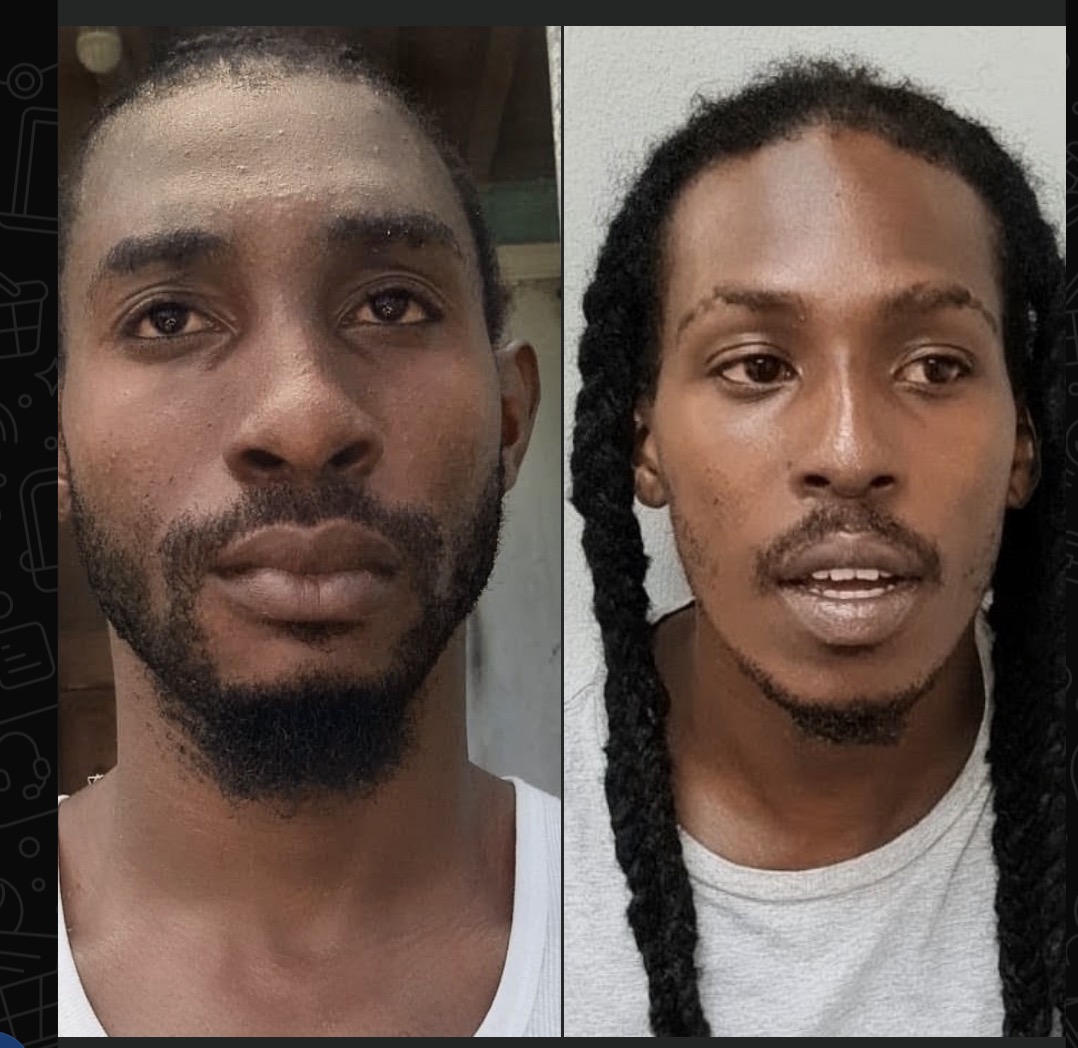
    Javia Peters, a resident of Potters, and Saquami Christian, from Tindale Road, face joint charges stemming from three separate criminal incidents that unfolded on September 27, according to the police force’s Office of Strategic Communications.

    The first and most serious incident took place at approximately 3:40 a.m. on Gordon Street in the Villa neighborhood. During the event, 47-year-old local man Francis Dennis was struck by gunfire. Emergency responders transported the wounded victim to the Sir Lester Bird Medical Centre to receive urgent medical care following the attack. For this shooting, Peters and Christian have each been charged with two offenses: shooting with intent to murder, and possession and use of a firearm during the commission of a violent felony.

    Later the same day, two additional armed robberies occurred on Baxter Street in the Ottos area, both linked to the same two suspects. In the first robbery, the pair allegedly targeted a woman, stealing a collection of personal property including a cellphone, multiple SIM cards, a handbag, assorted pieces of jewelry, and an undisclosed amount of cash. The total estimated value of the stolen items comes to roughly 1,285 Eastern Caribbean dollars. In the second Ottos robbery, a second woman was robbed of her cellphone, a SIM card, and cash, with the stolen property totaling approximately 880 Eastern Caribbean dollars. For both robberies, the suspects face additional joint charges of weapon use during a felony and two counts of robbery.

    As of Wednesday September 30, the date of the official announcement, both accused individuals are scheduled to make their first court appearance to respond to all six combined charges.

    In the statement, the Royal Police Force’s administration extended its formal gratitude to members of the Antigua and Barbuda public for their ongoing support, patience, and cooperation throughout the investigation that led to the arrests and charges. Law enforcement officials are also continuing their call for community participation in reducing local crime, urging anyone with additional information about this case or any other ongoing criminal activity to reach out to investigators through official channels. Tips can be submitted to the Criminal Investigations Department via phone at 462-3913 or 462-3914, to the anonymous Crimestoppers hotline at 800-TIPS (8477), or in person at the nearest local police station.

  • 4-H makes fresh appeal for volunteers with technical skills

    4-H makes fresh appeal for volunteers with technical skills

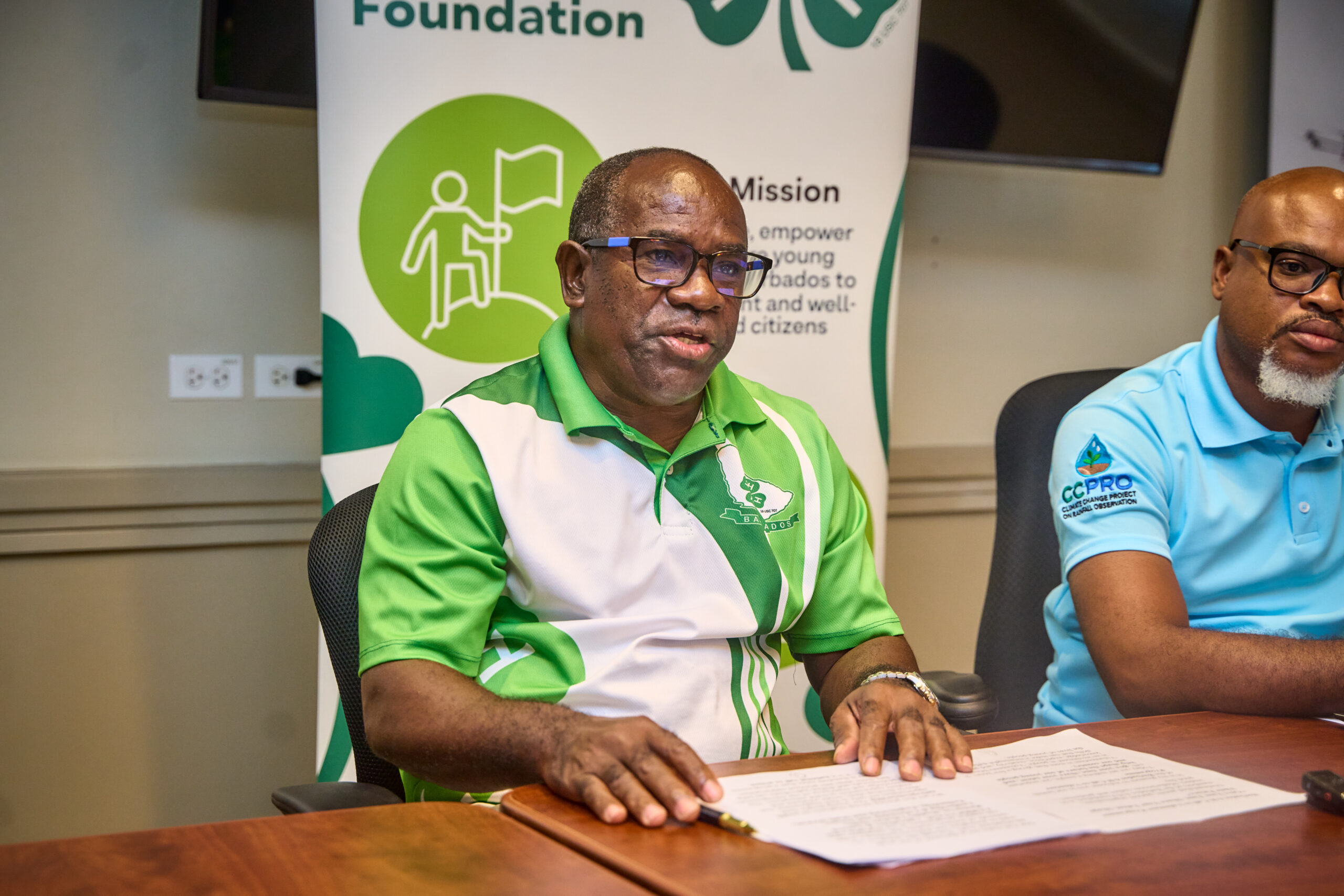
    The Barbados 4-H Foundation has thrown out a public call for technically skilled volunteers to help expand its youth-focused development programs beyond their historical roots in agricultural training, according to Vice Chairman Osmond Harewood. The appeal was formally launched this Tuesday at the Ministry of Agriculture’s Animal Nutrition Unit located in The Pine, kicking off the organization’s new “Call to Volunteer” initiative.

    Speaking to reporters on site, Harewood framed the effort as a straightforward but critical ask for community engagement. “Today we are making a simple yet important call. Give your time, share your talent, and help shape the future of all young people of our country,” he stated. Unlike common perceptions of volunteerism as just a donation of free time, Harewood emphasized that participating is fundamentally an investment in the nation’s next generation. “Volunteers bring knowledge, experience, creativity, and practical skills that can make a meaningful difference in the lives of our young people,” he added.

    The core goal of the new recruitment drive is to strengthen the network of local 4-H clubs by growing the pool of available mentors, program leaders and skilled volunteers who can support the organization’s innovative 4-H Forward curriculum. This expanded curriculum covers a far broader range of topics than the foundation’s historic agricultural training, including natural resource management, healthy lifestyle education, leadership development, civic engagement, science, technology, engineering and mathematics (STEM) training, and youth entrepreneurship.

    Harewood noted that a common public misconception frames 4-H as an agriculture-only organization, and this program expansion is designed to correct that outdated view. “Sometimes people tend to think that 4-H is just agriculture, and I think we want to show this is more than agriculture,” he said. The foundation is specifically targeting candidates with expertise in high-demand areas including public speaking, organizational leadership, civic education, club operations and financial management, as it seeks to deepen the technical skill sets available to program participants. “What we are calling for is more technical skills within the clubs. All those basic areas are part and parcel of what we are looking for [in] persons to come and give the technical skills to those young persons,” Harewood explained.

    Importantly, the vice chairman stressed that the foundation has not had to suspend any existing programming due to current volunteer shortages. Instead, the recruitment drive is focused on adding deeper, cross-disciplinary technical expertise to lighten the load for the foundation’s small full-time staff and open up new opportunities for youth. “There’s nothing we have put a pause on. What we are saying is that many hands make light work, and right now the work on the few staff that we have is pretty heavy,” he said. “We have skilled and talented persons in my business that could offer their services, but sometimes they’re waiting for somebody to call them. So we are saying yes, we need your skills.”

    National Programme Coordinator Theodore Fraser echoed Harewood’s comments, highlighting youth entrepreneurship as a particularly high-priority area where additional volunteer support is urgently needed. “Definitely one of the areas is the whole emphasis on entrepreneurship,” Fraser said. He explained that while young participants already gain valuable hands-on skills through existing 4-H programs, the organization wants to help them turn those competencies into long-term, sustainable income and career opportunities. “How do we transfer this into something that they can build a career from or earn from as well?” Fraser asked, noting that the ultimate goal is to ensure young people can leverage their 4-H experience in meaningful, economically sustainable activities long after they graduate from secondary school.