作者: admin

  • CARICOM education ministers focus on skills, innovation and preparing Caribbean youth for the future

    CARICOM education ministers focus on skills, innovation and preparing Caribbean youth for the future

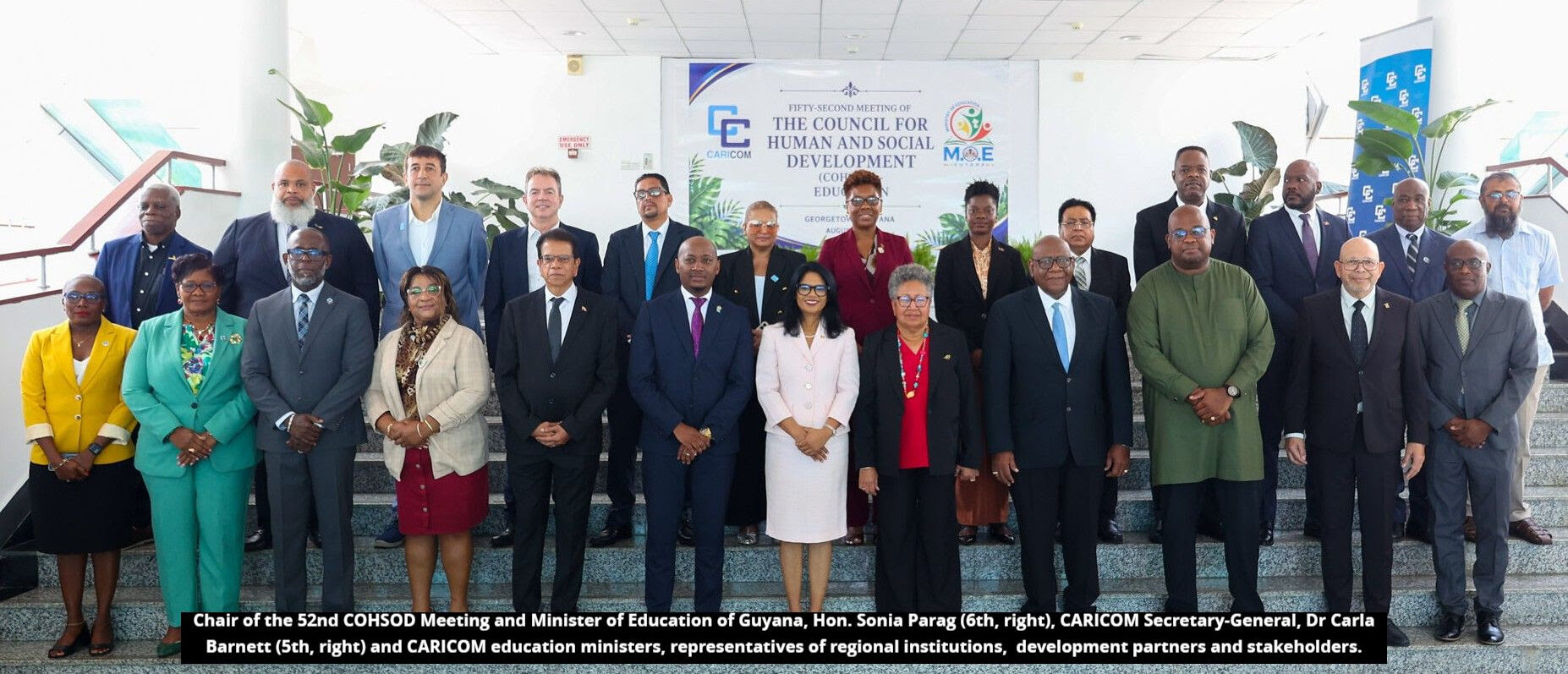
    In a pivotal gathering focused on transforming regional learning outcomes, Caribbean education ministers and key regional stakeholders have convened in Georgetown, Guyana, for the 52nd Meeting of the CARICOM Council for Human and Social Development (COHSOD) focused on the education sector. The event, hosted under the overarching theme “Educating for life, purpose and Caribbean progress”, marks a collective shift away from the traditional model of education that centers primarily on examination performance, toward a more holistic approach that prepares learners for long-term success in a rapidly evolving global landscape. Chaired by Guyana’s Minister of Education Hon. Sonia Parag, the meeting brings together senior education officials from across CARICOM member states, representatives of leading regional educational institutions, international development partners, and community stakeholders to address pressing gaps in the regional education system.

    In her opening address to delegates, Parag emphasized that the meeting’s theme pushes regional education leaders to re-evaluate core assumptions about what education should deliver. Rather than framing education as a linear process of knowledge memorization focused solely on passing standardized tests, Parag argued that systems must be redesigned to equip every learner with transferable foundational competencies. These include critical thinking skills, the confidence to challenge outdated norms, and the adaptive capacity to navigate constant economic, technological and social change. She further highlighted that non-academic learning pathways – including technical and vocational education and training (TVET), work-based apprenticeships, industry-aligned training programs, and targeted talent development initiatives – are critical components of a modern, inclusive education ecosystem that serves the diverse needs of all Caribbean learners.

    CARICOM Secretary-General Dr. Carla Barnett echoed these priorities, drawing a direct connection between updated skills frameworks and the Caribbean region’s ability to address overlapping economic and environmental challenges. As Caribbean economies adapt to rapid technological advancement, persistent global economic uncertainty, and escalating climate-related pressures, Barnett noted that demand for technical, vocational, and digital skills has grown sharply across every sector. She framed this growing demand as a unique opportunity to close the persistent gap between education outcomes and employment needs, strengthening the link between learning, skills development, and accessible, decent work for Caribbean youth.

    Barnett explained that expanding access to high-quality TVET delivers multiple interconnected benefits for the region: it equips young people with job-ready practical skills, boosts the overall resilience and global competitiveness of Caribbean economies, supports ongoing digital transformation, facilitates the transition to a green, climate-resilient economy, and drives innovation and productivity across sectors. Beyond economic gains, expanded TVET creates clear, accessible pathways to formal employment, entrepreneurship, and greater economic participation for groups that have historically been underserved by traditional academic education systems. She also noted that the region already has a strong foundational framework for skills development, including the widely recognized Caribbean Vocational Qualifications (CVQs), regional cross-border qualifications frameworks, and ongoing work by the Caribbean Association of National Training Agencies (CANTA). Leading regional educational institutions have already begun aligning their programming with this vision: the Caribbean Examinations Council has expanded its footprint in technical and vocational education, while The University of the West Indies has increasingly prioritized professional certification and deep industry engagement to better serve learner and employer needs.

    Against the backdrop of the annual observance of International Youth Day, Barnett also emphasized that education alone is not enough to empower young Caribbean people to thrive. To build productive lives and take on leadership roles stewarding the region’s future, young people also need expanded access to decent work opportunities, accessible financing for entrepreneurial ventures, and integrated mental health support services that address the unique pressures facing the region’s youth population.

    Over the course of the meeting, delegates are scheduled to deliberate on a range of high-priority policy topics, including the expansion of micro-credentialing programs to support lifelong learning, coordinated regional assessment frameworks to align standards across member states, targeted improvements to primary and secondary mathematics education, and evidence-based strategies to strengthen the teaching profession, support educator well-being, and elevate the status of teaching across the region. At the close of the gathering, CARICOM officials expressed optimism that the meeting will yield actionable, collaborative policies that strengthen national education systems while advancing a shared regional vision for inclusive learning. This vision centers on valuing every learner, fostering collaboration across students, teachers, and families, recognizing multiple equal pathways to success, deepening regional integration, and equipping all Caribbean citizens to succeed in a fast-changing world.
  • Orange Walk Family Needs Support

    Orange Walk Family Needs Support

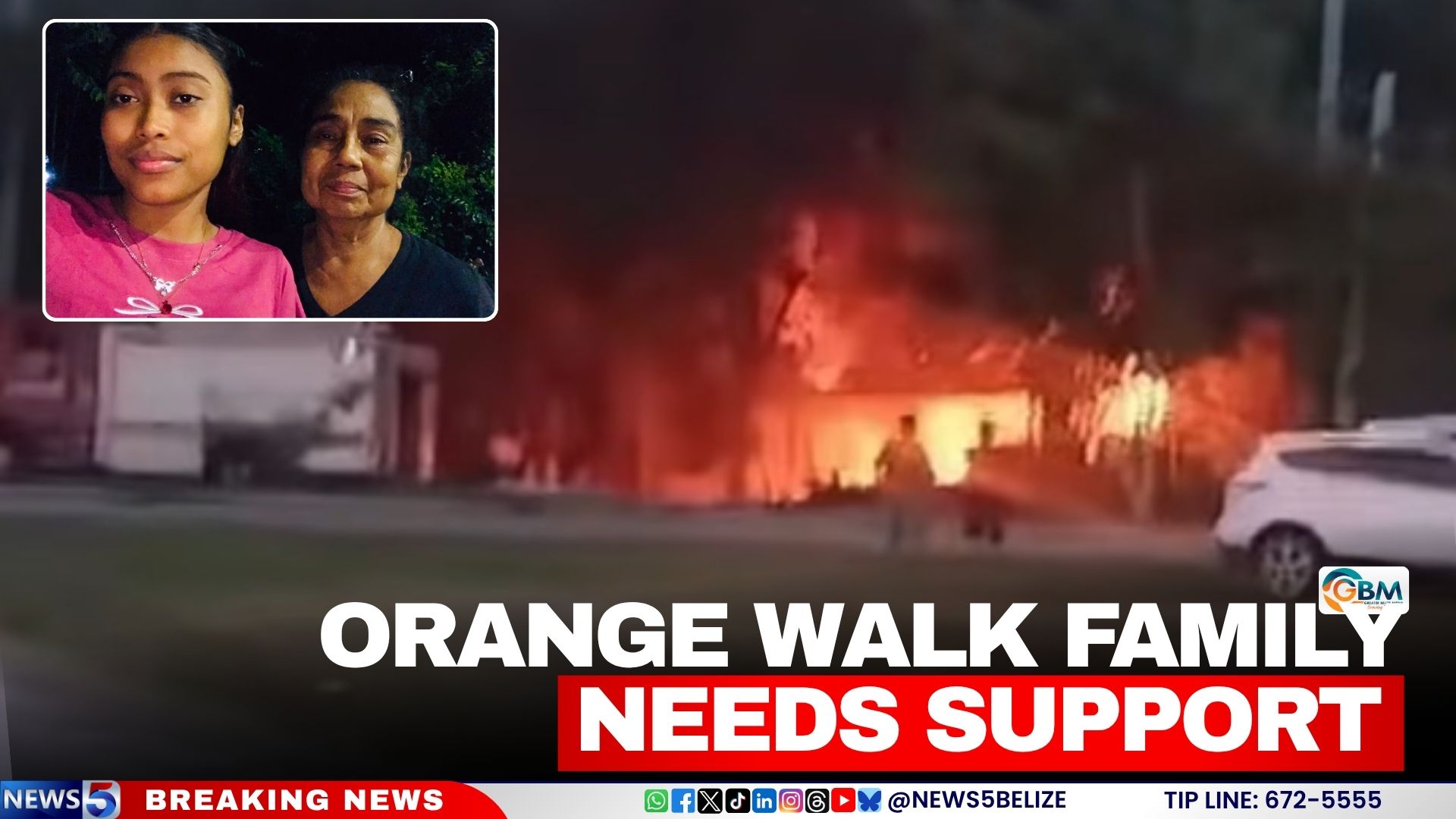
    On a quiet Sunday in Orange Walk, what began as a routine trip to a short evening church service ended in catastrophic loss for a local mother and daughter. Sixty-three-year-old Blanca Estela Pena and her 20-year-old daughter Elia Meza left their wooden residence, located near the intersection of Sparrow Street and San Lorenzo Road, to attend the religious gathering. When they returned to the property just before 6 p.m., they were met with a scene of chaos: an out-of-control blaze had already engulfed most of their home.

    Emergency fire crews were dispatched quickly to the scene and worked to bring the fire under control. Despite their rapid response, the damage was already done: the entire wooden structure was reduced to nearly total ruin. To make the devastating situation even worse, the family carried no insurance policy on the home, meaning they will have to cover all rebuilding costs out of pocket.

    Thankfully, no residents or first responders were injured in the incident. Local investigative authorities have launched an inquiry to pinpoint the exact cause of the blaze, but have not yet released a definitive conclusion.

    For Pena and Meza, the focus now shifts from shock to immediate action: they face the daunting task of rebuilding their lives and their home from almost nothing. To get the rebuilding project off the ground, the family has issued a public appeal for support, specifically requesting donations of building materials including zinc, cement and lumber. They are also in need of basic household goods, including clothing, baby care supplies, Pampers diapers, and any monetary contributions that community members can afford to give.

    Community members who wish to offer assistance to the family can contact Elia Meza directly via phone at 620-1951 to coordinate donations.

  • Indigenous Water Rights Under Threat? IACHR Demands Action

    Indigenous Water Rights Under Threat? IACHR Demands Action

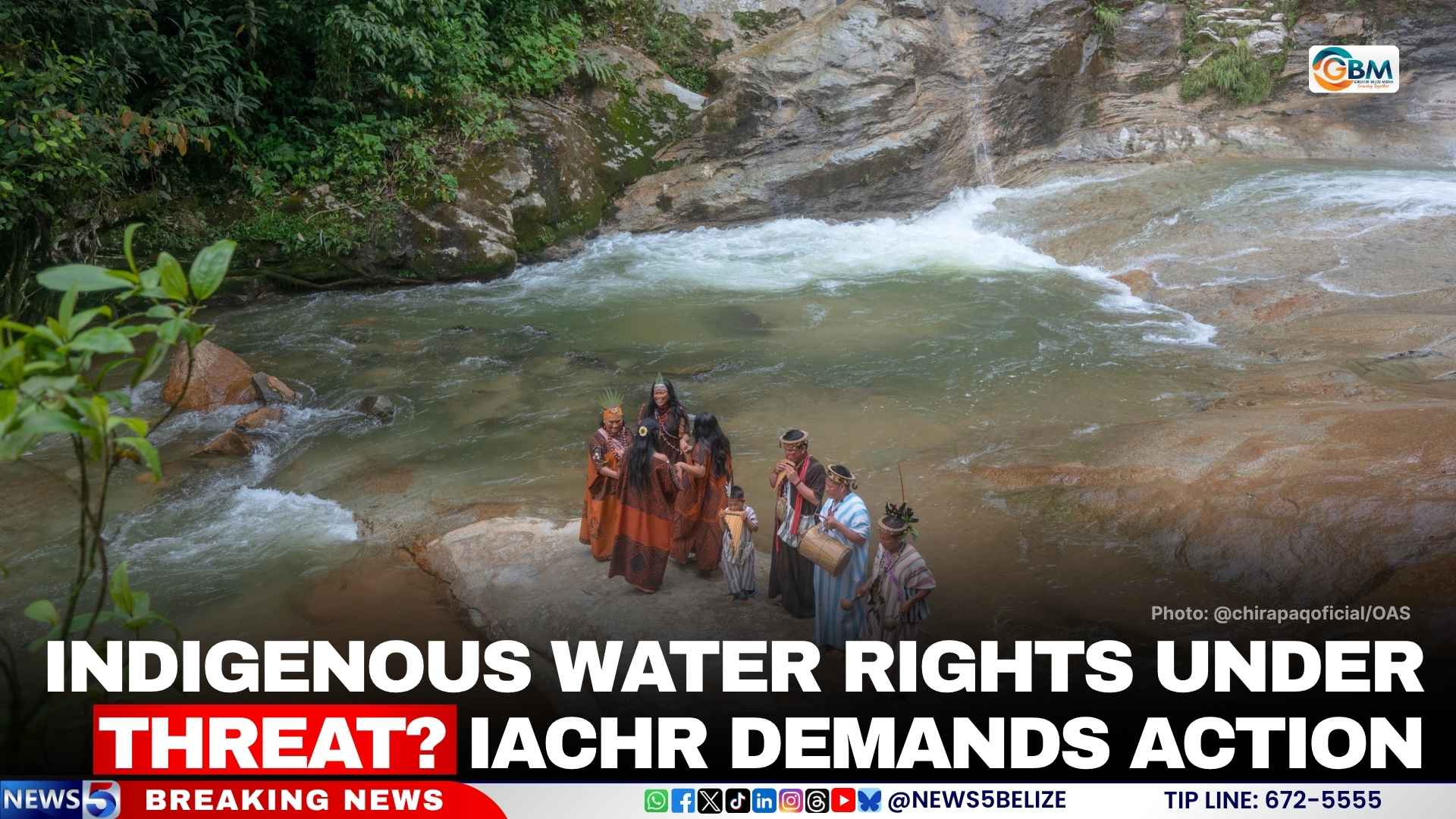
    Against the backdrop of the Ninth Inter-American Week for Indigenous Peoples and the United Nations International Day of the World’s Indigenous Peoples, the Inter-American Commission on Human Rights (IACHR), an autonomous human rights body under the Organization of American States (OAS), has issued an urgent appeal to governments throughout the Americas to prioritize and entrench Indigenous peoples’ fundamental right to self-determination.

    The week-long conference, which runs from August 11 to 15 2026, structured its agenda around key themes tied to Indigenous stewardship. Opening sessions on Monday centered on the critical connection between Indigenous identity and territorial sovereignty, while the agenda on August 12 shifted focus to water and air, designed to highlight the deep, interdependent relationship between Indigenous communities and the natural resources they have guarded for millennia.

    In a formal statement addressing the day’s theme, Riyad Insanally, IACHR’s Special Rapporteur on the Rights of Indigenous Peoples, emphasized the unique cultural and existential role of water in Indigenous life across the hemisphere. “For Indigenous communities, water is far more than a commodity to be extracted or traded,” Insanally explained. “Rivers, lakes, and underground aquifers are living entities that carry generations of collective memory, anchor spiritual belief systems, and sustain the very fabric of community life. For centuries, Indigenous peoples have nurtured these water sources through traditional, sustainable practices that benefit entire regions.”

    Despite this centuries-long stewardship, Insanally confirmed that the IACHR continues to receive widespread reports of threats to Indigenous water access. Large-scale extractive industry operations, unregulated industrial agribusiness, and major infrastructure development projects have repeatedly contaminated critical water sources or blocked Indigenous communities’ access to these resources, in most cases without free, prior, and informed consultation required under international human rights law, he said.

    Water rights are not the only pressing concern documented by the commission. The IACHR’s ongoing monitoring has also uncovered a range of systemic harms facing Indigenous communities across the Americas, including widespread forced evictions from traditional territories, the criminalization of Indigenous leaders who peacefully defend their community’s lands, and persistent structural exclusion that disproportionately endangers Indigenous women through targeted violence and disenfranchisement.

    To address these escalating threats, Insanally urged all OAS member states to integrate the IACHR’s past recommendations into binding public policy, uphold existing legal and institutional protections for Indigenous rights, and expand meaningful, good-faith dialogue with elected Indigenous and tribal authorities and representative community organizations.

    The commission has also reaffirmed its commitment to supporting implementation efforts, stating it stands ready to provide targeted technical assistance to both national governments and Indigenous and tribal peoples as they work to codify and exercise the right to self-determination.

    The Inter-American Week for Indigenous Peoples will continue through Friday, with additional panel discussions, community testimonials, and working sessions planned to address ongoing challenges and advance collaborative solutions for Indigenous rights across the region.

  • BMS monitors tropical wave east of Barbados

    BMS monitors tropical wave east of Barbados

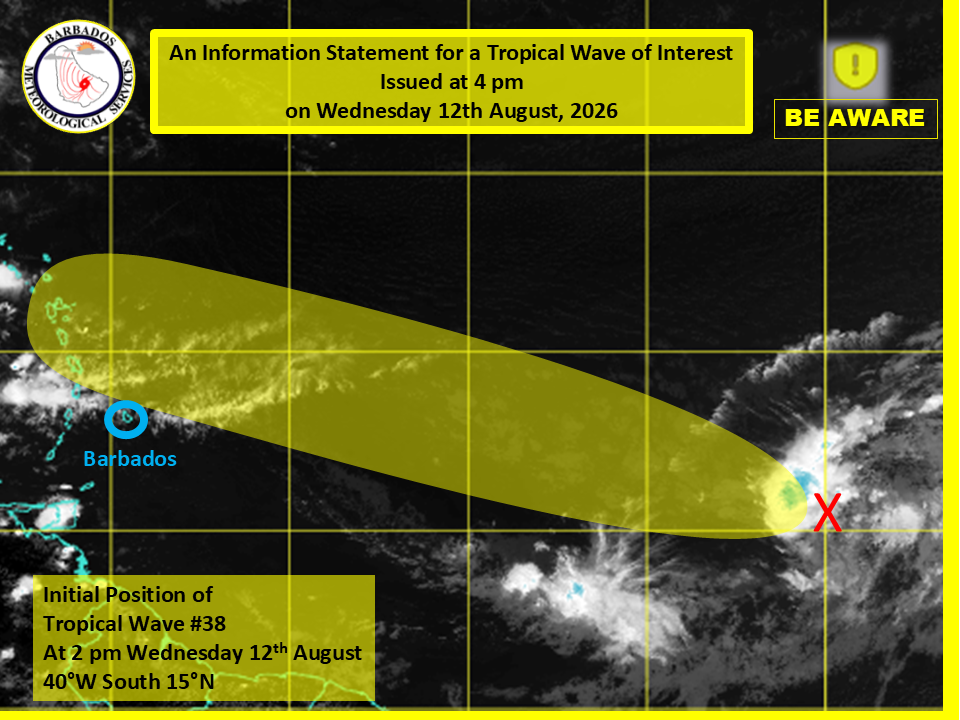
    Residents of Barbados have been put on alert to watch a budding tropical disturbance moving across the Atlantic Ocean, which is forecast to bring elevated temperatures and scattered storm activity to the island by the end of the week. In an official advisory released Wednesday afternoon, the Barbados Meteorological Services (BMS) confirmed that no tropical storm watches or warnings have been activated for the territory yet. Still, local forecasters note that the approaching system will interact with slowing wind speeds across the region Friday and Saturday, creating conditions for hotter-than-average temperatures and pockets of heavy afternoon showers and thunderstorms across parts of the island.

    As of 2 p.m. Wednesday, the tropical wave was mapped approximately 1,338 miles, or 2,156 kilometers, east of Barbados. The disturbance is linked to a broad low-pressure system that is currently generating scattered, disorganized thunderstorm activity across the central Atlantic. According to the BMS analysis, broader environmental conditions are only marginally supportive of gradual strengthening of the system over the coming days, as it tracks generally west to west-northwest across the ocean.

    Forecasters add that the vast majority of the system’s active weather is projected to stay north of Barbados, reducing the risk of severe direct impacts for the island. The BMS has announced plans to release its next official update on the system’s progress at 11 a.m. local time Thursday, to keep the public informed of any changing conditions.

  • Strangers Lift Slab by Hand to Save Baby Trapped in Colombia Quake

    Strangers Lift Slab by Hand to Save Baby Trapped in Colombia Quake

    On August 11, 2026, a powerful 7.4-magnitude earthquake ripped across Colombia, leaving widespread destruction in its wake and triggering desperate search-and-rescue operations that have now stretched into their third day. As of Wednesday, the national death toll from the disaster has climbed past 200, with communities across the hardest-hit regions reeling from collapsed homes, infrastructure damage, and thousands displaced.

    One small moment of incredible courage and collective solidarity has cut through the grief, offering a glimmer of hope amid the catastrophe. Brian Osorio Zuluaga, a local resident, was speeding home on his motorbike in the immediate aftermath of the quake when he encountered the crumbled remains of a five-story building in the city of Cali. Even as bystanders warned of an imminent gas leak that could trigger a secondary explosion, Osorio Zuluaga refused to leave. He began calling out into the tangled mounds of concrete and steel, asking any trapped survivors to respond, before urging the entire crowd to fall quiet to listen for even the faintest sound.

    To his shock, a weak voice called back from deep beneath the rubble: “Yes, I’m here. I’m with a baby.”

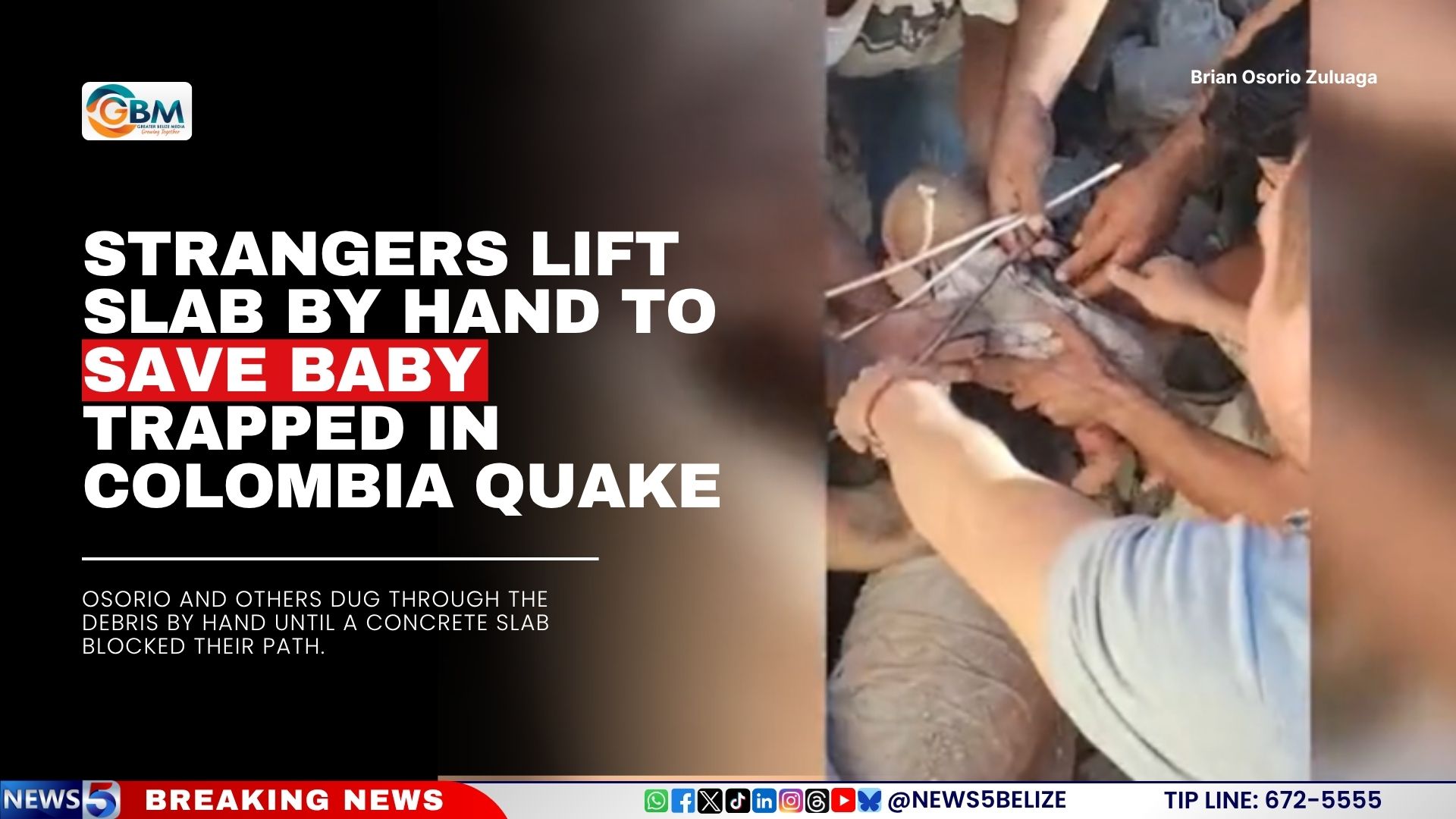
    Without heavy digging equipment on site, Osorio Zuluaga and a growing group of civilian volunteers began clawing through the debris by hand, moving broken chunks of building material to reach the trapped pair. Their progress stalled when a large solid concrete slab blocked the final path to the survivors. The first collective attempt to lift the heavy slab failed, but the group did not give up. Counting in unison, “one, two, three, up,” dozens of strangers pulled together and heaved the slab out of the way, revealing the trapped baby and the man who had been protecting him.

    When the slab was moved, rescuers found the infant boy trapped with his skin already turning purple due to prolonged oxygen deprivation. As emergency workers cleared the remaining rubble around him, the baby’s color gradually returned, a promising sign for his recovery. The child was quickly passed through a chain of helpers to a waiting police officer, who rushed him straight to an awaiting ambulance for urgent medical care. The man who had shielded the baby through the collapse, trapped under a smaller concrete plank, was pulled from the wreckage just moments later.

    This small act of bravery is not an isolated story across earthquake-hit Colombia. On Tuesday, just one day after the quake hit, crowds broke into cheers in Cali when rescue teams pulled a woman alive from the rubble of another collapsed building. In the city of Pereira, CNN journalists on the ground witnessed rescuers and local volunteers forming unbroken human chains to pass buckets of cleared debris away from the wreckage of a fallen apartment building, working around the clock to reach any possible survivors still trapped. The disaster has left communities across the country grappling with massive loss, but widespread accounts of collective action and spontaneous solidarity from ordinary residents have become a cornerstone of the ongoing emergency response.

  • Teens Trade a School Project for a Paint Session on Mental Health

    Teens Trade a School Project for a Paint Session on Mental Health

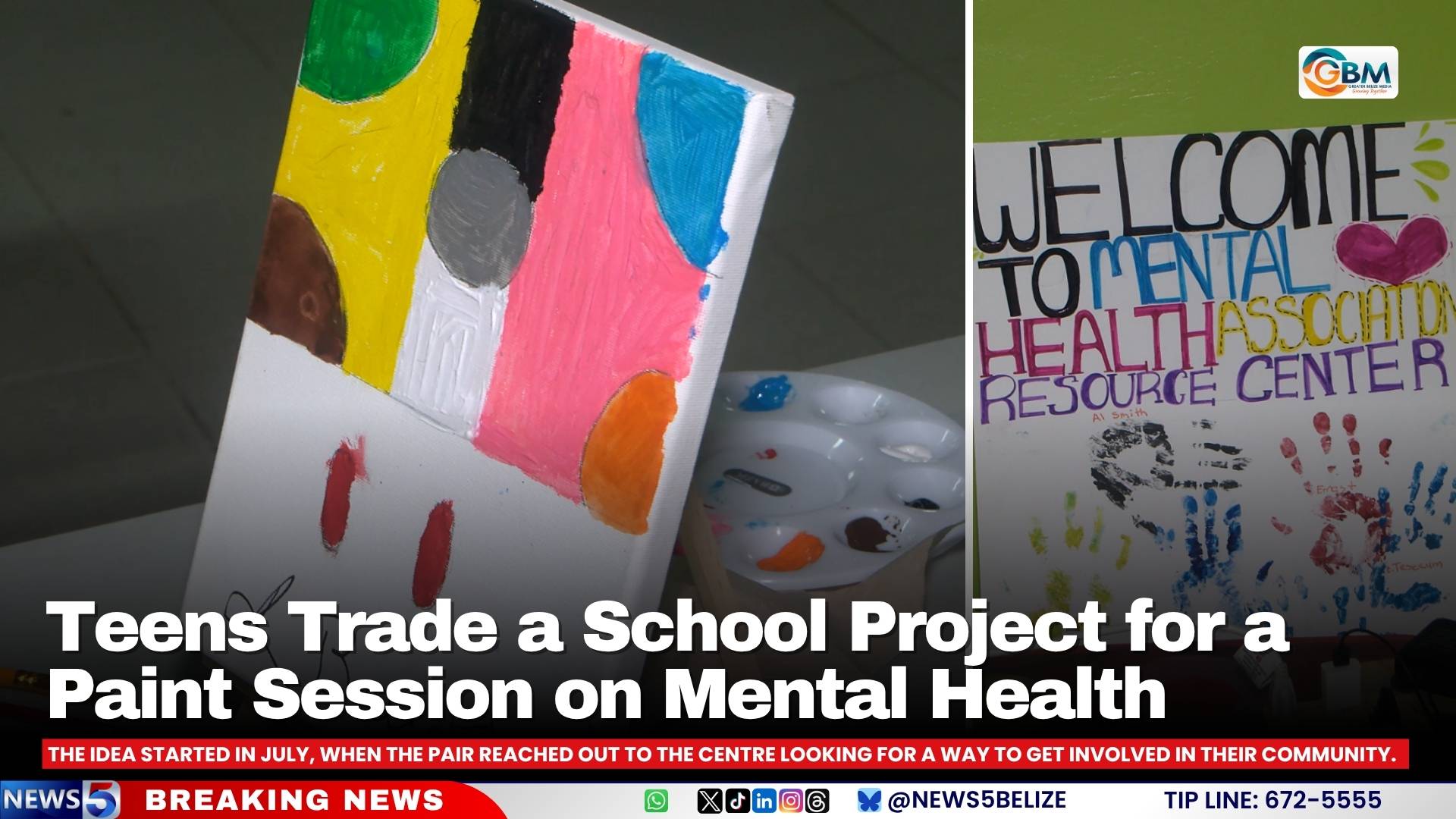
    On a August morning in 2026, an unusual creative gathering unfolded inside Belize City’s Welcome Resource Center. What looked on the surface like a standard paint-and-sip workshop carried a far more special origin story: the entire event was conceived and organized by two high school students, who set aside a traditional classroom assignment to build a community space for open conversation about mental health.

    Thirteen-year-old Arianna Grant and 14-year-old Jahmia Lodge, both currently enrolled at Saint Catherine Academy, launched their initiative under the name “Every Mind Matters.” The core of their concept was deceptively simple: create a low-pressure environment where adults could pause their daily routines, create a piece of art with their own hands, and speak openly about their mental well-being without judgment. Beyond organizing the art session, the pair also arranged for donated food and hygiene products to distribute to guests of the center, adding a practical layer of community support to the day’s activities.

    The project first took root in July, when the two teens reached out to the Welcome Resource Center seeking a way to contribute to local community life. As they learned more about the population the center serves, the focus on mental health through art emerged naturally, according to center administrator Beatrice Vernon.

    Vernon noted that the event brought a completely new type of experience for the center’s guests, most of whom are between 35 and 65 years old. “It was a surprise, and it’s another form of activity outside of what they’re used to,” she explained. “So for them, I know that it was an excitement for something like this happening here today with them, not only just painting but also with getting a little treat at the end of the session.”

    For many participants, the experience carried unexpected emotional weight. One guest mid-session summed up the feeling simply: “I feel like I’m young again.” Vernon expanded on that reaction, explaining that the activity was far more than just a fun afternoon out. For many attendees, picking up a paintbrush allowed them to reconnect with creative joys they had set aside in childhood, and offered a rare unhurried moment to focus on themselves amid daily life stresses.

    For the center’s leadership, the initiative represented a striking example of young people stepping up to address gaps in community support. “It was truly a blessing when they first came to me with the idea of being a part of the centre, bringing awareness to the community,” Vernon said. “And as young people, it was truly, truly grateful on our part that these young people saw and took the initiative of bringing awareness. They were able to bridge the gap between those that we at the centre were unable to reach.”

    Vernon says she now holds out hope that the teen-led project is just the start. She expects it will inspire more young Belizeans to engage in local community action, while also helping chip away at persistent stigma and misconceptions surrounding mental health in the country. A full, in-depth look at the “Every Mind Matters” launch event will air this evening on News 5 Live at 6 o’clock.

  • Saint Lucia, Kalinago split tapeball fixtures

    Saint Lucia, Kalinago split tapeball fixtures

    The second day of the much-anticipated bilateral tapeball cricket series between Saint Lucia and the Kalinago Nationals of Dominica delivered two contrasting results on Tuesday, with the visiting Saint Lucia Veterans extending their unbeaten streak to secure a 2-0 advantage in the series, while the host Kalinago Nationals claimed their second consecutive victory in the senior national fixture.

    Hosted at the Kalinago Playing Field, located on Dominica’s scenic east coast, the opening clash of the day pitted the veteran sides of both regions against one another. After winning the toss, Kalinago Veterans opted to set a target batting first. Over the course of their allotted 12 overs, the home side compiled a total of 93 runs for the loss of 7 wickets. Top of the batting order, Abbisha Etienne anchored the innings with a knock of 25 runs, supported by useful contributions from Kenny Valmont, who scored 23, and Mario Lucien, who added a quickfire 15. The Saint Lucia bowlers, however, dominated the middle overs to restrict the hosts’ scoring. Marius Giddings delivered a standout performance with the ball, claiming three key wickets, which earned him the Player of the Match award. Glen Eurysthee chipped in with two wickets, while Anthony Adlein and Nick Abraham each picked up one wicket apiece to wrap up the Kalinago innings.

    Chasing a modest total, Saint Lucia reached the required 94 runs in just 9.5 overs, for the loss of 3 wickets, securing a comfortable seven-wicket victory. Alvin Lafieulle produced an explosive batting display, scoring an unbeaten 65 runs to steer his side across the finish line, even as Kalinago’s Wayne Auguste put up a fight with a three-wicket haul for the hosts.

    In the headline senior national match of the day, the Kalinago Nationals continued their winning momentum, defeating the full Saint Lucia national side by eight wickets. Saint Lucia took the first turn batting and posted a competitive total of 126 runs for 6 wickets from their 15 overs. Imbert Lorde top-scored for the visitors with 42 runs, while Orey Changoo contributed 21 and Garette Alphonse added 19 to the total. Federick Paris led the Kalinago bowling attack with two wickets, and Jason Paris, Neo Davis, and Dhal Wahland each took one wicket to keep the Saint Lucia total within reach.

    The home side knocked off the required target in just 12 overs, finishing on 130 runs for the loss of just two wickets. Neo Davis, who was named Player of the Match for his all-round performance, scored a brilliant 59 runs, and combined with Riyad Paris, who made 49, to build an unbroken match-winning partnership that secured Kalinago’s second consecutive senior win in the series.

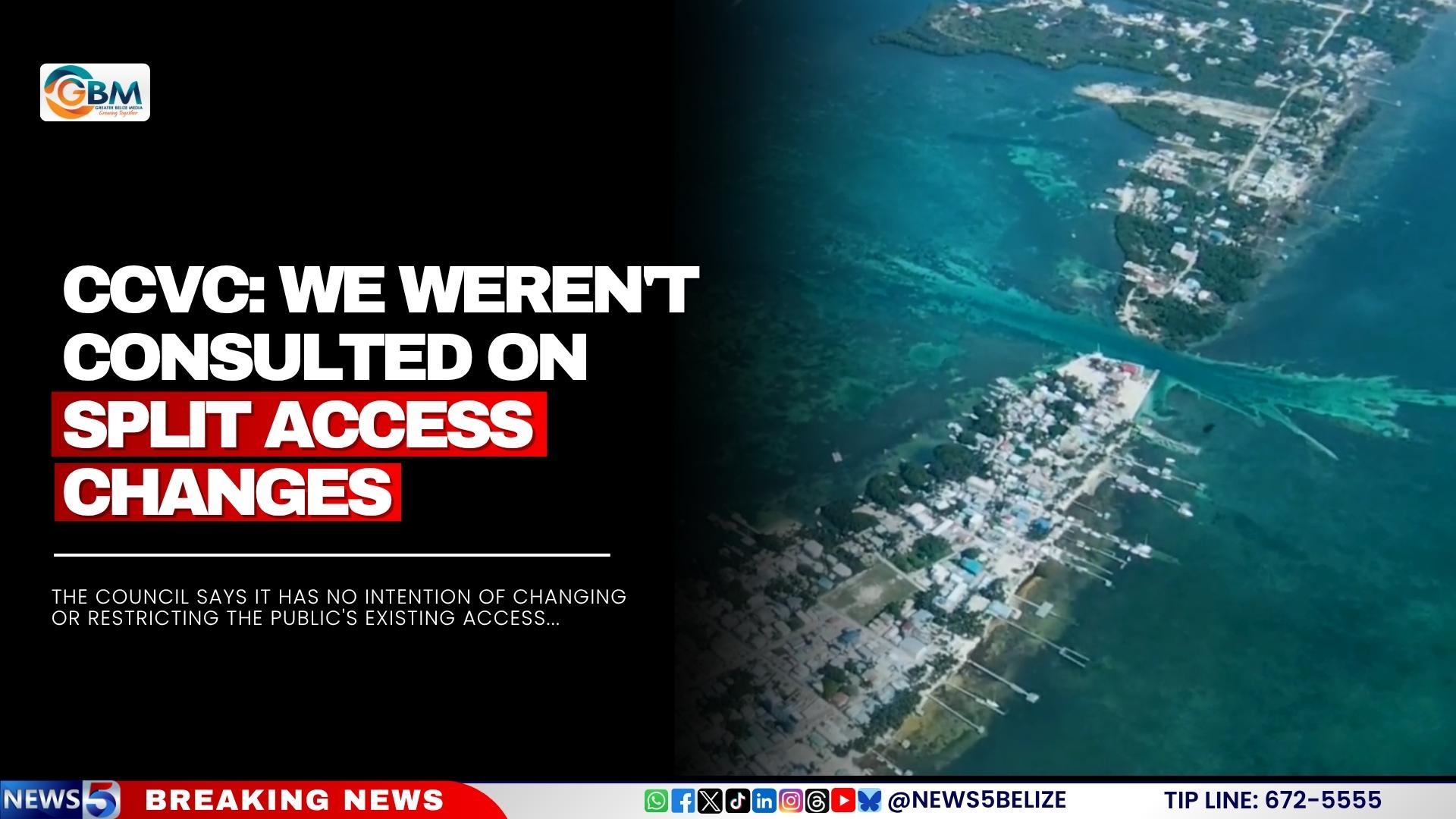
  • CCVC: We Weren’t Consulted on Split Access Changes

    CCVC: We Weren’t Consulted on Split Access Changes

    A governance dispute has emerged on the island of Caye Caulker, after the local village council confirmed it was excluded from preliminary talks about potential changes to public access at one of the area’s most popular recreational spots, The Split.

    The Caye Caulker Village Council (CCVC) confirmed this week that it has made resolving the access issue a top priority, following revelations that the site’s new management had already initiated discussions with local ferry service operators about access rules without first seeking input or approval from the elected local governing body.

    CCVC representatives say they have already opened lines of communication with leaders of the Lazy Lizard establishment and other stakeholders connected to the property, and are currently coordinating a formal sit-down meeting to discuss the misstep and clarify roles moving forward. In initial conversations with management, the council made its position clear: any adjustments to public access at The Split require prior consultation with the local governing body before talks are held with third-party operators.

    As of the latest update, the council notes that no access fees have been formally implemented, and no ferry operators have agreed to pay any proposed charges, even after being approached by the new management. The council itself was completely sidelined from these early conversations, leaving officials working to untangle miscommunication and clarify jurisdiction over the public access areas.

    In a statement outlining its core stance, the CCVC emphasized that it has no plans to alter or limit the public’s longstanding access to two key zones: the western public street and access corridor, and the eastern beach area. Moving forward, the council says it will balance two core priorities: upholding the legal rights of local property owners, and maintaining open, collaborative dialogue between the governing body and private stakeholders to resolve the dispute amicably.

  • HIA redevelopment at ‘advanced’ stage as control tower nears completion

    HIA redevelopment at ‘advanced’ stage as control tower nears completion

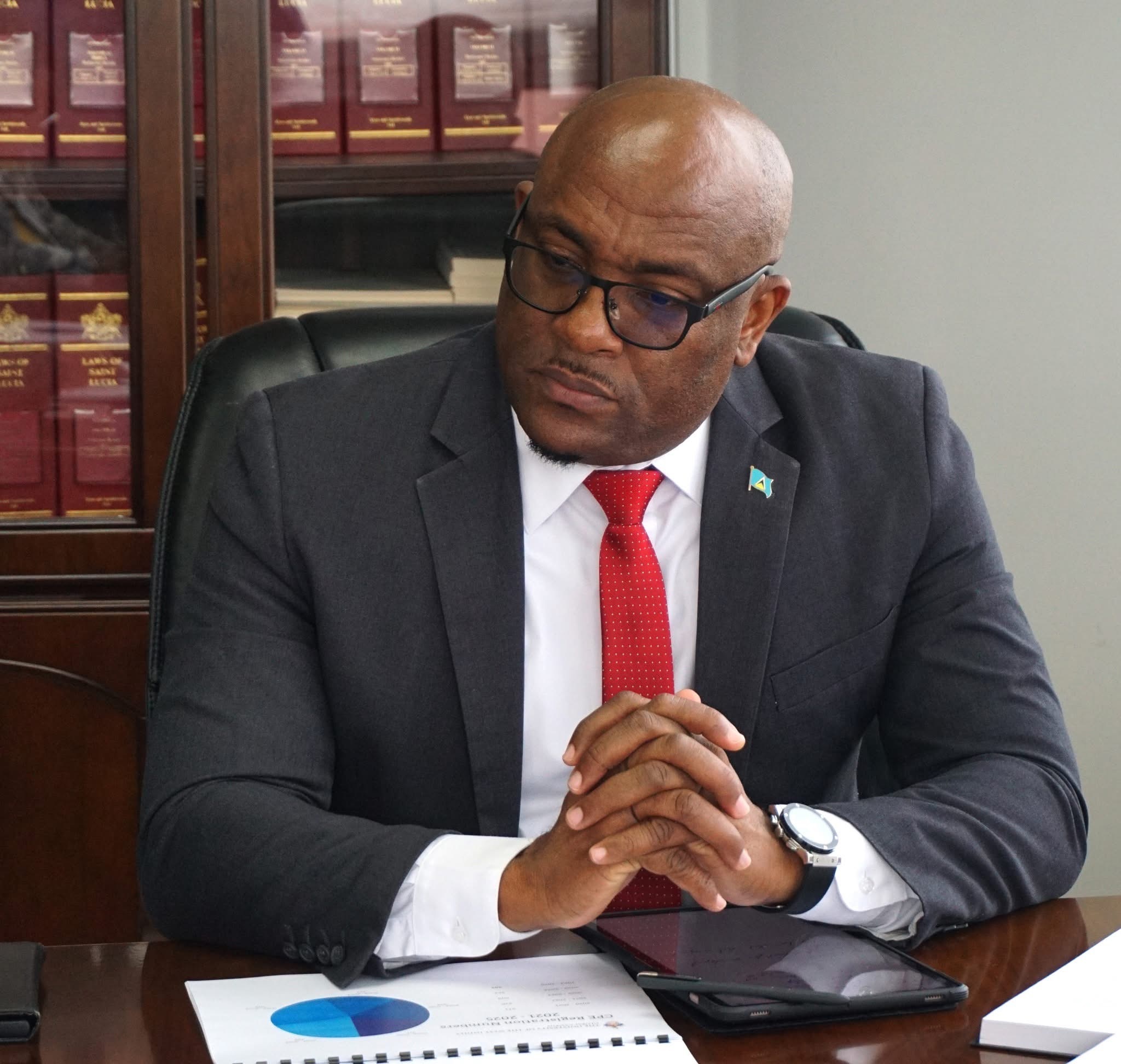
    St. Lucia’s ambitious upgrade of Hewanorra International Airport (HIA), the island nation’s key air gateway, has hit major new milestones, with the project’s new air traffic control tower nearly finished and a lead contractor selected for the broader redevelopment initiative, according to the country’s top infrastructure official.\n\nIn an on-the-record update with reporters from the St. Lucia Times outside Parliament Tuesday, Infrastructure Minister Shawn Edward shared detailed progress on the multi-year modernization project that aims to boost St. Lucia’s air connectivity and tourism competitiveness.\n\nEdward confirmed that construction of the new air traffic control tower is currently 95% complete, marking a dramatic jump in progress from just eight months ago. When Prime Minister Philip J. Pierre delivered his 2024 Budget Address in April, the facility was only halfway done, sitting at 52% completion.\n\nThe minister broke down the tower project into its two core components: physical construction of the tower structure, and installation of specialized air traffic management technology. Civil construction works have been carried out by NH, a construction firm based in neighboring Trinidad and Tobago, which has collaborated closely with a Canadian technology supplier to integrate the custom software required for air traffic control operations.\n\nIf current progress holds, Edward projects the fully operational control tower will be ready to launch as early as January or February 2025.\n\nBeyond the control tower, the full-scale HIA redevelopment scheme has cleared another key hurdle: the Saint Lucia Air and Sea Ports Authority (SLASPA) has finalized its competitive bidding process and selected a private contractor to lead the overall project. Edward noted that while formal contract negotiations are still ongoing, no binding agreement has been signed, so the identity of the selected firm cannot be released to the public at this time.\n\nThe minister emphasized that the contractor selection process followed SLASPA’s independent, rigorous procurement protocols, and was not directed by the Cabinet or Prime Minister Pierre’s office, reinforcing the government’s commitment to transparent public tendering.\n\nThe HIA modernization has a lengthy, checkered history that stretches across multiple administrations. Initial construction on a new passenger terminal launched under the previous United Workers Party government, but the project was put on hold shortly after the 2021 general election that brought Pierre’s administration to power. The pause was implemented to allow a full review of the project’s scope, costs, and priorities to align it with the current government’s development goals.\n\nEdward made clear that avoiding costly, drawn-out delays is a top priority for his team, drawing a parallel to the high-profile St. Jude Hospital redevelopment, which has been plagued by years of extended construction timelines. He told reporters he has repeatedly stressed to his staff that the HIA project must not fall into the same pattern of long delays.\n\n“Only this morning, I was saying to my staff that we have to ensure that the HIA redevelopment project does not become another St Jude Hospital in terms of the gestation period,” Edward said.\n\nThe current government has set a clear timeline for completion: the full, refurbished and upgraded Hewanorra International Airport will be delivered before the next general election, according to the minister.\n\nA large portion of the project’s funding comes from international development support: the World Bank’s Caribbean Air Transport Connectivity Project (CATCOP) is providing EC$121 million (approximately $44.8 million USD) to support key upgrades. Edward explained that this funding will be allocated to three critical areas: structural repairs to the airport’s main runway, modernization of air navigation equipment, and improvements to facilities for the airport’s firefighting and emergency response team.\

  • Flow Antigua Customers Win Big During CPL Season

    Flow Antigua Customers Win Big During CPL Season

    As the Republic Bank Caribbean Premier League (CPL) approaches the peak of its competitive season, Caribbean telecommunications provider Flow continues to deliver exciting rewards to its loyal customer base through its popular seasonal promotion, the “We Live For This Summer Campaign”.

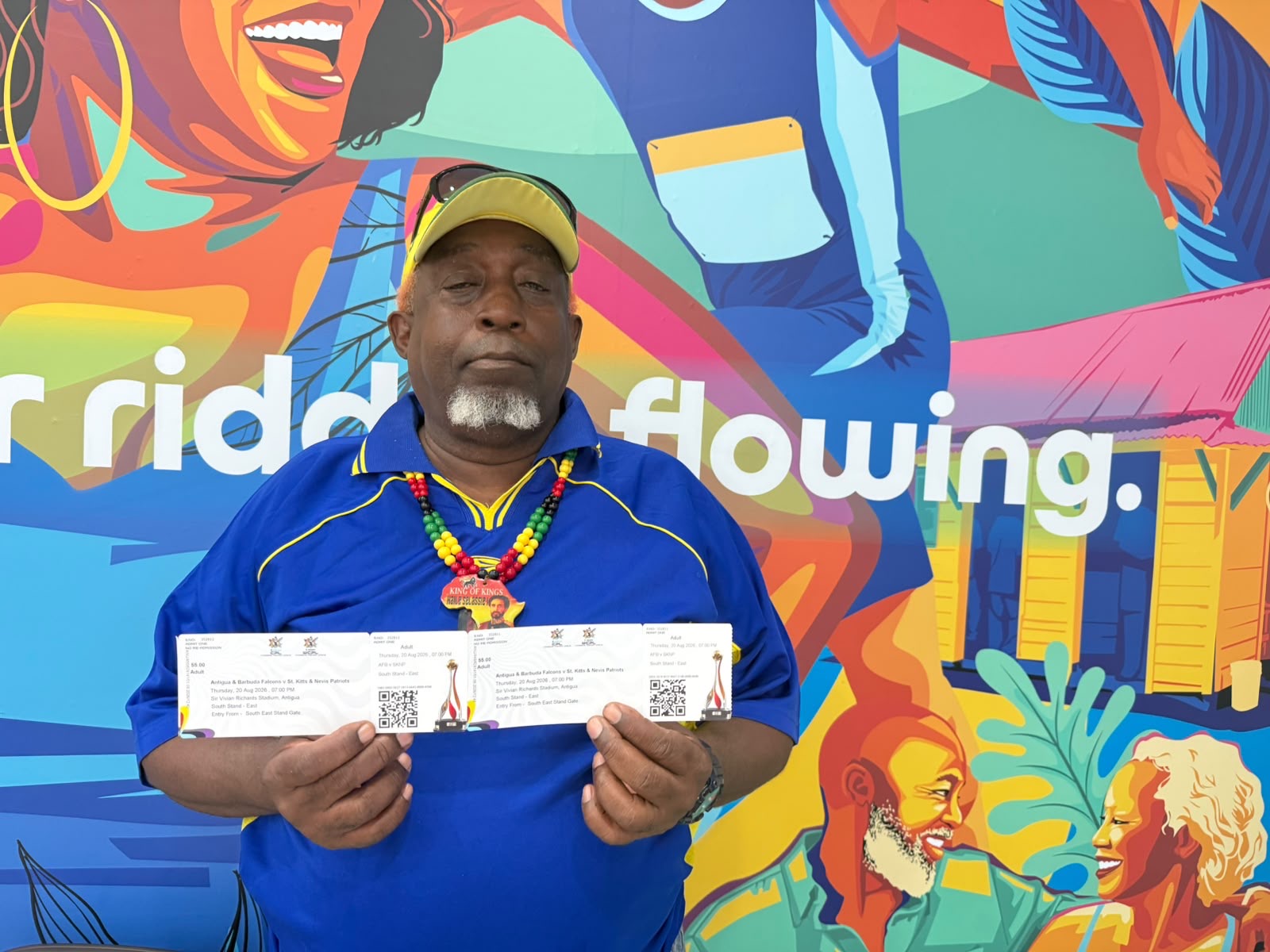
    Three new winners have recently been announced, walking away with sought-after prizes tied to the region’s biggest T20 cricket competition. Local residents Garfield Jacobs, Denise Harris-Potter, and Mario Dorset all secured CPL match tickets, granting them access to attend upcoming games in the ongoing tournament. Dorset additionally took home a branded cooler as part of his prize package, joining the growing list of customers who have claimed rewards through the weeks-long campaign.

    Flow launched the summer campaign to connect with local sports fans and thank customers for their ongoing support, aligning the promotion with the excitement of one of the Caribbean’s most anticipated annual sporting events. Images released by the company show all three winners proudly displaying their prizes, celebrating their good fortune ahead of the upcoming matches they will attend.