作者: admin

  • UB40’s Labour of Love revisits Billboard

    UB40’s Labour of Love revisits Billboard

    Four decades after its initial success, UB40’s iconic reggae album ‘Labour of Love’ demonstrates remarkable staying power on music charts worldwide. The British band’s fourth studio recording, originally released in 1983, has re-entered Billboard’s Reggae Albums chart at number nine this week, nearly 40 years after its debut. This chart reappearance follows the album’s peak performance in 2022 when it reached number six—its highest position to date on this particular chart.

    The ten-track collection, consisting primarily of covers originally performed by Jamaican artists, includes celebrated renditions of ‘Sweet Sensation’ by The Melodians, Jimmy Cliff’s ‘Many Rivers to Cross,’ Eric Donaldson’s ‘Cherry Oh Baby,’ and Winston Tucker’s ‘Please Don’t Make Me Cry.’ The album’s enduring appeal is further evidenced by its platinum certification status across multiple nations including the United States, New Zealand, Canada, and the Netherlands.

    Billboard’s current reggae chart landscape continues to be dominated by Bob Marley and the Wailers’ ‘Legend,’ which maintains its extraordinary reign at number one for an unprecedented 312 non-consecutive weeks. The chart’s upper ranks feature Shaggy’s ‘Best of Shaggy: The Boombastic Collection’ holding steady at number two, followed by Sean Paul’s ‘The Trinity’ and ‘Dutty Rock’ at three and four respectively. Stick Figure claims three consecutive positions with ‘World on Fire,’ ‘Wisdom,’ and ‘Set in Stone’ occupying spots five through seven.

    Regional charts show significant activity with Neto Yuth and Anthony B’s ‘So Long’ continuing its leadership on the Rebel Vibez Top Ten Canadian Reggae chart. In New York, Sherell Rosegreen’s ‘Come Jesus Come’ retains the top position for a second week, while White Mice’s ‘One Blood’ and Busy Signal’s ‘Conscious Vibes’ show upward movement. South Florida’s reggae chart welcomes a new number one with the Mr Vegas-produced remix of ‘Pitta Patta’ by Ernie Smith and Ed Robinson.

  • COMMENTARY: From Bananas to Banking to Passports – A Pattern of Economic Disqualification: Understanding the Pattern Behind the Caribbean CBI Debate

    COMMENTARY: From Bananas to Banking to Passports – A Pattern of Economic Disqualification: Understanding the Pattern Behind the Caribbean CBI Debate

    Caribbean nations are confronting what analysts identify as a recurrent pattern of economic marginalization as Western powers intensify pressure on Citizenship by Investment (CBI) programs. This development represents the latest episode in a decades-long cycle where small island states face systematic disqualification of their economic strategies.

    The historical precedent dates to the 1990s Banana Preference Crisis, when Caribbean economies lost protected EU market access following WTO intervention by the United States. Small-scale farmers were compelled to compete against industrial agribusiness conglomerates, resulting in catastrophic export collapse across Dominica, St. Lucia, and neighboring islands. The episode established a troubling pattern: global rules applying uniformly in theory but asymmetrically in impact.

    A parallel scenario emerged during the offshore banking era of the 2000s-2010s. Caribbean jurisdictions implementing internationally compliant financial services faced aggressive de-risking practices, FATCA enforcement, and OECD blacklisting. Correspondent banking relationships vital for economic survival were severed without individualized risk assessments, while Western financial centers like Delaware and Luxembourg maintained opaque structures with minimal scrutiny.

    The current CBI confrontation reveals identical characteristics. The European Commission’s 2025 Visa Suspension Mechanism explicitly targets the very existence of CBI programs, while the U.S. Presidential Proclamation of December 2025 imposes visa restrictions citing systemic risk rather than documented abuses. This represents a fundamental policy shift where compliance becomes insufficient and program elimination emerges as the apparent objective.

    Analysts note consistent double standards throughout these episodes. While restricting Caribbean development tools, Western nations continue operating their own economic residence schemes and offshore financial services. The structural asymmetry demonstrates how revenue streams permissible for major powers become classified as threats when utilized by small states.

    The emerging policy environment operates through discretionary mechanisms citing national security and migration control, contrasting with the relatively predictable WTO framework that governed earlier disputes. This fluid power dynamic increasingly narrows development pathways for Caribbean nations seeking sustainable economic models.

    Regional coordination through OECS and CARICOM frameworks appears essential for formulating effective responses. Experts emphasize the necessity of diversified investment strategies, shared regulatory infrastructure, and diplomatic engagement that treats Caribbean states as partners rather than risk categories. The fundamental challenge involves constructing multilateral solutions that are genuinely developmental rather than selectively punitive.

    This historical perspective suggests that removing revenue streams without replacement strategies typically produces economic contraction rather than reform. The region now faces the critical task of advancing beyond reactive defense toward strategic pattern recognition and coordinated diplomacy to secure legitimate economic sovereignty.

  • Sir Calixte George to receive honorary doctorate at UWI graduation

    Sir Calixte George to receive honorary doctorate at UWI graduation

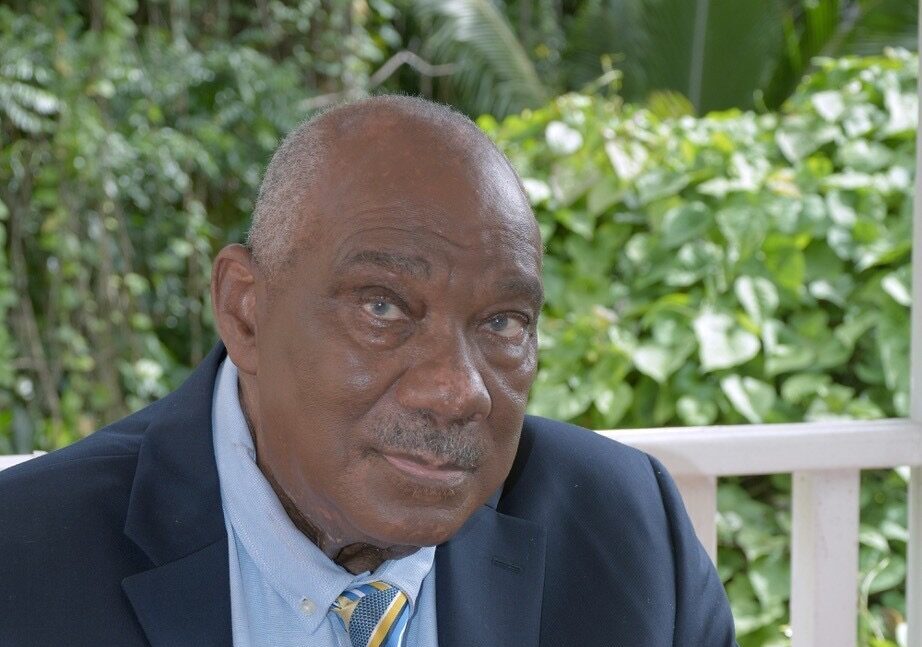
    The University of the West Indies Global Campus will bestow one of its highest honors upon Sir Calixte George, a revered Saint Lucian agronomist and statesman, during its virtual commencement exercises scheduled for January 10, 2025. The ceremony will confer the honorary Doctor of Laws degree in recognition of his transformative contributions to agricultural science, regional development, and public service throughout the Caribbean region.

    Originally planned for November 2025, the graduation event was rescheduled due to disruptions caused by Hurricane Melissa. While recovery efforts continue in parts of Jamaica, the university will proceed with celebrating graduates across the Caribbean basin.

    Sir Calixte’s distinguished career encompasses over sixty years of pioneering work that fundamentally reshaped the region’s agricultural landscape. As one of the earliest graduates of UWI’s St. Augustine campus, he revolutionized farming practices through advanced research and comprehensive training programs throughout the Windward Islands. His leadership extended to directing the Caribbean Agricultural Research and Development Institute (CARDI), where he engineered modernization initiatives for the banana industry through the West Indies Banana Development and Exporting Company.

    Beyond agricultural innovation, Sir Calixte championed workers’ rights, securing landmark improvements for civil servants, and occupied multiple high-level government positions including Senate President, Leader of Government Business, and ministerial roles across various portfolios. His visionary governance included spearheading telecommunications liberalization within the Organization of Eastern Caribbean States and serving as the inaugural chairman of the Eastern Caribbean Telecommunications Authority.

    Knighted as a Commander of the Order of Saint Lucia, Sir Calixte remains active in scholarly writing and professional mentorship. Dr. Francis O. Severin, Pro Vice-Chancellor and Principal of UWI Global Campus, praised the honoree as “an authentic Eastern and Pan-Caribbean public servant” whose lifetime of work embodies selfless dedication and exceptional service to the region.

  • “Born females” invited to register for Miss Anguilla Pageant

    “Born females” invited to register for Miss Anguilla Pageant

    The search for Anguilla’s next cultural ambassador has officially commenced with the opening of registration for the 2026 ‘Once Upon a Queen’ pageant. Organizers have announced a nationwide call for aspiring contestants who embody the values of elegance, intelligence, and national pride.

    Prospective candidates must meet specific eligibility criteria to participate in the prestigious competition. Applicants must be born female between the ages of 18 and 27, never married, and without children. Additionally, requirements include Anguillian citizenship or legal residency, English fluency, and a minimum of four Caribbean Secondary Education Certificate (CSEC) passes including English language proficiency.

    The competition framework emphasizes personal development and cultural representation rather than conventional beauty standards. The thematic concept ‘Once Upon a Queen’ invites participants to envision their potential reign as a transformative journey of self-discovery and national service.

    Registration will remain open through January 31st, 2026, providing ample time for qualified individuals to complete the application process. The selected queen will assume responsibilities as a cultural representative and role model for Anguillian youth and women.

    This biennial event forms part of Anguilla’s broader efforts to promote cultural diplomacy and youth empowerment through traditional pageantry formats. The competition aims to showcase the island’s talent while maintaining international pageant standards aligned with contemporary values of education and social responsibility.

  • EC supports adoption of minimum tax for multinationals

    EC supports adoption of minimum tax for multinationals

    In a historic move for international fiscal policy, the Organisation for Economic Co-operation and Development (OECD) has secured approval from 145 nations for a groundbreaking global tax reform framework. The cornerstone of this agreement is the implementation of a universal 15% minimum tax rate for multinational corporations, representing one of the most significant overhauls of international tax rules in decades.

    The European Commission, serving as the executive branch of the EU, has championed the agreement as a stabilizing force for the global taxation system. According to their official statement, the framework establishes simplified regulations that ensure equity while maintaining corporate competitiveness. The Commission emphasized that the treatment safeguards effective minimum taxation for multinational enterprises while enhancing legal certainty and predictability for European businesses.

    A critical component of the agreement includes a specialized exemption mechanism designed specifically for U.S. companies, addressing Washington’s concerns that threatened to derail the entire initiative. This concession proved essential to securing broad international participation.

    Despite the widespread support, the Independent Commission for International Corporate Tax Reform has expressed reservations since 2021. The watchdog organization has consistently warned that such tax conventions disproportionately affect developing nations, which suffer greater revenue losses from tax abuses and rely more heavily on corporate income taxes for public funding.

    The OECD regards the agreement as both a major political achievement and technical milestone that establishes foundations for stability and legal certainty in the international tax landscape. This multilateral consensus follows years of negotiations and represents a coordinated effort to address tax avoidance strategies employed by large multinational corporations operating across borders.

  • Venezuela:National Armed Forces reiterate support for Delcy Rodriguez

    Venezuela:National Armed Forces reiterate support for Delcy Rodriguez

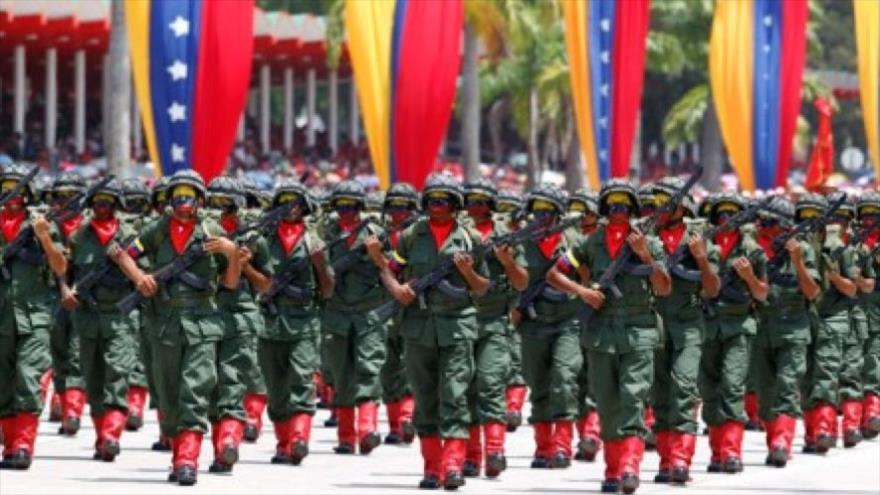
    In a dramatic escalation of geopolitical tensions, Venezuela’s government has undergone a significant transition of power following what it describes as an armed attack by the United States. According to reports from the multi-state network Telesur based in Caracas, U.S. forces allegedly kidnapped constitutional President Nicolás Maduro and First Lady Cilia Flores on January 3, transporting them to New York.

    In response to this development, the Constitutional Chamber of Venezuela’s Supreme Court of Justice issued an order transferring presidential powers to Delcy Rodríguez, who was formally sworn in before the National Assembly on January 5. The ceremony marked the constitutional continuation of governance amid what Venezuelan authorities characterize as an act of international aggression.

    Defense Minister Vladimir Padrino López affirmed the military’s unwavering commitment to national stability, echoing Maduro’s principle of prioritizing ‘peace as both a means and an end.’ The official emphasized the Bolivarian National Armed Forces’ (FANB) dedication to preserving Venezuela’s ‘sacred good of independence’ while demonstrating commitment to national unity.

    Padrino López further declared that ‘the nation continues its unstoppable march toward economic prosperity, development, and the reconciliation of all Venezuelans,’ projecting confidence in Venezuela’s institutional resilience despite the unprecedented circumstances. The government’s statements frame recent events within a broader narrative of national sovereignty resistance against external intervention.

  • Clashes erupt between Syrian Army and SDF militia

    Clashes erupt between Syrian Army and SDF militia

    The Syrian Arab Army has executed targeted military operations against Kurdish-led forces in eastern Aleppo province, marking a significant escalation in ongoing tensions. According to a military source interviewed by Ikhbariya TV, army units identified and struck drone-launching positions operated by the Syrian Democratic Forces (SDF) near the town of Deir Hafer.

    This military response comes directly after Syria’s Defense Ministry reported six combined civilian and military casualties from an SDF drone attack on Monday evening. Official statements characterized this incident as a ‘new escalation’ despite ongoing negotiations between the government and the militia group.

    The Syrian military institution emphasized that its retaliatory measures would remain ‘limited’ in scope, though no specific operational details were disclosed regarding future operations or strategic objectives.

    This confrontation occurs against a backdrop of fundamental political disagreements. In late December, Syria’s Foreign Ministry formally rejected the SDF’s decentralization proposal, warning that such initiatives threaten national unity and cement the authority of de facto entities in northeastern regions.

    The SDF, which maintains control over approximately one-quarter of Syrian territory across Hasakah, Raqqa, and Deir Ezzor provinces with substantial U.S. support, now faces increased military pressure from government forces amid these unresolved political disputes.

  • UN condemns US aggression against Venezuela

    UN condemns US aggression against Venezuela

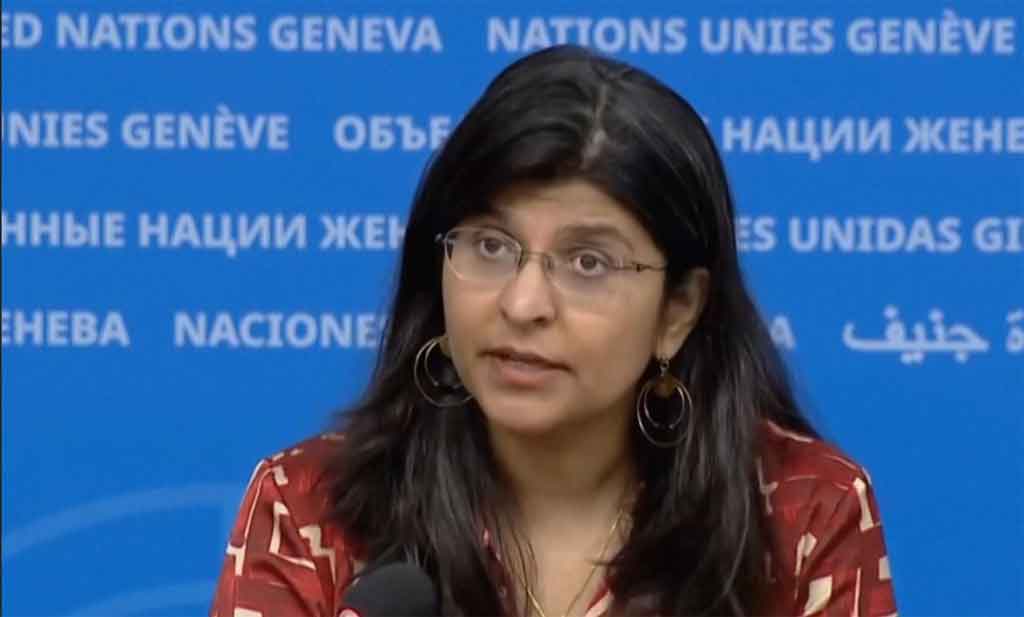
    United Nations human rights officials have issued a stern condemnation of recent US actions against Venezuela, warning that such measures have created heightened global insecurity. Ravina Shamdasani, speaking on behalf of UN human rights authorities, declared that the January 3rd operation conducted by Washington—which involved the attempted abduction of President Nicolás Maduro and First Lady Cilia Flores—has compromised the security of all nations.

    Shamdasani emphasized that this aggressive intervention represents a clear violation of established international legal standards and fundamental principles enshrined in the UN Charter. Specifically, she referenced the Charter’s prohibition against member states threatening or using force to undermine the territorial integrity or political independence of any sovereign nation.

    UN Secretary-General António Guterres separately addressed the escalating situation, expressing deep concern about the regional repercussions and potential damage to international diplomatic relations. Guterres stressed that global peace and security depend entirely on the unwavering commitment of all nations to uphold every provision of the UN Charter without exception.

    The Secretary-General further elaborated that comprehensive respect for the Charter must be accompanied by adherence to all applicable legal frameworks, with particular attention to preserving the political independence and territorial integrity of states.

    Venezuela’s Permanent Representative to the UN, Samuel Moncada, simultaneously demanded immediate respect for his country’s sovereignty and the unconditional release of President Maduro and his wife, characterizing their detention as an illegal act of aggression that requires urgent international resolution.

  • Defence Force Announces Live-Firing Exercise

    Defence Force Announces Live-Firing Exercise

    The Antigua and Barbuda Defence Force (ABDF) has officially disclosed plans for its upcoming Officer Candidate Training Course 2501, which will feature comprehensive live-ammunition drills at the Crabbs Training Facility. Scheduled from January 5 through January 9, 2026, these intensive training operations will run daily between 9:00 AM and 6:00 PM.

    In a distinctive development, the military unit has programmed a specialized nocturnal live-fire session on Thursday, January 8. This after-dark training module is projected to conclude by 8:00 PM, extending the day’s activities beyond typical daylight hours.

    Authorities have proactively issued advisories to communities adjacent to the training grounds, alerting residents to anticipate audible detonations and substantial explosive reverberations during the exercise periods. The defense force emphasizes that these activities are part of structured training protocols and reassures citizens that comprehensive safety measures will be rigorously implemented throughout all operations.

    The ABDF leadership has expressed gratitude for civilian cooperation and understanding, highlighting that such training endeavors are fundamental to maintaining operational readiness and reinforcing the nation’s defense capabilities. These exercises represent the military’s ongoing commitment to excellence in professional training and national security preparedness.

  • UK Home Office universal permission to travel

    UK Home Office universal permission to travel

    The United Kingdom is undertaking a comprehensive digital transformation of its border and immigration infrastructure, phasing out all physical documentation in favor of a fully electronic system. Spearheaded by the Home Office, this initiative will replace traditional visas and permits with digital counterparts linked directly to individual immigration status and identity.

    Central to this modernization effort is the introduction of Electronic Travel Authorisations (ETAs/ESSA) for short-term visitors from non-visa requiring countries, while existing visa holders will transition to electronic visas (E-visas). The system mandates that all travelers except British and Irish citizens, along with those exempt from immigration control, must obtain advance digital permission before journeying to the UK.

    Effective February 25, 2026, carriers including airlines and maritime services will be required to verify these digital permissions during boarding procedures. Manual checks will only occur as a secondary measure when no digital permission is detected, potentially resulting in boarding denial for non-compliant travelers.

    Current holders of physical immigration documents—such as Biometric Residence Permits or those with Indefinite Leave to Remain status—must proactively establish online accounts to manage their E-visas and ensure passport details remain current. Dual nationals possessing British citizenship alongside another nationality must travel exclusively on their British or Irish passport, with expired documents rendering them ineligible for travel.

    Special provisions exist for diplomatic personnel, consular staff, government ministers, and employees of international organizations along with their immediate families. These individuals may apply for an exempt vignette—a free, biometrics-exempt digital confirmation of their immigration control exemption that typically processes within five to seven days.

    The Ministry of Foreign Affairs, Trade and Export Development advises all stakeholders to communicate these changes extensively through official channels, social media, and travel advisories. Travelers are urged to apply for ETAs at least three days before departure, while eligible officials should seek exempt vignettes well in advance of their travel dates to prevent disruptions.