作者: admin

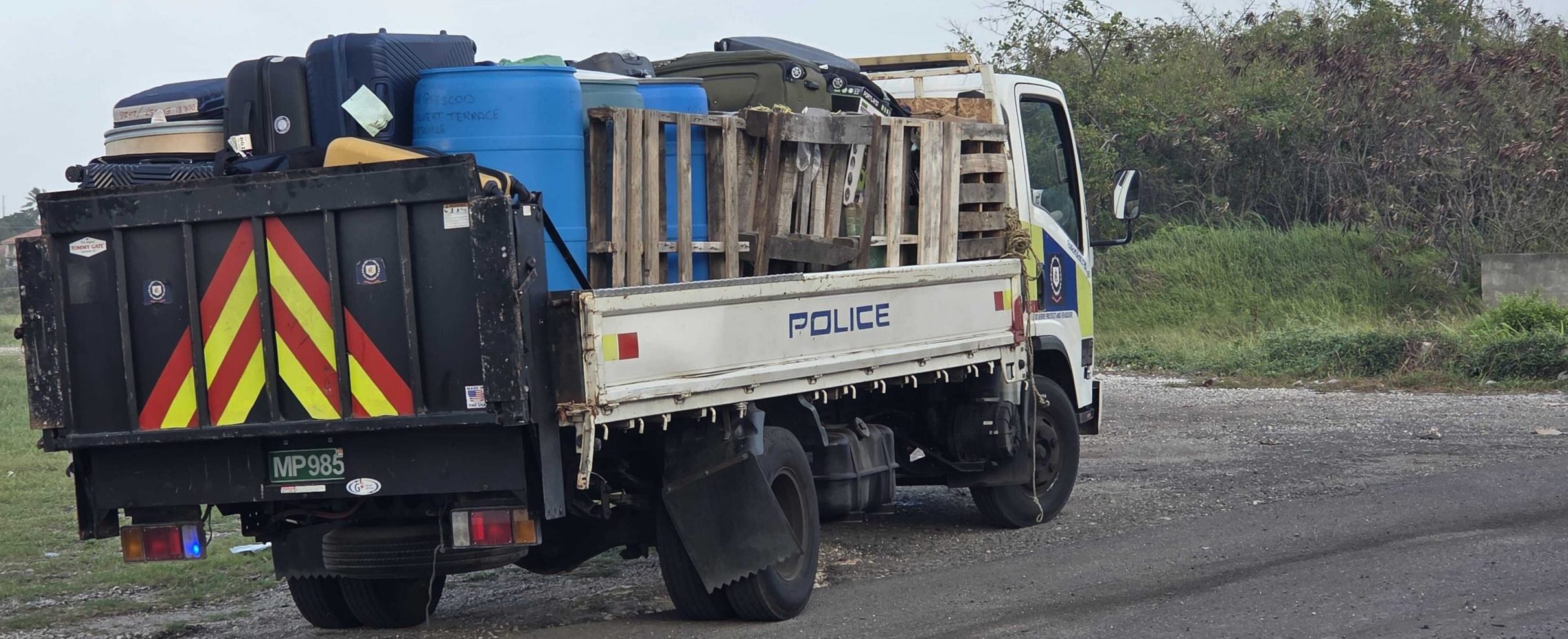
  • Cummings pledges ‘every effort’ amidst ‘super critical’ Grenadine water crisis

    Cummings pledges ‘every effort’ amidst ‘super critical’ Grenadine water crisis

    A devastating combination of historic low rainfall, lingering storm damage, and growing demand has pushed the Grenadine Islands of St. Vincent and the Grenadines into what health authorities are calling a “super critical” water shortage, prompting emergency relief measures while the government moves forward with long-overdue infrastructure projects to end chronic water insecurity in the region.

    In a radio interview with NBC Radio on May 14, 2026, Health Minister Daniel Cummings — a former general manager of the country’s Central Water and Sewerage Authority (CWSA) — explained that while the entire nation is grappling with drought conditions amplified by the 2021 eruption of La Soufriere volcano, the most severe crisis is concentrated in the smaller Grenadine islands. Unlike mainland St. Vincent, which draws water from natural rivers and mountain springs, the Grenadines have no permanent surface streams and limited groundwater reserves, leaving the chain almost entirely dependent on harvested rainwater stored in private household tanks and public catchment systems.

    Cummings outlined three overlapping factors that pushed the region into its current emergency. First, the 2025 wet season brought just 687.1 millimeters of rainfall across the country — less than half the average recorded over the previous four years, which saw between 1,455 mm and 1,552 mm of rain annually. Second, Hurricane Beryl, which made landfall in July 2024, caused widespread damage to the region’s rain-harvesting infrastructure: many rooftops and their water-channeling guttering systems were destroyed, hundreds of private storage tanks were shattered or contaminated after being breached, and public hillside catchment systems that feed large communal storage tanks were also severely damaged. Third, growing domestic and commercial demand for water has stretched already depleted reserves even thinner.

    The lingering impacts of the 2021 La Soufriere eruption have also worsened national water stress, Cummings added. The volcanic blast destroyed vast swathes of mountain vegetation on mainland St. Vincent, reducing the natural retention of rainfall and lowering output from the rivers and springs that supply the mainland. Combined with the ongoing rainfall deficit, this has left the country with far less available water to meet population needs.

    Since mid-January 2026, the CWSA has been urging all residents to activate their personal household water storage plans as drought conditions worsened. Now, facing an acute crisis in the Grenadines, the authority is relying on what Cummings calls an expensive and stopgap but unavoidable emergency measure: shipping bulk water by sea to the southernmost islands of the chain, including Union Island, before distributing it to communities via trucks. The CWSA has rented multiple private vessels to accommodate the emergency deliveries, and service frequency is being adjusted in real time based on need — for example, officials added a second delivery to the southern Grenadines within three days after the first shipment proved insufficient to meet demand.

    “The transportation of water by boats and subsequently by trucks to the various parts of the Grenadine islands is the most expensive and improper way of doing it, but it has got to be done, because the situation is now super critical,” Cummings said, adding that the agency will continue emergency deliveries for as long as they are required. He praised CWSA staff for their rapid response, noting that the agency is performing beautifully within its current operational constraints.

    To address gaps in equitable distribution, the CWSA has implemented a new oversight system: a dedicated CWSA staff member is now posted on each Grenadine island to supervise water distribution, ensuring that no resident is left without access to water for extended periods. The agency is also continuously monitoring storage levels, community demand, and delivery intervals to make proactive adjustments to supply, to maintain a minimum baseline of water access for all residents. As the official June 1 start of the 2026 rainy season approaches, CWSA teams are also working to clean and sanitize damaged public storage tanks to capture as much rainfall as possible when wet weather arrives.

    Looking beyond emergency relief, Cummings confirmed the country is on track to secure roughly US$53 million in investment for long-term water infrastructure in the Grenadines, including desalination plants, expanded storage facilities, and a full transmission and distribution network. The minister, who first developed these plans when he led the CWSA in the early 2000s, said the projects will finally bring the Grenadines a reliable year-round piped water supply matching the system that has served neighboring Grenada’s Grenadine islands — Carriacou and Petite Martinique — for decades. Emergency water shipments and other short-term measures are only a stopgap, he noted, and the long-awaited infrastructure projects will address the root of the Grenadines’ chronic water insecurity.

  • Xi Warns Trump on Taiwan as U.S.-China Talks Focus on Global Tensions

    Xi Warns Trump on Taiwan as U.S.-China Talks Focus on Global Tensions

    On May 14, 2026, the first day of high-level bilateral talks between Chinese President Xi Jinping and U.S. President Donald Trump concluded in Beijing, bringing the world’s two largest economies together to address a raft of pressing global and bilateral issues against a backdrop of longstanding geopolitical friction. The summit opened with formal ceremonial welcomes, followed by closed-door bilateral discussions, a state banquet held at Beijing’s iconic Great Hall of the People, and cultural excursions across the capital, with a second day of negotiations scheduled ahead of Trump’s departure on Friday.

    In his address at the state banquet, President Xi framed the bilateral relationship between China and the United States as the most consequential bilateral partnership for global stability and prosperity. He stressed that both nations bear a shared responsibility to manage ties responsibly, noting, “We must make it work and never mess it up.” Yet Xi also issued a firm, clear warning on the Taiwan issue, which has remained the single most sensitive flashpoint in U.S.-China relations for decades. Xi identified Taiwan as the most important core issue in bilateral ties, cautioning that any mismanagement of the question would trigger a “very dangerous situation” with far-reaching consequences for both countries and the broader Asia-Pacific region.

    The long-running dispute over Taiwan remains a persistent source of friction: Beijing views the self-governing island as an inalienable part of Chinese territory and has repeatedly pledged to achieve reunification, reserving the right to use military force if necessary. The United States, meanwhile, maintains unofficial diplomatic and security ties with Taipei, and continues to supply defensive military equipment to the island under its longstanding one-China policy framework. Following the first day of talks, U.S. Secretary of State Marco Rubio reaffirmed that Washington’s Taiwan policy remains unchanged, emphasizing that any unilateral, forced alteration to the status quo across the Taiwan Strait would damage the interests of both China and the United States.

    Beyond the Taiwan issue, the first day of talks focused heavily on the escalating regional conflict involving Iran and its cascading risks to global energy security. Senior White House officials confirmed that both leaders reached a shared agreement that the Strait of Hormuz, the strategic waterway through which roughly a fifth of global oil supplies pass each day, must remain open to commercial shipping and must not be militarized by any party.

    Rubio added that U.S. negotiators brought up longstanding American concerns over Iran’s nuclear development program during the discussions, though the U.S. side did not formally request direct intervention or assistance from China on the issue. Chinese representatives, for their part, reiterated Beijing’s longstanding public position that it opposes the development of nuclear weapons by Iran, aligning with the international community’s non-proliferation goals.

    A notable feature of President Trump’s visit is the delegation of top American business leaders accompanying him, including high-profile figures Tesla and SpaceX CEO Elon Musk, Apple CEO Tim Cook, and NVIDIA CEO Jensen Huang. Trump told reporters during the trip that the executives joined the visit to demonstrate respect for bilateral commercial ties and to work toward strengthening economic cooperation between U.S. firms and Chinese partners. The talks are expected to produce further clarity on bilateral economic and trade commitments when negotiations conclude on Friday.

  • Leacock defends decision to put police in schools

    Leacock defends decision to put police in schools

    The government of St. Vincent and the Grenadines is moving forward with a controversial plan to station full-time regular police officers at all schools across the country, defying growing public criticism from legal and community leaders who warn the policy will militarize the nation’s education system. Deputy Prime Minister and National Security Minister St. Clair Leacock confirmed the policy’s progression in an interview with local broadcaster NBC on Wednesday, announcing that two Assistant Commissioners of Police, Benzil Samuel and Hezron Ballantyne, will oversee the rollout and management of school security operations nationwide.

    Currently, only a subset of St. Vincent and the Grenadines’ schools have dedicated security personnel, Leacock explained. Larger campuses with 300 or more enrolled students currently rely on auxiliary police officers, but the minister argued these part-time and less trained personnel are stretched too thin to address rising safety concerns, and their authority is often not respected by students in the way that sworn regular police officers would be.

    The plan has drawn sharp pushback from prominent local voices, including Jomo Thomas, a well-known lawyer and social commentator. Thomas has argued that deploying uniformed police to school campuses does nothing to address the root causes of youth violence, and instead risks turning academic institutions into securitized spaces that mirror the punitive school environment seen in many United States public schools. He went so far as to label the proposal a “horrible suggestion” that erodes the foundations of a open, supportive learning environment.

    Leacock pushed back against these criticisms in his Wednesday remarks, emphasizing that the new police deployment is designed not just to crack down on student misbehavior, but to stabilize overall public safety across school campuses and their surrounding communities. While opponents argue that no police presence belongs in educational spaces, the minister made clear the government rejects this position, noting that the policy was developed through months of evidence-based engagement with education leaders and community stakeholders.

    Leacock explained that the national police high command has held extensive consultations with school principals, parent-teacher associations across the country, and completed independent site assessments to confirm the scope of safety challenges. He added that school leaders themselves have repeatedly requested law enforcement intervention to address ongoing issues that educators do not have the training or authority to resolve.

    The core goal of the new deployment, Leacock said, is to curb the unacceptable patterns of dangerous behavior that have plagued public spaces, including school campuses, in recent weeks. The minister declined to overstate the scale of the challenges facing the school system, but noted that the issues are already an open secret among the public, with principals regularly flagging growing concerns including weapons possession on campus, drug trafficking among students, and violent confrontations that put staff and peers at risk.

    Asked who should address these threats if not law enforcement, Leacock questioned why the public would expect untrained teachers to enter dangerous confrontations with students armed with weapons, or forgo routine searches to intercept contraband before it enters campus. Addressing these complex safety threats is the core responsibility of specialized, trained law enforcement, the minister concluded, reaffirming that the government will not abandon the plan despite continued opposition.

  • OECS workshop advances regional agenda for port reform and maritime digitalisation

    OECS workshop advances regional agenda for port reform and maritime digitalisation

    Between April 28 and 30, 2026, key stakeholders from across the Eastern Caribbean gathered in the island nation of Saint Lucia for a landmark high-level workshop focused on catalyzing urgent reform, digital transformation, and cross-border cooperation for the region’s port and maritime sectors. Hosted at the Bay Gardens Hotel, the three-day event was coordinated by the Organisation of Eastern Caribbean States (OECS) Commission, in strategic partnership with the World Bank and the European Union, bringing together cabinet ministers, senior public servants, top port and customs officials, regional maritime and logistics industry leaders, and global technical experts.

    This workshop forms a core preparatory step for the upcoming Caribbean Connectivity and Logistics Regional Programme, a major initiative backed by World Bank financing. It also laid critical groundwork for shaping future EU investment in the region’s maritime transport sector under the bloc’s Global Gateway Strategy. Central to all deliberations were two overlapping goals: upgrading outdated Eastern Caribbean maritime infrastructure and gateways, and forging stronger, more integrated collaboration between national customs and port authorities.

    Opening the formal proceedings, Shawn Edwards, Saint Lucia’s Minister for Infrastructure, Port Services and Energy, framed port system transformation as an existential priority for small island developing states across the region. “As global shipping shifts toward larger vessels and greater industry consolidation, we are already grappling with exorbitant freight costs, limited shipping route options, and chronic infrastructural gaps,” Edwards explained. “Against this backdrop, reform, digitalization, and cross-sector cooperation are not optional upgrades—they are non-negotiable requirements for our long-term economic growth and resilience.” Edwards emphasized that regional ports must continuously evolve to keep pace with the changing demands of the global economy.

    Darwin Telemaque, Chairman of the Port Management Association of the Caribbean, echoed Edwards’ call for urgent, decisive action to overhaul outdated port operations and regulatory frameworks across the region. Telemaque noted that many Eastern Caribbean ports still operate under bureaucratic and structural systems inherited from the mid-20th century, creating unnecessary barriers to growth. “The region is crying out for sweeping regulatory reform,” he said. “It is past time to free the private sector and ordinary citizens from the outdated shackles that have held back our ports for decades.”

    Alexander Agosti, Country Representative for Eastern Caribbean Countries at the World Bank, stressed that sustained political commitment is critical to unlocking long-term gains in port efficiency. Agosti pointed out that underperforming port systems drive up the cost of doing business across the Caribbean and limit access to new economic opportunities for local communities. He reaffirmed the World Bank’s ongoing commitment to supporting regional cooperation and building the institutional capacity required to implement durable, far-reaching reforms.

    For the European Union, Ambassador-designate Fiona Ramsey used the gathering to announce new financing mobilized through the Global Gateway Strategy to support maritime transport infrastructure modernization across the Eastern Caribbean. Ramsey noted that maritime shipping is the backbone of global trade, carrying 80% of total global trade volume by measure of size—and that figure rises to 90% for intra-regional trade across the Caribbean. She emphasized that coordinated regional integration is key to avoiding wasteful duplication of costly infrastructure projects, while unlocking new economic opportunities for local businesses, smallholder farmers, and emerging entrepreneurs.

    Ricardo James, Head of Trade Policy Development at the OECS Commission, also addressed attendees, highlighting the urgent need to strengthen implementation of existing regional trade and transport agreements and frameworks, including those established under the Revised Treaties of Basseterre and Chaguaramas. “We already have strong frameworks in place—now we need to activate and reactivate them,” James said. “We must use these existing agreements to set a clear agenda and work program to address the persistent challenges facing our transport sector.”

    Over the course of the three-day workshop, participants engaged in targeted working sessions to map the full range of challenges and opportunities tied to port reform, digital innovation, and enhanced customs cooperation. Port and customs leaders from across the region shared on-the-ground experiences with technological upgrades and cross-agency operational coordination, while representatives from the World Bank, International Maritime Organization, and European Union presented findings from ongoing research and outlined the technical support packages available to OECS member states.

    By the close of the event, attendees reached a broad consensus on the need to accelerate legislative, policy, regulatory, and institutional reforms designed to improve maritime transport governance, boost operational efficiency, and attract much-needed private and public investment in port infrastructure and integrated logistics systems. Discussions also repeatedly emphasized the value of breaking down silos between customs and port operations, through updated legal frameworks, restructured core business processes, and the widespread adoption of digital, data-driven management systems.

    In their closing statement, participants reaffirmed the urgent need to roll out practical, actionable reforms to strengthen port governance, secure sustainable long-term financing, and advance digital transformation across the entire Caribbean. The workshop also underscored the critical importance of coordinated regional action among OECS members and the wider CARICOM bloc to boost connectivity, transparency, and climate and economic resilience across the regional maritime sector.

  • Man Injured After Vehicle Crashes Into Tree on Airport Road

    Man Injured After Vehicle Crashes Into Tree on Airport Road

    On Thursday, local emergency response teams were dispatched to the scene of a road traffic incident along Airport Road, following reports that a passenger vehicle had veered off the roadway and collided with a stationary tree.

    Early official updates confirm that one male occupant of the vehicle sustained unspecified injuries in the crash. He was quickly evacuated by emergency medical services to the Sir Lester Bird Medical Centre, where he has been admitted for ongoing medical care. As of the latest update, medical authorities have not released any further details regarding the severity or nature of the man’s injuries to protect patient privacy.

    At this stage, the root causes and specific sequence of events that led to the collision remain unconfirmed, with multiple potential factors still under review. While first responders and crash investigation teams secured and processed the accident site, passing motorists faced significant traffic disruptions and extended travel delays along the route.

    Local law enforcement agencies have announced that a full formal investigation into the incident is now underway to clarify the circumstances of the crash and determine any contributing factors.

  • Antigua and Barbuda Launches US$12.3 Million Project to Improve Disaster Warnings and Emergency Preparedness

    Antigua and Barbuda Launches US$12.3 Million Project to Improve Disaster Warnings and Emergency Preparedness

    Against a backdrop of escalating climate uncertainty and worsening extreme weather events across the Caribbean, Antigua and Barbuda has formally launched a landmark five-year initiative to transform the nation’s disaster preparedness infrastructure, centered on delivering universal early warning access for all residents. The $12.3 million project, part of the global Early Warnings for All (EW4ALL) movement, is backed by a grant from the Green Climate Fund (GCF) and implemented in partnership with the United Nations Development Programme (UNDP). Its official launch was marked by the National Inception Workshop, hosted at St. John’s Trade Winds Hotel, which brought together senior government leaders, disaster risk management specialists, and representatives from multiple United Nations agencies to align technical strategies and regulatory frameworks for the initiative.

    As one of the nations most acutely vulnerable to climate-driven disasters globally, Antigua and Barbuda holds the fifth position on the World Risk Index – a ranking that makes a proactive shift from reactive disaster response to pre-emptive risk mitigation an urgent national priority. Speaking at the workshop’s keynote session, Hon. Kiz Johnson, Minister of State in the Ministry of Social and Urban Transformation, stressed that the project is intentionally designed to close coverage gaps for marginalized and hard-to-reach communities across the twin-island nation. “We are here to ensure that early warning information reaches the last mile,” Johnson said. “Whether it is a fisherman working off the coast of Barbuda or a household in a remote rural area of Antigua, this new system will deliver critical, life-saving updates in a language they understand, through communication channels they regularly use and trust.”

    The initiative will deliver two core sets of upgrades to the country’s disaster management ecosystem: first, it will update and modernize the national Disaster Management Act to align with modern resilience standards, and second, it will overhaul outdated monitoring hardware and digital infrastructure for the Antigua and Barbuda Meteorological Service (ABMS). This project is one component of a broader $103 million GCF-funded regional program led by UNDP, which is rolling out universal early warning systems across seven highly climate-vulnerable nations across the globe.

    Kristin Lang, GCF Regional Director for Latin America and the Caribbean, explained the urgent rationale for investing in early warning infrastructure across the region. “Communities across the Caribbean are already facing more intense hurricanes, sudden flash floods, and extended, crippling droughts as climate change progresses,” Lang noted. “Reliable early warning systems are non-negotiable for protecting lives, protecting local livelihoods, and preserving the hard-won development gains communities have worked for generations to build. Through this project, GCF is helping strengthen the institutional and information systems that let people anticipate climate risks and act before a disaster makes landfall. This country-led, practical approach to building resilience is exactly what the Caribbean needs as climate impacts continue to intensify.”

    A defining strength of the Antigua and Barbuda initiative is its multi-agency collaborative framework, which brings together all four UN lead pillar agencies for the global EW4ALL initiative: the World Meteorological Organization (WMO), the United Nations Office for Disaster Risk Reduction (UNDRR), the International Telecommunication Union (ITU), and the International Federation of Red Cross and Red Crescent Societies (IFRC). This cross-specialty partnership combines global technical expertise with local on-the-ground knowledge to build a system tailored to the unique needs of Antigua and Barbuda. On-the-ground implementation will be coordinated jointly by UNDP and the country’s National Office of Disaster Services (NODS), a government agency established in 1984 to coordinate all disaster management activities across the twin islands.

    Stephanie Ziebell, UNDP Deputy Resident Representative for Barbados and the Eastern Caribbean, framed the project as a transformative shift in how climate resilience action is delivered. “By combining the specialized technical expertise of our UN sister agencies with the nuanced local knowledge of national and community stakeholders, we are building a proactive protective shield for these islands,” Ziebell said during the workshop’s opening session.

    The two-day inception workshop structured a clear path forward for the initiative’s rollout. On the first day, participants focused on establishing a technical baseline for forecasting upgrades, with specific attention to improving monitoring for high-risk hazards including flash floods and storm surges. The second day is scheduled to include guided site visits to local Community Emergency Response Units (CERUs) and the Crabbs Search and Rescue Training Area, where delegates will observe firsthand how centralized technical data is translated into actionable public safety information at the community level. The workshop will wrap with the inaugural meeting of the EW4ALL Project Board, where the team will review milestones and plans for the first year of implementation.

    As climate patterns become increasingly unpredictable around the globe, the EW4ALL initiative stands as a top national priority for Antigua and Barbuda, designed to protect local livelihoods and ensure that no resident is left without life-saving information when a climate hazard approaches. For context, the Green Climate Fund is the world’s largest dedicated climate fund, operating as an independent financial entity under the UN Framework Convention on Climate Change to support the Paris Agreement’s goal of limiting global average temperature rise to well below 2°C above pre-industrial levels. To date, GCF manages a portfolio of 286 projects totaling $15.9 billion in direct investment ($61.3 billion including co-financing) that deliver transformative climate action across 133 developing countries, supporting a shift to low-emission, climate-resilient development pathways.

  • REOI: OECS Data for Decision Making Project – Consulting Services, Individual Consultant

    REOI: OECS Data for Decision Making Project – Consulting Services, Individual Consultant

    Grenada’s Central Statistical Office (CSO) has launched a call for expressions of interest from qualified individual consultants to fill a 12-month Communications and Stakeholder Support Officer role, embedded within the regional Organisation of Eastern Caribbean States (OECS) Data for Decision Making (DDM) Project. Backed by World Bank financing, this cross-national initiative is designed to upgrade statistical infrastructure across participating OECS member states, with a core goal of strengthening local systems to produce, analyze, and share high-quality official data that underpins evidence-based policy and public decision-making.

    As the national implementing body for Grenada’s component of the project, the CSO is currently gearing up to roll out two high-priority national surveys: the combined Survey of Living Conditions and Household Budget Survey (SLC–HBS), and the regular Labour Force Survey (LFS). For these large-scale data collection efforts to deliver accurate, representative results, broad public participation and clear buy-in from key stakeholders are non-negotiable. To meet this need, the CSO has identified a gap in targeted communications capacity, requiring a dedicated specialist to lead outreach, public sensitization, and stakeholder coordination to boost participation rates and maintain data integrity.

    The selected consultant will operate under the direct supervision of the CSO Director of Statistics, working in lockstep with the office’s technical teams and other project-appointed consultants. The role’s scope spans five core functional areas, starting with leading communications and outreach for the two flagship surveys. This includes developing accessible public education materials — from frequently asked questions and radio broadcast scripts to social media content and key talking points — supporting on-the-ground outreach such as media interviews, community information sessions, and stakeholder briefings, and monitoring public feedback to flag emerging communication risks to project leadership.

    Second, the consultant will serve as the CSO’s official focal point for the project’s broader Strategic Communications Consultancy, coordinating input, feedback, and scheduling between the external firm and CSO teams to ensure all communications outputs align with the office’s on-the-ground operational needs. Third, the role covers ongoing public relations and communications support, including drafting press releases, social media content, briefing notes, public notices, and talking points, helping to standardize consistent, accurate messaging around official statistics, and growing public awareness of the CSO’s work and data products.

    Fourth, the consultant will provide coordination and administrative support, maintaining up-to-date activity trackers, schedules, and stakeholder contact lists, supporting logistics for project meetings, workshops, media events, and public consultations, and preparing correspondence, meeting minutes, and follow-up documentation. Finally, the specialist will support project monitoring and reporting, tracking the implementation of all communications activities, preparing regular progress updates, maintaining organized records of all communications outputs and engagement activities, and supporting documentation for project reporting and audit requirements.

    By the end of the 12-month assignment, the consultant is expected to deliver a full suite of outputs including a comprehensive communications and stakeholder engagement work plan, all outreach and sensitization materials for the SLC–HBS, LFS, and other CSO project activities, media and stakeholder engagement content packages, updated activity trackers and communication logs, meeting minutes and action item follow-up documentation, regular progress and activity reports, and a fully organized digital repository of all communications and outreach materials.

    To be eligible for consideration, candidates must hold a bachelor’s degree in communications, public relations, journalism, marketing, media studies, public administration, management, or a closely related field, with a minimum of three years of hands-on professional experience in communications, public relations, stakeholder engagement, or program coordination. Prior experience working with government agencies, donor-funded projects, or public sector programs is considered a significant advantage. Required core skills include exceptional writing, editing, and content development capabilities, strong organizational and cross-team coordination abilities, advanced interpersonal and stakeholder engagement skills, existing familiarity with the media and communications landscape in Grenada or the wider Caribbean, full proficiency in Microsoft Office and common digital communication tools, and a proven ability to handle confidential information with professional integrity.

    The selection process will adhere to the World Bank’s February 2025 Procurement Regulations for IPF Borrowers, using the standard Individual Consultant Selection (ICS) method. The 12-month role will be based full-time at the CSO’s offices in Grenada.

    Interested eligible candidates are required to submit a complete expression of interest package including a detailed curriculum vitae outlining relevant experience and qualifications, a cover letter explaining their suitability for the assignment, and contact information for at least two professional references. All submissions must be in English, clearly marked with the line “Expression of Interest – Communications and Stakeholder Support Officer”, and submitted electronically via the official Grenada procurement portal no later than 3:00 pm Atlantic Standard Time on June 5, 2026. No submissions will be accepted after the deadline. The detailed Terms of Reference for the assignment are available for public download on both the Grenada government procurement notice website and the tender portal listed in the announcement. Inquiries can be directed to Procurement Officer Erisa Bleasdille at the Central Procurement Unit, Ministry of Finance in St George’s, Grenada.

  • UN highlights 2025 results delivering impact across Barbados and the Eastern Caribbean

    UN highlights 2025 results delivering impact across Barbados and the Eastern Caribbean

    The United Nations has officially launched its 2025 Annual Results Report covering Barbados and the Eastern Caribbean subregion, detailing how coordinated multilateral action has delivered tangible development gains across the area amid mounting climate, economic, and social headwinds. Over the course of 2025, the UN mobilized a total of US$73.7 million to advance national development priorities set by local governments across the subregion.

    The report launch was held at a formal press conference attended by senior UN leadership and the Chair of the Caribbean Community (CARICOM), the Hon. Dr. Terrance Drew. During the event, UN representatives reaffirmed the organization’s long-term commitment to supporting Caribbean Small Island Developing States (SIDS) through three core pillars: resilience-building, inclusive economic growth, and people-centered development solutions that align both with national development agendas and the global UN Sustainable Development Goals.

    In his opening address to the conference, UN Resident Coordinator Simon Springett emphasized that climate vulnerability and economic volatility are not distant hypothetical risks for SIDS in the Eastern Caribbean, but daily lived realities that shape local livelihoods, food security, public health systems, and community safety. “This report tells a story—not just of programmes and numbers—but of people, partnership, and resilience. It shows clearly that when strong national leadership is matched with effective multilateral cooperation, real progress is possible, even in the most challenging global environment,” Springett said. “This is also a powerful statement about multilateralism. For Small Island Developing States, multilateral cooperation amplifies Caribbean voices, unlocks financing, strengthens regional systems, and helps transform vulnerability into resilience.”

    Climate action emerged as a top scaling priority for the UN in the subregion in 2025, with more than US$36 million mobilized for climate adaptation projects, ecosystem restoration, climate-smart agricultural practices, and disaster risk reduction initiatives. A key milestone highlighted in the report was the launch of a new Regional Logistics Hub based in Barbados, which has already improved regional disaster response surge capacity and tracking for over 440 metric tons of emergency relief supplies spread across nine participating countries, cutting response times and boosting the effectiveness of disaster relief operations.

    Springett stressed that all UN programming is designed in close collaboration with national governments, rooted in local priorities and structured as integrated solutions that address the interconnected nature of risks facing SIDS. “The United Nations remains fully committed to walking this path with governments and partners across the Eastern Caribbean — delivering together, listening to communities, and ensuring that development progress is resilient, equitable, and lasting. One message stands out above all: partnership matters. Whether responding to hurricanes, mobilizing climate finance, supporting national reforms, or investing in digital transformation, progress has been driven by cooperation — at the national, regional, and international levels,” he added.

    Delivering virtual remarks on behalf of CARICOM, Chairman Dr. Drew praised the UN for its consistent, robust support to Barbados and the Eastern Caribbean at a time when the region has been battered by overlapping external shocks, including climate-fueled natural disasters, persistent economic uncertainty, growing national debt burdens, widespread food and energy insecurity, and the lingering aftereffects of the COVID-19 pandemic.

    Dr. Drew noted that “The 2025 Annual Results Report reinforces what CARICOM has long recognised that multilateral cooperation is most effective when grounded in local realities and aligned with regional priorities.” He further emphasized that for SIDS, development progress cannot be separated from addressing the climate crisis, and welcomed the UN’s tailored approach to programming that centers this connection in 2025. “The UN, under the Multi-country Sustainable Development Cooperation Framework (MSDCF), demonstrated the value of linking climate action, disaster risk reduction, financing and social protection to build practical resilience. This report also underscores the importance of people-centred development and regional collaboration. Investments in health system, youth and women’s empowerment, governance and institutional strengthening are investments in stability, dignity and opportunity for our citizens,” Dr. Drew said.

    The CARICOM Chair also addressed ongoing United Nations reform efforts, specifically the UN80 Initiative, issuing a clear call for reforms to be balanced with the need to preserve targeted, context-specific support for Caribbean SIDS. “While we support efforts to modernise and strengthen the United Nations, we remain concerned that efficiency-driven reforms must not weaken in-country presence or reduce context-specific technical expertise critical to the Caribbean, including support for the Antigua and Barbuda Agenda for SIDS (ABAS). Reforms must strengthen local capacity and ensure predictable, responsive financing for vulnerable states,” he asserted.

    Senior representatives from across multiple UN specialized agencies joined the press conference to outline key results from their 2025 programming in the subregion. Brian Bogart, Representative and Country Director for the WFP Caribbean Multi-country Office, provided an overview of collective UN work on climate resilience and sustainable natural resource management. Stephanie Ziebell, Deputy Resident Representative for UNDP Barbados and the Eastern Caribbean, highlighted progress on advancing peace, public safety, and accessible justice systems. Roberto Telleria, Policy Officer with the FAO Subregional Office of the Caribbean, discussed UN support for expanding economic resilience and shared prosperity across the subregion.

    Amalia Del Riego, PAHO/WHO Representative for Barbados and the Eastern Caribbean Countries, outlined progress in strengthening local health systems and expanding social protection to advance health equity and ensure no community members are left behind. Cleveland Thomas, Area Office Representative for the International Telecommunication Union in the Caribbean, covered UN-backed efforts to advance digitalization and innovation, including projects to expand school connectivity, improve maritime safety, and boost disaster preparedness. Patrice Quesada, IOM Regional Coordinator for the Caribbean and Chief of Mission for Barbados, shared updates on UN support for regional migration governance and policy coordination.

    Following formal presentations, journalists from print, broadcast, and online outlets engaged UN personnel in a question-and-answer session to discuss the practical, on-the-ground impact of 2025 results for ordinary citizens across Barbados and the Eastern Caribbean.

    Consistent with the UN’s people-centered approach to programming, direct support for vulnerable communities remained a core priority in 2025. For example, the UN provided emergency cash assistance to more than 7,700 people displaced or impacted by Hurricane Beryl, helping to protect food security, preserve livelihoods, and uphold human dignity for affected households.

    Looking ahead to 2026, the UN has outlined three key priorities for the subregion: finalizing a new five-year Multi-country Sustainable Development Cooperation Framework, scaling up anticipatory action ahead of the annual Atlantic hurricane season, and deepening alignment between UN programming and the Antigua and Barbuda Agenda for SIDS.

    The full 2025 Annual Results Report is available for public access at easterncaribbean.un.org.

  • Shantay Augustine set to bolster Iowa Western in NJCAA title defence

    Shantay Augustine set to bolster Iowa Western in NJCAA title defence

    As the 2026 NJCAA Division I Outdoor Track and Field Championships draw near, all eyes are turning to rising Grenadian hurdler Shantay Augustine, who has emerged as a key competitor for Iowa Western Community College in its quest to retain the national title. The three-day competition, set to kick off May 14 at New Mexico Junior College in Hobbs, sees the Reivers arrive on-site fresh off a dominant win at this year’s indoor national championships, with eyes set on securing a rare full-season sweep.

    A graduate of St Joseph’s Convent in St George’s, Grenada, Augustine has earned strong seedings heading into the championships: she ranks among the top eight 100m hurdlers and top 16 400m hurdlers across all junior colleges in the United States. Across the three days of competition, she is scheduled to compete in four events: both hurdle individual races, plus the 4x100m and 4x400m relay teams.

    Iowa Western head coach David Burnett, now leading the program in his fourth season, has heaped praise on Augustine’s consistent performance and mental toughness ahead of the high-stakes meet. “Shantay has been excellent from day one this season,” Burnett said. “She shows up to every training session, follows every instruction, and gives 100% effort whether she’s practicing or racing. Four events over three days is a grueling schedule, but we’re approaching it one race at a time. I know she’s prepared to run well. All I’ve asked is that she stays focused, gives her best, and makes it to the final—because she’s earned that spot.”

    Augustine’s journey to becoming one of the NJCAA’s top hurdlers is not a straightforward one. A former flat sprinter with Grenada’s 473 MVP Track Club, she initially resisted making the switch to hurdles. It was her former youth coach Albert Joseph who pushed her to embrace the technical demands of the event, a decision that has reshaped her burgeoning collegiate career.

    “I didn’t want to take up hurdles at first,” Augustine recalled. “I didn’t even want to race anything longer than 200m, let alone the 400m hurdles. But Coach Joseph saw potential I didn’t see in myself, especially after I picked up an injury that derailed my plans to compete for Grenada at that season’s Carifta Games. He was honest with me about what the injury meant for my sprinting goals, and he pushed me to give hurdles a chance. I’m so grateful he did—now I’m a hurdler, and I love what I do. I’m ready to compete at my best this week.”

    Augustine’s breakthrough this season speaks for itself. As the reigning champion of the Whitsuntide Games in both the 100m and 400m hurdles, she has lowered her personal best times to impressive marks: 13.88 seconds for the 100m hurdles and 62.24 seconds for the 400m hurdles. These results have cemented her place among the NJCAA’s elite hurdlers and confirm she is peaking at the perfect moment to help power her team’s title defense.

    Even as she prepares for the biggest meet of her collegiate career so far, Augustine says she draws ongoing strength and motivation from her home country. “It means so much that people back home still check in with my parents to ask how I’m doing,” she said, thanking the Grenadian public for their steady support.

    While confidence is high within the Iowa Western program, the team is under no illusion that retaining the title will be simple. The Reivers face stiff competition from traditional NJCAA powerhouses including host New Mexico Junior College, South Plains College, and Barton County Community College—with the latter two fielding their own strong contingents of Grenadian athletes. Still, Augustine’s rise as both a team leader and legitimate podium contender has reinforced the Reivers’ belief that they can bring home another trophy. Fans around the world can follow Augustine and Iowa Western’s title defense live via the NJCAA Network at njcaa.org/network/live.

  • Government Warns Essential Workers Must Report on Public Holidays

    Government Warns Essential Workers Must Report on Public Holidays

    During a weekly meeting held Wednesday, the Cabinet of Antigua and Barbuda addressed two key administrative matters that touch on public sector operations and labor regulations, issuing clear guidance aligned with existing national legislation.

    First on the meeting agenda was a review of labor protocols governing employment obligations when public holidays fall on regular workdays. Cabinet members moved to reaffirm the long-standing provisions outlined in the Antigua and Barbuda Labour Code, placing specific emphasis on requirements for workers in critical essential service roles.

    The body stressed that any employee who has been formally rostered or scheduled to work on a recognized public holiday remains obligated to report to their post and fulfill their assigned job duties. Ministers underscored the outsized importance of essential services to the nation’s day-to-day function, noting that consistent, uninterrupted access to these services is a non-negotiable need for the general public. Without the steady operation of these critical roles, the government would be unable to meet basic public needs even during holiday periods, the meeting concluded.

    The government also emphasized that consistent adherence to pre-approved work schedules and operational standards is fundamental to upholding efficiency, service continuity, and broad public trust in the country’s core national services. Upholding these rules does not undermine worker protections, officials noted, but rather ensures that the public does not lose access to life-sustaining and community-critical services during holidays.

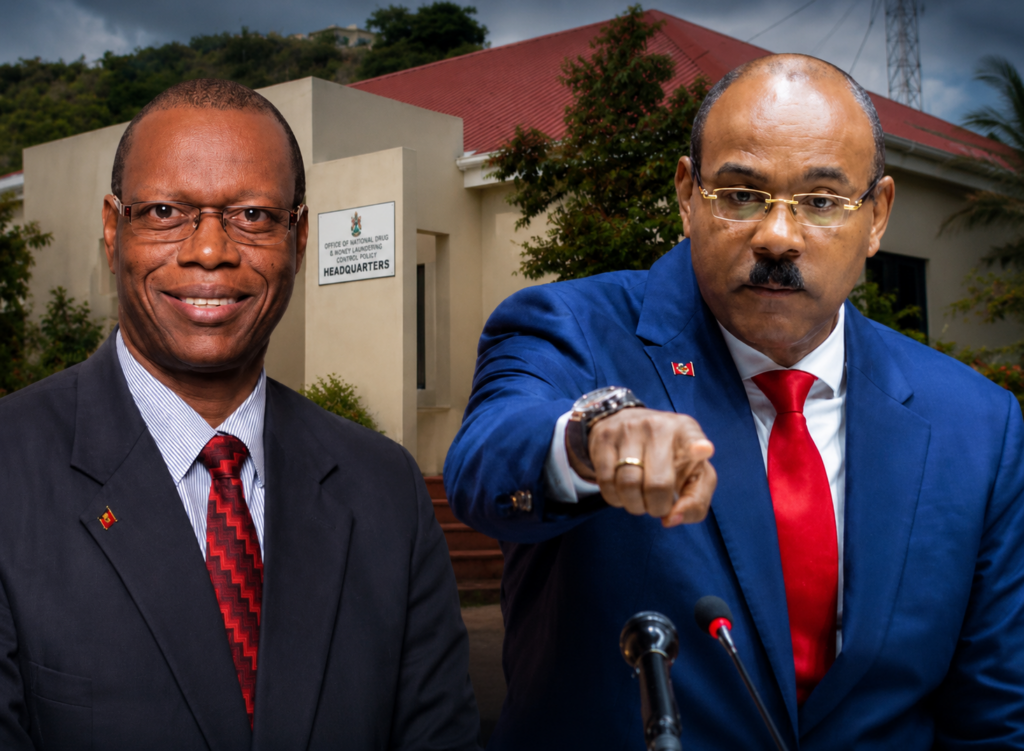
    In a second key decision coming out of the Wednesday meeting, Cabinet reviewed a detailed technical assessment submitted by the Ministry of Works, focused on the structural safety of the building that houses the Office of National Drug Control Policy (ONDCP). Following a comprehensive technical inspection of the structure’s systems, integrity, and compliance with safety codes, the Ministry of Works formally deemed the building safe for continued employee occupancy and regular daily operations.

    Acting on the findings of this assessment, Cabinet directed that all ONDCP employees will continue to carry out their regular daily functions and responsibilities from their current established work environment, with no immediate relocation or operational changes required.

    Beyond these two specific matters, the Antigua and Barbuda government used the meeting to reaffirm its overarching commitment to balancing two core priorities: upholding efficient, continuous operation of public services across both islands of the nation, while also guaranteeing safe, suitable working conditions for all public sector employees across all government departments and agencies.