作者: admin

  • U.S. military strike kills three in Caribbean anti-drug operation

    U.S. military strike kills three in Caribbean anti-drug operation

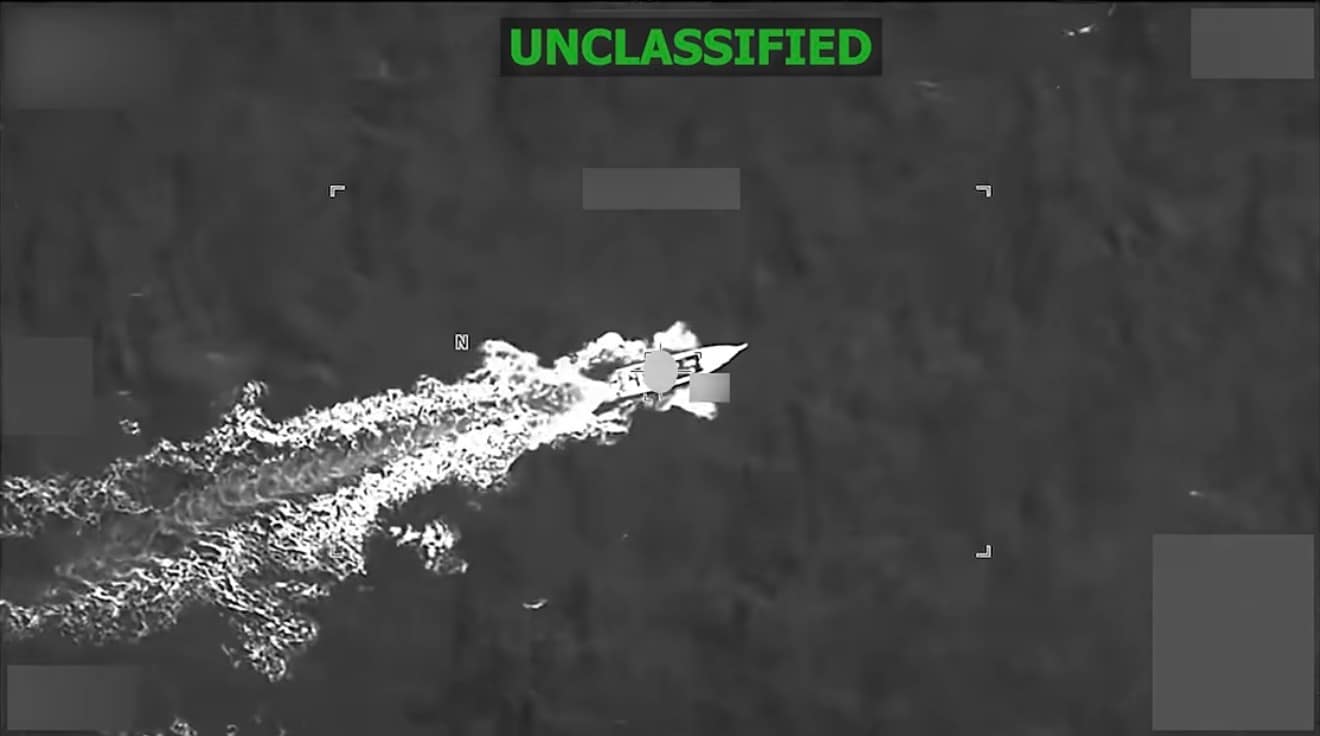
    On April 19, the U.S. Southern Command (SOUTHCOM) confirmed it conducted a deadly targeted strike against a maritime vessel operating in the Caribbean Sea, resulting in the deaths of three men the command has labeled “narco-terrorists” as part of a broader mission to dismantle transnational drug trafficking routes.

    According to an official statement released by the command, the operation was executed by Joint Task Force Southern Spear, under the direct leadership of SOUTHCOM Commander General Francis L. Donovan. Military officials confirmed that pre-operation intelligence linked the targeted vessel to formally designated terrorist organizations, and confirmed the craft was actively involved in moving illicit narcotics through regional shipping lanes.

    At the time of the strike, the vessel was traveling along one of the Caribbean’s most well-documented illicit drug trafficking corridors, SOUTHCOM officials said. In addition to confirming the three fatalities among the vessel’s occupants, the statement noted that no U.S. military service members were harmed during the course of the operation.

    As of initial reporting, key details surrounding the strike remain undisclosed: the exact geographic coordinates of the incident, as well as the full identities of the three men killed, have not been released to the public. Military officials have not yet indicated when additional information may be made available.

    This latest action highlights the continuous, long-standing commitment of the U.S. government to disrupting and dismantling illicit trafficking networks operating throughout the Caribbean. For decades, the region has been recognized as a primary transit hub for illegal narcotics headed to consumer markets in the United States and other North American countries, making counter-narcotics operations a top priority for U.S. Southern Command’s regional security mission.

  • Belize to Get 60 New Preschool Classrooms Under World Bank Funding

    Belize to Get 60 New Preschool Classrooms Under World Bank Funding

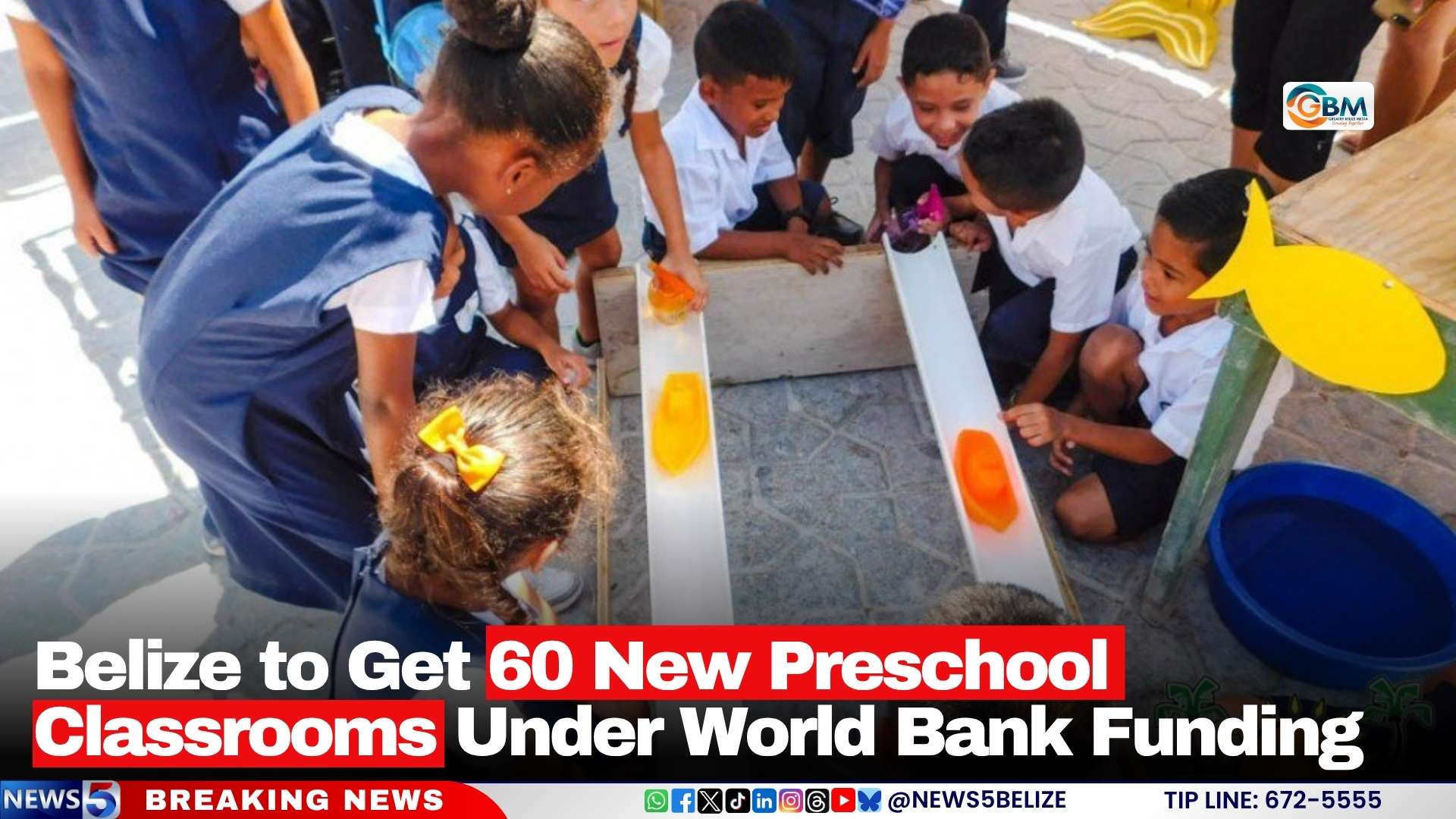
    On April 20, 2026, the World Bank’s Board of Executive Directors greenlit a transformative multi-million-dollar development project for Belize, designed to tackle two interconnected national challenges: limited access to early childhood education and stagnant female workforce participation.

    Belize has long struggled with gaps in its early learning sector. Data from the 2023–2024 academic year shows that only 39 percent of children between the ages of 3 and 4 are enrolled in any form of preschool programming. Access to formal childcare is even more constrained: the entire country counts just 24 registered daycare facilities, all concentrated in major urban centers, leaving rural and marginalized communities completely unserved.

    This infrastructure shortage has created an outsized burden for Belizean women, directly holding back their economic participation. Currently, Belize’s female labor force participation rate sits at 43.6 percent, well below the average for the Caribbean region. National census data underscores the scale of the issue: 65 percent of women living with children under the age of 5 have left paid employment to take on unpaid caregiving responsibilities. This rate climbs even higher in rural areas and Indigenous Mayan communities, where access to any formal childcare is virtually non-existent.

    Under the new Belize Early Childhood Development and Female Empowerment Project, the government and development partners will address these gaps through widespread infrastructure expansion and quality improvements. The core infrastructure component calls for the construction of 60 new preschool classrooms within existing primary school campuses in underserved communities, alongside upgrades and full rehabilitation of 30 aging current preschool facilities to bring them up to modern learning standards. Beyond preschool infrastructure, the project will also support the establishment or improvement of roughly 80 community-led early childhood development centers, developed in partnership with local community groups, non-profit organizations, and private service providers to ensure long-term sustainability and local alignment.

    Lilia Burunciuc, World Bank Director for the Caribbean, emphasized the dual impact of the investment, noting that reliable care creates ripple benefits across the entire economy. “When caregivers can trust that their children are in safe, nurturing environments, they are free to participate fully in the economy and society,” Burunciuc said. “This project invests in both Belize’s youngest citizens and the women who care for them.”

    Total funding for the initiative amounts to $24.78 million, broken down into a $23.5 million low-interest credit from the International Development Association, the World Bank’s fund for low-income countries, and a $1.28 million grant from the global Early Learning Partnership, a multi-donor fund focused on expanding access to quality early education in developing nations.

  • Gestolen bronzen borstbeeld ex-wnd. president teruggevonden; twee verdachten aangehouden

    Gestolen bronzen borstbeeld ex-wnd. president teruggevonden; twee verdachten aangehouden

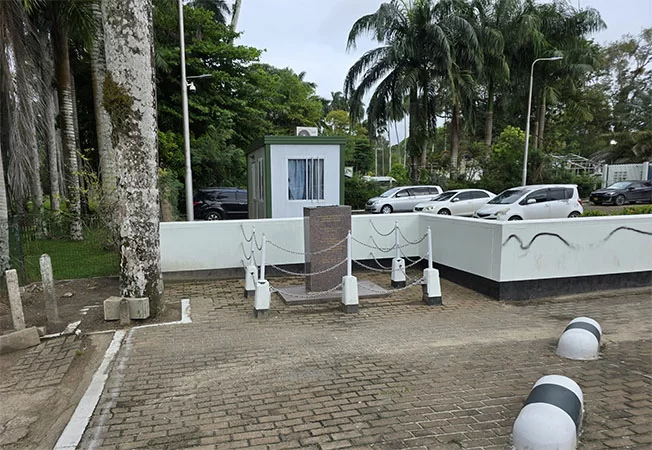
    PARAMARIBO, Suriname – Authorities in Suriname have taken two suspects into custody as part of an investigation into the theft of a bronze bust honoring Fred Ramdat Misier, the country’s former acting president, law enforcement agencies confirmed April 20. The memorial statue, which stood on public display outside the Canton Civil courthouse on Grote Combéweg, was found by investigators after its disappearance but had already sustained severe damage, investigators reported.

    Preliminary probes into the theft have traced the heist to the night between April 11 and 12, when the perpetrators ripped the bust from its stone pedestal and carried it away from the public site. Following their arrest, the two unnamed suspects were transported to a local police station for an initial court hearing. After coordinating with the Public Prosecution Service, authorities ordered the pair be remanded in custody while the criminal investigation continues.

    The family of the late former president had previously publicly called for urgent action from the country’s leadership, releasing an open letter addressed to President Jennifer Simons demanding swift, decisive intervention from law enforcement. For the Ramdat Misier family, the crime is far more than the theft of a single piece of public art: they frame it as a deliberate attack on the dignity of a former head of state and an insult to the Republic of Suriname itself. Created by renowned local artist Erwin de Vries, the bust is widely recognized as a core national symbol of constitutional accountability, the rule of law, and the continuity of Suriname’s national governance.

    Beyond the theft of this specific monument, the family has also raised alarms about what they call a growing pattern of historical monument theft in central Paramaribo. They warn that these repeated thefts systematically erode Suriname’s cultural heritage and erase the foundations of the nation’s collective memory, calling for broader action to protect other public memorials across the capital.

  • U17 footballers ranked second in English-speaking Caribbean

    U17 footballers ranked second in English-speaking Caribbean

    The under-17 men’s national football team of Barbados has pulled off a stunning climb in the latest Confederation of North, Central America and Caribbean Association Football (Concacaf) rankings, a leap that the program’s head coach Marlon Harte calls a landmark step forward for the country’s regional football standing.

    In the updated regional rankings, Barbados notched a seven-spot jump that landed the side at 13th place overall. The dramatic ascent pushed Barbados ahead of several long-established regional foes including Guatemala, Cuba, Guyana and Trinidad and Tobago, a fellow Caribbean side that has historically outranked the Barbadian program. Currently, Jamaica holds 11th place, making it the only other English-speaking Caribbean nation that ranks above Barbados in the U-17 standings.

    The impressive ranking shift comes on the heels of Barbados’ recent World Cup qualification run, where the young side came uncomfortably close to securing a spot in the global tournament. Throughout the qualifying group stage, played against a competitive field of regional opponents, Barbados secured a second-place group finish. The team notched a standout 1-0 win over Trinidad and Tobago, followed by two dominant victories against St. Maarten – a 7-1 win and a 6-1 win in separate matchups. The only group stage defeat came against regional powerhouse Mexico, the eventual group winner, who defeated Barbados 4-1.

    In an exclusive interview with Barbados TODAY, Harte shared effusive praise for his players and program support staff, while emphasizing that the new ranking is just an intermediate milestone, not the end goal for the developing program. “Moving up seven places to 13th in the Concacaf U17 rankings reflects the commitment of the players, staff, and the wider football community,” Harte explained. “It shows that we are making progress and closing the gap within the region, especially to be ranked ahead of teams like Trinidad and Tobago.”

    “At the same time, we see this as motivation, not a destination,” Harte added. “Our focus remains on continued development, improving standards daily, and ensuring that this group is competitive at the highest level when it matters most.”

    Topping the current Concacaf U-17 rankings is the United States, followed by Mexico in second and Canada in third. Panama and Costa Rica complete the top five positions in the regional table.

  • Fossil fuels are driving cost crisis for households, businesses and nations

    Fossil fuels are driving cost crisis for households, businesses and nations

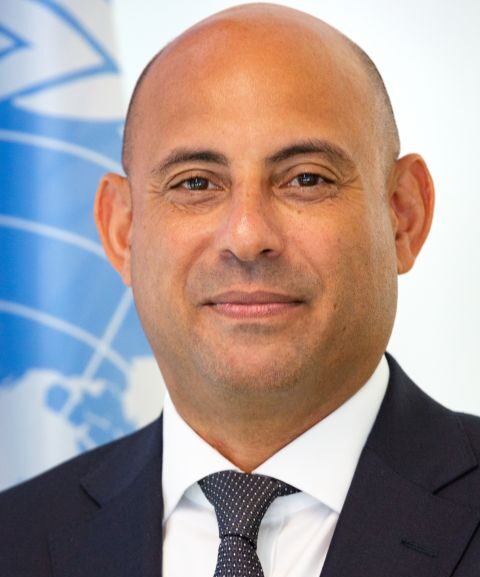
    By Simon Stiell, Executive Secretary of UN Climate Change

    As the leader of the United Nations’ climate action body, I have spent years advocating for the critical necessity of transitioning away from fossil fuels to clean energy systems. Today, that argument is no longer mine to make alone: the ongoing global fossil fuel energy crisis, amplified by escalating geopolitical conflict, is making the case for renewables more forcefully than any advocacy ever could — and that is especially true for vulnerable regions like the Caribbean.

    The ongoing war in the Middle East has laid bare a harsh, unavoidable reality: global dependence on fossil fuels erodes national sovereignty and undermines energy security at its core. It leaves the price of food, household monthly budgets, corporate profit margins, and entire national economies completely vulnerable to sudden geopolitical shocks. In an increasingly volatile global order where power politics dominates international relations, the economic and social costs of remaining reliant on foreign fossil fuels are skyrocketing beyond control.

    This latest conflict has triggered what the International Energy Agency has described as the most severe threat to global energy security the world has ever seen. Constrained oil and natural gas supplies have sent global energy prices soaring, and a wave of crippling inflation has followed in its wake. Working families and businesses of every size now face sharply higher utility and operational costs that strain budgets already stretched thin.

    The ripple effects of this crisis are being felt across every continent. The World Food Programme projects that the conflict will push global hunger to unprecedented record levels by the end of this year. Food insecurity is expected to rise by 21% across West and Central Africa, 17% in East and Southern Africa, 24% across Asia, 16% in Latin America and the Caribbean, and 14% in the Middle East and North Africa.

    Even amid this widespread disruption, a deeply misguided argument persists: some policymakers and industry leaders claim the solution to the current energy crisis is to slow the global transition to renewable energy, and instead double down on fossil fuels — the very root cause of the current turmoil. This position flies in the face of basic economic logic and common sense. As geopolitical instability continues to grow, repeated episodes of volatile energy prices will become the norm, not the exception. Sustained dependence on fossil fuels will lock nations into a permanent cycle of lurching from one crisis to the next with no end in sight.

    Prolonged fossil fuel dependence also guarantees continued global temperature rise, which supercharges extreme climate disasters including catastrophic hurricanes, prolonged droughts, destructive wildfires, and devastating floods. Today, these events already destroy millions of lives every year and cause trillions in economic damage across the globe. For example, when Hurricane Melissa made landfall in Jamaica in October 2025, the World Meteorological Organization confirms the storm killed 45 people in Jamaica, another 46 in neighboring Haiti, displaced more than one million people across all affected Caribbean nations, and caused an estimated $8.8 billion in total economic losses. If global emissions continue to rise unchecked, these events will only grow more frequent and more severe. Yet despite this clear harm, fossil fuels still receive trillions of dollars in global government subsidies every year.

    Crucially, there is a proven, accessible solution that addresses both the ongoing climate crisis and the economic volatility caused by fossil fuel dependence: accelerating the global transition to decentralized clean energy systems. In this framework, wind and solar power supply the bulk of electricity, supported by modernized transmission grids and utility-scale energy storage, while clean technologies such as electric vehicles replace carbon-intensive polluting alternatives.

    Unlike fossil fuels, which rely on long, vulnerable supply chains and vulnerable geopolitical chokepoints like the Strait of Hormuz, sunlight and wind are abundant and universally accessible. Renewable energy allows nations to take back control of their energy sectors and their economic stability, insulating domestic markets from global geopolitical turmoil. Beyond energy security, the transition creates high-quality local jobs, cuts toxic air pollution, improves public health outcomes, boosts social and political stability, and delivers long-term lower energy costs. Today, onshore and offshore wind and solar power are already the cheapest sources of new electricity generation in nearly every country on Earth.

    Many nations have already begun to capitalize on these benefits, building out renewable capacity to protect their populations from both energy price volatility and climate disasters. But vulnerable developing economies, which face the greatest risk from both crises and have the least capacity to adapt, are not receiving the investment they need. Last year, global investment in clean energy reached $2 trillion — twice the amount invested in fossil fuels — but only a tiny fraction of that capital flowed to the low-income and developing nations that need it most.

    This imbalance must be corrected as a matter of urgency. Wealthier nations and the multilateral international financial institutions they govern have a direct self-interest in channeling affordable climate finance to developing nations to speed their clean energy transitions. A truly global energy shift delivers shared benefits for every country, rich and poor alike.

    In our interconnected global economy, climate disasters that disrupt global supply chains are a major driver of inflation in every country, regardless of income level. But through coordinated international climate cooperation, nations can build a stable alternative to the power politics that currently dominate global affairs.

    UN Climate Change works every day to support this global cooperation. Our annual UN Climate Change Conferences, known as COPs, have already delivered transformative global progress: collective commitments through the COP process have roughly halved the projected end-of-century global temperature rise, transformed global energy market dynamics, and supported nations to build climate resilience. But the scale of the crisis demands far faster action, and we must ensure a just transition that supports workers and communities that have historically relied on fossil fuel industries for employment and economic growth.

    The faster nations move to scale up clean energy and build resilience, the greater the benefits for all people, and the climate cannot afford delays. That is why UN Climate Change has increasingly prioritized turning non-binding national climate commitments into tangible, on-the-ground outcomes that improve lives for billions of people across the globe. At COP30 held in Brazil last year, member states committed $1 trillion to investment in grid modernization and energy storage to build the foundation for 21st century clean energy systems. This year’s COP31, hosted in Türkiye, will build on that progress to advance the transition across every sector and region.

    Today’s global geopolitical turmoil could not make the urgency of this work clearer. International climate cooperation is the most effective cure for the chaos we are currently living through. Clean energy and climate resilience are not optional luxuries — they are essential pillars of national security and economic stability, precisely because of the growing instability we face across the globe.

    *This op-ed is attributed to Simon Stiell, Executive Secretary of UN Climate Change. NOW Grenada does not take responsibility for contributor opinions or content.*
  • Antigua and Barbuda secures increased cruise calls

    Antigua and Barbuda secures increased cruise calls

    At this year’s Seatrade Cruise Global, the Caribbean island nation of Antigua and Barbuda turned a three-day schedule of targeted business meetings into a landmark win for its cruise tourism sector, locking in substantial growth in vessel calls and strengthening its status as a top destination in the Eastern Caribbean.

    The country’s official delegation held 16 high-level discussions with 12 of the world’s leading cruise operators, ranging from mass-market brands like Carnival Cruise Lines and Royal Caribbean Group to luxury yachting and expedition lines including The Ritz-Carlton Yacht Collection, Emerald Cruises and Sea Cloud Cruises. The talks delivered tangible, multi-year growth commitments from major industry players that will reshape the nation’s cruise landscape through the end of the decade.

    Italian cruise giant MSC Group anchored one of the biggest announcements, confirming it will ramp up calls from 12 in 2026 to 41 annually by 2027. Thirteen of those 2027 calls will come from MSC’s high-end luxury division Explora Journeys, a major boost to the country’s luxury tourism segment. The nation will also mark a historic milestone in December 2026, when the MSC World Europa makes its first revenue-producing stop in Antigua and Barbuda on its maiden voyage, carrying roughly 5,250 passengers to the islands.

    Other leading brands have also upped their commitments: Royal Caribbean Group will send 112 vessels to the islands during the upcoming cruise season, while boutique cruise operator Oceanus will maintain a year-round weekly presence with 52 annual calls. Ongoing partnership work with The Ritz-Carlton Yacht Collection has further cemented Antigua and Barbuda’s standing as a go-to luxury cruise stop, a high-value market that the nation has prioritized in recent years.

    The flood of new commitments comes on the heels of consistently strong performance that has made Antigua and Barbuda a favorite among both cruise lines and passengers. The nation holds an average guest satisfaction score of 88 out of 100, with visitors consistently highlighting local hospitality and personal safety as top draws — two factors that cruise operators rank among their highest priorities when selecting ports of call and planning long-term deployment.

    Heading into the next cruise season, Antigua and Barbuda projects it will welcome more than one million cruise passengers, with over 400 total vessel calls annually. To accommodate this growth and keep visitor satisfaction high, the nation is pursuing a value-focused growth strategy that leans into its unique natural and cultural assets: 365 white-sand beaches, rich colonial and Caribbean heritage, and immersive cultural experiences. Sustainability has also emerged as a core pillar of the country’s long-term plan, as cruise lines and travelers increasingly prioritize eco-friendly destinations.

    A key throughline of the nation’s strategy at Seatrade Cruise Global was regional collaboration. Antigua and Barbuda partnered with neighboring destination Montserrat and other public and private sector stakeholders across the region to market the Eastern Caribbean as a unified, multi-destination experience that appeals to both mass-market and luxury cruise travelers. This collaborative approach has helped the entire region attract more cruise traffic while highlighting each destination’s unique offerings.

    The outcomes of the 2026 Seatrade Cruise Global participation confirm Antigua and Barbuda’s clear upward trajectory: the nation is on track to add more strategically positioned calls, grow its luxury cruise footprint, expand potential for homeporting operations, and retain steady confidence from the global cruise industry as one of the Caribbean’s most reliable and desirable cruise destinations.

  • Global streamer IShowSpeed to visit Saint Lucia on Caribbean tour

    Global streamer IShowSpeed to visit Saint Lucia on Caribbean tour

    One of the biggest names in modern digital entertainment, American streaming sensation IShowSpeed, is gearing up to launch a sprawling Caribbean tour kicking off on April 25, with the island nation of Saint Lucia confirmed as one of his scheduled stops across the region.

    Born Darren Jason Watkins Jr., the 21-year-old content creator has carved out an unprecedented space in global online culture over the past several years, rising to fame through his high-energy, unpredictable livestreams that attract millions of dedicated viewers across the globe. Unlike many traditional celebrities who stick to scripted content and controlled public appearances, IShowSpeed built his massive following by leaning into an unfiltered, spontaneous persona that resonates deeply with young audiences worldwide.

    His content portfolio spans far beyond a single format: he first gained traction sharing gaming content on YouTube, before expanding into real-life (IRL) travel streams that follow his adventures across the globe, and even branching out into professional rap music. Today, his YouTube channel alone boasts more than 50 million subscribers, with his collective content racking up billions of views across all streaming platforms. His impact on the streaming industry has been recognized with multiple prestigious Streamer of the Year awards, cementing his status as one of the most influential online creators of his generation.

    This upcoming tour of the Caribbean is only the latest stop in IShowSpeed’s multi-year global expedition. Over the past two years alone, he has taken his livestream operation to every inhabited continent, with past stops including countries across Africa, Europe, Asia, South America, Australia and New Zealand. What sets his IRL travel content apart from other creator vlogs is his commitment to full live transparency: every step of his journey is broadcast to his audience in real time, and he makes a point to interact directly with local fans wherever he goes. This approach consistently produces viral moments, but it also draws massive, spontaneous crowds that at times have been large enough to temporarily shut down public streets in popular destinations.

    In addition to Saint Lucia, IShowSpeed has plans to visit 13 other Caribbean nations and territories during the tour, including Antigua and Barbuda, the Bahamas, Barbados, Dominica, the Dominican Republic, Grenada, Guadeloupe, Jamaica, Puerto Rico, Sint Maarten, St Kitts and Nevis, St Vincent and the Grenadines, Trinidad and Tobago, and the U.S. Virgin Islands. As of the latest announcement, exact performance and appearance dates for each individual island have not yet been publicly released. Even without the full detailed itinerary, news of the tour has already sparked widespread excitement across the Caribbean, particularly among young fans who follow IShowSpeed’s daily content closely.

  • Antigua and Barbuda Cricket Association Mourns Passing of Jennifer Anthony

    Antigua and Barbuda Cricket Association Mourns Passing of Jennifer Anthony

    The Antigua and Barbuda Cricket Association (ABCA) is in mourning this week following the passing of Jennifer Anthony, a longstanding figure widely respected across the island nation’s cricket community. In an official statement released to the public, the governing body for cricket in Antigua and Barbuda celebrated Anthony’s deep and lasting impact on the local sport, emphasizing that her contributions and warm presence within the fraternity will never leave the collective memory of those who worked alongside her. The association noted that Anthony’s death leaves an enormous void that will be felt by every person who had the opportunity to know her, both within cricket circles and beyond. As the cricket community comes to terms with this heartbreaking loss, the ABCA has officially extended its deepest condolences to Anthony’s family, close friends, and the broader network of cricket stakeholders across the country, asking for privacy for the Anthony family as they navigate this difficult period of grief.

  • KHMH Workers Seek 20% Raise in Pay

    KHMH Workers Seek 20% Raise in Pay

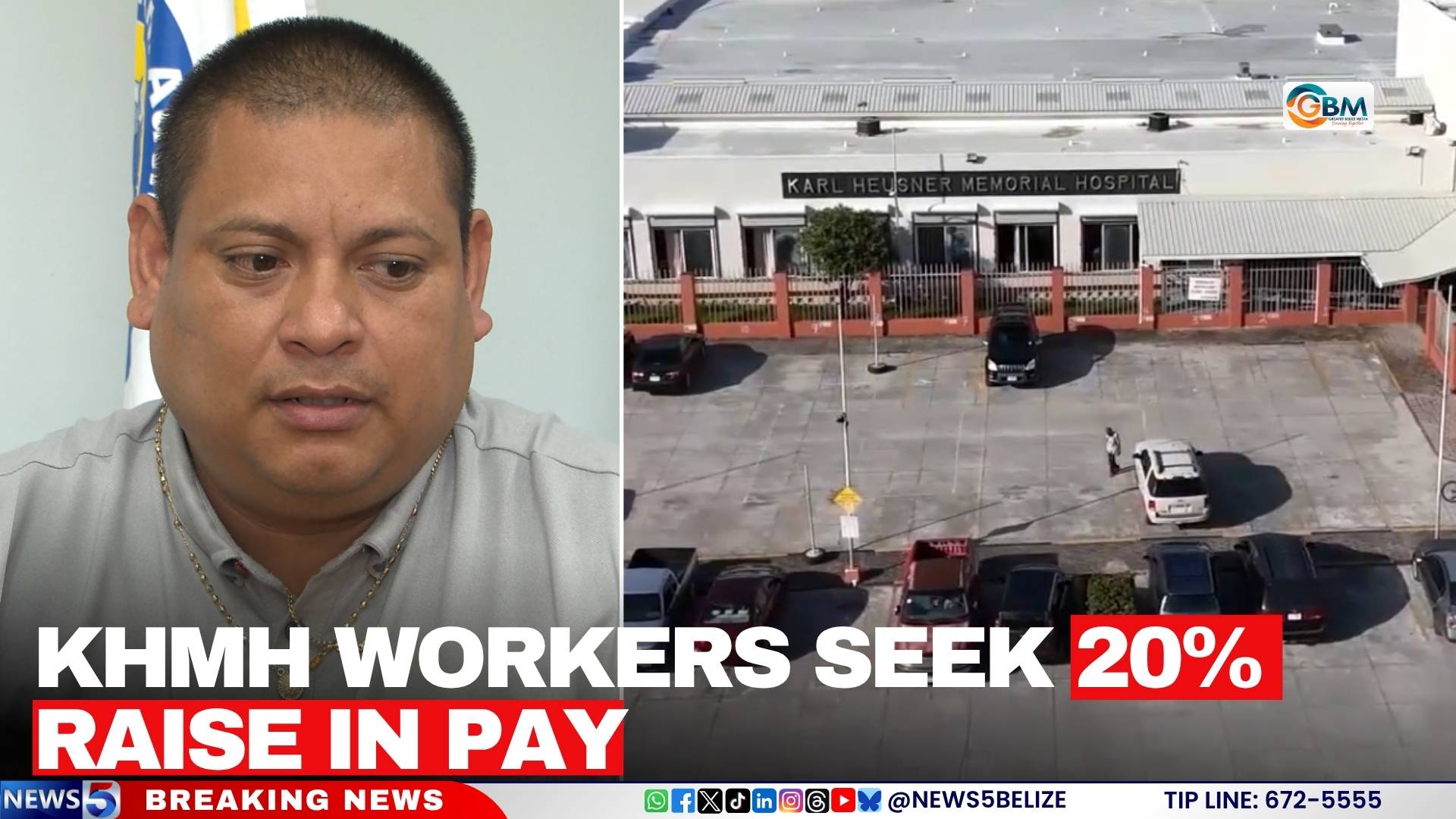
    Healthcare staff at Belize’s premier public medical facility, Karl Heusner Memorial Hospital (KHMH), are pushing for a substantial 20% salary increase as they reopen formal collective bargaining negotiations with hospital management, a move driven by perceived pay inequity compared to other public sector workers across the country.

    While employees at other public health institutions across Belize have already secured two consecutive 4% annual salary increases, KHMH workers have been left out of these incremental raises, prompting their union to action as discussions for a new Collective Bargaining Agreement (CBA) get underway. Beyond the significant pay adjustment, the KHMH Workers’ Union is also advocating for expanded professional allowances and sweeping upgrades to on-the-job working conditions, pointing to the absence of a pension plan for KHMH staff as an additional factor motivating their demands.

    Roy Briceño, president of the KHMH Workers’ Union, emphasized that the union’s top priority is resetting productive formal negotiations with hospital leadership. “My executive team and I are fully focused on getting back to the bargaining table and advancing meaningful negotiations for a new CBA,” Briceño stated in an interview ahead of the first official talks.

    Briceño explained that the 20% raise demand comes in direct response to the government’s recent pay adjustments for other public employees. “We are asking for a 20% raise for all our staff here at KHMH. We don’t even have a pension plan, and the government has already given two rounds of 4% raises to other government workers – one last year and another this year,” he said.

    Notably, early discussions with KHMH’s newly appointed chief executive officer have already laid a positive groundwork for upcoming negotiations. Briceño reported that the initial meeting held with the new CEO was cordial and productive, with both sides addressing longstanding staff concerns and the CEO agreeing to move forward with formal scheduled bargaining sessions.

    One critical issue both parties have already committed to addressing is the current low state of staff morale across the hospital, a problem that Briceño says directly impacts the quality of patient care the facility can deliver. “Morale is quite low right now at KHMH. That is something both the union and management are committed to working on together to fix,” Briceño added.

    The ongoing talks come as Belize’s public healthcare system continues to grapple with staff retention challenges, making the outcome of this negotiation a closely watched issue for healthcare workers across the nation.

  • Healthcare Is a Right, Not a Privilege, Says ABLP Candidate Michael Joseph

    Healthcare Is a Right, Not a Privilege, Says ABLP Candidate Michael Joseph

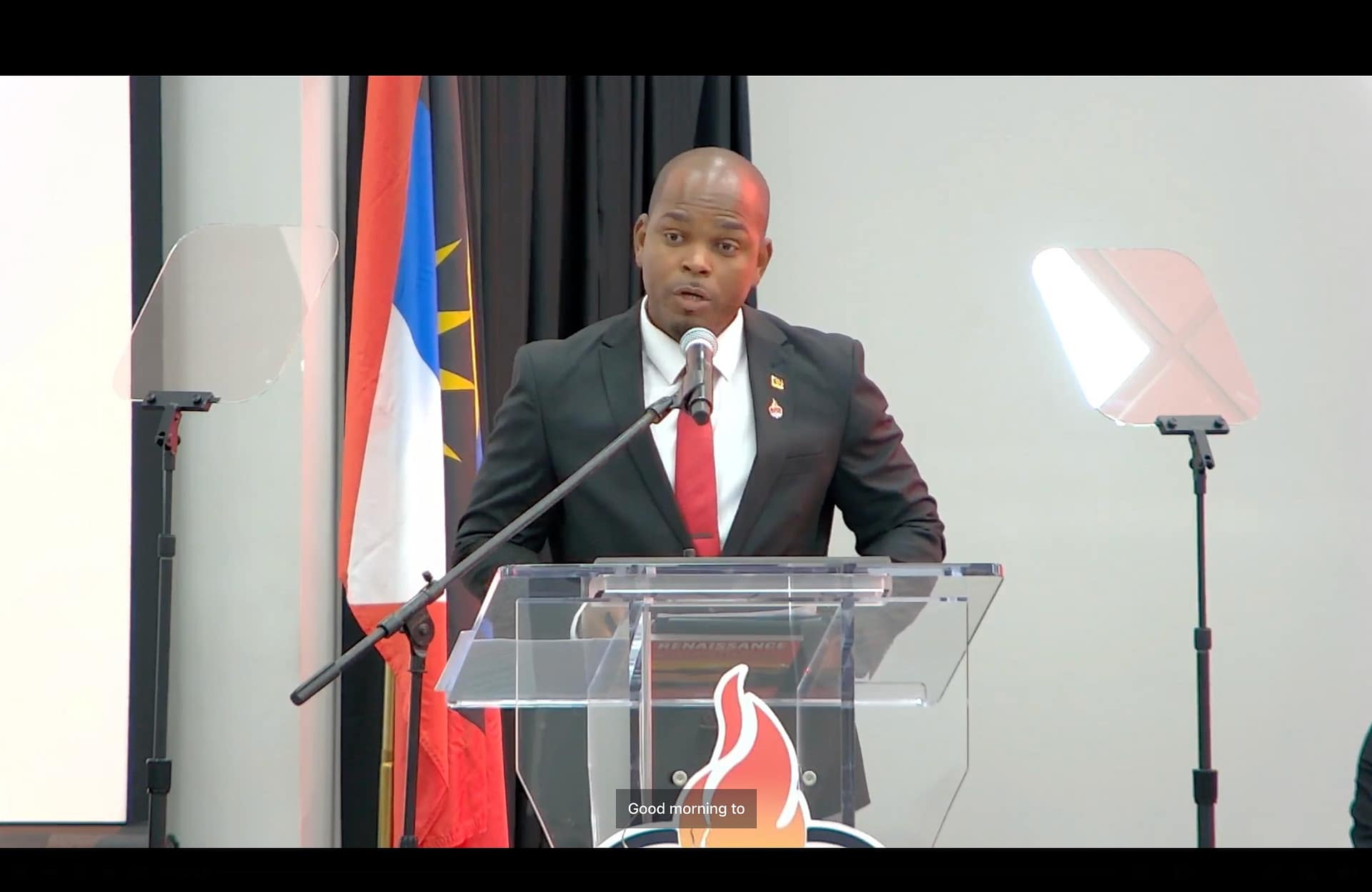
    At the official launch of the Antigua and Barbuda Labour Party’s (ABLP) landmark “Renaissance” election manifesto, held at the American University of Antigua Conference Centre, St. John’s Rural West candidate and Minister of State for Health, Wellness and the Environment Michael Joseph laid out the ruling administration’s sweeping policy priorities, centered on three core pillars: redefining healthcare as a universal human right, confronting the urgent threat of climate change, and elevating youth voices in national leadership.