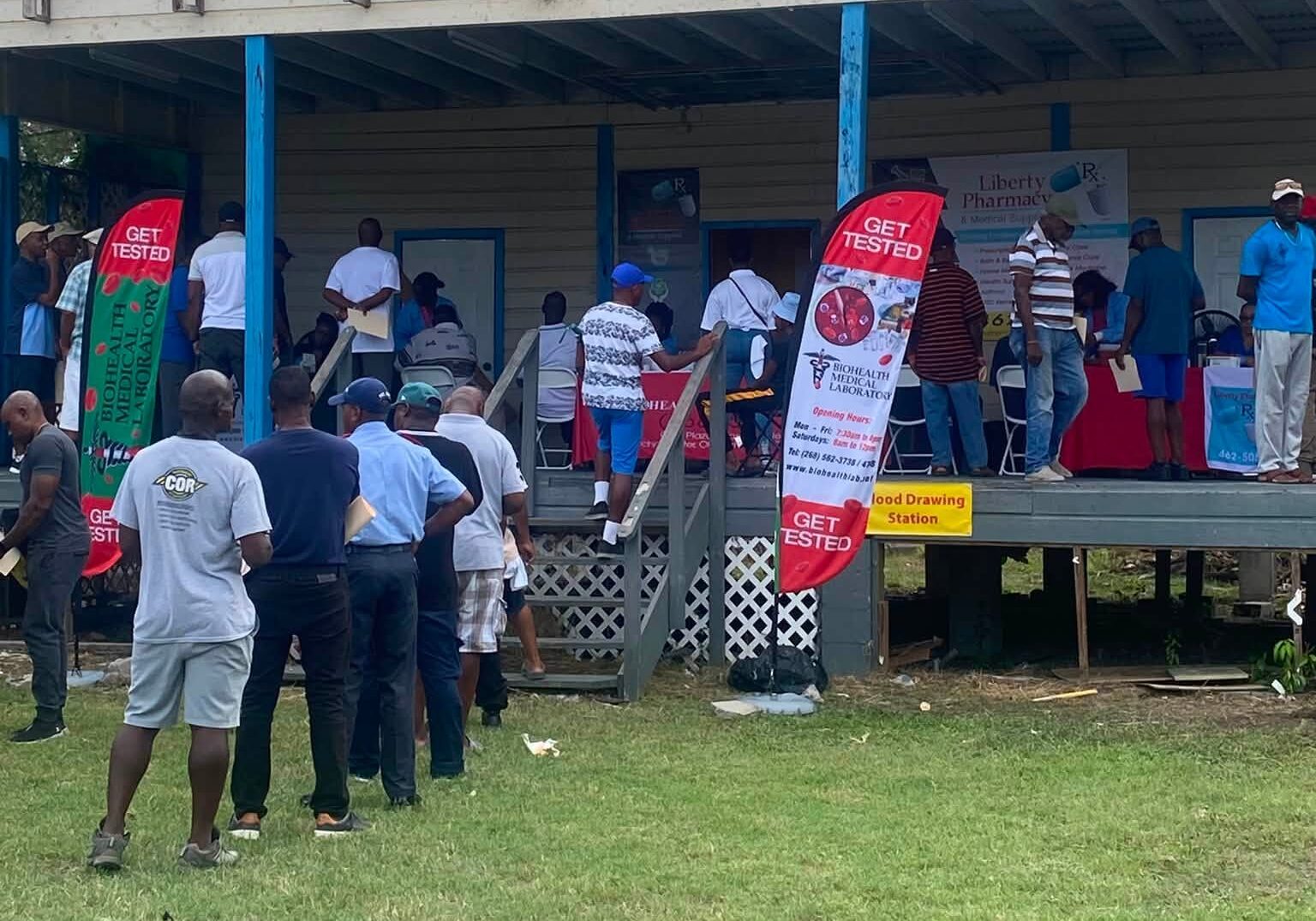
On a recent Saturday, the 18th Annual Prostate Screening Clinic hosted by the Lions Club of Antigua defied uncooperative weather to deliver critical preventive healthcare to hundreds of local men. When all participation numbers were tallied, 632 men accessed a full range of health services at the event’s venue, the Lions Den, far exceeding initial expectations for turnout amid poor conditions.
Beyond core prostate cancer screenings including PSA blood tests and comprehensive medical evaluations by qualified practitioners, the clinic expanded its offerings to include additional routine preventive checks, such as blood pressure testing and blood sugar screening, addressing multiple common chronic health concerns for attendees in a single accessible location.
The annual initiative was not a solo effort: the Lions Club partnered closely with Dr. Dwayne Thwaites and Associates, private medical provider Bio Health Medical, and Antigua’s Medical Benefits Scheme to pull off the event. A wide range of additional partners from both the public and private sectors also provided logistical, financial, and in-kind support to make the low-barrier screening possible for local men.
Club organizers emphasized that the strong turnout, even in unfavorable weather, sends a clear message about the growing public awareness of prostate health and the critical need for screening services that are easy for community members to access. Repeating a core public health message that has guided the event for 18 years, the organization reminded all men that routine screening and early detection of prostate cancer remain the most effective tools for reducing mortality from the disease, urging all eligible men to prioritize regular testing regardless of whether they can attend the annual community clinic.
作者: admin
-
More Than 630 Men Attend Lions Club’s Annual Prostate Screening
-
Flash-flood watch in effect for Barbados
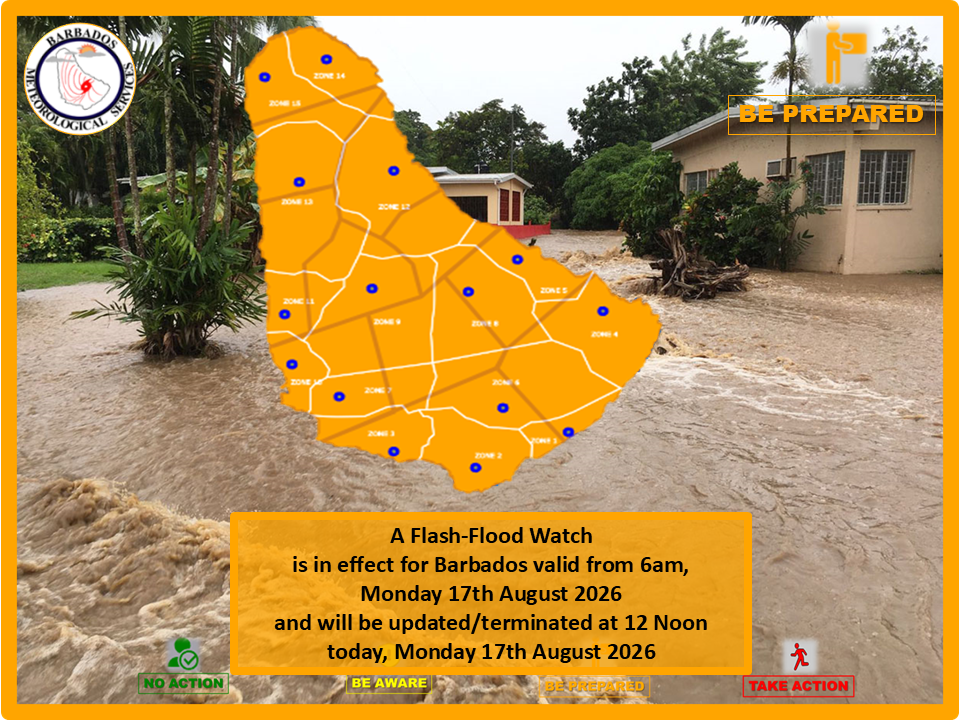
Barbados remains on high alert for flash flooding Thursday, after national meteorological officials issued a watch that will stay in effect through midday, as an approaching tropical wave dumps steady moderate to heavy rain across the Caribbean island. The Barbados Meteorological Services (BMS), which first put the watch in place at 6 a.m. local time, noted that unstable atmospheric conditions from the tropical wave have already brought measurable rainfall to the island, with as much as one inch of precipitation recorded overnight ahead of the system’s full arrival. Forecasters project that an additional 1 to 2 inches of rain could fall across Barbados before the system moves past, bringing not just persistent downpours but also the risk of scattered thunderstorms through the morning. The primary hazard associated with the heavy rain, officials say, is flash flooding in low-lying and poor drainage zones, where standing water can accumulate quickly. Expected impacts extend beyond flooded neighborhoods: standing water on major roads and agricultural fields is already beginning to disrupt daily movement, with local officials warning residents to prepare for extended commuting delays and occasional unplanned traffic diversions in hard-hit areas. Beyond transportation disruptions, the BMS warned that rising water levels in small ponds, streams and other natural water bodies are likely, along with increased risk of soil erosion on sloped terrain and unwanted flooding of private residential and commercial properties. Officials noted that the watch could be lifted earlier than the scheduled noon expiration if weather conditions improve rapidly, but they also emphasized that the alert could be upgraded to a more urgent flash-flood warning if rainfall rates exceed current projections and more dangerous flooding develops. Residents across the island are advised to monitor local weather updates closely, avoid flooded low-lying areas, and heed any instructions from local emergency management officials through the duration of the alert.
-
PM Says he makes NO APOLOGY for his criticism of the judiciary
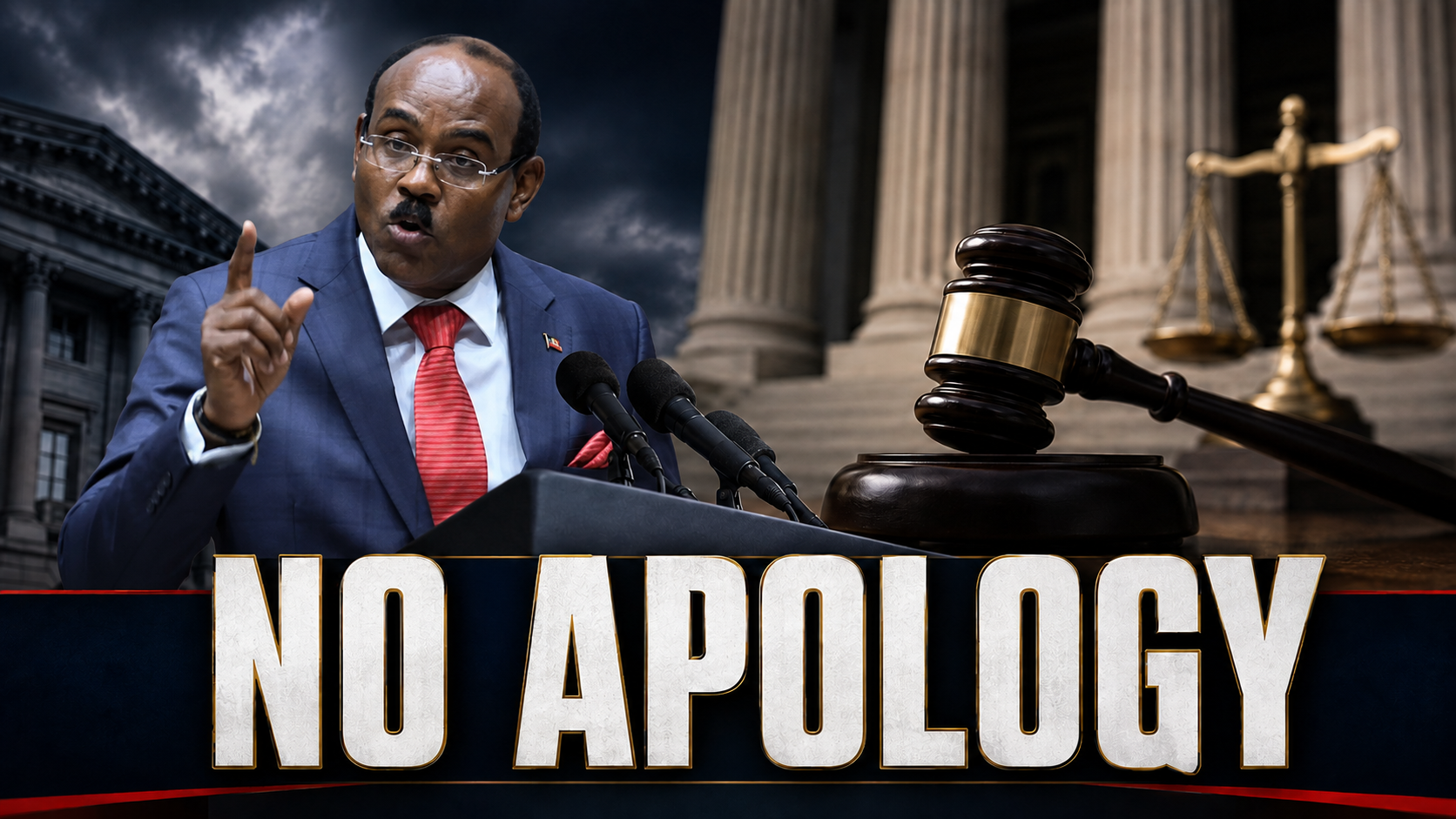
Antigua and Barbuda Prime Minister Gaston Browne is standing firm amid growing backlash over his contentious remarks targeting the country’s judiciary, making clear he has no intention of issuing the public apology that critics have demanded. In a recent appearance on the *Browne and Browne Show*, the nation’s top leader doubled down on his position, dismissing calls for a retraction of his comments in blunt terms.
“Come with your foolishness about apology and so on; it will not be forthcoming,” Browne told listeners. He went on to clarify that his critiques were never aimed at a single specific court ruling, nor were they meant to interfere with the outcome of any pending individual case. Instead, he emphasized that his comments were intended to shine a spotlight on long-standing systemic issues that he says plague the country’s criminal justice system: overly lenient sentencing practices, persistent problems with repeat offenders, and the high rate of dismissed criminal cases.
Even if his words have made members of the judicial branch uncomfortable, Browne says that outcome was intentional, and he remains unapologetic for sparking the conversation. “If you all felt as though that I rattled you all because of what I said, I make no apologies about it,” he stated. “It is what I meant to do.”
In a direct challenge to his critics who have accused him of disrespecting a specific judicial officer, Browne has demanded that those calling for an apology first name the member of the judiciary he is alleged to have offended. He noted that his decision to speak out publicly did not come out of nowhere: it was prompted by repeated concerns raised by law enforcement officials across the country who have long flagged the issues of soft sentencing and repeat offenders slipping through the cracks of the justice system.
Addressing core arguments around judicial independence, Browne pushed back against the narrative that his criticism crosses a constitutional line. He argued that the principle of judicial independence does not shield the courts from legitimate public scrutiny, and he is calling for open, structured dialogue between three branches of government: the judiciary, the executive branch he leads, and Parliament. The goal of these talks, he says, would be to advance much-needed reform to the criminal justice system.
To move the process forward, Browne revealed that he has already sent a formal letter to the nation’s chief justice. In the correspondence, he proposed the creation of a specially convened expert panel that would conduct a comprehensive review of sentencing guidelines and other systemic weaknesses that have been identified in the current criminal justice framework.
-
COMMENTARY: Marcus Garvey at 139
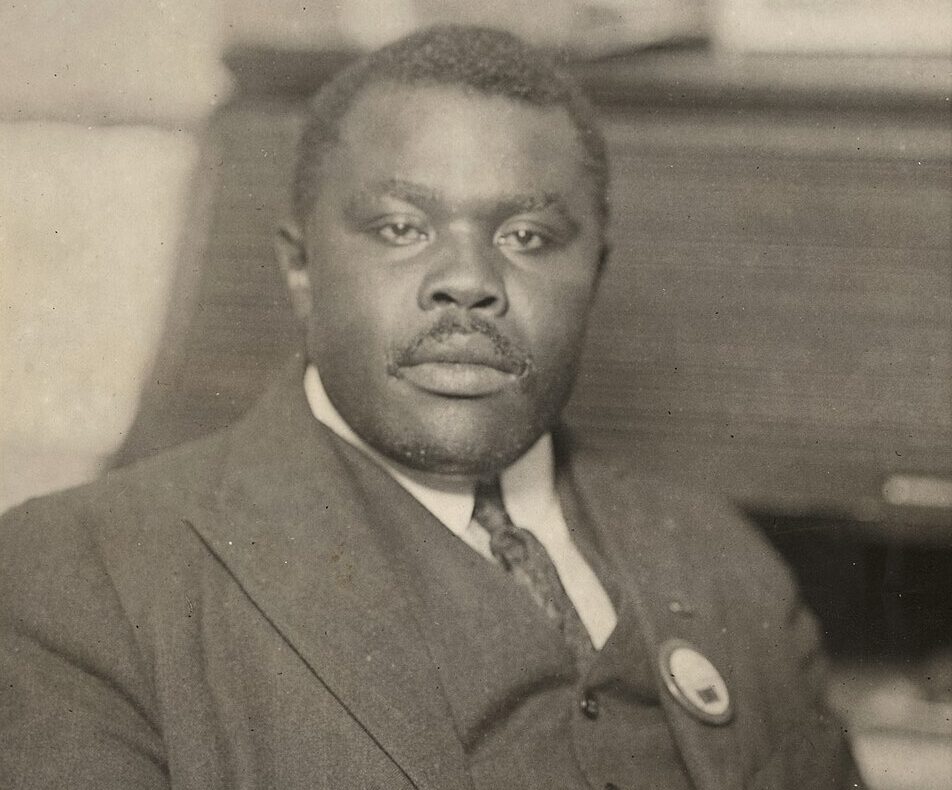
As the world marks the 136th anniversary of the birth of Marcus Mosiah Garvey, Jamaica’s iconic national hero and foundational Pan-Africanist leader, commentator and educator Wayne Campbell is sounding a urgent alarm: modern Jamaican society has drifted dangerously far from the core values Garvey spent his life advancing, and systemic erasure of his philosophy from national education is at the heart of the country’s growing social crisis.
Garvey once famously observed, “A people without the knowledge of their past history, origin and culture is like a tree without roots.” Today, that metaphor has become a painful reality for Jamaica, Campbell argues. While the 2026 Jamaica boasts measurable progress in infrastructure such as expanded road networks and widespread digital connectivity, the nation has suffered deep social decay: rising selfish individualism, collapsing tolerance for others, eroding respect, and a fading sense of collective community that once bound the country together.
Born in Jamaica’s St. Ann parish on August 17, 1887, Garvey left formal schooling at 14 due to family poverty and entered the printing and newspaper trade, where he first developed his passion for political organizing focused on uplifting marginalized working-class Black communities. Frustrated by limited progress in local organizing, he traveled to London in 1912 for two years of study and reflection, where he refined his core ideology: Garvey argued that racial equality would never be gifted through integration; rather, it could only be earned through collective economic, political, and cultural success for people of African descent worldwide.
In 1917, he established the Universal Negro Improvement Association (UNIA) headquarters in New York to spread his vision of Black nationalism, centered on three pillars: global unity for people of African descent, pride in African cultural heritage, and full collective autonomy. Later, in 1929, he founded Jamaica’s first modern political party, the People’s Political Party (PPP). Though the party never won national power, it secured a seat on the Kingston and St. Andrew Corporation, cementing Garvey’s legacy as a trailblazer for Jamaican political organizing. He was also a pioneer of radical racial pride, coining the mantra “black is beautiful” nearly 50 years before it entered mainstream global discourse in the 1960s. He urged Black people to reject white supremacist narratives of inferiority, telling followers, “I am the equal of any white man; I want you to feel the same way.”
Tragically, Campbell argues, most of modern Jamaican society has failed to live up to Garvey’s vision. Deep-seated colorism remains pervasive: many Black Jamaicans still internalize the white supremacist belief that lighter skin is superior, leading to unapologetic skin bleaching even among school-aged children. Black hair is still policed in Jamaican schools, where students who wear afros as an act of self-representation face disciplinary action. Mothers still straighten their daughters’ hair to align with white beauty standards, a far cry from Garvey’s call for Black people to celebrate their natural appearance and heritage.
This erasure of Garvey’s ideology is no accident, Campbell contends. Garveyism is not taught in Jamaican schools, and civics education as a whole has been eliminated from the national curriculum entirely. This deliberate gap leaves young Jamaicans without historical context for the socio-cultural challenges they face today, a pattern that extends beyond Jamaica to the wider Caribbean and the Americas. Most recently, this trend has escalated in Florida, where Republican Governor Ron DeSantis has overseen a ban on African American studies in high schools, part of a broader global push to erase Black intellectual and activist history from public education.
This year’s 136th anniversary celebrations of Garvey’s birth have been underwhelming and limited almost exclusively to academic circles, a situation Campbell calls unacceptable. Most ordinary Jamaicans have to actively seek out information about Garvey’s life and work, as his legacy is intentionally locked away in obscure academic texts, while low reading rates across the country compound the problem of access.
Campbell argues that Jamaica stands at a critical crossroads. Rampant crime and violence, including a string of brutal attacks against children in recent months, has created a national emergency that demands a complete reset of the country’s socialization values. As the primary institution for shaping collective values, the national education system is the ideal place to start this reset. Campbell is calling for urgent policy action from the Jamaican government: integrate Garveyism into the National Standards Curriculum, make history education compulsory at all grade levels, and establish grassroots initiatives to bring Garvey’s legacy to students.
His concrete proposals include establishing Garvey clubs in schools where students can explore his teachings through interactive activities; distributing low-cost pamphlets outlining Garvey’s core values through government offices for widespread public access; hosting a national Marcus Garvey quiz for primary and lower secondary students; and creating a dedicated national Marcus Garvey Day in schools that centers social and cultural activities celebrating his legacy.
“if we as a people realized the greatness from which we came we would be less likely to disrespect ourselves,” Garvey once said. Campbell echoes this call, urging all Jamaicans to play a role in preserving Garvey’s legacy not just for the current generation, but for all future generations to come.
-

Law Enforcement Ordered to Find and Deport Foreign Fugitives and Criminals
The government of Antigua and Barbuda has launched a targeted enforcement operation to crack down on undocumented foreign nationals linked to criminal activity, after Prime Minister Gaston Browne issued formal orders for law enforcement and immigration agencies to locate and deport high-risk individuals. In an appearance on the locally broadcast Browne and Browne Show, Browne confirmed that the directive follows a documented upward trend in non-nationals entering the country unlawfully, overstaying entry permissions, and integrating into local communities while engaging in illicit activity that endangers public safety.
In illustrating the scope of the problem, the prime minister highlighted two recent high-profile cases that underscored the urgency of the government’s action. Roughly two weeks prior to his announcement, a foreign national wanted in connection with a fatal homicide in neighboring Jamaica was taken into custody by local authorities and subsequently deported. Another notable incident last year saw a Jamaican non-national fatally shot by police in the town of Jennings, after the individual was linked to a string of armed robberies across the island.
Browne emphasized that many of these undocumented migrants deliberately operate off the grid, remaining underground to avoid detection by immigration officials while building informal residence among local communities. Beyond violent property crime and homicide, he added that law enforcement has received multiple credible reports that a number of unregistered foreign migrants are involved in the illegal narcotics trade, a persistent threat to Caribbean regional security.The prime minister made clear that the new enforcement push aligns with an existing government initiative: a 60-day immigration amnesty that currently offers all undocumented migrants residing in Antigua and Barbuda the opportunity to formalize their legal status. He stressed that migrants who do not take advantage of this amnesty window to regularize their status will be prioritized for detection and deportation once the grace period expires.
-
VVI slaat alarm over verkeersongevallen; politie voert controles op
Suriname’s Road Safety Institute (VVI) has sounded the alarm over a persistent, alarming rise in traffic accidents across the country, launching an annual national Road Safety Month on August 15 with a slate of new enforcement measures and public awareness initiatives designed to reverse dangerous trends on the nation’s roads.
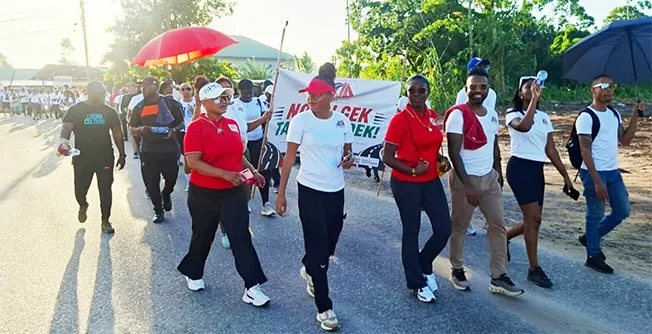
The campaign kicked off with an awareness walk through key streets of the capital city, Paramaribo, bringing together safety advocates, government officials and community members to highlight the growing risks facing road users. Under the local slogan “No du gek tap a wegdek,” which translates to “Do not recklessly hit the road,” VVI is calling on all drivers, motorcyclists, cyclists and pedestrians to adopt cautious, responsible behavior every time they use public roads.
Joanne Kasno-Adraai, director of the VVI, opened the campaign by emphasizing the deep seriousness of the country’s road safety crisis. She singled out two particularly troubling categories of incidents that have contributed to rising injury and death tolls: single-vehicle crashes, in which vehicles veer off roads, collide with fixed objects or roll over, and severe collisions that disproportionately involve moped and motorcycle riders. Kasno-Adraai outlined the core human behaviors driving most of these preventable incidents: excessive speeding, reckless driving, operating a vehicle under the influence of alcohol, distracted driving and routine disregard for established traffic laws.
To encourage safer habits, Kasno-Adraai urged all road users to take a moment for reflection before setting out on any journey, but stressed that personal responsibility remains the foundation of any effective safety effort, and reflection alone cannot replace following traffic rules.
Harish Monorath, Suriname’s Minister of Justice and Security, officially inaugurated the 2026 Road Safety Month, announcing concrete policy changes to crack down on repeat offenders and dangerous behavior. Moving forward, national police will significantly intensify routine traffic checkpoints and patrols across high-risk areas of the country, and fines for the most common dangerous traffic violations will see a sharp increase to act as a stronger deterrent.
Beyond increased enforcement, the month-long campaign includes a wide range of community-focused and educational events to embed safety habits across all age groups. Planned activities include a creative Play-in-Paint art event to engage young people, a short bicycle tour for youth in the Paramaribo neighborhood of Latour, and a public legal lecture on road safety and traffic law led by Judge Karamat Ali. In a long-term educational milestone, 150 creche and preschool lead teachers will receive their certification this month after completing a specialized training course on early childhood road safety education, equipping them to teach safe habits to children from a young age.
In closing, VVI leadership emphasized that road safety cannot be the responsibility of enforcement agencies alone: it requires collective commitment from every person who uses Suriname’s roads. The organization renewed its call for all road users to respect traffic laws, remain attentive and cautious while traveling, and take responsibility for their own safety and the safety of everyone around them.
-
Bramble urges Taiwan to reinforce diplomatic solidarity with commercial enterprise
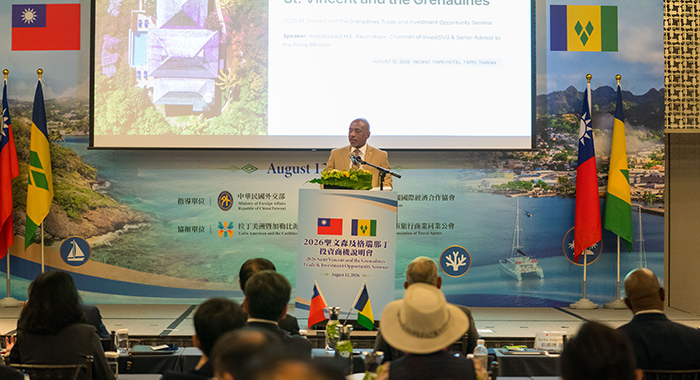
As St. Vincent and the Grenadines (SVG) and Taiwan mark 45 years of formal diplomatic ties, the Caribbean nation is reshaping its bilateral partnership to move beyond historical solidarity toward deep, private sector-driven economic integration. During an official visit to Taipei led by SVG Prime Minister Godwin Friday, Foreign Affairs, Foreign Trade and Foreign Investment Minister Dwight Fitzgerald Bramble laid out this new strategic direction at the 2026 SVG Trade and Investment Opportunity Seminar on August 12, addressing an audience of potential Taiwanese investors.
Bramble, who also holds the portfolio of diaspora affairs, emphasized that the four-and-a-half decade diplomatic alliance between the two sides has long been rooted in shared democratic values, reciprocal respect and collective solidarity. But he noted that profound shifts in the global economic landscape, paired with the Friday administration’s modern national economic agenda, demand that the bilateral relationship evolve to meet new demands. He framed the seminar itself as a clear marker of this structural pivot in SVG’s bilateral strategy.
“ We are moving beyond traditional technical assistance towards an actionable framework for co-prosperity,” Bramble told attendees.
A key institutional foundation for this new economic focus is the Latin American and Caribbean Trade Office (LACTO) based in Taipei, which expanded its mandate in July 2026 to formally include SVG. Bramble explained that LACTO creates a permanent commercial bridge that connects capital from East Asia to growing consumer and industrial markets across the Caribbean. To strengthen this connection, SVG will launch a dedicated SVG Trade Desk within LACTO, operated in partnership between the country’s official investment promotion body Invest SVG and SVG’s Ministry of Foreign Affairs.
“This desk serves as an active commercial bridge, directly connecting Vincentian producers of high-value goods with Taiwanese importers and distributors, while providing a concierge interface for Taiwanese private enterprises seeking secure investment opportunities in SVG,” Bramble said.
Beyond the new trade infrastructure, the minister highlighted SVG’s strategic position within regional trade frameworks, noting that the small island nation acts as more than an individual market—it serves as a tax-free gateway to the entire CARICOM Single Market and Economy. For Taiwanese firms that set up manufacturing or processing operations in SVG, this means unimpeded, duty-free access to a broad network of regional and hemispheric trade blocs, he explained.
The SVG government’s core goal, Bramble added, is to turn longstanding diplomatic connections into tangible, measurable economic gains for both sides. This includes committing to full legal security for foreign capital, prioritizing private sector growth, and building frameworks that reduce investment risk and speed up capital deployment. “We invite the private sector leaders in attendance today to view St. Vincent and the Grenadines as a strategic commercial destination. We offer institutional stability, trade connectivity, and an administration dedicated to commercial execution,” he said.
Following Bramble’s opening remarks, Ambassador Kevin Hope—Chairman of Invest SVG and Senior Advisor to Prime Minister Friday—delivered a detailed breakdown of the specific investment opportunities available across SVG’s high-priority growth sectors. Hope outlined SVG’s investor-focused business climate, which features a range of competitive perks including broad fiscal incentives and multi-year tax holidays, export and industrial operating relief, specialized incentives for tourism and hospitality development, streamlined processes for land and property acquisition, stable currency access, and a skilled, growing workforce.
Key priority sectors for new investment, Hope noted, include high-value agribusiness and food processing, home to established operations like Vincyfresh Ltd. and the traditional arrowroot and starch industry; luxury tourism, hospitality and premium coastal real estate; maritime infrastructure, port free zones and yachting, centered on the existing Ottley Hall Marina and Shipyard, with ongoing expansion of export capabilities at the Kingstown and Campden Park ports and government plans to launch a new free zone at the Campden Park Container Port.
Additional high-potential sectors include renewable energy development and grid decarbonization, e-mobility infrastructure, fisheries and the blue economy, information and communications technology, business process outsourcing and digital services, and international financial services.
“St. Vincent and the Grenadines is open for business, ready for investment, and structured for partnership. We offer an agile, transparent business climate with direct access to decision-makers and seamless trade access across Caribbean and international markets. We seek strategic partners who bring technology, industrial expertise, and long-term vision,” Hope closed.
-
‘IT’S RIDICULOUS’
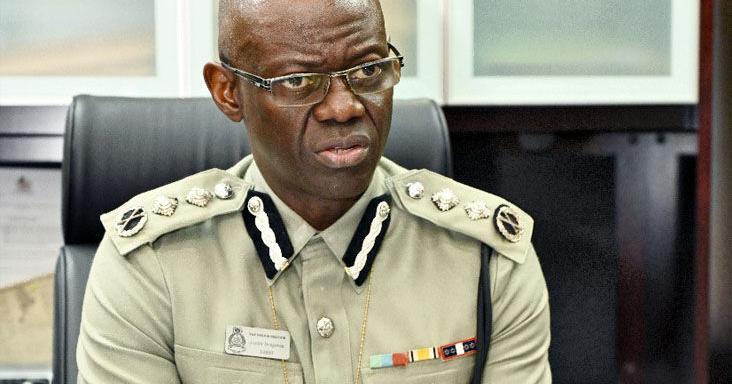
A growing political controversy has emerged in Trinidad and Tobago over the leadership vacuum at the top of the national police service, following the reported departure of substantive Police Commissioner Allister Guevarro from the country. The controversy was ignited after Marvin Gonzales, chairman of the Opposition People’s National Movement (PNM), publicly demanded answers from top government officials about Guevarro’s whereabouts and the lack of clarity around a formal interim appointment.
Gonzales raised the questions during a press briefing held Saturday, following the PNM’s General Council meeting hosted at Balisier House in Port of Spain. He called on both Homeland Security Minister Roger Alexander and Prime Minister Kamla Persad-Bissessar, who also leads the National Security Council, to provide full transparency to the public. Pointing to unconfirmed reports that Guevarro had left Trinidad and Tobago’s jurisdiction, Gonzales pressed for key details: the confirmed location of the sitting commissioner, the exact date he departed, and whether a legally recognized acting commissioner had been put in place to manage the service during his absence. He also questioned whether the Police Service Commission (PSC), the body tasked with police leadership oversight, had followed required protocols to greenlight an interim appointment.
Hours after Gonzales’ press conference, local media outlet Express reached out to Deputy Commissioner of Police Junior Benjamin, currently the most senior serving officer in the Trinidad and Tobago Police Service (TTPS). Benjamin, who previously stepped into the acting commissioner role briefly in October 2025, confirmed that he has not yet received any formal legal instrument appointing him to serve as interim commissioner. While he declined to share detailed comments ahead of a scheduled meeting on Monday – the details of which he also kept undisclosed – he did confirm that he has previously assumed the top role on an interim basis during the tenures of past substantive commissioners Erla Harewood-Christopher and McDonald Jacob. Such temporary leadership arrangements, he noted, are not unprecedented within the TTPS, but he opted to hold additional comment until after his upcoming meeting.
Former Police Commissioner Gary Griffith has become the highest-profile critic of the current situation, arguing that the leadership confusion exposes a critical structural flaw in the national legislation governing interim police commissioner appointments. In a public social media statement over the weekend, Griffith dismissed the current legal requirement that Parliament must convene to approve any acting appointment as “absurd and ridiculous.”
Griffith explained that under current rules, every time the sitting commissioner leaves the country temporarily – whether for official overseas travel, medical treatment, or even a short sick leave – the matter must be brought before Parliament for a formal vote on an interim replacement. He argued this is an outlier in global governance, noting that it is likely the only jurisdiction in the world that requires parliamentary approval even if the commissioner is ill for just 24 hours. To illustrate the risk of the current framework, Griffith offered a hypothetical scenario: if the commissioner falls seriously ill on a Friday night immediately after Parliament adjourns for a two-month break, there is no existing legal mechanism to appoint an interim leader for that entire 60-day window. Compounding this gap, he added, current law does not automatically default the role to the most senior serving deputy commissioner, even though there are three sitting deputy commissioners on the force: Benjamin, Curt Simon, and Suzette Martin. The resulting ambiguity, Griffith stressed, has left both rank-and-file police officers and ordinary Trinidad and Tobago citizens without clear answers about who is currently in charge of the national police service.
-
Police ‘eager’ for new posts
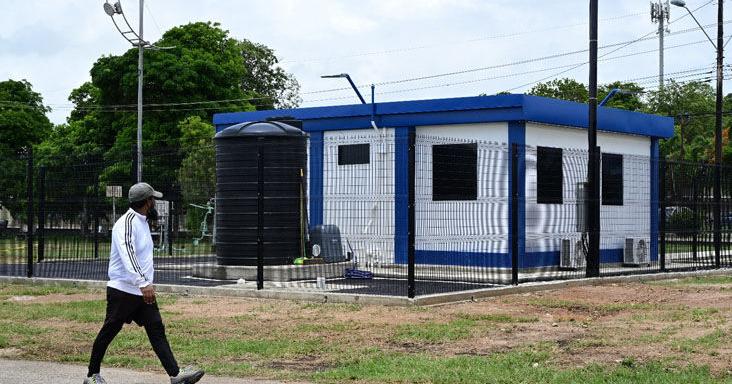
A planned expansion of community policing across Trinidad and Tobago has become the center of a conflict between central and local government authorities, even as law enforcement leaders prepare to bring new facilities online. Deputy Commissioner of Police Junior Benjamin has confirmed that the Trinidad and Tobago Police Service (TTPS) is eagerly anticipating the launch of multiple new permanent police posts, including a key location at Eddie Hart Savannah in Tacarigua. When reporters from the Express visited the Tacarigua site this week, the fully built structure was found shuttered and non-operational, with only a single security guard stationed in a nearby blue tent, indicating that final opening procedures are still underway. Benjamin emphasized in an interview that the TTPS is committed to leveraging these new facilities to their full potential once they open. The new posts, he explained, are designed to address two longstanding gaps in local public safety: they will cut emergency response times dramatically during critical incidents, and give neighborhood residents a more accessible local hub to file reports and access routine police services without traveling long distances to distant precincts. Despite broad support for the goal of expanding policing access, the project has run into opposition from the Tunapuna-Piarco Regional Corporation, whose chairman Josiah Austin says the construction of the Tacarigua post violated local regulatory laws. Austin told reporters that the regional corporation issued both a formal notice of violation and a stop-work order before construction was completed, but central government officials proceeded with the project regardless, choosing to ignore the legal directives. Austin stressed that his corporation does not oppose the creation of these new police posts as a policy initiative – the objection is centered on the process the central government used to advance the Tacarigua site. He called on the government to ensure that future construction of additional posts includes required consultation with local governing bodies and relevant state agencies, such as the National Gas Company (NGC). Austin noted that the ongoing standoff should serve as a clear reminder that central government must adhere to all existing legal requirements when undertaking public projects within jurisdictions managed by local authorities. ‘At some point they would learn that Central Government cannot bully Local Government, as the law is the law and the right thing is the right thing,’ Austin said. Last week, Austin first raised public concerns about the project, noting that the Tacarigua site lacked pre-construction consultation with the corporation and was built over decommissioned NGC gas lines. The NGC has since released a statement confirming that the lines are no longer active and do not present any public safety hazard at the site. The broader 30-post initiative was first announced two weeks ago by Prime Minister Kamla Persad-Bissessar, who framed the program as a mobile joint army-police expansion that will boost public safety across both islands of Trinidad and Tobago. The plan has already drawn backing from other local government leaders, including Chaguanas Mayor Faaiq Mohammed and Tobago House of Assembly Chief Secretary Farley Augustine. However, it has also faced scrutiny beyond the local government dispute: opposition attorneys have formally submitted a request to the Office of the Procurement Regulator, calling for a full investigation into the procurement processes used for the construction and site preparation work across all 30 planned posts.
-
Don’t use inmates for cheap labour
A major regional trade union body has drawn a clear line in the sand with the national government, raising stiff opposition to a proposal that would deploy convicted prison inmates to clean and upkeep public spaces, arguing the plan threatens the livelihoods of more than 40,000 out-of-work citizens waiting for gainful employment.
National Trade Union Centre (Natuc) General Secretary Michael Annisette laid out the organisation’s position in a formal public statement, clarifying that the union does not oppose meaningful offender rehabilitation programmes. Instead, Annisette stressed that any inmate work initiative must be structured first and foremost to equip participants with marketable, certified skills that will help them secure legal, stable employment after they complete their sentences. He pushed back against framing inmate work as a cheap, convenient replacement for paid labour that would otherwise go to unemployed residents.
The controversy sparked two weeks prior, when Minister of Homeland Security Roger Alexander first floated the proposal during a stakeholder meeting for the National Programme for the Upkeep of Public Spaces (NPUPS), held at St John’s Community Centre in Tunapuna. Alexander confirmed that offenders sentenced to hard labour would eventually be integrated into public maintenance work as part of their court-ordered sentences. The NPUPS initiative, launched by the government, is designed to boost municipal workforce capacity and keep community spaces clean and functional, with tasks ranging from street and drain clearing to general public space upkeep.
Annisette is demanding the government provide clear answers on what tangible benefits inmates will gain from the proposed work. Before the policy moves forward, he says the administration must address a core question: If inmates are tasked with public space maintenance, what nationally recognised credentials, skills, and post-release employment pathways will they walk away with that they did not have before entering prison? Without a clear, satisfactory answer, Annisette argues the initiative will be seen as nothing more than a cost-cutting measure disguised as correctional reform, rather than a genuine effort at rehabilitation.
“Cleaning drains, cutting grass, clearing roadsides and maintaining public spaces may constitute useful work, but work alone is not rehabilitation,” Annisette said in the statement.
The Natuc leader outlined that any legitimate rehabilitation-focused inmate work programme must integrate foundational skill building such as literacy and numeracy training, life skills education, occupational health and safety certification, hands-on vocational instruction, and nationally recognised qualifications aligned with existing in-demand job openings. He emphasized that the goal of correctional programming should be to prepare inmates to succeed as law-abiding citizens after release, not just teach them to complete manual tasks.
“An inmate should not simply leave prison knowing how to perform a task. That individual should leave better equipped to obtain lawful employment and remain outside the criminal justice system,” he added.
Annisette contextualized the union’s opposition against the country’s current strained labour market, which already leaves more than 40,000 displaced workers searching for meaningful, sustainable work. He says the government has a core responsibility to create quality jobs for law-abiding citizens, and must explain how the inmate labour proposal aligns with that obligation.
Stressing that Natuc is not against offender rehabilitation broadly, Annisette framed the union’s position as a push for “fairness, balance and responsible public policy.” He pointed out that thousands of unemployed citizens are actively seeking work, displaced workers are struggling to support their families, and thousands of existing workers already earn their living in public maintenance, sanitation, landscaping and related fields.
Natuc has pledged to strongly oppose any arrangement that uses inmate labour — whether directly or indirectly — to eliminate existing jobs, push down wages, undermine collective bargaining agreements, avoid hiring unemployed workers, reduce available job openings for citizens, or replace decent paid work with low-cost or unpaid inmate labour. “The rehabilitation of one group in society must not be achieved through the economic displacement of another,” Annisette said.
Beyond labour market concerns, the union is also calling on the government to ensure any future inmate work programme adheres to international standards for prison labour, including the United Nations Standard Minimum Rules for the Treatment of Prisoners, widely known as the Nelson Mandela Rules. Under these global standards, prison work must never be exploitative, and must prioritize rehabilitation, vocational skill building, and preparation for post-release employment.
Annisette argued that the success of any inmate labour programme should not be measured by how much public maintenance work is completed — such as the number of cleaned highways or cleared drains. Instead, success should be measured by outcomes: how many inmates earned recognized qualifications, developed marketable skills, secured quality employment after release, successfully reintegrated into society, and did not reoffend.
Natuc also raised key practical and public safety concerns about deploying convicted inmates to work in public spaces. Annisette said comprehensive risk assessments must be conducted to screen which inmates are appropriate for public work placements, alongside investments in trained on-site supervision, secure transportation, proper tools and safety equipment, formal occupational safety protocols, emergency response plans, and enough correctional staff and resources to keep everyone safe.
The union warned that members of the public, prison officers, other public employees, and contracted workers should not be exposed to avoidable risks caused by inadequate planning and under-resourcing. To address these gaps and ensure all perspectives are heard, Natuc is calling for full consultation with organized labour, employer groups, correctional authorities, and all relevant stakeholders before any implementation moves forward.
“Rehabilitation should create productive citizens. It should never create displaced workers,” Annisette concluded.