作者: admin

  • Nationwide Cleanup Targets Rats, Mosquitoes and Illegal Dumping, CBH Says

    Nationwide Cleanup Targets Rats, Mosquitoes and Illegal Dumping, CBH Says

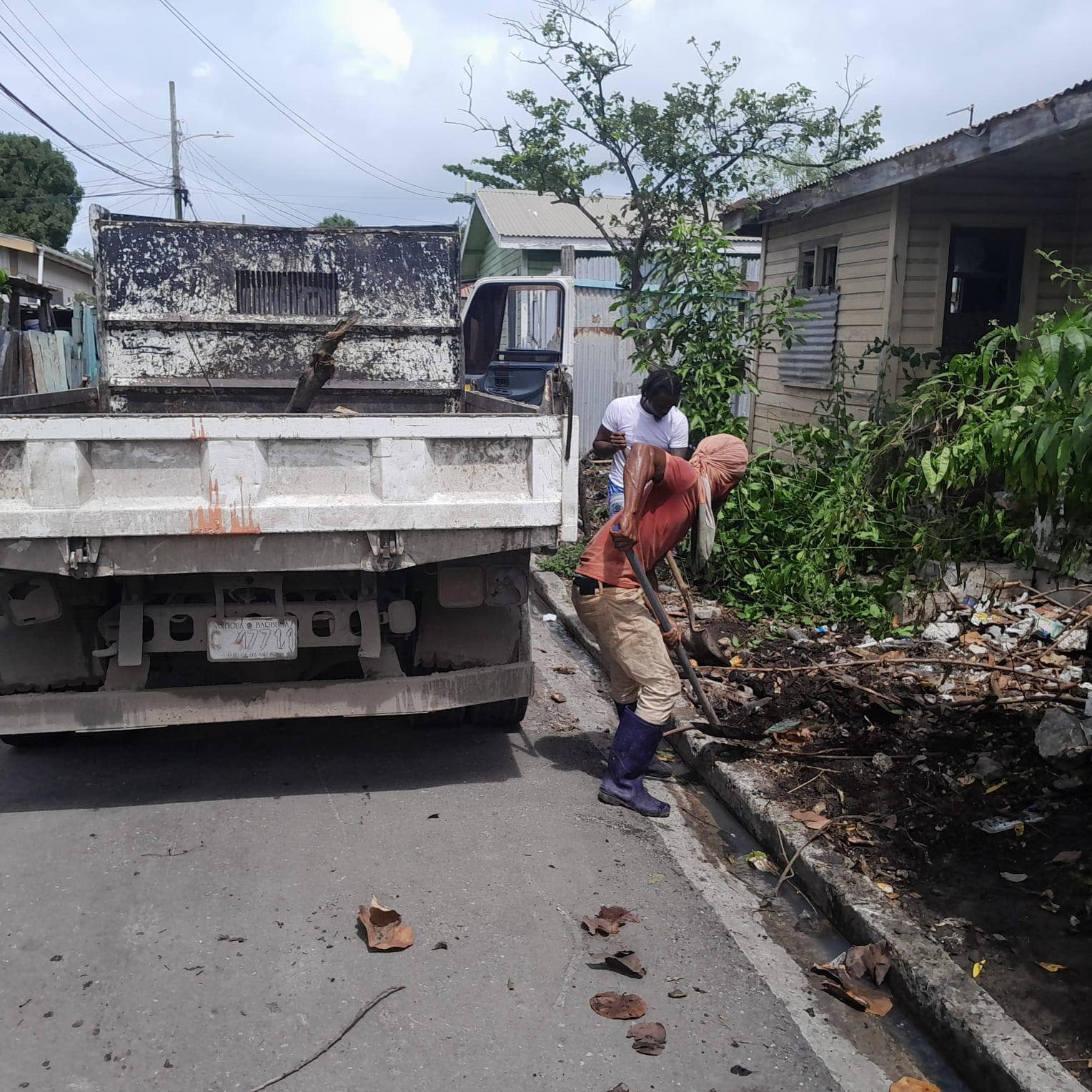
    A sweeping national public health campaign is currently in progress across Antigua and Barbuda, orchestrated by the Central Board of Health (CBH) to confront severe environmental health threats. This multi-agency operation unites the National Solid Waste Management Authority, the Royal Police Force, the Antigua and Barbuda Defence Force, and the Public Works Department in a targeted assault on communities plagued by severe illegal dumping, derelict vehicles, overgrown vegetation, and obstructed drainage systems.

    Julienne Mannix-Galloway, Principal Public Health Inspector at the CBH, emphasized that the initiative is a direct response to mounting risks of rodent and mosquito-borne diseases, including leptospirosis and dengue fever. She clarified the CBH’s regulatory mandate, which encompasses food safety, vector control, and environmental inspections, underscoring its pivotal role in mitigating conditions that facilitate pest proliferation and disease transmission.

    A critical tactical element of the campaign involves the strategic baiting of abandoned vehicles and structures prior to their removal. Mannix-Galloway explained this precaution is essential to prevent the mass migration of displaced rodents into adjacent residential areas, thereby exacerbating infestation problems. The comprehensive cleanup protocol further includes the eradication of bulk waste, clearing of vacant lots, trimming of dense vegetation, demolition of dilapidated buildings, and the flushing and deodorization of public drains. Due to constraints in staffing and equipment, operations are proceeding sequentially with an anticipated completion deadline by year’s end.

    Officials identified improper waste disposal by residents as a primary contributor to the crisis. Common practices such as leaving food waste exposed, overfeeding pets, and channeling kitchen refuse directly into open drains were cited as creating ideal breeding grounds for pests. In parallel, the CBH is intensifying scrutiny of food establishments, mandating the installation and maintenance of grease traps, and possessing the authority to shutter operations that present immediate public health dangers.

    The initiative also dovetails with national disaster preparedness objectives ahead of the annual hurricane season. By clearing drains and lots, the effort mitigates potential flooding risks and associated health hazards, a coordination effort that involves the National Office of Disaster Services in pinpointing vulnerable zones. At a strategic level, the CBH is advocating for more rigorous enforcement of the Litter Act, contending that perpetual cleanups are financially burdensome and unsustainable without a fundamental shift in public behavior and greater accountability. Mannix-Galloway concluded with an appeal for civic pride, urging citizens to maintain cleaned properties and adopt safer waste management practices.


  • Two Men Sentenced for Unlawful Possession of Cannabis

    Two Men Sentenced for Unlawful Possession of Cannabis

    In a decisive move underscoring the nation’s drug enforcement stance, the Antiguan judicial system has handed down significant financial penalties to two individuals convicted on cannabis possession charges. The rulings were delivered on Wednesday at the All Saints Magistrate’s Court, presided over by Magistrate Ngaio Emanuel.

    The first case involved Terrance Roberts, a 48-year-old resident of Federation Road. Roberts, who had previously entered a guilty plea, was found in possession of 267.8 grams of cannabis. The court imposed a substantial fine of $5,000 Eastern Caribbean Dollars, mandating full payment within a one-year period. Failure to comply with this financial penalty will result in a one-year custodial sentence at His Majesty’s Prison.

    In a separate and concurrent hearing, 32-year-old Roshawn Elliott from Potters Village faced sentencing after similarly pleading guilty. Elliott’s charges stemmed from the possession of a larger quantity—1.1 pounds (approximately 499 grams) of cannabis. Reflecting the greater amount seized, the court levied a more severe fine of $15,000 EC Dollars, also payable within a twelve-month timeframe. Defaulting on this payment will lead to an eighteen-month incarceration period.

    These consecutive sentencing procedures highlight the ongoing enforcement of cannabis legislation within Antigua and Barbuda, demonstrating the judiciary’s consistent application of penalties proportionate to the severity of the offense. The outcomes serve as a contemporary benchmark for drug-related convictions in the nation’s legal landscape.

  • OPINION: Caribbean Faces Rising Unemployment and Economic Uncertainty Amid Calls for Reform

    OPINION: Caribbean Faces Rising Unemployment and Economic Uncertainty Amid Calls for Reform

    The abolition of Caribbean slavery inaugurated a persistent struggle with employment, a complex issue often reduced to simplistic minimum wage debates and sterile statistics that obscure profound human suffering. The transition from plantation economies through post-colonial patriarchy to inadequate worker protection frameworks has left a fundamental question unresolved: what future awaits the region’s workforce?

    Global experiments offer little clarity. Finland’s Universal Basic Income trial provided unconditional payments to unemployed participants with inconclusive results, while India’s longstanding minimum hours protection for agricultural workers faces potential reform. The Cayman Islands recently implemented a hybrid approach emphasizing financial oversight and bureaucratic self-deception, even as the territory’s reputation suffers from yacht seizures and Ponzi scheme associations. Their entire financial sector now faces existential threat from proposed global corporate tax reforms targeting offshore havens.

    The heart of the unemployment crisis lies with disenfranchised youth who statistically drive regional criminal activity. Compounding this, efficiency gains, artificial intelligence, fiscal policies, and social spending demands are eliminating traditional lifetime employment for older workers—though not yet approaching Argentina’s pension crisis severity.

    Caribbean economies remain dangerously dependent on tourism, limited mineral resources, tax haven status, and remittances—a precarious foundation prompting some islands to explore military assistance economies akin to the Philippines. More alarmingly, formerly independent nations are increasingly functioning as U.S. detention facilities, trading sovereignty for economic survival.

    Remittance-dependent economies face additional pressure from American tax policies, while outsourcing sectors confront U.S. government opposition. Regional leadership promises 2026 solutions through economic diversification and sovereign wealth funds, but without substantive action, the future holds only intensified hardship and empty political rhetoric. The responsibility for meaningful change now rests entirely with Caribbean governance structures.

  • Dr Thomson Fontaine urges youth not to ‘waste their lives’ on violence

    Dr Thomson Fontaine urges youth not to ‘waste their lives’ on violence

    In a compelling address on state-owned radio DBS, United Workers Party (UWP) leader Dr. Thomson Fontaine issued a urgent plea to Dominica’s youth population, emphasizing the critical need for peaceful conflict resolution amidst escalating violent crimes on the island nation.

    The political leader directed his message specifically toward young males, urging them to reconsider their life choices amid what he described as unnecessary levels of violence. ‘I would like to make a very strong appeal to our young people, in particular to our young men, not to waste their lives away,’ Fontaine stated during his radio appearance. ‘This level of violence that we are seeing is really not called for.’

    Fontaine’s intervention comes against a troubling backdrop of criminal statistics, with Dominica recording over 20 homicides throughout 2025—a concerning figure for the Caribbean nation—accompanied by a dramatic increase in firearm-related violence.

    The opposition leader proposed concrete alternatives to violence, suggesting that youth should ‘bring in their illegal weapons’ and instead engage in dialogue to address conflicts. He emphasized the broader societal impact of violent crimes, noting that ‘too many families are impacted, too many people are impacted beyond just the people who are involved in the violence.’

    Fontaine advocated for a transformative approach to the new year, calling for greater patience and compassion among community members. ‘Let this new year be a part of something different where we can approach our issues and our differences and our problems in a different manner,’ he urged, adding that differences ‘can be done in a peaceful and amicable manner.’

    The UWP leader’s message aligns with growing concerns across Dominica regarding youth violence and illegal weapon proliferation, positioning community dialogue as essential to reversing the island’s troubling crime trends.

  • Police investigating fatal boating accident in Soufrière

    Police investigating fatal boating accident in Soufrière

    Authorities in Saint Lucia have launched a comprehensive investigation into a tragic maritime incident that resulted in the death of a local resident. The Marine Intelligence and Investigations Unit of the Royal Saint Lucia Police Force is leading the probe into Wednesday’s fatal accident occurring in the coastal waters near Anse Mamin, Soufrière.

    According to initial investigative findings, the victim was engaged in snorkeling activities when he suffered catastrophic injuries after being struck by an unidentified watercraft. Following the collision, bystanders arranged private transportation to transfer the injured man to Soufrière Hospital for emergency medical treatment.

    Despite medical intervention, the victim succumbed to his injuries shortly after arrival. Official confirmation of death was recorded by a medical examiner at precisely 12 p.m. on the day of the incident.

    The deceased has been formally identified as 31-year-old Sheram Lionel, a resident of Trois Piton in the Castries region. Police officials have confirmed that their investigation remains active and ongoing, with authorities examining all aspects of the circumstances surrounding this tragic waterfront accident.

  • ABWU Condemns Government’s “Sporadic and Fragmented” Payment Offers to Former LIAT 1974 Workers

    ABWU Condemns Government’s “Sporadic and Fragmented” Payment Offers to Former LIAT 1974 Workers

    The Antigua and Barbuda Workers’ Union (ABWU) has issued a forceful response to Prime Minister Gaston Browne’s announcement of additional funds for former LIAT 1974 Ltd. employees, characterizing the government’s approach as fundamentally inadequate and unjust.

    While acknowledging that financial assistance provides temporary relief, the union maintains an uncompromising position that displaced aviation workers must receive their full severance entitlements. The ABWU emphasizes that severance constitutes an earned right resulting from years of dedicated service, not a charitable donation or discretionary gesture.

    The labor organization has condemned the administration’s persistent refusal to acknowledge workers’ legitimate claims to severance payments, describing the government’s posture as both cruel and unjust. This stance has reportedly inflicted extended hardship on hundreds of former employees and their dependent families.

    The union characterizes the government’s intermittent payment offers as insufficient measures that highlight official apathy toward affected workers. The ABWU suggests that a credible demonstration of good faith would involve honoring severance for those with smaller outstanding balances while establishing a transparent framework for addressing larger payments as resources permit.

    Contradicting Prime Minister Browne’s claims of maintained dialogue, the union reveals that the administration has systematically excluded legally appointed worker representatives from substantive discussions for five consecutive years. This exclusionary approach appears particularly inconsistent with the government’s professed ‘pro-labour philosophy.’

    The ABWU concludes by demanding the replacement of what it terms ‘domineering approaches’ with constructive dialogue aimed at achieving a fair and humane resolution that acknowledges workers’ dignity and rightful claims.

  • Groenland: Veiligheidsdreiging door Rusland en China?

    Groenland: Veiligheidsdreiging door Rusland en China?

    The White House has reaffirmed Greenland as a national security priority for the United States, citing the need to counter perceived threats from “adversaries in the Arctic region” in an official statement released Tuesday. This declaration follows President Donald Trump’s recent remarks aboard Air Force One on January 4th, where he asserted that Greenland is “filled with Russian and Chinese ships everywhere” and essential for American security interests.

    Secretary of State Marco Rubio is scheduled to engage in diplomatic discussions with Danish officials regarding Greenland next week. However, the administration maintains that military options remain under consideration. “The President and his team are evaluating various approaches to achieve this crucial foreign policy objective, and naturally, the deployment of U.S. military forces remains within the Commander-in-Chief’s available options,” the White House statement elaborated.

    This isn’t the first instance of Trump’s expressed interest in acquiring Greenland. During his second term, he has repeatedly emphasized the territory’s strategic importance, stating in March: “We need Greenland for international security. We must have it.”

    Greenland, an autonomous territory within the Kingdom of Denmark since 1979, gained the right to declare independence via referendum in 2009. Both Greenlandic and Danish leadership have consistently rejected Trump’s propositions. Danish Prime Minister Mette Frederiksen stated categorically on January 4th: “There is absolutely no basis for discussing U.S. acquisition of Greenland. The United States has no right to annex any of the three countries within the Danish kingdom,” referencing both Greenland and the Faroe Islands.

    Strategic analysts highlight the complexities of military action against a NATO ally. Melinda Haring, senior fellow at the Atlantic Council Eurasia Center, told Al Jazeera: “If the U.S. chooses military force to acquire Greenland, it would be extremely complicated. Denmark is a NATO member; the U.S. is too. This fundamentally challenges the purpose of the military alliance.”

    Greenland’s geographical significance lies in its position offering the shortest route from North America to Europe, providing strategic advantages for military operations and ballistic missile warning systems. The U.S. seeks to enhance its military presence with radars in waters between Greenland, Iceland, and the United Kingdom—key transit areas for Russian and Chinese vessels that Washington wishes to monitor.

    Beyond military considerations, Greenland possesses substantial mineral resources, including rare earth elements critical for high-tech industries and battery production. A 2023 study identified 25 of the 34 minerals classified as “critical raw materials” by the European Commission within Greenland’s territory.

    Despite Trump’s claims of significant Russian and Chinese naval presence, current data from ship-tracking services like MarineTraffic show no evidence of such activity near Greenlandic waters. The rhetoric occurs within broader geopolitical competition in the Arctic, where melting ice due to climate change is making previously inaccessible resources increasingly available. Nations including the U.S., Canada, China, and Russia are expanding their focus on the region.

    Russian President Vladimir Putin addressed these developments at the International Arctic Forum in Murmansk in March 2025, stating: “Russia has never threatened anyone in the Arctic region, but we are closely monitoring developments and will respond appropriately by enhancing our military capabilities and modernizing our military infrastructure.” Putin acknowledged believing Trump was serious about acquiring Greenland and expected continued U.S. efforts.

    Meanwhile, Russia and China are collaborating on developing Arctic shipping routes. Russia aims to increase oil and gas shipments to China despite Western sanctions, while China seeks alternative routes to reduce dependence on the Strait of Malacca. The Northern Sea Route through the Arctic Ocean is becoming increasingly navigable due to melting ice, potentially significantly shortening shipping times. Russian oil shipments to China via this route increased by 25% last year.

    China has actively explored the region, dispatching ten scientific expeditions to the North Pole and constructing research vessels specifically designed to study waters north of Russia.

  • Javian en oma Edith begraven na familiedrama in Commewijne

    Javian en oma Edith begraven na familiedrama in Commewijne

    Under a cloud of profound grief, Suriname laid to rest seven-year-old Javian Schattevoo and his 80-year-old grandmother Edith Brammerloo on Wednesday. The funeral service was marked by raw emotional outpouring as heart-wrenching cries of anguish echoed through the ceremony. In a poignant tribute to the young victim’s favorite toy, Javian’s casket was crafted in the distinctive shape of an airplane.

    Singing pallbearers carried the coffins from the service while trumpet music accompanied the ceremonial procession to the gravesites at René’s Hof cemetery, where mourners participated in traditional dancing carries as part of the burial rituals.

    The victims represent two of the ten lives lost in December’s horrific family massacre in Commewijne district. The perpetrator, Dennis Aroma, took nine lives including four of his own children before ending his own life within 24 hours of the atrocity.

    Aroma’s four children were buried on New Year’s Eve, while the assailant himself was laid to rest on Tuesday. Two survivors of the attack continue to recover from their injuries.

    In response to the tragedy, the Psychiatric Center Suriname (PCS) has deployed around-the-clock psychosocial support teams to assist grieving family members and affected community residents. Justice and Police Minister Harish Monorath attended Wednesday’s funeral to express official condolences and solidarity with the devastated families.

    The mourning process in Commewijne continues with Friday’s scheduled burial of married couple Oron, two additional victims of the massacre. The community remains deeply traumatized by a tragedy that has left permanent scars on this close-knit Surinamese district.

  • St. Kitts and Nevis collaborates with U.S. to accept Caribbean nationals

    St. Kitts and Nevis collaborates with U.S. to accept Caribbean nationals

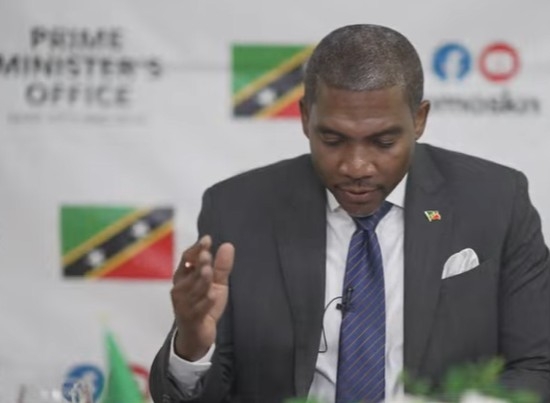
    In a significant diplomatic development, the Federation of St. Kitts and Nevis has formally entered into a bilateral arrangement with the United States government concerning the transfer of certain Caribbean Community nationals. Prime Minister Dr. Terrance Drew unveiled the agreement during his weekly ‘Roundtable’ media briefing on Thursday, January 8, 2026.

    The Memorandum of Understanding establishes a framework for the potential acceptance of third-country nationals within the CARICOM region, explicitly excluding Haitian citizens due to security considerations. Dr. Drew emphasized the selective nature of the arrangement, noting that only individuals without criminal records involving violent or sexual offenses would be considered for transfer.

    This development places St. Kitts and Nevis among several Eastern Caribbean nations that have engaged in similar negotiations with US authorities. The Prime Minister clarified that the initiative resulted from proactive diplomacy rather than external pressure, countering speculation about regional coercion.

    Regarding operational aspects, Dr. Drew indicated that financial responsibilities would predominantly fall to the United States, with logistical details currently undergoing finalization between both governments. The arrangement specifically targets CARICOM nationals who meet stringent eligibility criteria, reflecting the Federation’s commitment to regional solidarity while maintaining national security standards.

    The agreement represents a carefully balanced approach to international cooperation, addressing humanitarian considerations while implementing robust safeguards to protect national interests.

  • JCE launches first phase of national ID

    JCE launches first phase of national ID

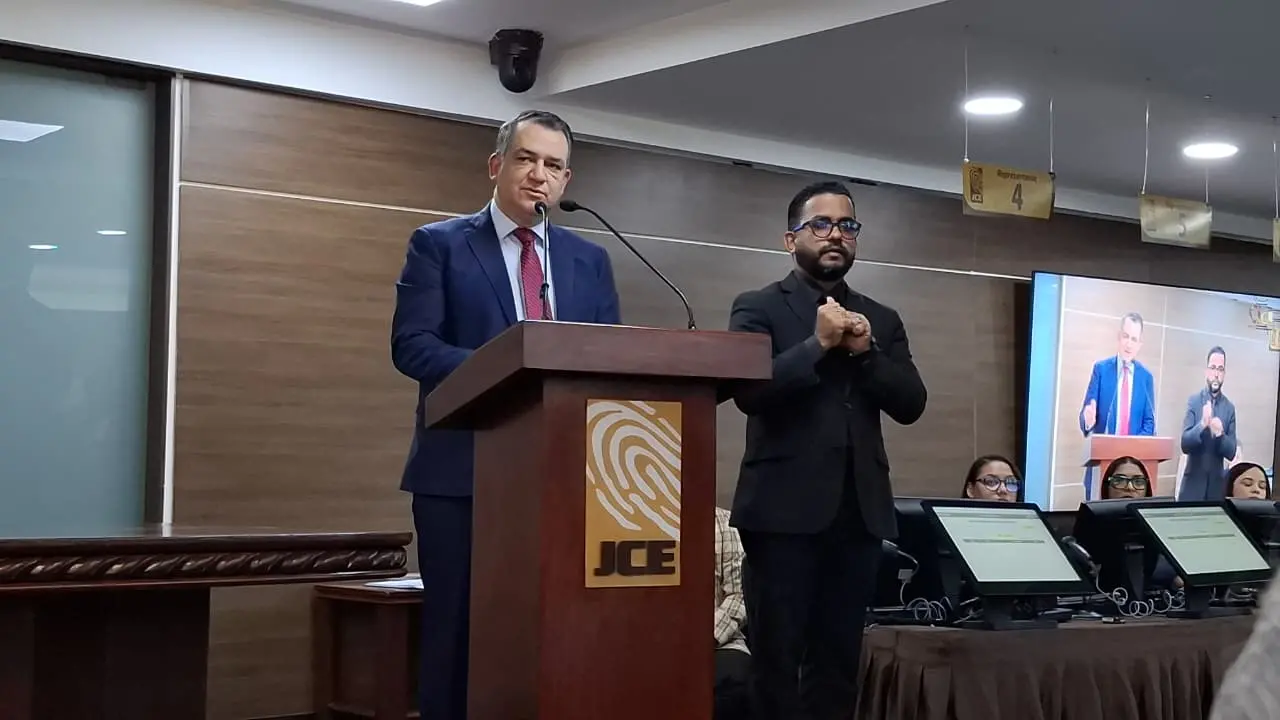
    Santo Domingo has initiated a landmark national identity modernization program as the Central Electoral Board (JCE) commenced the first phase of its comprehensive identity and electoral card renewal process on Monday. This pioneering effort centers on the collection of biometric data, signaling a technological leap in the country’s identification systems.

    The ceremonial launch featured Digna Mercedes, a distinguished JCE employee honored for her 52 years of service, becoming the first individual to undergo biometric data capture. This initial phase, running through January 23rd, is exclusively available to JCE personnel while deliberately excluding Plenary members from participation. The advanced laser-engraved identification cards are projected for delivery within a two-to-three month timeframe following data collection.

    President Luis Abinader is scheduled to receive the inaugural new-generation identity card during a special ceremony at JCE headquarters on January 26th. The limited rollout will expand throughout February and March to encompass employees of non-profit institutions alongside strategically selected groups including senators, deputies, judges, political party representatives, academics, athletes, business leaders, and civil society members—totaling approximately 4,000 identification documents.

    The comprehensive renewal initiative will transition to its second phase in April, marking the commencement of public accessibility. Citizens will be processed according to birth months in a systematically organized national rollout extending through March 2027, ensuring orderly implementation across the Dominican Republic.