作者: admin

  • West Indies set sights on U19 World Cup glory in Southern Africa

    West Indies set sights on U19 World Cup glory in Southern Africa

    The West Indies Under-19 cricket squad is intensifying its preparatory efforts with ambitious aspirations for the upcoming ICC Under-19 World Cup, set to take place across Zimbabwe and Namibia from January 15 to February 6, 2026. Under the leadership of captain Joshua Dorne and head coach Rohan Nurse, the Caribbean team aims to replicate their historic 2016 triumph when they clinched their sole championship title in the tournament’s history.

    A notable inclusion in the selected roster is Antiguan batsman Jewel Andrew, who brings valuable senior-level experience to the youth team. Andrew made his international debut in both One Day Internationals and T20 International formats during 2024, in addition to recording a half-century in the competitive Republic Bank Caribbean Premier League.

    Team captain Dorne expressed enthusiastic optimism about their prospects, emphasizing the significance of international exposure. “The opportunity to compete in an ICC tournament against diverse international squads provides invaluable experience for every player,” the Barbadian cricketer stated. “Jewel’s inclusion substantially strengthens our lineup given his established international background.”

    Vice-captain Jonathan Van Lange echoed this positive outlook, acknowledging his inaugural World Cup participation. “I’m eagerly anticipating the challenge ahead,” the Guyanese player commented. “This represents my first major international tournament, and I’m focused on delivering strong performances through dedicated training sessions with our pathway coaches.”

    Head Coach Nurse emphasized the program’s broader developmental objectives, noting: “From the initial stages, we’ve prioritized educating these young athletes about international cricket standards, both for youth ODI competitions and future professional careers. They’re learning to balance off-field preparation with on-field execution while appreciating the opportunities presented to them.”

  • Royalton Antigua and Tamarind Hills Antigua Among USA TODAY 10BEST Caribbean Winners

    Royalton Antigua and Tamarind Hills Antigua Among USA TODAY 10BEST Caribbean Winners

    The Caribbean island nation of Antigua has demonstrated its formidable standing in global tourism with two of its premier resorts earning distinguished recognition in the highly anticipated 2026 USA TODAY 10BEST Readers’ Choice Awards. This accolade serves to underscore the destination’s escalating appeal and competitive edge in the luxury travel market.

    In a significant achievement, Royalton Antigua clinched an impressive third place in the fiercely competitive ‘Best All-Inclusive Caribbean Resort’ category. Simultaneously, Tamarind Hills Antigua garnered notable acclaim, securing the seventh position among the elite ‘Best Caribbean Resorts’.

    The selection process for these prestigious awards embodies a democratic and expert-driven methodology. Initial nominations are curated by a panel of industry specialists, after which the final rankings are determined through an extensive period of public voting. This dual approach ensures that the results reflect both professional endorsement and genuine traveler satisfaction, providing a comprehensive measure of quality.

    The Antigua and Barbuda Hotels and Tourism Association (ABHTA) formally extended its congratulations to the winning establishments. In an official statement, the association emphasized that these honors are far more than mere trophies; they are a powerful affirmation of the nation’s status as a premier Caribbean destination. “These accolades are a testament to the unwavering commitment of our entire hospitality sector to achieving excellence and crafting uniquely memorable experiences for every visitor,” a representative from the ABHTA commented.

    This international recognition strategically positions Antigua and Barbuda alongside the most celebrated and sought-after tourism destinations in the region. The dual triumph highlights the diversity of the nation’s offerings, showcasing its ability to excel in providing both opulent luxury escapes and comprehensive all-inclusive vacation packages, thereby catering to a wide spectrum of international traveler preferences.

    The awards are expected to significantly boost the destination’s profile, reinforcing its marketing message of quality and exceptional service. For further details on the complete list of winners and the award methodology, the official USA TODAY 10BEST website remains the primary resource.

  • PM Mottley urges families to join One Family drive to rebuild social fabric

    PM Mottley urges families to join One Family drive to rebuild social fabric

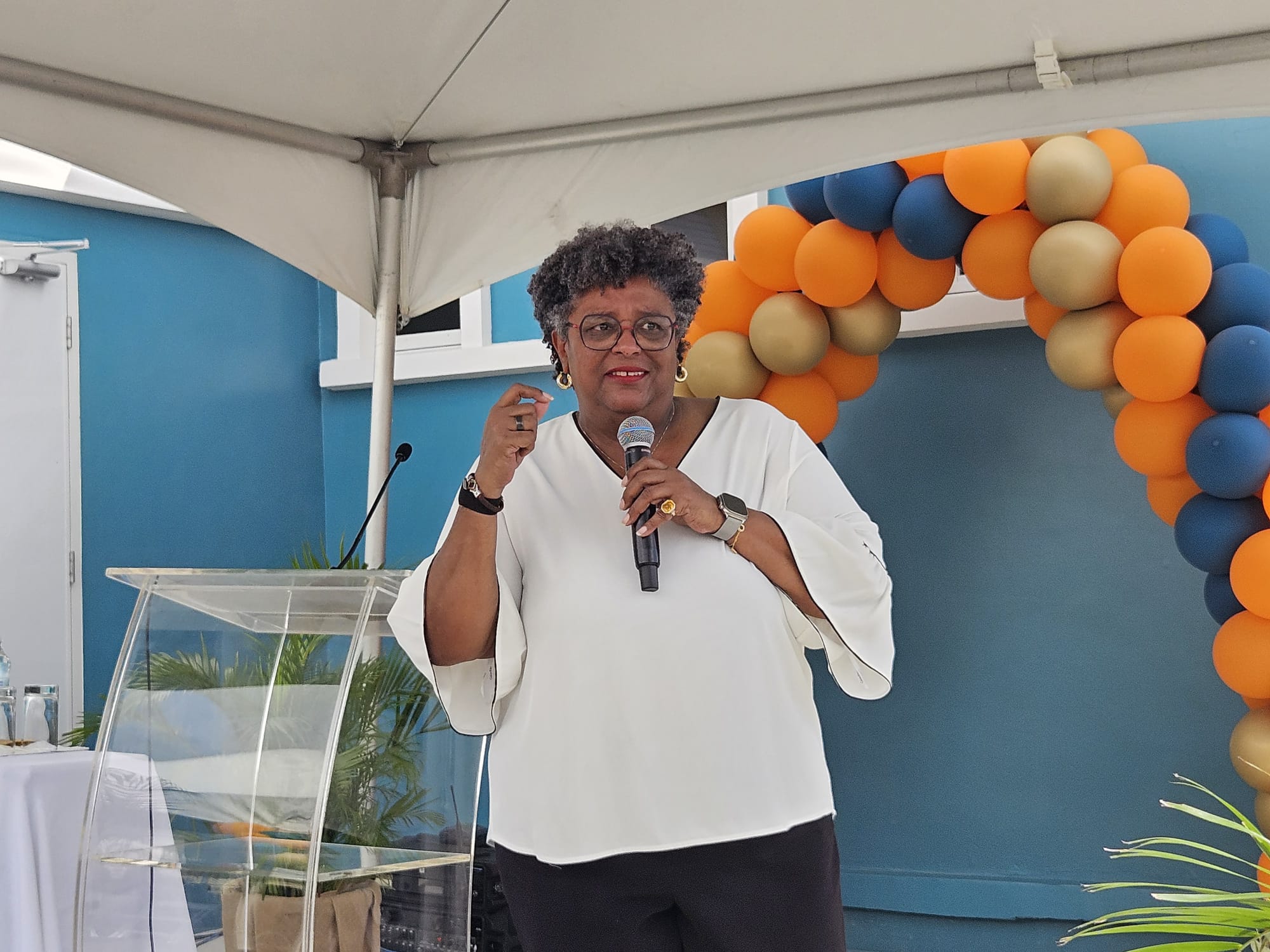
    In a significant national address, Barbados Prime Minister Mia Mottley has issued a powerful appeal for citizens to actively participate in restoring the nation’s social cohesion. Speaking at Wednesday’s inauguration of the first Social Empowerment Agency (SEA) client center in Six Roads, St Philip, Mottley positioned the new integrated social services model as a cornerstone of broader societal transformation.

    The Prime Minister articulated a compelling vision where poverty reduction and community strengthening require collective action beyond government intervention. “The battle to lift families from dependence to independence to nurture interdependence must happen not because government alone is integrating services,” Mottley emphasized, “but through combined efforts of public sector, private enterprise, and community engagement.”

    Mottley framed participation as both moral imperative and practical necessity, particularly urging economically stable citizens to join the One Family Programme. She challenged conventional notions of support, stating: “You can always give money, but money isn’t the only currency that helps to empower. The currency that helps to empower most is a listening ear and a helping hand, a warm heart, and voices that literally encourage others.”

    The Prime Minister illustrated this philosophy with a recent case where a business owner opted for restorative justice over prosecution for several youths in trouble. Through mediation involving parents, officials, and religious leaders, agreements were established to reward positive behavior—including academic improvement—with tangible support such as sporting equipment and transportation to recreational activities.

    Mottley connected this approach to Barbados’ cultural and religious values, reminding citizens: “If we don’t be the country that gives people a second chance, what is the basis of the religious faith of Christianity, if it is not about redemption and opportunities, and forgiveness?” Her address positioned social empowerment as both practical governance and national ethical commitment.

  • Senator Michael Freeland Pays Tribute to Teacher Gen’s Life and Legacy

    Senator Michael Freeland Pays Tribute to Teacher Gen’s Life and Legacy

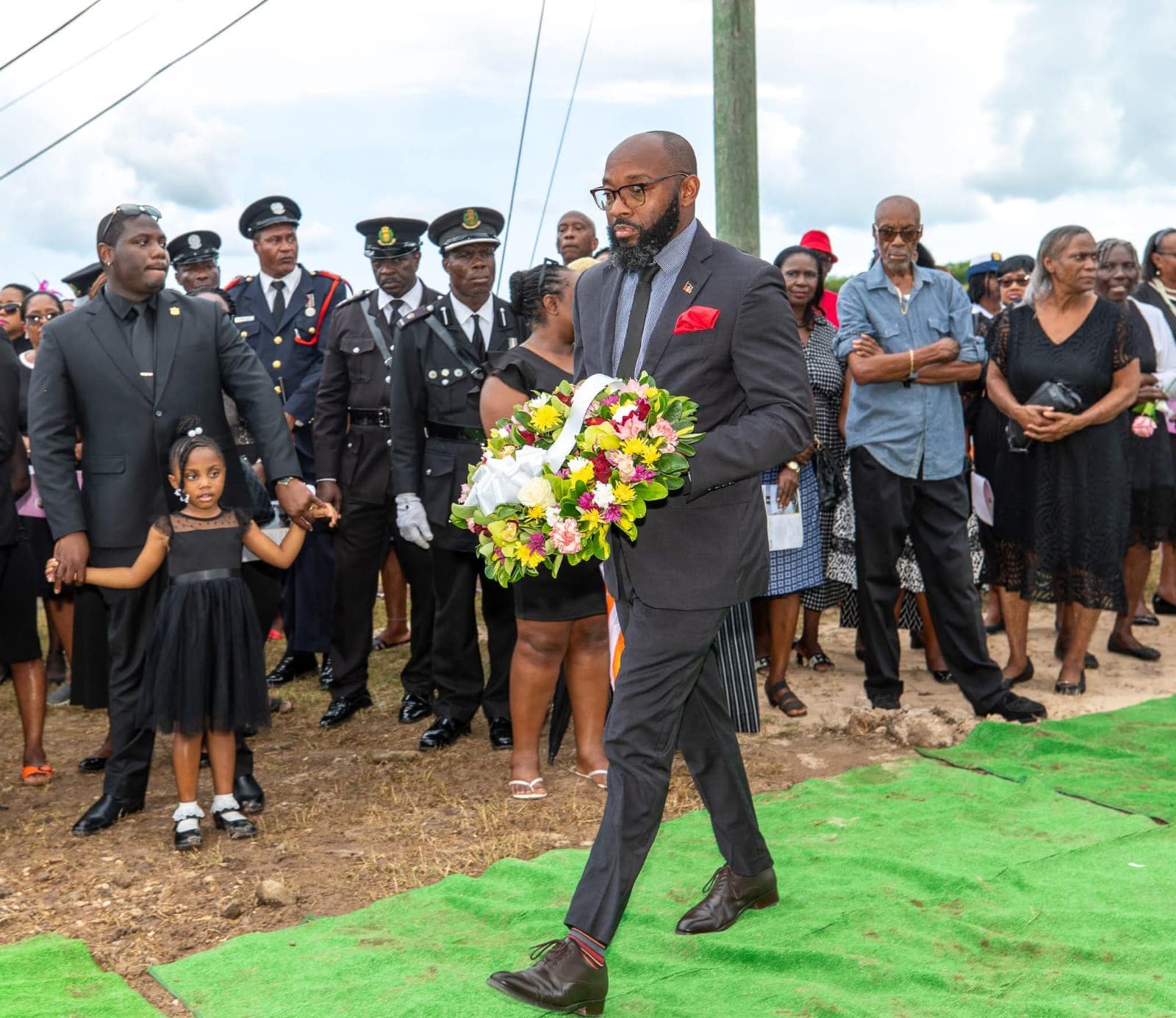
    ANTIGUA AND BARBUDA – The nation came together this week to honor the extraordinary legacy of the revered educator known affectionately as ‘Teacher Gen,’ whose funeral service became a powerful testament to a life lived in service of others. The ceremony, attended by citizens from across the dual-island nation, served as a profound reflection on her enduring contributions to education and community development.

    Prominent political figures joined family members in paying heartfelt tributes. Senator Michael Freeland delivered a poignant eulogy, characterizing the departed as a foundational pillar of society. ‘We gather today to celebrate a true matriarch,’ Senator Freeland stated, ‘whose wisdom, compassion, and unwavering commitment to our children and community will never be forgotten.’

    Her daughter, The Reverend Denise Smith-Lewis, offered a personal perspective on her mother’s lifelong mission. She shared that Teacher Gen ‘stood firmly for family and community, and clearly understood her life’s assignment,’ framing her work as a divine calling rather than merely a profession.

    Further illuminating her profound personal impact, Hon. Anthony Smith Jr. eulogized his grandmother as ‘a remarkable life, a beacon of love, faith, and inspiration to all.’ He provided intimate details of her home, which he described as having long served as ‘a sanctuary for the abandoned… a place where unconditional love, structure, and discipline transformed lives.’

    The widespread attendance and unified outpouring of respect highlighted the deep and lasting imprint of Teacher Gen’s decades of dedication, cementing her status as a national figure whose influence transcended the classroom and shaped the very fabric of Antiguan and Barbudan society.

  • Antigua and Barbuda Among Nations Facing Stricter Canadian Visitor Visa Rules in 2026

    Antigua and Barbuda Among Nations Facing Stricter Canadian Visitor Visa Rules in 2026

    Canada is implementing a significant restructuring of its visitor entry framework set for 2026, creating a bifurcated system that simultaneously simplifies access for certain nationalities while imposing more rigorous vetting for others. This strategic shift represents a recalibration of immigration policy aimed at bolstering border security while selectively promoting tourism.

    The revised system establishes two distinct pathways. Travelers from a designated group of nations, primarily in the Caribbean and Latin America, will benefit from an expanded Electronic Travel Authorization (eTA) program. This includes citizens from Antigua and Barbuda, St. Kitts and Nevis, St. Lucia, Trinidad and Tobago, Argentina, Costa Rica, Panama, and Uruguay. Eligible eTA applicants can bypass traditional visa applications for stays up to six months, provided they meet specific conditions like holding a valid U.S. non-immigrant visa.

    Conversely, the standard visitor visa process is undergoing substantial tightening. All applicants face enhanced scrutiny across multiple criteria, including financial proof, travel history, and demonstrated intent to return to their home country. Immigration officers now exercise greater discretion in denying applications based on vague travel purposes, insufficient evidence of financial means, or weak ties to the applicant’s country of origin.

    This policy evolution occurs within a broader context of Canadian immigration reform, including recent restrictions on international student visas. The government appears to be pivoting toward encouraging short-term tourism revenue as a counterbalance to reduced long-term student migration. The changes also reflect ongoing global security concerns, with explicit grounds for inadmissibility including criminal history, human rights violations, and potential security risks.

    The geographical impact of these changes is uneven. While Western European and American travelers remain largely unaffected, applicants from countries with historically higher refusal rates—such as Mexico, Brazil, and Colombia—are likely to experience increased rejection rates and longer processing times. The overarching goal remains finding an equilibrium between secure borders and sustainable tourism growth.

  • Nationwide Cleanup Targets Rats, Mosquitoes and Illegal Dumping, CBH Says

    Nationwide Cleanup Targets Rats, Mosquitoes and Illegal Dumping, CBH Says

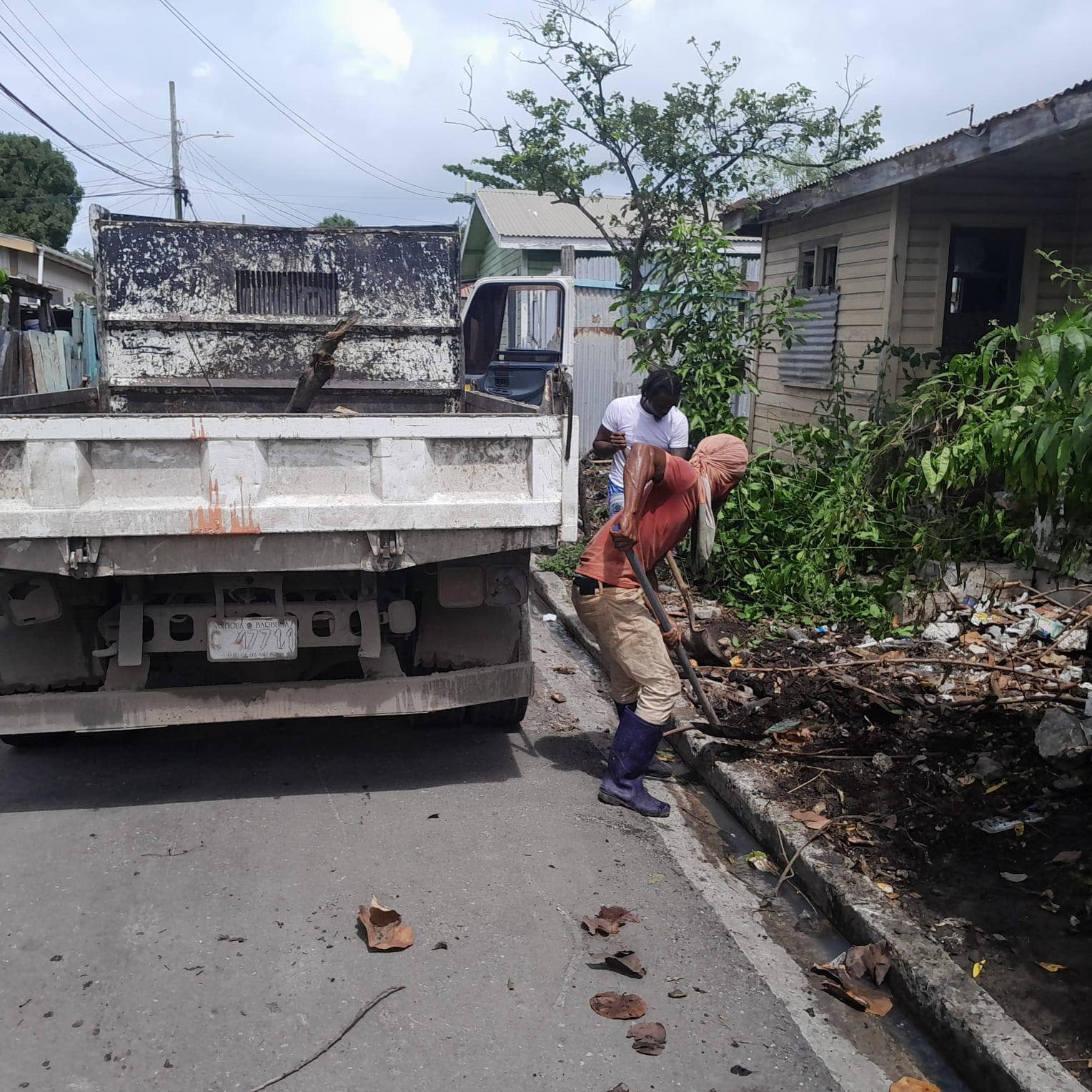
    A sweeping national public health campaign is currently in progress across Antigua and Barbuda, orchestrated by the Central Board of Health (CBH) to confront severe environmental health threats. This multi-agency operation unites the National Solid Waste Management Authority, the Royal Police Force, the Antigua and Barbuda Defence Force, and the Public Works Department in a targeted assault on communities plagued by severe illegal dumping, derelict vehicles, overgrown vegetation, and obstructed drainage systems.

    Julienne Mannix-Galloway, Principal Public Health Inspector at the CBH, emphasized that the initiative is a direct response to mounting risks of rodent and mosquito-borne diseases, including leptospirosis and dengue fever. She clarified the CBH’s regulatory mandate, which encompasses food safety, vector control, and environmental inspections, underscoring its pivotal role in mitigating conditions that facilitate pest proliferation and disease transmission.

    A critical tactical element of the campaign involves the strategic baiting of abandoned vehicles and structures prior to their removal. Mannix-Galloway explained this precaution is essential to prevent the mass migration of displaced rodents into adjacent residential areas, thereby exacerbating infestation problems. The comprehensive cleanup protocol further includes the eradication of bulk waste, clearing of vacant lots, trimming of dense vegetation, demolition of dilapidated buildings, and the flushing and deodorization of public drains. Due to constraints in staffing and equipment, operations are proceeding sequentially with an anticipated completion deadline by year’s end.

    Officials identified improper waste disposal by residents as a primary contributor to the crisis. Common practices such as leaving food waste exposed, overfeeding pets, and channeling kitchen refuse directly into open drains were cited as creating ideal breeding grounds for pests. In parallel, the CBH is intensifying scrutiny of food establishments, mandating the installation and maintenance of grease traps, and possessing the authority to shutter operations that present immediate public health dangers.

    The initiative also dovetails with national disaster preparedness objectives ahead of the annual hurricane season. By clearing drains and lots, the effort mitigates potential flooding risks and associated health hazards, a coordination effort that involves the National Office of Disaster Services in pinpointing vulnerable zones. At a strategic level, the CBH is advocating for more rigorous enforcement of the Litter Act, contending that perpetual cleanups are financially burdensome and unsustainable without a fundamental shift in public behavior and greater accountability. Mannix-Galloway concluded with an appeal for civic pride, urging citizens to maintain cleaned properties and adopt safer waste management practices.

  • Two Men Sentenced for Unlawful Possession of Cannabis

    Two Men Sentenced for Unlawful Possession of Cannabis

    In a decisive move underscoring the nation’s drug enforcement stance, the Antiguan judicial system has handed down significant financial penalties to two individuals convicted on cannabis possession charges. The rulings were delivered on Wednesday at the All Saints Magistrate’s Court, presided over by Magistrate Ngaio Emanuel.

    The first case involved Terrance Roberts, a 48-year-old resident of Federation Road. Roberts, who had previously entered a guilty plea, was found in possession of 267.8 grams of cannabis. The court imposed a substantial fine of $5,000 Eastern Caribbean Dollars, mandating full payment within a one-year period. Failure to comply with this financial penalty will result in a one-year custodial sentence at His Majesty’s Prison.

    In a separate and concurrent hearing, 32-year-old Roshawn Elliott from Potters Village faced sentencing after similarly pleading guilty. Elliott’s charges stemmed from the possession of a larger quantity—1.1 pounds (approximately 499 grams) of cannabis. Reflecting the greater amount seized, the court levied a more severe fine of $15,000 EC Dollars, also payable within a twelve-month timeframe. Defaulting on this payment will lead to an eighteen-month incarceration period.

    These consecutive sentencing procedures highlight the ongoing enforcement of cannabis legislation within Antigua and Barbuda, demonstrating the judiciary’s consistent application of penalties proportionate to the severity of the offense. The outcomes serve as a contemporary benchmark for drug-related convictions in the nation’s legal landscape.

  • OPINION: Caribbean Faces Rising Unemployment and Economic Uncertainty Amid Calls for Reform

    OPINION: Caribbean Faces Rising Unemployment and Economic Uncertainty Amid Calls for Reform

    The abolition of Caribbean slavery inaugurated a persistent struggle with employment, a complex issue often reduced to simplistic minimum wage debates and sterile statistics that obscure profound human suffering. The transition from plantation economies through post-colonial patriarchy to inadequate worker protection frameworks has left a fundamental question unresolved: what future awaits the region’s workforce?

    Global experiments offer little clarity. Finland’s Universal Basic Income trial provided unconditional payments to unemployed participants with inconclusive results, while India’s longstanding minimum hours protection for agricultural workers faces potential reform. The Cayman Islands recently implemented a hybrid approach emphasizing financial oversight and bureaucratic self-deception, even as the territory’s reputation suffers from yacht seizures and Ponzi scheme associations. Their entire financial sector now faces existential threat from proposed global corporate tax reforms targeting offshore havens.

    The heart of the unemployment crisis lies with disenfranchised youth who statistically drive regional criminal activity. Compounding this, efficiency gains, artificial intelligence, fiscal policies, and social spending demands are eliminating traditional lifetime employment for older workers—though not yet approaching Argentina’s pension crisis severity.

    Caribbean economies remain dangerously dependent on tourism, limited mineral resources, tax haven status, and remittances—a precarious foundation prompting some islands to explore military assistance economies akin to the Philippines. More alarmingly, formerly independent nations are increasingly functioning as U.S. detention facilities, trading sovereignty for economic survival.

    Remittance-dependent economies face additional pressure from American tax policies, while outsourcing sectors confront U.S. government opposition. Regional leadership promises 2026 solutions through economic diversification and sovereign wealth funds, but without substantive action, the future holds only intensified hardship and empty political rhetoric. The responsibility for meaningful change now rests entirely with Caribbean governance structures.

  • Dr Thomson Fontaine urges youth not to ‘waste their lives’ on violence

    Dr Thomson Fontaine urges youth not to ‘waste their lives’ on violence

    In a compelling address on state-owned radio DBS, United Workers Party (UWP) leader Dr. Thomson Fontaine issued a urgent plea to Dominica’s youth population, emphasizing the critical need for peaceful conflict resolution amidst escalating violent crimes on the island nation.

    The political leader directed his message specifically toward young males, urging them to reconsider their life choices amid what he described as unnecessary levels of violence. ‘I would like to make a very strong appeal to our young people, in particular to our young men, not to waste their lives away,’ Fontaine stated during his radio appearance. ‘This level of violence that we are seeing is really not called for.’

    Fontaine’s intervention comes against a troubling backdrop of criminal statistics, with Dominica recording over 20 homicides throughout 2025—a concerning figure for the Caribbean nation—accompanied by a dramatic increase in firearm-related violence.

    The opposition leader proposed concrete alternatives to violence, suggesting that youth should ‘bring in their illegal weapons’ and instead engage in dialogue to address conflicts. He emphasized the broader societal impact of violent crimes, noting that ‘too many families are impacted, too many people are impacted beyond just the people who are involved in the violence.’

    Fontaine advocated for a transformative approach to the new year, calling for greater patience and compassion among community members. ‘Let this new year be a part of something different where we can approach our issues and our differences and our problems in a different manner,’ he urged, adding that differences ‘can be done in a peaceful and amicable manner.’

    The UWP leader’s message aligns with growing concerns across Dominica regarding youth violence and illegal weapon proliferation, positioning community dialogue as essential to reversing the island’s troubling crime trends.

  • Police investigating fatal boating accident in Soufrière

    Police investigating fatal boating accident in Soufrière

    Authorities in Saint Lucia have launched a comprehensive investigation into a tragic maritime incident that resulted in the death of a local resident. The Marine Intelligence and Investigations Unit of the Royal Saint Lucia Police Force is leading the probe into Wednesday’s fatal accident occurring in the coastal waters near Anse Mamin, Soufrière.

    According to initial investigative findings, the victim was engaged in snorkeling activities when he suffered catastrophic injuries after being struck by an unidentified watercraft. Following the collision, bystanders arranged private transportation to transfer the injured man to Soufrière Hospital for emergency medical treatment.

    Despite medical intervention, the victim succumbed to his injuries shortly after arrival. Official confirmation of death was recorded by a medical examiner at precisely 12 p.m. on the day of the incident.

    The deceased has been formally identified as 31-year-old Sheram Lionel, a resident of Trois Piton in the Castries region. Police officials have confirmed that their investigation remains active and ongoing, with authorities examining all aspects of the circumstances surrounding this tragic waterfront accident.