作者: admin

  • Vehicle Reported Stolen from Spencer’s Supermarket Parking Area

    Vehicle Reported Stolen from Spencer’s Supermarket Parking Area

    Law enforcement agencies in Antigua and Barbuda have launched a comprehensive investigation following the reported theft of a light blue Toyota vehicle from the Spencer’s Supermarket vicinity. The missing automobile, identified by its distinctive national registration number A72662, was reported stolen under circumstances that authorities are currently examining.

    Police officials have issued a formal appeal to community members, urging anyone with potential sightings or relevant information about the vehicle’s whereabouts to immediately contact their nearest police precinct. The department has emphasized that anonymous tips are welcome, ensuring confidentiality for those who wish to contribute information without public disclosure.

    Investigators highlighted the crucial role of community cooperation in such cases, noting that prompt public response significantly enhances recovery prospects. The theft incident has prompted increased security awareness among local businesses and vehicle owners in the area. Law enforcement representatives confirmed that all information received will be treated with utmost priority as they work to resolve this case and return the vehicle to its rightful owner.

  • Hezekiah Parker Jr. Charged with Unlawful Possession of Firearm, Ammunition, and Cannabis

    Hezekiah Parker Jr. Charged with Unlawful Possession of Firearm, Ammunition, and Cannabis

    In a targeted operation underscoring heightened law enforcement efforts, Antiguan authorities have apprehended and charged Cedar Valley Heights resident Hezekiah Parker Jr. on multiple serious counts related to illegal weapons and controlled substances. The arrest culminated an early morning raid conducted on Saturday, January 10, 2026, at the suspect’s residence.

    During the search, officers from the Royal Police Force of Antigua and Barbuda uncovered a significant cache of illicit materials. The seized items included a Smith & Wesson .380 caliber pistol, seven rounds of matching ammunition, and approximately 100 grams of cannabis.

    Formal charges have been filed against Parker Jr., encompassing the unlawful possession of an unlicensed firearm, illegal possession of ammunition, possession of cannabis, and possession with intent to supply the controlled substance. This case represents a clear demonstration of the police administration’s renewed focus on proactive measures to combat community-based criminal activity.

    The Royal Police Force has officially stated that these targeted operations form a critical component of its broader strategy to enhance public safety by systematically removing illegal firearms and narcotics from circulation. Law enforcement officials are actively encouraging continued community cooperation, urging citizens to report any suspicious activities to their nearest police station or directly to the Criminal Investigations Department. The accused is scheduled for an imminent court appearance to answer the charges.

  • When will the Vigie Beach sewage leak saga end?

    When will the Vigie Beach sewage leak saga end?

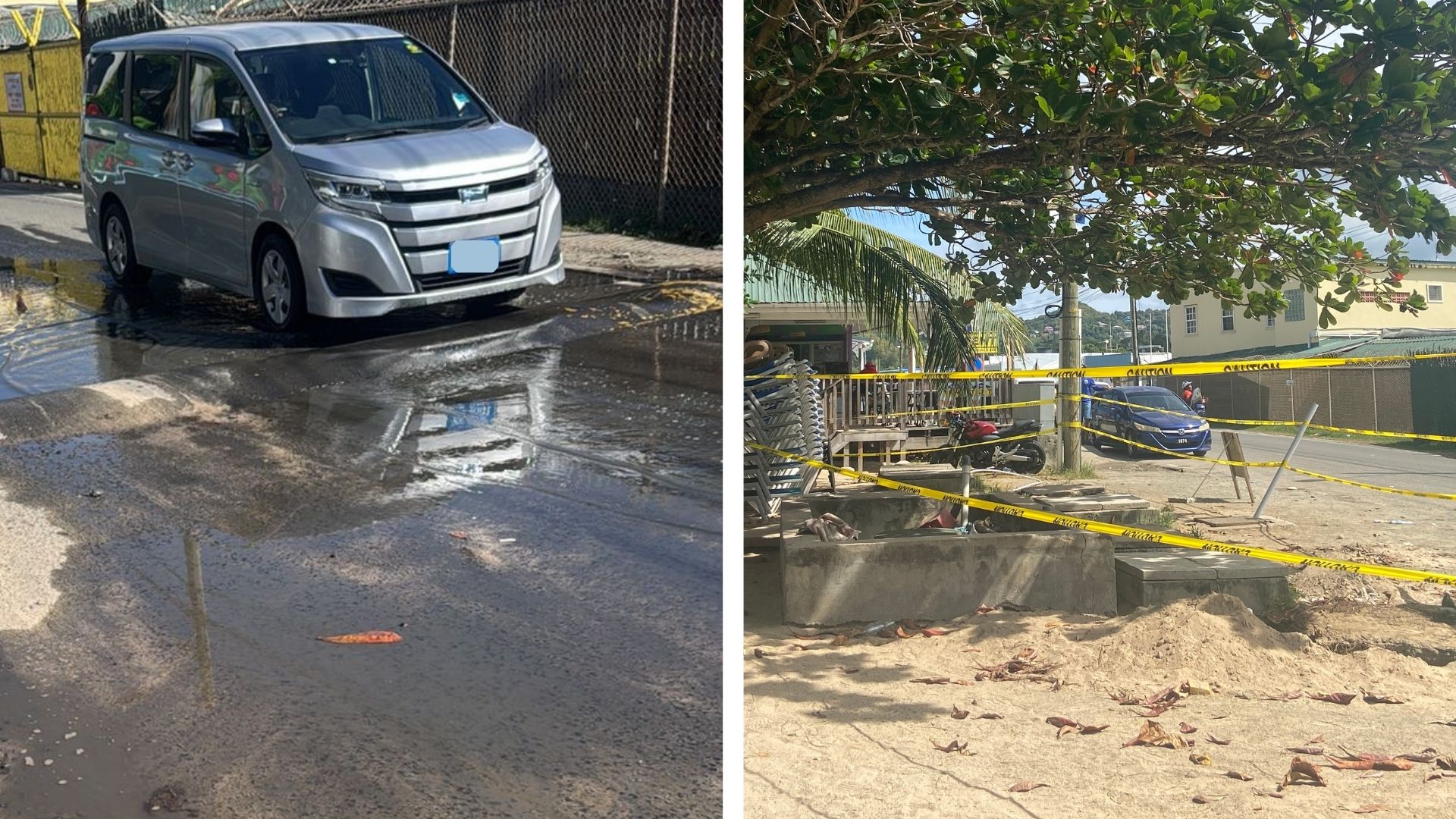
    After seven years of recurring contamination, Vigie Beach in Saint Lucia may finally see relief from its chronic sewage leakage problem. The National Conservation Authority (NCA) has initiated containment measures by cordoning off affected sections and implementing temporary repairs to address the foul-smelling wastewater seepage that has plagued this popular tourist destination.

    The environmental issue originates from three of eight waste tanks positioned opposite the George F. L. Charles Airport, which process effluent from eight beachfront restaurants and two public facilities. Local vendors and tourism workers report that the most recent leakage had been developing for several weeks before reaching critical levels last week, creating unsanitary conditions that have significantly impacted business operations and visitor experiences.

    While the NCA acknowledges the complexity of the situation, stakeholders remain skeptical about temporary measures. “This has been a recurring problem for seven years,” commented a local tourism employee who requested anonymity. “Although they’ve sectioned off the area with caution tape and are working on repairs, I’ll only celebrate when we have a permanent solution.”

    The environmental hazard has drawn sharp criticism from visitors, with tourist Maria Scott describing the situation as “appalling” and “disgusting” in video footage shared with local media. Her husband Michael added that the sewage problem “puts Saint Lucia on a bad scale” and requires immediate resolution.

    Visual evidence from the past month shows wastewater spreading across sandy areas and onto adjacent roadways, with vehicles and pedestrians occasionally passing through the contaminated zones. Historical reports indicate similar incidents dating back to October 2022, when burst pipes beneath beachfront establishments caused comparable contamination issues.

    The root causes remain contested between authorities and business operators. The NCA maintains that poor compliance with grease trap installation policies among restaurants contributes significantly to pipe blockages, while some tenants argue that inadequate maintenance by authorities is the primary culprit.

    According to DBS News reports, the NCA has previously replaced piping systems without achieving lasting results. The authority has indicated that a permanent solution might require temporary closure of the restaurant and bar complex, though officials express concern about the economic impact on local livelihoods. The NCA has confirmed ongoing consultations with engineering experts to develop a comprehensive long-term resolution.

  • Singapore retains its position as the world’s most powerful passport

    Singapore retains its position as the world’s most powerful passport

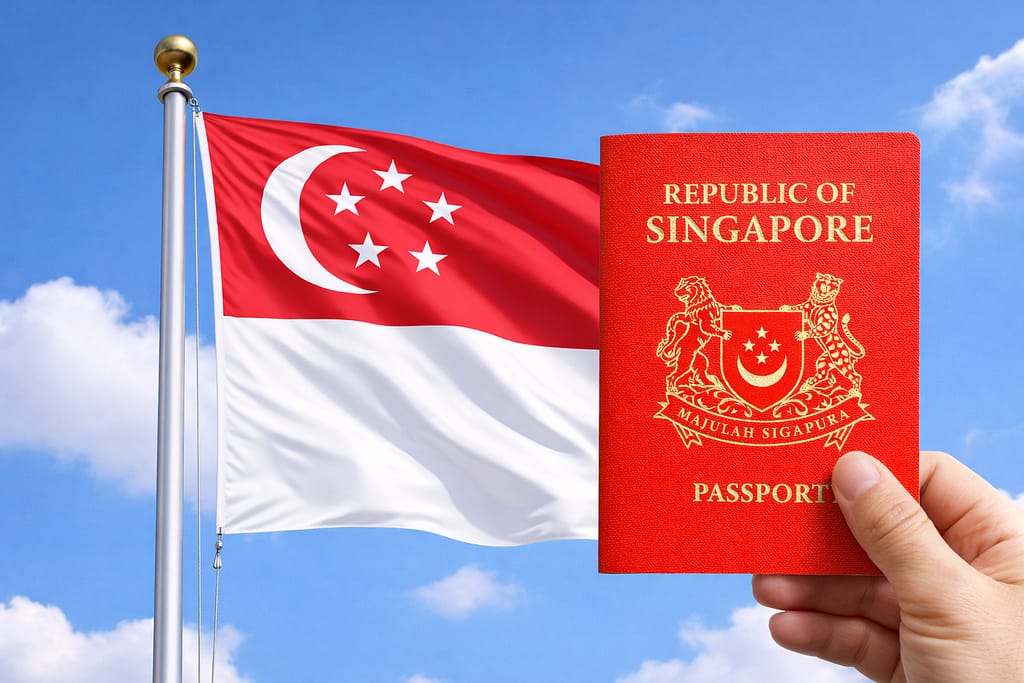
    The 2026 Henley Passport Index reveals a stark and growing global mobility divide, with Singapore maintaining its position as the world’s most powerful passport (192 visa-free destinations) while Afghanistan remains at the bottom (24 destinations). This 168-destination gap represents the largest disparity since the index began twenty years ago, significantly widening from the 118-destination difference recorded in 2006.

    Asian nations continue to dominate the upper rankings, with Japan and South Korea sharing second place (188 destinations), followed by several European countries in third (186 destinations). The United Arab Emirates emerges as the most improved passport over the past two decades, climbing 57 places to fifth position through sustained diplomatic engagement.

    The United States has returned to the top ten after briefly dropping out in late 2025, but this recovery masks a concerning long-term decline. Both the US and UK have experienced their steepest annual losses in visa-free access, with the US falling six places over twenty years and the UK dropping four places since 2006. This erosion of mobility rights reflects broader geopolitical shifts and domestic political volatility.

    Conversely, China has demonstrated remarkable progress, rising 28 places over the past decade to reach 59th position with access to 141 visa-free destinations. This improvement coincides with China’s strategic pivot toward openness as a diplomatic tool, granting visa-free access to 77 nationalities—31 more than the United States.

    The report highlights concerning policy developments that may further restrict global mobility. US Customs and Border Protection proposals could effectively end visa-free travel for citizens of 42 allied nations through extensive data collection requirements. Simultaneously, EU visa reforms are creating additional barriers for African travelers, with rejection rates increasing from 18.6% to 26.6% between 2015 and 2024.

    These developments have accelerated demand for alternative residence and citizenship options, with application volumes increasing by 28% in 2025 alone. Americans now represent the largest market seeking additional mobility rights, reflecting growing concerns about political instability and restricted global access.

  • Ali to visit Belize, ink agreements

    Ali to visit Belize, ink agreements

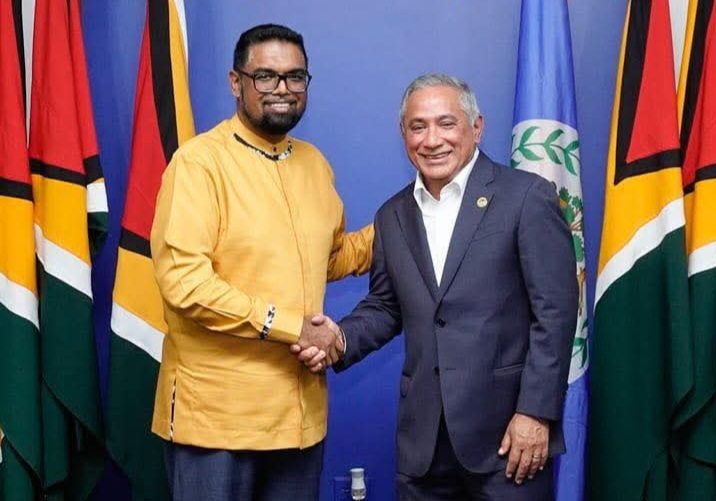
    In a significant diplomatic development, Guyanese President Irfaan Ali is scheduled to undertake an official state visit to Belize from February 1-3, 2026. The Central American nation’s Prime Minister’s Office confirmed the high-level visit, which marks a strengthening of bilateral ties between the two nations.

    President Ali, who serves as the Caribbean Community’s (CARICOM) lead head of government for agricultural affairs, will engage in comprehensive bilateral discussions with Belizean Prime Minister John Briceño and Governor-General Dame Froyla T’zalam. The visit includes a notable address by President Ali at the opening ceremony of Belize’s new parliamentary session, underscoring the importance both nations place on this diplomatic engagement.

    The cornerstone of the visit will be the signing of multiple cooperation agreements designed to enhance regional collaboration, stimulate investment opportunities, and expand trade relationships. These agreements reflect both countries’ commitment to regional solidarity and economic integration within the Caribbean basin.

    Prime Minister Briceño’s office emphasized the historically robust relations between Belize and Guyana, noting their shared dedication to regional development initiatives. The visit gains additional significance against the backdrop of recent economic developments, including a United States company’s decision to establish sugar refineries in both nations, potentially creating new agricultural synergies.

    This diplomatic mission represents a strategic effort to strengthen Caribbean partnerships while addressing regional agricultural challenges and opportunities through multilateral cooperation.

  • Government Targets End to Outdoor Bathrooms Nationwide

    Government Targets End to Outdoor Bathrooms Nationwide

    The Caribbean nation of Antigua and Barbuda has initiated a comprehensive national program to eradicate outdoor bathroom facilities, marking a significant advancement in public health and residential infrastructure. Minister for Social and Urban Transformation, Roland Turner, characterized the endeavor as a critical and long-overdue modernization effort essential for improving community health standards.

    This sanitation overhaul will be executed through direct interventions for qualifying households, identified via rigorous government assessments. The program operates under the established framework of the nation’s social protection initiatives, ensuring a structured and supportive approach to implementation.

    Minister Turner explicitly stated, ‘The era of outdoor toilets in Antigua is conclusively over,’ while actively rallying community organizations and citizens to collaborate by engaging with the Social Protection Board. This initiative represents a core component of the broader Housing Assistance Programme Initiative (HAPI), which is dedicated to elevating living conditions for the most vulnerable segments of the population.

    Substantial logistical support for the project is already underway, underscored by the recent procurement of building materials exceeding EC$1 million in value. These resources are currently being allocated to households with the most pressing needs, facilitating urgent repairs, reconstruction of damaged or lost homes, and renovations of properties in severe states of disrepair.

    The program’s expansion has concurrently revealed a growing demand for skilled labor to meet its ambitious construction targets, presenting new opportunities for local employment and workforce development alongside its primary public health objectives.

  • House-Lifting Programme to Target Flood-Prone Communities

    House-Lifting Programme to Target Flood-Prone Communities

    The government of Antigua and Barbuda has unveiled a groundbreaking housing resilience strategy designed to protect vulnerable communities from devastating flood damage. Through a specialized home elevation program, authorities will physically raise flood-prone residences to safer elevations, particularly targeting wooden structures built in low-lying areas.

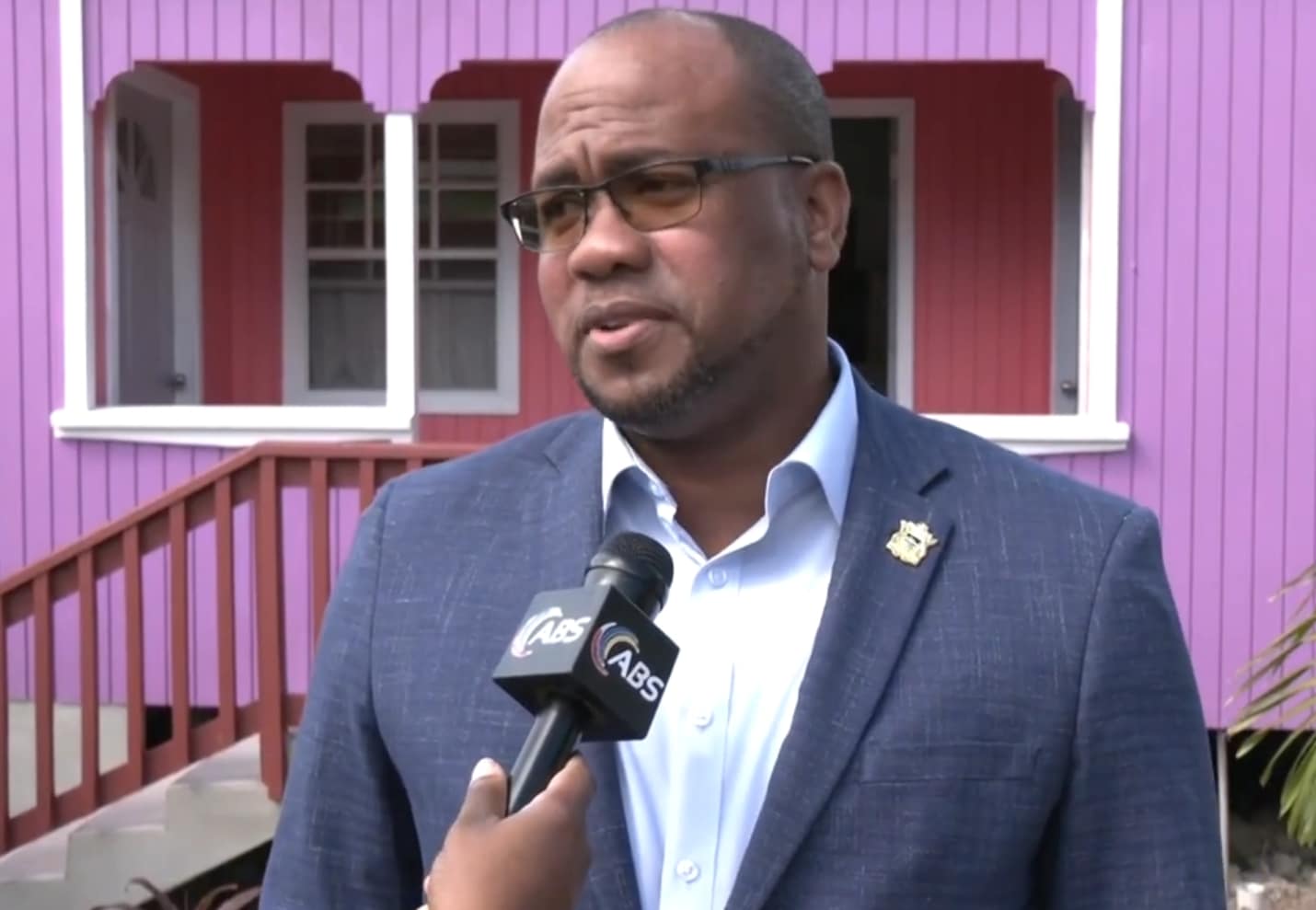
    Social and Urban Transformation Minister Roland Turner explained the critical need for intervention during an interview with ABS News. “Many homes in these vulnerable areas lack sufficient elevation to allow floodwaters to pass safely underneath during heavy rainfall events,” Minister Turner stated. He characterized the solution as “a very simple intervention” that could dramatically reduce property damage and financial losses for at-risk homeowners.

    The innovative program will be integrated into the existing Housing Assistance Programme Initiative (HAPI), which already facilitates repairs, renovations, and reconstruction projects for disadvantaged residents. This expansion comes alongside a significant infusion of resources, including building materials valued at over EC$1 million that have recently arrived for distribution.

    To address implementation challenges, the government has developed a comprehensive workforce strategy. Cabinet has approved the deployment of newly recruited construction workers from the Dominican Republic to supplement existing teams, including inmate labor programs. This additional manpower will support three specialized construction teams operating simultaneously across the nation, significantly accelerating the pace of housing improvements.

    The multi-faceted approach represents one of the Caribbean region’s most comprehensive housing resilience efforts, combining structural interventions, material support, and workforce development to create sustainable solutions for climate-vulnerable communities.

  • Wat we weten over de dodelijke anti-regimeprotesten in Iran…

    Wat we weten over de dodelijke anti-regimeprotesten in Iran…

    Iran has been engulfed by nationwide demonstrations for two weeks, with protests initially sparked by economic grievances rapidly escalating into violent anti-regime confrontations. The unrest, marked by significant casualties and widespread arrests, represents one of the most substantial challenges to Iran’s theocratic government in recent years.

    The protests originated in late December among Tehran merchants before spreading across all 31 provinces. What began as demonstrations against economic deterioration—including currency collapse and soaring prices—quickly transformed into broader opposition against the regime itself. Protesters have been documented burning images of Supreme Leader Ayatollah Ali Khamenei, while some have expressed support for exiled Crown Prince Reza Pahlavi.

    Iran’s economic crisis has been exacerbated by multiple factors. Since the reimposition of UN sanctions in September due to Iran’s nuclear program, the Iranian rial has entered freefall, currently trading at over 1.4 million to the US dollar. This economic pressure was compounded by a twelve-day war in June involving Israeli offensives and US airstrikes on nuclear sites. Recent price hikes for subsidized gasoline—previously among the world’s cheapest fuels—and anticipated food price increases following the central bank’s elimination of preferential exchange rates for most goods have further inflamed public anger.

    The government response has been characterized by severe measures. Authorities have shut down communication and internet networks, making independent verification of events challenging. According to the Human Rights Activists News Agency, the protests have resulted in over 544 fatalities and approximately 10,600 arrests.

    Geopolitically, Iran’s regional influence has suffered significant setbacks. The ‘Axis of Resistance’—Tehran’s coalition of allied countries and militias—has been weakened by conflicts throughout the region. Israel decimated Hamas in the Gaza war, Hezbollah lost leadership figures, and Syria’s President Bashar al-Assad fell in December 2024 after years of conflict. Iran-backed Houthi rebels in Yemen have also been heavily targeted by Israeli and American airstrikes.

    International reactions have added complexity to the situation. President Trump warned that the US would respond ‘very hard’ if the regime violently suppresses peaceful demonstrators—a warning given additional context following the capture of Venezuelan leader Nicolás Maduro, a Tehran ally. Meanwhile, China remains a significant purchaser of Iranian oil but provides no overt military support, similar to Russia, which utilizes Iranian drones in the Ukraine conflict but offers limited other assistance.

    The nuclear dimension continues to loom large. While Iran maintains its nuclear program is peaceful, increased uranium enrichment and reduced cooperation with the UN’s International Atomic Energy Agency (IAEA) have raised suspicions. The IAEA director warns that Iran could produce sufficient material for approximately ten nuclear weapons should it decide to militarize its program. US intelligence agencies believe Iran hasn’t yet initiated a nuclear weapons program but is preparing to rapidly build one if desired.

    This crisis occurs within the broader context of strained US-Iran relations dating to the 1979 Islamic Revolution, which transformed Iran from a key American ally under Shah Mohammad Reza Pahlavi to a theocratic state under Ayatollah Khomeini. The relationship has oscillated between hostility and diplomacy, highlighted by the 2015 nuclear agreement from which the US unilaterally withdrew in 2018, reigniting regional tensions.

    Iran now confronts a multidimensional crisis testing its political stability, regional influence, and international relationships, with developments being closely monitored worldwide.


  • Antigua and Barbuda Welcomes New EU Ambassador, Reviews Cooperation Priorities

    Antigua and Barbuda Welcomes New EU Ambassador, Reviews Cooperation Priorities

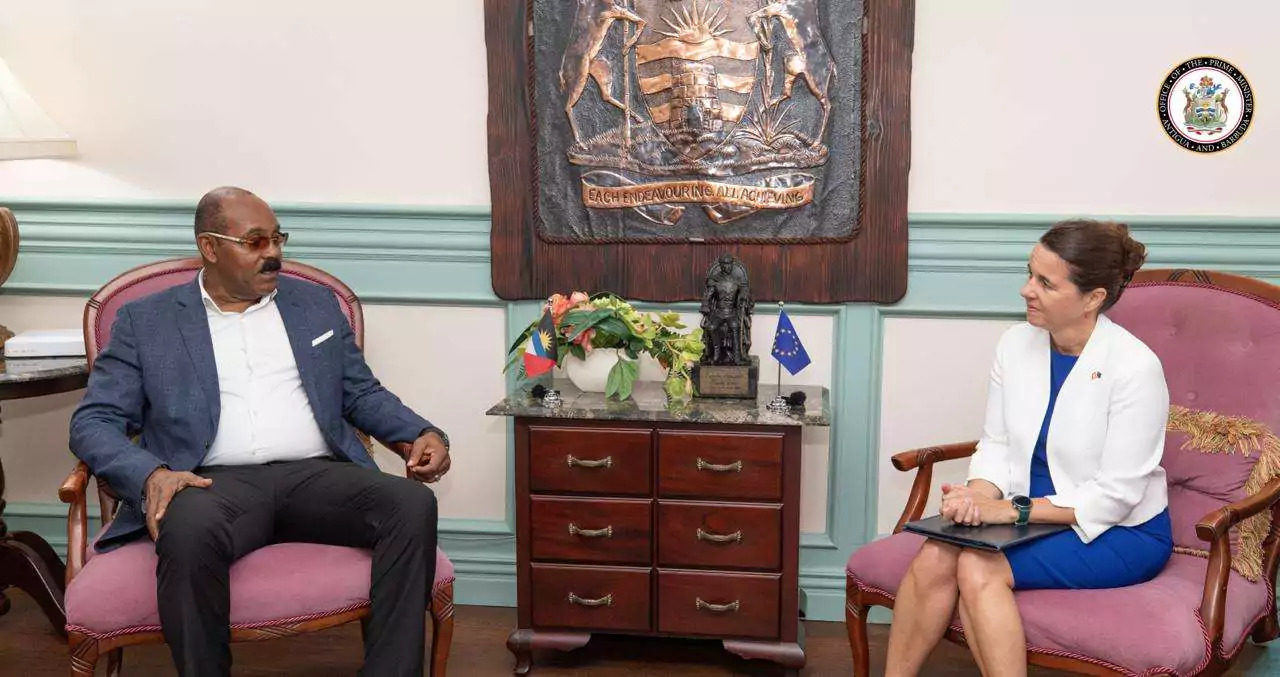
    The Government of Antigua and Barbuda engaged in high-level diplomatic discussions on Monday with Fiona Ramsey, the European Union’s newly appointed Ambassador to the Eastern Caribbean. The meetings, held with Prime Minister Gaston Browne and Foreign Affairs Minister E.P. Chet Greene, centered on reinforcing the longstanding partnership between the Caribbean nation and the European bloc.

    Prime Minister Browne characterized the EU as a crucial development partner since the country’s independence, advocating for a more strategic framework for regional funding mechanisms under the existing Economic Partnership Agreement. He identified transportation infrastructure as a critical barrier to Caribbean economic integration, noting that exorbitant shipping costs continue to hamper intra-regional trade. Browne proposed innovative, EU-supported maritime solutions—specifically multi-island service vessels—as a potential mechanism to enhance regional connectivity and economic cooperation.

    Foreign Minister Greene described the diplomatic engagement as particularly timely given ongoing reevaluations of EU support structures. While acknowledging decades of productive assistance, Greene expressed optimism that divergent perspectives on key issues—including European Development Fund allocations and concerns regarding Citizenship by Investment Programs—could be resolved through sustained diplomatic dialogue.

    Ambassador Ramsey reaffirmed the European Union’s dedication to maintaining open channels of communication and collaboration. She highlighted climate change mitigation and maritime connectivity as primary areas for continued cooperation, indicating potential advancements in these sectors during her tenure. The discussions established a framework for addressing both immediate concerns and long-term strategic priorities between the EU and Eastern Caribbean partners.

  • Attorney General Signals Push for CCJ Accession, Constitutional Reform Talks

    Attorney General Signals Push for CCJ Accession, Constitutional Reform Talks

    In a landmark address marking the opening of the 2026 legal year, Attorney General Steadroy Benjamin unveiled sweeping constitutional reforms aimed at asserting national sovereignty. The centerpiece announcement confirmed that Antigua and Barbuda will initiate national consultations on acceding to the appellate jurisdiction of the Caribbean Court of Justice (CCJ), terminating its reliance on the British Privy Council as its final court of appeal.

    Benjamin characterized the prolonged dependence on foreign judicial oversight as ‘an affront to our sovereignty,’ emphatically stating that ‘we are now the masters of our own destiny.’ The government simultaneously revealed plans to commence discussions on transitioning to republic status, with a national referendum to be scheduled following comprehensive public consultation.

    A Constitutional Review and Reform Committee has been established to steer these transformative initiatives. Chaired by Benjamin with former Attorney General Justin Simon KC serving as Vice Chair, the committee comprises distinguished members including Dobrene Omarde, Dr. Lenworth Johnson, MP Richard Lewis, Debra Burnette, Beverly Benjamin, and Ralph Bowen. In a gesture of cross-party collaboration, opposition leaders Jamale Pringle and Trevor Walker have received invitations to nominate representatives.

    The Attorney General concurrently addressed judicial administration concerns, acknowledging persistent delays in criminal case resolutions while noting the High Court’s civil division operates without significant backlog. Justice system reforms will feature prominently in the 2026 legislative agenda. Benjamin called upon legal professionals to actively educate citizens about CCJ integration and emphasized that constitutional modernization must balance judicial independence with public confidence built upon transparency, integrity, and equitable justice.