作者: admin

  • Contract Signed for Modern Caye Caulker Police Station

    Contract Signed for Modern Caye Caulker Police Station

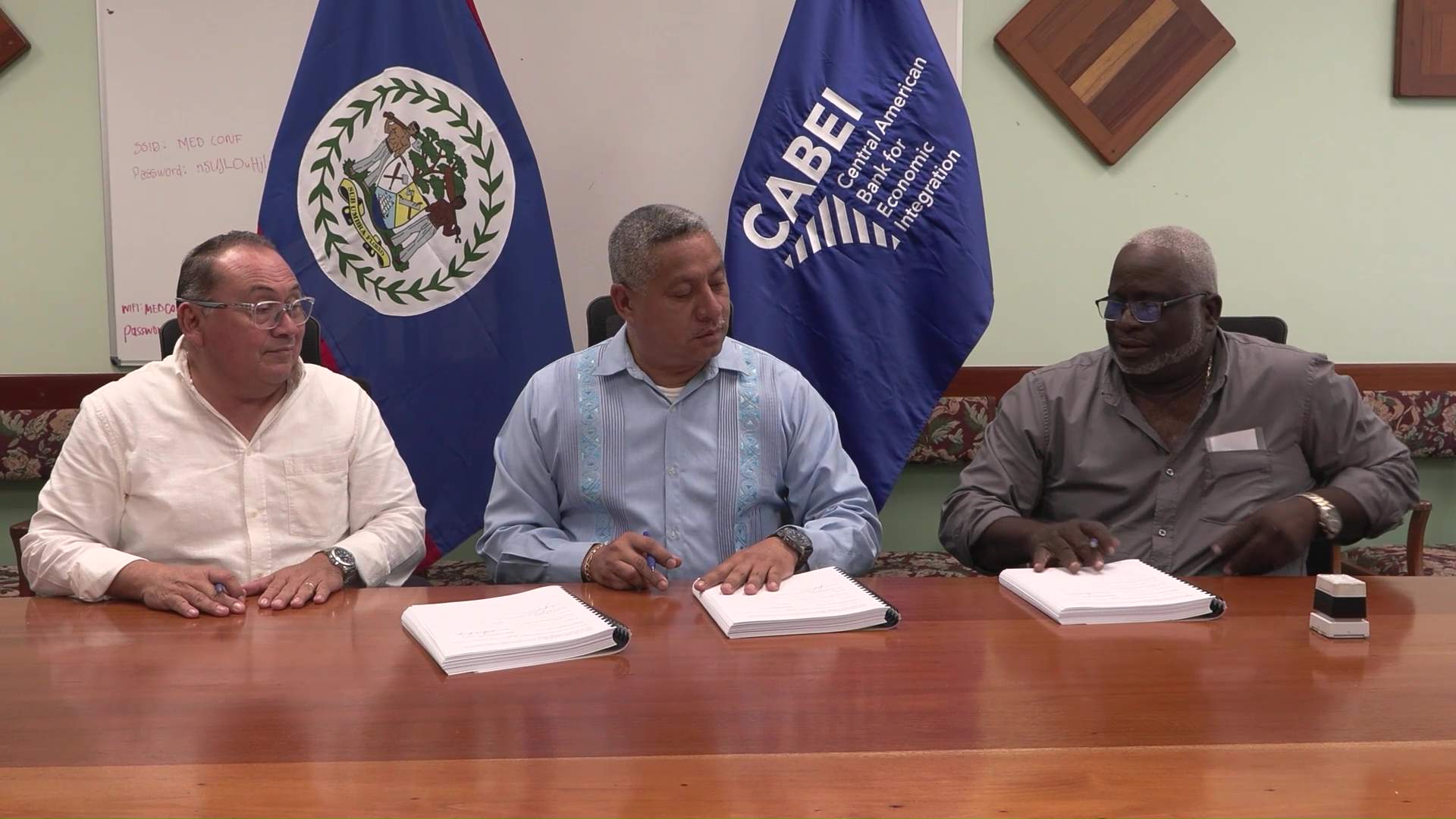
    CAYE CAULKER, BELIZE – A significant infrastructure development is underway to enhance law enforcement capabilities on the popular island destination of Caye Caulker. The Belizean government has formalized an agreement with Coleman Construction Limited for the creation of a contemporary police station, marking a pivotal advancement in local security infrastructure.

    During a formal signing ceremony witnessed by Home Affairs Minister Oscar Mira and Area Representative Abner Andre Perez, the Ministry of Economic Transformation committed to the construction project. This initiative falls under the broader Belize Integral Security Program, a comprehensive $60 million framework financed by the Central American Bank for Economic Integration (CABEI) to reinforce national security apparatus.

    The planned facility will encompass 3,500 square feet of operational space designed with modern policing requirements in mind. Architectural plans include specialized units for handling domestic violence cases, a secured evidence preservation room, confidential interview chambers, and a multipurpose conference area. With an allocated budget of $1.54 million, the project represents a substantial investment in public safety infrastructure.

    Minister Mira emphasized the transformative impact of the new station, noting that current facilities are “inadequate” for proper police operations. “This development will significantly upgrade operational capabilities and improve working conditions for our officers,” Mira stated. “It will ensure that both permanent residents and the increasing volume of tourists receive necessary security services.”

    The construction timeline projects completion within twelve months, after which the facility will serve dual purposes: providing enhanced security for local communities and supporting the growing tourism industry that drives the island’s economy. The partnership with CABEI underscores international cooperation in addressing regional security challenges through developmental funding.


  • Unions Push Back on BTL-Speednet Merger

    Unions Push Back on BTL-Speednet Merger

    BELIZE CITY – A proposed consolidation between Belize Telemedia Limited (BTL) and Speednet has triggered significant labor unrest, with national trade unions conducting emergency consultations throughout Wednesday. The telecommunications merger, which would see BTL acquire its competitor Speednet, has raised substantial concerns among workforce representatives regarding employment stability and worker protections.

    The National Trade Union Congress of Belize (NTUCB) convened a critical meeting Wednesday evening following day-long deliberations among member organizations. This gathering followed a postponement from the originally scheduled Tuesday night virtual meeting, allowing additional time for internal consultations within affiliated unions.

    In a significant development, the Belize Communications Workers Union engaged in extensive direct negotiations with BTL management earlier Wednesday. The day-long discussions focused specifically on potential impacts for BTL employees should the acquisition proceed. Union representatives have maintained a media blackout pending the NTUCB’s consolidated position.

    According to sources within the labor movement, the four social partner senators are expected to participate in the high-stakes negotiations. Tensions remain elevated as union leadership has indicated readiness to escalate their response if worker concerns are not satisfactorily addressed during these critical discussions.

    The outcome of these negotiations could significantly reshape Belize’s telecommunications landscape and establish important precedents for future corporate consolidations within the country’s key infrastructure sectors.

  • Red Bank Rejects Scarlet Macaw Sanctuary Plan Despite Tourism Push

    Red Bank Rejects Scarlet Macaw Sanctuary Plan Despite Tourism Push

    In a decisive community verdict, residents of Red Bank have overwhelmingly rejected a government-proposed scarlet macaw sanctuary in the Maya Mountains during a tense public consultation on Tuesday night. The meeting, attended by nearly two hundred villagers, revealed deep-seated frustrations over perceived exclusion from planning processes and concerns about potential land dispossession.

    The sanctuary initiative, promoted by tourism operators and government officials as both a conservation milestone and economic opportunity, faced rigorous scrutiny from locals. Opposition intensified after comments from Sustainable Development Minister Orlando Habet suggested possible farmer relocations, sparking widespread apprehension about land rights and community displacement.

    Tour guides emerged as unexpected proponents of the project, having advocated for protected status following discoveries of unauthorized surveying markers throughout critical bird-watching territories. Basilio Mes, a local guide, revealed that six parcels totaling approximately 150 acres had already been canceled following earlier interventions with government officials.

    The consultation exposed fundamental divides in perspective. While government representatives presented the sanctuary as a structured conservation effort, residents emphasized their existing successful coexistence with the annual scarlet macaw migration. Many articulated that formal protection measures seemed imposed rather than collaboratively developed, with several questioning why external entities were determining land use policies for territory the community already responsibly manages.

    Area Representative Rodwell Ferguson committed to respecting the democratic outcome, stating: ‘As an elected representative, I told them we are going to back off.’ He further pledged to prevent any land allocations that would restrict community access to the hills, regardless of future development considerations.

    Despite the project’s rejection, underlying issues remain unresolved. The presence of survey markings across contested areas continues to raise concerns about potential private development that could exclude both farmers and tour operators from traditional access routes. The government has indicated willingness to revisit the proposal should community perspectives evolve, while tourism professionals maintain hope for alternative conservation mechanisms to protect the ecologically significant area.

  • Ferguson to Take Middlesex Road Access Concern to Cabinet

    Ferguson to Take Middlesex Road Access Concern to Cabinet

    A persistent transportation crisis affecting Middlesex farmers for over ten years has now reached the highest levels of government intervention. Stann Creek West Area Representative Rodwell Ferguson has announced he will bring the critical road access issue before the Cabinet committee for immediate resolution.

    The agricultural community’s plight has intensified recently due to land acquisitions by Silk Grass Farms and apparent road development obstructions from the Ministry of Sustainable Development. These compounding factors have effectively stranded local producers, severely limiting their ability to transport goods to market.

    Representative Ferguson outlined his strategic approach during recent consultations: “I have advised the village council and farmers regarding our next course of action. I requested official documentation from the Middlesex Village Council to present to the committee. Concurrently, as Minister of Agriculture, I have directed my district agriculture officer to collaborate with the community and deliver a comprehensive response by next Wednesday.”

    This development follows years of deteriorating infrastructure that has crippled the local agricultural economy. Farmers report the situation has progressed from problematic to critical, with existing routes becoming increasingly impassable while alternative road projects face bureaucratic delays.

    The Cabinet’s forthcoming review represents the most significant governmental attention this longstanding issue has received to date, generating cautious optimism among Middlesex residents who have endured transportation challenges since 2016.

  • Belize Included in U.S. Immigrant Visa Suspension

    Belize Included in U.S. Immigrant Visa Suspension

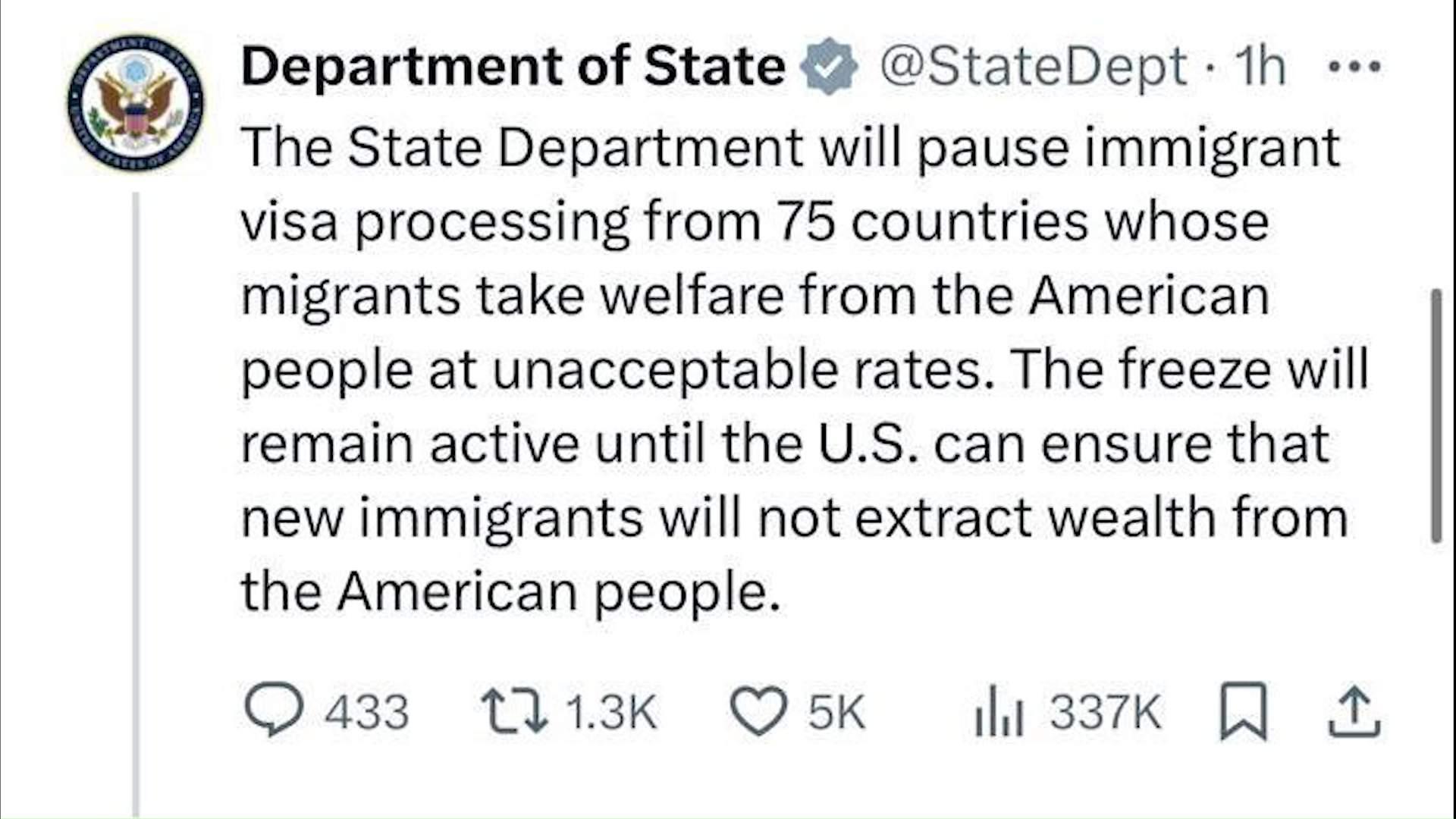
    In a significant immigration policy shift, the United States Department of State has confirmed the inclusion of Belize among seventy-five nations facing suspension of immigrant visa processing effective January 21, 2026. This decisive action stems from concerns that visa applicants from these countries might potentially burden American social welfare systems.

    The Belizean government, through its Ministry of Foreign Affairs and Foreign Trade, has initiated diplomatic communications regarding this development. Officials have engaged with the U.S. Embassy in Belmopan while directing their Washington D.C. embassy to seek comprehensive clarification regarding the suspension’s specific parameters and consequences.

    Belizean authorities have provided crucial context, noting that immigrant visa applications represent a relatively small segment of their total visa processing volume. Initial assessments indicate the freeze appears limited to immigrant visas, with no current anticipated impact on visitor, student, or other non-immigrant visa categories.

    The U.S. State Department clarified that this suspension constitutes a temporary measure pending completion of an extensive review of public charge assessment protocols—the evaluation process determining whether applicants might become financially dependent on government assistance programs. American officials emphasized the interim nature of this freeze, though no specific timeline has been established for the review’s conclusion.

    Belize’s government has committed to maintaining transparent communication channels to ensure citizens receive accurate, timely information as developments occur. Prospective immigrants are advised to anticipate processing delays until U.S. authorities finalize their policy evaluation.

  • Massive Credit Card Scam Alleged in Belize’s BPO Sector

    Massive Credit Card Scam Alleged in Belize’s BPO Sector

    Belize’s rapidly expanding Business Process Outsourcing (BPO) sector is confronting a severe credibility crisis as evidence emerges of widespread credit card fraud allegedly perpetrated by industry employees. The scandal, brought to light by prominent Belize City entrepreneur Lee Mark Chang, reveals hundreds of fraudulent transactions and mounting chargebacks that threaten the integrity of one of the nation’s most vital economic sectors.

    Chang, owner of Chon Saan Palace restaurant, has documented over 400 chargebacks from online orders directly linked to BPO workers. Financial institutions have reversed these debit and credit card transactions citing clear evidence of fraudulent activity. The pattern reveals sophisticated manipulation of security protocols, including photographing identification documents to bypass verification systems.

    Disturbing evidence shows consistent patterns of abuse: a single U.S. credit card under the name ‘Justice’ was utilized more than a dozen times by different individuals at various addresses within the same geographic area. In one documented case from March 2024, a $79 order used a U.S. card belonging to ‘Jackson’ while the customer identification showed the name ‘Pell’.

    The timing of this revelation poses significant challenges for Belize’s economy. The BPO sector has generated approximately 20,000 jobs to date, providing compensation substantially above minimum wage levels and serving as a crucial employment source for young professionals. This growth now faces potential disruption due to security vulnerabilities and inadequate legal frameworks.

    Chang has filed multiple reports with Belizean law enforcement agencies, but authorities acknowledge their limited capacity to prosecute such cases under current legislation. The businessman is now advocating for urgent legal reforms that would impose stricter penalties for financial fraud and enhance consumer protection mechanisms.

    The emerging scandal highlights critical gaps in Belize’s financial security infrastructure and raises questions about sustainable oversight mechanisms for the country’s fastest-growing industry. As the BPO sector continues to drive economic expansion, these allegations underscore the pressing need for strengthened regulatory frameworks and enhanced fraud prevention protocols.

  • UDP Slams Briceño Over Crime, Redistricting Delays, and Rising Costs

    UDP Slams Briceño Over Crime, Redistricting Delays, and Rising Costs

    The United Democratic Party has launched a comprehensive assault on Prime Minister Johnny Briceño’s administration, citing multiple policy failures that are allegedly creating national hardship. Under the leadership of Chairwoman Sheena Pitts, the opposition party has articulated a detailed indictment of the government’s performance across several critical areas.

    Central to the UDP’s criticism is the escalating crime situation across Belize, which the party characterizes as a growing threat to public safety and national stability. The opposition has also condemned the administration’s delay in executing the constitutional redistricting exercise, despite affirming their fundamental support for the boundary revision process.

    Financial management has emerged as another major point of contention. The UDP highlighted the stagnant two-million-dollar People’s Constitution Commission Report, questioning the government’s commitment to constitutional reform after significant financial investment. Chairwoman Pitts further emphasized the crippling cost of living increases affecting Belizean families, noting that rising expenses extend beyond basic food items to encompass property taxes, utilities, and other essential services.

    The controversial Fortis energy acquisition received particular scrutiny, with the UDP warning about potential rate increases in telecommunications services should the deal proceed. The party leadership characterized the government’s approach as potentially ‘unlawful’ and dangerous for creating monopolistic market conditions.

    Additional economic concerns included persistently high fuel prices despite global market fluctuations and what the UDP described as excessive borrowing that places financial burden on Belizean citizens. The party’s comprehensive critique signals intensified political opposition as national challenges continue to mount.

  • Pitts Declares UDP Battle-Ready Under Panton

    Pitts Declares UDP Battle-Ready Under Panton

    In a forceful declaration of political readiness, United Democratic Party Chair Sheena Pitts has proclaimed the opposition party fully prepared for electoral combat under Tracy Panton’s leadership. Speaking on January 14, 2026, Pitts outlined the UDP’s comprehensive policy agenda centered on governmental accountability and transparency reforms.

    The UDP’s battle plan includes three cornerstone initiatives: advancing a robust Whistleblowers Act with substantial financial incentives, strengthening Freedom of Information legislation, and eliminating nepotistic appointments within government structures. Pitts revealed that the party has already engaged with business communities and financial stakeholders regarding these proposals.

    A particularly striking element involves the proposed Whistleblowers Act, which would offer six-figure awards to public service employees who expose governmental corruption. ‘That is what we mean by zero tolerance,’ Pitts emphasized. ‘We won’t just talk—we will implement concrete measures.’

    The UDP chair also addressed what she characterized as the current administration’s ‘rampant disregard’ for Freedom of Information requests, asserting that Belize’s anti-corruption mechanisms exist merely ‘on paper’ without proper implementation or enforcement. Pitts committed that a future UDP government would address these issues ‘in real time,’ positioning the party as fit, fine, and in fighting form to restore governmental integrity and international credibility.

  • Draft Bill and Policy Statement for the Decriminalisation of Cannabis in Grenada

    Draft Bill and Policy Statement for the Decriminalisation of Cannabis in Grenada

    The Caribbean nation of Grenada has taken a historic step toward drug policy reform with the publication of draft legislation to decriminalize cannabis. The Cannabis Legalisation and Regulation Secretariat has released the comprehensive Drug Abuse (Prevention and Control) Amendment Bill, 2026, scheduled for parliamentary consideration on Tuesday, January 20.

    The groundbreaking legislation establishes a carefully regulated framework that balances personal freedoms with public safety concerns. Under the proposed measures, adults aged 21 and above would be permitted to possess up to 56 grams of cannabis and 15 grams of resin without criminal penalty. The bill further acknowledges cultural and religious practices by creating legal protections for Rastafarian communities to use cannabis as a sacrament in registered places of worship.

    A significant social justice component mandates the expungement of past criminal records for minor cannabis offenses and immediately halts all pending court cases related to such charges. For young adults aged 18-20, the legislation replaces criminal prosecution with mandatory rehabilitation and counseling programs, preventing the creation of permanent criminal records.

    The bill introduces regulated domestic cultivation, allowing households to grow up to four cannabis plants for medicinal, therapeutic, or horticultural purposes. However, the legislation explicitly does not establish a fully legalized recreational market. Public consumption remains prohibited with fixed penalties of EC$300, and strict boundaries are established around educational institutions and public spaces.

    The framework includes robust protections for minors, maintaining strict prohibitions for anyone under 21 and imposing severe penalties on adults who involve young people in cannabis activities. The legislation is designed to pave the way for a comprehensive regulated cannabis industry while prioritizing public health and safety.

    The Cannabis Legalisation and Regulation Secretariat is soliciting public feedback on the draft legislation through their official email address before the parliamentary debate.

  • Rivera Residents Demand Power After Decades in the Dark

    Rivera Residents Demand Power After Decades in the Dark

    In the heart of Belize’s capital, a protracted battle for fundamental infrastructure has reached a critical juncture. Residents of Belmopan’s Rivera area are issuing urgent pleas for electrification after enduring generations without reliable power access. This community, partially severed from main grid connections, represents a stark case of infrastructural neglect affecting daily life, education, and healthcare.

    The human impact is profoundly illustrated through individuals like 84-year-old Imelda Najarro, who requires a nebulizer for asthma treatment but lacks electricity to operate the medical device. Her testimony reveals decades of unfulfilled political promises during election cycles, forcing families to adapt to darkness with candles for basic tasks like childcare.

    Diana Pacheco, a lifelong resident turned community advocate, describes the educational disadvantages faced by children unable to complete homework without light or printing capabilities. Her negotiations with Area Representative Oscar Mira and Belize Electricity Limited (BEL) over two years have yielded minimal progress, with officials recommending private connections at prohibitive costs.

    The crisis extends to approximately forty households where residents describe feeling ‘abandoned.’ Patrocina Herrera details the extreme measures required to care for her 94-year-old mother, including transportation to another district for oxygen treatments. Safety concerns compound these challenges, with darkness creating environments conducive to crime and limiting mobility after sunset.

    Ironically, symbolic gestures like the gifted refrigerator from Representative Mira—unusable without electricity—highlight the disconnect between political theater and tangible solutions. As residents continue self-funded installations where possible, the broader community awaits systemic intervention from BEL, which has yet to provide a comprehensive timeline for full electrification.