作者: admin

  • PUC Moves to Test Telecom Dominance, Invites Public Input

    PUC Moves to Test Telecom Dominance, Invites Public Input

    The Public Utilities Commission (PUC) of Belize has initiated a comprehensive review of the nation’s telecommunications landscape, raising fundamental questions about market competition and consumer protection. In a significant regulatory development, the Commission has published a 57-page Initial Determination that casts doubt on whether current market conditions adequately safeguard consumer interests.

    The document, now open for public consultation until March 2, represents the regulator’s preliminary assessment of both retail and wholesale telecommunications markets. Central to this examination is whether any market participant possesses sufficient dominance to operate independently of competitive pressures—a condition that could trigger regulatory intervention under Section 42 of the Telecommunications Act.

    PUC officials emphasize that the primary objective of this review is consumer protection, noting that inadequate competitive constraints can lead to excessive pricing, limited service options, reduced quality, and discriminatory practices. The Commission maintains that effective market competition naturally protects consumers, while regulatory oversight becomes necessary where competition proves insufficient.

    The review assumes particular significance in light of Section 19(5) of the Telecommunications Act, which requires PUC approval for any sale, merger, or transfer of control. The regulatory body retains authority to reject transactions that potentially undermine the Act’s objectives of preventing monopolistic practices and ensuring fair competition.

    While not explicitly ruling on any specific acquisition, the PUC’s analysis appears to center on a crucial question: Would the disappearance of Speednet significantly diminish market competition? The Commission clarifies that this Initial Determination does not constitute a final ruling on market dominance or represent any finding of legal violation.

    The assessment encompasses a broad spectrum of services, including retail fixed voice, mobile services, broadband internet access, international roaming, toll-free services, and enterprise messaging. At the wholesale level, the review examines call termination, network access, leased lines, and international connectivity, recognizing that dominance in wholesale markets can adversely affect retail competition.

    The PUC stresses that market dominance identification does not imply unlawful conduct but serves as a regulatory mechanism to determine whether enhanced oversight might be necessary to protect consumers and promote effective competition. The analysis adopts a forward-looking perspective based on current and foreseeable market conditions rather than past regulatory decisions.

    Belize Telecommunications Limited (BTL) has responded by asserting that no final decisions have been made and that the company operates within legal boundaries. Meanwhile, the proposed acquisition continues to face opposition from various business groups, religious organizations, media outlets, and civil society representatives.

    Interested parties including licensees, consumer advocacy groups, and public stakeholders are invited to submit written comments by 4:00 p.m. on March 2. These submissions will inform whether the Commission’s preliminary findings are confirmed, modified, or withdrawn before any final determination is issued.

  • Pressure mounts on House Speaker to remove media restrictions

    Pressure mounts on House Speaker to remove media restrictions

    A contentious dispute over media access has erupted in Guyana’s National Assembly, with House Speaker Manzoor Nadir facing mounting criticism for implementing severe restrictions on journalistic coverage of parliamentary proceedings. The controversial measures, introduced at the start of Monday’s budget debates, have drawn forceful opposition from across Guyana’s media landscape.

    The new regulations permit only five reporters within the parliamentary chamber at any given time—a dramatic reduction from the previous allowance of up to 17 journalists. Additionally, television news cameras from private media organizations have been completely banned from the Dome, with media houses instructed to rely exclusively on official feeds from the Department of Public Information (DPI).

    Media professionals have universally condemned these restrictions as fundamentally anti-democratic. Fareeza Haniff, a prominent media practitioner, highlighted the practical deficiencies of the arrangement, noting that the official live feed suffers from persistent technical glitches and poor quality. She further accused the Parliament Office of disseminating misleading information through a late-night Facebook post that showed empty media seats after journalists had departed to file their stories.

    The controversy deepened as journalists revealed that the Parliament Office attempted to justify the restrictions by referencing a COVID-19 era agreement from 2020 as if it were current policy. This characterization was widely dismissed as disingenuous by media representatives.

    Former Guyana Press Association (GPA) President Nazima Raghubir questioned whether Parliament had reached the point of intentionally misleading the public, while journalist Vishani Ragobeer directly contradicted the official narrative, stating, “Those seats were filled by my colleagues and me yesterday. I sat there with colleagues from other private media outlets, and there was a rotation of reporters covering different speakers.”

    Kurt Campbell, another newsroom journalist, described the measures as “profoundly regressive and democratically corrosive,” arguing that they veer “dangerously into authoritarian instinct.” He emphasized the unreliability of the DPI’s coverage, noting its failure to provide basic recordings of significant parliamentary events, including the national budget presentation delivered over a week earlier.

    The Guyana Press Association issued an official statement expressing “deep concern” over the restrictions and condemning the Speaker’s edict as “a direct attack on freedom of the press.” The association called for an urgent review of the measures and the restoration of full press access in keeping with democratic norms and principles of open governance.

    Veteran journalist Denis Chabrol challenged the rationale behind the restrictions, noting that journalists have historically covered parliamentary sessions according to newsworthiness without ever being obstructive. He argued that sufficient space exists to accommodate multiple privately-owned television cameras and that no logical justification exists for limiting media access to the National Assembly.

  • China blijft kolencentrales bouwen ondanks  bloeiende zonne- en windenergiesector

    China blijft kolencentrales bouwen ondanks bloeiende zonne- en windenergiesector

    China demonstrated a remarkable energy dichotomy in 2025, achieving unprecedented growth in renewable energy capacity while simultaneously commissioning more coal-fired power plants than at any point in the previous decade. According to a joint research report published Tuesday by the Centre for Research on Energy and Clean Air and Global Energy Monitor, the world’s largest emitter activated over 50 major coal power units—each with generation capacity exceeding 1 gigawatt—alongside 78 gigawatts of total new coal capacity.

    The scale of this expansion is staggering, with China commissioning more coal plants in a single year than India had throughout the entire preceding decade. This development raises crucial questions about whether the Asian giant can sufficiently reduce carbon emissions to mitigate climate change impacts.

    Despite this coal surge, even larger additions of wind and solar capacity—315 gigawatts and 119 gigawatts respectively, according to government statistics—caused coal’s share in total electricity generation to decline marginally. Clean energy growth fully compensated for the entire increase in electricity demand, resulting in approximately 1% decrease in coal-powered electricity production.

    The driving forces behind this paradoxical development are multifaceted. China’s ongoing economic development requires substantial energy expansion as more of its 1.4 billion citizens enter the middle class and acquire energy-intensive appliances. Additionally, power shortages in 2021-2022 heightened existing energy security concerns, prompting governmental directives for increased coal capacity that led to a construction approval surge.

    Government authorities position coal as essential backup for weather-dependent renewables, particularly following droughts that affected hydropower in Western China. The National Development and Reform Commission has explicitly endorsed coal’s supporting and balancing role in the energy transition. However, analysts warn that excessive coal capacity could potentially delay the shift to cleaner energy sources due to political and financial pressures to maintain operational plants.

    The report urges China to accelerate retirement of outdated coal facilities and commit to ensuring energy sector emissions don’t increase between 2025-2030 in its upcoming five-year plan. The ultimate climate impact will depend on whether coal plants remain limited to backup support rather than baseline electricity production.

  • Dr. Anderson Reynolds: A national treasure of Saint Lucia’s storytelling

    Dr. Anderson Reynolds: A national treasure of Saint Lucia’s storytelling

    Dr. Anderson Reynolds has emerged as one of Saint Lucia’s most distinguished literary figures and cultural preservationists, earning recognition as a potential national treasure for his profound contributions to documenting the island’s heritage. The Vieux Fort native, holding a Ph.D. in Food and Resource Economics from the University of Florida, abandoned his corporate economics career in the United States in 1999 to dedicate himself entirely to writing and cultural activism.

    Reynolds’ literary portfolio demonstrates a consistent pattern of utilizing Saint Lucia’s socioeconomic history as the foundational element of his narratives. His participation in the Nobel Laureate Festival book signings, including a January 30 event at Orange Grove Mall, highlighted his ongoing commitment to public engagement. “I’m always looking for places where I can do such book signings, and they are one of the establishments that are very supportive and receptive to me,” Reynolds noted during the event.

    The author’s works include two historically-grounded novels and one extensive historical account. His first novel employs the American World War II occupation of Vieux Fort as its backdrop, providing historical context for understanding the town’s contemporary character. His subsequent work, ‘Death by Fire,’ set primarily in Castries, incorporates major catastrophic events that shaped Saint Lucia as pivotal turning points in character development. His third publication, ‘The Struggle for Survival,’ presents comprehensive historical documentation written with novelistic accessibility.

    Through Jako Books, the publishing division of his cultural enterprise Jako Productions established in 2001, Reynolds’ works are available through multiple distribution channels including Amazon (print and Kindle formats), local retailers in Vieux Fort at JQ Plaza and La Tourney Mall, Massy stores, and Castries outlets including Clarke’s Drugstore, M&C Drugstore, and Taste of Saint Lucia at Pointe Seraphine. Additionally, hospitality venues such as Sandals Resorts and Hotel Chocolat carry his publications.

    Reynolds continues his mission as both author and historical documentarian, preserving the narrative of Saint Lucia—often poetically referred to as ‘Fair Helen’—through meticulously researched literary works that bridge historical accuracy with engaging storytelling.

  • Court rules airline funds held by CAS do not belong to liquidation estate

    Court rules airline funds held by CAS do not belong to liquidation estate

    In a landmark ruling with significant implications for creditor rights and trust law in commercial transactions, the Eastern Caribbean Supreme Court has determined that over EC$513,000 collected by Caribbean Airport Services Ltd. (CAS) on behalf of two major airlines does not constitute company assets and must be returned to the carriers. Justice Rene Williams delivered the decisive judgment, establishing that the funds were held in a fiduciary capacity despite not being segregated in separate accounts.

    The case centered on CAS, a ground-handling company ordered into liquidation in February 2025, which had collected cargo and service payments from customers for Amerijet International Airlines and Caribbean Airlines Limited. The company’s standard practice involved deducting commissions before remitting balances to the airlines. When liquidation proceedings began, the court-appointed liquidator sought judicial clarification regarding whether these collected funds should be distributed among creditors or returned to the airlines.

    Justice Williams’ analysis focused on the fundamental question of whether CAS exercised discretionary control over the funds. After examining contractual agreements and operational practices, the court determined that CAS functioned merely as a financial intermediary without ownership rights. The company was obligated to account to the airlines after reconciliation and could only retain predetermined commissions and charges.

    The judgment emphasized that the absence of formal trust account segregation did not alter the funds’ legal character, as evidence demonstrated CAS lacked authority to utilize the money for corporate purposes beyond agreed deductions. Consequently, the court declared the funds were held in trust and must be repaid to both airlines once final amounts are mutually agreed upon or judicially determined.

    The ruling establishes a 30-day window for parties to reach agreement on exact sums, during which disputed amounts will remain in a separate account pending judicial resolution if necessary. Notably, the court issued no order regarding costs, acknowledging the liquidator’s appropriate conduct in seeking guidance on this complex matter of commercial law.

  • Ten sporting associations submit nominations for prestigious national awards

    Ten sporting associations submit nominations for prestigious national awards

    Track sensation Julien Alfred stands as the presumptive favorite to secure Saint Lucia’s prestigious Sportswoman of the Year title for the second consecutive year. The 24-year-old Olympic 100-meter champion headlines the 44th National Sports Awards ceremony, scheduled for February 14 at the Royalton Hotel.

    Alfred’s exceptional 2025 athletic campaign solidified her frontrunner status, featuring a bronze medal performance in the 100 meters at the World Athletic Championships and a successful defense of her Diamond League 100-meter title. The sprint phenom faces formidable competition from West Indies cricketer Zaida James, netball specialist Melika Destang, basketball athlete Meagan Nestor, and aquatic sports contender Mikaili Charlemagne.

    Meanwhile, the Sportsman of the Year category showcases emerging cricket star Akeem Auguste leading a distinguished nomination field. Auguste’s breakthrough year included impressive half-century scores in both the Republic Bank Caribbean Premier League and international competitions, establishing him as one of the Caribbean’s most promising cricket talents. He contends against table tennis player Deandre Calderon, boxer John Didier, shooting athlete Dilan Biscette, and track and field competitor Maverick Pamphile.

    The ceremony will recognize excellence across 29 competitive categories, with the National Television Network (NTN) providing live coverage of the celebratory event. Junior athlete categories similarly feature outstanding young talents across diverse disciplines including table tennis, netball, athletics, cricket, aquatics, and cycling.

  • Republic Bank congratulates 2026 Spice Island Billfish Tournament winners

    Republic Bank congratulates 2026 Spice Island Billfish Tournament winners

    Republic Bank has extended its congratulations to all participants and organizers following the successful conclusion of the 2026 Pure Grenada Spice Island Billfish Tournament. The prestigious sporting event, which wrapped up last Friday with an awards ceremony, showcased exceptional angling talent in Grenada’s waters.

    Now recognized as one of the Caribbean’s premier sport fishing competitions, this year’s tournament attracted 38 vessels and 214 competitors from across the globe. International participants traveled from Trinidad & Tobago, Martinique, Barbados, St Lucia, the United States, and the United Kingdom to join local anglers, creating a dynamic atmosphere of sportsmanship and cultural exchange.

    Trinidad & Tobago dominated the competition with Cocobel claiming first place with 7,500 points, followed by Zarron in second position with 3,900 points. Afunday and Maestro, also from Trinidad & Tobago, secured third and fifth places respectively, while St Lucia’s Par Tee Time captured fourth position.

    The tournament highlighted emerging talent with special recognition awards. Louki Lanza-Louw of Smooth Ride from Barbados received the Republic Bank Top Junior Angler award, demonstrating the promising future of the sport. Grenada’s own Josh Maharaj of Rum Knuckles earned Top Local Angler honors, while Wicked claimed the Top Local Boat award with 2,400 points.

    Republic Bank commended the tournament committee, volunteers, sponsors, and partners for their dedication to excellence. The event not only provides a world-class sporting experience but also generates significant benefits for local businesses, promotes marine conservation efforts, and fosters community engagement while elevating Grenada’s international profile.

    As a longstanding supporter of Grenada’s social and economic development, Republic Bank reaffirmed its commitment to sponsoring events that celebrate local achievement, encourage youth participation, and strengthen regional connections. The bank expressed best wishes for continued success in future tournaments.

  • Antigua and Barbuda U-17s Head to Guatemala for CONCACAF Qualifiers

    Antigua and Barbuda U-17s Head to Guatemala for CONCACAF Qualifiers

    The national Under-17 football team of Antigua and Barbuda has commenced its journey to Guatemala, marking the beginning of their crucial CONCACAF U-17 Qualifiers tournament. This development was officially confirmed through a statement released by the Antigua and Barbuda Football Association (ABFA).

    The youthful squad, affectionately known as the ‘Benna Boys,’ faces a challenging group stage schedule against formidable regional opponents. Their campaign opens with a high-stakes encounter against the host nation, Guatemala, on February 5th with a 9 p.m. local time kickoff. The team will subsequently confront Haiti in their second group match scheduled for February 7th at 7 p.m., before concluding the preliminary round against Grenada on February 10th with a 6 p.m. start time.

    These qualifying matches represent the initial phase within CONCACAF’s structured competitive pathway, serving as the gateway to the prestigious CONCACAF U-17 Championship. Success in this tournament could potentially lead to advancement to higher international competitions, showcasing the region’s emerging football talent on a larger stage. The participation underscores Antigua and Barbuda’s ongoing commitment to developing youth football and competing within the Caribbean and broader North American football community.

  • Seedling Distribution Boosts Backyard Gardening Efforts in Barbuda

    Seedling Distribution Boosts Backyard Gardening Efforts in Barbuda

    Barbuda has witnessed significant community engagement through a recent seedling distribution initiative, forming a crucial component of the ongoing Plant 2Plate Backyard Gardening Competition. This program, designed to bolster household food production and enhance national food security, has generated enthusiastic participation from residents of the sister island.

    Ika Fergus, Acting Chief Extension Officer, reported exceptionally strong response from Barbudan residents, noting both impressive turnout and positive energy throughout the agricultural outreach visit. The collaborative effort between the Barbuda Council’s Department of Agriculture and the Extension Division of the Ministry of Agriculture resulted in the distribution of 20 full trays of seedlings to participating households.

    The distributed seedlings encompassed a diverse array of crops ideally suited for backyard cultivation and domestic consumption, including watermelon, cucumber, tomato, sweet pepper, and Chinese cabbage. This careful selection provides households with both nutritional variety and practical growing options.

    Beyond distribution, the initiative served a dual purpose of comprehensive data collection and verification. Extension officers meticulously updated records on backyard gardens throughout Barbuda, identifying active producers and assessing their production scales. This crucial information enables authorities to quantify the substantial contribution of backyard gardening to the national food supply.

    The collected data proves indispensable for accurate food security assessment, particularly in determining how household cultivation supplements Antigua and Barbuda’s overall food provisions. This intelligence allows the Ministry of Agriculture to strategically deploy technical support and advisory services where most needed.

    The program’s overarching objectives remain firmly focused on promoting the ‘Grow What You Eat’ philosophy, enhancing the quality of locally grown produce, and diminishing reliance on imported food items. A structured follow-up mechanism has already been established through the Backyard Gardening Committee and Extension Officers, incorporating ongoing crop cycle monitoring to ensure continued support and measurable outcomes from this vital food security initiative.

  • COMMENTARY: Amid CARICOM-Trinidad and Tobago Tension, Leaders Meet

    COMMENTARY: Amid CARICOM-Trinidad and Tobago Tension, Leaders Meet

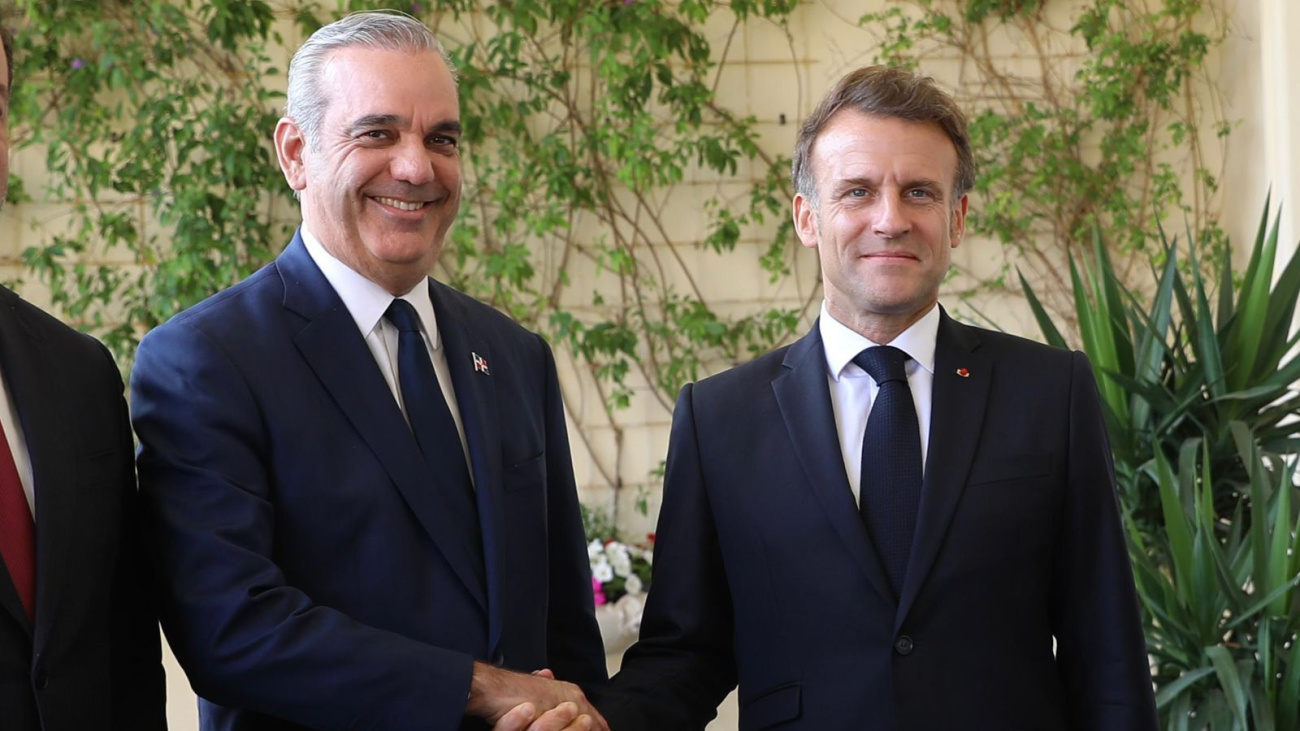
    A high-level diplomatic engagement between Caribbean leaders has highlighted deepening fractures within the Caribbean Community (CARICOM) over foreign policy alignment with United States interventionist approaches. The January 30 meeting between St. Kitts and Nevis Prime Minister Terrance Drew, current CARICOM Chair, and Trinidad and Tobago Prime Minister Kamla Persad-Bissessar occurred against a backdrop of regional discord regarding appropriate responses to evolving geopolitical dynamics.

    Both leaders characterized their discussions as “productive” and “constructive,” marking a significant departure from Persad-Bissessar’s previously critical stance toward CARICOM. The meeting represented a crucial component of Chair Drew’s strategy of direct engagement with regional counterparts ahead of the upcoming Fiftieth Regular Meeting of CARICOM Heads of Government, scheduled for February 24-27 in St. Kitts and Nevis.

    The core tension stems from Trinidad and Tobago’s notable foreign policy shift toward supporting U.S. military operations in Venezuela, which precipitated the ouster of former President Nicolás Maduro. This position places Port of Spain squarely within a minority camp that downplays concerns about hard power approaches in international relations. This stance fundamentally contradicts CARICOM’s traditional unified opposition to hierarchical international orders and represents one of the most significant foreign policy reversals in Trinidad and Tobago’s post-independence history.

    The emerging divide creates two distinct camps within the 14-member bloc. The majority maintains commitment to multilateralism and rules-based international order, while a smaller faction, led by Trinidad and Tobago, appears increasingly willing to accommodate U.S.-led interventionist policies. This division threatens to undermine CARICOM’s collective bargaining power and multilateral influence, particularly concerning small states’ reliance on international norms rather than force for protection.

    The upcoming CARICOM summit now faces the critical challenge of addressing these divergent foreign policy approaches while attempting to preserve regional unity. The organization must demonstrate its capacity to formulate a coherent response to geopolitical trends that threaten the international gains member states have achieved since independence. How CARICOM navigates this inflection point will significantly determine its future relevance in an increasingly polarized global landscape where hard power dynamics challenge traditional multilateral approaches.