作者: admin

  • Storm-proof homes

    Storm-proof homes

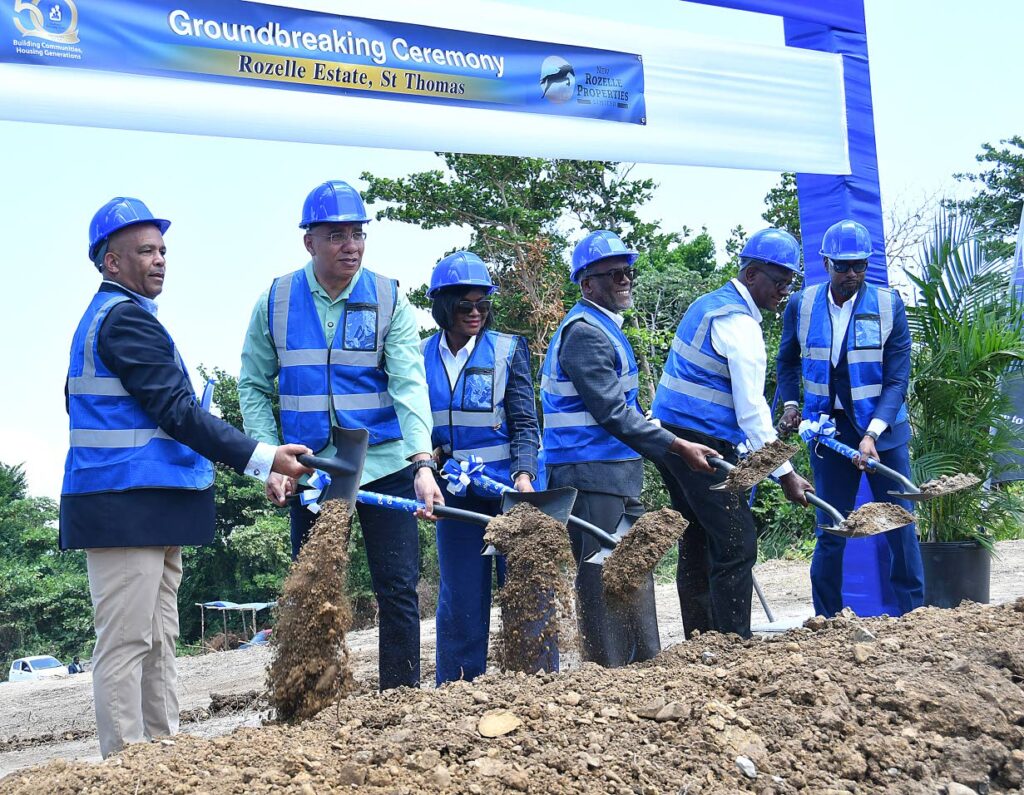
    As Jamaica counts down to the 2026 Atlantic Hurricane Season, with the devastating scars of October 2025’s Category 5 Hurricane Melissa still unhealed for thousands of residents, Prime Minister Dr. Andrew Holness has issued a clear mandate for climate resilience at the groundbreaking of one of the island’s largest new residential developments in recent years.

    The $9-billion Rozelle Estate scheme, a partnership between private developer New Rozelle Properties and the state-run National Housing Trust (NHT), will bring more than 800 new homes to the coastal parish of St. Thomas. Speaking at Friday’s ceremony, Holness stressed that resilience against extreme weather must be baked into every phase of the project’s design and construction, rather than treated as an afterthought.

    “Sea breezes that cool this area can turn deadly violent during a major hurricane,” Holness told attendees, which included NHT chairman Linval Freeman, NHT managing director Martin Miller, and New Rozelle Properties chairman John Sinclair. “We require these homes to be engineered to withstand a Category 5 storm. That is the core priority of this administration: building resilience into every part of our national infrastructure.”

    The government’s intensified focus on climate-resilient construction comes in direct response to the destruction caused by Melissa, one of the most powerful Atlantic hurricanes on record, which tore through Jamaica’s south-western and north-western regions six months prior. While restoration work has progressed steadily, thousands of Jamaicans are yet to fully rebuild their lives and homes, with the 2026 hurricane season set to officially open on June 1.

    Holness pointed to a key lesson from Melissa’s destruction: not all structures failed. Many homes, even those with relatively modest hip and timber roof designs, emerged unscathed thanks to intentional, robust construction practices. He urged the Rozelle Estate developer to exceed minimum building code requirements, so that even after a Category 5 storm, homeowners would only need to clear debris rather than rebuild their entire lives.

    “Instead of meeting just the threshold design standard, go above it,” Holness said. “That way, when a storm passes, all a homeowner has to do is sweep away fallen leaves and trees, and they are back to normal life.”

    The project is being delivered under the NHT’s innovative guaranteed purchase programme, a policy designed to de-risk residential development for private builders. Under the framework, the state housing agency will purchase 660 of the 800-plus units at a pre-agreed price, providing developers with upfront capital to launch construction and guaranteed demand to reduce sales risk once the project is complete. The remaining units will be sold at the developer’s discretion. Holness called the programme a major success and urged other developers eyeing projects in St Thomas to take advantage of the scheme.

    Holness also used the groundbreaking ceremony to promote the newly established National Reconstruction and Resilience Authority (NaRRA), a government body created in response to Hurricane Melissa to coordinate post-disaster recovery and streamline resilience-focused development across Jamaica. Parliament approved the legislation establishing NaRRA just two weeks prior, with a mandate to not only organize disaster rebuilding but also speed up approval for large public and private projects that align with national economic recovery and resilience goals.

    At the heart of NaRRA’s mandate is the Facilitated Acceleration of Strategic Transformation (FAST) Programme, a fast-track approval pathway for qualifying projects. Holness noted that the Rozelle Estate application was first submitted three years ago, an unnecessarily long wait that delayed the project’s launch. The FAST Programme is designed to eliminate such delays for resilience-aligned projects, he explained, cutting through bureaucratic red tape so developments do not spend years stuck in the approval pipeline.

    To qualify for fast-track consideration through FAST, projects must meet a minimum investment threshold of US$15 million – a requirement Rozelle Estate easily meets with its $9-billion price tag. Holness invited all eligible developers and investors working on resilience-focused strategic projects to apply to NaRRA for accelerated approval.

    Looking beyond the Rozelle Estate development, Holness outlined an ambitious vision for expanded housing growth across St Thomas, which benefits from its close proximity to the Kingston Metropolitan Area, improved road access, available vacant land, and recently completed water infrastructure upgrades. While local Member of Parliament James Robertson projected 5,000 new homes would be built in the parish over the next three years, Holness said that number could double to 10,000, driven by growing interest from private landowners and developers partnering with the NHT.

    “As we break ground here today, we are not just laying foundations for new houses and new communities,” Holness said. “We are planting opportunities that will bear fruit for Jamaican families for generations. Most importantly, we are delivering dignified housing: every Jamaican deserves their own piece of ‘The Rock’, no matter how big or small.”
  • Mom of Three Shot Dead at Da Buzz Lounge

    Mom of Three Shot Dead at Da Buzz Lounge

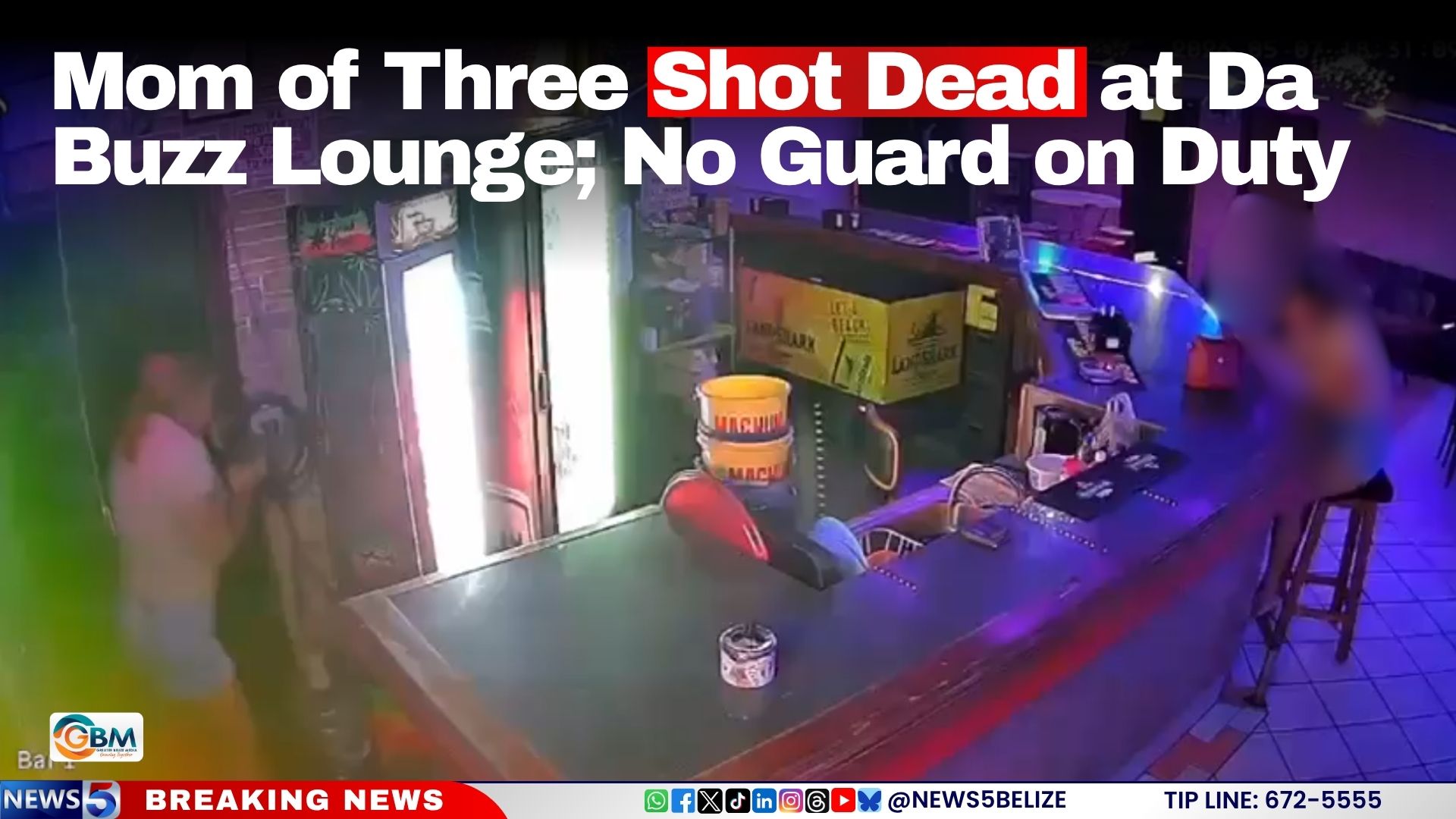
    A shocking act of violence has left a community in Belize reeling after a 34-year-old mother of three was gunned down in a public lounge Thursday evening, in an attack that also wounded two other employees. Authorities confirmed that the incident unfolded at Da Buzz Lounge, located along the Phillip Goldson Highway in Ladyville, at a moment when the venue’s scheduled security guard had not yet arrived for his shift.

    Surveillance camera footage from the venue captured the full sequence of the attack, which began at approximately 6:30 p.m. The footage shows Salma Raquel Orellana Funez, the victim, at the venue’s bar when a male suspect entered the building. The suspect, described by witnesses as wearing a white shirt, black pants and a white bucket cap, approached Funez directly. The two exchanged a few brief words before the suspect drew a hidden firearm and opened fire on Funez, killing her almost instantly. According to official police reports, after shooting Funez, the gunman turned his weapon on two other female staff members working inside the lounge, firing multiple rounds in their direction before fleeing the scene.

    The two injured workers have been identified as 26-year-old waitress Shayanta Williams and 32-year-old bartender Cardova Neal. Both women were rushed to the local hospital for emergency treatment for their gunshot wounds. Police have since confirmed that as of the latest update, both remain hospitalized but are listed in stable condition, with their injuries not considered life-threatening.

    Funez was transported to the Karl Heusner Memorial Hospital (KHMH) following the attack, but medical personnel were unable to save her. She was officially pronounced dead at 9:16 p.m. that same evening, leaving behind three young children.

    In a public statement released to social media and local news outlets on Friday morning, leadership at Da Buzz Lounge confirmed the critical security gap that preceded the attack: the contracted security officer assigned to the venue that day had not yet arrived for his shift when the gunman entered. The management also paid tribute to their fallen employee, describing Funez as far more than a staff member. “She was a cherished member of our Da Buzz family,” the statement read, adding that the entire team was reeling from the unexpected violence. “The events that unfolded were completely unexpected and have left all of us devastated and searching for understanding in the face of such heartbreaking violence,” the statement continued.

    In the wake of the tragedy, Da Buzz Lounge has announced it will remain closed for the rest of the weekend to allow staff to process the loss and cooperate with the ongoing investigation. As of the latest update, the suspect remains at large, with no arrests made in connection with the shooting. The case is currently being handled by Detective Constable Nestor Cardenas, who is leading the police investigation into the attack.

  • Farmer, 61, fined for marijuana

    Farmer, 61, fined for marijuana

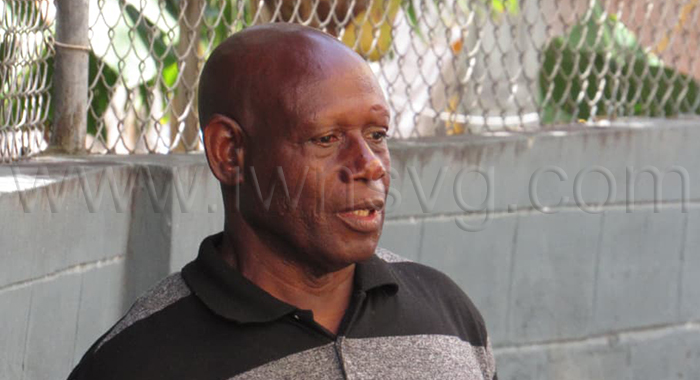
    A 61-year-old small-scale farmer from Barrouallie has avoided jail time after pleading guilty to a marijuana possession charge in a St. Vincent court, receiving a steep fine instead of a custodial sentence. Andy Reece admitted to the charge of possession with intent to supply a controlled substance before Chief Magistrate Colin John at the Serious Offences Court this Thursday. The case traces back to April 21, when police at the Barrouallie Station received an anonymous tip about Reece’s illicit activity, prompting officers to secure a formal search warrant for his residence.

    When law enforcement officers arrived at the property, they were greeted by Doritha Solomon, who informed the team that Reece was not present at the time. After officers disclosed that they were conducting a search for illegal firearms, ammunition, and controlled drugs, Solomon granted the team permission to proceed with the search, noting that only she and her granddaughter were staying in the home at that point.

    During a search of Reece’s personal bedroom, conducted with Solomon present as a witness, officers first discovered a plastic bag holding suspected cannabis hidden inside a storage container. A further search of the space turned up additional amounts of the drug, stashed inside a tub and bucket tucked under the bed. When confronted with the illicit find, Solomon immediately denied any ownership of the drugs, leading officers to take her into custody on suspicion of drug possession and transport both her and the seized evidence to the Barrouallie Police Station. The total weight of the confiscated marijuana was recorded at 8,034 grammes, equal to roughly 17.7 pounds.

    Roughly an hour and 20 minutes after the search concluded, Reece voluntarily presented himself at the police station and claimed full responsibility for the seized cannabis. Police followed formal procedure, cautioning Reece before conducting an interview in the presence of Justice of the Peace Nash. In his official caution statement, Reece claimed the drugs were for his own personal use rather than for distribution to other buyers, saying: “The drug belongs to me. Me just get it to smoke, not to sell.”

    Grant Connell, Reece’s legal representative, presented several mitigating arguments to the court ahead of sentencing. Connell highlighted that this marked Reece’s first criminal conviction, emphasized that his client voluntarily came forward to take responsibility for the drugs, and entered a guilty plea at the earliest possible opportunity. The attorney also told the court that Reece had relied on illegal marijuana cultivation to support his family financially for the past 40 years, and formally requested that the court issue a non-custodial sentence rather than prison time.

    After weighing both the mitigating circumstances presented by the defense and the aggravating factors of the case, the court initially calculated a total fine of EC$3,320. When Connell informed the judge that Reece only had EC$3,000 available to pay immediately, Chief Magistrate John adjusted the fine to EC$3,000, ordering that the sum be paid right away. The sentence also includes a backup penalty of one year in prison if the fine is not paid. Beyond the fine, the magistrate ordered that the storage containers seized in the search be returned, and that the entire cache of marijuana be destroyed.

  • Guyana-Venezuela boundary awarded unanimously

    Guyana-Venezuela boundary awarded unanimously

    On Friday, May 8, 2026, legal representatives for Guyana presented the country’s formal defense of the 1899 Arbitral Tribunal border award before the International Court of Justice (ICJ), the United Nations’ highest judicial body based in The Hague, pushing back against Venezuela’s claims that the historic ruling was illegitimate.

    The decades-long territorial dispute between Guyana and Venezuela centers on the 1899 award, which established the land boundary between the two nations and granted what is now Guyana control over the disputed Essequibo region. Venezuela has long challenged the ruling, arguing that tribunal president Friedrich Martens colluded with British representatives to secure an outcome that favored the United Kingdom, then the colonial ruler of British Guiana. In the current round of proceedings, Caracas has released new documentary excerpts that it claims back up these allegations of foul play.

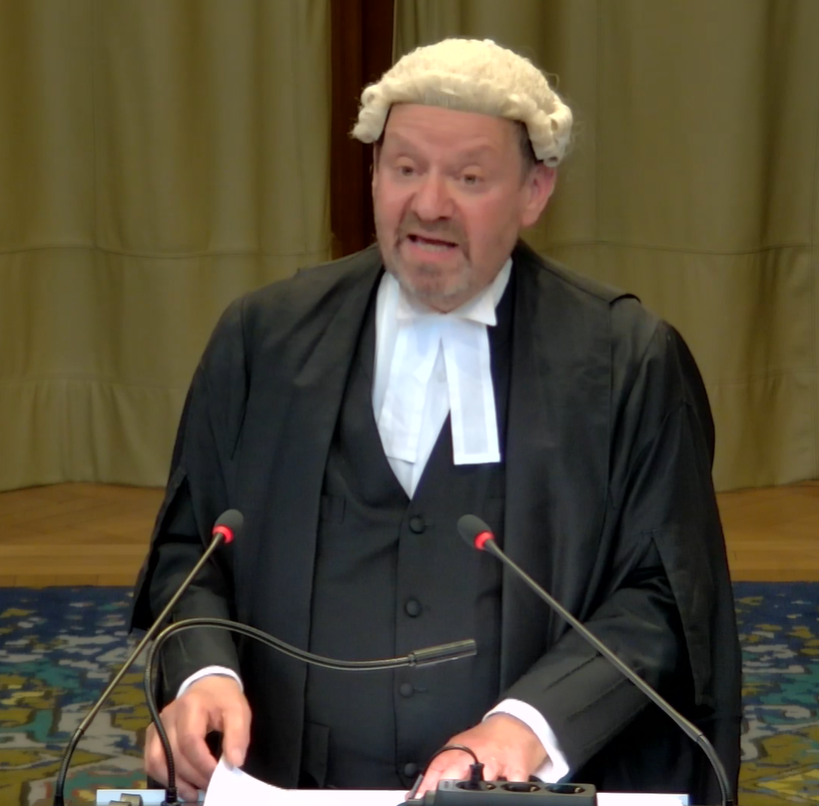
    Presenting Guyana’s second round of oral arguments, international law scholar Alain Pelet addressed Venezuela’s core criticism that the 1899 tribunal failed to include formal reasoning for its final decision. Pelet explained that while including explanatory reasoning for arbitral rulings is standard today, such a requirement was not mandatory in 1899. He confirmed that, with only one minor exception, all arbitrators unanimously signed the final award text after Martens led closed-door negotiations to build consensus. Pelet also referenced the tribunal’s original mandate, which tasked the panel with determining which territories lawfully belonged to the Netherlands and Spain respectively at the time Great Britain acquired the colony of British Guiana.

    Fellow legal representative Philippe Sands further refuted Venezuela’s claims of coercion and improper influence by Martens. Sands emphasized that there is no credible evidence to back up assertions that Martens used threats or overstepped his authority to force an outcome favorable to Britain. Even when taking at face value the controversial Mallet Prevost memorandum – the primary document Venezuela relies on to back its collusion claims – Sands noted the text only describes Martens’ efforts to encourage arbitrators to reach a unified ruling, warning that a split majority decision might be less favorable to all parties. He added that Venezuela publicly accepted the 1899 award for more than 60 years, and that Martens’ push for consensus was an act of pragmatic wisdom: had arbitrators failed to reach a unified agreement, Sands argued, Great Britain would have likely laid claim to even more territory, an outcome Martens sought to avoid.

    Sands accused Venezuela of leveraging the decades-old memorandum to stoke anti-colonial sentiment for modern political gain. He issued a stark warning about the global ramifications if the ICJ rules in Venezuela’s favor and invalidates the 1899 award and the 1905 follow-up treaty. Such a ruling, he argued, would not only put Guyana at risk of domination by its far larger neighbor, but would also set a dangerous precedent that could open the door to challenges for every colonial-era border settlement and arbitral award around the world. This outcome, Sands warned, would rekindle widespread territorial instability and erase the long-standing international norm that decades-old boundary settlements are final and binding.

    Completing Guyana’s arguments, professor Nilüfer Oral added that historical evidence confirms Great Britain strictly abided by the 1899 boundary for the entire colonial period, never attempting to cross the line or seize additional territory. In fact, Oral noted, the award achieved one of Venezuela’s core original goals: it permanently halted the westward expansion of British settlement into territory claimed by Caracas.

    The case was originally brought to the ICJ by Guyana eight years ago. Guyana’s Ministry of Foreign Affairs confirmed last Thursday that the court is expected to issue its final ruling by the end of 2026, though anonymous diplomatic sources suggest the decision could be delayed until early 2027.

  • DAA confirms nominations ahead of May 23 elections as executive process moves forwards

    DAA confirms nominations ahead of May 23 elections as executive process moves forwards

    The leadership transition process for the Dominica Athletics Association (DAA) is progressing steadily, with returning officer Tania Burnett completing the verification of all executive candidate nominations ahead of the body’s upcoming Annual General Meeting.

    By the 5:00 PM deadline on Wednesday, May 6, 2026, all submitted nominations for DAA’s executive council positions had undergone thorough review, and every candidate that made the final slate met all of the association’s eligibility requirements. The full list of validated candidates was officially announced via a DAA press statement.

    Brendan Williams is the sole nominee for the presidency, while Walson Pacquette has been put forward for vice president. Phillip White is nominated to serve as secretary general, with Felicien Antoine standing for assistant secretary/treasurer, Jermasha Mellow for treasurer, and Judy Larocque for public relations officer.

    This full slate of executive candidates will face formal confirmation through the scheduled election process, which will be held during the DAA Annual General Meeting on Saturday, May 23, 2026. The gathering is set to kick off at 10:00 AM local time at the Dominica Olympic Committee Conference Room.

    However, the DAA has clarified that not all leadership positions within the association will be finalized during the May 23 AGM. In alignment with Section 14.1 of the DAA Constitution, four specific representative roles – School Representative, Club Representative, Male Athlete Representative, and Female Athlete Representative – will not be filled at the annual meeting.

    Instead, election for these grassroots representative positions will be conducted at a Special General Meeting, which is mandated to convene within four weeks after the AGM concludes. The association noted that further logistical details, including the date, time, and venue for the Special General Meeting, will be released to members and the public in the coming weeks after the AGM is held.

  • Prime Minister Gaston Browne Appoints 22-Year-Old to Senate in Blend of Youth and Experience

    Prime Minister Gaston Browne Appoints 22-Year-Old to Senate in Blend of Youth and Experience

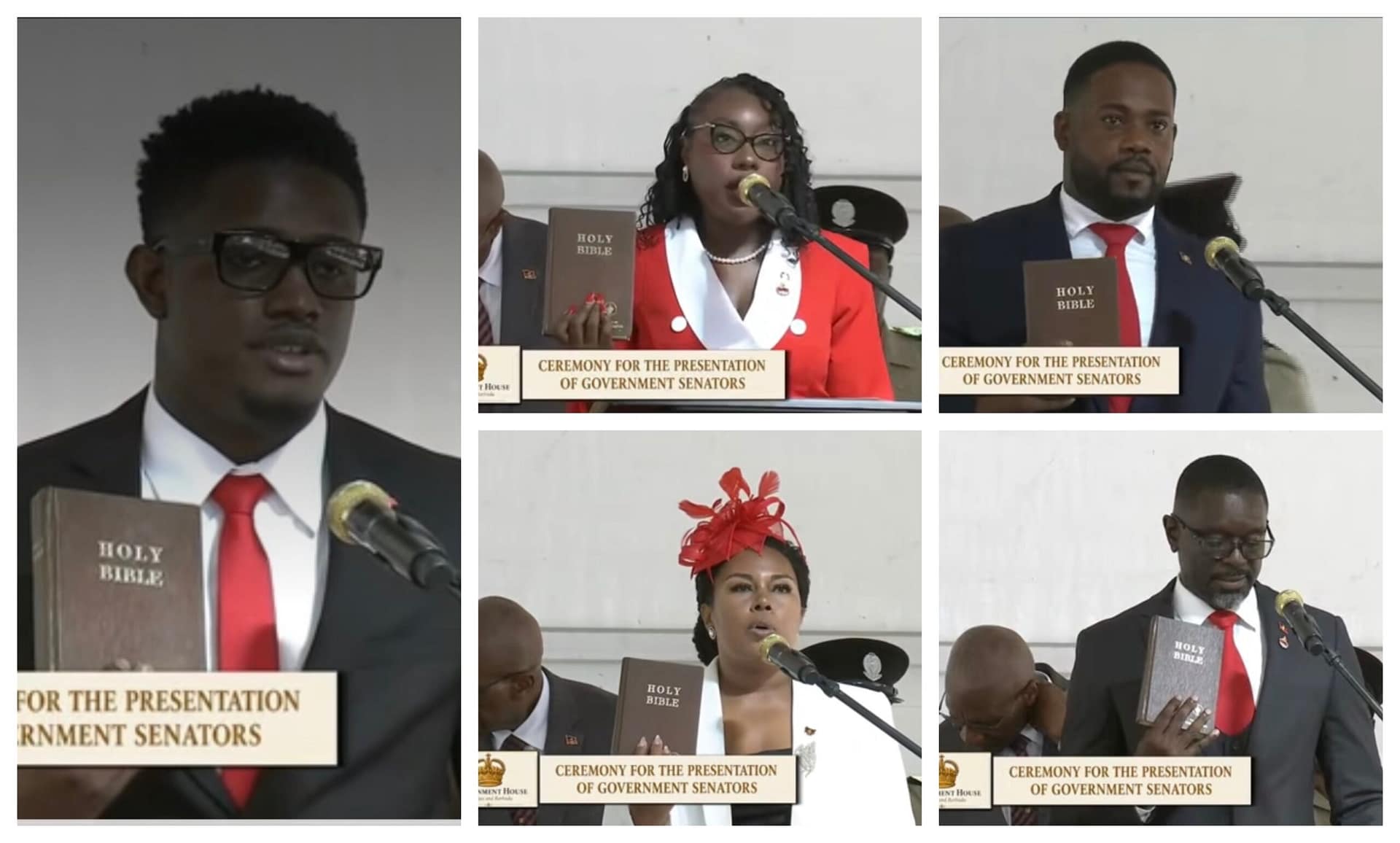
    In a significant reshaping of Antigua and Barbuda’s Upper House of Parliament, Prime Minister Gaston Browne has announced 10 new senate appointments, a move that brings fresh faces and institutional continuity to the country’s legislative upper chamber. The appointment that has drawn widespread attention is that of 22-year-old Shaquan O’Neil, a serving Youth Ambassador, who will now enter the history books as the youngest person ever to take a seat in the nation’s Senate.
    Beyond O’Neil’s landmark appointment, the new cohort of senators includes Kendra Beazer, who previously stood as the Antigua Barbuda Labour Party (ABLP) candidate for the Barbuda constituency in the April 30 general election, ultimately falling short of a winning result. Three other first-time senators will also take their seats: Angelica O’Donoghue, Abena St. Luce and Joel Rayne, expanding the range of new perspectives in the upper legislative body.
    Alongside the incoming new members, Prime Minister Browne has reappointed five senators who held seats in the previous legislative term, ensuring a balance between fresh representation and institutional experience. Among the returning legislators is Alincia Williams-Grant, who is set to take on the role of Senate President in the new session. The returning cohort also includes Lamin Newton, an ABLP candidate who unsuccessfully contested the All Saints East & St. Luke constituency in the recent general election, as well as Colin O’Neil Browne, Phillip Shoul and Shenella Govia.
    The appointments mark a key post-election restructuring of the national legislature, blending youth representation, new political talent, and experienced incumbency to shape the upper house’s work ahead.

  • Rode Kruis benadrukt menselijkheid en hulpverlening op Wereld Rode Kruis-dag

    Rode Kruis benadrukt menselijkheid en hulpverlening op Wereld Rode Kruis-dag

    May 8 marks World Red Cross and Red Crescent Day, an annual observance that honors millions of humanitarian workers and volunteers across the globe who dedicate themselves to supporting vulnerable communities, often operating in high-risk and challenging conditions. This year, the Suriname Red Cross used the international day to draw public attention to three core principles guiding its work: solidarity, human dignity, and the critical need to protect all humanitarian operations.

    The core mission of the Suriname Red Cross, like all Red Cross movement branches, centers on preventing and alleviating human suffering across all populations, regardless of an individual’s ethnic background, personal beliefs, or socioeconomic circumstances. In Suriname, the organization’s volunteers are first responders to a wide range of local crises, including flooding, traffic collisions, public health outbreaks, and other unexpected emergency events. Beyond direct emergency response, the Suriname Red Cross also invests in long-term community resilience, offering public training courses in first aid, disaster preparedness, and general health education to equip local residents to respond to crises before they escalate.

    A central tenet of the organization’s work is that all people affected by disasters or crises deserve to be treated with full respect and dignity, a principle the Red Cross reaffirmed on this year’s observance. Currently, the Suriname Red Cross is carrying out an active public health outreach operation, funded by the International Federation of Red Cross and Red Crescent Societies’ Disaster Relief Emergency Fund (DREF), to raise awareness of mosquito-borne diseases. The operation was launched in response to recent outbreaks of chikungunya across the country.

    As part of this initiative, volunteers are visiting residential communities across three districts – Paramaribo, Commewijne, and Nickerie – to deliver targeted education on prevention of chikungunya, dengue, and Zika, three common mosquito-borne illnesses in the region. During these visits, volunteers share practical information with local residents on how to protect themselves from mosquito bites and reduce their overall risk of infection.

    This year’s World Red Cross and Red Crescent Day also included a moment of remembrance for all humanitarian workers who have lost their lives while carrying out relief work across the globe. The Suriname Red Cross noted that these losses underscore the urgent need to better protect aid workers and ensure full compliance with international humanitarian law by all parties to conflict and crisis. To close the observance, the organization issued a call to all Surinamese communities to reflect on the value of solidarity and collective support for vulnerable groups, stating, “At the end of the day, our work is about helping people, protecting lives, and upholding human dignity.”

  • Everyday citizens help document SVG’s unique biodiversity

    Everyday citizens help document SVG’s unique biodiversity

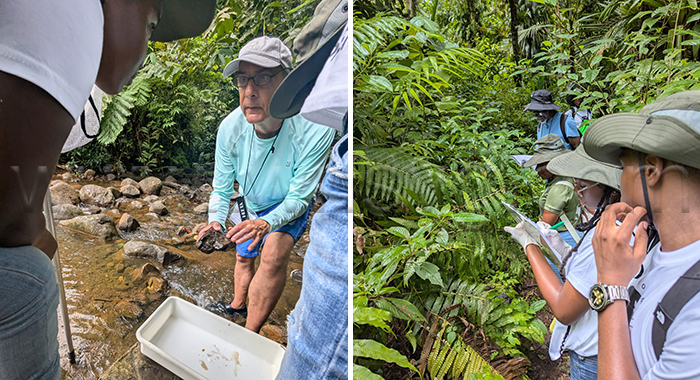
    To mark Earth Day 2026, hundreds of volunteer citizen scientists across St. Vincent ventured into the Montreal Watershed to map and document the small island nation’s extraordinary native biodiversity, kicking off the inaugural BioSleuths Challenge – a nationwide conservation initiative organized by the Sustainable Development Unit (SDU) under St. Vincent and the Grenadines’ Ministry of Tourism, Civil Aviation and Sustainable Development, in collaboration with the United Nations Development Programme (UNDP).

    The diverse group of participants ranged from local school students and classroom teachers to seasoned technical specialists and members of the general public, all armed with user-friendly smartphone observation tools to identify, photograph, and log a wide spectrum of native species. The survey covered all major taxonomic groups, from native plants and wild birds to terrestrial insects, reptiles, amphibians, and the aquatic life that sustains the Montreal Watershed ecosystem.

    Every observation collected during the field activity will be added to St. Vincent and the Grenadines’ official national environmental database, creating a more robust, comprehensive evidence base to guide evidence-based conservation planning and long-term environmental monitoring across the country.

    For small island developing states like St. Vincent and the Grenadines, where limited scientific funding and personnel often leave critical gaps in biodiversity data, citizen science programmes such as the BioSleuths Challenge fill a uniquely important role. By mobilizing everyday community members as trained environmental observers, the initiative not only generates large-scale, geographically broad ecological data that would be impossible for a small team of professional scientists to collect, but also boosts public environmental literacy and cultivates a widespread culture of environmental stewardship across the nation. This model turns passive public appreciation for nature into active, hands-on participation in conservation action.

    The SDU, which functions as the country’s national focal point for work on climate change, biodiversity protection, chemical and waste management, ocean conservation, and ozone layer protection, coordinated cross-sector collaboration between government agencies and civil society organizations to deliver the event. A team of highly experienced environmental professionals led on-the-ground field guidance and training for all participants: the group included fisheries biologist John Renton, veteran forestry specialist L. Fitzgerald Providence with more than 38 years of on-the-ground conservation experience, plant health expert Sylvester Lynch, and independent environmental consultant Amos Glasgow.

    According to an official press release from the organizing team, the expert squad delivered hands-on practical training covering core skills including species identification, standardized ecological observation techniques, and proper data documentation protocols to ensure all collected information meets national and international research standards. Participants also received guided training on how to use leading mobile species identification applications, including Seek by iNaturalist and Merlin Bird ID, to accurately log and verify their observations in the field.

    As a signatory party to the United Nations Convention on Biological Diversity, St. Vincent and the Grenadines has binding international obligations to systematically document its native biodiversity, monitor ongoing ecosystem health, and submit regular public reports on national conservation progress. The BioSleuths Challenge directly advances these commitments by expanding the country’s formal biodiversity observation network to include a growing cohort of trained citizen scientists, dramatically extending the reach of national monitoring efforts.

    The data collected through this initiative will directly inform updates to the country’s National Biodiversity Strategy and Action Plan, and will also contribute to regional biodiversity assessment efforts across the Caribbean, helping to guide cross-national conservation action in the region.

    This BioSleuths Challenge forms one component of the SDU’s expanding portfolio of national environmental programming. Upcoming initiatives include the Environmental Champions Programme, a national community stewardship scheme set to launch on World Environment Day, June 5, 2026, alongside ongoing work on climate transparency, chemical and waste management, and nationwide conservation education.

    A second BioSleuths Challenge field expedition is already scheduled for May 22 at the Vermont Nature Trail, to continue expanding the scope of the biodiversity survey. All data collected during the April Earth Day field activity will be fully analyzed and shared with participating citizen scientists at a dedicated follow-up event later this year. Moving forward, the SDU has announced plans to continue expanding citizen science and biodiversity initiatives across St. Vincent and the Grenadines, with the goal of strengthening the national environmental knowledge base and embedding communities as active, equal partners in ongoing conservation work.

  • Governor General Sir Rodney Williams Pays Tribute to the late Mary-Clare Hurst

    Governor General Sir Rodney Williams Pays Tribute to the late Mary-Clare Hurst

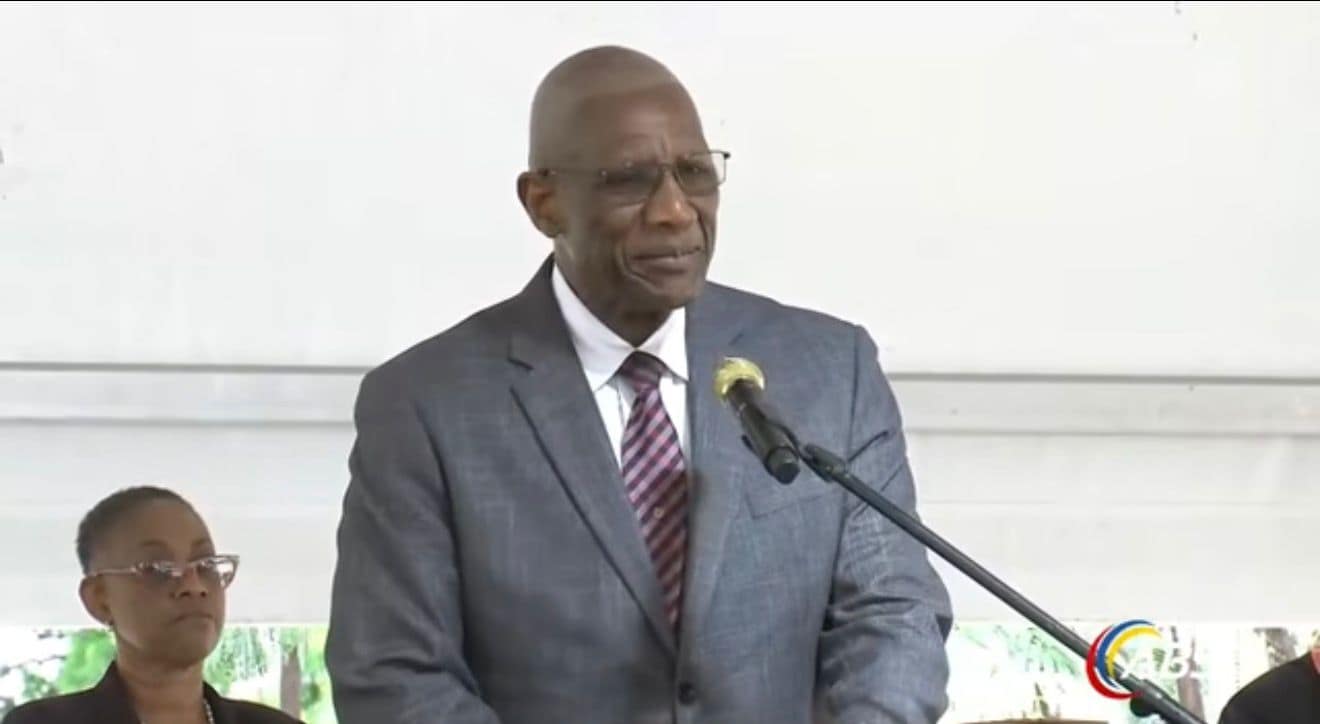
    Against the backdrop of a landmark ceremonial sitting for newly elected senators following Antigua and Barbuda’s recent general election, Governor General Sir Rodney Williams opened the official swearing-in proceedings this week with a moving, heartfelt tribute to one of the nation’s most groundbreaking public servants: the late former Senator Mary Clare Hurst, who passed away earlier this week.

    Before administering oaths of office to the incoming Upper House members, Sir Rodney paused the formal agenda to shine a light on Hurst’s decades of cross-sector contributions that shaped Antigua and Barbuda’s political, tourism, parliamentary, and public administration landscapes. He stressed that honoring her legacy amid the induction of new lawmakers was a fitting tribute to a figure who dedicated her life to national progress.

    “Miss Hurst devoted many of the years of her life to public service and national development, serving Antigua and Barbuda with commitment, discipline, and distinction,” Sir Rodney told attendees gathered in the parliamentary chamber.

    Across a decades-long career, Hurst built a reputation for excellence that earned respect from every corner of national life, Sir Rodney noted. Among her most historic achievements was her trailblazing role as the first woman to hold the position of General Secretary of the Antigua and Barbuda Labour Party — a milestone that drew spontaneous applause from attendees when it was highlighted.

    Hurst’s public service extended across multiple senior leadership roles, including stints as a government senator, Leader of Government Business in the Senate, Minister of State in the Ministry of Tourism and Economic Development, and chairman of the Antigua and Barbuda Tourism Authority. Beyond her formal titles, Sir Rodney emphasized that Hurst leaves behind a far-reaching legacy centered on lifting up the next generation: she was a dedicated mentor to young people, a passionate advocate for youth development, and a relentless champion for strengthening Antigua and Barbuda’s public institutions.

    He remembered Hurst as a leader defined by resilience, compassion, and unwavering professionalism, with a lifelong commitment to advancing the interests of Antigua and Barbuda. As the nation welcomes a new cohort of senators to the Upper House, Sir Rodney argued that reflecting on Hurst’s contributions is a critical reminder of the work that has built the country’s parliamentary institutions today. Her work laid critical groundwork for the nation’s modern democratic and parliamentary development, he added.

    Closing his tribute, Sir Rodney extended sincere condolences on behalf of himself and Her Excellency Lady Williams to Hurst’s family, friends, colleagues, and supporters. “May her contribution to national life continue to inspire future generations, and may she rest in peace,” he said.

    Following the tribute, the ceremony proceeded to mark the official swearing-in of the new senators, an occasion Sir Rodney framed as a pivotal moment in Antigua and Barbuda’s constitutional history. The induction, he said, reflects core values of continuity, stability, public service, and public confidence in the institutions that undergird the nation’s parliamentary democracy.

  • WORLD COURT: Guyana says Venezuela failed to prove historical occupation of Essequibo

    WORLD COURT: Guyana says Venezuela failed to prove historical occupation of Essequibo

    On Friday, 8 May 2026, Guyana delivered new documentary evidence to the United Nations’ highest judicial body, the International Court of Justice (ICJ), to strengthen its position in the long-running border dispute over the Essequibo Region with Venezuela. The submission centers on historical cartographic and archival records that Guyana argues disprove Venezuela’s core territorial claims.

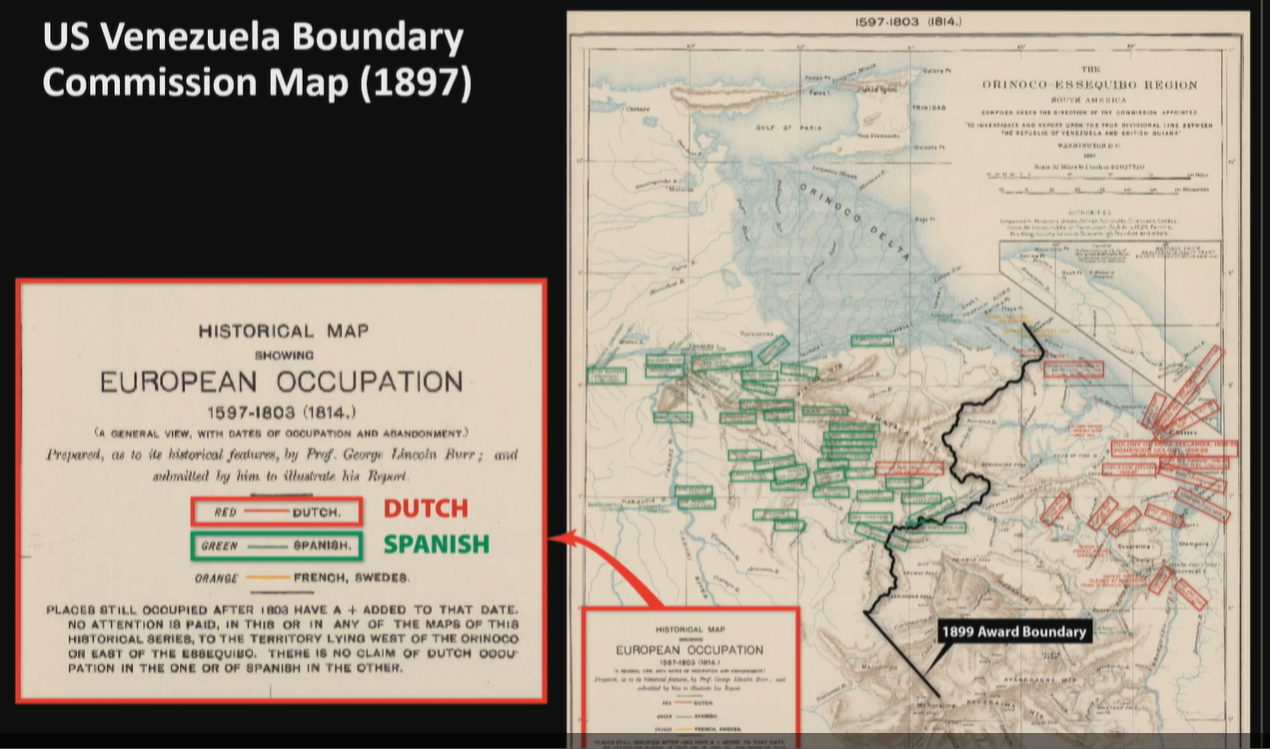
    Paul Reichler, lead legal counsel for Guyana, presented a collection of historical maps to the court, including one that clearly marks the boundary demarcated by the 1899 Arbitral Tribunal Award — the original ruling that established the territorial division at the center of the modern dispute. One key document, a map published by the joint United States-Venezuela Boundary Commission in February 1897, the exact same month that the 1897 bilateral treaty to resolve the dispute was signed, confirms that Spanish forces never established occupation in the territory east of the agreed preliminary boundary line, Reichler explained.

    Reichler emphasized that this finding aligns with Guyana’s long-held position that the Essequibo Region was historically occupied by Dutch colonizers, not Spanish, a fact echoed by the more than 30 Dutch place names still in use across the area today. He added that neither the 1899 arbitration proceedings nor the current ICJ case have ever produced credible evidence from Venezuela proving that it or Spain ever held actual occupation of any portion of the territory ultimately awarded to Great Britain. He urged ICJ justices to review the full official transcripts of both the US-Venezuela Boundary Commission and the 1899 Arbitral Tribunal to verify this finding.

    Clarifying the core question before the court, Reichler noted that the current proceedings are focused on the legal validity of the 1899 Arbitral Award, not on whether the tribunal drew the geographically correct boundary. Per the ICJ’s 2020 preliminary ruling, the court will only assess the accuracy of the boundary line if it first determines the 1899 award is legally invalid.

    Venezuela has previously argued before the court that 19th-century Britain repeatedly engaged in territorial aggression against Spanish holdings in the region, and claims that the 1966 Geneva Agreement replaced the 1899 award as the valid framework for settling the controversy. But Reichler pushed back against this interpretation, reading key excerpts of the 1966 agreement into the court record that contradict Venezuela’s position.

    The text of the Geneva Agreement explicitly states that no provision of the document can be read as a renunciation or reduction of any territorial sovereignty claim by either party, and that no activities taking place during the agreement’s term create new legal basis for any territorial claim outside of a mutually agreed settlement by the mixed commission established by the pact. Reichler stressed that Venezuela’s argument that the 1966 agreement completely set aside and replaced the 1899 award cannot be reconciled with the actual written text of the agreement, calling Venezuela’s reading a novel reinterpretation that does not align with the agreement’s original wording.

    Professor Pierre d’Argent, another member of Guyana’s legal team, added that the Geneva Agreement explicitly grants the United Nations Secretary General the authority to refer the unresolved dispute to the ICJ for a final settlement after decades of failed negotiations. After more than 60 years of discussions without a resolution, the referral to the ICJ was fully consistent with the terms of the 1966 agreement, he confirmed.