作者: admin

  • Schoolpakketten moeten ouders in Nickerie steuntje in de rug geven

    Schoolpakketten moeten ouders in Nickerie steuntje in de rug geven

    In a symbolic back-to-school event held Saturday in Nieuw-Nickerie, Suriname President Jennifer Simons oversaw the distribution of free school packages to local students, while outlining the government’s ongoing plans to repair school infrastructure and overhaul the country’s education system.

    Organized under the unifying theme “The future begins at school; together we build tomorrow,” the initiative provided fully stocked schoolbags to hundreds of students, with high-performing students who earned strong end-of-term report cards receiving additional small gifts to reward their academic efforts. The packages, made possible through a partnership between the government and Suriname’s private sector, are designed to ease financial burdens on families preparing for the new academic year.

    During the event, President Simons emphasized that the donation program is intended to offer tangible support to caregivers, noting that collective mutual assistance is a foundational value for strong communities. She openly acknowledged the challenges the national government faces in guaranteeing universal access to quality education and adequate nutrition for all children across Suriname, stressing that progress will take consistent, long-term effort rather than quick fixes.

    President Simons also extended public gratitude to the private sector for its repeated collaboration with the administration, highlighting that business community support extends beyond this single back-to-school initiative to other government-led social programs. On the topic of broader education reforms, she confirmed that the government is currently carrying out repair and renovation works on aging school facilities across the country, and is holding active consultations with teaching professionals to identify evidence-based strategies to boost overall education system efficiency.

    The event was also attended by key Surinamese political figures, including Ashwin Adhin, Chairperson of the National Assembly (DNA), Nickerie District Commissioner Nisha Kurban-Baboe, and Member of Parliament Ebu Jones. Adhin framed the investment in student support as a long-term national development play, whose positive impacts will emerge over time rather than immediately. Echoing this outlook, he quoted the common proverb “You reap what you sow,” before calling on parents to practice patience and engagement with their children’s learning and encouraging students to maintain consistent effort in their studies.

  • American born children among Haitians deported from United States

    American born children among Haitians deported from United States

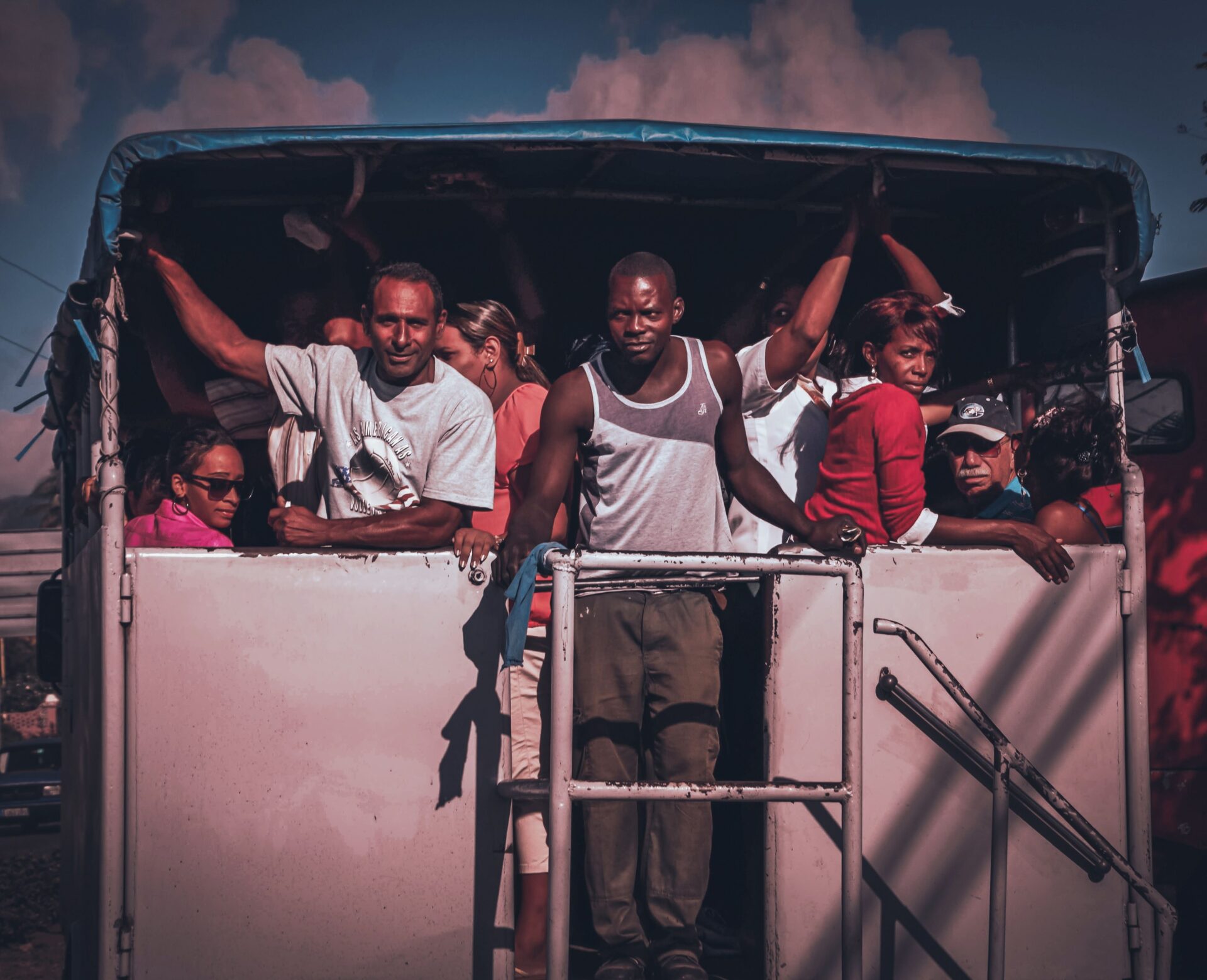
    A new wave of deportations to Haiti has sparked fierce debate across the United States and global humanitarian circles, after a U.S. Immigration and Customs Enforcement (ICE) charter flight carrying 57 Haitian migrants — including multiple minors, one of whom was born on U.S. soil — landed at Cap-Haitien on Thursday. This flight marked the second deportation mission to Haiti in just seven days, marking a sharp escalation from the previous monthly schedule of repatriation flights.

    This acceleration follows a landmark ruling from the U.S. Supreme Court that cleared the way for the Trump administration to end the decades-old Temporary Protected Status (TPS) program for Haitian nationals. Originally introduced by the Obama administration in the wake of the catastrophic 2010 Haitian earthquake that killed hundreds of thousands and displaced millions, TPS granted eligible Haitian migrants legal permission to live and work in the United States, shielding them from deportation amid ongoing instability in their home country.

    With the program’s termination, an estimated 350,000 Haitians who previously held TPS protection have now lost their work authorization and their legal immunity from removal, leaving them exposed to routine ICE enforcement actions. As early as late July, immigration officials contacted hundreds of Haitian residents in the Springfield, Ohio region, ordering them to report to local federal immigration offices. Attorneys working with affected communities told the Haitian Times that a large number of those who complied with the order were subsequently fitted with court-ordered ankle monitoring devices.

    Haiti, a Caribbean nation of nearly 12 million people, is currently grappling with one of the worst humanitarian crises in its modern history. More than half of the country’s total population requires urgent humanitarian assistance, driven by a rapid escalation in brutal gang violence, deepening economic collapse and widespread poverty. Current displacement figures mirror the chaos following the 2010 earthquake: approximately 1.5 million Haitians have been forced from their homes by ongoing gang conflict, over half of whom are children. A recent update from the United Nations Integrated Office in Haiti (BINUH, by its French acronym) recorded at least 1,408 killings and 656 injuries between April and June of this year. While the body noted a 14% drop in casualties compared to the first quarter of the year, officials emphasized the modest decline obscures deepening insecurity in large swathes of the country.

    The Trump administration has defended the end of TPS, with the Department of Homeland Security arguing that security and living conditions in Haiti have improved sufficiently to allow for large-scale repatriation. But this position has been rejected by a broad coalition of immigrant rights advocates, religious leaders and humanitarian organizations, who warn that forcing deportations amid the current crisis amounts to a humanitarian catastrophe.

    Archbishop Thomas Wenski of Miami, one of the most prominent religious voices speaking out against the policy, recently called on the Trump administration to reverse course and halt mass deportations, pointing to a brutal massacre that killed 47 people — 22 of them inside a local church — in the mountain town of Kenskoff, which overlooks the capital Port-au-Prince, just last week. “Haiti is still a house on fire,” Wenski said in a public statement. “This shows that the country is not safe, that this should cause our administration to rethink its decision to send back over 300,000 Haitians.”

    Wenski added that the policy inflicts harm far beyond the Haitian border, noting that the revocation of TPS has already left thousands of migrants without work authorization and driver’s licenses, leaving them unable to provide for themselves and their families. Remittances from Haitians living in the U.S. make up a critical portion of Haiti’s national economy, supporting millions of family members back home who rely on these funds for food, education and medical care. “Haiti is already a tragedy, and what we’re doing is compounding it by trying to send these people back,” Wenski said, adding that even at the current accelerated pace of one or two flights per week, deporting all 350,000 affected Haitians would take years of ongoing enforcement that will leave thousands in limbo.

  • Vehicle Crashes Into Red Cross Fence on Old Parham Road

    Vehicle Crashes Into Red Cross Fence on Old Parham Road

    In the pre-dawn hours of Saturday, a single-vehicle accident left significant destruction at the Antigua and Barbuda Red Cross headquarters, located along Old Parham Road, after a car slammed into the organization’s recently completed perimeter fence.

    The vehicle involved, a white Toyota Vitz, sustained major structural harm to both its rear end and left-side panel after colliding with the Red Cross property. Beyond the damage to the car, the crash compromised a solid concrete support pillar, and completely wrecked a large section of the new metal fencing and entrance gate that had just been finished not long before the incident.

    Wreckage from the collision was spread across the public roadway, leaving hazardous debris ranging from shattered concrete chunks to bent, twisted metal fragments scattered in the area. The crashed car ultimately came to a stop positioned against the Red Cross property line after the impact.

    As of initial reports, no update has been released on the physical condition of the driver operating the vehicle at the time of the crash. Law enforcement and transportation officials have also not yet determined the root cause of the collision, with multiple lines of inquiry still ongoing.

    Local authorities and Red Cross representatives have indicated that additional details, including findings from the ongoing investigation and potential next steps for repairing the damaged property, will be made public once the probe is further along.

  • Love Link Caribbean makes its Debut

    Love Link Caribbean makes its Debut

    On Friday, August 28, the highly anticipated first public screening of *Love Link Caribbean* — a groundbreaking Caribbean-focused reality dating series — kicked off in Antigua and Barbuda, drawing a diverse crowd of cast members, production leads, journalists, and key tourism industry leaders. Hosted at the scenic Weatherills Hotel, the invite-only premiere marked the official launch of the new project from local production outfit Love Link TV, giving attendees an early look at two full opening episodes that explore the universal themes of connection, romantic attraction, and the modern hurdles of finding lasting love, all set against the postcard-perfect natural and cultural backdrop of Antigua and Barbuda.

    Beyond its core focus on dating and relationship storytelling, the series carries a dual strategic mission: to position Antigua and Barbuda as the undisputed “Romance Capital of the Caribbean,” putting the island nation’s stunning natural attractions, vibrant local dining scene, and one-of-a-kind travel experiences in front of regional and global audiences alike. For cast members like Mijah Harrigan, who currently resides in Anguilla, the opportunity to join the project came as a happy surprise. Harrigan shared that he submitted his application on a whim, never expecting to earn a spot on the series, and only got his acceptance confirmation just two days after applying. For him, the show offered a rare chance to showcase his unique personality and growing personal brand, all while keeping an open mind to forming a genuine romantic connection. “It was a beautiful experience. I must say Antigua is a beautiful place, the cast are beautiful people,” Harrigan said of his time filming.

    Jamila Watkins, the lead producer of *Love Link Caribbean*, traced the project’s origins to her long-standing passion for reality dating content and a persistent gap she observed in the genre: a lack of authentic, nuanced representation of Caribbean people. Watkins explained that the positive reception and proven audience interest from the team’s earlier pilot project, *The Mixer*, confirmed that regional audiences were hungry for a homegrown dating series, giving the production team the confidence to expand the concept across the Caribbean. She emphasized that *Love Link Caribbean* weaves romantic storytelling together with distinct Caribbean culture and shared regional identity, while creating a organic, engaging platform to highlight Antigua and Barbuda as a top dream destination for romantic getaways and couple’s travel.

    Looking ahead, the production team holds ambitious goals for the series: they aim to build a loyal viewership that extends far beyond the Caribbean community, foster a deep sense of collective regional pride across Caribbean nations, and inspire curious travelers from around the world to plan a visit to experience the beauty and hospitality of Antigua and Barbuda for themselves. Beyond the series itself, the successful premiere of *Love Link Caribbean* also underscores a rapidly growing trend: Caribbean creative professionals are increasingly producing original high-quality film and television content tailored to both regional communities and global audiences, carving out a distinct new space for Caribbean storytelling in the international entertainment landscape.

  • Graphic Designer Travis Bannis dies following Canefield Cliff accident

    Graphic Designer Travis Bannis dies following Canefield Cliff accident

    The small Caribbean nation of Dominica is wrapped in collective mourning this week following the confirmed passing of celebrated local graphic designer Travis Bannis, who died from severe injuries sustained in a high-profile motor vehicle crash on Canefield Cliff. The deadly collision occurred on June 8, 2026, and Bannis ultimately succumbed to his wounds in the early hours of Saturday, after medical teams fought to stabilize his condition following the incident.

    At the time of his death, Bannis held a design position with Signman Ltd., one of the island’s leading signage and creative service firms. Beyond his technical and creative professional achievements, Bannis built a reputation across Dominica for his warm demeanor and ability to form deep, lasting connections, both personal friendships and collaborative business partnerships, with communities spanning every corner of the island. In the hours since news of his passing broke, an overwhelming wave of grief has spread across the country, with hundreds of former colleagues, clients, and friends sharing tributes to his life and work across local social media platforms and community spaces.

    Widely ranked among the most talented and influential graphic designers working in Dominica in recent years, Bannis’ distinctive creative output earned him widespread respect and formal recognition within the island’s tight-knit creative industry. Local creative leaders have emphasized that his sudden departure leaves a gaping hole in Dominica’s cultural and creative ecosystem, as those who worked alongside him continue to honor his natural artistic talent and lasting contributions to elevating the local design field.

  • COE raises alert to yellow in 4 areas amid increased rainfall

    COE raises alert to yellow in 4 areas amid increased rainfall

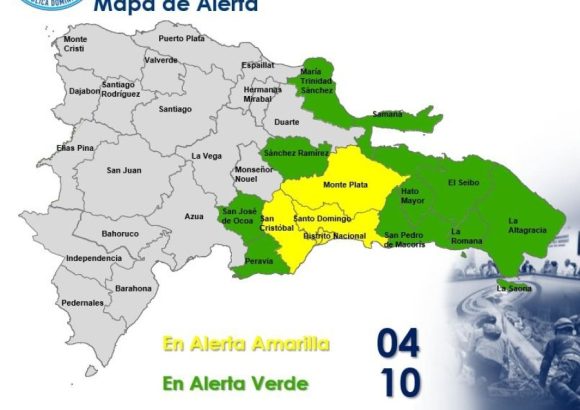
    The Caribbean nation of the Dominican Republic has implemented early warning measures across multiple key regions this week, as an approaching active tropical wave drives increased rainfall and unstable atmospheric conditions across the country. In an official announcement from the capital Santo Domingo, the country’s Emergency Operations Center (known locally by its Spanish acronym COE) issued a yellow alert for four high-population areas, while keeping 10 additional provinces under a lower-level green alert as meteorologists track the system’s progress.

    National weather service the National Meteorological Office (INDOMET) reports that the tropical wave is steadily pushing higher levels of moisture across the Dominican Republic’s territory, paired with persistent northeasterly winds. This combination has created ideal conditions for intense downpours, sudden thunderstorm outbreaks, and possible strong wind gusts across the alerted regions, with forecasts calling for continued unstable weather through the system’s passage.

    The four areas placed under yellow alert, the second-highest warning tier indicating elevated risk, are Santo Domingo Province, the National District (the country’s capital core), San Cristóbal, and Monte Plata. The 10 provinces under green alert, a lower-level advisory calling for preparedness, are Samaná, San Pedro de Macorís, Hato Mayor, La Romana, El Seibo, La Altagracia, Sánchez Ramírez, San José de Ocoa, Peravia and María Trinidad Sánchez.

    Emergency management officials have issued clear public safety guidance for residents in all impacted zones. The COE strongly urged local populations to remain vigilant, and specifically warned against attempting to cross rivers, streams, and ravines, where water levels have already risen sharply due to sustained rainfall. Authorities also added that the public should avoid all recreational use of beaches, rivers, and other open swimming areas across all alerted provinces, with the ban set to remain in place until weather conditions stabilize and are deemed safe.

    All alert measures are set to stay active as emergency and meteorological teams continue round-the-clock monitoring of the tropical wave’s evolution. Officials are closely tracking the system to detect any increase in intensity or shift in trajectory that could lead to heavier rainfall or more severe thunderstorm activity across other parts of the country.

  • Juan Hubieres accuses Dicrim officers of alleged involvement in Bayaguana TV theft

    Juan Hubieres accuses Dicrim officers of alleged involvement in Bayaguana TV theft

    In Santo Domingo, a high-level Dominican political opposition leader has leveled explosive allegations against members of the National Police’s elite Central Directorate of Investigation (Dicrim) stationed in the municipality of Bayaguana, claiming the officers masterminded the theft of 35 large-format televisions earmarked as awards for local athletes who medaled at the recent Central American and Caribbean Games.

    Juan Hubieres, president of the Rebel Movement political organization, detailed that the stolen electronics—collectively valued at over 600,000 Dominican pesos—were illegally removed from secure storage at the local Olympic Village in the early hours of Sunday. Beyond the immediate theft, Hubieres framed the incident as a symptom of a deepening public security crisis across Bayaguana, noting that more than 14 serious criminal incidents have been registered in the area over the past several months without a single suspect being apprehended by authorities.

    Hubieres confirmed his accusation that sitting Dicrim personnel are directly complicit in the theft, but declined to publicly name additional private individuals he alleges are also connected to the criminal operation. He also laid out a secondary, more incriminating claim: that Dicrim investigators have reached out directly to victims of past thefts to disclose the location of their stolen property, a pattern he argues is clear proof of deep, systemic links between serving police officers and local criminal networks.

    In response to these claims, Hubieres has issued a formal public call for top Dominican law enforcement and security leaders—including National Police Director Ernesto Rafael Rodríguez García, Minister of Interior and Police Faride Raful, and Attorney General Yeni Berenice Reynoso—to launch a full, impartial investigation into the allegations and hold all parties found responsible accountable under the law.

    As of press time, none of Hubieres’ claims have been independently corroborated by third-party journalists or investigating bodies, and no concrete evidence supporting the alleged involvement of Dicrim officers was included in his public statement.

  • Dominican Republic to headline FIT 2026 as guest country

    Dominican Republic to headline FIT 2026 as guest country

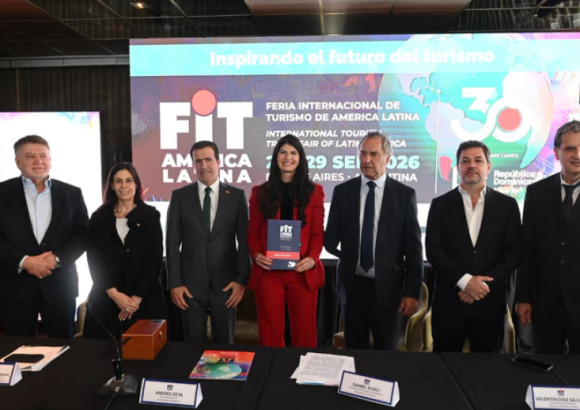
    One of Latin America’s most influential travel industry gatherings is gearing up for a milestone celebration, as organizers have officially launched the 2026 edition of the International Tourism Fair of Latin America (FIT), marking three decades of continuous operation connecting global tourism stakeholders. The landmark 30th anniversary fair is scheduled to run from September 26 to 29, 2026, at Buenos Aires’ iconic La Rural exhibition center, with the Dominican Republic tapped as the event’s official guest country. Event organizers have confirmed that this anniversary iteration will be the largest gathering in FIT’s 30-year history, designed to unite tourism boards, hospitality brands, travel operators and industry professionals from across the globe while forging stronger collaborative ties between public sector tourism agencies and private travel businesses. As the guest nation, the Dominican Republic will host a prominent, purpose-built exhibition space at the fair, giving attendees and general visitors unique hands-on opportunities to explore the country’s diverse tourism offerings, from tropical coastlines to cultural heritage sites, and lock in future travel plans directly with industry representatives. Beyond destination exhibitions, FIT 2026 will roll out a range of specialized thematic zones tailored to the fastest-growing segments of the global travel industry, covering cutting-edge travel technology, regional gastronomy, cruise travel, outdoor adventure recreation, and emerging global travel trends. The event will also host structured B2B meetings to facilitate commercial partnerships between tourism professionals, highlighted by the launch of the First International Sports Tourism Forum, organized in collaboration with UN Tourism. Several new focused initiatives are joining the 2026 program to reflect evolving consumer travel demands: FIT Tech, a dedicated zone for travel technology innovation; FIT Food & Market, which spotlights regional culinary tourism offerings; FIT Outdoor, which showcases nature-based and adventure travel experiences; FIT Cruises, a space for cruise line promotions and industry networking; FIT Fashion & Travel, which explores the intersection of fashion and tourism; and FIT B2B and Business Rounds, a structured program designed to unlock new commercial opportunities across the global tourism supply chain. For the general public, the fair will open its doors on September 26 and 27 between 2:00 p.m. and 9:00 p.m., giving casual visitors and travel enthusiasts full access to explore tourism offerings from hundreds of destinations across Latin America and international markets beyond the region.

  • Dominican Republic explores nuclear energy opportunities through U.S. cooperation

    Dominican Republic explores nuclear energy opportunities through U.S. cooperation

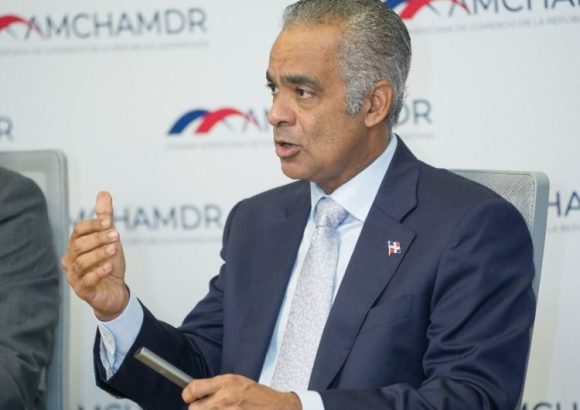
    Santo Domingo — The Dominican Republic is actively examining the role nuclear technologies could play in its long-term national energy roadmap, even as top government officials stress no final decision has been reached on constructing a full-scale nuclear power plant. Energy and Mines Minister Joel Santos Echavarría laid out the country’s current exploratory approach during a recent policy discussion with leaders of the American Chamber of Commerce of the Dominican Republic (Amchamdr).

    Santos framed the evaluation of nuclear technologies as a necessary response to two pressing shifts in the Dominican energy sector: rapidly rising domestic electricity demand and the urgent need to diversify the country’s energy mix to enhance long-term reliability. Official projections show the nation’s total installed electricity generation capacity has already climbed from roughly 4,921 megawatts in 2020 to more than 7,600 megawatts as of 2026, with peak summer demand exceeding 4,300 megawatts in July alone.

    The minister highlighted that strategic cooperation with the United States could unlock critical benefits for the Dominican Republic’s exploratory process, including targeted knowledge transfer, hands-on technical assistance, specialized professional training, and targeted support to strengthen domestic energy institutions. Beyond power generation, Santos emphasized that nuclear science carries a wide range of cross-sector applications that could benefit the country, ranging from advanced nuclear medicine for public health systems to improved crop irradiation techniques in agriculture, more effective freshwater resource management, rigorous environmental pollution monitoring, expanded scientific research capabilities, and advanced industrial processing.

    Turning to grid stability, Santos noted that the rapid expansion of variable renewable energy sources like solar and wind power requires complementary baseload generation capacity, utility-scale energy storage solutions, and major upgrades to national transmission infrastructure to guarantee a consistent, resilient power supply for homes and businesses. He also devoted specific attention to small modular reactors (SMRs), an emerging nuclear technology that has gained growing global attention in recent years thanks to their compact footprint, ability to provide continuous 24/7 power generation, and inherent flexibility to complement intermittent renewable energy output. Even as he outlined the potential benefits of SMRs, Santos made clear the technology is only under consideration as a long-term option, with no immediate plans for deployment.

    In a key clarification to address public and industry speculation, Santos stressed that the current cooperation agreement between the Dominican Republic and the United States does not equate to a binding commitment to build a nuclear power plant, nor has the country selected a specific nuclear technology or approved large-scale capital investment for a nuclear project. The current phase of cooperation is exclusively focused on building the technical, scientific, regulatory, and institutional capacity the Dominican Republic needs to responsibly evaluate all future energy options before making any major policy decisions.

    Looking ahead, the government has outlined clear next steps for its exploratory process: updating and strengthening the national nuclear regulatory framework, establishing an independent nuclear regulatory authority to oversee safety and compliance, training a new generation of specialized nuclear professionals, and expanding collaborative partnerships with the United States, the International Atomic Energy Agency (IAEA), and other global technical partners.

  • Authorities explain water discoloration near Puerto Plata cruise terminal

    Authorities explain water discoloration near Puerto Plata cruise terminal

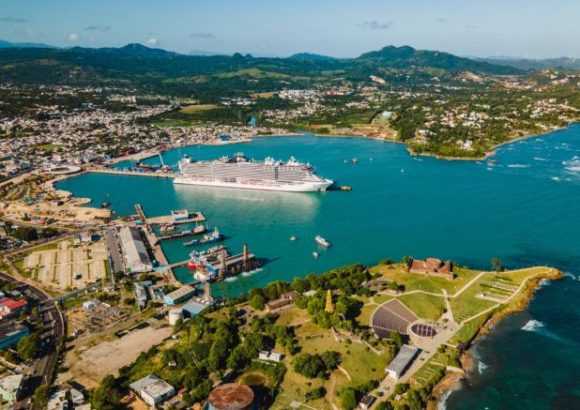
    After viral social media footage of unusual water discoloration in the Dominican Republic’s San Felipe Bay sparked widespread public concern, local Puerto Plata authorities have moved quickly to debunk widespread rumors and clarify the natural cause behind the temporary phenomenon. Many social media users had initially speculated that the odd shift in water color stemmed from a cruise ship oil spill or illegal pollutant discharge, claims that rapidly circulated across regional platforms and triggered alarm among local residents and tourism stakeholders. However, official investigations have ruled out any form of pollution-related contamination. The official account from Puerto Plata’s governing authorities confirms the discoloration is a purely physical side effect of large vessel activity, stirred up by powerful rotational force generated by cruise ship propellers during routine docking and departure maneuvers. When large vessels navigate the shallow waters of the bay, their propellers churn up fine sediment deposits that have accumulated naturally on the seabed, lifting these particles into the upper water column and creating the visible temporary discoloration that was captured in viral photos and videos. Local environmental and port authorities emphasize that this type of temporary water discoloration is a predictable physical event that can occur any time large commercial or passenger vessels carry out standard navigation maneuvers in coastal bays. Officials add that once the vessel completes its maneuvering and leaves the area, water movement in the bay slows significantly, allowing the suspended fine sediments to gradually settle back to the seabed over a short period of time. Within hours, the water typically returns to its original natural appearance with no lasting impact on the local marine ecosystem. In a closing statement, Puerto Plata authorities reaffirmed their ongoing commitment to upholding strict environmental protection standards and advancing sustainable, low-impact operations at the region’s popular port facilities, which serve thousands of cruise tourists every year.