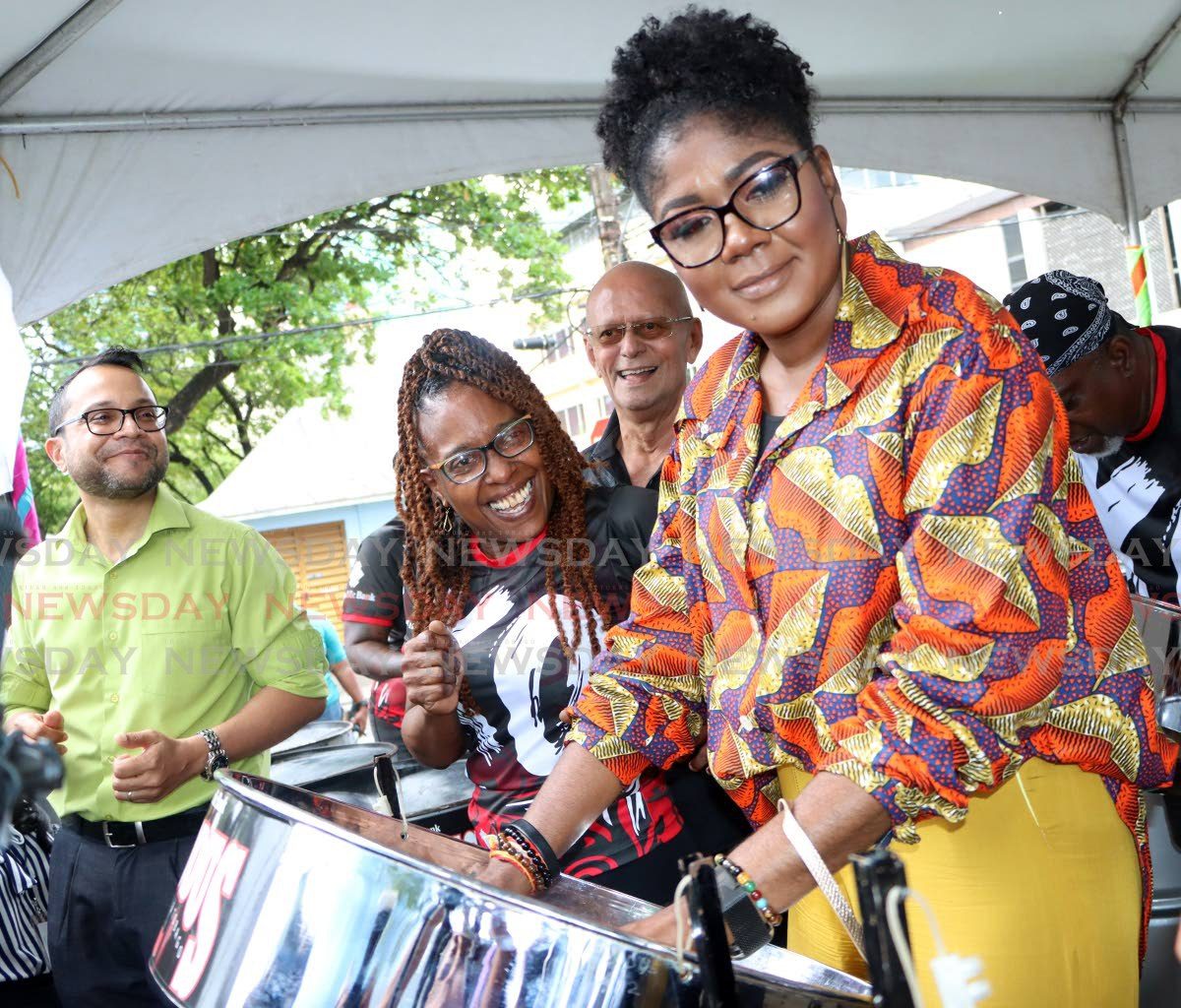
The Trinidad and Tobago government has announced alternative venues for Carnival 2026 events following a sweeping ban on fetes at major public sporting facilities. Minister of Culture and Community Development Michelle Benjamin revealed during a House of Representatives session on November 21 that the Queen’s Park Savannah (QPS) and facilities in Chaguaramas have been designated as primary alternatives. This decision comes after Prime Minister Kamla Persad-Bissessar extended a ban on Carnival-related events at key venues, including the Hasely Crawford Stadium and the Jean Pierre Complex, sparking concerns from industry stakeholders. The ban, initially imposed on the Brian Lara Cricket Academy, has been criticized by promoters who warn it could devastate the multi-billion-dollar Carnival and entertainment industry, a critical driver of tourism and foreign exchange. Benjamin assured that her ministry, in collaboration with the National Carnival Commission (NCC), is committed to supporting stakeholders and ensuring a successful Carnival. However, tensions flared during the parliamentary session as Diego Martin West MP Hans Des Vignes pressed for clarity on stakeholder consultations, only to be cut off by Speaker Jagdeo Singh for violating procedural rules. Laventille West MP Kareem Marcelle also questioned the minister on additional venues, to which Benjamin reiterated the QPS and Chaguaramas as key locations. The TT Promoters Association (TTPA) has urged the government to reconsider the ban, warning it could deliver a ‘death knell’ to the already vulnerable sector. Despite a scheduled meeting between the TTPA and Benjamin on November 21, no confirmation of its occurrence was provided, leaving industry concerns unresolved.
作者: admin
-
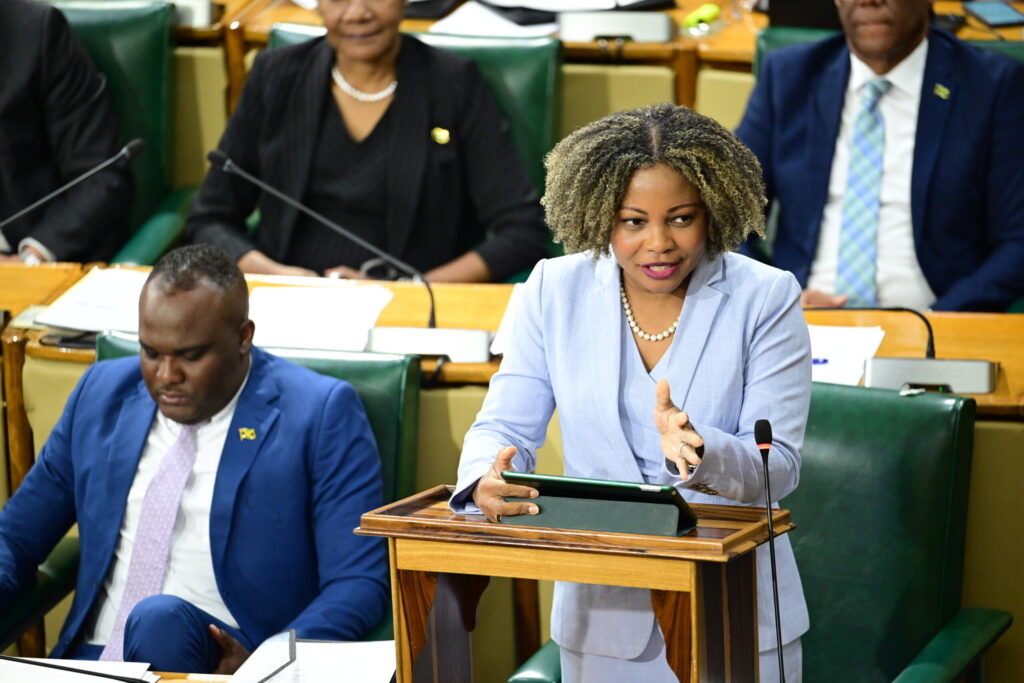
78 per cent of schools reopen so far
KINGSTON, Jamaica — Senator Dana Morris Dixon, Minister of Education, Skills, Youth, and Information, announced that 78% of Jamaica’s schools, totaling 791 institutions, have reopened as of November 19, 2025, following the devastation caused by Hurricane Melissa. The minister highlighted the critical role of resuming normal routines for children in overcoming trauma during a Senate statement on Friday. She praised principals and board chairs for their efforts in restoring educational operations under challenging conditions. Morris Dixon also acknowledged the support of Opposition representative Damion Crawford in expediting the reopening process. Additionally, the government has allocated $325 million in clean-up grants to over 500 schools, with funds ranging from $300,000 to $1,000,000 based on the severity of hurricane damage. These grants will support debris removal, sanitation, and the restoration of utilities and essential amenities. The minister commended the collaborative efforts of school leaders, staff, students, and community volunteers in the clean-up process, emphasizing the pivotal role of schools in rebuilding community normalcy.
-
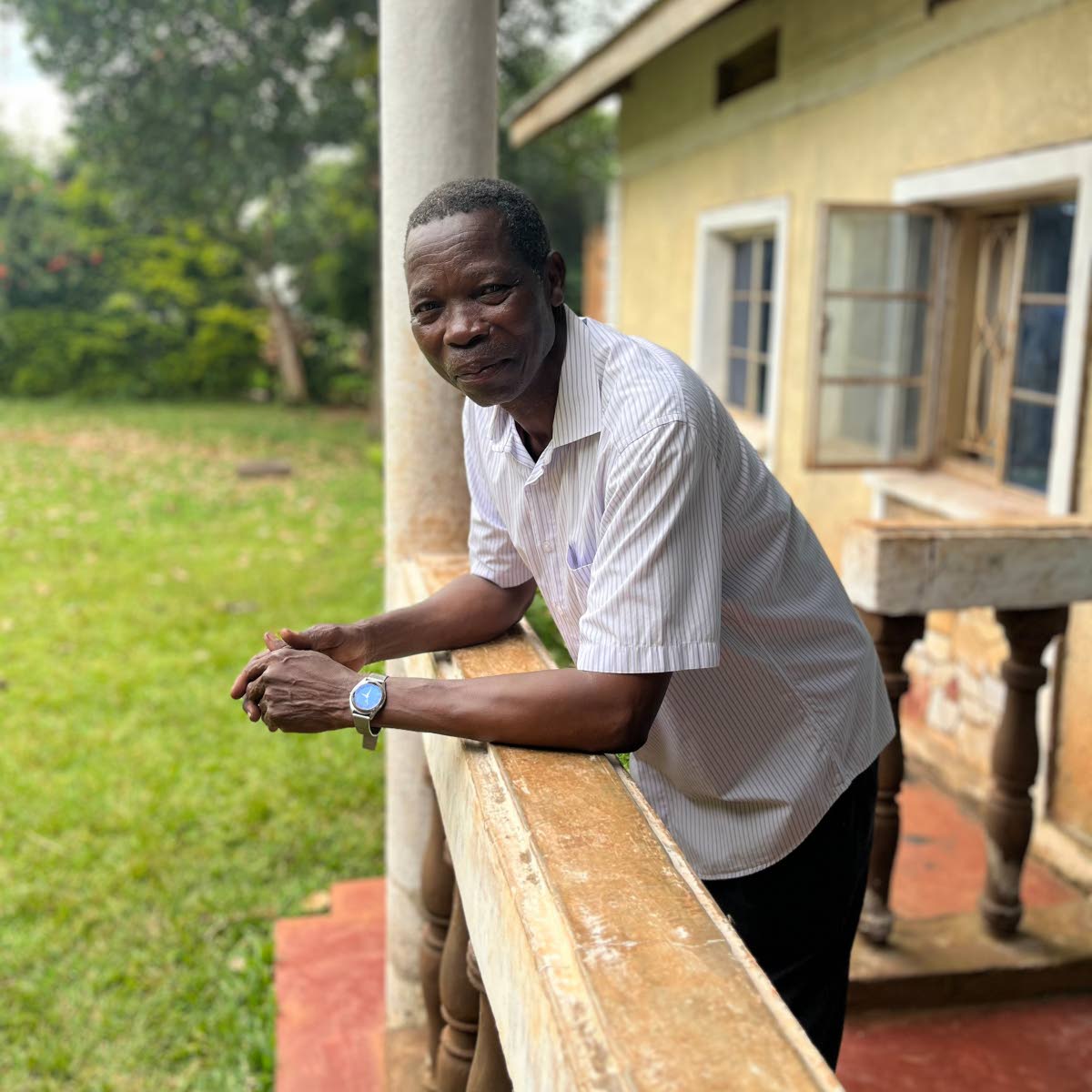
Uganda men heartbroken as paternity tests soar
In the heart of eastern Uganda, Moses Kutoi, a respected clan leader of the Bagisu people, finds himself at the center of a cultural and familial storm. As paternity disputes surge across the country, Kutoi mediates sensitive family conflicts, often involving men questioning the resemblance of their children. For Kutoi, this issue is deeply taboo, rooted in ancestral wisdom, yet he feels compelled to intervene to prevent marriages from collapsing into violence. “Even I don’t resemble my father,” he recently told a skeptical man seeking his help. The rise of DNA testing, fueled by reports of well-known Ugandans discovering they are not the biological fathers of their children, has intensified these disputes. The Ministry of Internal Affairs reports a dramatic increase in voluntary DNA tests, with over 98% of results revealing non-paternity. Despite appeals from religious leaders like Anglican Archbishop Stephen Kaziimba, who urged tolerance and faith, the demand for DNA testing continues to grow. In Nabumali, where Kutoi serves as mayor, the high cost of testing—over $200—makes it inaccessible for many families. Kutoi, drawing on his own experience, emphasizes the importance of unity and tradition, reminding disputing couples that children are a blessing regardless of biological ties. As paternity disputes increasingly intertwine with property and divorce proceedings, faith leaders like Rev. Robert Wantsala and Pastor Andrew Mutengu are stepping in to counsel families and mediate conflicts. Yet, as DNA testing becomes more prevalent, the challenge remains to balance modern science with traditional values in a rapidly changing society.
-
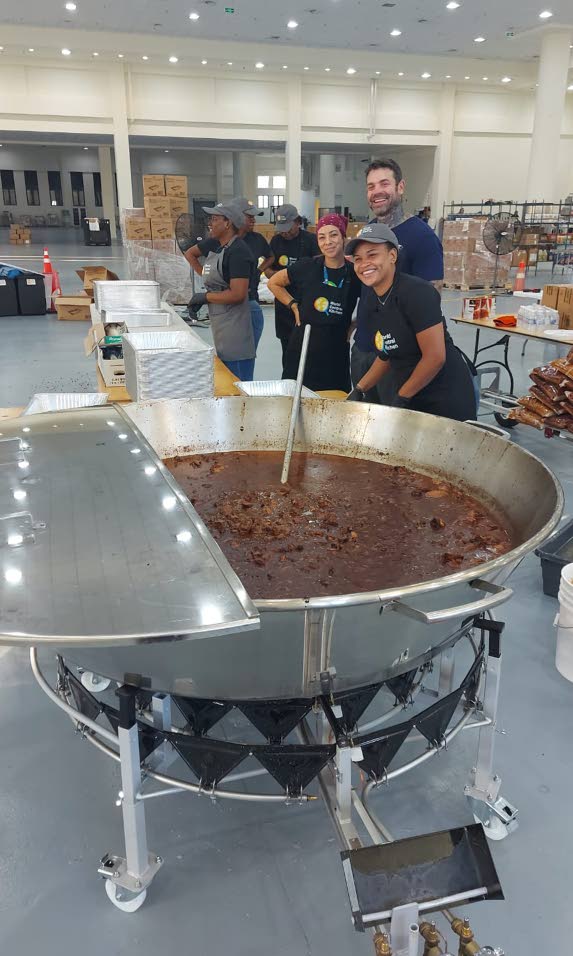
World Central Kitchen serves over one million meals in Jamaica after Hurricane Melissa
In the aftermath of Hurricane Melissa, World Central Kitchen (WCK) has delivered more than one million hot meals to residents in western Jamaica, offering crucial support to those impacted by the disaster. This milestone was announced by Montego Bay Mayor Richard Vernon during a press briefing following an Emergency Operations Centre (EOC) meeting on November 20. Mayor Vernon highlighted the significant aid provided to St James and expressed gratitude for WCK’s ongoing efforts to assist vulnerable communities across the municipality. He praised the dedication of volunteers and donors, urging continued contributions to sustain the initiative, which serves a vital humanitarian purpose. WCK, founded by celebrity chef José Andrés in 2010, specializes in rapid food relief during emergencies, setting up kitchens and collaborating with local partners to deliver immediate assistance. Shifting focus, Mayor Vernon also addressed the reopening of Montego Bay’s tourism sector, a cornerstone of the city’s economy. He emphasized that tourism contributes 30% to Jamaica’s GDP and 25% of national employment, with Montego Bay relying on it for over half of its economic activity and jobs. Vernon detailed efforts to restore hotels safely, ensuring workers regain employment. He commended Sandals for retaining its staff and encouraged other hotels to follow suit. The mayor underscored the importance of reopening tourism facilities to maintain Montego Bay’s appeal to visitors and assured that recovery efforts would balance economic revitalization with addressing residents’ immediate needs.
-
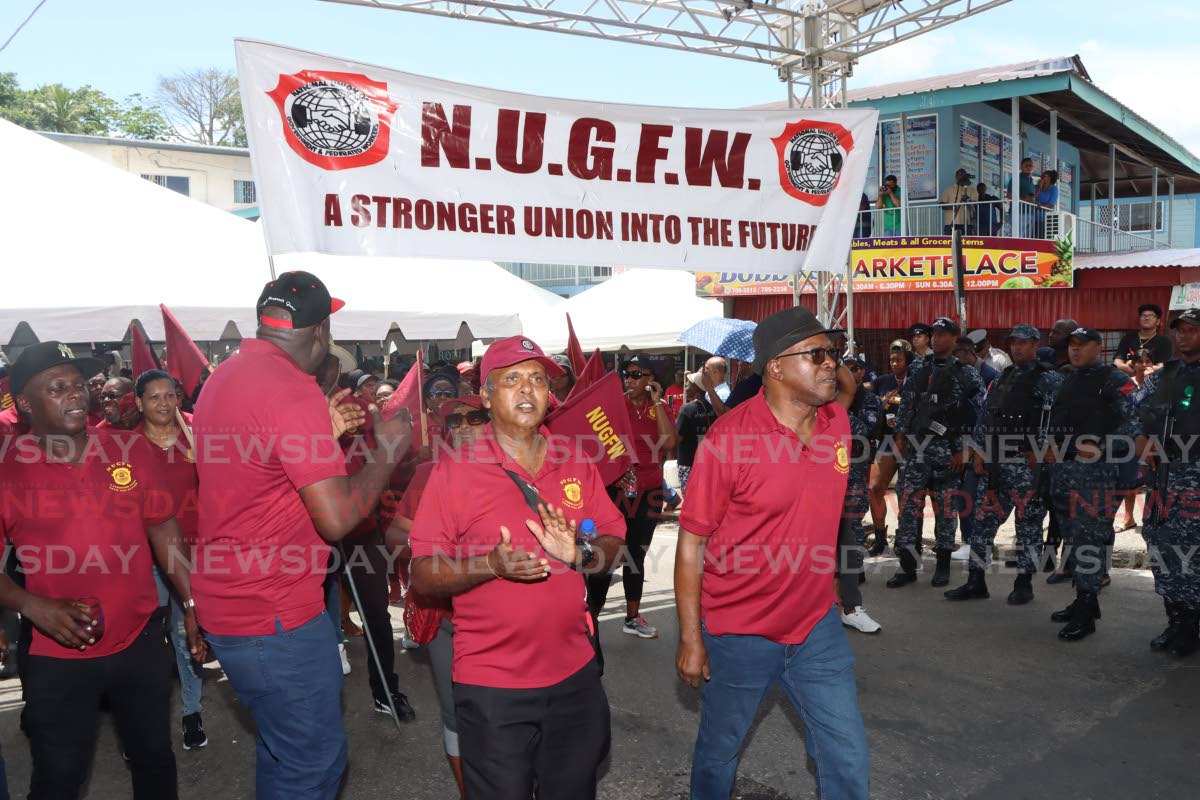
NUGFW: Our 17,000 workers want 10% too
The National Union of Government and Federated Workers (NUGFW) is optimistic about upcoming salary negotiations after the Trinidad and Tobago government formalized a 10% wage increase offer for public servants. The offer, covering two outstanding periods from 2014 to 2019, was presented to the Public Services Association (PSA) on November 21 during a meeting involving the Personnel Department and the Ministry of Finance. NUGFW President General Christopher Streete expressed his elation and hopes that his union, representing 17,000 daily-rated workers, will soon be invited to the bargaining table for similar discussions. Streete emphasized that the NUGFW had previously rejected a 4% offer under the former administration and supported the current government’s campaign promises for better terms. He also thanked the PSA for its persistence in resolving the issue and expressed confidence that other trade unions would receive comparable offers. The government’s economic briefing during the meeting provided a comprehensive overview of the nation’s fiscal position to guide negotiations. Streete assured that if the NUGFW is not contacted by mid-week, he will initiate discussions to ensure his members receive their due.
-
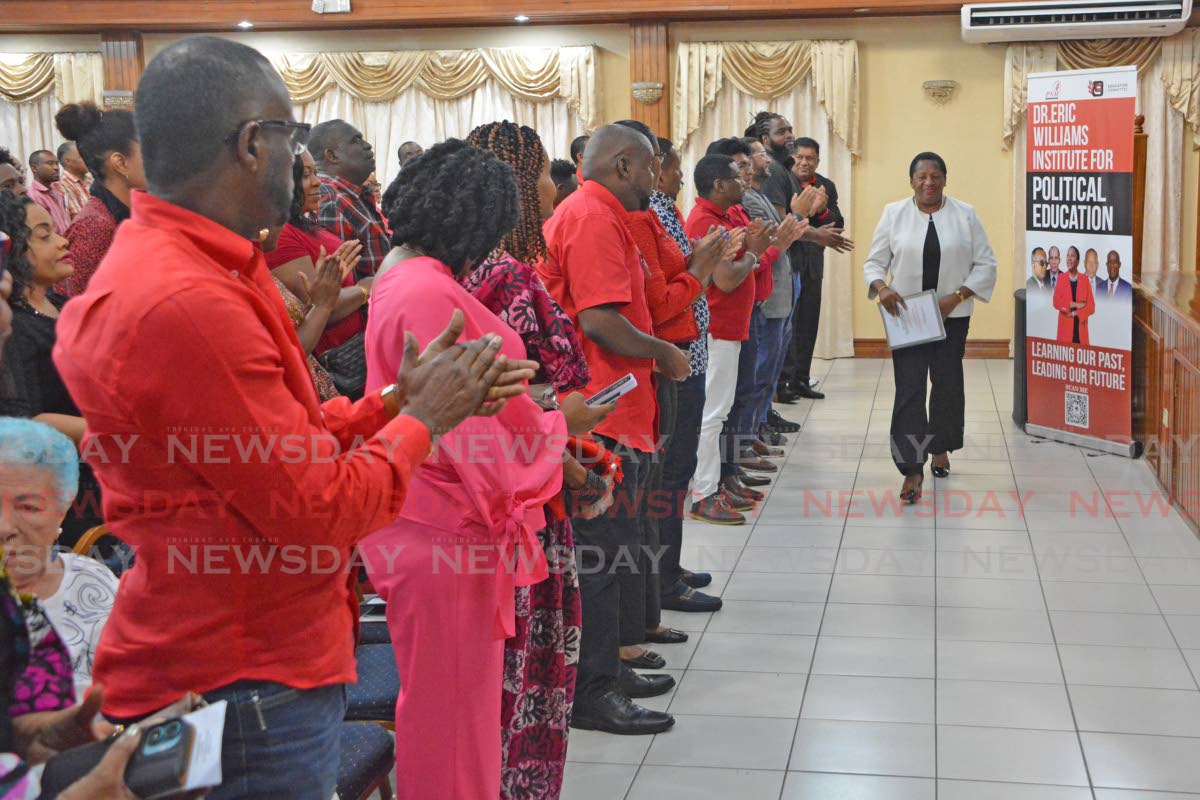
Beckles, Browne slam PM’s Caricom ‘implode’ talk
The Caribbean political landscape is witnessing heightened tensions as Opposition Leader Pennelope Beckles and Senator Dr. Amery Browne have criticized Prime Minister Kamla Persad-Bissessar for her stance on US military involvement in the region and her perceived divergence from Caricom’s principles. Persad-Bissessar has publicly endorsed the US military deployment in the southern Caribbean, framing it as an anti-narcotics initiative, despite international concerns over potential extrajudicial killings. Her position starkly contrasts with Caricom’s long-standing advocacy for the Caribbean to remain a ‘zone of peace,’ a stance supported by leaders like Barbados’ Prime Minister Mia Mottley and St. Vincent and the Grenadines’ Prime Minister Ralph Gonsalves. In a recent interview, Persad-Bissessar controversially predicted Caricom’s potential collapse, accusing regional leaders of meddling in member states’ affairs. Beckles, speaking at the relaunch of the Dr. Eric Williams Institute of Political Education, emphasized the importance of intellectual preparedness and regional unity in navigating geopolitical challenges. Browne, a former foreign minister, accused Persad-Bissessar of undermining Caricom’s principles and promoting violations of international law. The ongoing discord highlights deepening divisions within the Caribbean political community, with implications for regional stability and sovereignty.
-

Fund established to support tourism workers affected by Melissa
In a significant move to support tourism workers affected by Hurricane Melissa, Jamaica’s Minister of Tourism, Edmund Bartlett, has announced the establishment of a $1 billion recovery fund. The initiative, backed by both government and private sector contributions, aims to provide immediate relief and long-term rehabilitation for those impacted by the natural disaster. The government has pledged $600 million, while private sector organizations have contributed over $400 million, showcasing a collaborative effort to safeguard the livelihoods of tourism employees. Bartlett highlighted the resilience of the sector, emphasizing the importance of protecting the workforce that embodies the ‘Jamaica brand.’ During a recent tour of hotels and attractions in Ocho Rios, St. Ann, the minister praised the swift mobilization of resources and the commitment of industry leaders. Notably, RIU Hotels has pledged $1 million for relief efforts and an additional $1.3 million for staff home repairs. Bartlett commended such initiatives, stating they not only provide essential support but also reinforce confidence in the sector’s recovery. The minister also stressed the importance of ongoing worker rehabilitation programs, including health support, training, and re-skilling, to ensure the long-term sustainability of Jamaica’s hospitality industry. Bartlett expressed his gratitude for the sector’s unified response and called for continued collaboration to maintain momentum in rebuilding efforts, with workers at the heart of every plan.
-
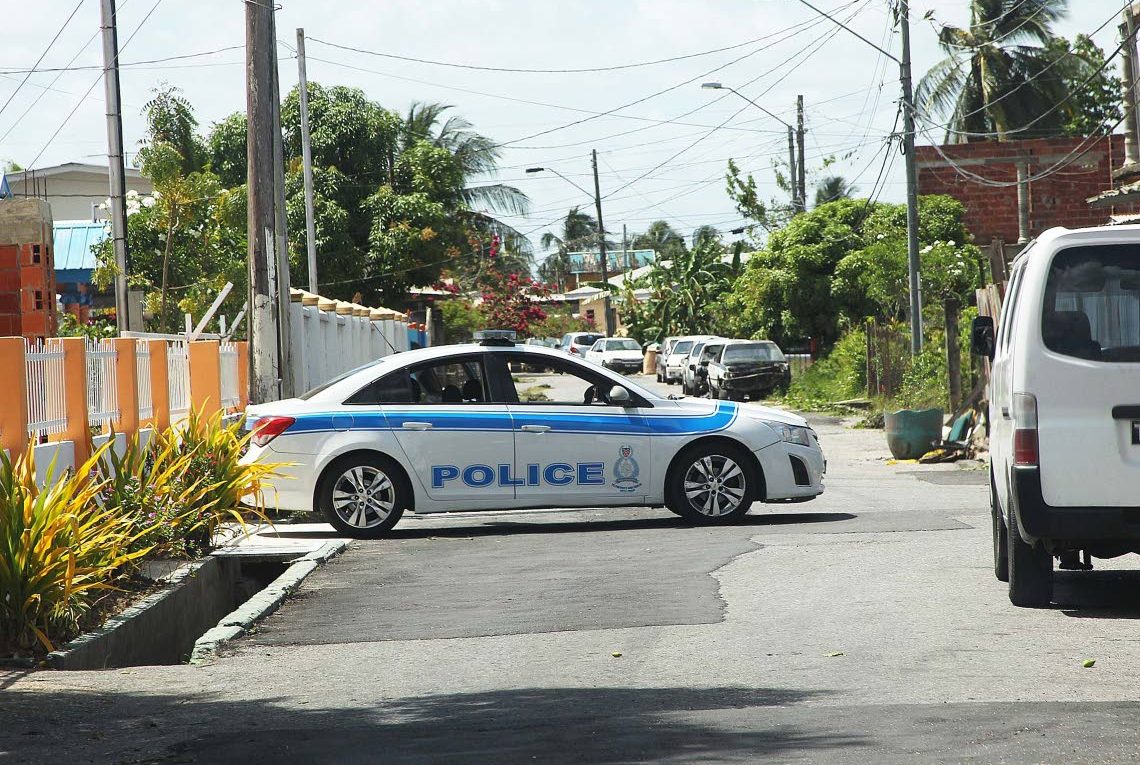
Cops shoot Arima carjacker, seize gun
A dramatic police-involved shooting unfolded in Arima on November 22 after a reported carjacking, leading to the arrest of a 25-year-old man who sustained gunshot wounds. According to a media release issued on November 23, the incident began when a woman was confronted by an armed assailant at her La Horquetta residence around 7 pm. The gunman, accompanied by another suspect, stole her Hyundai Elantra and fled the scene. Northern division police swiftly responded, intercepting the stolen vehicle and engaging in a high-speed chase. During the pursuit, the suspects allegedly fired at the officers, prompting the police to return fire in accordance with their use-of-force policy. The vehicle eventually crashed in the Mt Pleasant area, where the 25-year-old driver was found injured and hospitalized. His accomplice managed to escape into nearby bushes. Authorities recovered a firearm from the scene. In a separate but related operation, Inter-Agency Task Force officers discovered 3.1 kilograms of cannabis during a search in Snake Valley, Laventille. The operation, conducted between 2 pm and 8:30 pm on November 22, was led by senior officers including ACP Hazel, Snr Supt Ramnarine, Supt Ramsook, and ASP Singh. Investigations into both incidents are ongoing.
-
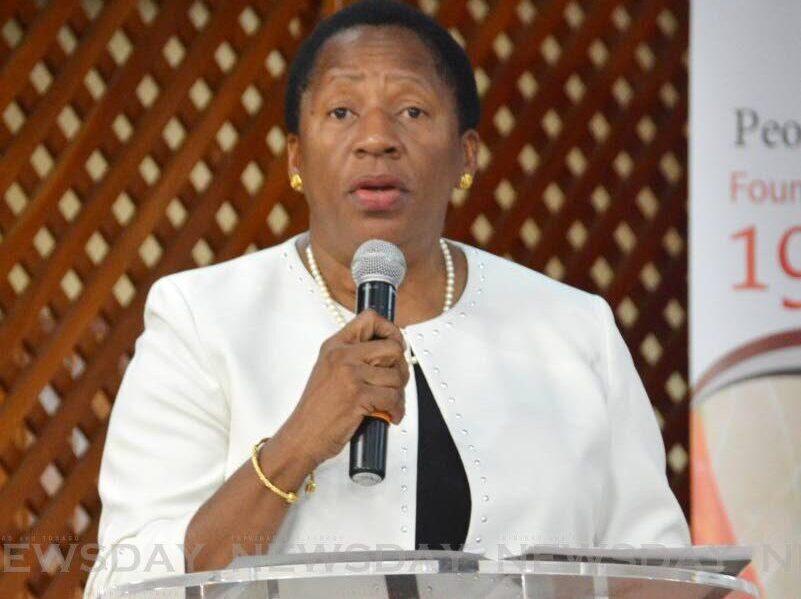
Beckles: Truth, democracy in danger in Trinidad and Tobago
Opposition Leader Pennelope Beckles has issued a stark warning about the erosion of truth and democracy in Trinidad and Tobago, citing the pervasive spread of misinformation and the rise of superficial politics. Speaking at the relaunch of the Dr Eric Williams Institute for Political Education on November 22, Beckles emphasized the critical need for education and critical thinking to safeguard the nation’s democratic foundations. The event, held at the San Fernando City Hall Auditorium, marked a renewed commitment to the principles of Dr Eric Williams, the country’s first prime minister and a national icon. Beckles, who also serves as the political leader of the People’s National Movement (PNM), stressed that the institute’s revival is not merely a nostalgic gesture but a strategic move to institutionalize Williams’ methodologies for future generations. She highlighted the dangers of a society that neglects education, warning that such a path leads to manipulation and stagnation. Beckles urged PNM supporters to view Williams not as a historical relic but as a foundational figure whose legacy continues to shape the nation’s progress. She called for a return to the party’s roots, emphasizing the importance of building leaders and thinkers rather than mere followers. San Fernando East MP Brian Manning echoed these sentiments, crediting Williams and the PNM for the majority of the country’s progress. He criticized the government’s recent revitalization blueprint as a poor imitation of the Vision 2020 plan crafted by his father, former Prime Minister Patrick Manning. PNM education officer Dr Jelani Reid addressed the issue of misinformation, describing it as a societal illness that undermines the truth. He referenced recent claims by UNC PRO Dr Kirk Meighoo that Williams was not Trinidad and Tobago’s first prime minister, emphasizing the need to reclaim the narrative and ensure factual accuracy. San Fernando Mayor Robert Parris, a product of the institute, welcomed its relaunch, underscoring its enduring relevance. The PNM’s November 21 statement described the institute as a modern, 21st-century adaptation of the party’s traditional Party School, first established by Williams.
-
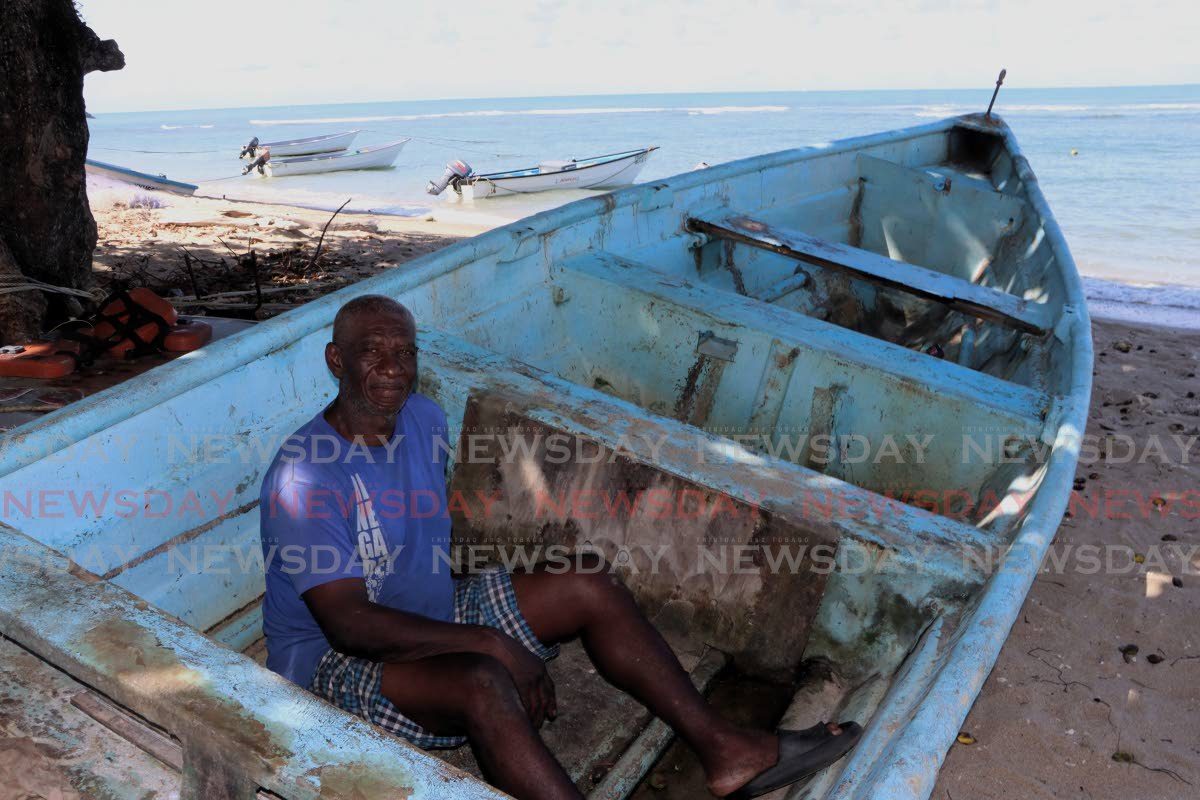
US military tension keep Toco fisherfolk at bay
The tranquil fishing villages along Trinidad’s northeastern coast, from Salybia to Matelot, are facing unprecedented challenges as US military strikes against narco-traffickers have severely disrupted the local fishing industry. Fisherfolk, already grappling with fear and uncertainty, are hesitant to venture far from shore, leaving once-bustling fishing hubs like Toco and Saline Bay eerily quiet. The US has conducted 21 missile strikes since September 2, killing 83 individuals suspected of drug trafficking in the Caribbean Sea and eastern Pacific Ocean. This military escalation, coupled with thousands of marines and naval vessels stationed in the region, has created a tense atmosphere for coastal communities. At the Toco Fishing Centre, a key hub for fresh fish, stalls remain empty, and the compound is deserted, a stark contrast to its former vibrancy. Nearby, fish vendor Nixon Kissoon, 53, and his nephew Andrew struggle to adapt to the new reality. Nixon highlights the Coast Guard’s restrictions, which limit fishing to within two miles of the shore, making it nearly impossible to catch deep-water species like carite and kingfish. Fishermen on the west and south coasts face similar constraints. Nixon, a veteran of the industry, has pivoted to transporting fish from Orange Valley to Manzanilla and Toco, but the rising costs of fuel and wholesale fish have placed immense financial strain on families. Veteran fisherman Winston Miller, 63, echoes these concerns, describing the situation as a “high-risk gamble.” The economic fallout extends beyond fishing, with local businesses like clothing shops and food outlets closing early. Former MP Roger Munroe notes that the Toco lighthouse, a potential tourist attraction, remains closed. Calls for government intervention, such as subsidies, have grown louder, but local officials remain unresponsive. As the crisis deepens, the once-thriving coastal communities face an uncertain future.