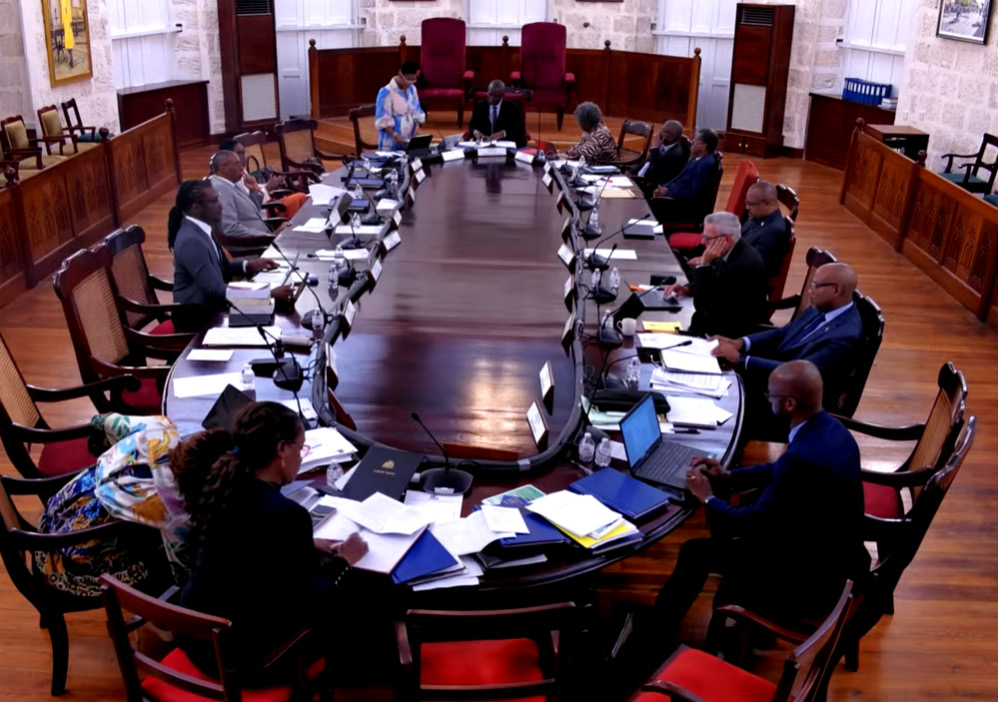
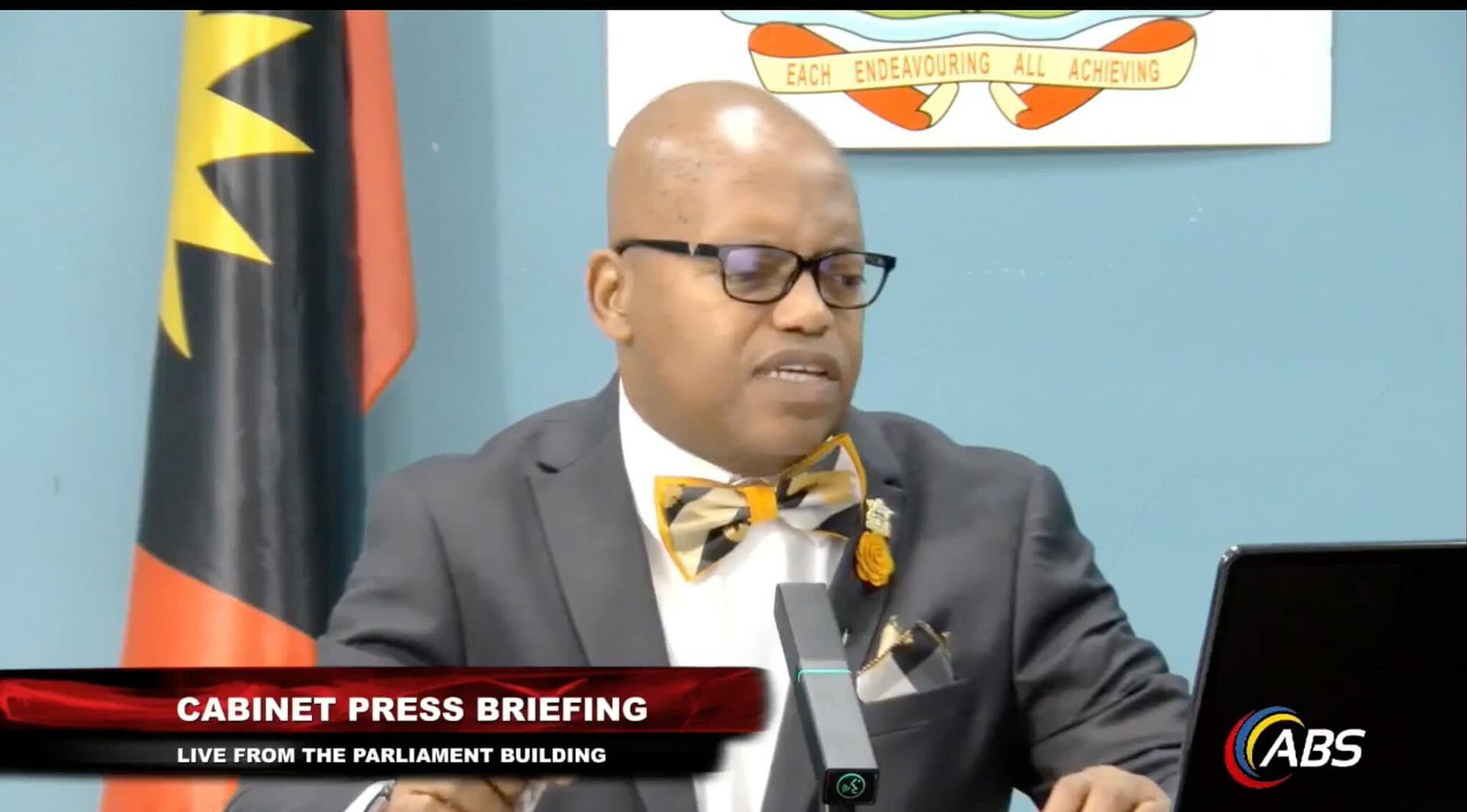
Barbados’ proposed Tourism Levy (Amendment) Bill has faced vehement opposition from Independent Senator Andrew Mallalieu, who characterized the legislation as fundamentally flawed and potentially damaging to the nation’s vital tourism sector. While acknowledging tourism’s crucial role in national financing and clarifying that the bill introduces no new taxes, Mallalieu systematically dismantled the proposed changes during Senate deliberations.
The core contention revolves around shifting collection responsibilities to international online booking platforms. The amendments would mandate that digital marketplaces—regardless of their global location—register with the Barbados Revenue Authority and remit tourism levies directly. Mallalieu warned this approach would create enforcement loopholes, weaken local operators, and misplace liability within the taxation system.
Expressing particular concern about the expanded definition of “online marketplace,” the senator noted the legislation could potentially ensnare over 500 vacation rental platforms, many without physical presence or direct relationships with Barbadian property owners. The current system places levy payment responsibility squarely on property owners or appointed managers, but the amendments would push this obligation to offshore entities that may lack knowledge of property ownership or taxpayer information.
Mallalieu highlighted alarming provisions allowing property liens for non-remitted levies, even when failures occur at platform level—a precedent he described as deeply troubling for Barbadian law. He further argued the legislation unfairly burdens compliant operators while unlikely capturing non-compliant ones.
The senator reserved sharpest criticism for the drafting process, revealing that neither he nor major industry stakeholders received consultation. After contacting villa operators, sharing-economy businesses, and the Barbados Hotel and Tourism Association, Mallalieu confirmed none had been engaged in legislative discussions, questioning how vital industry legislation could advance without operator input.