作者: admin

  • Government Defends Decision Not to Use Genetically Modified Mosquitoes—for Now

    Government Defends Decision Not to Use Genetically Modified Mosquitoes—for Now

    The Antigua and Barbuda government has confirmed extensive internal discussions regarding the potential deployment of genetically modified (GM) mosquitoes as a novel strategy against vector-borne diseases. However, officials have declared the nation is not yet ready to implement this biotechnology solution, identifying significant barriers that must first be overcome.

    During a recent post-Cabinet media briefing, Maurice Merchant, Director General of Communications in the Prime Minister’s Office, addressed inquiries about adopting more aggressive mosquito control methods. Merchant revealed that while the government has seriously evaluated GM mosquitoes, the approach remains under scrutiny with no immediate plans for implementation.

    Public acceptance emerged as the primary concern, with Merchant emphasizing that comprehensive public education and community sensitization represent substantial challenges. The significant financial investment required for genetically modified initiatives presents another considerable obstacle, making cost-effectiveness a critical factor in the decision-making process.

    The nation’s tropical climate further complicates potential deployment, creating environmental conditions particularly conducive to mosquito proliferation that may diminish the effectiveness of singular technological solutions.

    Currently, the government continues to prioritize conventional mosquito control methodologies administered through the Central Board of Health’s vector-borne disease control division, which Merchant described as exceptionally effective. These established programs rely heavily on public participation in eradication efforts and community-level preventive measures.

    Government officials indicated that innovative scientific approaches would only be reconsidered should existing conventional methods prove inadequate in addressing the persistent challenge of mosquito-borne illnesses in the Caribbean nation.

  • Overpeinzingen bij 77 jaar VHP

    Overpeinzingen bij 77 jaar VHP

    As Suriname’s Progressive Reform Party (VHP) commemorates its 77th anniversary on January 16, 2026, the political organization stands at a critical juncture requiring substantial internal transformation and strategic repositioning. According to prominent VHP member Henry Ori, the party confronts significant challenges despite its historical legacy of producing distinguished statesmen and exceptional parliamentary representatives.

    The recent 2020-2025 governmental term saw VHP assuming executive responsibility with a party president who initiated substantial policy measures. However, the party currently faces targeted negative campaigns aimed at undermining its public standing. Ori emphasizes that VHP inherited substantial governance challenges from previous administrations and prevented Suriname from descending into bankruptcy and economic decline, though he acknowledges that party leadership made certain miscalculations during their tenure.

    With over 40,000 registered members and extensive supporter networks, VHP represents a substantial political force rather than belonging to a select few individuals. The opposition period now provides opportunity for thorough evaluation, with the party possessing an assessment report and critical analysis from VHP Netherlands that should inform future direction.

    The emergence of political populism coincides with diminishing public trust in traditional politics, creating an environment where VHP must reestablish credibility through concrete actions. This necessitates addressing fundamental societal issues including inequality, poverty disparities, unequal access to knowledge resources, employment challenges, housing shortages, and land distribution problems.

    Ori advocates for developing self-cleansing mechanisms within the party structure, coupled with personnel renewal and ideological reinvigoration. VHP politics must demonstrate explicable policy choices connected to core party ideals while addressing Suriname’s pressing needs regarding wealth distribution, climate challenges, energy requirements, revenue generation, and investments in education, infrastructure, and healthcare systems.

    Despite securing 17 parliamentary seats in recent elections—demonstrating significant voter support for its philosophy—the party must transition from distrust to trust and from self-interest to collective benefit. This anniversary serves as both celebration and call to action for organizational renewal and democratic revitalization throughout Surinamese politics.

  • El Salvador marks 34th anniversary of Peace Accords

    El Salvador marks 34th anniversary of Peace Accords

    The mountainous region of Perquín, once the operational nerve center for the Farabundo Martí National Liberation Front (FMLN) during El Salvador’s civil conflict, now serves as both memorial and testament to the nation’s turbulent past. This strategic territory, celebrated for its historical resistance, has transformed into the symbolic heart of El Salvador’s Peace Route—a physical journey through sites of remembrance and reconciliation.

    The upcoming commemoration ceremony at this former guerrilla stronghold underscores the enduring significance of the Chapultepec Peace Accords. Signed in 1992 at Mexico’s historic Chapultepec Castle, these agreements formally ended twelve years of armed conflict yet remain subject to competing historical narratives. While some political factions advocate for forgetting, others work diligently to preserve the accords’ legacy within the national consciousness.

    Central to this historical preservation is the damning evidence contained within the United Nations-backed Truth Commission’s landmark report, titled ‘From Madness to Hope: The Twelve-Year War in El Salvador.’ Published on March 15, 1993, the document meticulously cataloged atrocities committed during the power struggle, including substantial evidence of United States financial and military support for government forces responsible for massacres.

    The conflict’s human toll remains staggering, with documented deaths and disappearances exceeding 75,000 civilians and combatants. This tragic legacy finds physical representation at the Monument to Memory and Truth in San Salvador’s Cuscatlán Park—a solemn wall inscribed with approximately 30,000 names of confirmed victims, standing as permanent witness to one of Latin America’s most brutal civil wars.

  • Nicaraguan Co-President greets Cuba and denounces US threats

    Nicaraguan Co-President greets Cuba and denounces US threats

    During the 48th Graduation Ceremony of Cadets at Nicaragua’s ‘Leonel Rugama’ Police Science University, President Daniel Ortega delivered a forceful condemnation of United States foreign policy toward two Caribbean nations. The Nicaraguan leader emphasized the overwhelming international consensus at the United Nations against the six-decade-long economic blockade imposed by Washington on Cuba, noting that nearly all member states consistently vote for its removal with only minimal opposition.

    Ortega specifically pointed to voting patterns, stating, ‘In every vote, almost all countries voted to lift the US blockade. Who voted against it? The delegate from the United States, the delegate from Israel, two or three countries at most.’ This observation highlighted the diplomatic isolation of the US position on the Cuba embargo within the global community.

    In a significant expansion of his critique, the Nicaraguan president expressed firm support for acting Venezuelan President Delcy Rodriguez while making explosive allegations regarding the disappearance of President Nicolás Maduro and First Lady Cilia Flores. Ortega characterized their absence as a kidnapping operation conducted by US military personnel on January 3, demanding their immediate return to Venezuela.

    The Central American leader further accused the United States of economic motives behind its Venezuela policy, asserting that Washington’s primary interest lies in the nation’s substantial petroleum resources. Ortega quoted specific figures, alleging the US intends to appropriate ‘thousands of barrels of oil that nation intends to take from the Venezuelan people,’ while portraying Maduro as a leader genuinely committed to peace.

    Concluding his address, Ortega extended gratitude to nations worldwide and even within the United States that have mobilized against what he characterized as American aggressions, acknowledging international support for peaceful resolutions to these regional tensions.

  • Four Candidates Qualified Under St Philip’s South Scholarship Programme to Attend UWI Five Islands Campus

    Four Candidates Qualified Under St Philip’s South Scholarship Programme to Attend UWI Five Islands Campus

    ST. PHILIP’S SOUTH, ANTIGUA AND BARBUDA – A significant educational milestone has been achieved in the St. Philip’s South Constituency as Senator Hon. Kiz Johnson, ABLP Caretaker, revealed that four exceptional candidates have been selected for the constituency’s Scholarship Programme. These scholars will pursue their academic ambitions at the prestigious University of the West Indies Five Islands Campus (UWI FIC).

    The scholarship initiative, which initially announced five available awards, generated substantial interest among constituency residents, demonstrating a strong community commitment to educational advancement. After implementing a meticulous and competitive evaluation process, four applicants successfully met all established criteria for the program’s inaugural cohort, which is scheduled to commence in the near future.

    Senator Johnson originally unveiled this educational initiative on December 12, 2025, as part of her comprehensive strategy to enhance learning opportunities and develop human capital within St. Philip’s South. The program reflects her philosophical commitment to education as a transformative force, with Senator Johnson emphasizing: ‘Education possesses the profound power to transform families, communities, and individual destinies. The people of St. Philip’s South merit every opportunity to achieve upward mobility and realize their full potential.’

    The successful scholarship recipients who will participate in the 10-week academic program include:
    – Ruetoya Browne
    – Egypt Emanuel
    – Carlene Thomas
    – D’Hijah Matthew

    Senator Johnson extended her congratulations to the selected candidates, acknowledging their achievement in meeting the program’s rigorous standards. She encouraged them to approach their educational journey with dedication, academic discipline, and self-assurance as pioneering participants in this constituency-based initiative.

    The Senator also expressed genuine appreciation to all applicants who sought consideration for the St. Philip’s South (SPS) Scholarship Programme, noting that the robust response demonstrated a clear constituency-wide commitment to educational advancement and professional development.

    In recognition of collaborative support, Senator Johnson specifically thanked Dr. Dave Ray, Diaspora Liaison, for his valuable contributions to the scholarship program. She simultaneously issued an open invitation to potential donors and organizational partners to assist in expanding the initiative’s reach. Senator Johnson has articulated ambitious plans to scale the program throughout the coming months, thereby enabling additional beneficiaries to receive support in subsequent cohorts.

    ‘The overwhelming response to this initiative confirms our constituency’s deep hunger for educational opportunities and personal growth,’ Senator Johnson observed. ‘Through sustained partnerships and community support, this scholarship program will evolve into a robust and enduring pathway toward opportunity and advancement for the people of St. Philip’s South.’

  • OECS leaders agree on need for unified approach on US deportation issue

    OECS leaders agree on need for unified approach on US deportation issue

    In a significant move toward regional solidarity, leaders of the Organisation of Eastern Caribbean States (OECS) have unanimously decided to pursue a collective bargaining strategy regarding US requests for member nations to accept third-country nationals. The resolution emerged during Tuesday’s OECS Heads of Government meeting in Saint Lucia, where leaders convened to address pressing regional and global challenges.

    While several OECS members, including Saint Lucia, had previously initiated non-binding dialogue agreements with the United States, the consensus now favors a coordinated regional approach. Consequently, a high-level OECS negotiating team will be established to represent all member states in future discussions with US authorities.

    The assembly, hosted by Saint Lucian Prime Minister Philip J Pierre, also examined the evolving geopolitical landscape, particularly expressing apprehension about deteriorating relations between Venezuela and the United States. Leaders analyzed potential ramifications for economic stability, energy security, regional safety, migration patterns, and diplomatic engagements, reaffirming their commitment to preserving hemispheric peace and constructive international relations.

    Additional agenda items included Citizenship by Investment Programs, with leaders pledging to enhance oversight mechanisms and standardize regulations across member states. Discussions highlighted advancements toward establishing a regional regulatory authority and maintaining productive dialogue with international partners such as the European Union.

    The meeting further addressed implementation plans for biometric travel systems throughout the OECS, designed to bolster border security while streamlining travel procedures for both citizens and international visitors.

    Emphasizing the necessity of adaptive governance in a rapidly changing global environment, OECS leaders agreed to convene more frequently to ensure coordinated responses to emerging challenges. Saint Lucia reiterated its dedication to regional unity and collaborative decision-making, emphasizing that international engagements must prioritize the long-term stability and development of the Eastern Caribbean.

    Leaders committed to maintaining transparency with their constituents, assuring that all policy decisions will be guided by the best interests of OECS citizens. The historic gathering was chaired by St Vincent and the Grenadines Prime Minister Dr. Godwin Friday in his inaugural presiding role, with participation from heads of government across the Eastern Caribbean region and OECS Director General Dr. Didacus Jules.

  • Officials Push Back Against Misinformation After U.S. Visa Reports

    Officials Push Back Against Misinformation After U.S. Visa Reports

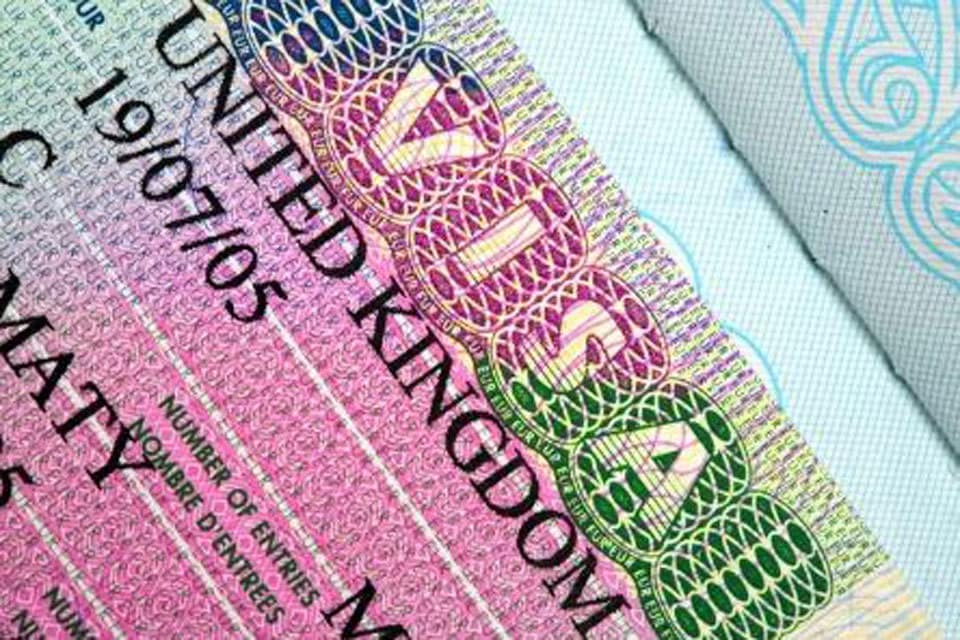
    The Antigua and Barbuda government has launched a comprehensive effort to address widespread misinformation regarding U.S. visa processing changes affecting the Caribbean nation. The initiative follows international media reports that triggered public concern and required immediate diplomatic verification.

    Maurice Merchant, Director General of Communications in the Prime Minister’s Office, revealed during Thursday’s post-Cabinet media briefing that officials swiftly engaged verification protocols upon learning of the purported changes. “The Cabinet immediately made contacts to verify, because it was coming from news portals,” Merchant stated, emphasizing the government’s proactive approach to information validation.

    The administration deployed Ambassador Sir Ronald Sanders, the nation’s top diplomat in Washington, to seek direct clarification from U.S. officials. Leveraging his strategic position in the American capital, Sanders conducted thorough research and established high-level contacts to ascertain the factual situation, subsequently advising the Cabinet of his findings.

    In response to growing public anxiety, the government implemented a multi-channel communication strategy. This included issuing official statements from senior officials, coordinating regular media appearances, and disseminating accurate information through authorized platforms. Merchant specifically noted that certain reports had significantly mischaracterized the scope of actual visa restrictions, creating unnecessary alarm among citizens.

    The communications director emphasized that current visa holders remain unaffected by any changes. “As it stands, persons with current visas, valid visas, can travel back and forth between Antigua and the United States and its territories,” he clarified, aiming to reassure the public about continued travel privileges.

    Merchant concluded by affirming the government’s commitment to transparency, noting that official channels would provide continuous updates as discussions between Antiguan and U.S. authorities progress toward resolving the situation.

  • Dominica’s iconic “Aie Dominique” at centre of multiple copyright litigation actions

    Dominica’s iconic “Aie Dominique” at centre of multiple copyright litigation actions

    The Eastern Caribbean nation of Dominica finds itself at the center of a groundbreaking legal confrontation surrounding the beloved patriotic song ‘Aie Dominique,’ with two separate lawsuits filed at the High Court that could reshape artistic rights protection across the Caribbean region.

    Original composer Ophelia has initiated legal proceedings against both Cornell Phillip and the Dominica Olympic Committee (DOC), asserting violations of her moral rights as the song’s creator. These rights encompass artistic protections including proper attribution, prevention of false authorship claims, and safeguarding against derogatory treatment of creative works.

    In a parallel litigation, music publisher McCarthy Marie has filed suit against the DOC alleging unauthorized reproduction and distribution of the composition. The complaint specifically references the committee’s synchronization of an instrumental version with visual elements in promotional materials without obtaining necessary licensing permissions or creator consent.

    This legal confrontation emerges against the backdrop of a significant precedent established in July 2023, when artist Sean Caruth secured a landmark victory against the Tobago House of Assembly in a similar moral rights case. Legal experts observe that the outcome of these concurrent lawsuits could establish crucial jurisprudence regarding the protection of authors’ and performers’ moral rights under Caribbean copyright law frameworks.

    The cases have attracted substantial public attention due to the song’s profound cultural resonance within Dominican society. All parties are scheduled to appear before the High Court of Dominica in coming weeks, with proceedings expected to clarify institutional obligations regarding rights clearance procedures for copyrighted material in multimedia productions.

  • PM to meet senior docs as pressure mounts at QEH

    PM to meet senior docs as pressure mounts at QEH

    Barbados’ Prime Minister Mia Mottley has summoned an urgent assembly of all medical consultants from the Queen Elizabeth Hospital (QEH) following the complete saturation of the nation’s primary medical facility. The healthcare crisis stems from a convergence of record influenza infections, trauma incidents, and escalating chronic disease complications that have pushed the institution beyond its operational capacity.

    A formal memorandum issued by Director of Medical Services Dr. Carlos Chase on Wednesday confirmed the emergency meeting scheduled for January 16th at the hospital’s auditorium. The directive explicitly mandated attendance from all consultant tiers—including full-time, University of the West Indies-affiliated, and sessional staff—requiring the rescheduling of surgeries, clinics, and private appointments to ensure participation.

    The emergency convocation follows Monday’s revelation by QEH administration that daily patient volumes at the Accident and Emergency Department have consistently exceeded 100 individuals, necessitating unprecedented crisis management protocols. CEO Neil Clark characterized the situation as responding to “one of the most significant influenza outbreaks in recent history globally since COVID-19,” with year-over-year attendance spikes of 8.5% representing an additional 160 patients monthly.

    December surveillance confirmed 42 influenza cases predominantly of Type A variety, alongside concurrent respiratory syncytial virus (RSV) infections and residual COVID-19 cases. The post-holiday period exacerbated conditions with increased hospitalization demands, prompting the implementation of escalated measures including enhanced staffing allocations, optimized bed management, and refined discharge coordination.

    Hospital officials addressed circulating reports of patients occupying floor spaces, clarifying that lowered ambulance trolleys for safety purposes might create visual misconceptions. The institution maintains rigorous triage protocols prioritizing life-threatening conditions while conducting daily strategic briefings to address evolving challenges.

    Dr. Anne-Marie Cruickshank, Head of the A&E Department, revealed sustained patient volumes have prevented clearance of backlogs, with daily counts reaching 100+ patients and waiting queues swelling to 40-60 individuals—far exceeding the ideal 15-patient threshold. Recent weekends witnessed 64 concurrent patients alongside ten gunshot trauma victims, creating what she described as “very intense” working conditions.

    The crisis response has included recalling seven resident physicians across consecutive weekends, augmenting nursing staff, and deploying specialist physicians directly within emergency department confines to expedite clinical decision-making. This structural modification enables direct consultation between emergency and specialist staff, replacing previous telephone coordination methods.

    Health authorities have issued public guidance urging citizens to reserve emergency services for critical conditions including chest pain, respiratory distress, major trauma, stroke symptoms, severe hemorrhage, or sudden collapse. For non-emergent conditions, officials recommend utilizing polyclinics, urgent care facilities, private practices, or pharmaceutical services while emphasizing proactive management of chronic health conditions.

  • Calypso queen walks free after judge rules no case to answer

    Calypso queen walks free after judge rules no case to answer

    In a decisive courtroom ruling, former calypso monarch Aziza Kebret Tsgaye Clarke was exonerated on Thursday when the No. 5 Supreme Court determined she had no case to answer regarding charges of assisting an offender. Justice Pamela Beckles delivered the judgment, characterizing the evidence presented by police investigators as “manifestly unreliable and poor.

    The prosecution, led by Deputy Director of Public Prosecutions Krystal Delaney and Senior State Counsel Kevin Forde, had accused Clarke of transporting Hakeem Stuart from Briar Hall to Graeme Hall, Christ Church on March 21, 2019, allegedly to impede his lawful apprehension for murder or another arrestable offense. The State contended Clarke had knowledge of Stuart’s actions.

    Following the closure of the prosecution’s case earlier this week, Clarke’s defense team—comprising senior counsels Michael Lashley, Angella Mitchell-Gittens, and defense attorney Sade Harris—filed a no-case submission. They successfully argued that the prosecution failed to establish any evidence demonstrating their client’s awareness of Stuart’s alleged crimes.

    Justice Beckles ruled emphatically in favor of the defense, stating: “Having reviewed all the evidence before the court and all the submissions, I conclude that the case against the accused is not very thin. It is less than thin!” She further explained that even considering circumstantial evidence at its strongest, and drawing all reasonable inferences favorable to the prosecution, no properly directed jury could conclude guilt beyond a reasonable doubt.

    The judge highlighted the critical failure of the investigation, noting that the evidence from investigating officers was “so discredited upon cross-examination that they failed to make up the case for the prosecution.”

    Emotional scenes unfolded in the courtroom as Clarke, a resident of Bonnetts, Brittons Hill, St Michael, broke down in tears upon hearing the verdict. Justice Beckles instructed the jury of six women and three men to return a formal not-guilty verdict.

    Outside the Supreme Court Complex, Clarke expressed her gratitude to supporters, stating: “I don’t really have much to say. I just want to thank God, thank my lawyers, thank the judge and the jury and everybody who supported me on this journey. It wasn’t much people, but I am thankful for the few I had. God is the greatest.”