作者: admin

  • REGGAE JAMMIN’ One-Pot Wonder

    REGGAE JAMMIN’ One-Pot Wonder

    Amid the demanding academic environment at The University of the West Indies, accounting student Danae Jones has developed an innovative approach to nutrition that challenges the stereotype of unhealthy student eating habits. The Best Dressed Chicken scholar has transformed her culinary routine using premium chicken products to create quick, nutritious meals without sacrificing flavor or cultural authenticity.

    Jones has specifically perfected the use of Best Dressed Chicken Premium Franks and Reggae Jammin’ Chicken Franks as foundational ingredients for multiple meals throughout her week. ‘I maintain a firm stance against relying on instant noodles as a dietary staple,’ Jones remarked while demonstrating her well-stocked mini-refrigerator. ‘Nutritious eating can coexist with convenience when utilizing properly selected ingredients.’

    Her culinary system centers around strategic meal preparation. Each Sunday evening, Jones prepares batches of her signature Reggae Jammin’ Chicken Franks Egg Bites by combining whisked eggs with diced franks, cheese, and bell peppers baked in muffin tins for fifteen minutes. This preparation method provides grab-and-go protein options that sustain her through Wednesday while offering superior taste and economic value compared to campus café alternatives.

    For moments of cultural nostalgia, Jones creates a traditional Jamaican-inspired dish using sautéed callaloo, sliced franks, and scrambled eggs prepared in a single pot within ten minutes. ‘This preparation evokes the comfort of Saturday morning family meals back home,’ she explained. ‘While different from my mother’s ackee and saltfish, it provides similar emotional satisfaction within my constrained schedule.’

    The student’s approach demonstrates how strategic ingredient selection and minimal preparation time can yield substantial nutritional and cultural benefits for time-constrained individuals. Jones maintains that her method proves particularly valuable for students managing intense academic schedules while preserving culinary traditions and dietary quality.
  • Women farmers get help

    Women farmers get help

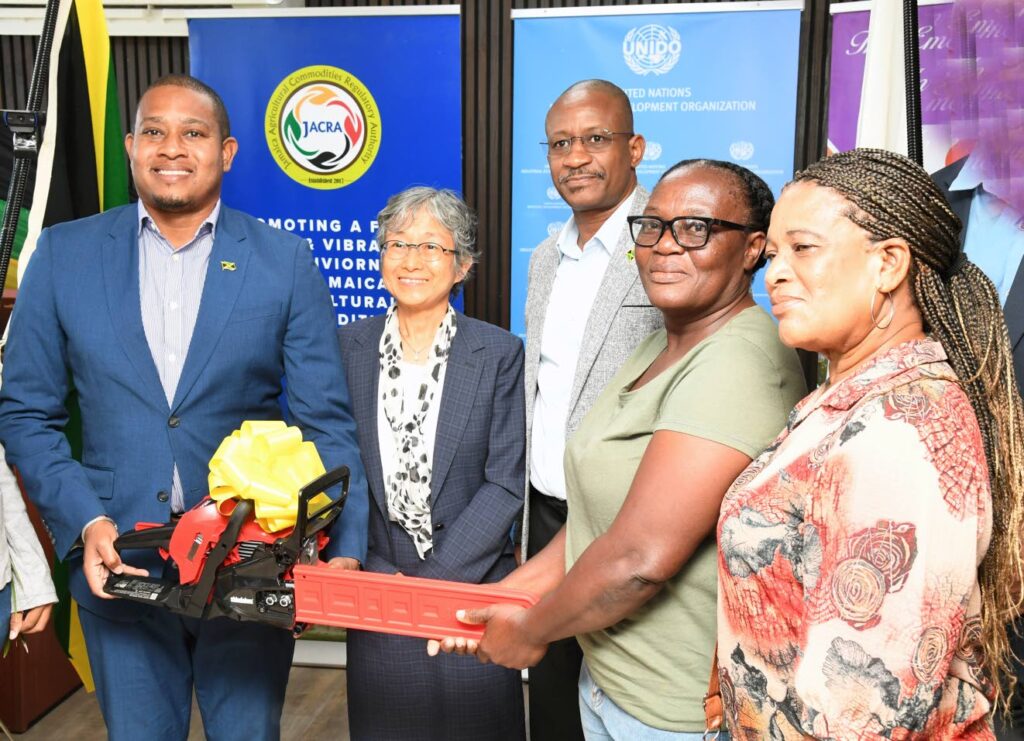
    A significant empowerment initiative for Jamaica’s female coffee cultivators was unveiled Wednesday through a collaborative $15-million recovery program. The Jamaica Agricultural Commodities Regulatory Authority (JACRA) hosted the ceremonial announcement where Agriculture Minister Floyd Green detailed comprehensive support packages for women farmers devastated by Hurricane Melissa’s catastrophic impact.

    The Category 5 hurricane, which struck Jamaica on October 28, 2025, decimated agricultural communities across the island. In response, the United Nations Industrial Development Organisation (UNIDO) and the Embassy of Japan in Jamaica have partnered to provide critical resources including advanced agricultural training, essential farm inputs, and modern equipment. The initiative commenced with the distribution of twelve high-capacity chainsaws to affected farmers during Wednesday’s ceremony.

    Female farmers from storm-ravaged regions expressed profound gratitude for the gender-focused support. Claudine Walker from Flamstead, St. Andrew, recounted her two-year battle against extreme weather events: ‘After Hurricane Beryl in 2024, I nearly abandoned farming. Now Melissa has devastated one of my two farms. This assistance renews my hope and capacity to continue.’

    Bernice Barrett from Irish Town highlighted the economic constraints facing women farmers: ‘Financial limitations often prevent us from hiring laborers. With proper tools, we can achieve self-sufficiency and maintain our operations independently.’

    The program specifically addresses unique challenges identified by female agricultural producers. Minister Green emphasized the government’s commitment: ‘Our female farmers consistently demonstrate remarkable resilience. When provided with appropriate equipment, they overcome tremendous obstacles and maintain vital roles in our agricultural value chain.’

    While expressing appreciation for the initiative, some farmers advocated for prompt implementation. Meriam McDonald stated, ‘The promised resources, particularly the chainsaws, will significantly benefit my recovery efforts. I urge authorities to prioritize timely delivery of these supports.’

    Ferreta Aymore from Portland adopted a cautiously optimistic stance, noting the complete destruction of her coffee and banana plantations while emphasizing the importance of tangible results: ‘I maintain high expectations but will reserve celebration until witnessing practical implementation of these commitments.’

  • Bauxite blow

    Bauxite blow

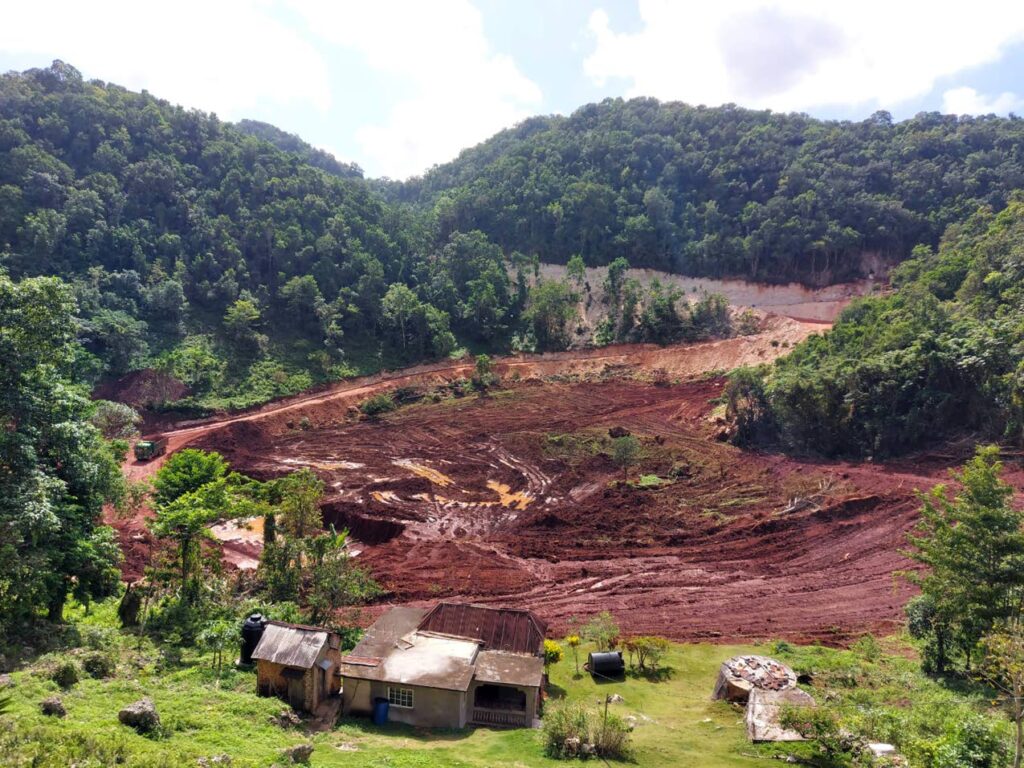
    A contentious debate has erupted in Jamaica’s Parliament regarding the adequacy of compensation for communities affected by bauxite mining operations. The controversy emerged after Mining Minister Floyd Green disclosed that approximately $350 million had been distributed to residents over a six-year period (2020-2025) for nuisances including dust pollution, noise disturbance, and other mining-related disruptions.

    Opposition MP Peter Bunting of Manchester Southern launched a vigorous challenge against the compensation framework, characterizing the payments as fundamentally inadequate. His analysis revealed that the annual allocation translates to merely $60 per household daily—an amount he noted cannot even purchase two Panadol tablets at local shops. Bunting emphasized that thousands of households endure constant heavy equipment movement, pervasive dust coating their properties, and children suffering from sinus problems due to mining activities.

    The parliamentary exchange uncovered significant systemic gaps in compensation management. Minister Green acknowledged the absence of centralized records documenting crop damage assessments or standardized valuation methodologies. Compensation currently operates on a case-by-case basis through community councils or direct company negotiations, with assessments informed by the Rural Agricultural Development Authority (RADA) considering crop type, maturity, and market prices.

    Bunting condemned this ad-hoc approach, highlighting the ‘information asymmetry’ that leaves farmers vulnerable and undermines transparency. He called for establishing objective compensation standards based on crop types and land area to ensure fairness.

    Beyond compensation disputes, the debate expanded to include land rehabilitation failures. Bunting described portions of South Manchester as appearing ‘post-apocalyptic’ with unreclaimed mining pits remaining derelict for over a decade despite mining completion. He questioned whether companies face enforcement of stipulated $25,000-per-hectare penalties for delayed certification.

    In response, Green outlined corrective measures including a comprehensive audit of all bauxite lands, a ‘zero-tolerance approach’ to certification delays, and written notices to non-compliant companies. The minister acknowledged complicating factors including land ownership disputes and technical challenges related to ore blending across sites.

  • UP IN THE AIR

    UP IN THE AIR

    Aston Villa has recalled Jamaican international winger Leon Bailey from his ill-fated loan spell at AS Roma, casting significant doubt on his future with the English Premier League contenders. The 28-year-old’s premature return from Italy follows a deeply disappointing stint marked by persistent injury setbacks and minimal on-field impact.

    Bailey’s Italian adventure, which began with a season-long loan agreement featuring a €22 million purchase option, culminated after just 11 appearances across all competitions. The Reggae Boyz star managed only two assists and failed to score during his time in Serie A, playing fewer than 300 total minutes since August. His campaign was derailed from the outset, having sustained an injury during his very first training session with Roma.

    Roma manager Gian Piero Gasperini characterized the experience as “negative for both him and us” during a Wednesday press conference. “He got injured on the first day of training, and from there, a real ordeal began,” Gasperini explained. “It was truly a shame because he was a player we thought could add value. I believe injuries were the main factor in this decision.”

    The termination represents a surprising reversal from Villa manager Unai Emery, who previously insisted Bailey should “keep playing in Rome” despite his injury challenges. Emery declined to address the situation during Villa’s pre-match conference ahead of their Europa League clash with Fenerbahce, though speculation suggests Bailey could feature in Sunday’s Premier League fixture against Newcastle.

    With the January transfer window closing on February 2, Bailey’s long-term future remains uncertain. Reports indicate interest from multiple European clubs, including Dutch giants Ajax, Spanish surprise package Girona, Italian side Fiorentina, and Portuguese champions Benfica. Premier League club Bournemouth had previously inquired about Bailey’s availability as a potential replacement for Antoine Semenyo, though they subsequently secured alternative attacking reinforcement.

    Bailey, who joined Villa in 2021 and has made 144 appearances for the club, remains under contract until June 2027. His agent Craig Butler had not commented publicly at press time, with further clarity regarding the Jamaican international’s next move expected in the coming days.

  • Caribbean Conference Condemns US Attack

    Caribbean Conference Condemns US Attack

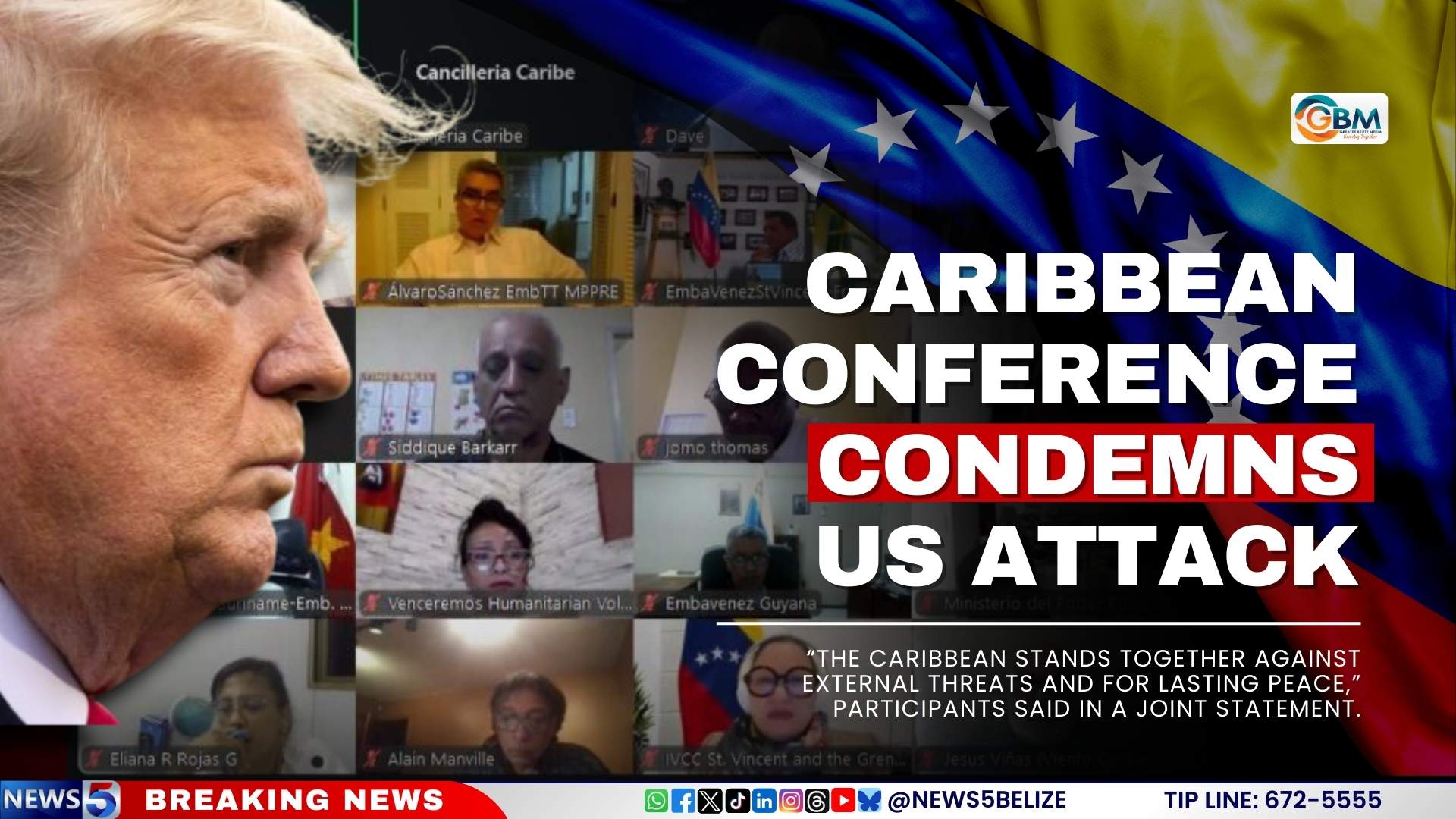
    In an unprecedented show of regional solidarity, political leaders, jurists, and civil society representatives from across the Caribbean and Latin America have issued a forceful condemnation of United States military operations against Venezuela. The collective denunciation emerged from the inaugural Regional Conference: The Voices of the Caribbean in Defence of Venezuela and International Law, convened on January 21, 2026.

    The landmark gathering assembled more than 180 delegates from over 20 nations, including Belize, Jamaica, Cuba, Guyana, and Trinidad and Tobago. The conference centered on reaffirming Latin America and the Caribbean as a Zone of Peace while opposing external interventions perceived as threats to regional sovereignty.

    Participants attributed responsibility for a January 3, 2026 bombing incident in Venezuela to the administration of former U.S. President Donald Trump. According to conference statements, the military operation resulted in approximately 100 casualties and involved the extraordinary capture of Venezuelan President Nicolás Maduro and First Lady Cilia Flores.

    Delegates unanimously endorsed the creation of a regional solidarity network and committed to pursuing coordinated legal and diplomatic initiatives aimed at influencing foreign policy across Caribbean states. The conference declaration emphasized that this gathering represents the commencement of sustained legal action, public advocacy, and international engagement to preserve regional unity and peace principles.

    The joint statement concluded with a powerful affirmation: ‘The Caribbean stands together against external threats and for lasting peace,’ signaling a new chapter in regional cooperation and resistance to foreign intervention.

  • 154 men recruited for prostate cancer study

    154 men recruited for prostate cancer study

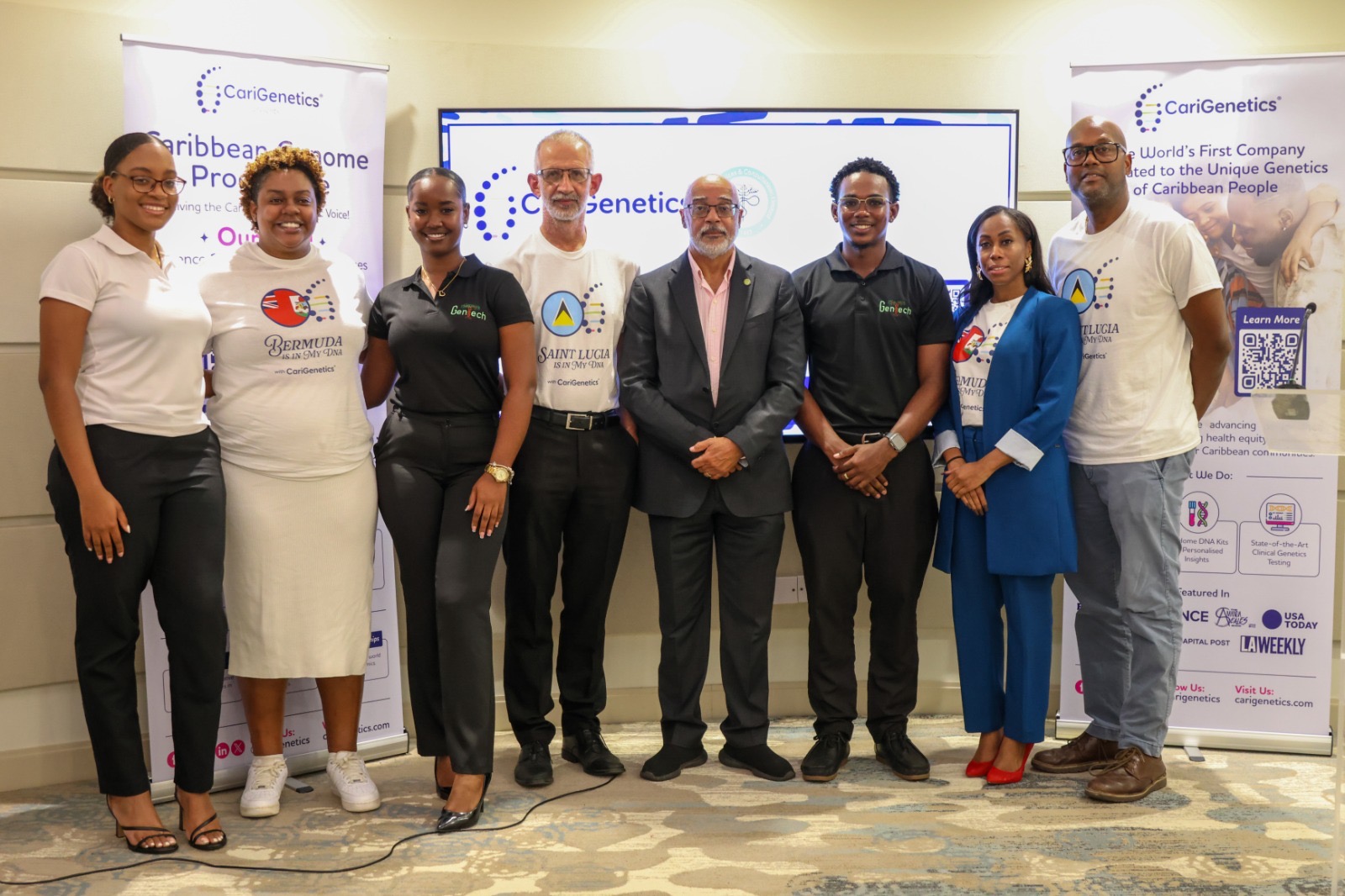
    In a landmark achievement for regional medical research, CariGenetics has successfully exceeded its recruitment objectives for the Caribbean Prostate Cancer Genomics Study in Saint Lucia. Within just one year of its January 2025 launch, the project enrolled 154 men across all designated participant categories: those diagnosed with prostate cancer, first-degree relatives of affected individuals, and control subjects without cancer history.

    This accomplishment represents a pivotal advancement in addressing the disproportionately high incidence of prostate cancer among Caribbean men, who experience more aggressive disease variants and poorer health outcomes compared to global populations. Despite meeting formal recruitment targets, the organization continues to accept eligible participants who have previously expressed interest.

    The overwhelming response demonstrates substantial community involvement and increasing public recognition of genetics’ role in shaping long-term health prospects. Participants received complimentary prostate-specific antigen (PSA) screenings, early detection services, and genetic wellness evaluations providing personalized insights into DNA-based disease risks.

    Ongoing genetic analysis has already commenced, with preliminary findings being disseminated to participants. Subsequent research phases will concentrate on synthesizing genetic, clinical, and demographic data to enhance population-level comprehension of prostate cancer determinants throughout the Caribbean region.

    Buoyed by this success, CariGenetics plans to extend the study to Grenada and Trinidad and Tobago, forming part of a broader regional initiative. Future investigations will examine how results can refine risk prediction methodologies—including polygenic risk scores—and develop screening protocols specifically tailored for Caribbean demographics. Ultimately, researchers aim to integrate genomic advancements into regional healthcare infrastructure.

    Davy Frederick of GenTech Analytica, a collaborating partner, expressed astonishment at the exceptional participation rate, noting that engagement levels surpassed all anticipations despite genomics research being relatively novel in Saint Lucia. CariGenetics additionally recognized contributions from Laboratory Services & Consultations and healthcare professionals, reaffirming its dedication to ethical research practices and ensuring Caribbean communities benefit directly from genomic science innovations.

  • Study finds potential for over $1 billion in trade between African Union and CARICOM

    Study finds potential for over $1 billion in trade between African Union and CARICOM

    A groundbreaking economic partnership between Africa and the Caribbean is gaining momentum as new research reveals export opportunities exceeding $1.6 billion. The CARICOM Private Sector Organization (CPSO) presented findings indicating that African Union exports to CARICOM nations could dramatically transform regional supply chains and economic resilience.

    The revelations emerged during the inaugural AfriCaribbean Private Sector Webinar Series launched on January 20, 2026, titled “Unlocking AfriCaribbean Trade and Investment: Opportunities, Ecosystems and Private Sector Leadership.” This virtual gathering, jointly organized by the International Trade Centre, African Export-Import Bank (Afreximbank), CPSO, and Africa Business Council, brought together over 200 private sector leaders, ministers, and development agencies from both regions.

    Antigua and Barbuda’s Foreign Affairs and Trade Minister, Honourable E.P. Chet Greene, delivered a keynote address emphasizing the urgency of strengthening Africa-CARICOM economic relations amid global trade disruptions. “Political leadership establishes the framework,” Minister Greene stated, “but it is businesses that drive innovation, generate trade volumes, mobilize investment, and create employment. If AfriCaribbean integration is to succeed in practical terms, it must now be carried forward by the private sector.”

    The comprehensive study, “Africa Union-CARICOM Trade in Goods: Scope and Potential,” identifies 579 competitively priced product lines that African nations can supply to Caribbean markets. Remarkably, at least 13 African Union countries can provide over $58 million worth of non-mineral fuel imports to the Caribbean Single Market and Economy at approximately 60% of current benchmark prices.

    Dr. Patrick Antoine, CPSO CEO and Technical Director, presented compelling market data showing that most identified products have sourcing options from at least four African countries, demonstrating remarkable supply diversity. “At moments like these, the role of the private sector becomes even more vital,” Dr. Antoine emphasized. “We must be prepared to respond with agility and seize opportunities wherever they emerge.”

    Despite the promising outlook, participants acknowledged significant challenges including limited transportation connectivity, elevated logistics costs, and fragmented payment systems. Anthony Ali, CEO of Goddard Enterprises Limited and CPSO board member, shared practical insights from direct African market engagement, highlighting opportunities for local production partnerships and reciprocal market presence.

    The webinar series will continue with focused sessions on agriculture, fashion and creative industries, cosmetics and wellness, and health technologies, further exploring sector-specific collaboration opportunities between the two regions.

  • Greene says shifting global trade environment has made stronger Africa Union-CARICOM economic relations an urgent necessity

    Greene says shifting global trade environment has made stronger Africa Union-CARICOM economic relations an urgent necessity

    In a significant address on the evolving global economic landscape, a prominent voice has highlighted the pressing need for strengthened economic cooperation between the African Union (AU) and the Caribbean Community (CARICOM). The call to action is framed as a direct response to fundamental transformations within international trade frameworks and supply chain dynamics.

    The current geopolitical climate, characterized by increasing protectionism and regional realignments, has created both challenges and opportunities for emerging economies. This shifting environment necessitates the formation of strategic economic partnerships that can enhance collective bargaining power and foster sustainable development. The proposition emphasizes that deeper AU-CARICOM collaboration is no longer merely advantageous but has become an imperative for economic resilience.

    Such a partnership would potentially encompass expanded trade agreements, joint investment initiatives in key sectors like agriculture and renewable energy, and enhanced cultural and technological exchanges. This South-South cooperation model aims to reduce historical economic dependencies and create new pathways for shared prosperity. The argument posits that by uniting their considerable market potential and resources, these blocs can better navigate the complexities of contemporary global commerce and secure more favorable positions within it.

  • Son Remembers Sir Gerald Watt as Passionate Father, Relentless Worker in Funeral Eulogy

    Son Remembers Sir Gerald Watt as Passionate Father, Relentless Worker in Funeral Eulogy

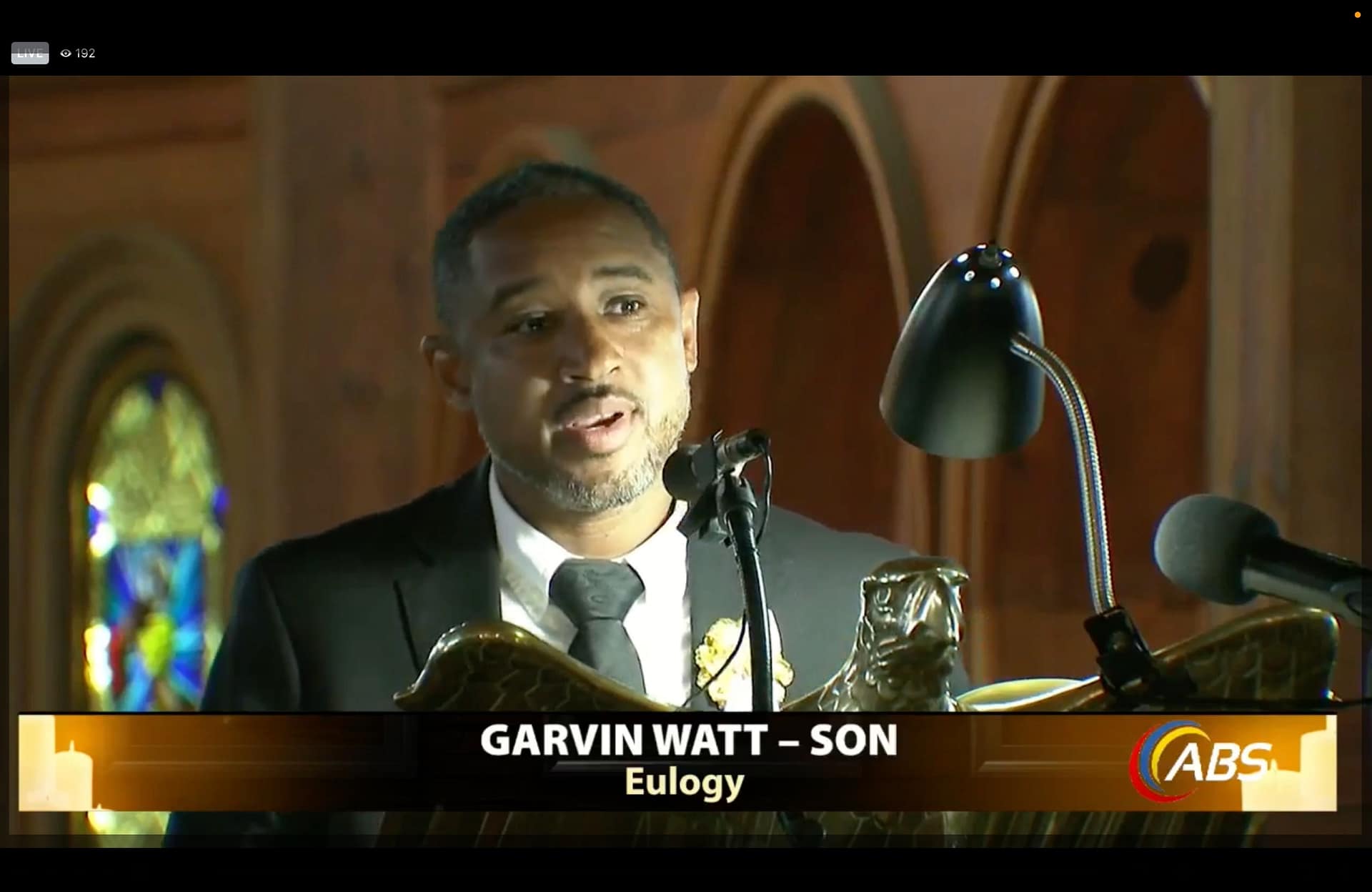
    In a heartfelt tribute during the official funeral service on Tuesday, Gavin Watt memorialized his father, the late Sir Gerald Watt KC, painting a multifaceted portrait that extended far beyond his esteemed legal career. The eulogy transformed the ceremony into a celebration of a life defined by deep passion, unwavering dedication to family, and a formidable work ethic that shaped both his home and his nation.

    Gavin Watt guided mourners through the journey of ‘Gerald Anderson Watt,’ who evolved into one of Antigua and Barbuda’s most revered legal authorities. He emphasized that passion was the central theme of his father’s existence, a driving force evident in every aspect of his life. ‘You have to have passion,’ Watt stated, ‘and I think that’s one of the things about my father that everyone here sees.’

    The personal recollections offered a rare glimpse into the private world of the public figure. Gavin recounted cherished childhood memories of early Saturday mornings spent watching western films and cricket with his father before Sir Gerald departed for work. These moments, he revealed, were sacred windows into his father’s personal joys—lifelong passions that persisted regardless of cricket match outcomes.

    Beyond the gentle moments, the eulogy also illuminated Sir Gerald’s strong character and sharp wit. Gavin shared anecdotes of family disagreements where his father would deftly defuse tension with his trademark humor, quipping, ‘I don’t need to argue with you — I get paid to argue.’ This blend of outspokenness and deep affection defined their relationship; a man who would quickly express displeasure but always follow with embrace and love.

    A powerful story emerged of a boating trip where Sir Gerald’s physical strength and determination were displayed when he single-handedly freed a grounded vessel. This act, Gavin explained, became a profound metaphor for his father’s approach to life’s obstacles: ‘It showed me his determination — that if needed, he would move mountains to get things done.’

    Concluding his remarks, Gavin Watt expressed profound gratitude for his father’s enduring influence on family, friends, and Antigua and Barbuda’s society. His final words resonated through the ceremony: ‘I love you. I miss you. And I will carry you in my heart the rest of my days,’ cementing Sir Gerald Watt’s legacy as both a national icon and a beloved patriarch.

  • Public Tender: Supply and installation of electric boat propulsion for 23-foot Patrol Boat

    Public Tender: Supply and installation of electric boat propulsion for 23-foot Patrol Boat

    The German development agency GIZ Caribbean Agency has initiated a significant sustainable maritime transition project through a public procurement process for electric boat propulsion systems. As part of its NDC-TEC initiative, the organization is seeking qualified suppliers to provide and install complete electric marine propulsion technology for a 23-foot patrol vessel in Grenada.

    This comprehensive tender requires the supply and installation of a high-capacity electric outboard motor rated at 75+ kilowatts, accompanied by a marine-grade battery system and integrated vessel control technology. The successful bidder will also be responsible for on-site installation within Grenada and providing comprehensive operations and maintenance training to local personnel.

    The procurement process mandates strict submission protocols, requiring three separate PDF documents containing technical proposals, financial quotations, and corporate information. Prospective suppliers must demonstrate substantial experience in marine products and services, provide detailed equipment specifications, and offer warranty coverage for all components and workmanship.

    Submission deadline is set for February 4, 2026, at 11:59 PM UTC-4 (Grenada time), with all proposals directed exclusively to procurement-tt@giz.de. Queries regarding the tender will be accepted until January 28, 2026, through the same communication channel. The GIZ has explicitly prohibited copying any staff members during submission to maintain procurement integrity.

    This initiative represents a strategic step toward maritime decarbonization in the Caribbean region, aligning with global sustainability objectives while promoting green technology adoption in marine transportation.