作者: admin

  • BUT urges vigilance over health concerns at Hillaby Turner’s Hall Primary

    BUT urges vigilance over health concerns at Hillaby Turner’s Hall Primary

    Amid official reassurances that no scarlet fever outbreak is underway at a rural Barbados primary school, the island’s leading teachers’ union is pushing back against attempts to brush off persistent health concerns from parents, students and on-site staff.

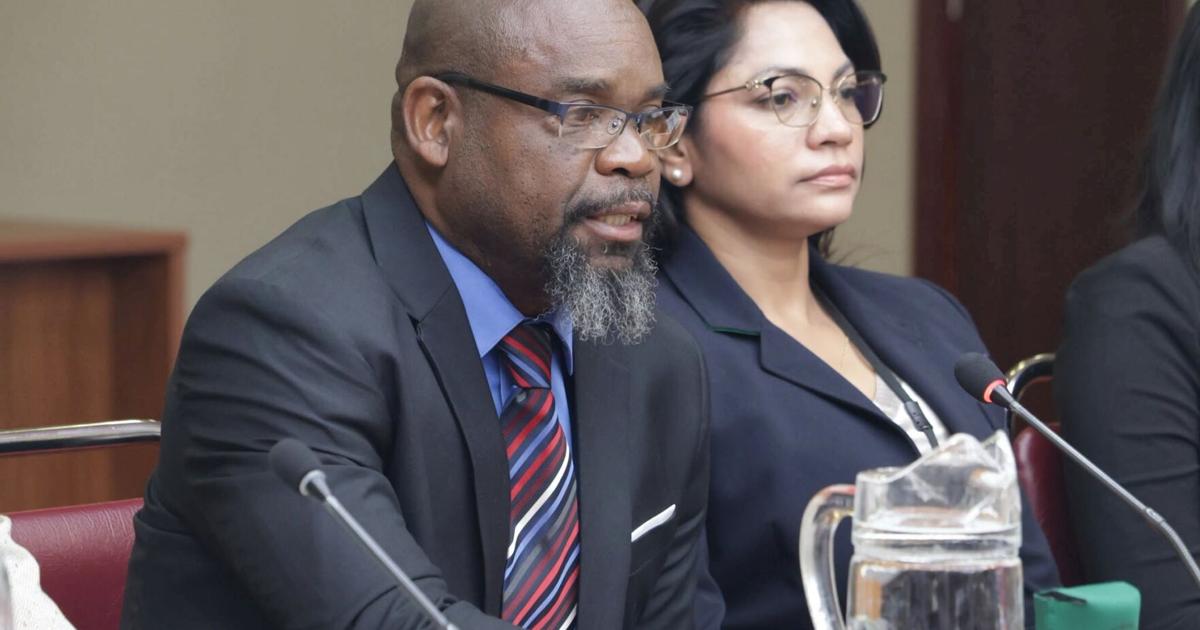
    Julian Pierre, vice-president of the Barbados Union of Teachers (BUT) and chair of the union’s occupational safety and health committee, emphasized that firsthand accounts of unexplained illness among the school community cannot be discarded just because initial public health assessments have not found evidence of a large-scale outbreak. Speaking in an interview with local outlet Barbados TODAY, Pierre argued that the experiences of people directly impacted by the ongoing health events demand consistent, careful attention and continuous investigation, to rule out any overlooked environmental or public health hazards that could be contributing to illness.

    Officials from the Ministry of Health and Wellness have already released an official update via the Chief Medical Officer, which concluded there is no unusual scarlet fever outbreak at the St. Andrew-based Hillaby Turner’s Hall Primary School, and no recommendation has been made to close the campus. While BUT acknowledges the validity of the ministry’s current findings, the union remains deeply troubled about the well-being of every person on campus, from enrolled students to teaching faculty and support staff.

    Pierre pointed out that already confirmed cases of two serious health conditions – dengue exposure and Group A Streptococcus infection – paired with widespread unconfirmed reports of unexplained rashes and fever among dozens of children, make a strong case for maintaining active public health vigilance at the school. He noted that classroom teachers have borne the brunt of the uncertainty, forced to ease widespread anxiety among both students and their families while waiting for clear, definitive guidance from public health and education officials.

    Beyond addressing the immediate cluster of reported illnesses, Pierre stressed that BUT’s core priority is ensuring all recommended public health protocols are fully implemented, consistently monitored, and sufficiently supported at the campus. The union has identified four key areas that require ongoing oversight: routine deep sanitization of school facilities, comprehensive environmental health assessments, targeted mosquito control measures to prevent further dengue transmission, and transparent, timely communication with all staff and parents about any developments.

    “We continue to seek assurances that all recommended public health measures are being consistently implemented, monitored and adequately resourced,” Pierre stated. He added that the union is formally calling for both the Ministry of Health and Wellness and the Ministry of Education Transformation to maintain ongoing active surveillance of illness at the school, share regular updates with all stakeholders, and keep contingency plans in place to implement additional public health action if the situation worsens.

    In closing, Pierre reaffirmed BUT’s longstanding mandate to protect the health and safety of all education workers and students across Barbados. The union will continue holding formal discussions with government authorities and advocating for targeted interventions that guarantee all students and staff can access a safe, healthy learning environment at Hillaby Turner’s Hall Primary School, he said. “The Barbados Union of Teachers remains committed to protecting the health, safety and welfare of all education workers and students,” Pierre added. “We will continue to engage with the relevant authorities and advocate for measures that ensure a safe and healthy learning environment for all children and staff.”

  • DOMLEC restores power to most of Dominica following island-wide outage

    DOMLEC restores power to most of Dominica following island-wide outage

    A widespread national power outage that disrupted service across Dominica shortly before noon on Wednesday has been resolved for nearly all customers, according to Dominica Electricity Services Ltd. (DOMLEC). Utility officials have confirmed the failure originated from an unexpected trip at the island’s still-in-development Geothermal Power Plant, which triggered a full collapse of the entire national electricity grid. In the immediate aftermath of the system-wide shutdown, restoration teams sprung into action without delay. DOMLEC quickly activated standby generation units at the Fond Cole Power Station to begin rebuilding grid capacity and re-energizing communities that had been left without power. The utility rolled out restoration work in a carefully managed, phased sequence, drawing power from both the Fond Cole and Sugar Loaf Power Stations to gradually bring sections of the island back online as grid conditions stabilized. As of the company’s latest update, power access has been returned to every region of Dominica except for a single corridor running from Picard to Ti-Bay. DOMLEC projected that service for customers in that remaining stretch would be fully restored no later than 6:00 PM on the day of the announcement. The utility issued a formal apology to all residents and businesses affected by the unexpected disruption, and extended gratitude to customers for their patience while crews worked to resolve the issue. DOMLEC also highlighted the extraordinary efforts of its in-house operational teams, including system controllers, civil engineers, field line crews, and back-office support staff, who prioritized both speed and safety throughout the recovery process. Additional recognition was given to on-site personnel at the Geothermal Power Plant, who collaborated closely with DOMLEC teams to coordinate the safe restart of the national grid. In a statement released by company management, officials reaffirmed that the geothermal energy project remains a landmark strategic initiative for Dominica. They noted that unforeseen challenges are a normal part of bringing a new major energy facility through its final development and testing phases. To reduce the risk of repeat incidents, DOMLEC confirmed that it is already integrating lessons learned from this outage into updated operational protocols and implementing targeted preventive improvements. The geothermal facility is currently in the last stage of commissioning, with DOMLEC on track to launch continuous commercial power generation from the plant sometime this month as preparations wrap up for full-scale operations.

  • CTUSAB: Frontline security workers being short-changed

    CTUSAB: Frontline security workers being short-changed

    As Barbados confronts a steep upward surge in violent crime, the island nation’s largest trade union body is sounding the alarm over a years-long backlog of unmet demands that are eroding the well-being and effectiveness of the country’s frontline public workers. In a press briefing held Thursday at the Congress of Trade Unions and Staff Associations of Barbados (CTUSAB) headquarters in St. Michael, General Secretary Dennis De Peiza outlined a litany of unresolved issues facing protective services officers and other public sector employees, warning that government inaction on longstanding pay and benefits grievances is triggering cascading harm across the country’s public services.

    De Peiza emphasized that repeated delays in addressing substandard working conditions have already created a measurable decline in staff morale and output, consequences that extend far beyond individual workplaces. He argued that this stagnation is not only undermining ongoing public sector reform initiatives but also making government roles far less appealing to young people entering the Barbadian workforce. Compounding this challenge, he warned, unresolved worker grievances risk deepening already acute recruitment shortages across the protective services and other government agencies, a gap that could grow into a full-fledged brain drain of talented young workers.

    “Many top graduates from the University of the West Indies and other regional tertiary institutions are already opting for overseas employment, where they are offered far more competitive working conditions and benefits,” De Peiza noted. “If public service conditions remain unaddressed, this outflow of skilled young workers will only accelerate, leaving critical government posts unfilled for months or even years.”

    The CTUSAB leader highlighted specific complaints from protective services members, starting with delayed salary increments and unpaid compensation for acting appointments. The Barbados Police Association has raised repeated objections over withheld increments for new recruits who completed Course 144 at the regional police training academy, while prison officers across the island report they have not received pay adjustments they are owed for taking on temporary senior roles. De Peiza stressed that these failures are unacceptable for workers who are tasked with keeping the public safe amid a worsening crime wave.

    “These are the men and women we put on the front line every single day, tasked with protecting our communities and upholding national security,” he said. “They should never have to wait for pay and benefits they have rightfully earned. The general public knows this is wrong, and it is past time the government acted.”

    Another critical unaddressed issue De Peiza spotlighted is the lack of basic personal accident insurance for frontline personnel, including police officers, prison staff, and nurses, all of whom face elevated safety risks as violent incidents rise across the country. He called this coverage a non-negotiable necessity, not an unnecessary perk, noting it provides critical peace of mind for workers who put their lives at risk to serve the public, supporting both their morale and their commitment to their roles.

    De Peiza also called out the government for failing to honor legally mandated allowances for public workers, pointing to the Police Allowance Regulations, which require driver allowances for officers who operate official vehicles, motorcycles, and oversee horses — a benefit that has not been distributed to eligible officers. For prison officers, who face extreme physical and psychological risk managing inmate populations and responding to violent incidents, similar unpaid allowances remain outstanding. De Peiza urged the government to fully enforce existing regulations, put clear monitoring systems in place, and follow through on commitments it has already made to public workers.

    “If these provisions are already written into our regulations, there is no excuse for failing to honor them,” he said. “We need to approach public sector worker issues with far more seriousness, put the right systems in place, and make sure what needs to be done gets done.”

    Beyond protective services, De Peiza also called for urgent changes to expand training opportunities for nurses across Barbados, noting that restrictions on professional development are holding back efforts to improve the country’s healthcare system. He renewed the union’s call for expanded nurse education programs, particularly at the Barbados Community College, which is the primary training hub for the country’s nursing workforce. On a more positive note, De Peiza confirmed that longstanding concerns over inadequate medical services for members of the Barbados Fire Service are currently being resolved, and the union expects the issue to be fully addressed in the near future.

    Meanwhile, CTUSAB President Ryan Phillips offered measured support for two new government public safety initiatives announced amid the rising crime wave. Phillips said the government’s proposal to establish a dedicated gun court is a potentially effective step to crack down on firearm-related crime, which has been a key driver of the recent increase in violence. “We see this as a viable option to push back against the trafficking, possession, assembly, importation, and use of illegal firearms,” Phillips said. “Any step that helps eliminate this threat to public safety deserves serious consideration.”

    Phillips also welcomed government plans to train Justices of the Peace in advanced arbitration, mediation, and conciliation techniques, which are designed to reduce community tensions and ease backlogs in the court system. But he called for the training program to be expanded beyond judicial officials to include trade union leaders and human resources professionals, who already have extensive experience in conflict resolution, grievance handling, and disciplinary proceedings. “With advanced training in alternative dispute resolution, these professionals would be well positioned to help defuse community tensions and deliver accessible conflict resolution services across the island,” Phillips added.

  • Basketball standout earns ESPN Top 25 national ranking in Dominican-run program

    Basketball standout earns ESPN Top 25 national ranking in Dominican-run program

    One of the most promising young basketball talents in the United States, Michael “MJ” Postell, has earned a major national career milestone, securing the 18th position on ESPN SportsCenter Next’s highly anticipated Top 25 rankings for the Class of 2029.

    The rising shooting guard already holds the title of top-ranked player at his position in New Jersey’s 2029 recruiting class from Prep Hoops, and the new national ranking from ESPN — one of the most influential sports media brands in the country — cements his status as one of the most watched young prospects in the game. Postell currently competes with Pro Dev Unlimited, a prominent grassroots basketball program based in New Jersey founded by Khalil Brown, a former international pro player born to Dominican immigrant parents.

    Postell is not the only standout talent from the program to draw national acclaim in recent months. Pro Dev Unlimited has built a growing pipeline of top young players across multiple age groups, with several athletes earning regional and national recognition. Among them is Dominic Mauro, a Top 10-ranked freshman across the country per MaxPreps; Rian Bennett Jr., the top-ranked player in New Jersey’s 2030 class; Jackson Boyd, who holds the 8th spot in the same 2030 in-state rankings; Jackson Davis, ranked 5th among New Jersey freshmen by NJHoopsHub and 10th by Prep Hoops; and Jayden Stenvil, named New Jersey’s Sophomore of the Year by NJ.com. Both Bennett Jr. and Boyd have also received coveted invitations to attend the Nike Jr. EYBL Top 100 Camp, a prestigious development event for the nation’s top young talent.

    In a statement following the release of ESPN’s rankings, Brown celebrated Postell’s achievement, crediting the young guard’s relentless work ethic as well as the steady support from his family for the milestone. “Seeing MJ Postell earn ESPN Top 25 recognition makes me incredibly proud. This honour reflects the work, dedication, and sacrifice he has put into his game. Just as importantly, MJ has a terrific, consistent, and loyal family behind him. His parents, Genise Postell and Michael Postell Sr., have paved the way for his success and have been outstanding supporters throughout his journey. It has been a pleasure having them as part of the Pro Dev family. While this is a tremendous accomplishment, I truly believe it’s just the beginning for MJ, and his best basketball is still ahead of him,” Brown said.

    Pro Dev Unlimited has carved out a reputation for pushing its athletes to grow by pitting them against elite competition, often scheduling matchups against older teams and nationally recognized programs. To date, the program’s squads have notched wins against top clubs affiliated with major basketball circuits including Nike EYBL, Adidas 3SSB, Puma Pro16 and Under Armour Rise. In 2026 alone, Pro Dev Excel has remained undefeated, with signature wins over Adidas 3SSB’s Wiz Kids, Under Armour’s HC United and MADE Hoops’ Metro All Stars.

    Since its founding, the grassroots program has amassed more than 1,000 total game wins, claimed nearly 100 tournament championships, and finished more than 50 entire tournaments undefeated. Beyond on-court success, Pro Dev Unlimited has also prioritized helping its athletes secure educational opportunities through athletics, facilitating more than $2 million in total college scholarship offers for its program alumni — a track record that demonstrates the organization’s dual commitment to athletic excellence and academic advancement.

  • House Approves $47 Million Loan to Build Preschools

    House Approves $47 Million Loan to Build Preschools

    In a landmark vote held June 4, 2026, Belize’s House of Representatives has given final approval to a BZ$47 million loan agreement sourced from the World Bank’s International Development Association, backing the Briceño administration’s flagship initiative to expand access to early childhood education and create new work pathways for women out of the labor force. Alongside the low-interest loan, the project will also receive an additional US$1.28 million in grant financing from the global development body.

    Prime Minister John Briceño framed the initiative as a forward-thinking dual investment that addresses two pressing national priorities at once: strengthening the country’s education foundation for the next generation and expanding economic inclusion for women. Under the plan, the bulk of the funding will go toward constructing dozens of new preschool classrooms across the country and upgrading under-resourced existing early childhood education facilities to meet modern quality standards. Briceño emphasized that expanding affordable, accessible preschool care will remove a major barrier that keeps many women out of paid work, as they are often forced to stay home to care for young children.

    While the opposition parliamentary bloc ultimately voted to support the legislation, its leader Tracy Panton raised pointed questions about the government’s lack of concrete detail in the approved proposal. Panton argued that the motion approved by lawmakers provides no specific breakdown of which districts and underserved communities are targeted for new classroom construction, leaving the project’s allocation plan unclear to both legislators and the public.

    “The motion tells us that the project will operate in targeted areas, but which areas, which district, which communities have been identified as the beneficiaries of new preschool classroom construction? The motion is silent on this,” Panton told the House during debate. She called on the Briceño administration to prioritize communities with the most urgent unmet need for early childhood infrastructure, specifically naming Punta Negra as a community she hopes will be prioritized for inclusion in the project rollout.

  • BREAKING: One Suspect Shot, Two Detained After Home Invasion

    BREAKING: One Suspect Shot, Two Detained After Home Invasion

    A Thursday afternoon home invasion in Cristo Rey Village, Cayo District has ended with two suspects in police custody, one of whom was wounded by gunfire during a law enforcement pursuit, authorities confirmed in the breaking June 4, 2026 report.

    After residents of the targeted home noticed the incursion and placed an emergency call to police, officers stationed at the nearby Santa Elena precinct mobilized rapidly to the scene. By the time first responders arrived, the three individuals involved in the invasion had already fled the area in an attempt to evade capture.

    Law enforcement immediately launched a coordinated manhunt, drawing critical support from the village’s local Neighborhood Watch volunteer group. Neighborhood Watch members shared detailed knowledge of the region’s small, winding feeder roads, guiding officers to key escape routes that the suspects were likely to use.

    During the search, officers took one suspect into custody without incident early in the operation. A second suspect was shot during the active pursuit, and managed to evade officers for several hours despite his injury. Rather than remaining at large, the wounded man eventually traveled to San Ignacio Community Hospital to seek emergency medical care – a choice that led authorities directly to his location.

    Following his arrest at the hospital, the injured suspect was transferred for further treatment to a medical facility in Belmopan, where he remains under constant police guard throughout his recovery. As of the latest update, police have not released details on whether the third suspect has been located, nor have they shared information on what items the suspects attempted to steal from the residence, or the condition of the home’s residents during the incident. The investigation into the home invasion remains active and ongoing.

  • Fisheries officials test hurricane readiness with boat relocation drill

    Fisheries officials test hurricane readiness with boat relocation drill

    In the wake of catastrophic damage inflicted by 2024’s Hurricane Beryl, Barbados has carried out a landmark nationwide emergency drill designed to move the island’s entire fishing fleet out of danger, bringing the critical urgency of hurricane preparedness in the vital fishing sector into sharp focus. The proactive full-scale simulation comes as the local fisheries industry continues its gradual recovery from the storm, which crippled key maritime infrastructure and destroyed a large share of Barbados’ working fishing vessels.

    Dr. Shelly Cox, the island’s Chief Fisheries Officer, highlighted that the sector has adopted an aggressive, collaborative approach to disaster readiness after Beryl’s devastating impact. She emphasized that effective emergency response depends on coordinated, synchronized action across all stakeholders, rather than isolated effort from government agencies alone.

    “The fishery sector has been quite proactive,” Dr. Cox noted. “We wanted to put our vessel relocation protocols and full operational emergency plans to the test, to identify gaps before a real storm hits.”

    Early last month, the Barbados Fisheries Division led a cross-sector initiative that brought together fishing cooperatives, government agencies, and private partners to test every step of the emergency response process. The Blackfin Fleet fishing cooperative and other organized fisherfolk groups provided on-the-ground input and critical logistical support for the simulation, which centered on measuring the time and resources required to safely relocate large, heavy fishing vessels away from vulnerable open coastlines.

    A long-term solution to the fleet’s safety needs involves constructing purpose-built haul-up infrastructure within the Bridgetown port complex, but the division has been forced to adapt to existing resources while that project moves forward. Currently, authorities rely on available state assets, including the marine travel lifts at the Barbados Coast Guard facility and the shallow draft zone near the capital, to accommodate vessels during storm events.

    “We are still progressing with the construction of the dedicated haul-up facility in Bridgetown, but this exercise allowed us to test timelines for relocating vessels using the existing infrastructure we have access to right now,” Dr. Cox explained.

    Emergency preparations extend well beyond the capital, too. Rural coastal landing sites at Conset Bay and Thunder Bay on Barbados’ west coast are particularly vulnerable, so the division has coordinated with multiple government departments to secure access to resources like tractors from the soil conservation department, and partnered with private marine operators to supplement public capacity for emergency vessel movement.

    Lessons learned from Hurricane Beryl drove major updates to the island’s fisheries disaster management plan: during the 2024 storm, dozens of vessels were destroyed or irreparably damaged because of overcrowding at safe havens and improper mooring that left boats tied too closely together. Today, one of the core pillars of the revised plan is expanded public education and clearer, more consistent communication with small boat owners.

    “We have a fully updated disaster management plan now, and we are rolling out new communication materials to all vessel owners,” Dr. Cox said. “In the coming weeks, we will share videos and public notices that reinforce best practices, from using adequate fendering to investing in high-quality mooring ropes to keep vessels secured when a storm approaches.”

    Robust backup communication during severe weather events is another key priority for the updated strategy. While modern digital tools including cellular networks, Starlink satellite internet, and GPS vessel monitoring systems are widely used across the fleet, authorities are reinforcing legacy radio communication systems to ensure no fishing captain loses contact during a storm that knocks out digital infrastructure.

    The division has already procured new handheld VHF radios for the fleet, and will install a new radio base station at Pile Bay later this month. Officials are also partnering with the Barbados Amateur Radio Association to provide training for fishers on emergency radio use, ensuring redundant communication options are available when primary systems fail.

    “We have cell phones, Starlink, and vessel monitoring systems in place, but radio remains one of the most reliable backup communication protocols we can rely on when all other systems go down,” Dr. Cox added.

    To address persistent overcrowding at the main Bridgetown safe haven, which the growing fishing industry has long outgrown, the new plan diverts vessels to alternative safe havens including the Shallow Draught and the Careenage, based on the projected track of an approaching storm. Moving the largest vessels, which can weigh more than 35 tonnes, is a logistically complex process that requires precise timing. The current operational target is to secure all at-risk vessels within 38 hours, provided meteorologists issue a 72-hour advance warning of an approaching hurricane.

    “We tested multiple contingency plans — Plan B, C, and D — so we know how to respond no matter what a storm system throws at us,” Dr. Cox said. “We’re working to hit that 38-hour target when we get a 72-hour warning, but we know this can’t be done by government alone. It takes the private sector, the fishers themselves, all working together like a well-oiled machine to get preparations done on time.”

    As the island prepares for future hurricane seasons, the fishing fleet continues its steady recovery from Beryl. Before the 2024 storm, Barbados counted 312 active commercial fishing vessels. Today, that number stands at 233, with many damaged boats still undergoing repairs. A national vessel replacement program is currently being launched to construct new boats to replace those that were completely lost, bringing the industry closer to its pre-storm capacity.

  • “God Is Good”: DJ Mistah Geeh’s Road to Remission

    “God Is Good”: DJ Mistah Geeh’s Road to Remission

    After 18 months of relentless, life-threatening illness and intensive combined treatment, beloved Belizean DJ Jiri Loskot, professionally known as Mistah Geeh, has shared uplifting news that he is now in full cancer remission, offering a message of hope to patients across the globe fighting similar battles.

    Loskot’s health struggle began long before his correct diagnosis. In November 2024, he was officially diagnosed with multiple myeloma, an aggressive cancer that targets plasma cells in bone marrow. By the time doctors reached the correct diagnosis, months of improper medication from a misdiagnosis had already pushed his kidneys into complete stage four failure, leaving him with few treatment options from the start.

    Within days of his confirmed diagnosis, Loskot began parallel courses of chemotherapy and dialysis to save both his life and his kidney function. He continued this grueling regimen for eight months, with multiple treatment sessions scheduled every single week. The physical and psychological weight of the illness pushed him to his breaking point more than once. “There were times where I felt like giving up,” Loskot shared in a recent public announcement. “I thought I would never be able to play music again. I wouldn’t be able to work. I wouldn’t be able to support my family.” At his lowest point, he could not stand unassisted for more than 10 minutes, leaving him to question if he would ever regain the active, creative life he loved.

    Despite the overwhelming odds, Loskot pushed forward with his treatment plan. In January 2026, he underwent an autologous stem cell transplant, a high-intensity procedure that uses a patient’s own healthy stem cells to replace cancer-damaged bone marrow. The procedure has delivered transformative results: prior to the transplant, Loskot had 22,000 detectable cancer cells per million cells in his body. Post-transplant bone marrow biopsies show just 2 cancer cells per million, a count low enough that clinicians classify him as functionally cancer-free.

    “The next step is full, complete remission… But, technically, I’m there,” Loskot confirmed. He will remain on a six-month maintenance treatment plan to sustain his remission, but he has already returned to performing as Mistah Geeh, back to the work that defines his career and brings joy to audiences across Belize.

    In sharing his story, Loskot said he hopes to offer courage and perspective to others navigating the overwhelming challenge of a cancer diagnosis. “I want people to know that there is hope… If you prepare yourself mentally for the journey, you can pull through,” he said. “I am extremely lucky, considering what I’ve been through. God is good.”

  • Trinidad and Tobago Wins Seat on UN Security Council in Historic Landslide

    Trinidad and Tobago Wins Seat on UN Security Council in Historic Landslide

    On June 4, 2026, Trinidad and Tobago made global diplomatic history by winning a non-permanent seat on the United Nations Security Council for the 2027–2028 term in a historic landslide victory.

    Out of 191 valid votes cast by UN member states, the Caribbean nation secured 181 votes – a resounding total that far surpassed the required two-thirds majority threshold of roughly 129 votes, and earned the backing of all five permanent Security Council members: China, France, Russia, the United Kingdom, and the United States. The outcome was decided in a single round of voting, marking the most successful electoral result for any candidate in the day’s contests.

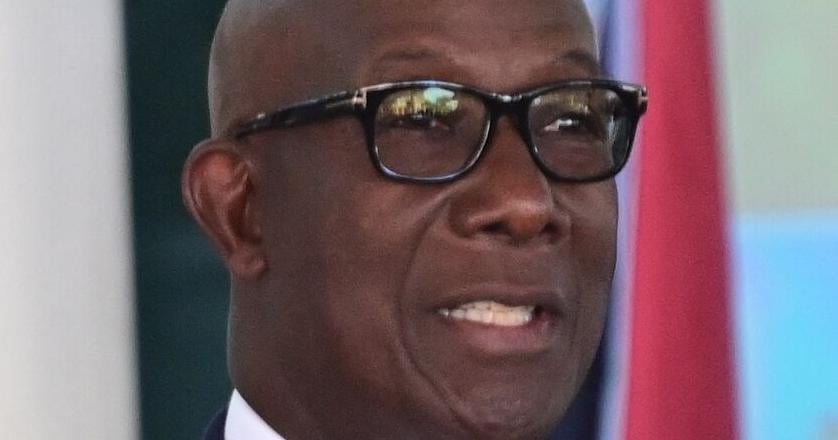
    This victory stands as one of the most consequential diplomatic milestones in Trinidad and Tobago’s modern history, granting the small island nation a formal voice at the world’s most influential multilateral security body. The country’s successful bid was personally led by Prime Minister Kamla Persad-Bissessar, who officially launched the campaign during an address to the UN General Assembly in New York back in September 2025. Over the subsequent months, Persad-Bissessar maintained direct, high-level engagement with leaders from across the globe to build support for the candidacy.

    Trinidad and Tobago’s campaign centered on the overarching theme “Building Consensus for the Realization of Sustainable Peace and Security”, anchored around three core strategic priorities: cracking down on the illegal trafficking of small arms and light weapons, advancing the global women, peace and security agenda alongside protection efforts for children in conflict zones, and addressing the emerging security challenges and opportunities linked to artificial intelligence in the global context.

    When the new Security Council term begins on January 1, 2027, Trinidad and Tobago will take over the seat currently held by Panama, joining four other newly elected members – Austria, Kyrgyzstan, Portugal, and Zimbabwe – in the 15-member body.

    To contextualize the significance of the role: The UN Security Council holds unique authority within the UN system, tasked explicitly with upholding international peace and security across the globe. It is the only UN body whose formal policy decisions carry legally binding weight for all 193 UN member states, with the power to implement targeted international sanctions and formally authorize collective military action. While the five founding permanent members retain veto power over major decisions, the body’s 10 non-permanent seats are filled through staggered rotating elections held by the UN General Assembly.

    Regional leaders across the Caribbean have celebrated the outcome as a landmark win for the entire bloc. The Caribbean Community (CARICOM) Heads of Government noted that the victory is “a proud moment not only for Trinidad and Tobago, but for the Caribbean Community as a whole.” The regional integration bloc emphasized that Trinidad and Tobago will bring the long-overlooked unique perspectives of Small Island and Low-lying Coastal Developing States to Security Council deliberations, elevating regional priorities that are critical to Caribbean peace and stability that have often been sidelined in global discussions.

    For Trinidad and Tobago, the two-year term is expected to dramatically expand the country’s global influence, amplifying its voice in high-stakes negotiations covering global peace, collective security, sustainable development, and cross-border international cooperation. It will also open unprecedented new pathways to build strategic partnerships with major global powers and regional blocs across the international community.

  • Unseasonal erosion linked to South American freshwater surges

    Unseasonal erosion linked to South American freshwater surges

    Barbados’ iconic Caribbean beaches are facing an unprecedented environmental crisis, with unseasonal coastal erosion accelerating across the entire island at a time when shorelines should be naturally rebuilding ahead of hurricane season, the country’s leading coastal management official has warned.

    Dr. Leo Brewster, director of Barbados’ Coastal Zone Management Unit (CZMU), told local media the unusual erosion is being driven by a massive, off-schedule pulse of low-density freshwater from South America’s two largest river systems — the Amazon and the Orinoco. This so-called “green water” forms a buoyant layer on top of denser saltwater, artificially raising overall sea levels around the island far beyond what would be expected at this time of year.

    “The whole island is being impacted by what people will be seeing as out-of-season erosion,” Brewster explained. “This is happening at a time when the beaches should actually be building now, after the Easter swell period and going into the hurricane season. Because of this excessive water, we’re getting more wave activity on the beach face and therefore greater penetration inland, and some areas have been hit very hard.”

    The timing of the green water event has caught coastal scientists off guard. While discharges of Amazon and Orinoco freshwater into the Caribbean are a natural recurring regional phenomenon, they typically follow a predictable seasonal pattern, occurring either in the early year rainy season or between August and September. The arrival of this large pulse in the pre-hurricane rebuilding window is highly irregular, Brewster emphasized, marking a sharp break from historical environmental patterns that has compounded longstanding concerns over climate change and unregulated coastal development.

    Local residents and tourists have already reported alarming shoreline retreat at popular recreational sites including Worthing Beach, where significant stretches of sand have disappeared in recent weeks. The crisis comes on the heels of recent public uproar over “brown water” discoloration at Carlisle Bay, a popular tourist beach that many have linked to sediment runoff from the construction of the luxury Fort Carlisle condominium development. That incident has reignited fierce public debate over whether high-end coastal development is being allowed to encroach too close to Barbados’ already fragile shorelines, putting both ecosystems and infrastructure at long-term risk.

    When asked about the island’s regulatory framework for coastal construction, Brewster clarified that while the CZMU maintains strict mandatory setback requirements to protect shoreline ecosystems, final planning decisions rest with higher government authorities, and developers regularly seek exceptions to reduce the required distance between new builds and the water. “Some properties, as part of their application process, ask for reduced setbacks,” he said. “Of course, the coastal zone management unit has a policy for setback requirements and we try to adhere to those as best we can. Whatever happens after we have sent forward our recommendations is at a planning level.”

    Coastal management challenges have been further intensified in the wake of Hurricane Beryl, which tore through the region earlier this year leaving widespread destruction to coastal infrastructure. In the storm’s aftermath, hundreds of shoreline property owners in high-end areas including Payne’s Bay and Gibbs have rushed to erect makeshift boulder barricades to protect their land from further erosion. While the public has raised complaints about the unregulated structures blocking public beach access, Brewster noted that property owners are legally permitted to install emergency protective measures when existing sea walls fail under the island’s current legislation. Authorities require that rebuilt structures remain within the original footprint of existing sea defenses to avoid expanding coastal encroachment.

    However, Brewster warned that enforcement of these rules remains a persistent challenge due to the dynamic nature of the island’s shorelines. “What you may find is that some persons do try to come forward, or through the use of the boulders that they’re building, the actual base of the structure comes further seaward than it ought to,” he said. “We try to correct that after it’s discovered, but sometimes they may be buried with sand through the natural recovery of the beach. It would only be then exposed again during rough seas, or they can become permanently exposed because the beach has not been able to recover due to the placement of the boulders.”

    For a small island nation whose economy is heavily dependent on pristine coastal tourism, the accelerating off-season erosion has raised urgent new questions about how Barbados will adapt to shifting climate patterns and balance development interests with long-term environmental protection.