作者: admin

  • A Moment to Lead: The Caribbean Hotel and Tourism Association (CHTA) Marks International Women’s Day with Call to Advance Caribbean Women Across the Region

    A Moment to Lead: The Caribbean Hotel and Tourism Association (CHTA) Marks International Women’s Day with Call to Advance Caribbean Women Across the Region

    In a powerful commemoration of International Women’s Day 2026, the Caribbean Hotel and Tourism Association (CHTA) has issued a compelling industry-wide mandate to transform recognition into concrete action for women’s advancement. The Fort Lauderdale-based organization used the occasion to celebrate the indispensable contributions of Caribbean women while launching a strategic framework to accelerate gender equity across the region’s vital tourism sector.

    The initiative aligns with this year’s global campaign theme ‘Give To Gain,’ emphasizing the direct correlation between supporting women’s leadership and enhancing the Caribbean’s overall economic competitiveness. CHTA leadership emphasized that women constitute the backbone of the industry, serving as general managers, executives, entrepreneurs, tourism board leaders, and frontline professionals who define the guest experience throughout the region.

    CHTA’s comprehensive action plan focuses on three critical dimensions: establishing structured mentorship and leadership development programs through their Young Leaders Forum; implementing evidence-based workplace practices that address gender bias and promote inclusion; and increasing visibility of female professionals through platforms like Women in Tourism Caribbean. The association highlighted that inclusive workplaces not only represent ethical imperatives but also drive superior business performance and innovation.

    The call to action carries significant weight given CHTA’s own demonstrated commitment to gender leadership. The association revealed that three of its past five presidents have been women, with female leaders currently heading numerous National Hotel and Tourism Associations across the Caribbean.

    CHTA President Sanovnik Destang, who serves as Executive Director of the woman-owned Bay Gardens Resorts in Saint Lucia, stated: ‘The women of Caribbean hospitality are not only contributing to this industry; they are shaping its future. Recognition alone is insufficient—we demand tangible steps to mentor, create pathways, and ensure the next generation of female leaders has every opportunity to rise.’

    CEO Vanessa Ledesma reinforced this message, noting: ‘Caribbean tourism has always been built by the hands and vision of extraordinary women. We must now intentionally build leadership pipelines, create inclusive workplaces, and ensure women’s contributions are visible and celebrated.’

    Throughout March 2026, CHTA will spotlight each action area through its communication channels, engaging members and industry partners in sustained efforts to transform commitments into measurable progress for gender equity in Caribbean tourism.
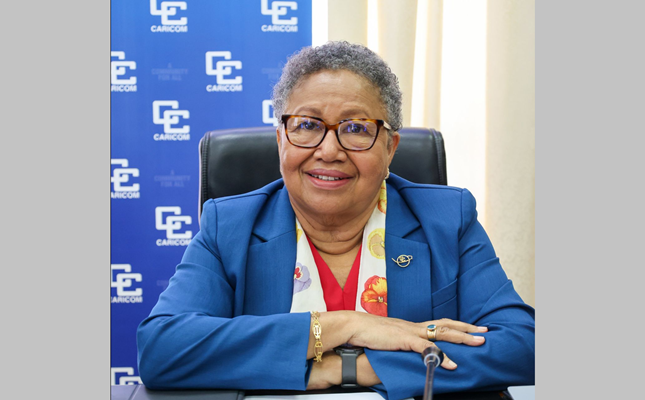

  • International Women’s Day 2026 | Message | Dr Carla Barnett | CARICOM Secretary-General

    International Women’s Day 2026 | Message | Dr Carla Barnett | CARICOM Secretary-General

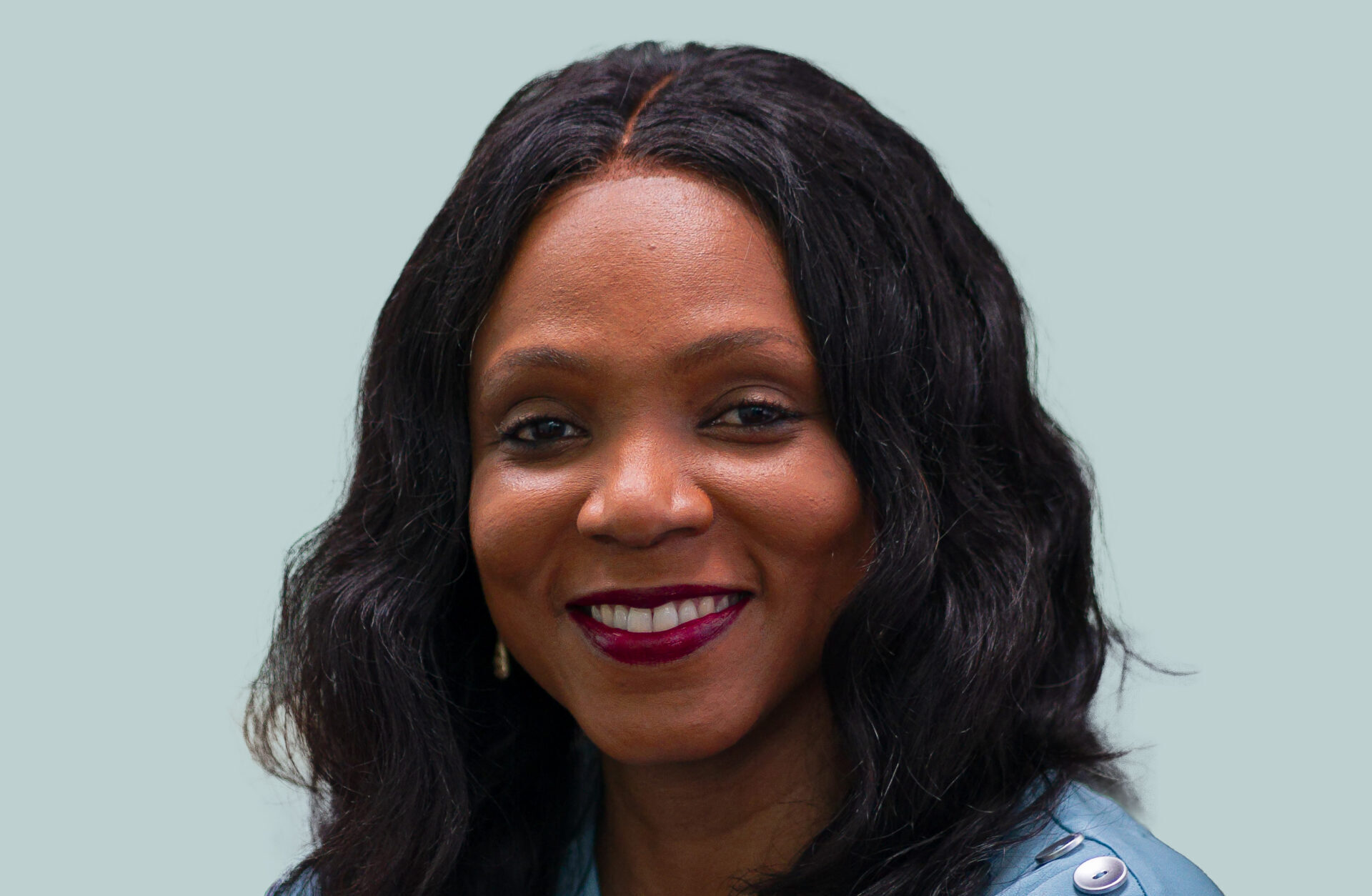
    The Caribbean Community (CARICOM) has marked International Women’s Day 2026 with a renewed commitment to advancing gender equality across the region and globally. Under Secretary-General Dr. Carla Barnett’s leadership, the organization emphasized this year’s theme “Give to Gain,” highlighting how societal investment in women and girls yields substantial social and economic returns.

    CARICOM has demonstrated measurable progress in gender equality initiatives, with women increasingly visible across all sectors including governance, education, entrepreneurship, and public service. Several member states have achieved the significant benchmark of at least 30% female representation in their Lower Houses of Parliament, aligning with commitments outlined in the Beijing Platform for Action.

    The implementation of the CARICOM Regional Gender Equality Strategy continues to drive systemic changes, focusing on strengthened legal protections, enhanced economic opportunities, and promoted equal participation in decision-making processes. These efforts directly support the United Nations Sustainable Development Goals regarding gender equality.

    Women entrepreneurs are gaining increased access to local and regional markets through targeted programs that provide financial support, specialized training, and business development resources. Strategic investments in skills development, particularly in STEM fields and creative industries, are preparing women and girls to excel in the evolving digital economy.

    Despite these advancements, CARICOM acknowledges persistent challenges, including the critical issue of violence against women and girls that requires sustained attention, adequate resources, and collaborative engagement between all genders.

    The “Give to Gain” theme serves as a call to action for governments, institutions, communities, and individuals to contribute to women’s advancement through various means: investing in girls’ education, implementing mentorship programs, promoting equal pay, recognizing unpaid care work, supporting women-owned businesses, and challenging restrictive socio-cultural gender norms.

    On this International Women’s Day, CARICOM reaffirms its shared responsibility to ensure every woman and girl can live free from discrimination and violence, access quality education and healthcare, and participate fully in shaping the region’s future.

  • Gun, ammo found at Soesdyke-Linden Highway resort

    Gun, ammo found at Soesdyke-Linden Highway resort

    In a significant security discovery, a 9mm Glock 17 pistol accompanied by 17 rounds of matching ammunition was uncovered at a resort situated along Guyana’s Soesdyke-Linden Highway. The recovery occurred on Saturday evening at approximately 8:30 p.m. during standard security procedures.

    According to official reports from the Guyana Police Force, a 34-year-old security personnel employed at the resort identified the suspicious object while conducting routine perimeter inspections. The firearm was located adjacent to a minor drainage system along a concrete pathway within the compound’s premises.

    Demonstrating proper protocol adherence, the security guard immediately secured the suspected weapon and initiated contact with local law enforcement authorities. The recovered pistol and ammunition were subsequently transported to the Timehri Police Station for further forensic examination and investigation.

    This incident highlights ongoing concerns regarding illegal weapons circulation within the region and underscores the critical role of vigilant security personnel in maintaining public safety. Police investigations continue to determine the origin of the firearm and potential connections to criminal activities.

  • Father, son arrested for arms, ammo

    Father, son arrested for arms, ammo

    Authorities in Guyana have apprehended a 53-year-old farmer and his two adult sons following the discovery of an unlicensed arsenal at their rural residence. The operation, conducted by the Guyana Police Force on March 7th, 2026, resulted in the seizure of multiple firearms and ammunition from the family’s property in Shea Village, South Rupununi.

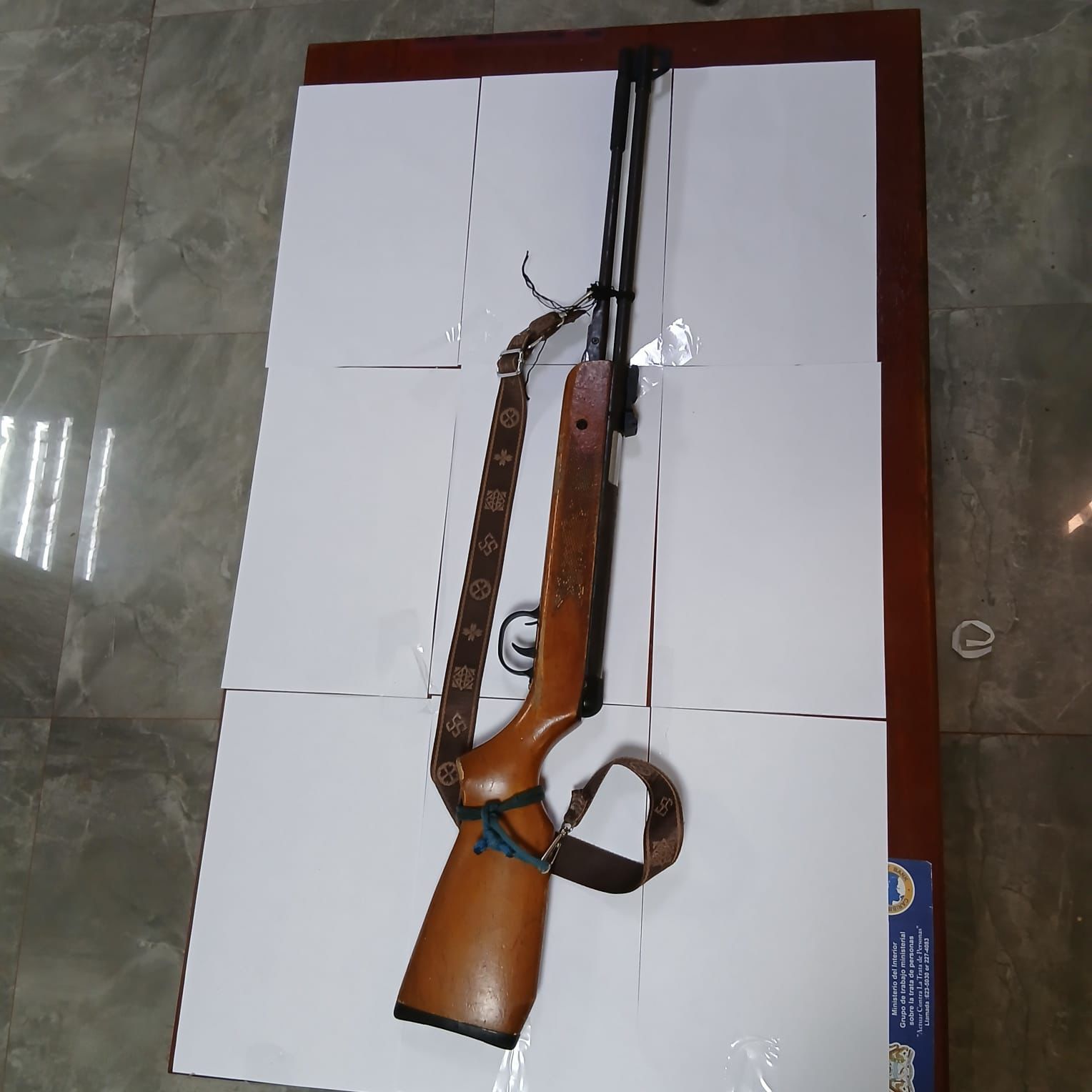
    Law enforcement officials reported that the investigation led to the confiscation of two .22 caliber rifles, one 12-gauge double-barrel shotgun, and an airsoft rifle. Additionally, police recovered fourteen rounds of .22 ammunition and five 12-gauge cartridges during systematic searches of both the individuals and their premises.

    The suspects, aged 20, 22, and 53, voluntarily surrendered the weapons upon police contact and subsequently acknowledged their lack of proper firearm licensing documentation. Following initial questioning at the scene, the trio was transported to the Aishalton Police Station for processing before being transferred to the Lethem Police Station for further investigation.

    All confiscated items have been securely lodged as evidence pending comprehensive ballistic examination and formal charges. The case represents ongoing efforts by Guyanese authorities to combat illegal weapon possession in the country’s interior regions.

  • STATEMENT: Honourable Dr Cassandra Williams, Minister of State in the Ministry of Health, Wellness and Social Services on International Women’s Day (with audio)

    STATEMENT: Honourable Dr Cassandra Williams, Minister of State in the Ministry of Health, Wellness and Social Services on International Women’s Day (with audio)

    DOMINICA – In her official International Women’s Day address, Hon. Dr. Cassandra Williams, Minister for Social Services and Gender Affairs, outlined significant advancements in Dominica’s commitment to gender equality and women’s empowerment.

    The 2026 observance, themed ‘Our Giving, Our Progress: Collective Action for Balanced Progress,’ aligns with the United Nations global focus on ‘Rights, Justice, Action for All Women and Girls.’ Dr. Williams acknowledged the nationwide participation from organizations, businesses, and community groups in creating meaningful celebrations that honor women’s contributions.

    Reflecting on progress since last year’s observance, the minister highlighted critical systemic improvements including the revitalization of the Safe Housing Program for domestic violence survivors. This initiative, supported by UN Women and CUSO International, provides secure accommodation for women and families fleeing abusive situations. Additionally, the government has strengthened gender-based violence protocols and partnered with Lifeline Ministries to enhance survivor support services.

    Dr. Williams announced two groundbreaking initiatives supported by UN Women: first, the implementation of improved gender data collection methodologies to recognize the economic value of unpaid care and domestic work predominantly performed by women; second, a pilot program offering targeted support for women receiving public assistance, including expanded childcare access, skills training, and health services to bolster economic resilience.

    The minister emphasized that these measures reflect Dominica’s commitment to creating ‘stronger communities through supporting families, valuing care, and investing in women.’ She reaffirmed her ministry’s dedication to strengthening national responses to gender-based violence, particularly for vulnerable groups including young women and single mothers.

    As part of ongoing Women’s Week activities, the Ministry will host a resource mobilization brunch and dialogue focused on gender-responsive community development, engaging community leaders and partners to develop practical strategies for advancing equality at the local level.

    Dr. Williams concluded by encouraging citizens to honor the women in their lives and reaffirmed Dominica’s vision for ‘a society where women and men, girls and boys live with dignity, safety, and equal opportunity to thrive.’

  • Commonwealth Foreign Ministers Meet in Executive Retreat Ahead of 2026 CHOGM in Antigua and Barbuda

    Commonwealth Foreign Ministers Meet in Executive Retreat Ahead of 2026 CHOGM in Antigua and Barbuda

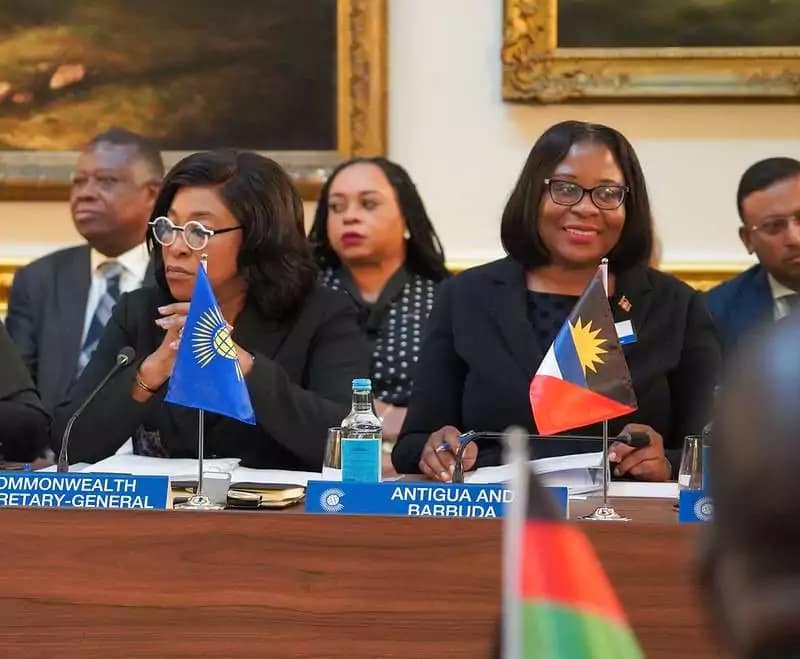
    In an unprecedented diplomatic format, foreign ministers from the Commonwealth of Nations convened for their 26th ministerial meeting, adopting an executive retreat structure to strategize for the upcoming 2026 Commonwealth Heads of Government Meeting (CHOGM). This innovative approach marks a significant departure from traditional diplomatic gatherings as the 56-member organization prepares for its November 2026 summit in Antigua and Barbuda.

    The retreat, strategically timed to coincide with the commencement of Commonwealth Day observances (celebrated annually on the second Monday of March), facilitated intensive policy discussions ahead of the November 1-4, 2026 summit. Antigua and Barbuda’s Foreign Affairs Minister Chet Greene, alongside High Commissioner to the UK Karen-Mae Hill, presented comprehensive updates on logistical and substantive preparations for the forthcoming gathering.

    Delegates engaged in substantive dialogues addressing two critical domains: proposed structural reforms within the Commonwealth architecture and contemporary developments impacting member states. The retreat format was specifically engineered to foster candid, solution-oriented conversations that transcend conventional diplomatic formalities.

    According to organizing officials, this innovative meeting structure aims to generate what they describe as a ‘bold and practical’ action plan designed to enhance multilateral cooperation and mutual prosperity across the Commonwealth. This strategic repositioning occurs against the backdrop of evolving global challenges that demand renewed collective action among member nations, which together represent approximately 2.5 billion citizens across six continents.

  • COMMENTARY: Dominican women writing the island’s stories

    COMMENTARY: Dominican women writing the island’s stories

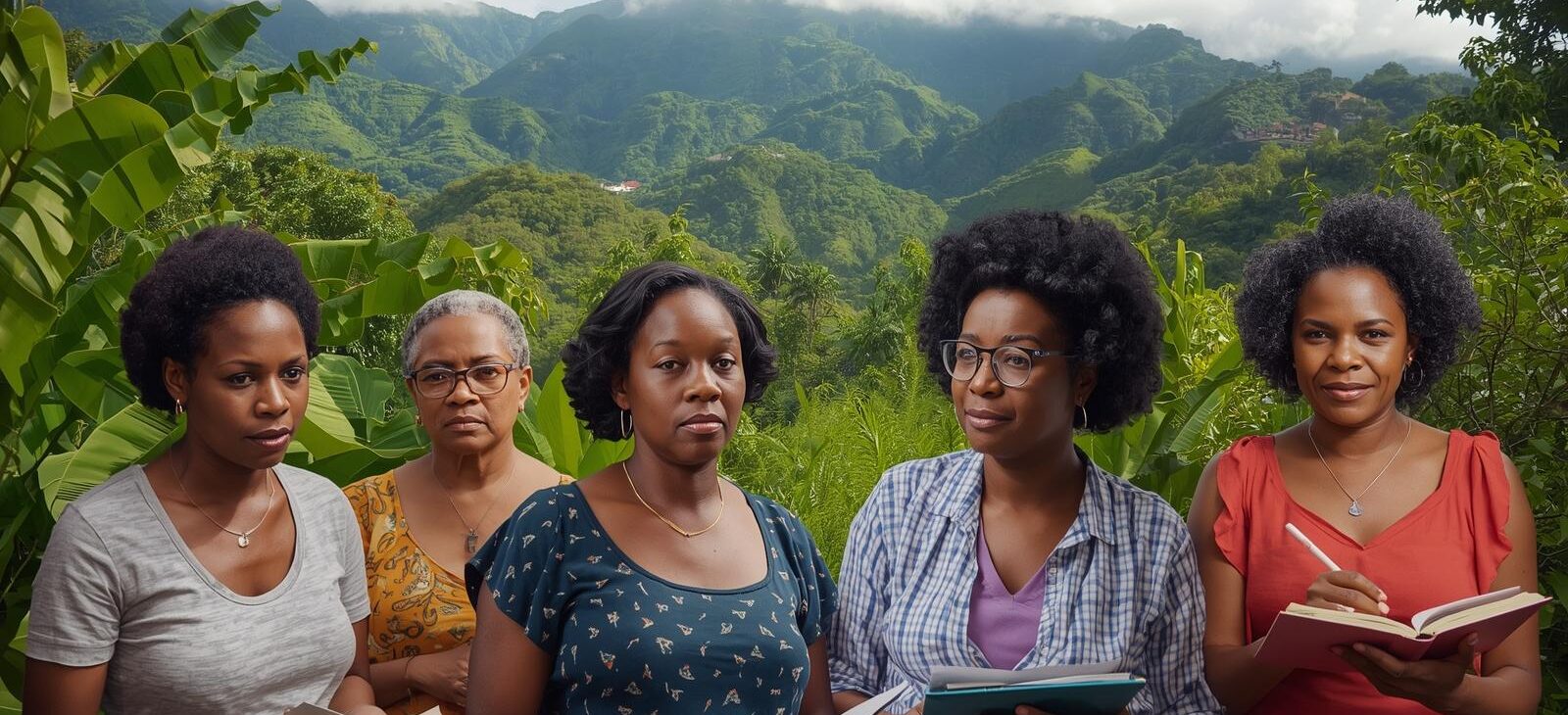
    On March 8th, as the global community commemorates International Women’s Day, the literary landscape of Dominica stands as a testament to the profound contributions of women in shaping cultural narratives. Beyond the conventional focus on politics and science, Dominican women authors have emerged as pivotal voices in preserving the island’s identity through diverse literary forms.

    The literary heritage traces back to Phyllis Shand Allfrey, whose seminal 1953 novel ‘The Orchid House’ pioneered the portrayal of Caribbean society through feminine perspectives. Allfrey’s dual legacy as both literary innovator and political trailblazer established an enduring connection between artistic expression and civic engagement in Dominican culture.

    Contemporary voices continue this tradition with remarkable vitality. Poet Celia Sorhaindo’s collection ‘Guabancex’ transforms the trauma of Hurricane Maria into profound meditations on resilience and healing. Her work exemplifies how Dominican literature confronts both natural beauty and vulnerability with equal poetic force.

    The children’s literature sector reveals particularly innovative storytelling. Jamie Alleyne’s ‘Why Are Onions So Sad?’ employs whimsical anthropomorphism to explore emotional intelligence, while Petrea Honychurch Seaman’s ‘Goodnight My Sweet Island’ immerses young readers in the rhythmic cadence of Caribbean nature. Bilingual authorship finds expression through Mara Etienne-Manley’s ‘I Am Dominica / Mwen Sé Dominik’, which celebrates linguistic heritage alongside cultural pride.

    Jane Ulysses Grell further enriches this tapestry by weaving oral traditions into written form, preserving the rhythmic storytelling practices intrinsic to Dominican community life. These collective efforts demonstrate literature’s role as both cultural archive and living tradition.

    For a small island nation, these literary contributions transcend aesthetic value—they serve as vital reservoirs of collective memory. Through poetry, fiction, and children’s tales, Dominican women writers capture nuances of experience that statistical data cannot convey, ensuring their island’s stories resonate beyond geographic confines.

    This International Women’s Day recognition underscores that cultural preservation occurs not merely through institutions but through individual dedication to narrative craft. The ongoing work of Dominican authors—from established figures to emerging voices—continues to enrich the Caribbean literary canon while inspiring future generations to carry forward this legacy of storytelling.

  • STATEMENT: Ms. Isiuwa Iyahen, UN Women Head of Office on International Women’s Day

    STATEMENT: Ms. Isiuwa Iyahen, UN Women Head of Office on International Women’s Day

    In a significant move to tackle gender disparities, Dominica has launched innovative programs to recognize and redistribute unpaid care work that predominantly falls on women. The announcement came from Ms. Isiuwa Iyahen, UN Women Head of Office (ad interim), during International Women’s Day 2026 celebrations under Dominica’s theme ‘Our Giving, Our Progress.’

    The Caribbean nation is addressing the global reality where women perform approximately three additional hours of unpaid domestic and care work daily compared to men. This disproportionate burden frequently restricts women’s educational opportunities, income potential, and leadership advancement.

    Ms. Iyahen highlighted compelling local examples illustrating this crisis: one mother must bring her toddler with disabilities to work due to unaffordable and unsuitable childcare options, while another single mother’s older children must skip after-school activities to care for younger siblings because safe, affordable childcare remains inaccessible.

    Through the Build Back Equal project, partially funded by the Government of Canada, UN Women and the Dominican government are implementing a pioneering approach. A specialized Labour Force Survey will now measure time allocation between women and men regarding unpaid care work—marking a critical step in data collection that will inform future policy decisions.

    Concurrently, a second pilot program under the Public Assistance Program will provide comprehensive support including childcare access, skills training, financial literacy education, and psychosocial services. These initiatives aim to foster economic independence while demonstrating concrete commitment to valuing women’s contributions.

    These efforts align with the UN’s International Women’s Day theme emphasizing ‘rights, justice, and action for all women and girls.’ The programs represent a transformative approach to creating a more equitable society where women’s unpaid labor receives proper recognition and support systems enable their full participation in social and economic life.

  • Hundreds Join Walk Against Gender-Based Violence in Antigua

    Hundreds Join Walk Against Gender-Based Violence in Antigua

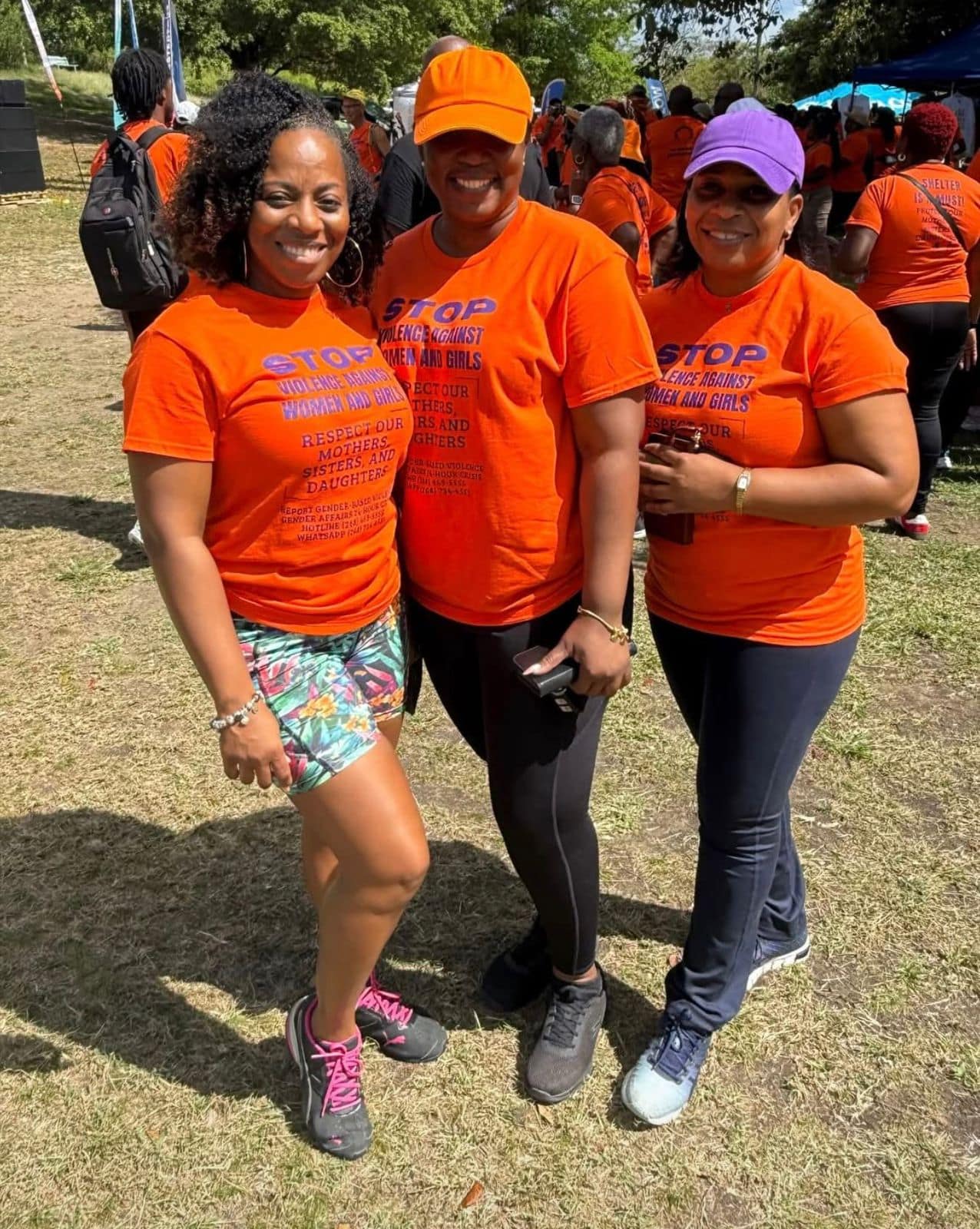
    Antigua’s Botanical Gardens served as the backdrop for a powerful demonstration of solidarity this past weekend, where hundreds of participants converged to observe International Women’s Day through a purposeful 5K walk. The gathering, formally designated as ‘Men & Women United 2026: Stop Gender-Based Violence 5K Walk’, represented a collaborative initiative spearheaded by Integrated Health Outreach alongside the Directorate of Gender Affairs. Now entering its third consecutive year, the annual event has witnessed a substantial increase in public engagement and visibility. Attendees created a vivid sea of orange attire—a color internationally recognized as a symbol for the eradication of violence against women. A prominent message echoed throughout the event was embodied on participants’ apparel, which boldly stated ‘A Shelter Is A Must’. This slogan directly advocates for the critical need to establish a dedicated safe house facility for survivors of gender-based violence within Antigua and Barbuda. The undertaking received significant corporate backing, with telecommunications provider Flow listed among the key sponsors facilitating the awareness-raising campaign.

  • ABWU Highlights Power of Women’s Leadership on International Women’s Day

    ABWU Highlights Power of Women’s Leadership on International Women’s Day

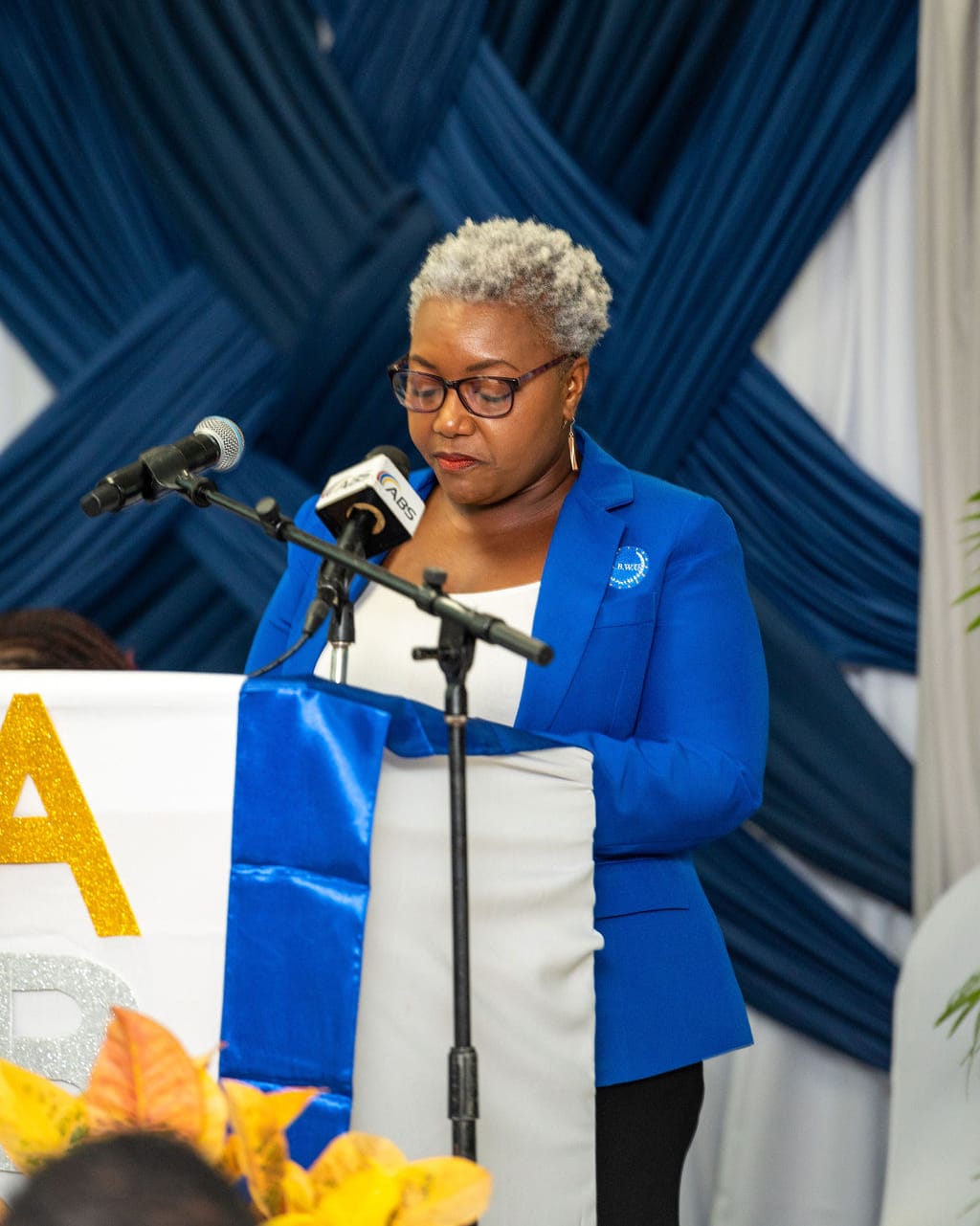
    On International Women’s Day, Monique James-Roberts, Second Vice-President of the Antigua and Barbuda Workers’ Union (ABWU), articulated how female leadership is fundamentally reshaping labor advocacy through more inclusive and balanced approaches. Speaking about the transformative power of women in union leadership, James-Roberts emphasized that their presence at decision-making tables generates comprehensive outcomes benefiting the entire membership spectrum.

    James-Roberts contrasted leadership styles, noting that while male counterparts often maintain rigid positions, women typically employ more conciliatory approaches that foster effective compromise and balanced resolutions. This distinctive perspective, she explained, stems from natural nurturing instincts that extend beyond individual workers to encompass their families through thoughtfully designed policies and programs.

    The ABWU has implemented intentional inclusion strategies resulting in gender parity within its 18-member Executive committee, with nine positions occupied by women. This structural equality creates platforms for female professionals to develop leadership capabilities while contributing substantially to organizational direction.

    Among groundbreaking initiatives, the union is developing workplace provisions addressing unique female biological experiences including menstruation, maternity, and menopause. The proposals additionally advocate for enhanced breastfeeding accommodations and expanded paternity leave provisions within Collective Bargaining Agreements. James-Roberts emphasized the critical importance of paternity leave, noting that postpartum support from partners necessitates corresponding workplace policy adaptations.

    These progressive measures represent the union’s commitment to modernizing workplace standards to align with contemporary family needs. For aspiring female leaders, James-Roberts recommended cultivating self-confidence, developing clear vision, seeking mentorship, building resilience against setbacks, and pursuing continuous skill enhancement.

    Expressing optimism about women’s trajectory in labor movements, James-Roberts highlighted the union’s constitutional prohibitions against discrimination and guaranteed equal leadership opportunities. She concluded with an empowering message for Antigua and Barbuda’s women to stand visibly in their power, serving as beacons of hope through unified presence and vocal advocacy.