作者: admin

  • Misiekaba wil mentale zorg dichterbij burgers brengen via scholen en eerstelijnszorg

    Misiekaba wil mentale zorg dichterbij burgers brengen via scholen en eerstelijnszorg

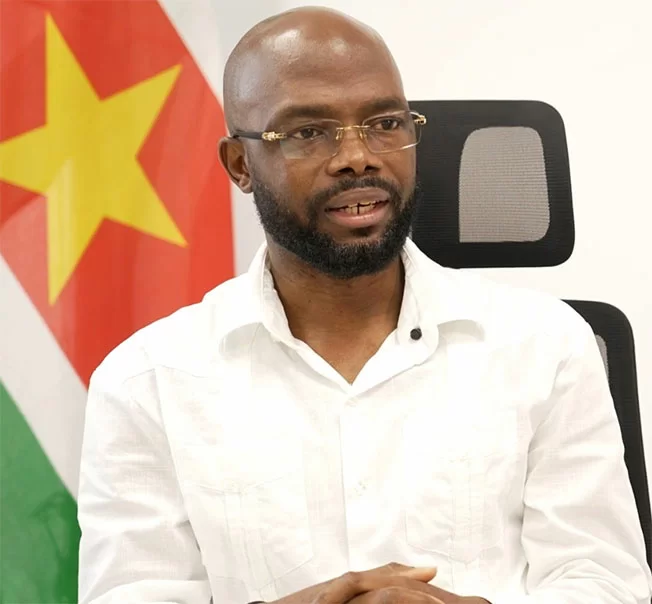
    Suriname’s Health Minister André Misiekaba has unveiled a transformative strategy to revolutionize mental healthcare by shifting focus to early detection and prevention. The groundbreaking initiative aims to integrate mental health services into primary care systems, targeting schools, polyclinics, and community settings as frontline defense mechanisms against severe psychiatric conditions.

    Minister Misiekaba identified the critical gap in current mental healthcare delivery, noting that individuals typically reach psychiatric specialists only at advanced stages of illness. To disrupt this pattern, specialized social workers will now serve as early warning systems within educational institutions and medical facilities. These professionals will receive training to identify initial signs of stress, depression, or behavioral abnormalities, particularly among children and adolescents.

    The educational sector represents a cornerstone of this new approach. While teachers maintain their vital observational role, structured support from qualified social workers—either dedicated to individual schools or serving multiple institutions—will provide essential specialized assessment capabilities.

    Healthcare facilities will similarly establish low-threshold access points where social workers can address emerging mental health concerns before they escalate. For complex cases requiring advanced treatment, the Psychiatric Center Suriname (PCS) remains the central hub, though Minister Misiekaba acknowledged the institution’s current operational challenges.

    The PCS currently operates with approximately sixteen patient beds, though modest modifications could expand capacity to thirty. Compounding infrastructure limitations, the facility faces staffing shortages due to emigration of specialized nursing personnel. The ministry is actively developing retention and recruitment strategies to strengthen the workforce.

    This comprehensive mental health reform explicitly addresses Suriname’s growing homeless population through the recently established Bureau for Homelessness Task Force. The group has finalized an advisory report that will soon guide policy development for this vulnerable demographic.

    Minister Misiekaba emphasized that mental health responsibility extends beyond institutions: “The first signals typically emerge within household environments. Family members play a crucial role in early detection and seeking appropriate support—that’s where the initial alarm should sound.” This holistic approach combines institutional reinforcement with community engagement to create a robust mental health ecosystem.

  • Arrest Made in Double Murder of Sarita Deliverymen

    Arrest Made in Double Murder of Sarita Deliverymen

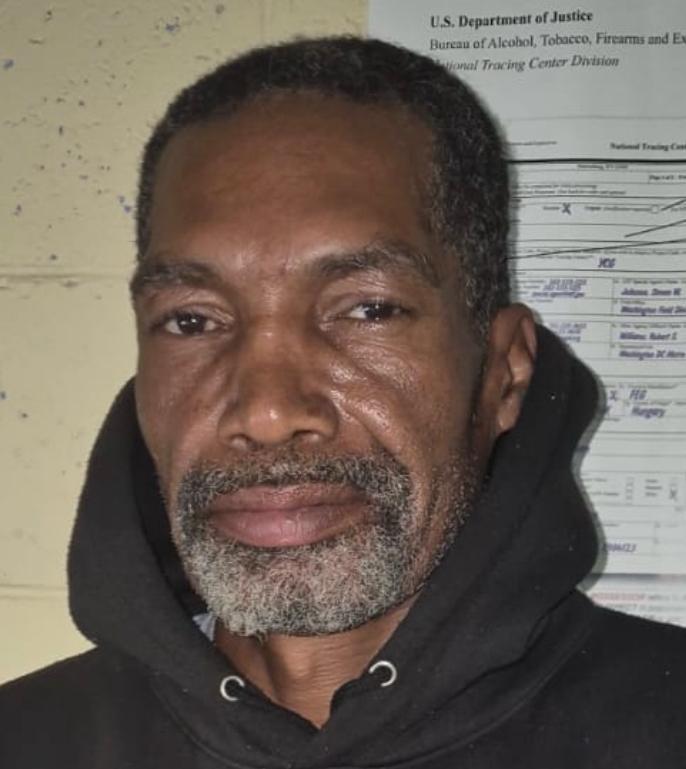
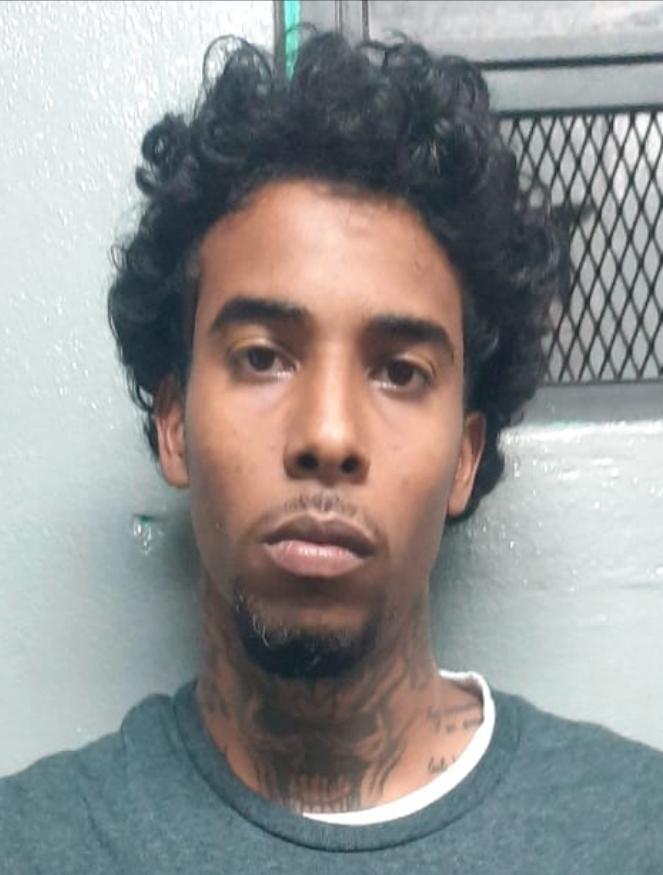
    In a significant development regarding the brutal December 2025 murders that shocked Belize, authorities have made an arrest in the double homicide of Sarita delivery drivers Raynard Raymond Garbutt and Robert Alexander Crawford. Harry Nathaniel Trapp, a 49-year-old mechanic from Santa Elena Town, now faces two counts of murder for the execution-style killings that occurred along the Hummingbird Highway.

    The victims, aged 22 and 43 respectively, were discovered on December 11, 2025, near Mile Forty along a feeder road off the main highway. Both men had been shot in the back of the head and were found face down. Their delivery truck was located abandoned with its cash compartment emptied, leading investigators to classify the case as a robbery that escalated into a double murder.

    After weeks of intensive investigation that included forensic analysis, witness interviews, and review of the truck’s GPS data—which showed the vehicle stationary since 3:48 p.m. on the day of the murders—police identified and apprehended Trapp. The arrest represents the first major breakthrough in a case that has drawn national attention and devastated two families.

    Garbutt, who had recently become a father, and Crawford, one of nine siblings, were described by loved ones as victims of a senseless and deeply cruel act. Trapp is scheduled for arraignment in the coming days where he will formally respond to the double murder charges.

  • DPP Orders Murder Charge Against Police Constable Urbina

    DPP Orders Murder Charge Against Police Constable Urbina

    In a significant judicial development, Belizean authorities have formally charged Police Constable Lionel Rodolfo Urbina with murder in connection with the fatal stabbing of American student Kevin Matthew Depaz. The Directorate of Public Prosecutions (DPP) concluded its extensive investigation into the June 2025 incident that resulted in one fatality and multiple injuries during a late-night altercation on Caye Caulker.

    The twenty-year-old officer faces three serious charges: murder, attempted murder, and use of deadly means of harm. Following his transfer from the island to Belize City, Urbina appeared before the Chief Magistrate where bail was formally denied. The court has remanded him to Belize Central Prison with a scheduled return date of March 31, 2026.

    The tragic events unfolded in the early hours of June 30, 2025, outside a fast-food establishment on Caye Caulker. According to official police reports, the confrontation began when Depaz and his companions allegedly assaulted another individual. This prompted intervention from two off-duty officers, Urbina and Darneak Swasey, who pursued the students’ golf cart. The situation escalated dramatically when a second group arrived on the scene, culminating in a violent stabbing that claimed Depaz’s life and left two others with serious injuries.

    Notably, investigators have cleared the second officer initially detained in connection with the incident. The DPP’s decision to proceed solely against Urbina followed meticulous examination of witness testimonies and critical surveillance evidence. During his initial court appearance, the accused officer lacked legal representation. The case will subsequently move to the San Pedro court system for further proceedings.

  • Musa ‘Not Concerned’ Over Pou Court Case

    Musa ‘Not Concerned’ Over Pou Court Case

    A brewing legal confrontation within the Belize Police Department has captured national attention as the case of Police Constable Gabriel Pou advances to formal court proceedings. The controversy centers on Pou’s allegations that he faced institutional pressure to falsify an official statement regarding the abduction case of Joseph Budna—a statement he claims would have wrongfully implicated senior officers.

    Pou’s legal representative contends that his client’s recent transfer was a deliberate tactic to suppress his testimony, raising profound questions about transparency and accountability within the law enforcement hierarchy. The constable maintains he possesses evidence demonstrating involvement of higher-ranking officials in misconduct related to the Budna investigation.

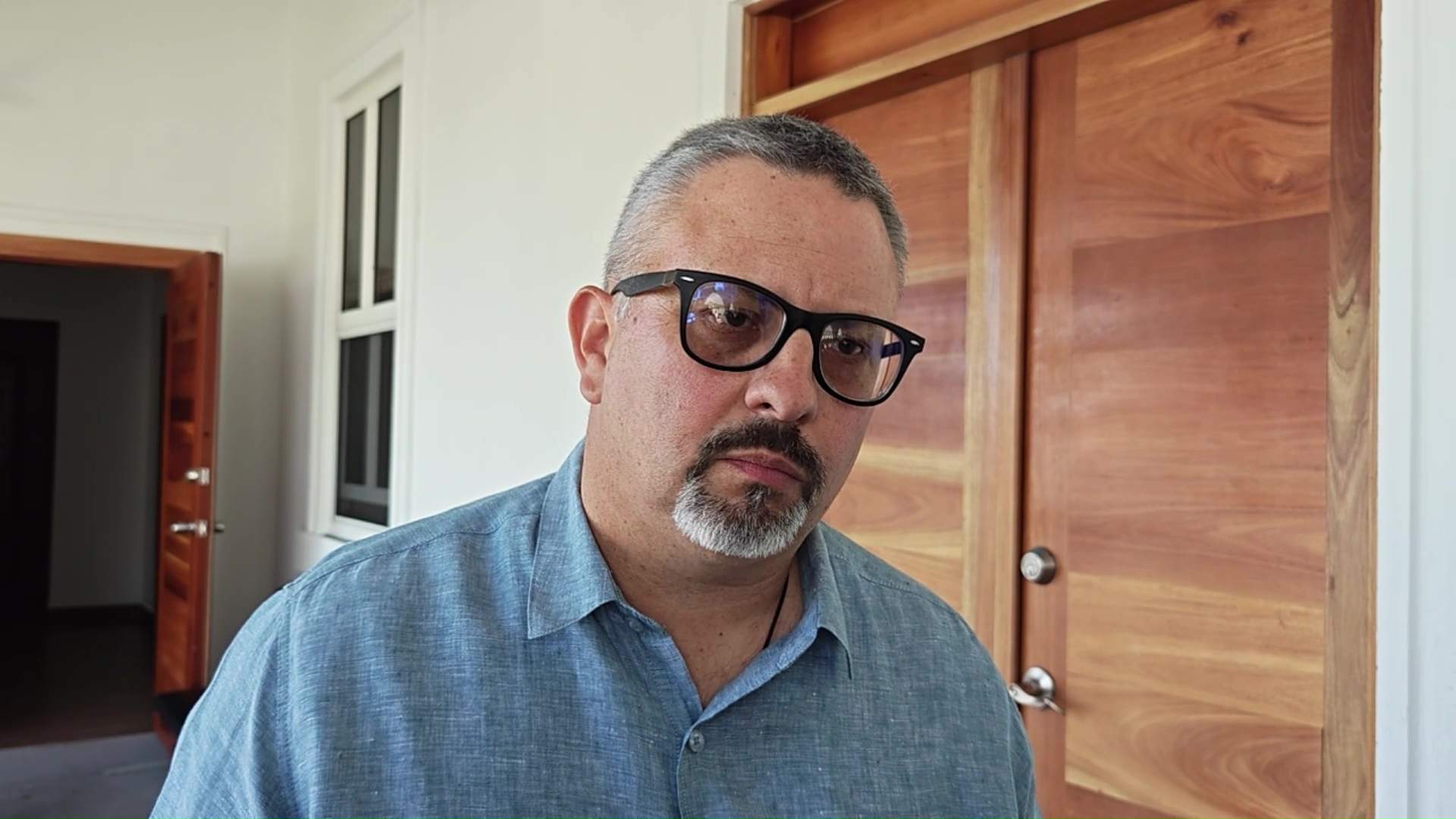
    In response to these serious allegations, both Police Commissioner Dr. Richard Rosado and Prime Minister John Briceño have publicly urged Pou to present any substantiating evidence directly to the Director of Public Prosecutions (DPP). Adding his voice to this call for transparency, former Home Affairs Minister Kareem Musa characterized the Prime Minister’s position as “perfectly right” during recent press inquiries.

    Musa, while acknowledging his limited personal acquaintance with the officer—mentioning Pou was assigned to his ministry with only occasional interactions—expressed no apprehension about the judicial process potentially revealing sensitive information. “I’m not concerned at all,” Musa stated, emphasizing that proper evidentiary disclosure to the DPP represents the appropriate pathway forward.

    As this developing scandal moves through the judicial system, national observers await whether Constable Pou will formally submit his purported evidence, potentially exposing systemic issues within Belize’s law enforcement establishment.

  • Politic : Statement from the OAS General Secretariat on the situation in Haiti

    Politic : Statement from the OAS General Secretariat on the situation in Haiti

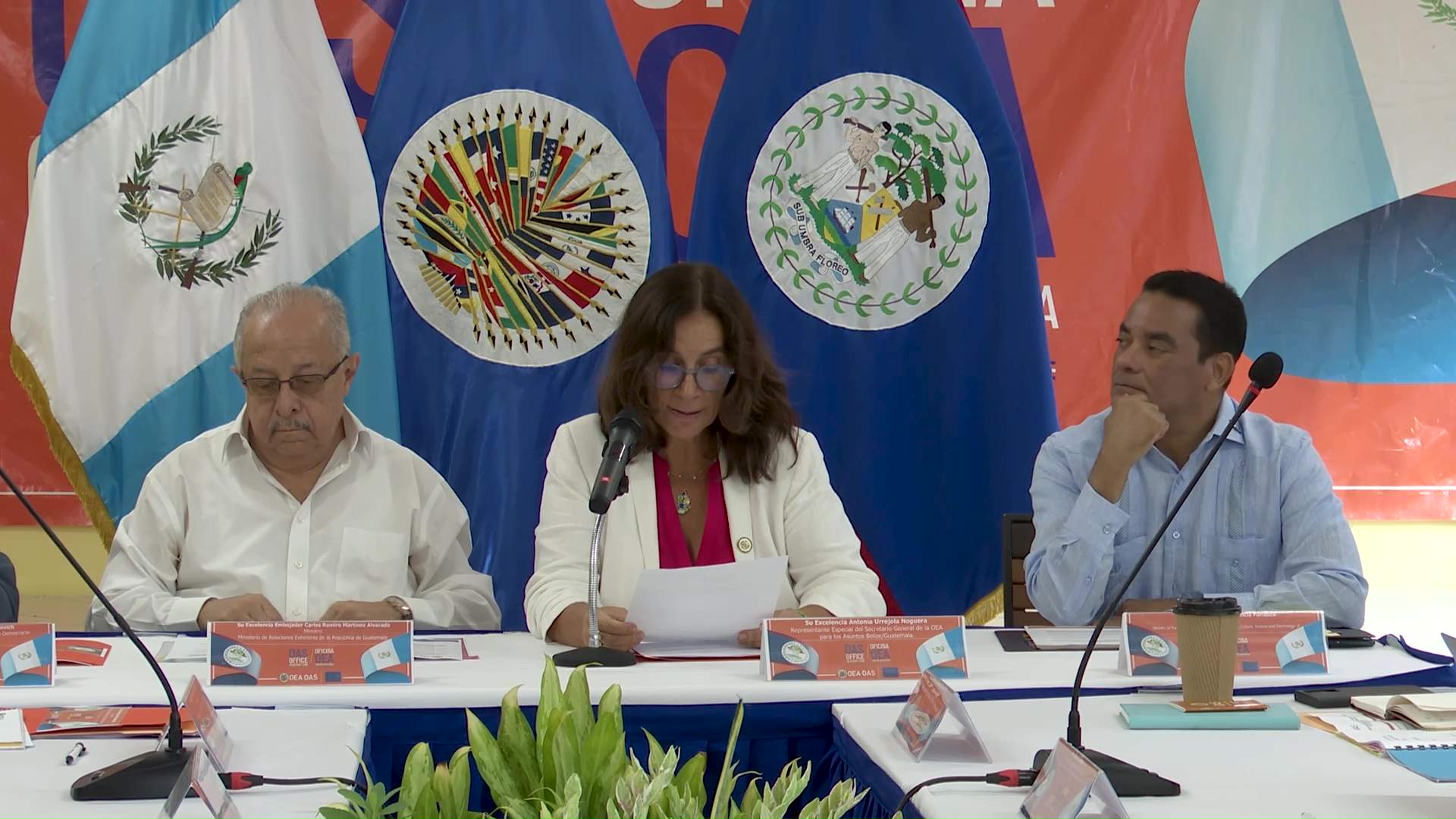
    The Organization of American States (OAS) has issued a critical statement addressing Haiti’s ongoing political transition, emphasizing the impending expiration of the current transitional government’s mandate on February 7, 2026. This deadline stems from the April 3, 2024 agreement that established the transitional framework.

    In its comprehensive assessment, the OAS General Secretariat underscored that determinations regarding Haiti’s future governance structures must originate from domestic leadership and key national stakeholders. The international body stressed that any emergent political arrangement should feature clearly defined parameters and temporal limitations to preserve the transitional nature of these mechanisms.

    The OAS outlined essential components for successful transition, prioritizing security restoration and electoral organization through a results-driven methodology. The organization emphasized that operational effectiveness will require robust coordination mechanisms, including constructive collaboration with international partners. Most significantly, the Secretariat highlighted the necessity for national unity, placing Haitian citizens’ welfare at the core of all political deliberations.

    Characterizing Haiti’s current situation as a historical crossroads, the OAS acknowledged the nation’s simultaneous grappling with urgent security concerns while working toward reestablishing democratically elected institutions. The organization noted that maintaining existing stability, preserving institutional continuity, and fostering dialogue remain crucial during this delicate period.

    The General Secretariat concluded with an appeal to all political actors and national leaders to exercise responsibility in service of peace and public interest. Reaffirming Haiti’s priority status within the organization, the OAS reiterated its commitment to supporting stable governance and strengthening democratic institutions in accordance with its established mandates and principles.

  • Former Home Affairs Minister Pushes for Dedicated Gun Court

    Former Home Affairs Minister Pushes for Dedicated Gun Court

    In the wake of the withdrawn Thirteenth Amendment proposal, former Home Affairs Minister Kareem Musa is advocating for the preservation of one specific component: the creation of a specialized court dedicated exclusively to firearms and gang-related offenses. Musa has publicly encouraged the current administration and cabinet to reconsider implementing this judicial mechanism, highlighting a critical backlog within the existing system.

    Musa expressed particular regret over the abandonment of this feature, stating, “Perhaps the highlight of the Thirteenth Amendment that I find regrettable that we’re not proceeding with is a specified gun and gang court.” He emphasized the urgency of the matter, pointing to over one hundred and sixty firearm charges currently languishing without resolution in magistrate courts. This significant delay, he argues, constitutes a denial of justice for both the accused and the public.

    The proposed dedicated court was designed to streamline the judicial process for cases brought under the Firearms Act, many of which have failed to yield conclusive outcomes. Musa contends that such a specialized venue is paramount for effectively addressing gun violence and organized gang activity, thereby enhancing public safety and judicial efficiency. He remains hopeful that government officials will re-evaluate this priority initiative to tackle the persistent case backlog.

  • Education : Launch of the National Conference on the Refounding of the Education System

    Education : Launch of the National Conference on the Refounding of the Education System

    Haiti has initiated a comprehensive national dialogue to fundamentally restructure its beleaguered education system. The Ministry of National Education officially commenced the National Conference on the Refounding of the Haitian Education System this week in Pétion-ville, framing the three-day event under the ambitious theme “For Transformative Education.”

    The conference, running from January 21-23, 2026, represents a critical response to the systemic challenges plaguing Haiti’s educational infrastructure. The gathering brings together teachers’ unions, parent associations, educational experts, private sector representatives, and diaspora members to diagnose structural deficiencies and develop strategic solutions.

    At the core of the reform effort are four strategic pillars: operationalizing the High National Council for Education, restoring educational governance and school authority, improving learning environments and school infrastructure, and combating academic failure and dropout rates.

    The discussions align with Haiti’s Ten-Year Education and Training Plan 2020-2030, addressing ten critical themes including educational access and equity, teacher development, digital education innovation, infrastructure improvement, school safety, and crisis resilience.

    Prime Minister Alix Didier Fils-Aimé, represented by Ms. Axène Joseph, reaffirmed the government’s commitment to allocating 4% of GDP to education, characterizing the overhaul as an “imperative national necessity” amid the country’s multidimensional crisis. The Prime Minister emphasized that these consultations aim to mobilize national resources toward achieving meaningful social and economic mobility through education reform.

    Education Minister Antoine celebrated the broad participation as evidence of a shared commitment to addressing the challenges jeopardizing the future of Haitian youth. Conference Coordinator Guy Serge Pompilus emphasized that the success of this transformation will depend on the substantive contributions of all participants, with the proceedings expected to produce strategic documents capable of reversing the education system’s decline.

  • Young Belizeans Decry Gang Charge Tactics

    Young Belizeans Decry Gang Charge Tactics

    A significant controversy has emerged in Belize City regarding the enforcement of national gang legislation, with young residents from economically disadvantaged neighborhoods claiming systematic targeting by law enforcement. These individuals assert that police are repeatedly charging them with gang affiliations based primarily on their residential locations or social associations rather than concrete evidence, raising serious concerns about racial profiling and due process violations.

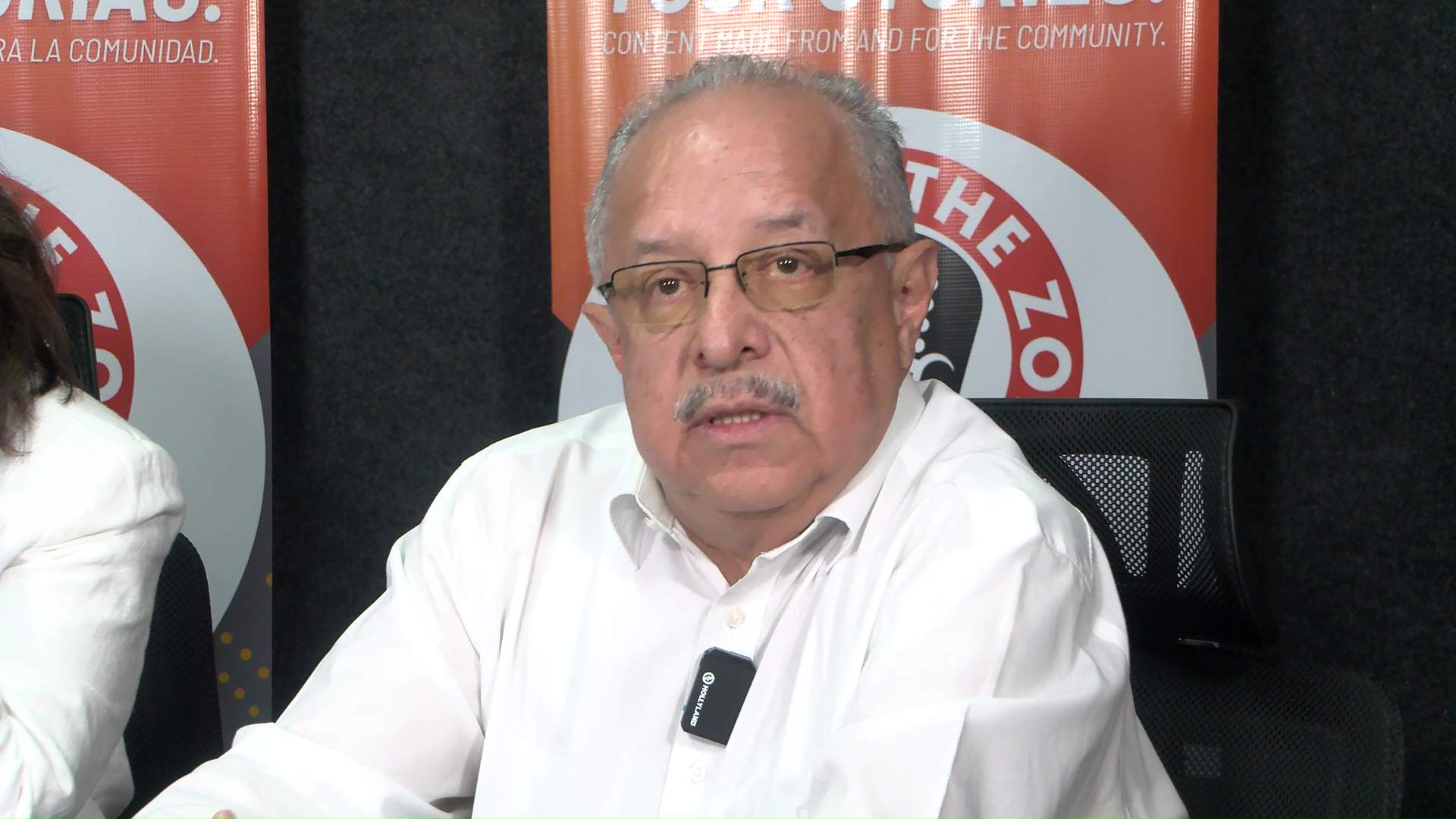
    Former Minister of Home Affairs Kareem Musa has publicly defended police procedures, emphasizing that all detentions undergo rigorous investigative processes. Musa clarified that officers utilize multiple evidence sources including social media analysis, photographic evidence, and community intelligence before filing charges. He specifically addressed concerns about repeated charges against previously convicted individuals, explaining that new prosecutions require entirely new evidence gathered after conviction dates.

    The ongoing dispute highlights fundamental tensions between crime prevention and civil liberties in Belize. Community advocates argue that geographic and social profiling creates a cycle of repeated charges that undermines rehabilitation efforts. Meanwhile, authorities maintain that their procedures follow legal standards and are necessary for combating gang violence that disproportionately affects vulnerable communities. This situation continues to evolve as both sides present contrasting perspectives on justice system operations in Belize’s urban centers.

  • Musa Defends 13th Amendment, Says Anti‑Crime Powers Already in Law

    Musa Defends 13th Amendment, Says Anti‑Crime Powers Already in Law

    In the ongoing constitutional debate surrounding Belize’s proposed Thirteenth Amendment, former Home Affairs Minister Kareem Musa has emerged as a prominent defender of the legislative changes. Addressing growing public concerns, Musa clarified that the amendment does not establish novel anti-crime powers but rather elevates existing provisions from the Crime Control and Criminal Justice Reform Act to constitutional status.

    The constitutional transformation, according to Musa, serves as a legal safeguard against potential challenges to the legislation’s validity. He emphasized that current anti-crime mechanisms, including states of emergency, remain fully operational and legally supported while the Attorney General’s office finalizes implementation details.

    The political discourse has intensified due to conflicting judicial rulings regarding emergency powers, with these legal contradictions expected to eventually reach the Caribbean Court of Justice (CCJ) for ultimate resolution. Musa maintains that until the CCJ provides definitive guidance, the existing legal framework continues to authorize necessary security measures, with the amendment serving primarily as constitutional reinforcement rather than substantive change.

    This development occurs amidst broader national discussions about balancing security needs with constitutional protections, marking a significant moment in Belize’s ongoing criminal justice reform efforts.

  • Belizean Community Rallies as Dr. Eck Faces Cancer’s Return

    Belizean Community Rallies as Dr. Eck Faces Cancer’s Return

    The Belizean community is mobilizing in support of Dr. Cecilio Eck, a revered pediatrician facing a recurrence of biliary tract cancer. Initially diagnosed in 2024, Dr. Eck had previously undergone extensive treatment including chemotherapy, radiotherapy, and a successful shoulder reconstruction surgery that briefly returned him to his medical practice last year.

    Recent medical scans conducted in Mexico revealed the cancer’s aggressive return, now affecting his hip area and causing significant mobility challenges. Despite this devastating development, Dr. Eck maintains remarkable optimism while undergoing a new round of radiotherapy treatments.

    In response to his renewed health crisis, MADISCO is organizing “Hope for Dr. Eck” fundraiser on January 30th at the Belize City House of Culture. The event will feature live entertainment from prominent DJs, gourmet catering, premium wines, and raffle prizes including luxury spa sessions and high-end furniture. Tickets are priced at $100 with availability through MADISCO offices, online platforms, and at the door.

    Dr. Eck’s profound impact on the community spans over two decades of pediatric service. Former patients and parents describe his exceptional bedside manner, including signature traditions like a lollipop spin wheel and sticker books that transformed frightening medical visits into positive experiences for children.

    The pediatrician has deliberately maintained transparency about his health journey, aiming to destigmatize cancer discussions and demonstrate that hope persists even through treatment setbacks. His story continues to inspire nationwide support as Belizeans unite behind their cherished healthcare provider during this critical period.