作者: admin

  • HRCU Defends Loan Facility

    HRCU Defends Loan Facility

    A high-profile controversy has erupted in Belize over a $40 million loan facility extended by Holy Redeemer Credit Union (HRCU) to state-owned utility provider Belize Electricity Limited (BEL), with the country’s opposition leader launching sharp criticism that has prompted a full defensive response from the credit union.

    Opposition Leader Tracy Taegar Panton has publicly questioned the legitimacy of the lending arrangement, raising two core concerns: the process through which the loan was approved, and critical safeguards that are meant to protect the personal savings held by HRCU’s thousands of working-class members. Panton argued that members’ hard-earned savings should never be used as a source of financing for government entities or state-controlled companies, framing the deal as a risky misallocation of funds that belong to ordinary people.

    In an official statement released September 8, 2026, HRCU pushed back against Panton’s claims, accusing the opposition leader of intentionally maligning the institution over a standard business transaction that it says aligns with its long-standing operating practices. The credit union emphasized that it has maintained a formal financial relationship with BEL dating back to 2003, when it first began investing in BEL-issued debentures. Over the more than two decades of that partnership, HRCU reports those investments have generated a total of $24.4 million in regular quarterly interest payments, all of which have been properly disclosed in audited financial statements presented to HRCU members at annual general meetings.

    The credit union outlined the origins of the current loan arrangement: BEL first approached HRCU in October 2023 to request additional capital via new debenture purchases. Rather than moving forward with the debenture structure, HRCU chose to structure the $40 million commitment as a formal loan facility, a decision that fit into the institution’s broader strategic goal of expanding its overall lending portfolio.

    HRCU stressed that every transaction it undertakes is subject to rigorous multi-layered oversight and internal control protocols. The lending agreement went through mandatory checks and due diligence conducted by four separate internal departments: Internal Audit, Finance, Compliance, and Risk & Controls. All requirements under the institution’s existing governance and regulatory framework were fully met, the credit union confirmed.

    Beyond defending the approval process, HRCU explained that this investment and lending activity is core to its ability to deliver benefits to its membership. Returns from loans and investments like the BEL facility allow the credit union to maintain its branch network, operate smoothly, and distribute surplus funds back to members through annual dividend payments and rebates on loan interest. The institution reaffirmed that all members’ savings remain safe and fully secure, and that it continues to operate with full accountability under established regulatory rules.

    The exchange has brought public attention to the intersection of credit union investment strategy and state-owned enterprise financing in Belize, with both sides standing firm in their positions ahead of likely further public discussion over the deal.


  • Stroke numbers prompt call for Barbadians to focus on prevention

    Stroke numbers prompt call for Barbadians to focus on prevention

    Marking World Physiotherapy Day celebrations across Barbados on Tuesday, a leading healthcare professional from the island’s primary public hospital has sounded the alarm on a startling local stroke crisis, revealing at least two cases of stroke are recorded every single day in the small Caribbean nation.

    Dr. Stacey Boyce, Acting Chief Physiotherapist at the Queen Elizabeth Hospital (QEH), made the revelation during the hospital’s annual Open Day event, where this year’s global observance centered on cardiovascular disease management, stroke prevention and treatment, and the critical role of physiotherapists in supporting stroke patients. “Strokes happen at least twice a day in Barbados, and that’s an alarming number,” Boyce emphasized, framing the day’s public outreach around a core message: proactive prevention remains the most effective tool against the life-altering condition.

    Beyond prevention, Boyce sought to reassure the public that a stroke diagnosis does not mean a permanent loss of independence. She explained that targeted physiotherapy and consistent physical activity can help patients regain functional ability and maintain autonomy after an event, even when outcomes do not deliver a full return to pre-stroke health.

    Stroke rehabilitation is far more time-intensive than recovery from common musculoskeletal injuries, Boyce noted. While a biceps injury typically heals within six weeks, stroke recovery can take 12 months or longer, and patients with moderate to severe disability often face a years-long journey to regain function. “Strokes are one of those difficult conditions to manage,” she explained. “Persons can get strokes where they have mild disability, but there are also several people who have moderate to severe disability. That is very difficult to rehabilitate, and having a stroke can take a long time to rehabilitate.” Even when full recovery is not possible, she added, physiotherapy intervention helps patients achieve enough independent function to substantially improve their quality of life, with many patients successfully returning to work and daily routines after treatment.

    As part of prevention guidance, Boyce highlighted uncontrolled high blood pressure as one of the leading modifiable risk factors for stroke, urging all Barbadians to know their blood pressure numbers. Because hypertension rarely presents obvious symptoms in its early stages, many people live with the condition undiagnosed, putting them at unknowingly high risk of a stroke. “If you don’t know that you’re hypertensive, you can have a stroke,” she warned.

    She also encouraged the public to learn the varied warning signs of stroke, stressing that symptoms are not uniform across all patients. Common red flags include facial drooping, slurred speech, weakness or numbness on one side of the body, impaired balance, and sudden severe headache. Boyce emphasized that time is a critical factor in stroke care, so anyone experiencing these symptoms should seek emergency hospital care immediately rather than dismissing them as a temporary issue.

    To reduce stroke risk long-term, Boyce urged Barbadians of all ages to prioritize consistent physical activity, noting that the heart, like all other muscles in the human body, requires regular movement to stay strong. “Stay active across their lifespan from childhood into adulthood,” she said. “We want to encourage activity. We want to encourage movement.” For people with busy desk-bound schedules, she offered accessible solutions: a compact stationary pedal bike that fits under a work desk, five-minute sessions of arm punches, and purposeful brisk walking all offer effective heart-healthy movement. “Whether it’s running, walking, cycling, dancing – pick whichever one works for you, but the important thing is to get moving in order to stay healthy,” Boyce added.

    Beyond stroke-specific care, Boyce outlined the broad scope of modern physiotherapy, noting the specialty supports patients from newborn infants to elderly adults, managing conditions ranging from sports injuries and musculoskeletal pain to neurological disorders, cardiovascular disease, vertigo, and recovery after amputation.

    To continue the public health outreach tied to World Physiotherapy Day, the Barbados Physical Therapy Association is scheduled to host an inclusive 3K/5K walk/run on September 13. The event is designed to welcome participants of all ability levels, including runners, walkers, and people using wheelchairs, scooters, and motorized chairs, with Boyce encouraging broad public participation.

  • Central Bank Ordered to Pay Nearly $27,000 After Unfair Dismissal

    Central Bank Ordered to Pay Nearly $27,000 After Unfair Dismissal

    In a landmark ruling delivered on September 8, 2026, Belize’s Essential Services Arbitration Tribunal has ordered the Central Bank of Belize to pay nearly $27,000 in damages to a long-serving former employee whose 19-year tenure was cut short in an unjustified, procedurally flawed termination. The case was brought before the tribunal by the Christian Workers Union (CWU), which represented former senior clerk Dapheen Bowen after her dismissal over a controversial WhatsApp post.

    Following a full review of the circumstances of Bowen’s termination, the tribunal determined that the Central Bank violated core mandatory disciplinary protocols outlined in the existing Collective Bargaining Agreement between the institution and its workers. Among the key procedural failures identified by the ruling: the bank failed to issue formal written notice of the complaint against Bowen, denied her adequate time to prepare a defense to the allegations, and completely bypassed the mutually agreed disciplinary process established in the collective bargaining framework.

    The tribunal also issued a sharp rebuke of the internal investigation conducted by the Central Bank ahead of the dismissal, finding that the inquiry was neither impartial nor genuine. In its findings, the tribunal noted that bank leadership had effectively reached a predetermined conclusion of guilt before the investigative process even began, undermining any claim to fair process. Most critically, the ruling confirmed that there was no credible evidence to support the bank’s core justification for termination: the tribunal found no proof that Bowen’s WhatsApp post actually threatened, targeted, or caused harm to any individual affiliated with the central bank.

    As a result of the ruling, the Central Bank has been ordered to disburse $26,998.50 in compensation to Bowen, a sum that will be adjusted to account for required statutory deductions. The outcome marks a significant win for organized labor in Belize, reinforcing the requirement that public sector institutions adhere to agreed-upon disciplinary procedures and protect workers from arbitrary termination.

  • Archers battle heat at 2026 Outdoor National Championships

    Archers battle heat at 2026 Outdoor National Championships

    The Archery Association of Saint Vincent and the Grenadines (SVG), Inc. brought the nation’s top archery talent together this past Saturday for its annual outdoor national championships, hosted at the purpose-built National Archery Range in Belair. What made this year’s competition stand out from all prior iterations was a landmark first for SVG archery: for the first time in the association’s history, elite competitors got the chance to test their skills at the official Olympic distance of 70 meters, alongside new and emerging athletes competing in the dedicated beginner and development divisions. This expansion of competition categories reflects the sport’s steady growth across the island nation, creating pathways for new competitors to progress to elite international standards.

    Even before the elimination rounds got underway, archers faced an unexpected challenge in the form of sweltering hot weather that pushed every athlete’s physical and mental stamina to the limit. Despite the grueling conditions, competitors pushed through their 72-arrow qualifying rounds, and their standout performances delivered a historic milestone for the association: multiple new national records were set across the competition’s divisions, underscoring the rising caliber of SVG archery.

    After the conclusion of qualifying, athletes advanced to a knockout elimination round, where competitors were narrowed down to determine the gold, silver, and bronze medalists in each category. The elimination matches delivered no shortage of drama, with one division requiring a tense shoot-off to break a tie and decide the podium placements.

    When the final arrows landed, the full list of medal winners spanned every division: In the Men’s 70m Recurve event, Rayon Clarke claimed gold and Ian Gibson took silver. The Women’s 70m Recurve division awarded gold to Karen Palmer and silver to Richol Richards. For Men’s 50m Recurve Development, Vanburn Harry won gold, Adrian Parris took silver, and Tristan Ballah earned bronze. The 30m Recurve Beginner Combined division saw Alexys Liverpool take gold, Dreden Lewis claim silver, and Garvanique Walters finish with bronze. Finally, in the Men’s 30m Barebow Beginner category, Kobi Branch won gold and Kris Simmons took silver.

    The event received official government support, with Minister of Sports Kaschaka Cupid and Senator Chelsea Alexander making an on-site visit to meet with athletes, organizers, and spectators, reaffirming the government’s backing for growing archery in SVG.

    Looking ahead, the event served as a critical qualifying opportunity for upcoming international competitions. A two-person team from SVG will travel to Barbados later this month to compete in the Barbados Senior Games, followed by a much larger 11-member delegation heading to Guyana this October. In Guyana, the team will compete in both the 2026 Caribbean Development Championships and the first-ever inaugural Caribbean Championships, marking a new chapter of international competition for SVG archery.

  • Young Belizeans Envision Belize@50 at Ideas Summit

    Young Belizeans Envision Belize@50 at Ideas Summit

    As Belize marks 45 years of independence, the nation’s next generation has stepped forward to shape its long-term future, gathering in Belize District on September 8, 2026 for the annual Belize@45 Creative Youth Ideas Summit. Organized to crowdsource grassroots visions for Belize@50 – the country’s 50th anniversary of independence – the event brought together 36 young delegates from secondary and post-secondary institutions across the country, alongside members of the Belize City Youth Shadow Council, to tackle pressing national challenges and draft actionable proposals for the coming five years.

    Unlike panel-focused formats used in recent years, 2026’s summit returned to a collaborative focus-group structure that encouraged open debate, direct idea refinement, and peer-to-peer feedback. The agenda centered on five high-priority domains aligned with Belize’s long-term development goals: education transformation, public health and wellness, youth sports expansion, scientific and technological advancement, and climate action paired with sustainable development. Each working group presented their finalized proposals to a cross-sector audience of government officials and community leaders, who fielded critical questions to test the feasibility and impact of each idea.

    Key proposals that emerged from the discussions include the development of a national artificial intelligence integration policy for primary and secondary schools, designed to bring Belizean education into the digital age. Delegates also put forward a suite of energy independence measures, centered on expanding widespread residential and commercial solar adoption to cut the nation’s reliance on imported fossil fuels.

    Kevin Chen, summit coordinator for the National Celebrations Commission, explained that the interactive format was intentionally designed to strengthen youth proposals before they reach senior government leadership. “This space isn’t just for brainstorming,” Chen noted. “Here at the summit they will have the opportunity to present those ideas and of course there will be questions fielded from members of the audience. And that provides the opportunity for those ideas to be tested.”

    Following the conclusion of the summit, the organizing committee will compile all vetted proposals into a formal outcomes document, which will first be delivered to Minister Francis Fonseca, chairman of the National Celebrations Commission. Fonseca will then advance the full set of recommendations to the Belizean Cabinet for official review and potential policy incorporation.

    Dian Maheia, Chief Executive Officer of the Ministry of Education, opened the event by emphasizing that youth inclusion is non-negotiable when planning the nation’s future. “You are here today because your ideas and your voices matter, and because it’s important for us to engage with you as representatives of the youth and students of our country,” Maheia told attendees, underscoring the government’s commitment to centering youth perspectives in national planning.

    Beyond policy influence, Chen outlined the summit’s broader, community-focused mission. The organizing team hopes that the conversation sparked at the event will extend far beyond the walls of government, inspiring young Belizeans to turn their vision for national progress into local action, driving meaningful change in communities across the country long before the 50th independence anniversary arrives.

  • Paradise, Technique kick off PM’s Cup with victories

    Paradise, Technique kick off PM’s Cup with victories

    The third edition of the Caribbean’s lucrative Prime Minister’s Cup got underway on Monday night, with two squads, Technique and Paradise, securing hard-fought opening victories that put them on course to compete for the tournament’s $100,000 top prize at Friendship Playing Field. Among the two opening-match wins, Technique delivered the most dramatic late comeback of the day, erasing an early deficit to claim a 2-1 victory over L&R United, while 2025 tournament third-place finishers Paradise cruised to a 2-0 shutout win against Pro Shottas to open their campaign.

  • Barbados urged to maintain vigilance against animal, foodborne diseases

    Barbados urged to maintain vigilance against animal, foodborne diseases

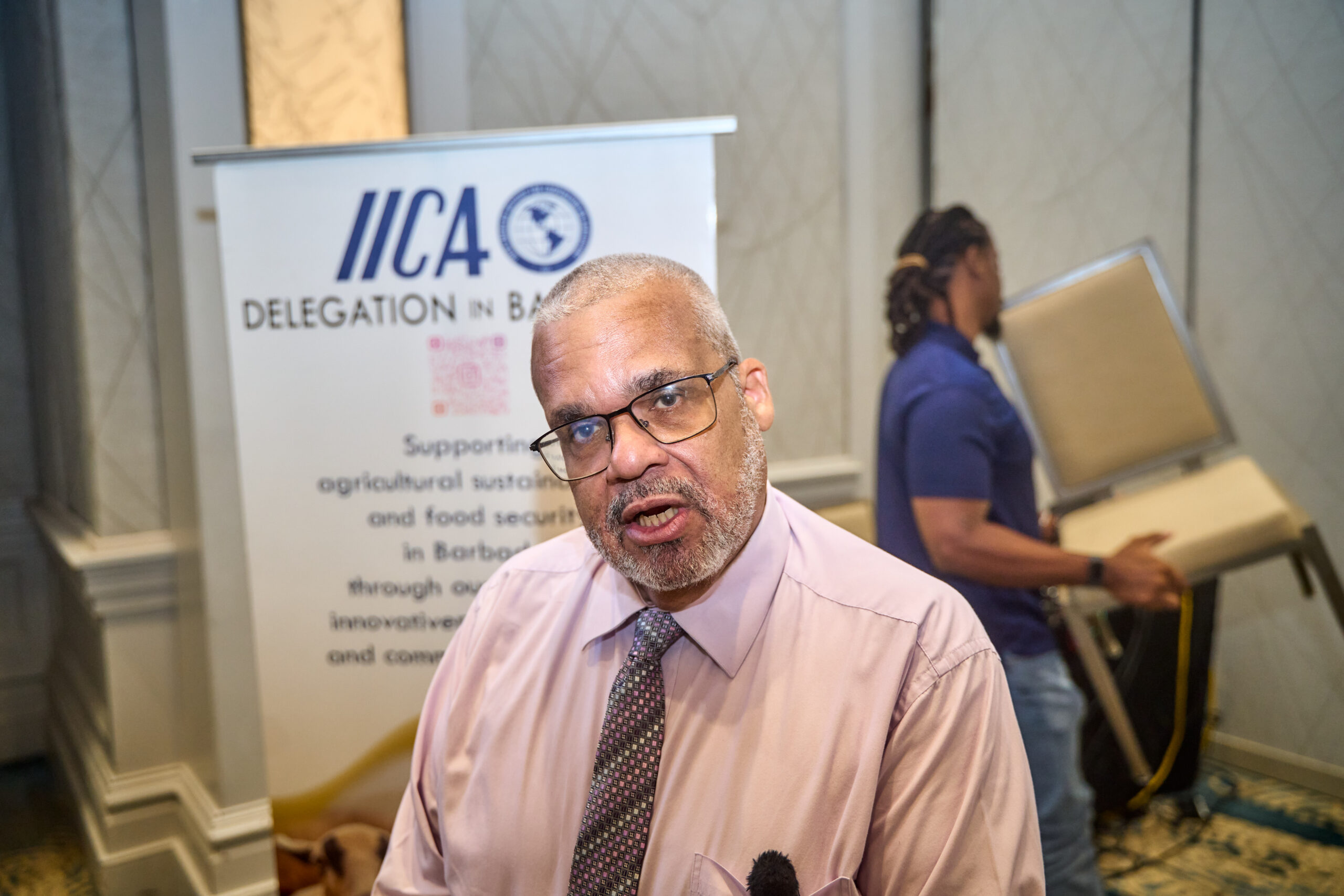
    Against a backdrop of increasing transboundary disease spread, Barbados’ top veterinary authority has issued a urgent call for the island nation to uphold robust monitoring, diagnostic testing, and biosecurity frameworks to safeguard both national food security and public health from invasive animal and foodborne pathogens. In an exclusive interview with Barbados TODAY, Chief Veterinary Officer Dr. Mark Trotman emphasized that the current absence of local outbreaks does not equate to the elimination of underlying risks, stressing that multiple dangerous diseases remain persistent, latent threats to the entire Caribbean region.

    Foremost among these threats is African swine fever, a highly contagious and deadly viral disease that affects domestic and wild swine. Trotman noted that the virus has never been fully eradicated from the Caribbean since it was first detected in the Dominican Republic nearly a decade ago. “It remains entrenched in the region, retains full virulence, and spreads extremely easily between populations,” he explained. “We cannot afford to lower our guard against this hazard at any point.”

    Trotman’s warning came during a regional workshop focused on rapid response protocols for African swine fever, held Tuesday at the Hilton Barbados Resort. The training event was coordinated by Barbados’ Ministry of Agriculture, in partnership with leading regional and international agricultural bodies including the Inter-American Institute for Cooperation on Agriculture (IICA) and the United States Department of Agriculture (USDA), and drew public health and veterinary professionals from across the Caribbean basin.

    Beyond African swine fever, Trotman named highly pathogenic avian influenza, more widely known as bird flu, as another ongoing, high-stakes threat. The disease has shifted from being primarily spread through international livestock trade to being carried by migratory wild birds, which pass through the Caribbean’s migratory corridors every single year as part of their seasonal travel routes. “This seasonal migration pattern creates a permanent risk that the virus will be introduced into Barbados’ domestic bird and poultry populations at any time,” Trotman said.

    Two additional transboundary animal diseases—foot-and-mouth disease, which affects cloven-hoofed livestock, and screwworm disease, a parasitic infection that targets warm-blooded animals—also top the island’s watchlist. Trotman described the steady spread of screwworm through South America, Central America, and into parts of the southern United States as “deeply alarming” and a reminder of how quickly animal diseases can expand their geographic range.

    Recent events in the United States further underscore the urgency of sustained preparedness, Trotman argued. Over the past 12 months, the U.S. has faced a string of widespread foodborne disease outbreaks linked to common pathogens including Salmonella, E. coli, Listeria monocytogenes, and Campylobacter. These outbreaks have been traced to a wide range of food products, from leafy greens and fresh berries to raw milk cheeses, pre-packaged ready-to-eat pasta salads, and undercooked poultry. Several of these outbreaks have spread across multiple U.S. states, prompting nationwide product recalls and widespread public health alerts.

    These incidents highlight a common public misconception, Trotman noted: many people fail to recognize that all food, particularly food of animal origin, carries inherent baseline risks that require active management. “A robust, continuously operating surveillance and testing system is non-negotiable to keep these risks under control,” he said.

    However, Trotman also warned that maintaining these critical protective systems faces consistent challenges, most notably resource constraints. “It’s all too common for vigilance to slip when there are no active outbreaks,” he explained. “Budgets get cut, staffing levels are reduced, and workforce gaps go unfilled. These incremental weaknesses can erode biosecurity infrastructure over time, creating openings for pathogens to take hold and spark an outbreak.”

    Even the most well-designed surveillance systems are not 100 percent foolproof, Trotman acknowledged, and outbreaks can still occur even with strong protections. But he stressed that the island nation’s single greatest defense against transboundary disease threats is sustained, unbroken vigilance, even when no local outbreaks are occurring. “We have to consistently maintain our biosecurity and monitoring mechanisms, even when it looks like there is no immediate danger. The threat is always present, lurking below the surface,” he said. “We can never afford to stop being alert.”

    In closing, Trotman emphasized that as global travel and trade continue to create pathways for diseases to cross international borders, failures in biosecurity and regulatory oversight can carry severe, long-lasting consequences for food systems and public health. “Outbreaks almost always trace back to a break in the biosecurity or regulatory controls we have in place. The threat is constant, so our preparedness must be constant too.”

  • The BDF Needs New Gear. Will Latest Tender Prevent a “Mira Millions 2.0”?

    The BDF Needs New Gear. Will Latest Tender Prevent a “Mira Millions 2.0”?

    In a move to modernize the Belize Defence Force (BDF)’s operational capabilities, Belize’s Ministry of National Defence and Border Security has launched a public competitive bidding process for new uniforms and tactical equipment, a development that has drawn close public scrutiny amid an ongoing audit into the ministry’s past questionable procurement practices. The tender, formally announced through the Government of Belize Press Office, covers four core categories of gear needed by the force: 8,000 sets of camouflage jackets and trousers, 1,000 pairs of jungle-specific combat boots, 1,000 jungle backpacks (bergens), and 1,000 sets of jungle webbing equipment. Interested vendors are eligible to submit bids for any combination of the four lots, opening the process to a wider pool of potential suppliers.

    The launch of this new tender comes at a sensitive moment for the ministry, which remains under a formal audit over the controversial Mira Millions procurement scandal, leading local journalists and public observers to question whether the new process will avoid repeating the alleged favoritism and corruption that marked the earlier incident. During a press interaction, local outlet News 5 directly pressed Ministry Chief Executive Officer Francis Usher on what guarantees exist to ensure the bidding is fair, and that contracts will not be awarded to pre-selected suppliers with close political ties to incumbent officials.

    In response, Usher emphasized that the new tender process includes a series of built-in procedural safeguards designed to prevent nepotism and favoritism. The entire process is being run through the central government’s standardized open procurement framework, with mandatory multi-stage reviews that extend beyond the defence ministry itself. “You must be a qualified bidder, that the bids are properly assessed, evaluated when submitted to the Ministry of Finance and thereafter the Contractor General,” Usher explained, outlining the layered review process.

    When pressed further on whether the same anti-favoritism safeguards failed during the earlier Mira Millions deal that is now under audit, Usher declined to comment on the ongoing investigation. “I think you’re jumping ahead to the findings of the audit. We should wait for the findings of the audit before we jump to any conclusion,” he stated. Usher reaffirmed that the multi-step review structure is designed to guarantee full transparency, fair competition, and value for public money for the BDF, noting that “All of these are steps in the process that ensure that the process is open, it’s fair, and that we get quality for the Belize Defense Force.”

    Beyond addressing immediate equipment needs, Usher confirmed that the tender is a core component of a broader three-year initiative to recruit new personnel and upgrade all BDF equipment, a plan that has already received formal approval from both the National Security Council and the national Cabinet.

  • Minister Greene and Commonwealth Secretary-General Review Final CHOGM 2026 Preparations and Ministerial Priorities

    Minister Greene and Commonwealth Secretary-General Review Final CHOGM 2026 Preparations and Ministerial Priorities

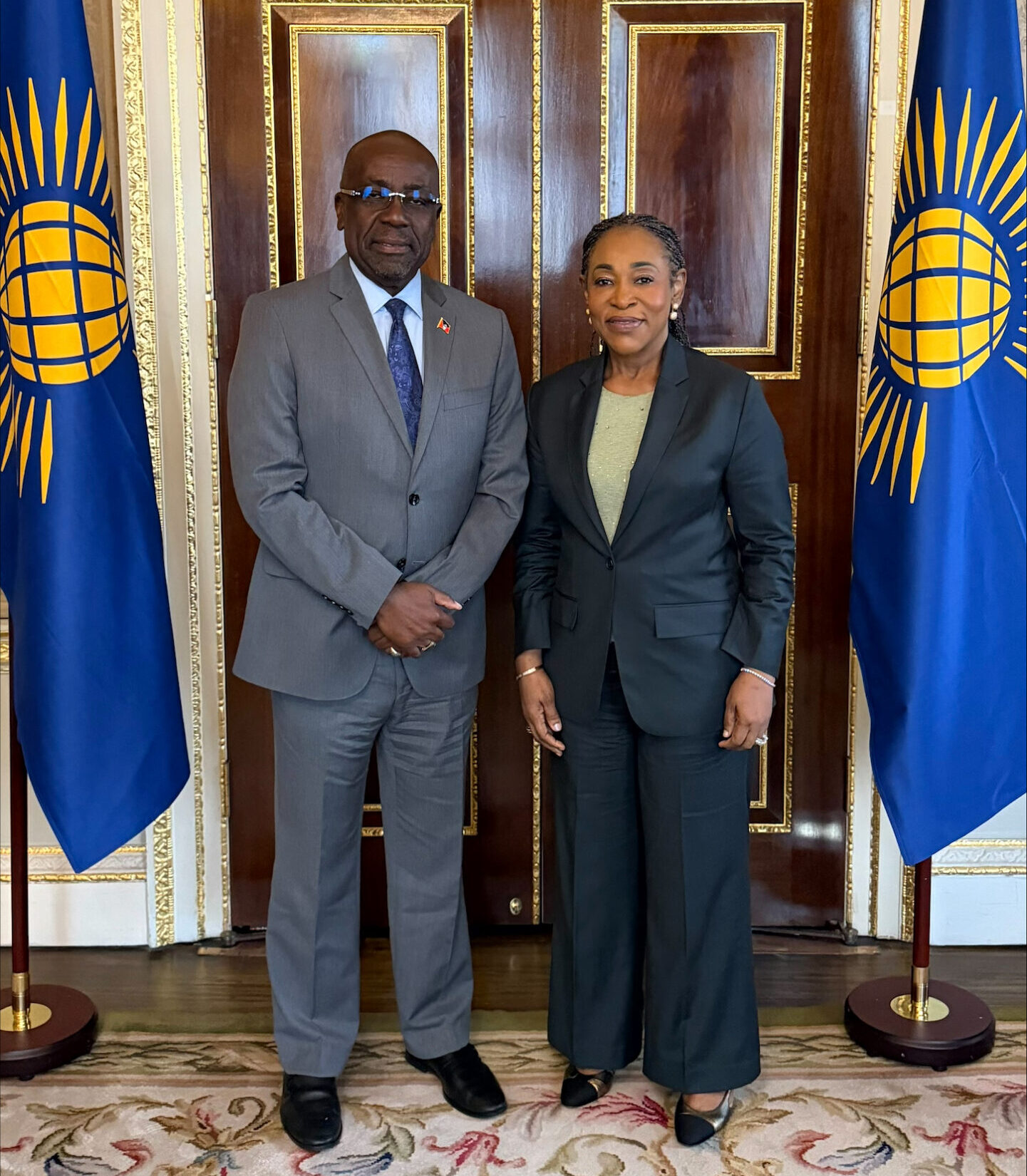
    With just two months remaining until the 2026 Commonwealth Heads of Government Meeting (CHOGM) kicks off in St. John’s, Antigua and Barbuda, senior leaders from the island nation and the Commonwealth Secretariat have held critical high-level consultations to lock in last-minute preparations, align on unaddressed priorities, and boost cross-party coordination ahead of the November 1–4 summit.

    Antigua and Barbuda’s Minister of Foreign Affairs, Trade and Immigration E.P. Chet Greene led his country’s delegation in talks with Commonwealth Secretary-General Shirley Botchwey, a gathering that comes as the host nation enters the final stretch of planning for the landmark gathering of Commonwealth leaders. The dialogue covered every dimension of summit readiness, from organizational logistics to core substantive policy agendas, flagging outstanding issues that require targeted attention ahead of the opening of the summit.

    A central focus of the meeting was previews of planning for two high-stakes ministerial gatherings that will run alongside the main CHOGM event: the 27th Commonwealth Foreign Affairs Ministers Meeting (CFAMM) and the Commonwealth Ministerial Meeting on Small States (CMMSS). Minister Greene received detailed updates on the development of both meetings’ agendas, key policy themes being advanced, and ongoing coordination requirements as the November date approaches.

    Discussions also touched on follow-up actions from the 26th CFAMM, held earlier this year. The 27th CFAMM, scheduled to take place during CHOGM 2026, will give foreign ministers from across the Commonwealth a critical space to deliberate on core shared policy priorities and refine the Commonwealth’s substantive agenda ahead of heads of government deliberations.

    Particular focus was placed on preparations for CMMSS, a gathering that carries special weight for host nation Antigua and Barbuda, which has a long track record of championing the interests of Small Island Developing States (SIDS) and small Commonwealth member states. The 2026 CMMSS will be co-chaired by Antigua and Barbuda and the Maldives, and will serve as a dedicated forum for small states to align their shared positions and advance their priority policy goals before heads of government begin their own discussions. Key issues expected to be centered at the meeting include climate and economic vulnerability, resilience building, improved access to development finance, and inclusive sustainable economic growth – all longstanding advocacy priorities for Antigua and Barbuda.

    Joining Minister Greene at the talks were Her Excellency Karen-Mae Hill, Antigua and Barbuda’s High Commissioner to the United Kingdom and National Focal Point for CHOGM 2026, and Caleb Gardiner, Third Secretary at the Antigua and Barbuda High Commission in London. High Commissioner Hill emphasized that consistent, ongoing engagement with the Commonwealth Secretariat, the UK government, and other key partner stakeholders is foundational to delivering a successful summit.

    Both Minister Greene and High Commissioner Hill stressed that the host nation is prioritizing both operational excellence and meaningful, lasting outcomes from the 2026 summit. Preparations are not only focused on smoothly hosting more than 50 heads of government and thousands of delegates, but also on fostering an environment where all member states can advance practical cross-national cooperation and deliver outcomes that deliver long-term value to the entire Commonwealth bloc.

    The recent consultations with the Secretary-General have further cemented the close working partnership between the Government of Antigua and Barbuda and the Commonwealth Secretariat as both entities move through the final phases of preparation. The meeting forms part of a broader series of consultations being led by Minister Greene, designed to ensure that Antigua and Barbuda enters the November summit fully prepared not just as a host, but as an active leader in shaping a focused, relevant, and forward-looking agenda for the entire Commonwealth.

  • Historic virtual hearings at District ‘C’ court

    Historic virtual hearings at District ‘C’ court

    Barbados’ criminal justice system has marked a landmark shift into digital judging with the launch of permanent virtual court hearings at District ‘C’ Magistrates’ Court, a reform designed to tackle long-running case backlogs, simplify logistics for transporting remand prisoners and speed up routine proceedings before in-person court sessions begin each day.

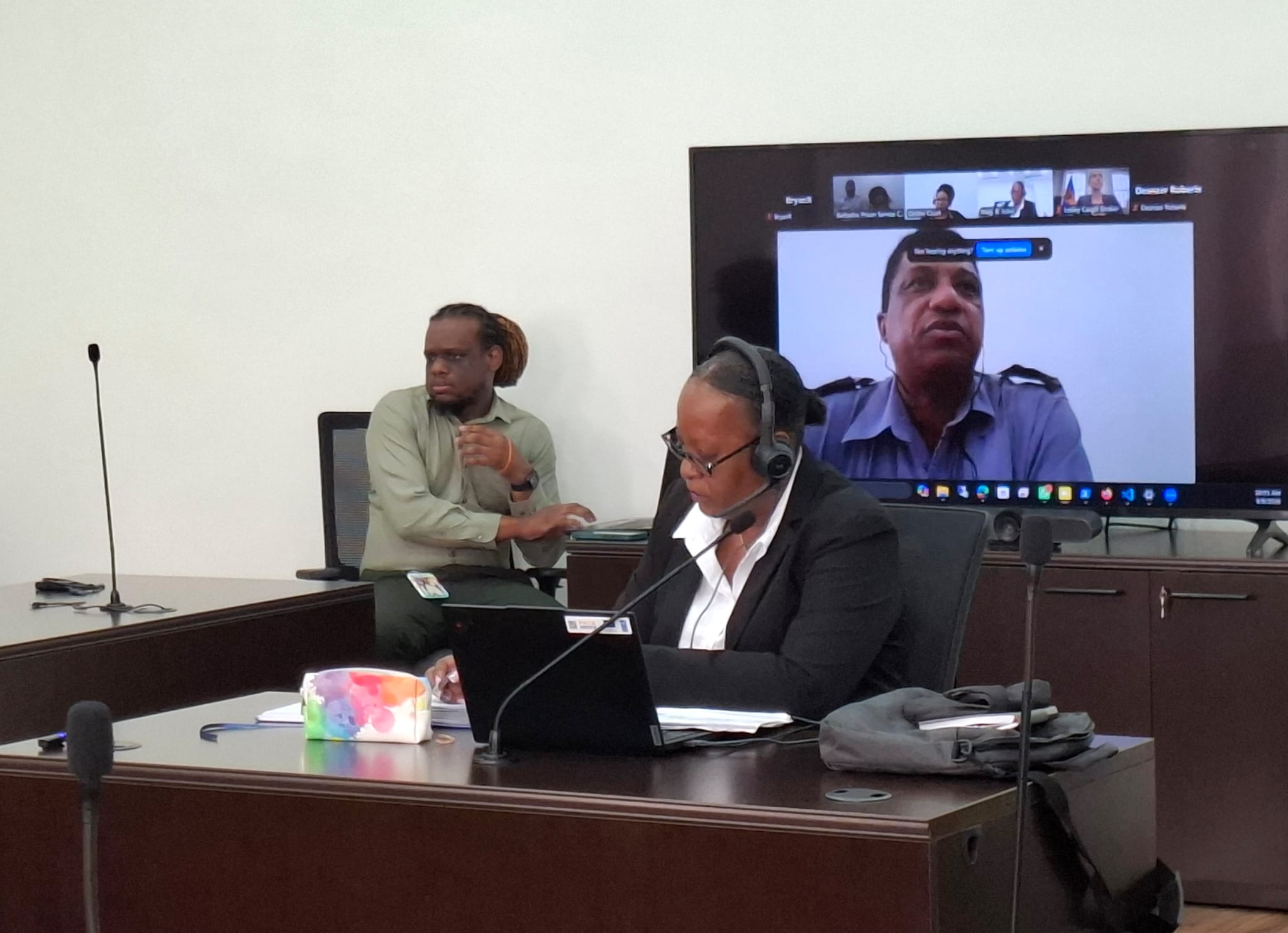
    The first official virtual session, held Tuesday, was hosted from the David Simmons and Henry Forde Legal and Judicial Complex on Coleridge Street, with Magistrate Bernadeth John presiding. Reporters invited to observe the inaugural hearing confirmed that all parties – the accused, his defense attorney and the prosecuting attorney – joined remotely via the digital platform without any technical disruptions.

    Following the successful first session, Minister of Legal Affairs and Criminal Justice Michael Lashley described the rollout as a historic turning point for Barbados’ judiciary, framing digital integration as a critical solution to the system’s long-standing structural bottlenecks. Lashley emphasized that shifting routine, low-stakes matters to a virtual platform delivers widespread time and efficiency gains for every stakeholder in the legal process, most notably eliminating unnecessary security and logistical burdens associated with moving remand prisoners across the island.

    “Why would we transport a prisoner who only needs a 28-day remand extension, with no disclosure or legal arguments required, just to get that new date set?” Lashley asked. “With virtual hearings, the entire proceeding can be completed remotely, the matter adjourned, and the date set without the need for in-person attendance. If a magistrate determines a submission needs to be held in person, that arrangement can still be made. This is an enormous step forward for making our court system far more efficient.”

    District ‘C’ currently operates in shared physical space at the Oistins Magistrates’ Court, meaning all of its proceedings are forced to start no earlier than 12:30 p.m. each day, after Oistins’ daily sessions conclude. Under the new hybrid digital model, magistrates can clear up to 10 low-complexity, routine remand cases via virtual teleconference before in-person sessions begin each morning, directly cutting into the court’s chronic backlog.

    While the virtual hearing program is currently operating under a temporary court practice direction, Lashley confirmed that legislative updates to the Magistrates’ Court Act are already in the works to formalize the reform. Lashley noted that limited virtual hearings were tested at the magistrate level during the COVID-19 pandemic, but this rollout represents the first permanent expansion of the system. Future plans include rolling out virtual hearings to other jurisdictions across the country, starting with District ‘A’, alongside upgrades to digital court reporting, transcription and digital evidence management.

    Beyond operational efficiency, Lashley emphasized that the new digital system will advance core judicial principles of transparency and public access to justice. “Open court is central to access to justice, so I have no issue with the public receiving links to listen to proceedings,” he said. “We will also make links available to the families of remand prisoners so they can stay updated on their loved ones’ cases.”

    Addressing common concerns around maintaining attorney-client privilege in remote proceedings, Lashley explained that the system already includes private breakout rooms for confidential consultations, mirroring the proven framework already used for virtual proceedings in Barbados’ High Court. For self-represented litigants who lack access to digital technology, as well as parties involved in complex trials that require physical document filing, all in-person accommodations will remain available, preserving access to justice for all groups.

    Lesley Cargill-Straker, convenor of the Criminal Law Committee, echoed broad support for the reform, noting it will drastically streamline daily workflows for both legal practitioners and court administrative staff. Echoing the challenge of shared court space at District ‘C’, she noted that the ability to clear low-contentious remand matters in the morning will eliminate hours of wasted time for attorneys and defendants alike.

    “We’re starting first with prisoners and individuals on remand who only need a new hearing date and simple case updates – no contentious matters – which cuts out so much unnecessary travel and waiting,” Cargill-Straker explained. She added that the inaugural session went smoothly for the remote defendant, who reported comfort with the process and was able to raise his concerns about file readiness, which the magistrate addressed promptly.

    Cargill-Straker offered a measured update on public access rules, clarifying that while immediate access is already available to legal stakeholders, court staff and defendants’ families, formal guidelines for broader public distribution of virtual hearing links are still being finalized through judicial review. For cases that require physical documentation, affidavits, or in-person live testimony, hybrid arrangements will remain in place: all matters requiring physical attendance will be scheduled for the afternoon in-person sessions, ensuring the digital transition improves flexibility without compromising any elements of due process.

    With expansion to other magistrate court districts planned in the coming weeks, judicial and government officials remain optimistic that this shift to a modern, digital judicial system will deliver long-term, widespread benefits for magistrates, defense counsel, defendants, and the Barbadian public.