作者: admin

  • Iran zet in op uithoudingsvermogen en energieverstoring in strijd tegen VS en Israël

    Iran zet in op uithoudingsvermogen en energieverstoring in strijd tegen VS en Israël

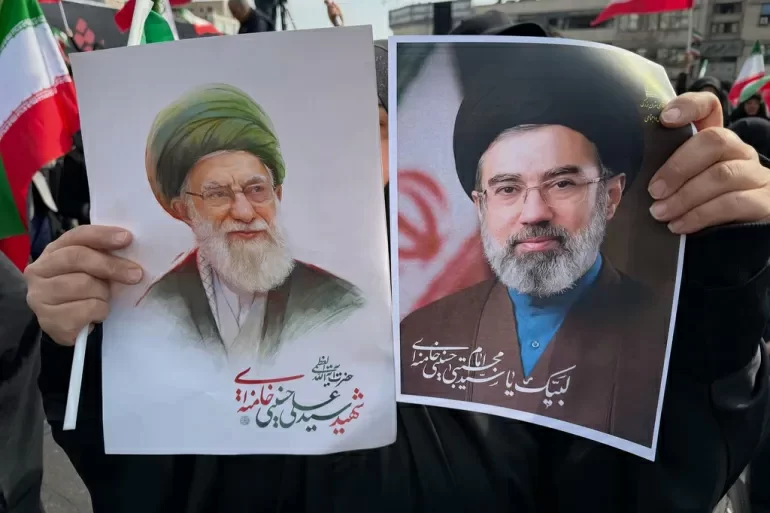
    Iran is executing a calculated strategy of attrition against the United States and Israel, emphasizing economic disruption and psychological pressure over conventional military superiority, according to regional security analysts. The Islamic Revolutionary Guard Corps (IRGC) maintains firm control over battlefield operations despite the loss of Supreme Leader Ayatollah Ali Khamenei in initial attacks, with experts noting the organization’s consolidation of power through the appointment of Mojtaba Khamenei as new Supreme Leader.

    The conflict has evolved into an existential struggle for Tehran, which analysts Fawaz Gerges of London School of Economics and Alex Vatanka of Middle East Institute describe as resembling a ‘wounded but increasingly dangerous animal.’ Iran’s military approach focuses on maximizing economic damage throughout the Gulf region, targeting energy infrastructure from Qatar to Saudi Arabia to increase costs for neighboring countries, European partners, and the United States while testing Washington’s political resolve.

    Despite President Donald Trump’s commitment to continue hostilities until Iran’s complete defeat, the confrontation appears to be transforming into a prolonged war of endurance. U.S. intelligence sources indicate significant depletion of Iran’s missile arsenal, though regional assessments suggest Tehran retains more than half of its pre-war stockpile, sufficient to sustain attacks for several weeks.

    Within Iran, daily life demonstrates remarkable resilience with shops and banks remaining operational during bombardements. The population shows no signs of mass protests or elite fragmentation, instead displaying strengthened national solidarity that potentially allows the regime to adapt to a war economy and consolidate control.

    Global markets are already feeling the conflict’s impact, with oil prices reaching record highs not seen since 2022. Brent crude surged due to disruptions in the Strait of Hormuz, a critical chokepoint for global oil exports, while aluminum prices also rose significantly indicating broader commodity market instability.

    Rising energy costs have triggered rationing measures and distribution restrictions worldwide, with multiple countries implementing temporary fuel sales regulations to prevent shortages. This creates increasing pressure on households and industries while heightening political tensions across multiple regions.

    Chinese Foreign Minister Wang Yi recently emphasized the global necessity for peace, stability, and dialogue, describing the Middle East situation as entering a delicate and dangerous phase where military escalation offers no solution. China advocates for immediate ceasefire and political dialogue with respect for national sovereignty and non-interference principles.

    The coming weeks will prove crucial as Iran bets on political exhaustion of its adversaries while the U.S. and Israel prepare to maintain military pressure. Regardless of outcome, the conflict has created an injured and unpredictable actor capable of further disrupting regional and global balance.
  • Greene Holds Bilateral Talks with Canadian Official at Commonwealth Ministers Meeting in London

    Greene Holds Bilateral Talks with Canadian Official at Commonwealth Ministers Meeting in London

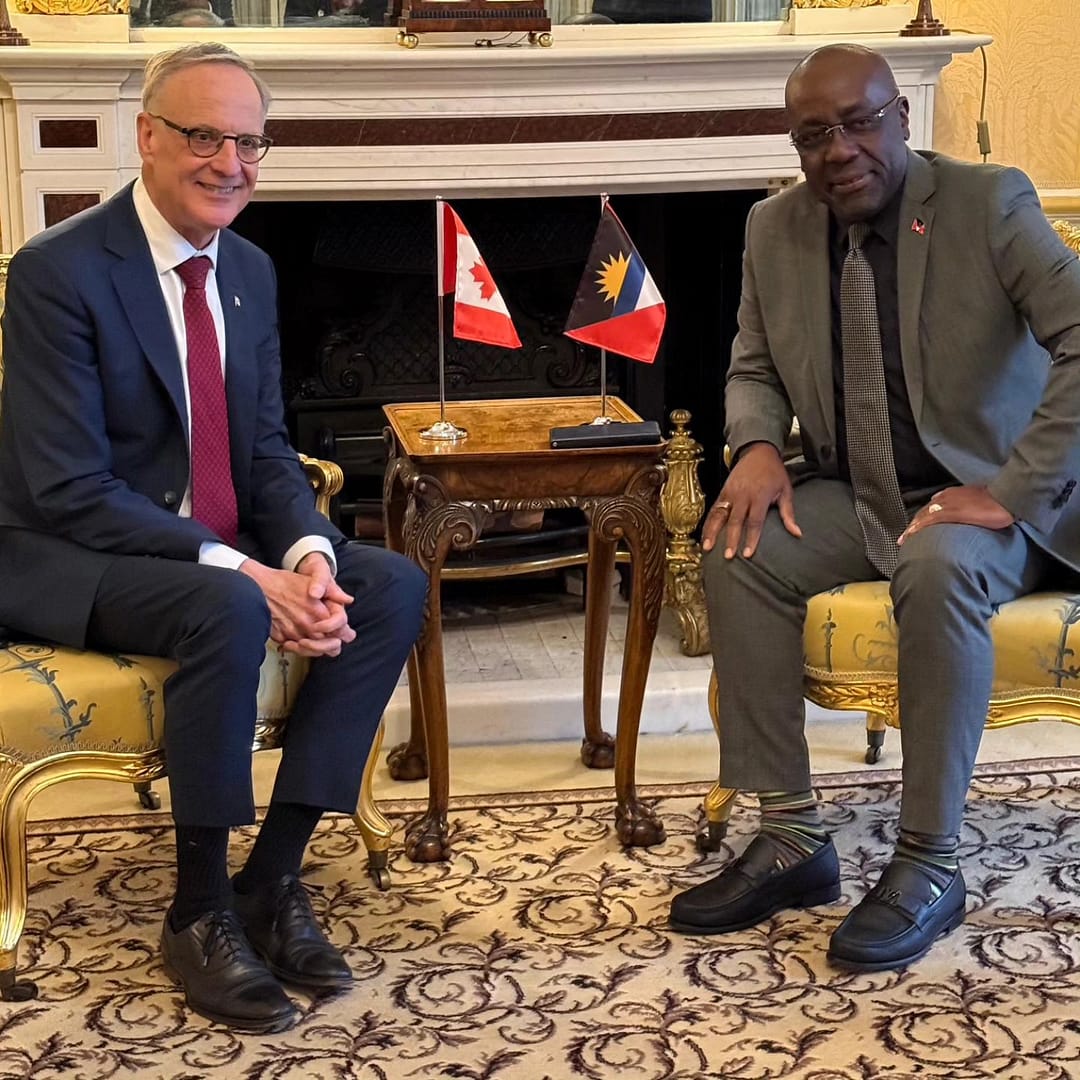
    In a significant diplomatic engagement on the sidelines of the Commonwealth Foreign Affairs Ministers Meeting in London, Antigua and Barbuda’s Foreign Minister E.P. Chet Greene convened substantive talks with Canadian Parliamentary Secretary for Foreign Affairs Robert Oliphant. The bilateral discussion, facilitated by the Antigua and Barbuda High Commission in the United Kingdom, centered on revitalizing the Commonwealth’s contemporary role and strategic positioning ahead of the forthcoming Commonwealth Heads of Government Meeting.

    The high-level dialogue addressed critical issues affecting Small Island Developing States (SIDS), with particular emphasis on building systemic resilience against environmental and economic vulnerabilities. Both nations explored mechanisms to bolster the rule of law as a cornerstone of democratic institutions and governance frameworks. The conversation further extended to collaborative strategies for mitigating global de-risking phenomena—where financial institutions reduce exposure to certain jurisdictions—and navigating complex geopolitical shifts.

    Minister Greene and Parliamentary Secretary Oliphant unanimously emphasized the indispensable value of multilateral cooperation, pledging to enhance their collaborative efforts within the Commonwealth architecture. This meeting underscores the ongoing commitment between Caribbean nations and traditional Commonwealth partners to address shared challenges through coordinated diplomatic channels.

  • Omar Fernández reintroduces bill to eliminate tax advance for MSMEs

    Omar Fernández reintroduces bill to eliminate tax advance for MSMEs

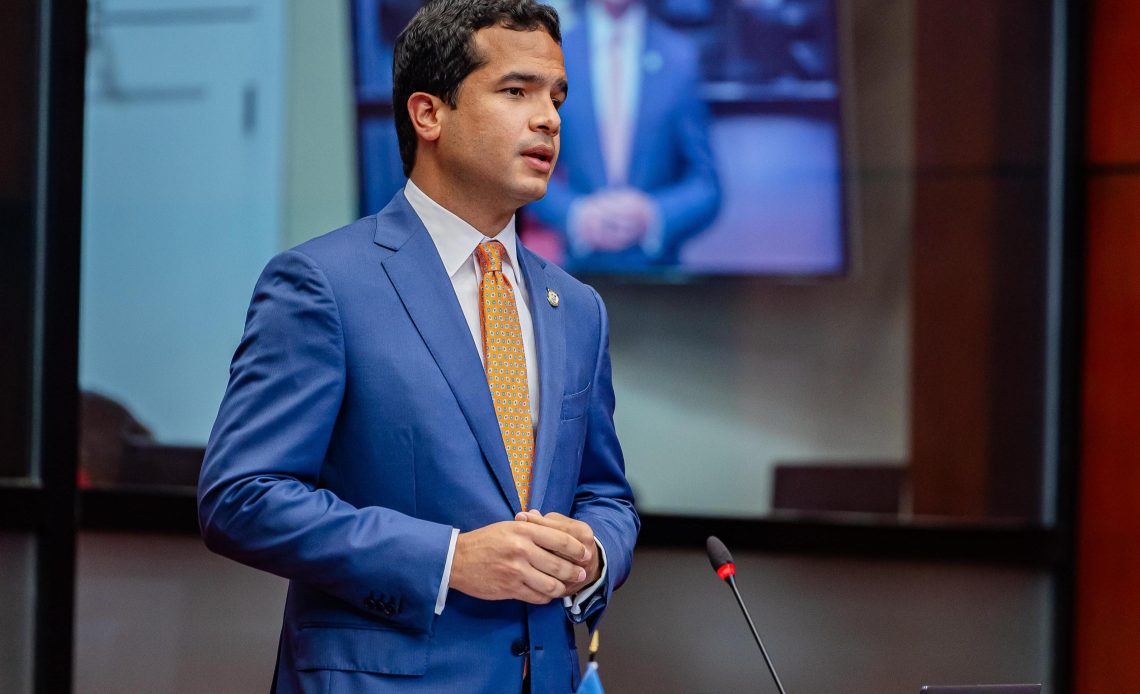
    SANTO DOMINGO – In a significant legislative move aimed at bolstering small business viability, National District Senator Omar Fernández has once again tabled a proposal to exempt micro, small, and medium-sized enterprises (MSMEs) from mandatory advance income tax payments. This marks the fourth occasion the senator has introduced this initiative, underscoring a persistent effort to reform fiscal policy for Dominican Republic’s smaller economic players.

    The contentious advance payment mechanism requires businesses to prepay income tax based on projected future profits. Senator Fernández contends this system creates an undue financial strain by compelling companies to pay taxes on revenue they have not yet realized, thereby severely constricting their operational liquidity and growth potential. He emphasized that with over 85% of nationally registered enterprises falling into the micro or small category, establishing a more supportive tax framework is critical for national economic development.

    Fernández further argued that the proposed elimination would have a negligible adverse effect on overall government tax revenues, while simultaneously acting as a catalyst for enhanced economic dynamism and entrepreneurship. The senator’s legislative agenda extends beyond this single measure, incorporating additional proposals to abolish property tax double taxation for seniors over 65, eradicate mortgage-related taxes, remove advance tax obligations for the agricultural industry, streamline tax compliance procedures, and initiate comprehensive modernization of the nation’s commercial and judicial frameworks.

  • Young Women Debate Cannabis Policy in Mock Parliamentary Sitting

    Young Women Debate Cannabis Policy in Mock Parliamentary Sitting

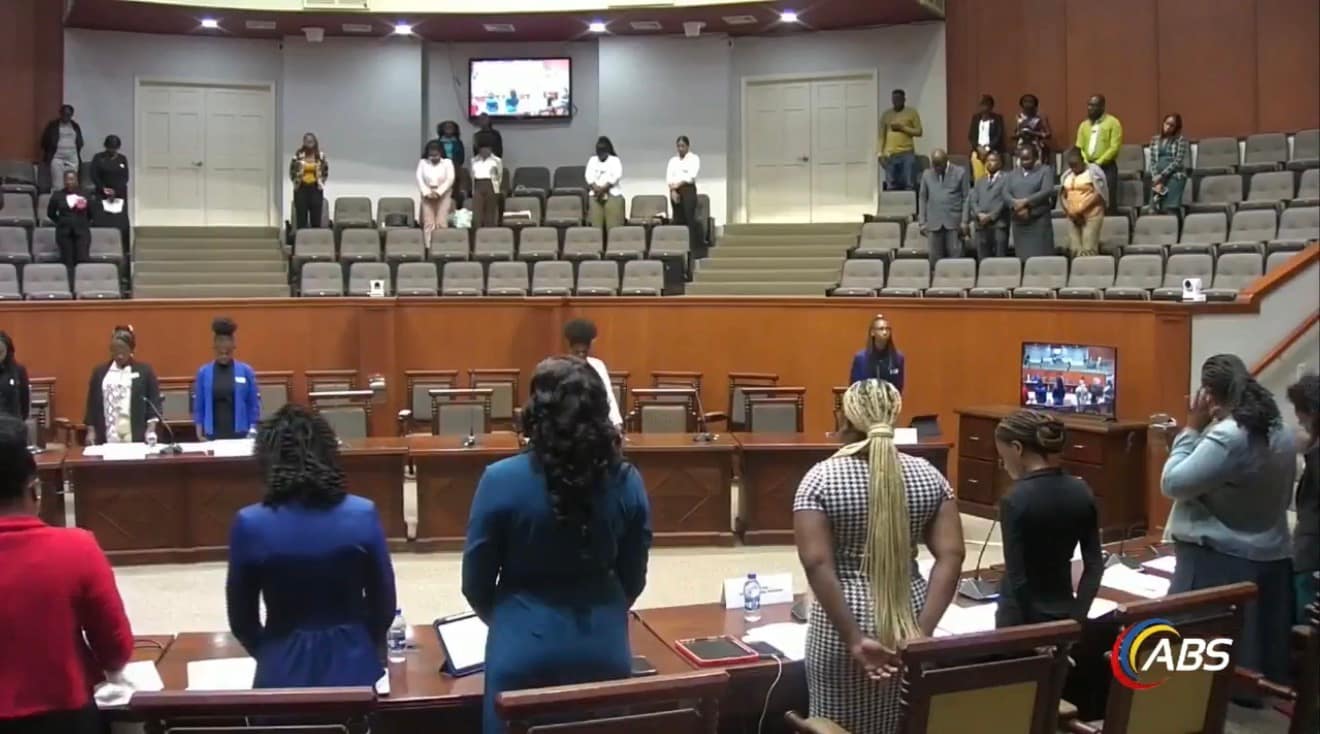
    In a dynamic demonstration of civic engagement, participants of Antigua and Barbuda’s Young Women in Leadership programme convened a mock parliamentary session to debate cannabis legislation reform during International Women’s Day observances. The special sitting featured a comprehensive examination of a proposed motion to establish a Joint Select Committee tasked with reviewing existing cannabis laws through both human rights and gender-responsive perspectives.

    The parliamentary simulation focused on the Cannabis Act 2022 and related drug amendments, with proponents arguing that periodic legislative reviews are essential for maintaining relevance in an evolving society. One delegate emphasized that “a responsible government does not just pass reforms, it safeguards and ensures that its citizens are taken care of,” advocating for integrated educational campaigns within any revised cannabis policy framework.

    Advocates maintained that a specialized committee would enable thorough consultation with experts and community stakeholders while assessing the socioeconomic and public health implications of recent cannabis reforms. Supporters further contended that structured evaluation could identify deficiencies in public education, law enforcement protocols, and regulatory mechanisms while simultaneously fostering youth protection and economic inclusion within the emerging cannabis sector.

    The opposition voiced skepticism regarding the necessity of establishing new parliamentary structures, noting that significant legislative reforms had already been implemented in recent years. One participant cautioned that premature revisiting of the legal framework could generate policy uncertainty, suggesting that society required additional time to adapt to existing changes.

    Alternative proposals emerged suggesting that current government institutions already possess sufficient expertise to conduct legislative analysis without creating additional bureaucratic layers. Health concerns featured prominently in the discourse, with references to regional data indicating substantial marijuana usage among student populations and calls for science-based decision-making in future policy considerations.

    Despite divergent perspectives, the deliberation underscored the multifaceted nature of cannabis policy, intersecting with criminal justice, economic development, public health, and human rights considerations. Program organizers designed the exercise to provide practical experience in parliamentary procedures while stimulating informed dialogue on national policy matters. The leadership initiative aims to cultivate future female leaders by enhancing capabilities in public address, legislative debate, and governance principles.

  • UN raises alarm over humanitarian impact as Middle East conflict intensifies

    UN raises alarm over humanitarian impact as Middle East conflict intensifies

    WASHINGTON, DC – United Nations agencies are issuing grave warnings about the rapidly deteriorating humanitarian situation across the Middle East as military conflicts intensify. With escalating violence creating widespread civilian casualties and infrastructure damage, populations in Iran, Iraq, and Lebanon face unprecedented risks according to UN assessments.

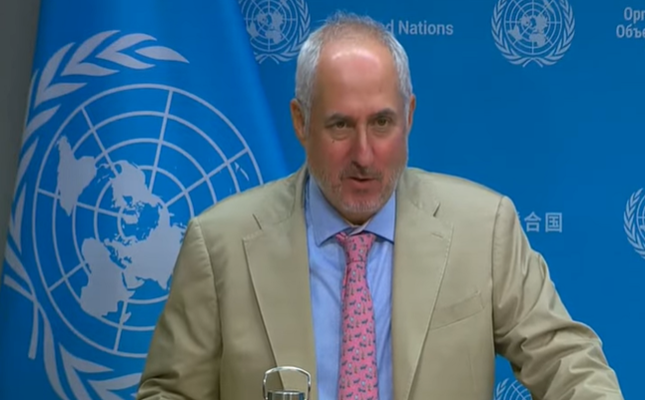
    During a March 9th press briefing at UN Headquarters in New York, Secretary-General spokesperson Stéphane Dujarric expressed particular concern about reported strikes targeting oil installations. “Attacks on such facilities could trigger severe environmental consequences with far-reaching impacts on air quality and water security,” Dujarric stated, emphasizing that environmental fallout could affect millions of civilians.

    The warnings come amid heightened tensions between the United States, Israel, and Iran. The Trump administration has initiated military operations targeting Iranian leadership with reported Israeli support, conducting multiple strikes against government-linked facilities. Iran has responded with retaliatory attacks against U.S. military installations in allied nations including Bahrain, United Arab Emirates, and Qatar, resulting in significant infrastructure damage and seven confirmed U.S. military fatalities.

    Lebanon faces particularly severe humanitarian deterioration, with UN agencies reporting extensive damage to civilian infrastructure. Evacuation orders remain enforced across southern Lebanon and Beirut’s southern suburbs, displacing large population segments. Health services have been critically compromised with five hospitals and dozens of primary healthcare centers forced to suspend operations due to ongoing violence.

    Humanitarian organizations continue providing assistance despite resource constraints, distributing hot meals, bedding, hygiene supplies, and over 80,000 liters of fuel to support tens of thousands of displaced persons. Children affected by the crisis are receiving psychosocial support and alternative education programs where possible.

    The UN emphasizes that international support is urgently needed to address rapidly growing humanitarian needs. Dujarric reiterated calls for full implementation of UN Security Council Resolution 1701, which aims to maintain stability along the Israel-Lebanon border, noting this will be central to ongoing diplomatic efforts.

  • Abinader travels to Chile for inauguration of José Antonio Kast

    Abinader travels to Chile for inauguration of José Antonio Kast

    Santo Domingo – In a significant diplomatic engagement, Dominican Republic President Luis Abinader embarked on an official visit to Chile to witness the presidential inauguration of José Antonio Kast, who will govern the South American nation from 2026 through 2030. The ceremonial transfer of power occurred at Chile’s National Congress building in Valparaíso, marking a pivotal moment in the country’s political landscape.

    Following his arrival, President Abinader joined fellow international dignitaries for a formal reception with outgoing President Gabriel Boric at La Moneda Palace in Santiago. The Dominican delegation featured First Lady Raquel Arbaje, their daughter Adriana Abinader Arbaje, and Foreign Minister Roberto Álvarez, demonstrating the importance both nations place on bilateral relations.

    The day’s proceedings included the official swearing-in ceremony of President Kast and his newly appointed cabinet members, followed by an exclusive luncheon hosted by the incoming president and First Lady María Pía Adriasola for visiting world leaders. The event gathered prominent figures from across the globe, including Argentina’s Javier Milei, Brazil’s Luiz Inácio Lula da Silva, Ecuador’s Daniel Noboa, and Spain’s King Felipe VI, highlighting the international significance of Chile’s democratic transition.

    President Abinader’s participation underscores the Dominican Republic’s commitment to strengthening diplomatic ties with Latin American partners and observing democratic processes throughout the region. The visit concluded with the Dominican leader’s scheduled return to Santo Domingo following the completion of all official ceremonies.

  • Column: President Jennifer Simons wordt flink beproefd

    Column: President Jennifer Simons wordt flink beproefd

    Suriname’s President Jennifer Simons faces a critical governance challenge as her administration’s promised anti-corruption campaign confronts mounting transparency issues across multiple state-owned enterprises. The President, who had emphatically pledged during her electoral campaign to combat corruption “without pardon” regardless of position or political affiliation, now oversees a series of escalating scandals that threaten to undermine public trust.

    The unfolding investigations reveal a pattern of irregularities throughout Suriname’s state apparatus. At LVV, multiple malversation probes remain ongoing, including an unfinished investigation into the previous management of the Milk Center. The situation worsened when the new director and deputy director of the Milk Center were compelled to resign after signing contracts with the State Health Fund for services at exorbitant rates, though their official termination status remains unclear.

    January witnessed the suspension of Grassalco CEO Wesley Rozenhout from the mining sector enterprise, which manages substantial interests including operations in Guyana. Concurrently, Guysure faces persistent questions regarding its share structure involving five individuals, creating tensions without satisfactory explanations.

    The State Health Fund itself saw its director dismissed, yet a comprehensive and transparent account of the facts and subsequent resolution remains elusive. Similarly, the Foundation for Forest Management and Supervision suspended Director General Ruben Ravenberg and terminated his contract after discovering his appointment violated established procedures through two separate contracts—one unknown to the board and involving only the minister and director. Ravenberg has engaged legal counsel and announced intentions to return to work, setting the stage for confrontation.

    At energy company EBS, tensions between CEO Leo Brunswijk, the executive board, and supervisory directors have escalated to the point where board members refused to meet under Leo’s leadership. Although President Simons discussed the matter on Monday, no official statement has emerged regarding the outcome.

    The central issue emerging across these cases is the administration’s failure to provide adequate transparency—a particularly sensitive matter given President Simons’ campaign promises of open governance. When officials face suspension, dismissal, or pressure without clear explanation, public distrust inevitably grows, undermining the fundamental confidence necessary for state enterprises to function effectively.

    President Simons now confronts a significant test of leadership—not because she bears personal responsibility for every institutional failure, but because her administration’s handling of these cases will determine whether Suriname truly transitions from the era of selective justice and cronyism that voters rejected.

  • Macmillan Education Caribbean Announces Winners of Regional Poetry Competition

    Macmillan Education Caribbean Announces Winners of Regional Poetry Competition

    Macmillan Education Caribbean has unveiled the distinguished winners of its Language Tree New Branches: Poetry Competition, recognizing exceptional literary talent across the Caribbean region. The 2026 contest attracted substantial participation with 99 original submissions from 13 countries, demonstrating vibrant poetic expression throughout the educational community.

    Participants competed across three distinct categories: Primary School Students, Lower Secondary School Students, and Teachers. The competition received 30 entries from primary students, 21 from lower secondary students, and an impressive 48 submissions from educators. Poetic works explored diverse themes including natural environments, culinary traditions, cultural festivals, marine life, and meteorological phenomena.

    Julia Sander, the presiding competition judge, reported exceptionally high standards across all categories. The judging panel noted particular admiration for the creative imagination and linguistic artistry displayed throughout the submissions, which significantly complicated the final selection process.

    In the Primary School division, Celine Rolle from St. Andrews Anglican School in Exuma, The Bahamas, claimed first honors with her composition ‘Let’s Make Tropical Conch Salad,’ a culinary-themed poem celebrated for its vibrant sensory language and rhythmic excellence. Bahamian student Bethany Barr secured second position, while third place recognition was jointly awarded to Antoinette Kissoon of Trinidad and Tobago and K’Ronjae Liburd from Nevis.

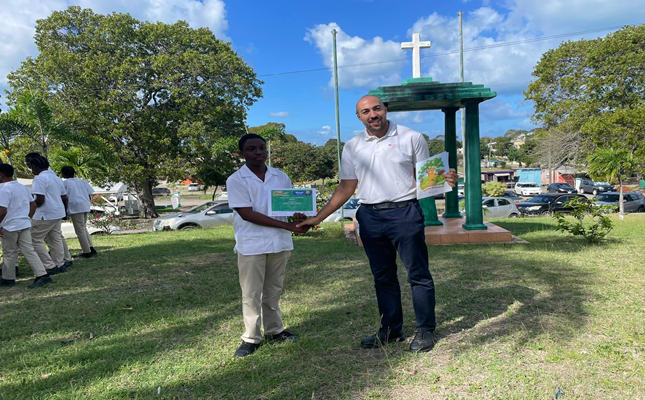
    The Lower Secondary category crowned Shakeir Tafarie Thomas of Antigua Grammar School as champion for his emotionally resonant poem ‘Nature,’ which artfully contrasted natural beauty with environmental concerns while maintaining hopeful undertones. Second place was awarded to Denae Tehya Laelle Bontiff (Antigua and Barbuda), with third position going to Jamaica’s Adryanna Fowler.

    Educator Sasha Maynard of Charles E. Mills Secondary School in St. Kitts and Nevis triumphed in the Teachers category with ‘Christmas in Saint Kitts,’ a festival-themed work acclaimed for its harmonious balance of religious significance and cultural celebration. Jamaican teacher Ambrosia Oladele earned second place, while Cheyenne K. V. Maynard from St. Kitts and Nevis received third place recognition.

    All winning compositions have been memorialized in a special edition poetry publication produced by Macmillan Education, serving as an anthology of Caribbean creative writing excellence. The organization extended congratulations to all participants, emphasizing the competition’s primary objective of fostering literacy development, creative expression, and enduring appreciation for poetic arts throughout the Caribbean region.

  • Dominican Republic and Guatemala to sign port cooperation agreement

    Dominican Republic and Guatemala to sign port cooperation agreement

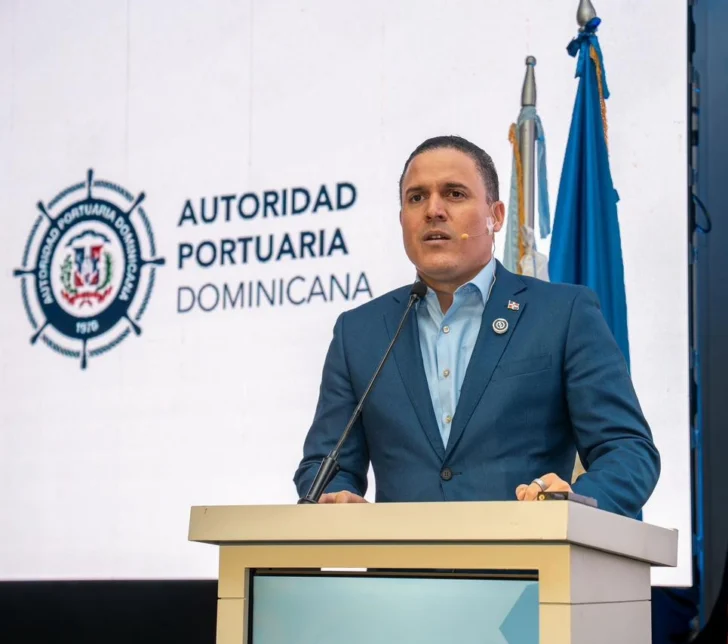
    In a significant move to enhance maritime infrastructure collaboration, the Dominican Port Authority (APORDOM) and Guatemala’s National Port Commission are formalizing a bilateral partnership through a Memorandum of Understanding. The agreement, scheduled for signing in late March, will establish a framework for technical and institutional cooperation between the two nations’ port sectors.

    The signing ceremony will occur during an official technical visit by Guatemalan port officials to the Dominican Republic, where APORDOM Executive Director Jean Luis Rodríguez and National Port Commission President Leonel Alberto Molina Cabrera will execute the document. The partnership is founded on principles of reciprocity and mutual benefit, creating channels for knowledge exchange and collaborative port development initiatives.

    The Guatemalan delegation will conduct extensive site visits to strategic Dominican maritime facilities, including the Port of Río Haina and Port of Caucedo, to observe operational best practices firsthand. The collaboration will specifically focus on port planning methodologies, modernization strategies, digital transformation processes, and management optimization techniques.

    This four-year agreement establishes mechanisms for joint project development, specialized training programs, research partnerships, and technology sharing. The cooperation will extend to critical areas such as port governance models, environmental sustainability practices, security protocols, and technological innovation implementation. The partnership represents a strategic alignment between Caribbean and Central American maritime interests, potentially creating new standards for regional port operations and economic cooperation.

  • Schorsing SBB-directeur leidt tot juridische strijd; Ravenberg gaat dinsdag toch aan het werk

    Schorsing SBB-directeur leidt tot juridische strijd; Ravenberg gaat dinsdag toch aan het werk

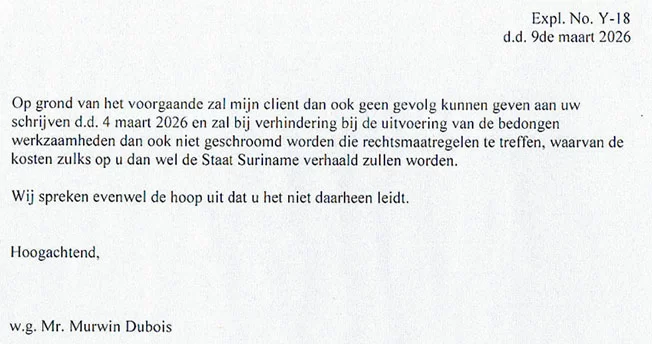
    A significant institutional conflict has emerged between Suriname’s Foundation for Forest Management and Supervision (SBB) and the Ministry of Land Policy and Forest Management (GBB) following the suspension of Director General Ruben Ravenberg. Official documents confirm the suspension takes effect Tuesday, March 10th, prompting Ravenberg to announce both his legal challenge and intention to report to work regardless.

    The ministry, through correspondence to attorney Murwin Dubois, maintains Minister Stanley Soeropawiro’s decision stands firm. Officials assert the suspension was implemented in full compliance with SBB’s statutory provisions and existing legal regulations. The ministry further stated that arguments presented by Ravenberg’s legal counsel provided insufficient grounds for reconsideration, leaving the suspension unequivocally in force.

    Legal representatives for Ravenberg have formally contested the suspension’s validity. Dubois & Partners argue the action fails to meet legal requirements under civil service legislation. According to their legal analysis, suspension of a government official only becomes permissible during criminal investigations or when dismissal for dereliction of duty or unreliability is under consideration. The firm emphasizes that the ministry’s own communication explicitly states no substantive judgment was made regarding Ravenberg’s performance, thereby eliminating legal justification for suspension.

    The SBB Staff Union has intervened to call for calm among personnel. In internal communications, the union clarified it had no official knowledge of circulating letters from the timber sector expressing concerns about the director’s position. The organization reported observing no exceptional unrest or consternation among staff despite external suggestions otherwise. Union leadership urged members to maintain composure and refrain from premature conclusions while monitoring developments closely.

    With the suspension deadline approaching, tensions threaten to escalate into physical confrontation at forestry institution facilities. Ravenberg’s declared intention to physically resist the suspension while the ministry maintains its legal validity sets the stage for potential institutional disruption. This developing situation now appears destined for judicial resolution, with potential implications for internal organizational dynamics and Suriname’s forest management governance.