作者: admin

  • We will fight, we will struggle, we will resist, we will transform, and above all adversity and imperial threats, we will rise and triumph!

    We will fight, we will struggle, we will resist, we will transform, and above all adversity and imperial threats, we will rise and triumph!

    In a historic address commemorating the 50th anniversary of Cuba’s Local Bodies of People’s Power, President Miguel Díaz-Canel delivered a powerful call for democratic renewal amid significant national challenges. Speaking at the National Capitol Building on February 24, 2026—a date deeply embedded in Cuban revolutionary history—the leader framed the occasion as both a tribute to past achievements and an urgent mandate for systemic improvement.

    The President’s comprehensive speech traced the historical significance of February 24th through Cuba’s independence struggles, from José Martí’s 1895 uprising to the establishment of socialist democracy. He emphasized that the People’s Power system, initiated in 1976, represented the materialization of revolutionary principles where governance truly emanates from citizen participation.

    Díaz-Canel presented a candid assessment of contemporary challenges, citing economic difficulties exacerbated by the longstanding U.S. embargo, Cuba’s controversial inclusion on terrorism sponsorship lists, and internal administrative shortcomings. He acknowledged public frustrations with supply shortages, infrastructure problems, and youth disengagement while condemning external pressures as economically suffocating measures.

    The address outlined four fundamental imperatives for revitalizing People’s Power: enhancing community-level responsiveness, fostering genuine participatory mechanisms rather than ceremonial attendance, embracing critical self-evaluation to combat formalism and excessive centralization, and safeguarding national hope through concrete local achievements.

    President Díaz-Canel issued specific directives to delegates, urging them to prioritize street-level engagement over bureaucratic processes and transform criticisms into actionable solutions. He challenged local administrations to align governmental actions with community-identified priorities and eliminate procedural obstacles that dilute popular will.

    Calling for citizen involvement beyond electoral periods, the President emphasized that participatory democracy manifests through accountability assemblies, community organizing, and collective support for vulnerable populations. He characterized Cuba’s democracy as ‘trenches democracy’—built through sacrifice and daily perseverance rather than ceremonial performance.

    While celebrating the People’s Power system as a unique Cuban creation rooted in revolutionary thought and José Martí’s legacy, Díaz-Canel acknowledged it as an unfinished project requiring adaptation to demographic changes, technological evolution, and contemporary social expectations. He declared the anniversary a turning point for institutional transformation that strengthens social justice while preserving foundational principles.

    The address concluded with emotional tributes to grassroots delegates and reaffirmations of revolutionary slogans, positioning People’s Power as both governance structure and living expression of popular sovereignty in the face of ongoing challenges.


  • A collection to love, to learn from

    A collection to love, to learn from

    HAVANA – In a ceremony rich with historical symbolism, Cuban President Miguel Díaz-Canel Bermúdez presided over the formal presentation of “Selected Works of Army General Raúl Castro Ruz” at the Palace of the Revolution’s Portocarrero Hall on Tuesday. The event, attended by one hundred carefully selected young Cubans, marked the unveiling of a comprehensive nine-volume collection documenting Castro’s six-decade revolutionary career.

    President Díaz-Canel framed the publication as essential reading for contemporary youth, emphasizing its value in “a world where truth is one of the most wounded virtues.” In his prologue to the collection, the Cuban leader characterized Castro as representing “that generation that valued life above all else and fought to defend it, even if it meant his own life.”

    The February 24th timing carried profound historical significance, as noted by Dr. Elier Ramírez Cañedo, PhD in Historical Sciences, who co-presented the works alongside Abel Prieto Jiménez, president of Casa de las Américas. The date coincides with multiple pivotal moments in Cuban history: the 1895 resumption of liberation struggles, General Máximo Gómez’s 1899 entry into Havana, the 1956 founding of the Revolutionary Directorate, and the 1976 proclamation of Cuba’s first Socialist Constitution.

    Compiled by Ediciones Celia over four years, the collection represents a monumental archival achievement containing more than 500 documents spanning over 5,000 pages, supplemented by extensive scholarly annotations. Each volume incorporates QR technology linking to photographic documentation of Castro at corresponding life stages.

    Prieto Jiménez highlighted the collection’s distinctive illumination of Castro’s leadership style, describing it as fundamentally different yet complementary to Fidel Castro’s approach. He emphasized Raúl’s deeply Martí-inspired philosophy, his distinctive colloquial communication style, and his consistent humanism manifested through policies rejecting the humiliation of subordinates.

    The presentation attracted Cuba’s highest leadership, including Prime Minister Manuel Marrero Cruz, Organization Secretary Roberto Morales Ojeda, Vice President Salvador Valdés Mesa, and Secretary of the Council of Ministers José Amado Ricardo Guerra—all Political Bureau members.

    Simultaneously, at the University of Havana, historians emphasized the collection’s academic significance. Daily Sánchez Lemus, deputy director of the Office of Historical Affairs, noted the deliberate university venue selection, stating the institution traditionally teaches “how to be revolutionaries and to defend the Homeland.” The compilation begins appropriately with Castro’s 1951 article published in Saeta, the university’s publication.

    The digital edition has been available for several months through Communist Party platforms and national press outlets, with physical copies distributed to youth representatives from the Vladimir Ilich Lenin Pre-University Vocational Institute and various social sectors.

  • Al 1150 chikungunya besmettingen, tweede sterfgeval onderzocht

    Al 1150 chikungunya besmettingen, tweede sterfgeval onderzocht

    Suriname is confronting a rapidly accelerating chikungunya virus outbreak, with confirmed infections surging to 1,150 cases since the disease reemerged in January. Health authorities are currently investigating a potential second fatality, though the exact cause of death remains undetermined.

    The Chikungunya Task Force, led by chairperson Maureen van Dijk, disclosed these concerning developments during a press conference at the Ministry of Health. The working group confirmed the virus continues its expansion across the country while large-scale containment measures face significant delays.

    Critical shortages have hampered response efforts, with available larvicide chemicals completely depleted. Although spraying operations were conducted at multiple locations two weeks ago to eliminate mosquito breeding grounds, these interventions have been suspended. New shipments of pesticides and larvicides from Barbados and Brazil are en route, but the timeline for launching comprehensive spraying campaigns remains uncertain.

    Among Suriname’s ten districts, Brokopondo, Sipaliwini and Saramacca have thus far reported no confirmed infections. Health officials are urgently appealing for public cooperation in virus containment measures, emphasizing that eliminating stagnant water sources remains crucial since mosquitoes transmitting chikungunya can deposit eggs in minimal water reservoirs including flower pots and vases.

    Additional protective recommendations include wearing appropriate clothing, using mosquito repellents such as gels, vaporizers and incense, and ensuring infants and young children sleep under mosquito nets. Pregnant women, elderly individuals and those with underlying health conditions have been identified as particularly vulnerable groups.

    Healthcare authorities warn that further virus spread could strain medical personnel who themselves face infection risks. Despite the concerning trends, some positive developments have emerged among infected infants. One newborn, whose mother contracted the virus during pregnancy, recovered following prompt medical intervention. Two other infected infants have been discharged from hospital care.

    The Task Force confirms adequate testing materials remain available, with fever and severe joint pain representing primary symptoms. Individuals experiencing these symptoms are advised to seek immediate medical attention.

    The current outbreak appears to be progressing more rapidly than the 2014 chikungunya epidemic, which lasted approximately four months, resulted in around 700 confirmed cases and one fatality. The speed of transmission was highlighted during the recent press conference when confirmed cases jumped from 983 to 1,150 within a single hour.

    While individuals previously infected with chikungunya typically develop immunity, joint discomfort may recur later. Health services across districts continue actively gathering data on chikungunya and other mosquito-borne diseases, including dengue fever.

  • T&T PM roasts CARICOM for ignoring opposition, against affiliate parties campaigning in other countries

    T&T PM roasts CARICOM for ignoring opposition, against affiliate parties campaigning in other countries

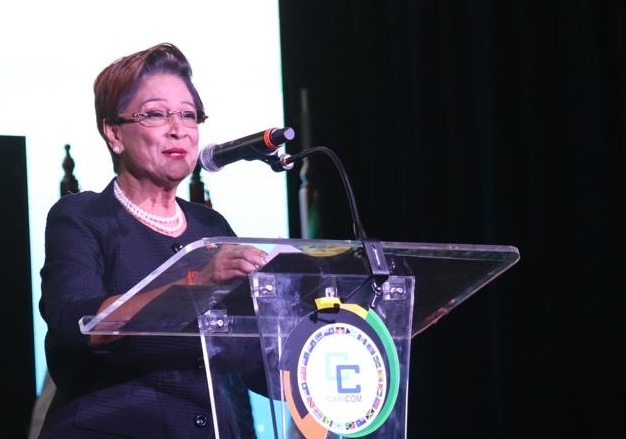
    In a striking address at the CARICOM Summit opening in St. Kitts, Trinidad and Tobago Prime Minister Kamla Persad-Bissessar delivered a severe condemnation of the regional body’s operational integrity and political impartiality. The veteran leader revealed that her formal communication regarding the 2022 coordinated kidnapping of a Trinidadian citizen from another member state—a incident validated by her nation’s Supreme Court—had been completely ignored by the CARICOM Secretariat for nearly four years.

    Persad-Bissessar articulated profound concerns about the organization’s apparent disregard for opposition voices, suggesting institutional bias toward incumbent governments. ‘The non-response may stem from poor management, lax accountability, or most troubling—the perception that one ceases to be recognized as a CARICOM citizen when not in government,’ she stated before assembled regional leaders.

    The Prime Minister further criticized the growing practice of affiliate political parties campaigning across national borders, labeling it a destructive force fostering ‘unneeded factional divisions and private conflicts.’ She highlighted the inherent contradiction in expecting collegial cooperation among leaders whose parties had actively intervened in each other’s domestic elections. Her comments referenced recent events where a senior member of her United National Congress had publicly attacked St. Vincent and the Grenadines’ leadership during their November general elections.

    Persad-Bissessar issued a compelling appeal for CARICOM to transcend partisan politics and serve all citizens equally, regardless of their governing status. ‘We are not red, yellow, blue, or green—we are all CARICOM persons deserving of mutual respect,’ she emphasized, urging the organization to reclaim its role as a unifying force rather than an instrument for political advantage.

  • Leisure : Did you know ?

    Leisure : Did you know ?

    HaitiLibre’s Quiz platform has launched an enlightening series titled “Did you know?” focusing on obscure professions and general knowledge. The inaugural piece spotlights the highly specialized and little-known craft of campanistry—a profession dedicated to the preservation of bell heritage.

    A campanist is a master artisan specializing in the installation, restoration, and maintenance of bells and their associated accessories. This multidisciplinary role demands expertise across several technical domains: mechanics for managing swing systems, electrification for automating bell functions, and structural engineering to assess the integrity of belfries supporting immense bronze weights. These craftsmen frequently operate within historic monuments, repairing monumental clock mechanisms and tuning intricate chimes to acoustic perfection.

    Beyond technical proficiency, the campanist serves as an acoustic conservator, ensuring that bell ringing respects local traditions and architectural integrity. This passion-driven profession requires a unique combination of skills: freedom from heights, operational autonomy, and a profound reverence for historical preservation.

    Working literally between heaven and earth, campanists perform essential conservation work that sustains the auditory heritage of cities and villages across centuries. Their work preserves what the article poetically terms “the voice of our communities.”

    The feature originates from educational materials accompanying Quiz-HaitiLibre’s expert-level challenges. The platform offers dozens of free, registration-free games available in both French and English, with three difficulty tiers across diverse topics including specialized professional knowledge. New content is added monthly to this educational initiative.

  • Clash Over Open Justice as Court Weighs Closed‑Door Trial for OJ Elrington

    Clash Over Open Justice as Court Weighs Closed‑Door Trial for OJ Elrington

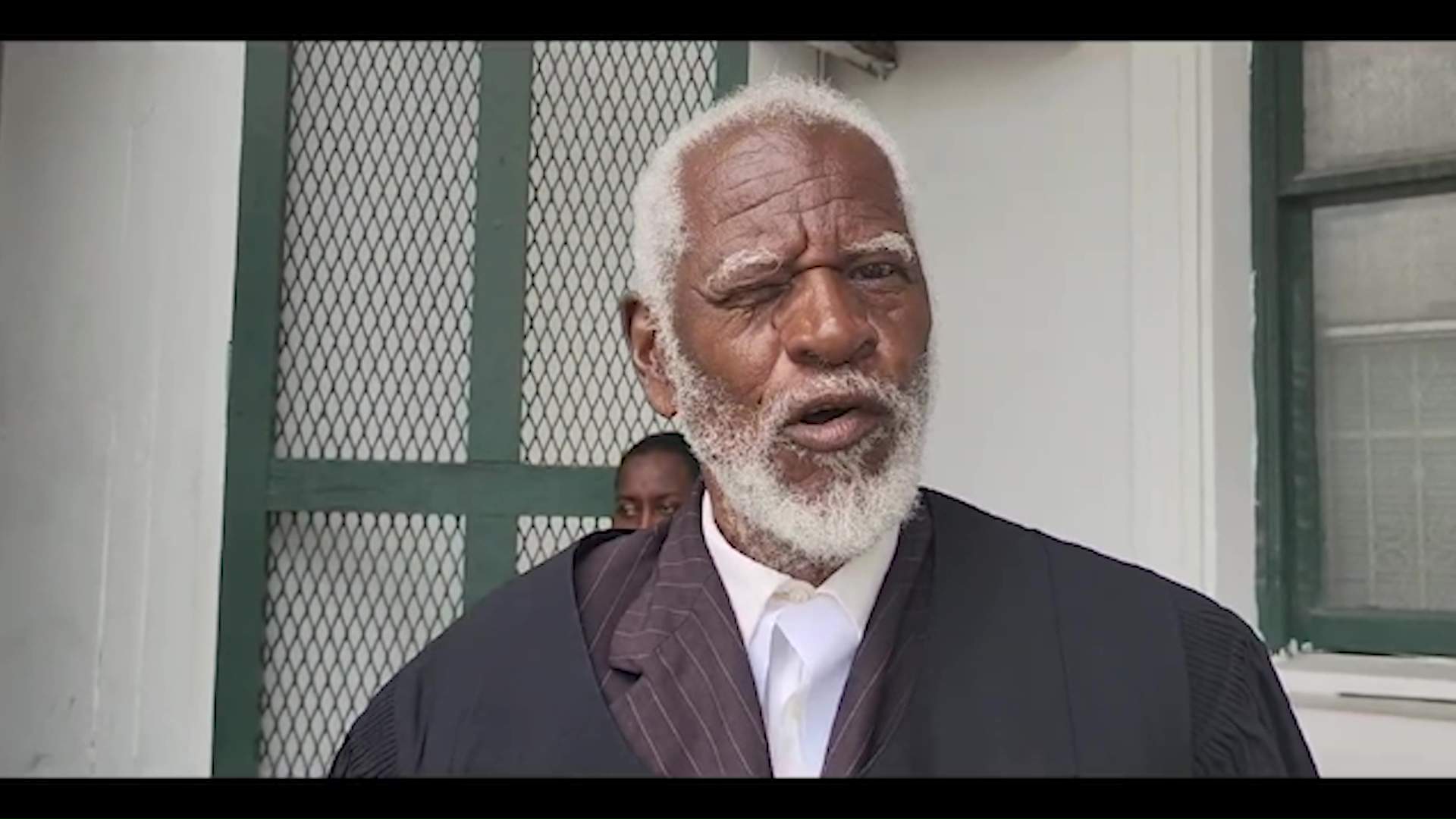
    A significant judicial confrontation regarding transparency in legal proceedings erupted in Belize’s High Court today, centering on the controversial sexual assault case against prominent attorney Orson ‘OJ’ Elrington. Justice Nigel Pilgrim presided over heated arguments between prosecution and defense teams regarding whether the trial should be conducted behind closed doors.

    The prosecution, led by DPP Cheryl-Lyn Vidal, advocated for excluding the public, citing Section 6(9)(a) of Belize’s Constitution which permits courtroom closure when publicity might harm justice administration. Vidal emphasized the need to protect the complainant from retraumatization when recounting intimate details, arguing that media exposure would effectively create ‘a trial within the courtroom and one by the public’ that could compromise evidence quality.

    Defense counsel Wilfred ‘Sedi’ Elrington, a former Attorney General, mounted a vigorous opposition to closed proceedings. He characterized open justice as a fundamental constitutional principle deeply embedded in Commonwealth legal tradition. The defense contended that since allegations had already entered public discourse, damaging the defendant’s reputation, the public deserved to witness how these claims withstand cross-examination scrutiny. Elrington warned that secrecy could foster public suspicion and undermine judicial credibility, particularly given the defendant’s public profile.

    The defense proposed alternative protective measures including witness anonymity, physical screens, and controlled questioning techniques that would preserve transparency while addressing witness vulnerability concerns.

    Justice Pilgrim has postponed his ruling until Friday morning, first requesting the prosecution to formally present the complainant’s position on the matter by Thursday noon. This approach ensures the victim’s perspective receives equal consideration alongside the defendant’s rights in this landmark decision that may establish precedents for balancing transparency against victim protection in Belize’s judicial system.

  • Hubert Elrington Fails to Meet Judgment Deadline

    Hubert Elrington Fails to Meet Judgment Deadline

    A significant development has emerged in the ongoing legal proceedings involving Senior Counsel Hubert Elrington, as confirmed by court authorities on February 24, 2026. The prominent Belizean attorney has failed to comply with a High Court mandate requiring substantial financial restitution by the specified deadline.

    The case stems from a January ruling where the High Court determined that Elrington violated his fiduciary responsibilities as executor of the late James Lightburn’s estate. Judicial authorities characterized these violations as particularly severe, citing Elrington’s failure to provide proper accounting and distribution of estate assets.

    The court’s judgment mandated payment exceeding $337,000 Belize dollars, supplemented by 5% annual interest retroactive to June 2017, in addition to $10,000 for legal expenses. Beyond financial penalties, the ruling required submission of comprehensive estate documentation and directed that the decision be formally communicated to both the General Legal Council and the Bar Association for potential disciplinary review.

    This verdict represents the second major disciplinary action against Elrington within recent months. In late 2025, the General Legal Council imposed a six-month suspension against the attorney for serious professional misconduct in an unrelated case, simultaneously ordering reimbursement of approximately $6,000 to an affected client.

    With the payment deadline now expired without compliance, the judicial system is positioned to initiate enforcement procedures. This development marks a critical juncture in the legal accountability of a senior member of Belize’s legal community, potentially carrying implications for professional standards within the nation’s judicial framework.

  • Nearly 30 skeletons found in colonial church ruins in Azua

    Nearly 30 skeletons found in colonial church ruins in Azua

    In a significant archaeological development, approximately 30 human skeletons have been unearthed from the ruins of Las Mercedes Church in Pueblo Viejo, Azua. This discovery holds particular historical importance as researchers speculate the remains may include those of Enriquillo, the legendary Taíno cacique who mounted a famous resistance against Spanish colonizers during the sixteenth century.

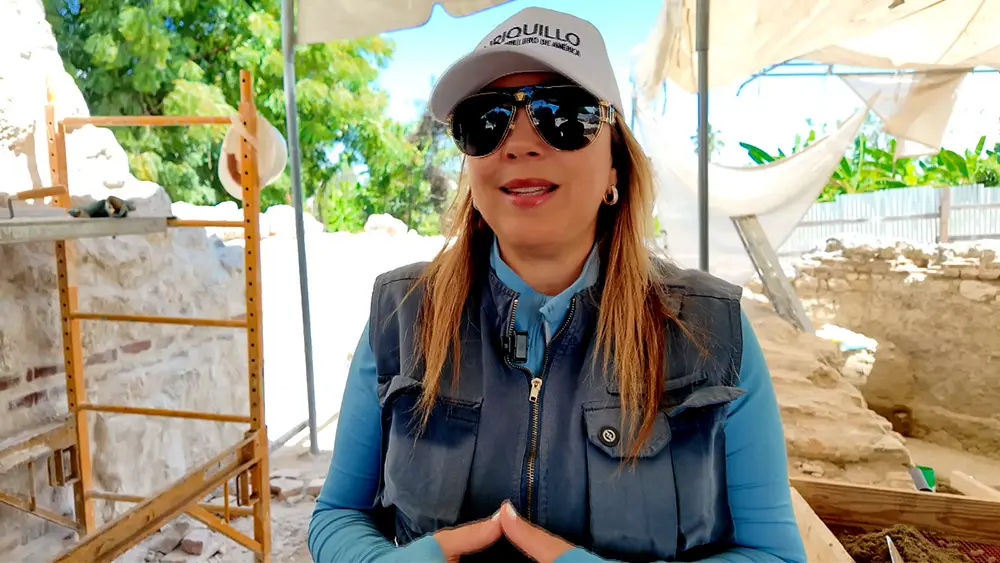
    The extensive excavation project, now concluding its initial phase, is spearheaded by distinguished Dominican archaeologist Kathleen Martínez. Her international team employed advanced Israeli ground-penetrating radar technology to detect subsurface anomalies before conducting precise excavations. Additional specialized equipment was imported from Egypt to meet the project’s technical demands, highlighting the multidisciplinary nature of modern archaeological science.

    Currently, researchers are developing comprehensive osteological profiles for each individual, documenting biological characteristics including sex, physical stature, and other vital indicators. The subsequent phase will involve sophisticated DNA analysis to establish genetic origins and potentially identify Enriquillo among the recovered remains.

    Concurrent with the anthropological investigation, restoration experts have meticulously preserved the church ruins using historically accurate methods. Under the guidance of restoration specialist María Luz Carretel, over 240 original stone blocks were cataloged and reassembled through anastylosis—a technique that exclusively utilizes original materials without modern additions like cement.

    This groundbreaking research, sponsored by the Macarrulla Foundation, represents the culmination of more than ten years of historical and archaeological investigation. The project now advances to its most anticipated stage: genetic identification that could fundamentally reshape understanding of indigenous Caribbean resistance movements. Results from the DNA analysis are expected to be published later this year.

  • Ambassador Arnold Urges Car Dealers: Delay Mexico Drive

    Ambassador Arnold Urges Car Dealers: Delay Mexico Drive

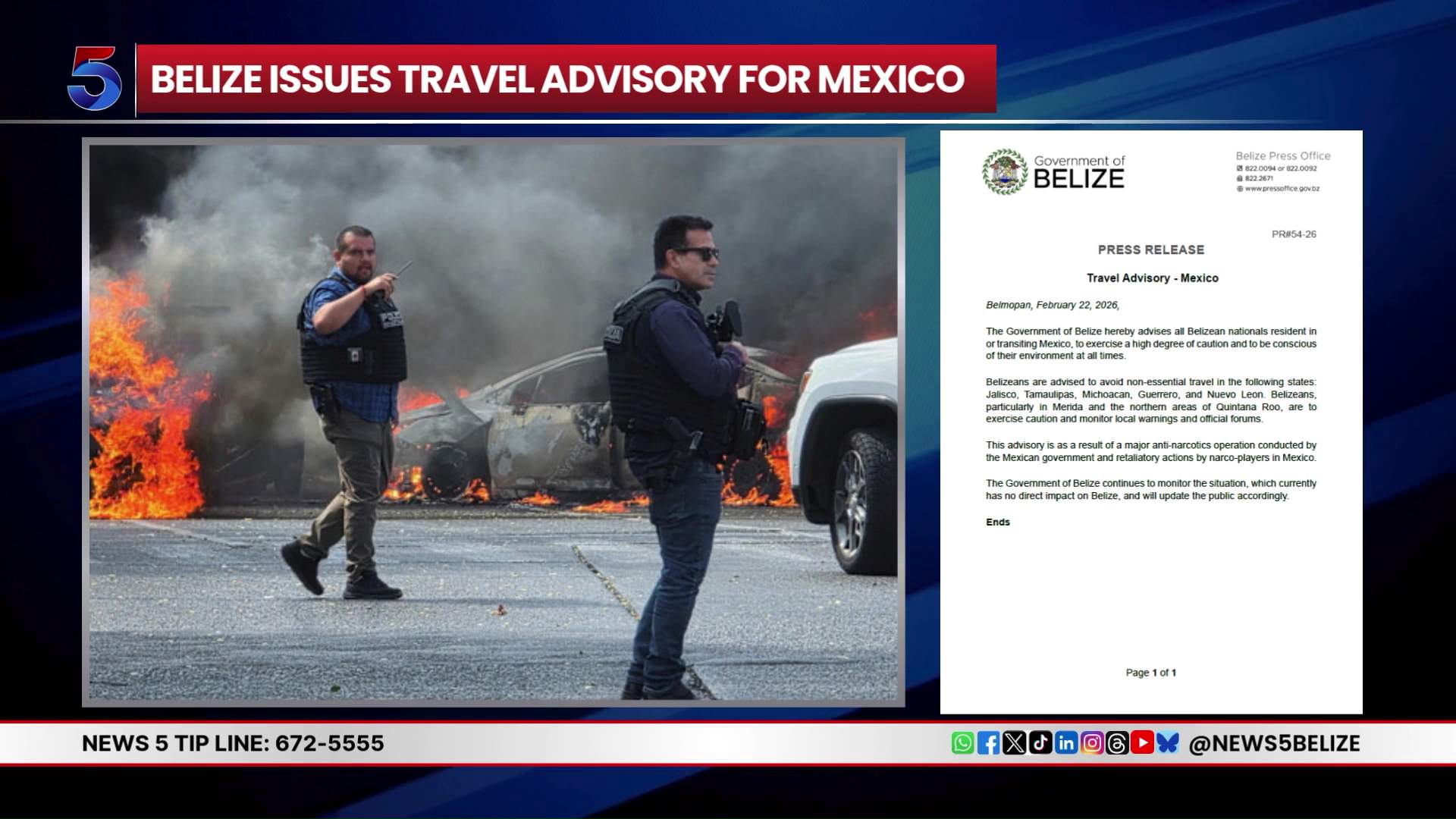
    Belize’s diplomatic mission in Mexico has issued a critical security advisory urging automotive traders to postpone their return journeys through Mexican territory. Ambassador Oscar Arnold explicitly recommended that dealers currently in the United States extend their stay for several additional days despite Mexican authorities declaring restored order along major transit corridors.

    The caution follows significant disruptions caused by cartel-installed roadblocks that emerged after the lethal confrontation with notorious drug lord Nemesio ‘El Mencho’ Oseguera. While Mexican President Claudia Sheinbaum has confirmed governmental control over previously affected zones, Ambassador Arnold maintains that the security situation remains volatile and requires further stabilization.

    Among those heeding the advisory is Tevonne Phillips, proprietor of Accelerate Belize, who confirmed that multiple transportation operations have been suspended indefinitely. Phillips revealed that his preferred brokerage service has implemented a temporary crossing moratorium until at least Tuesday, with continuous assessment of ground conditions.

    Experienced dealers like Phillips acknowledge the inherent risks of Mexican transit routes, where occasional extortion attempts and security incidents have become an unfortunate reality of the profession. The prevailing wisdom among seasoned transporters emphasizes compliance with local dynamics rather than confrontation.

    The collective industry stance prioritizes personnel safety above logistical expediency, with many opting to absorb additional accommodation costs rather than risk encountering residual cartel activity during this transitional period.

  • Speaking Out Against Perez Allegedly Costs Hernandez His Job

    Speaking Out Against Perez Allegedly Costs Hernandez His Job

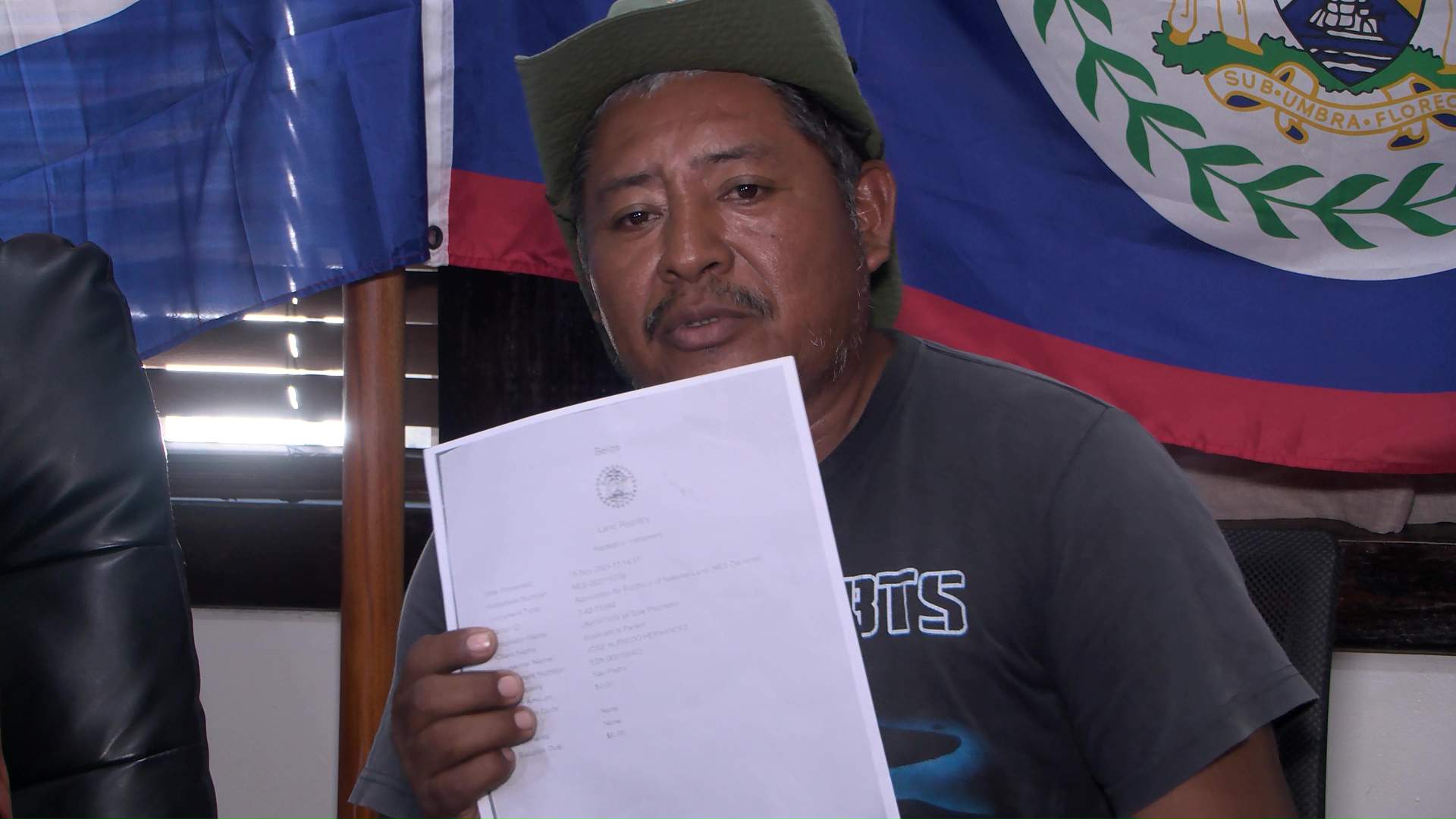
    A contentious land dispute in San Pedro, Ambergris Caye, has escalated dramatically with allegations of political retaliation and wrongful termination. Jose Hernandez, a longtime resident, claims he was abruptly dismissed from his position at the San Pedro Town Council after publicly criticizing Area Representative Andre Perez.

    The conflict originated when Hernandez joined opposition politician Gabriel Zetina at a press conference last week, accusing Perez of denying him legal rights to property he has occupied for a decade. Perez countered that Hernandez’s wife already owns island property, making additional land grants inappropriate.

    Hernandez provides new context to the dispute, revealing he has been separated from his wife for three years and maintains no claim to her property. He asserts his former land allocation was personally revoked by Perez, leaving him without legal property rights despite decade-long occupancy.

    The situation intensified when Hernandez received an unexpected termination notice from the Town Council. He describes being instructed to surrender his vehicle keys without formal dismissal procedures or severance pay, despite his long-term employment through the pandemic period. The father of five now faces severe financial hardship, unable to provide basic school expenses for his children.

    Representative Perez denies involvement in the employment decision, stating Hernandez’s termination resulted from numerous parental complaints about his performance as a school transport driver. Perez characterizes the opposition’s support of Hernandez as political opportunism, pledging to provide evidence contradicting Hernandez’s claims of property development.

    This personal dispute has evolved into a broader examination of political influence, property rights, and accountability in local governance.