作者: admin

  • At COP30, Caribbean reports unveiled to promote strengthening of regional resilience

    At COP30, Caribbean reports unveiled to promote strengthening of regional resilience

    As the global climate summit, COP30, enters its final week, the spotlight has shifted to the Caribbean, where Climate Analytics Caribbean unveiled two pivotal reports aimed at bolstering regional resilience and accelerating the energy transition. The presentations took place at the CARICOM Pavilion on November 18, featuring prominent figures such as The Honourable Senator Dr. Joyelle Trizia Clarke, Minister of Sustainable Development, Environment and Climate Action of St. Kitts and Nevis, and Mr. Chamberlain Emmanuel, Head of the Environmental Sustainability Division of the Organization of Eastern Caribbean States.

    The first report, ‘Refining the Regional Goal on Adaptation for the Caribbean,’ authored by Sasha Jattansingh, Deputy Director and Senior Adaptation and Loss and Damage Adviser at Climate Analytics Caribbean, updates the proposed Regional Goal on Adaptation (RGA). This document aims to elevate climate adaptation efforts by addressing funding, capacity, and technical support gaps while promoting effective governance. It outlines fourteen strategic targets—eight thematic and six cross-cutting—that align with Caribbean priorities and contribute to the global Climate Goal on Adaptation (GGA).

    The second report, ‘Pathways to Global Stocktake Implementation in the Caribbean,’ co-authored by Kory Hall and Kristin Qui, emphasizes the urgency of the Caribbean’s energy transition. With renewable energy accounting for only 12% of the region’s electricity in 2022, the report calls for tripling renewable capacity and doubling energy efficiency by 2030 to meet the Global Stocktake (GST) and Caribbean Sustainable Energy Roadmap and Strategy (C-SERMS) targets. It highlights the need for regulatory reforms, enhanced data systems, and regional cooperation to align Nationally Determined Contributions (NDCs) with GST efforts.

    Endorsements from industry leaders like Philip Julien, CEO of Kenesjay Green Systems, and Mairi Dupar, Senior Research Fellow at ODI Global, underscored the importance of interconnectedness in empowering communities and scaling up financial and technological solutions. Minister Clarke concluded the session by advocating for international support to accelerate sustainable projects, particularly through the SKN-100 initiative, which aims to decarbonize St. Kitts and Nevis’ energy sector.

    Both reports are set for publication later this year, marking a significant step in the Caribbean’s fight against climate change.

  • ANALYSIS: What are US aims toward Venezuela? The historical parallel is Panama – not Iraq

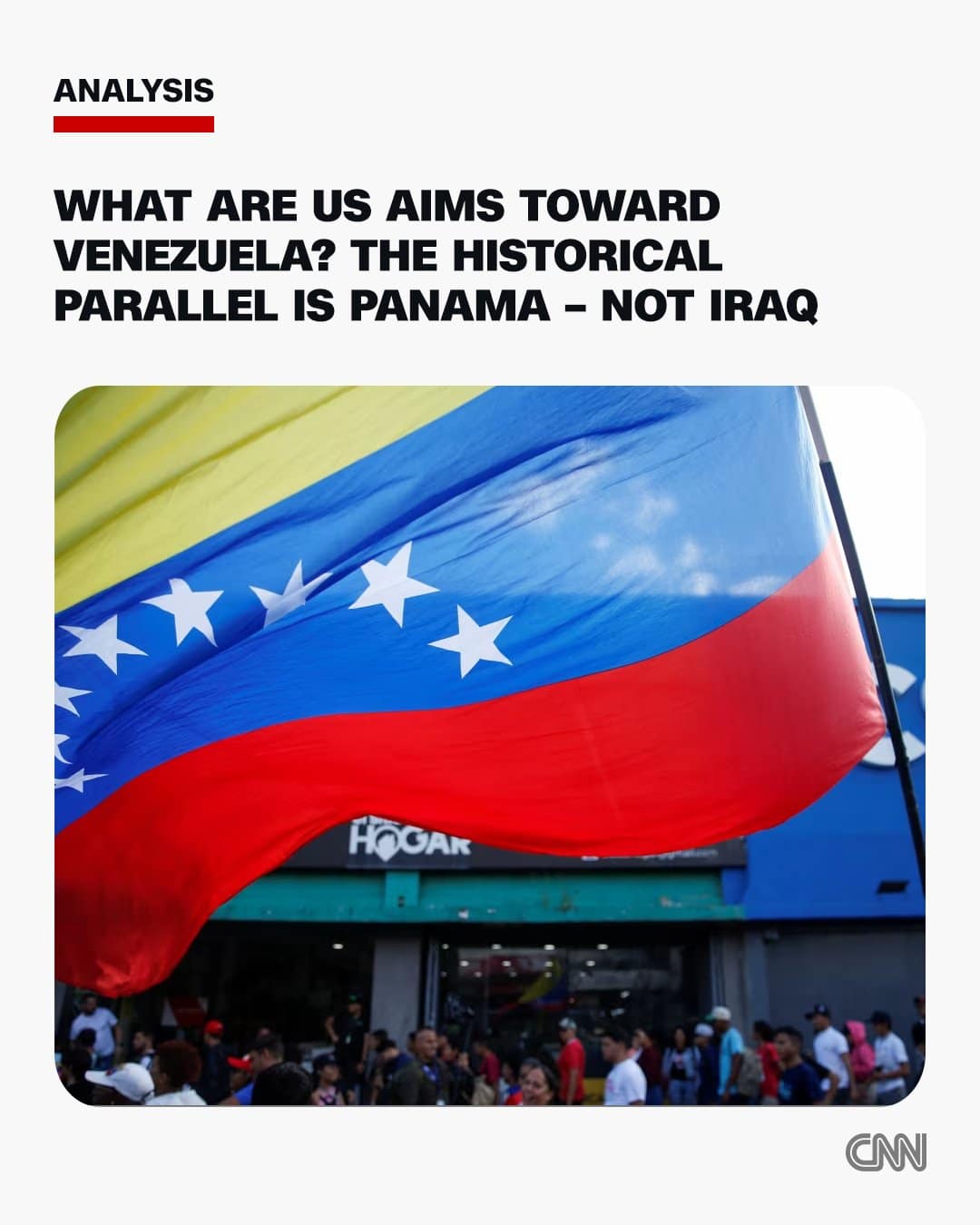
    ANALYSIS: What are US aims toward Venezuela? The historical parallel is Panama – not Iraq

    Brett McGurk, a seasoned CNN global affairs analyst with extensive experience in national security roles across four U.S. presidencies, reflects on the parallels and pitfalls of U.S. military interventions. Drawing from his harrowing arrival in Baghdad in 2004, McGurk emphasizes the importance of prudence in foreign policy, particularly when deploying military power. His insights come amid escalating tensions in Venezuela, where the U.S. has mobilized 15% of its naval forces and conducted ground exercises nearby. While some draw comparisons to the Iraq War, McGurk argues that Venezuela’s situation more closely resembles Panama in 1989, where a successful U.S. operation ousted dictator Manuel Noriega and restored democracy. However, he warns that Venezuela’s complexities—such as its size, internal divisions, and the involvement of global powers like Russia and China—make it a far riskier endeavor. McGurk also highlights the Trump administration’s ambiguous strategy, dubbed Operation Southern Spear, which aims to combat narcoterrorism but leaves room for broader objectives. While the removal of Nicolás Maduro could benefit both Venezuela and the U.S., McGurk cautions against military intervention, advocating instead for leveraging diplomatic and economic pressure to achieve key objectives, such as free elections and the dismantling of drug networks. He stresses the need for congressional debate and regional support before any decisive action is taken, underscoring the lessons learned from decades of protracted military engagements.

  • PHOTOS: 24 derelict vehicles removed from Yorks Community

    PHOTOS: 24 derelict vehicles removed from Yorks Community

    The National Clean-up Campaign has made remarkable strides in the Yorks Community, with a significant milestone achieved last Saturday. Nearly two dozen abandoned vehicles were successfully removed from the area, marking a pivotal moment in the ongoing effort to revitalize the neighborhood. This initiative, part of a broader national movement, aims to address urban blight and enhance the quality of life for residents. The removal of these derelict vehicles not only improves the aesthetic appeal of the community but also contributes to environmental sustainability by reducing potential hazards and pollution. Local authorities have praised the collaborative efforts of volunteers and government agencies, emphasizing the campaign’s role in fostering community pride and environmental stewardship. As the campaign continues to gain momentum, residents remain optimistic about the long-term benefits it will bring to their community.

  • 11 Saint Lucians receive scholarships to study in Morocco

    11 Saint Lucians receive scholarships to study in Morocco

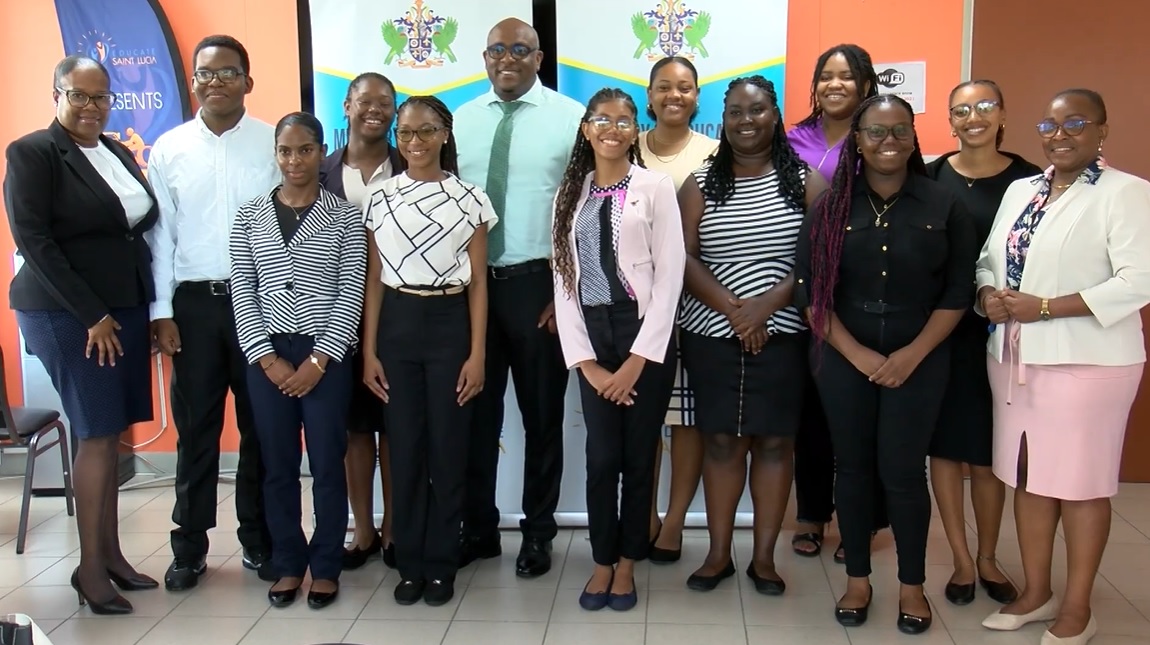
    A group of eleven talented Saint Lucians has been granted scholarships to pursue higher education in Morocco, marking a significant milestone in their academic journeys. This year’s cohort, consisting of one male and ten females, will delve into diverse fields such as business management, general medicine, law, agriculture, engineering, biology, chemistry, and geology. The scholarships are part of the Moroccan government’s Academic Cooperation Programme, facilitated by the Moroccan International Cooperation Agency (AMCI), which offers opportunities for students to study at public universities, higher education institutions, and vocational training centers, extending up to doctoral levels. During a meeting with the recipients, Saint Lucia’s Minister for Education, Shawn Edward, extended his congratulations while offering candid advice. He emphasized the challenges they might face, urging them to remain resilient and humble. Edward also expressed profound gratitude to the Moroccan government for their continued support in providing educational opportunities to Saint Lucian youth. The recipients are set to depart for Morocco by the end of November, embarking on a transformative academic journey.

  • Venezuela’s Maduro Offers Face-to-Face Talks with U.S.

    Venezuela’s Maduro Offers Face-to-Face Talks with U.S.

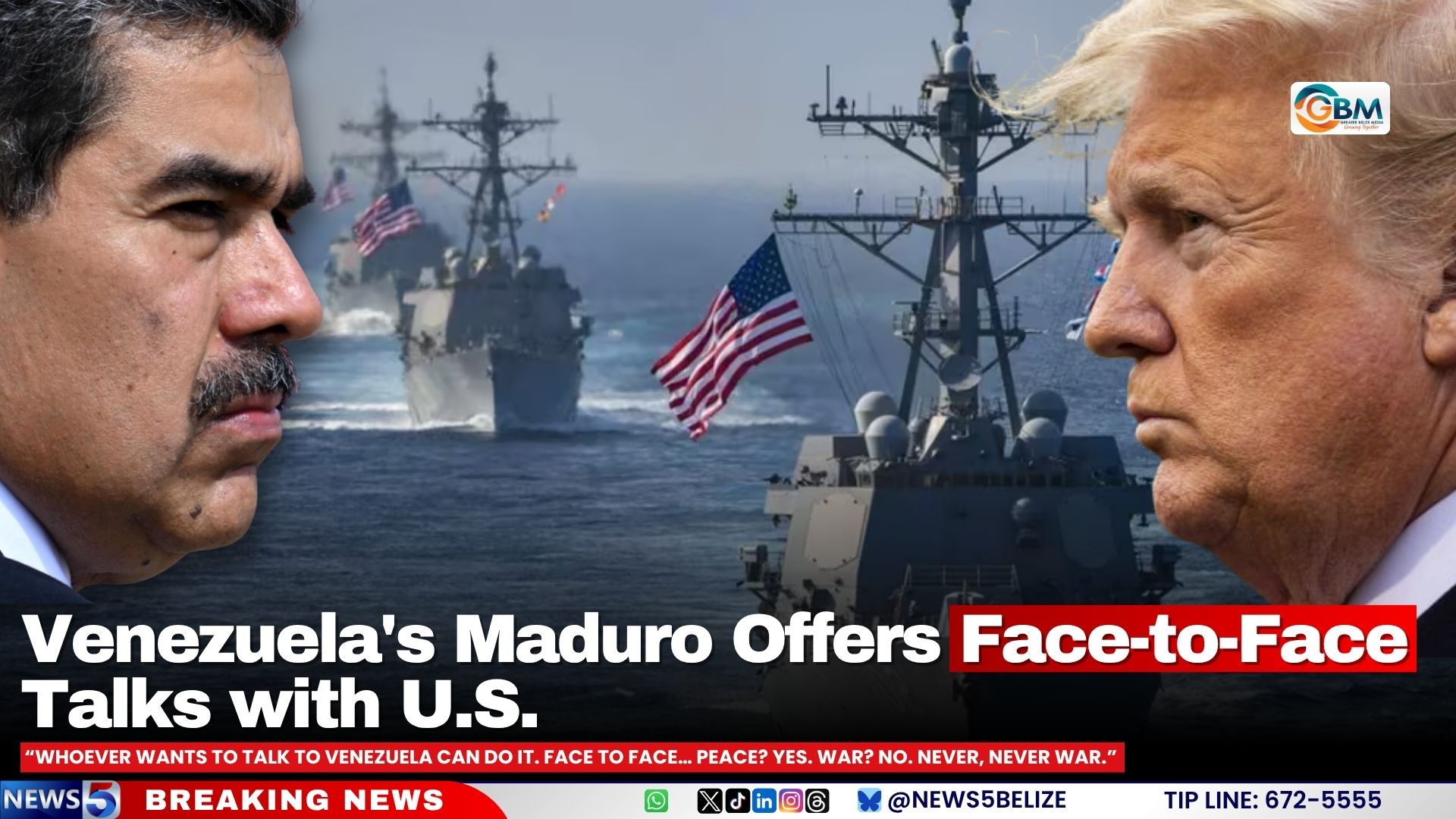
    Venezuelan President Nicolás Maduro has extended an olive branch to the United States, offering to engage in face-to-face talks with U.S. officials despite escalating tensions between the two nations. In a televised address, Maduro emphasized Venezuela’s commitment to peace, stating, ‘Whoever wants to talk to Venezuela can do it. Face to face… Dialogue. Call? Yes. Peace? Yes. War? No. Never, never war.’ This comes as he ordered the mobilization of nearly 200,000 troops, signaling a heightened state of readiness.

    U.S. President Donald Trump has sent mixed signals regarding the situation. While he told CBS News that he does not anticipate war, he has not ruled out the possibility of deploying troops. When asked about a potential direct conversation with Maduro, Trump responded, ‘I probably would,’ adding, ‘I talk to everybody.’

    Tensions have been mounting since January, with the U.S. intensifying pressure on Venezuela. Measures include a $50 million bounty for Maduro’s capture and airstrikes on suspected drug trafficking vessels in the Caribbean and Pacific, which have resulted in over 80 casualties. The deployment of the USS Gerald Ford, the world’s largest aircraft carrier, to the region has further fueled speculation of potential military action.

    Maduro has vehemently denied allegations of running a drug trafficking organization, accusing the U.S. of seeking to control Venezuela’s vast oil reserves and provoking conflict. Meanwhile, opposition leader María Corina Machado has reemerged with a ‘freedom manifesto,’ outlining her vision for a post-Maduro Venezuela and calling for accountability for alleged human rights abuses.

  • Saint Lucia advances toward unified national child protection system

    Saint Lucia advances toward unified national child protection system

    Saint Lucia has taken a significant step toward bolstering the safety and well-being of its youth with the development of the National System for the Comprehensive Protection of Children and Adolescents (NSCPCA). On November 11, key stakeholders, including government agencies, civil society organizations, and international partners, convened to shape this groundbreaking initiative. The NSCPCA aims to enhance coordination, accountability, and policy alignment across all sectors involved in child and adolescent welfare. The consultation focused on the system’s governance structures, including the National Child Protection Steering Committee and the Child Rights Advisory and Observatory Mechanism. Once operational, the NSCPCA will serve as a unified platform to promote collaboration among entities dedicated to safeguarding the rights of Saint Lucia’s children and adolescents. The initiative aligns with the UN Convention on the Rights of the Child (CRC) and supports progress toward the Sustainable Development Goals (SDGs). Dr. Charmaine Hippolyte-Emmanuel, Permanent Secretary in the Ministry of Equity, Social Justice & Empowerment, emphasized the importance of the initiative, calling it a critical milestone in creating a coordinated, multisectoral child protection framework. She highlighted the system’s goal of ensuring every child is protected, engaged, and has access to education and healthcare. The official launch of the NSCPCA is scheduled for November 19 and 20, coinciding with World Children’s Day. Pre-launch activities include a children’s march, church service, youth gathering, and cultural showcase. Dr. Lorraine Nicholas, United Nations Country Coordinator for Saint Lucia, praised the initiative as a significant advancement in child rights protection. Dr. Brittney Dalson, a community pediatrician with the Ministry of Health, also commended the collaborative spirit of the consultation, expressing optimism about the system’s potential to improve the lives of Saint Lucia’s youth.

  • Caribbean Development Bank unveils new Trade Guarantee Programme to engage region’s bankers

    Caribbean Development Bank unveils new Trade Guarantee Programme to engage region’s bankers

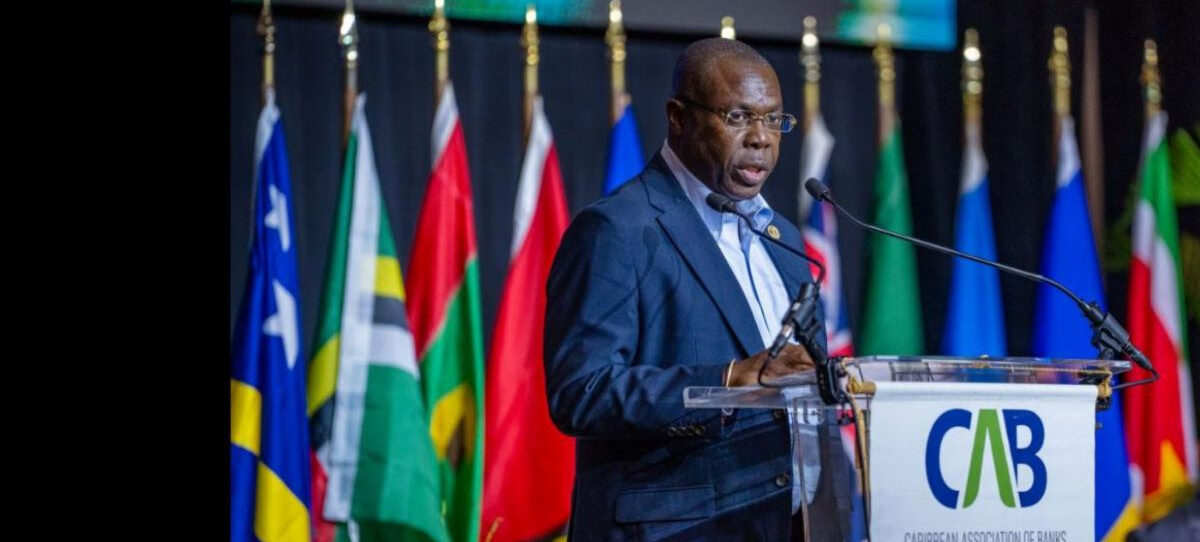
    The Caribbean Development Bank (CDB) has unveiled a groundbreaking initiative, the Trade Finance Guarantee Programme (TFGP), aimed at enhancing trade financing opportunities for businesses across the Caribbean, with a particular emphasis on Micro, Small, and Medium-sized Enterprises (MSMEs). The announcement was made during the Caribbean Association of Banks Annual Conference held at the Hyatt Regency in Trinidad and Tobago.

    Dr. Isaac Solomon, Vice President of Operations at CDB, described the TFGP as a pivotal component of the bank’s broader strategy to foster regional economic growth. He emphasized that the programme is designed to mitigate risks for banks and improve access to international markets for local businesses. ‘This Guarantee Programme sits squarely in the middle of our transformation agenda – it is anchored on accelerating transformative financing, advancing opportunities for MSMEs to thrive, and scaling impact through partnerships,’ Dr. Solomon explained.

    The TFGP aims to reduce the risk exposure of confirming banks by providing partial guarantees against defaults by issuing banks within CDB’s 19 Borrowing Member Countries. This approach is expected to strengthen relationships with correspondent banks, unlock additional capital, and expand trade finance activities throughout the Caribbean.

    Dr. Solomon highlighted the broader significance of trade finance, noting that it serves as a catalyst for economic growth, employment opportunities, and regional resilience. ‘Adequate trade finance is not just a financial service; it is an enabler of growth, job creation, and regional resilience. By enabling more transactions, this programme will directly support efforts to grow exports and increase foreign exchange earnings,’ he stated.

    The programme will initially undergo a pilot phase in collaboration with JP Morgan and IDB Invest, targeting 14 banks across six Caribbean nations. The pilot phase will include capacity-building support to enhance the trade finance capabilities of these banks. The ultimate goal is to develop a sustainable, long-term platform that continues to promote trade facilitation in the region.

    In addition to the launch, CDB hosted a panel discussion on the future landscape of trade finance in the Caribbean. The session explored how improved access and affordability can stimulate enterprise growth, featuring insights from industry leaders such as Mr. Stephen Thomas of the Caribbean Financial Institutions Team; Ms. Joanna Charles, General Manager of Antigua Commercial Bank; Mr. Bevon Alvarez, General Manager of Republic Bank; and Ms. Lisa Harding, CDB’s Division Chief of Private Sector Development.

    CDB reiterated its commitment to collaborating with regional financial institutions to ensure the success of the pilot programme. The bank also positioned the TFGP as a flagship initiative intended to advance trade development across the Caribbean.

  • Ameen urges corporations to get creative for funding

    Ameen urges corporations to get creative for funding

    Local Government and Rural Development Minister Khadijah Ameen has urged regional corporations to adopt innovative approaches to secure funding for infrastructure and security projects, emphasizing the importance of not relying solely on government subventions. Speaking at the commissioning of the refurbished Tunapuna/Piarco Municipal Police Post and the launch of the Building Trust Through Vigilance programme on November 20, Ameen highlighted the expanded CCTV surveillance system and dedicated monitoring room under the Eagle Eye project. She encouraged other corporations to present development proposals for purpose-built municipal police facilities, promising support through public-private partnerships. The new station, equipped to accommodate 44 officers, features upgraded facilities including a reception area, charge room, processing area, secure cell block, and administrative offices. Ameen stressed that the improved environment should translate into enhanced public service, reflecting the professionalism and dignity deserved by officers and citizens. She emphasized that modern surveillance tools aim to protect, not intrude, fostering public trust and enabling early crime detection and quick response. The initiative aligns with the Prime Minister’s national agenda for safer communities through smarter technology, addressing the region’s high population, commercial activity, and cultural hubs. Ameen also urged officers to focus on core municipal policing duties, such as enforcing regulations related to corporation assets, litter prevention, and illegal dumping, while cautioning against their diversion into general police operations. Corporation chairman Josiah Austin described the refurbishment as a renewed commitment to public safety, part of a broader development programme aimed at improving infrastructure, boosting police readiness, and strengthening community safety. The upgraded station, along with new municipal police vehicles and an expanded CCTV monitoring system, equips officers with the tools needed for efficient and professional service. Austin emphasized the importance of community vigilance in crime prevention, urging residents to contribute to public safety by sharing information.

  • Cuba battles virus outbreak despite shortages of food, medicine

    Cuba battles virus outbreak despite shortages of food, medicine

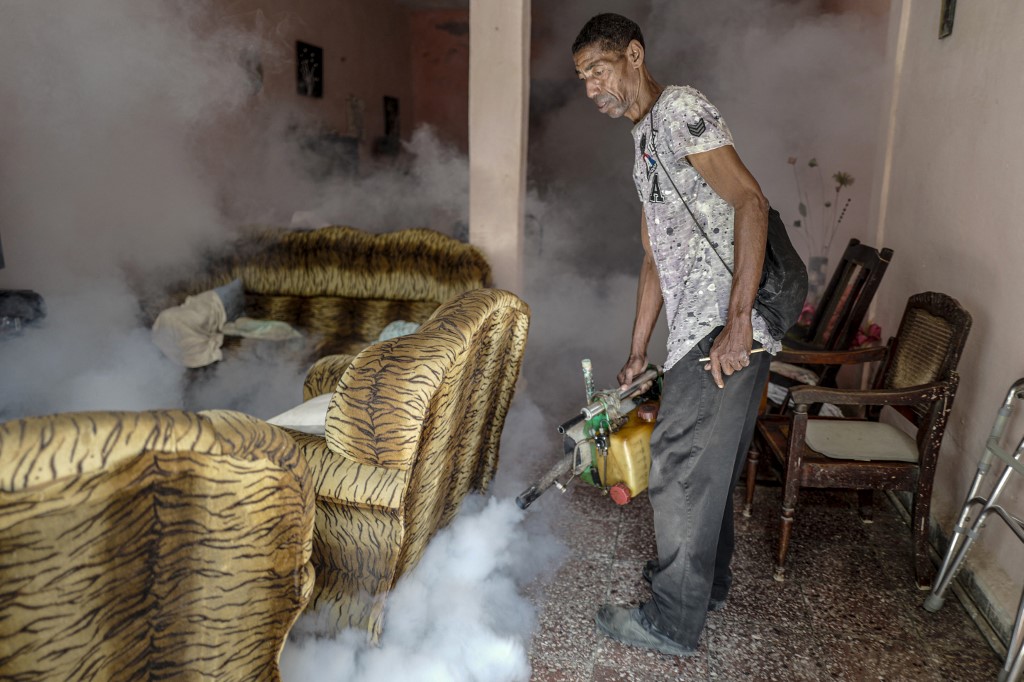
    Cuba is currently grappling with a severe outbreak of the chikungunya virus, compounded by an unprecedented economic crisis that has led to shortages of essential resources such as clean water, food, fuel, and medicine. The viral disease, which causes debilitating fever and joint pain, has spread across all 15 provinces of the island nation, affecting millions of residents. Elderly citizens like 81-year-old Pilar Alcantara are particularly vulnerable, with many left to endure the illness without access to basic medical care. The situation is exacerbated by concurrent outbreaks of other mosquito-borne diseases, including dengue, Zika, Oropouche, and yellow fever. Francisco Duran, head of epidemiology at Cuba’s public health ministry, reported that over 47,000 cases of chikungunya were diagnosed in a single week, doubling the previous week’s figures. The economic crisis, worsened by U.S. sanctions and the collapse of the tourism sector during the COVID-19 pandemic, has crippled the country’s healthcare system and mosquito control programs. In Havana’s Jesus Maria neighborhood, garbage piles up on the streets due to fuel shortages, while the eastern regions, recently devastated by Hurricane Melissa, face even more dire conditions. Despite Cuba’s historical expertise in medical and pharmaceutical fields, the current outbreak has spiraled out of control due to poor hygiene, accumulated waste, and inadequate water storage practices. As of Thursday, 20 Cubans were reported to be in critical condition due to chikungunya.

  • Fitch revises Jamaica’s outlook to stable, affirms ‘BB-‘ rating

    Fitch revises Jamaica’s outlook to stable, affirms ‘BB-‘ rating

    Fitch Ratings has adjusted Jamaica’s credit outlook from positive to stable, effectively halting any near-term upgrade prospects, following the severe economic damage inflicted by Hurricane Melissa. The agency reaffirmed the country’s ‘BB-’ rating, signaling a pause in the momentum that had previously pointed toward an improvement. A stable outlook indicates that Fitch expects Jamaica’s credit rating to remain unchanged over the next one to two years, contrasting with a positive outlook, which would have suggested potential upgrades if economic conditions continued to strengthen. The government’s preliminary estimates place the storm’s damage at approximately 30% of Jamaica’s GDP, equating to roughly US$6 billion to US$7 billion. This aligns with earlier assessments from the World Bank and Inter-American Development Bank, which estimated physical damage at a record US$8.8 billion. Fitch forecasts a 1.5% economic contraction in 2025, followed by a modest recovery of 1.8% in 2026. The agency highlighted prolonged adverse effects on key sectors like tourism, agriculture, and mining, with tourism receipts projected to decline by 15% in both 2025 and 2026. Before the storm, tourism accounted for nearly 20% of Jamaica’s GDP. The current account is expected to slip into a deficit in 2026 after posting a surplus of 3.1% of GDP in 2024, reflecting increased spending on imports and external payments. However, rising remittances are anticipated to mitigate the impact. Jamaica’s foreign exchange reserves remain robust at US$6.2 billion, covering nearly seven months of external payments—well above the ‘BB’ country median of 4.8 months. In response to the crisis, the government will suspend the Fiscal Responsibility Law for two years, leading to a sharp shift in public finances. The general government balance is projected to move from a 0.2% surplus in 2024 to a 3.2% deficit in 2025, potentially pushing the debt-to-GDP ratio to 68% by the end of 2026. This reverses a years-long downward trend that had reduced debt from 135% in 2012. Despite these challenges, Jamaica enters the recovery period with significant financial buffers, including US$250 million in contingency funds, US$384 million in multilateral credit lines, and an estimated US$1 billion to US$2.5 billion in private insurance inflows. These resources provide short-term liquidity and support reconstruction efforts without immediate financing stress. Fitch emphasized that Jamaica’s ‘BB-’ rating is bolstered by strong performance on the World Bank Governance Indicators, which measure factors like government effectiveness, rule of law, and control of corruption. The agency warned that larger-than-expected economic losses or a slower recovery could lead to a negative rating action, while a renewed decline in the debt-to-GDP ratio could eventually support a positive rating action. Fitch believes the government remains committed to its fiscal framework and will actively seek to reduce its debt burden once reconstruction efforts advance.